
Your check engine light can come on for many reasons, from a loose fuel cap to an engine misfire or an emissions-system problem. The light is a warning that your vehicle’s computer has detected something outside its expected operating range. The important first step is to notice whether the light is steady or flashing and whether the vehicle is running differently.
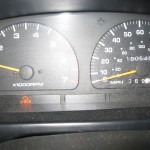
What to Do When the Check Engine Light Comes On
If the light is steady: If the vehicle feels and sounds normal, you can often drive cautiously for a short time while arranging a diagnostic inspection. Avoid hard acceleration, heavy loads and unnecessary trips. Check that the fuel cap is properly tightened if your vehicle has a conventional cap, then see whether the light goes out after a few normal trips. Do not ignore a light that stays on.
If the light is flashing: A flashing check engine light commonly signals an active engine misfire that can quickly overheat and damage the catalytic converter. Reduce speed and engine load, pull over somewhere safe and turn the engine off. If the engine is shaking, running very poorly or losing power, do not continue driving; arrange a tow and professional inspection.
If another serious warning appears: A red oil-pressure warning, an overheating warning or a temperature gauge in the danger zone calls for immediate action. Pull over safely and shut the engine off as soon as it is safe to do so. Continuing to run an engine with low oil pressure or overheating can cause severe damage.
What Can Cause a Check Engine Light?
The light is part of your vehicle’s onboard diagnostics system. When the computer detects a fault, it stores one or more diagnostic trouble codes. Common causes include:
- A loose, damaged or missing fuel cap, or an issue with the evaporative-emissions system.
- An ignition or fuel-delivery problem that causes the engine to misfire.
- A faulty sensor or wiring problem.
- An emissions-control or catalytic-converter problem.
- An air-intake or engine-performance issue.
The code is a useful starting point, but it does not automatically identify the failed part. For example, a sensor-related code may be caused by the sensor, its wiring, an air leak or another condition affecting the reading. Proper diagnosis involves checking the code along with live data, symptoms and any required tests before recommending a repair.
Can You Keep Driving With the Check Engine Light On?
It depends on the warning and how the vehicle is behaving. A steady light with no change in performance may allow a careful trip to a repair shop, but a flashing light, severe shaking, loss of power, unusual knocking, smoke, overheating or an oil-pressure warning means you should stop and get help. When in doubt, consult your owner’s manual and choose the safer option.
Avoid disconnecting the battery or clearing the codes before an inspection. Doing so can erase information that helps a technician identify an intermittent problem, and it will not fix the underlying cause.
Check Engine Light Diagnostics in Denver
If your check engine light is on, Express Car Care can help determine what triggered it. Our auto diagnostic service in Denver uses diagnostic information and testing to narrow down the cause before repairs are recommended. We’ll explain what we find and discuss the next steps with you.
Leave a Reply
You must be logged in to post a comment.