• Home
  • Denver Auto Repair Services
    • Full Service Oil Change
    • Expert Mechanics
      • Expert Honda Mechanics
      • Expert Toyota Mechanics
      • Expert Subaru Mechanics
    • Automatic Transmission
    • Fuel System Cleaning
    • Radiator Flush Service
    • Wiper Blades
    • Air Filter
    • Cabin Air Filter
    • Gearbox Service
    • Brake Repair
    • Clutch Repair
    • CV Boots
    • Tune-Up
    • Steering & Suspension
    • Tires
  • Auto Diagnostic
  • Contact Us
    • About Us
  • Shop Specials
  • Testimonials
  • Blog
  • 303-691-2760

Express Car Care of Denver

"Denver's Best Auto Repair and Quick Lube"

  • Brake Service
  • Car Maintenance
    • Heating-Air Conditioning
    • Suspension
    • Transmission
    • Engine
    • Tires
  • Oil Change
  • Tips & Tricks

Check Engine Lights – What The Codes Tell You About Your Car

February 28, 2023 by Denver Express Car Care

When you first turn your car on, your vehicle goes into test mode. It runs through a series of diagnostic tests to ensure everything operates smoothly and up to the manufacturer’s guidelines. 

You’ll see the lights flash on your dashboard. They’ll stay lit for a second or two before turning back off. 

But what if the check engine lights don’t turn off? What are the different codes trying to tell you? Paying attention could be the difference between a minor repair and a significant malfunction. 

The History of Check Engine Light Codes

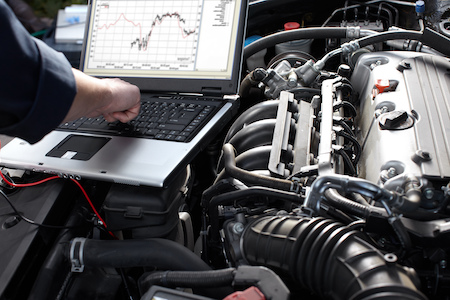
The Check Engine Light is a warning light on the dashboard of cars and trucks that alerts the driver to potential engine issues. When the Check Engine Light illuminates, the vehicle’s onboard diagnostic system (OBD) detects a problem and generates a code corresponding to the issue. This code can be read by a mechanic or an OBD scanner and is used to diagnose the problem and determine what repairs are needed.

The history of check engine light codes goes back several decades, and has evolved alongside advances in automotive technology. 

Check Engine Lights - What The Codes Tell You About Your Car

In the 1970s, the US government began implementing emissions standards for vehicles in an effort to reduce air pollution. As part of this effort, car manufacturers began developing onboard diagnostic systems to monitor engine performance and emissions levels. These early diagnostic systems were relatively primitive and could only detect a few issues.

In the 1980s, automotive technology advanced rapidly, and diagnostic systems became more sophisticated. This led to the development of the OBD-I system, used by car manufacturers from the late 1980s through the mid-1990s. OBD-I systems could detect a broader range of issues than earlier systems but were still limited in their diagnostic capabilities.

In 1994, the US government implemented new vehicle emissions standards, which required car manufacturers to use a more advanced onboard diagnostic system. This system, known as OBD-II, was more sophisticated than previous systems and could detect a broader range of issues more accurately.

One of the key features of OBD-II was the standardization of diagnostic trouble codes (DTCs). DTCs are five-digit codes that correspond to specific engine issues, and are used to diagnose problems with the vehicle. Before OBD-II, each car manufacturer used its own proprietary codes, which made it difficult for mechanics to diagnose and repair issues on different cars.

The standardization of DTCs made it easier for mechanics to diagnose and repair engine issues and allowed for the development of more advanced diagnostic tools. Today, most OBD-II scanners can read and interpret DTCs, which makes it easier for drivers to understand what is wrong with their vehicles

Types of DTCs

There are two types of DTCs: generic and manufacturer-specific. Generic DTCs are standardized across all car manufacturers, and are used to diagnose common engine issues. For example, code P0300 indicates a misfire in one or more cylinders, while code P0171 means a lean air/fuel mixture.

Manufacturer-specific DTCs are unique to each car manufacturer, and are used to diagnose issues specific to a particular vehicle make and model. For example, the code P0101 on a Toyota may indicate an issue with the mass air flow sensor, while the same code on a Ford may indicate a different problem.

Evolution of DTCs

Over the years, the number of DTCs has grown as engine technology has become more complex. The original OBD-II standard included around 400 generic DTCs, which has since grown to over 5,000 codes. These codes cover various engine issues, from minor problems like a loose gas cap to more severe issues like a faulty catalytic converter.

In recent years, there has been a push toward making diagnostic codes more user-friendly for drivers. Some car manufacturers have begun developing systems that can display simplified codes or plain-language descriptions of engine issues on the dashboard, rather than requiring drivers to decipher complex codes.

Triggering the check engine light

Over the years, cars have become complex technological systems that work and function through a variety of sensors. When a technician runs an OBD II diagnostic test, it provides a wealth of information that helps a mechanic pinpoint a problem. They consider real-time data and any information available from past performance issues to determine where the problem lies. 

Not all errors or issues will trigger the check engine light. This is especially true for low-priority codes that don’t have huge repercussions. This is why bringing your car in as soon as possible is essential if the check engine light does illuminate. If it’s enough to trigger the light, it’s serious enough to be a problem for your car’s engine. The manufacturer designed the OBD II system to be your guide and help you fix potential issues long before they worsen.  

What are the most common check engine light codes?

OBD II codes have been standardized to make it easier for mechanics to decipher where the problem lies. Every code starts with a letter:

P – powertrain
C – chassis
B – body
U – network

These letters will be followed by three or four digits that go further into which system is experiencing an issue. It can alert you to what part is involved. For example, a P0301 is used to state there is a problem with the ignition system and it’s with cylinder 1. P0302 would tell you the problem is with cylinder 2. 

Now that you know hundreds of codes can provide information on engine problems, you might think you need an owner’s manual just for the OBD II codes. It turns out that some check engine lights are much more common than others, shortening the list considerably. The top check engine light codes include:

P0010 – intake camshaft actuator circuit p[em
P0016 – crankshaft position / camshaft position sensor
P0102 – mass air flow circuit low input
P0113 – intake air temperature sensor
P0128 – engine coolant temperature below thermostat regulating temperature
P0133 – oxygen sensor slow response 
P0135 – oxygen sensor
P0141 – oxygen sensor heater
P0171 – fuel trim system lean 
P0172 – system too rich
P0174 – system too lean
P0218 – transmission over temperature condition
P0300 – engine misfire detected
P0301 – cylinder 1 misfire detected
P0302 – cylinder 2 misfire detected
P0303 – cylinder 3 misfire detected
P0304 – cylinder 4 misfire detected
P0325 – PCM knock sensor circuit
P0401 – exhaust gas recirculation flow insufficient
P0411 – EVAP system control incorrect purge flow
P0420 – catalyst system low efficiency
P0430 – catalyst system low efficiency 
P0440 – evaporative emission system
P0442 – evaporative emission system small leak detected
P0446 – EVAP vent solenoid valve control system
P0455 – evaporative emission system leak detected
U0101 – lost communication with TCM

Your car’s check engine light is illuminated and you have an OBD II code. Now what?

While having the code may alert you to where the problem lies, it does little to pinpoint the problem and make the correct repair. 

That’s where a relationship with a reliable mechanic comes into play. 

They can take the information the diagnostic codes are telling them, and use it to focus in on where the problem lies. A P0304 code will tell you there’s a misfire in cylinder 4, but it will take focus and critical thinking to determine the problem. Is it getting too much fuel? Is the spark reaching the cylinder? 

Once the problem is discovered, then the proper fix can be made. 

Is your car’s check engine light illuminating? Whether you know what OBD code it’s referring to or not, now is the time to bring your car in and get to the root of the problem. 

We’re here to help. 

Filed Under: Car Maintenance Tagged With: Check Engine Lights

Auto Repair for Better Performance: The Importance of Regular Maintenance

February 24, 2023 by Denver Express Car Care

Ask a hundred drivers about getting better performance from their vehicles, and you’ll likely hear a hundred different answers. That’s because better performance can mean many things. 

For some, it might mean acceleration. They care about speed and power and focus on acceleration from a standstill to a certain speed, such as 0 to 60 miles per hour (mph).

For others, it might be about the maximum speed that your vehicle can reach. You can use a GPS device or a speedometer to track your vehicle’s speed as you accelerate on a straight, flat road.

Maybe it’s about fuel efficiency. You select a car based on fuel efficiency, getting the highest miles per gallon (mpg) possible. You can calculate your vehicle’s fuel efficiency by tracking the fuel you use over a certain distance and dividing that by the total distance traveled.

It can also be about handling and cornering. It’s the way your vehicle handles turns and corners, measured by evaluating the amount of body roll, tire grip, and steering response. 

How auto repair affects performance

When you bring your vehicle in regularly for auto repair, it helps keep your ride in good working condition, and helps prevent expensive repairs down the road. 

Auto Repair for Better Performance: The Importance of Regular Maintenance

Cars are an incredible investment, with the average car now costing just over $48,000. Vehicle maintenance also requires an investment in time, energy, and money. If you schedule regular maintenance visits with a reputable auto repair shop, you’ll be able to avoid major repairs that can occur due to age and neglect. By following a schedule, you can catch minor problems before they become significant issues affecting your vehicle’s performance.

Regular maintenance helps to keep your vehicle’s systems running at peak efficiency. A well-maintained system means it keeps the engine running smoothly, which can improve your fuel efficiency. That’s even more important today, with the price of gas creeping up every week. 

Performance is also about extending the life of your vehicle. Staying on top of maintenance items can help to prevent premature wear and tear on your vehicle’s systems, which can help your car last longer and perform better over time.

While you might not consider selling your car soon, regular maintenance will ensure top dollar and higher resale value. A well-maintained vehicle is generally worth more than one that has been neglected, so by keeping up with care, you can help to preserve your vehicle’s resale value.

Regular maintenance can also help to ensure your safety on the road. Imagine heading out on a dark night if you haven’t changed the motor oil in months. It’s gloppy, a thick mess. It can easily cause your engine to fail, leaving you stranded by the edge of the road. A poorly maintained vehicle will never fare well, putting your and your passengers’ safety at risk.

Signs your vehicle needs maintenance soon

Even a well-maintained car will occasionally encounter problems. The difference comes down to how fast the driver responds. If performance is important, you’ll schedule a visit to the auto repair shop as quickly as possible. If not, you might see how long it takes before a more serious problem arises. (Which driver are you?)

Awareness is key to improving performance and ensuring your vehicle stays operating well. There are several signs that a vehicle needs maintenance soon. Here’s what to look out for:

Warning lights – If the check engine light or any other warning lights on your dashboard come on, it could be a sign that something is wrong with your vehicle, and needs to be checked by a mechanic.

Strange noises – If you hear unusual sounds such as grinding, rattling, or squeaking when driving your vehicle, it could be a sign of an issue that needs to be addressed.

Changes in performance – If you notice reduced acceleration, difficulty starting, or decreased fuel efficiency, it could be a sign that maintenance is needed.

Vibrations – If you feel vibrations or shaking while driving, it could indicate an issue with your vehicle’s suspension or wheels.

Fluid leaks – Glance underneath your vehicle. If you notice any fluid leaks underneath your car, such as oil or coolant, it could be a sign of damage or wear and tear.

Worn tires – If your tires go flat, won’t hold pressure, look worn down, or have uneven wear, it could be a sign that your vehicle needs an alignment or tire rotation.

Unusual smells – Yes, that odor is trying to tell you something. If you smell something unusual coming from your vehicle, such as burning rubber or oil, it’s a sign of a problem.

Of course, these are just a few of the more common items you might notice. Paying attention will alert you to changes in your car’s behavior. Always err on the side of maintenance. A trusted mechanic can also be your guide, helping you stay on top of minor issues, fixing them before they escalate to bigger problems. 

Need a service maintenance checklist?

Service intervals can vary by make or model. It’s best to sit down with your owner’s manual to understand better how your vehicle works. 

You should always service immediately anything that impacts safety. If the check engine light appears, it’s a warning of a problem with the engine. Don’t panic; it’s designed to alert you early to give you enough time to get to safety and bring your car in for a diagnostics test. Don’t ignore it – fast action will ensure the lowest level of repair. 

The tire pressure light is another dashboard icon you should always consider. Low tire pressure indicates your tire isn’t correctly filled. It will impact how you drive and may cause it to go flat or blow out. 

Have a broken or faulty headlight or taillight? It’s another reason for quick action. This could put you at risk whenever you’re on the road.  

Monthly checkups should include more safety tests. Test turn signals, brake and parking lights. If you’re heading out on a long trip, it’s time to test motor oil and top off if necessary. Refill the windshield washer reservoir to ensure you never face an obstructed view. It may be time for wheel balancing and alignment. This also allows a mechanic to look at the tire’s tread. 

Quarterly checkups are good for motor oil and filter replacement. Most vehicles require new oil every 3,000 to 10,000 miles, or three to six months, whichever is greater. It’s also time to pop the hood and take a look underneath. Do those belts and hoses appear to be leaking fluid? 

Twice a year, we suggest even more inspections. This is a great time to bring your vehicle in and have it serviced by a professional. This gives you a chance to learn the reputation of a local auto repair shop. It provides a mechanic with an opportunity to understand the car better. You can perform small maintenance items to ensure a well-functioning vehicle as you move into a new season. 

Yearly and long-term checkups require a bit more servicing. Use your owner’s manual as guidance. 

How can we help you create optimal performance for your vehicle? 

Filed Under: Car Maintenance Tagged With: Auto Repair For Performance

The Importance of Regular Anti-Lock Brake System Maintenance

February 21, 2023 by Denver Express Car Care

Love puzzles? Want a challenge? The average car today has around 30,000 parts inside. The engine alone has thousands of tiny components that all come together to create a powerful display of energy that allows you to move throughout your days. 

Yet anytime you have that many parts coming together in one place, eventually, you’ll have a problem. If one bolt comes loose, it can bring an entire system to a grinding halt. And on a moving vehicle, that can be a big problem. 

Imagine your anti-lock brake system doesn’t work. It’s cold outside. The streets are icy. You tap the brakes – and they don’t work. 

That’s just one of the reasons maintenance is essential. If you pay attention to your anti-lock brake system before you need it, you’ll reduce the chances of having a problem when you need it most. Here’s what maintenance looks like on your anti-lock brake system. 

What are anti-lock brakes

Anti-lock brakes, also known as ABS, are a safety feature in today’s modern vehicles. They help prevent the wheels from locking up during sudden braking. While this technology was first introduced in the late 1920s, it wasn’t until the 1970s that ABS became widely available in consumer vehicles. 

When a vehicle’s wheels lock, the driver can lose control of the car. It can skid, making it difficult to steer or stop. Anti-lock brakes work by preventing this from happening. When the driver taps the brakes, ABS rapidly pumps the brakes, allowing the wheels to continue rotating. This allows the driver to maintain steering control, allowing the vehicle to move more quickly and safely.

The Importance of Regular Anti-Lock Brake System Maintenance

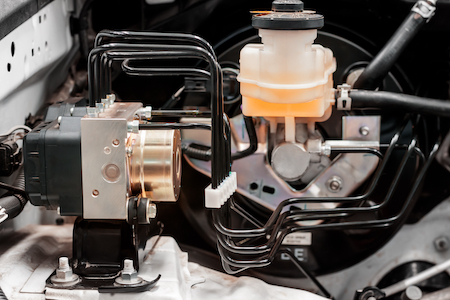
ABS is made up of several vital components. Wheel speed sensors are located at each wheel. They monitor the speed of the rotation, sending signals back to the ABS control module, which processes the information and determines if one or more wheels are locking up.

If the control module detects a wheel lock up, it sends a signal to the brake actuator, which rapidly pumps the brakes. The brake actuator uses a pump to pressurize brake fluid, which causes the brakes to be applied and released in rapid succession. This helps prevent the wheels from locking up, and allows the driver to maintain control of the vehicle.

Anti-lock brakes are beneficial during all low-traction conditions, such as rain, snow, or ice. When the roads are slippery, it’s easier for the wheels to lock up because there’s less friction between the tires and the road. ABS helps by keeping the wheels steady,  allowing the driver to maintain control of the car.

7 maintenance tips for your anti-lock brake system

Anti-lock brakes are a critical safety feature in modern vehicles that help prevent the wheels from locking up during sudden braking. Regular maintenance is essential to ensure that your anti-lock brakes are working properly. Here are seven maintenance items that you should do to keep your anti-lock brakes working well:

Check the brake fluid level

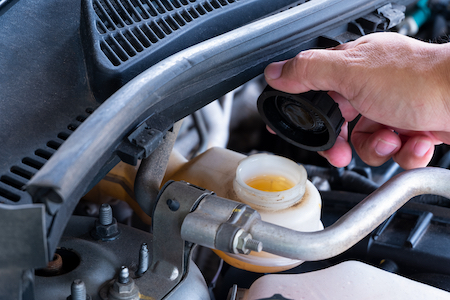
ABS relies on brake fluid to function correctly. The brake fluid level should be checked regularly, and topped off if necessary. If the brake fluid is low, it could indicate a leak in the system, which should be repaired as soon as possible. Remember, your ABS needs the right fluids to keep it running smoothly.

Inspect the brake pads and rotors

The brake pads and rotors are the components that come into contact with the wheels to slow them down. Over time, the brake pads will wear down, and the rotors may become corroded or damaged. Inspecting the brake pads and rotors will help you identify any issues before they become a problem. Think of it as a check-up for your ABS.

Check the wheel speed sensors

The wheel speed sensors are responsible for monitoring the speed of the wheels and sending signals to the ABS control module. If a sensor is faulty, the ABS system may not function properly. Check the sensors regularly for any signs of damage or wear and tear. These sensors are the eyes of your ABS, so make sure they’re working.

Check the ABS control module

The ABS control module is the brain of the system. It’s responsible for processing the information from the wheel speed sensors and determining if one or more wheels lock up. If the control module is malfunctioning, the ABS will not work. It’s essential to keep the brain of your ABS in good shape.

Check the brake actuator

The brake actuator is a hydraulic component that uses a pump to pressurize the brake fluid, which causes the brakes to be applied and released in rapid succession. Check the brake actuator for any signs of damage or wear and tear. This is the muscle of your ABS, so make sure it’s functioning.

Check the brake lines and hoses

The brake lines and hoses deliver brake fluid from the master cylinder to the brakes. Check the cables for any signs of leakage, cracking, or damage. These are the veins of your ABS, they need to be in good condition to function correctly.

Have the ABS inspected by a professional

Have your ABS inspected by a professional mechanic regularly. They will have the proper tools and knowledge to diagnose issues with the system and make necessary repairs. Always consult your vehicle’s owner’s manual for recommended maintenance schedules and guidelines.

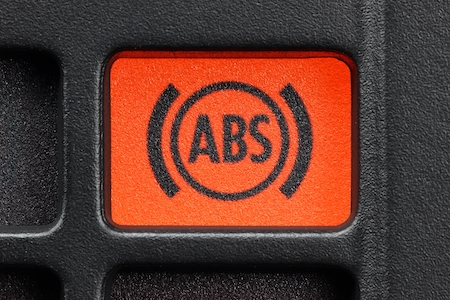
It’s also worth mentioning that if the ABS warning light comes on in your vehicle’s dashboard, it’s an indication that there may be an issue with the ABS and you should take it to a professional to diagnose and repair the problem as soon as possible.

When was the last time you scheduled a maintenance visit for your anti-lock brake system?

Regular maintenance is essential to ensure that your anti-lock brakes are working properly. It ensures that your anti-lock brakes are always ready to perform when needed. 

Remember to consult your vehicle’s owner’s manual for recommended maintenance schedules and guidelines. Not sure when they were last inspected? Don’t put it off; schedule it today. 

It’s the best way to ensure your vehicle is safe whenever you take it out for a drive. 

Filed Under: Brake Repair, Brake Service Tagged With: Anti-Lock Brake System Maintenance

Brake Fluid Leaks: How to Identify and Fix Them

February 18, 2023 by Denver Express Car Care

Drip. Drip. Drip. 

It’s something you might not notice right away. But eventually, you’ll discover your vehicle is leaking. What is it? What does it mean?

Cars use a variety of fluids to keep them operational:

  • Motor oil
  • Coolant
  • Brake fluid
  • Transmission fluid
  • Power steering fluid
  • Windshield washer fluid
  • Gasoline

Try and operate your vehicle without one of these essential fluids. It won’t happen. It’s up to you to ensure all systems work well, and the fluids are at proper levels. 

Including brake fluid. Brake fluid leaks can not only impact your brake system’s functionality but can also put you at risk. Imagine driving down the mountain after a day of skiing, and your brakes no longer work. 

With so much riding on your brake system, here are a few things to consider if you find a brake fluid leak.

How brake fluid keeps the brake system operational 

Brake fluid is a crucial component of a vehicle’s brake system. It is responsible for transmitting power from the brake pedal to the brake calipers to the brake pads, slowing the wheels down. 

Brake Fluid Leaks: How to Identify and Fix Them

The brake system is closed, meaning that brake fluid is sealed inside and doesn’t typically need to be refilled the way you do motor oil or coolant. However, over time, the fluid can become contaminated or lose effectiveness, leading to decreased braking performance or even failure.

Brake fluid is typically made of a glycol-based fluid designed to withstand high temperatures and maintain viscosity over time. When the brake pedal is pressed, the brake fluid is forced through small passages in the brake lines and calipers. The brakes may not function properly if the fluid doesn’t flow easily.

The brake fluid also acts as a lubricant for the various moving parts in the brake system, such as the brake calipers and the brake pads. This helps to prevent wear and tear on these parts and keeps the system running smoothly. The brake fluid is also responsible for protecting the brake system from corrosion by forming a protective barrier on the metal components.

Brake fluid is hygroscopic, which means it absorbs moisture over time. This can decrease the fluid’s boiling point, which can cause brake fade or failure. Therefore, it is important to have the brake fluid checked regularly, and to replace it if necessary.

Check your owner’s manual for guidance, but brake fluid should generally be replaced every two to three years. Some manufacturers recommend replacing the brake fluid more often, such as every 30,000 miles or so. Replacing the brake fluid can help to ensure that the brakes are in good working condition and can help to prevent costly repairs down the road.

What can cause brake fluid to go bad?

Brake fluid is an essential component of a vehicle’s brake system, responsible for transmitting force from the brake pedal to the brake calipers, eventually slowing the wheels down and bringing the car to a stop. However, brake fluid can become contaminated over time or lose effectiveness, leading to decreased braking performance or even failure. Understanding the causes of brake fluid deterioration is essential to ensure that the brake system is functioning correctly and prevent costly repairs.

One of the most common causes of brake fluid deterioration is exposure to moisture. Brake fluid is hygroscopic, which means it absorbs moisture over time. This can decrease the fluid’s boiling point, which can cause brake fade or failure. Moisture can enter the brake system through the brake lines, calipers, and other components. This can happen due to leaks in the design, condensation due to temperature changes, or even through the brake fluid reservoir itself.

Brake fluid deterioration can also happen when exposed to high temperatures. As brake fluid is forced through the brake lines and into the brake calipers, it is subjected to high temperatures. This extreme heat can cause the fluid to break down, leading to decreased effectiveness and a reduced ability to lubricate the moving parts in the brake system. High temperatures can also cause the fluid to boil, resulting in brake fade or failure.

Contamination can also occur. This comes from rust, dirt, or other particles entering the brake system. These contaminants can cause the brake fluid to become dirty or discolored, reducing its effectiveness and leading to decreased braking performance. Contamination can also cause the brake system to wear out more quickly, leading to costly repairs.

Like other car parts, age will eventually become a factor. Over time, brake fluid will lose its effectiveness and can become contaminated. This can happen as a result of the fluid absorbing moisture, becoming polluted with dirt or other particles, or simply due to the age of the liquid. Replace the brake fluid periodically, even if it appears to be in good condition.

Brake fluid can also fail due to a lack of maintenance. The brake fluid can be compromised if the brake system is not maintained correctly. This can happen due to not checking and replacing the liquid regularly, not properly cleaning and inspecting the individual components in the brake system, or not correctly lubricating the moving parts. One part feeds to another; a regular maintenance schedule will ensure everything is working well.  

Have a brake fluid leak? 

Brake fluid is typically a light yellow color, but it will darken to  gold or brown with age. If you see it underneath your car, or notice it accumulating in your wheel wells, it’s a sign of a leak. 

It could be coming from any component within the brake system. It could be a failure of any part at any time. 

But there’s one surefire way to prevent failure and deterioration before it starts; have brake fluid checked regularly, and replace it if necessary.

Start by checking your owner’s manual for guidelines. Then schedule a maintenance visit with one of our mechanics to be sure that the leak isn’t a sign of a bigger problem. 

How can we help you today?

Filed Under: Brake Repair, Brake Service Tagged With: Brake Fluid Leaks

Top 3 Reasons Why Your Car’s Anti-Lock Brake System May Be Malfunctioning

February 14, 2023 by Denver Express Car Care

Many safety systems built into today’s vehicles are ever-present, always working to keep you safe. 

Yet over time, small changes become noticeable, and you start to wonder if these safety features will work when an emergency presents itself. 

Your anti-lock brake system may be one you think little about. But when you use it while braking hard or skidding on ice, you know just how valuable the technology is. 

How do you know if it’s malfunctioning? 

How anti-lock brake system works

An anti-lock brake system (ABS) comprises several key components, including wheel speed sensors, an electronic control unit (ECU), and solenoid valves. The wheel speed sensors are located at each wheel and are responsible for sending information about the speed of each rotation to the ABS control module. The ECU, or brain of the system, receives this information and uses it to determine whether the wheels are about to lock up.

When the driver applies the brakes, the ABS begins to monitor the speed of each wheel. If the ECU detects that one or more wheels are about to lock up, it sends a signal to the solenoid valves. These valves are located at each brake caliper and are responsible for controlling the pressure of the brake fluid. The solenoid valves will rapidly open and close, releasing and reapplying pressure to the brake fluid. This helps to prevent the wheels from locking up, allowing the driver to maintain steering control.

Top 3 Reasons Why Your Car's Anti-Lock Brake System May Be Malfunctioning

The process of the ABS releasing and reapplying brake pressure is called “pumping” and it happens very quickly, within milliseconds. This rapid pumping action causes a pulsation in the brake pedal, which the driver can feel. This is normal and a sign that the ABS is working correctly.

ABS systems also have an indicator light on the dashboard that will illuminate if there is an issue. This light will typically come on when the vehicle is started and will go off shortly after. If the light stays on, it may indicate a malfunction in the system. This gives you advanced warning that it’s time to take your car to a mechanic for inspection.

Is the ABS always in use?

Think of the anti-lock brake system as a separate component of your vehicle’s brakes. Anti-lock brake systems are designed to help drivers maintain steering control during hard braking by preventing the wheels from locking up. This technology has been around since the late 1970s and is now a standard feature on most vehicles.

The anti-lock brake system is designed for emergency braking situations, where the driver needs to maintain steering control while braking hard. However, ABS is only sometimes in use.

When the driver is braking normally, the ABS is not active. The brake system works as it would in a vehicle without ABS. The brake pads make contact with the rotors, slowing the vehicle down. The driver controls the brake pedal pressure and can adjust it as needed.

The ABS only becomes active when the driver applies the brakes hard, and the system detects that one or more wheels are about to lock up. When this happens, the ABS rapidly pumps the brakes, releasing and reapplying pressure to the brake fluid in order to prevent the wheels from locking up. This allows the driver to maintain steering control while braking hard. The ABS is active only for a short period of time, typically a few seconds, and then the system goes back to normal braking mode.

It’s worth noting that ABS is not only active when the driver applies the brakes hard. The system also monitors the speed of each wheel even when the driver is not braking. In some cases, if the system detects any abnormal behavior, it will act accordingly.

In addition, some newer vehicles may have an advanced version of the ABS, called Electronic Stability Control (ESC). This system uses sensors to detect when a vehicle is about to lose control and applies brakes to individual wheels to help the driver regain control. ESC is always active, even when the vehicle is not braking.

3 reasons why your car’s anti-lock brake system may be malfunctioning

There are safety systems built into your braking system to alert you when you have a potential problem with ABS.

Worn brake pads

Over time, brake pads wear down, becoming thinner and less effective at stopping the vehicle. This can cause the ABS to work harder and can also lead to decreased braking performance. If the pads are worn to the point where they are no longer effective, the ABS may not be able to function properly, and the ABS warning light may come on. It is important to have the brake pads inspected and replaced as needed to ensure that the ABS is working properly.

Failed wheel speed sensors

The wheel speed sensors are responsible for sending information about the speed of each wheel to the ABS control module. If one of these sensors fails, the ABS may not be able to control the brakes. This can cause the ABS warning light to come on and can also lead to decreased braking performance. In some cases, a failed wheel speed sensor may also cause the vehicle’s traction control system to malfunction. Symptoms of a failed wheel speed sensor include the ABS warning light coming on, the traction control light coming on, and decreased braking performance.

Electrical issues

The ABS is controlled by an electronic control unit (ECU) which receives input from the wheel speed sensors and the brake pedal. If there is an issue with the wiring or the ECU itself, the ABS may not function properly. This can cause the ABS warning light to come on and can also lead to decreased braking performance. Electrical issues can be caused by a variety of things, including a faulty ABS control module, damaged wiring, or a problem with the vehicle’s computer. Symptoms of an electrical issue with the ABS include the ABS warning light coming on and decreased braking performance.

Is there a problem with your anti-lock brakes?

While very few car accidents are caused by total brake failure, it still can be a scary experience to lose control for even a moment. By keeping your entire braking system functioning well throughout its life, you’re less likely to experience problems. 

It’s essential to have your vehicle inspected by a qualified mechanic if you notice any issues with your brakes to ensure that your vehicle is safe to drive.

Filed Under: Brake Repair, Brake Service Tagged With: Anti-Lock Brake System Malfunctioning

5 Common Symptoms of a Failed Car Anti-Lock Brake System

February 10, 2023 by Denver Express Car Care

Today’s modern vehicles are filled with new technology that makes them safer, more intuitive, and more fun to drive. 

With over 10,000 parts working to give you this expanded driving experience, it also means more parts can fail over time. 

Few would argue that the braking system is one of the most critical. Anti-lock brakes work to improve braking in stressful, emergency situations. They’re designed to keep you safer while driving and stopping on your daily commute. 

How do you know when they start to fail? How do you know when the anti-lock brake system should be replaced? You may notice several common symptoms that signal it’s time for an inspection. 

How anti-lock brake systems work

Anti-lock brake systems, or ABS for short, are a safety feature in many modern vehicles. These systems are designed to prevent the wheels of a vehicle from locking up during hard braking, which can cause the vehicle to skid and potentially lose control. 

The basic principle behind ABS is that it allows the wheels of a vehicle to continue to rotate while braking, rather than locking up and skidding. To accomplish this, ABS systems use sensors, valves, and pumps to detect when a wheel is about to lock up and then rapidly pump the brake fluid to that wheel to reduce the braking force. This allows the wheel to continue to rotate, which helps the driver maintain control of the vehicle during hard braking.

5 Common Symptoms of a Failed Car Anti-Lock Brake System

The first step in the ABS process is the detection of wheel lockup. Sensors located on each wheel measure the wheel’s rotational speed. If a sensor detects that a wheel is rotating slower than the others, it indicates that the wheel is about to lock up and skid.

Once a sensor detects a potential lockup, ABS activates the valves that control the brake fluid flow to that wheel. These valves rapidly open and close, allowing the brake fluid to flow to the wheel and then quickly release it, reducing the braking force on the wheel. This rapid pumping of the brake fluid is known as “pulse modulation.”

The result of this process is that the wheel can rotate rather than lock up and skid. This allows the driver to maintain control of the vehicle during hard braking and can help prevent accidents..

In addition to preventing wheel lockup and skidding, ABS systems also provide other benefits to drivers. For example, they can help drivers maintain steering control during hard braking, which can be especially useful in emergencies. Additionally, ABS systems can shorten the stopping distance of a vehicle, which can be especially useful on wet or slippery roads.

Overall, anti-lock brake systems are a valuable safety feature that can help drivers maintain control of their vehicle during hard braking and prevent accidents. While ABS systems have been standard equipment on many vehicles for several decades, they continue to be refined and improved to provide even greater benefits to drivers.

Common symptoms of failed anti-lock brake system

A car’s anti-lock brake system (ABS) is an important safety feature that helps prevent the wheels from locking up during sudden braking. However, like all mechanical systems, the ABS can malfunction and cause a variety of problems. 

Warning Light

One of the most apparent signs of a failed ABS is the illumination of the ABS warning light on the dashboard. This light is usually located near the speedometer and will turn on when there is a problem with the ABS. If the warning light comes on, it is essential to have the vehicle checked by a mechanic as soon as possible.

Reduced Braking Performance

If the ABS is not working properly, the vehicle’s braking performance may be reduced. This can make it more difficult to stop the car in a timely manner, which can be especially dangerous in emergency braking situations. Drivers may notice that the brakes feel “spongy” or that the car takes longer to come to a stop.

Pulling to One Side

If the ABS is not working correctly, the vehicle may pull to one side while braking. This can be caused by a malfunctioning wheel speed sensor or a problem with one of the brake calipers. It is vital to have the vehicle checked by a mechanic if this symptom is noticed, as it can be dangerous to drive a car pulling to one side.

Grinding or Growling Noise

If the ABS is not working properly, a grinding or growling noise may be heard when the brakes are applied. Worn brake pads or a malfunctioning ABS module can cause this. It is crucial to have the vehicle checked by a mechanic if this symptom is noticed, as it can indicate that the brake pads need to be replaced or that the ABS needs to be repaired.

Vibration in the Brake Pedal

If the ABS is not working properly, a vibration may be felt in the brake pedal when the brakes are applied. A problem with the brake rotors or a malfunctioning ABS module can cause this. A mechanic must check the vehicle if this symptom is noticed, as it can indicate that the brake rotors need to be replaced or that the ABS needs to be repaired.

It’s important to remember that these symptoms can also be caused by problems other than a failed ABS. However, if any of these symptoms are noticed, a mechanic must check the vehicle as soon as possible. A failed ABS can significantly reduce a vehicle’s braking performance and make it more difficult to stop the car promptly. Regular maintenance and inspection of the ABS can help prevent these problems from occurring in the first place.

Conclusion

ABS systems are an essential safety feature in modern cars, and a failed ABS can cause a variety of problems. If you notice any of these symptoms, it’s important to have your vehicle checked by a mechanic as soon as possible. Regular maintenance and inspection of the ABS can help prevent these problems from occurring in the first place.

Filed Under: Brake Repair, Brake Service Tagged With: Failed Anti-Lock Brake System

How Proper Maintenance Can Keep You Safe on the Road

February 7, 2023 by Denver Express Car Care

According to the National Highway Traffic Safety Administration, an estimated 20,175 people died in motor vehicle traffic crashes during the first half of 2022. 

Accidents occur for many reasons. It could be distracted drivers, foul weather, or a vehicle that isn’t in good working condition. 

While there isn’t much you can do if the weather turns bad, or the driver next to you prefers looking at their smartphone over watching the road, you have control over your vehicle. Proper maintenance reduces the chances of failure, meaning you’ll be safer on the road. 

What does proper maintenance look like? It’s really not that hard to keep your car in pristine condition. With a list of maintenance items in hand, you can keep them on your to-do list throughout the year. 

What proper maintenance throughout the year looks like

Keeping up with proper maintenance might not be the most exciting thing on your to-do list, but it can keep you safe and help save you money. You should keep these items handy and on your schedule for safety reasons. 

How Proper Maintenance Can Keep You Safe on the Road

Checking oil levels and replacing it regularly

Regular oil changes are necessary to keep a vehicle’s engine lubricated and running smoothly. Oil helps to reduce friction and prevent wear and tear on internal engine parts. Checking the oil level periodically and replacing it when it gets low is an important part of routine maintenance.

Checking tire pressure and filling as necessary

Keeping the tire pressure at the proper level is vital for the safety and handling of the vehicle. Under-inflated tires can cause poor fuel efficiency, uneven tire wear, and decreased traction. Over-inflated tires can cause a rough ride and lead to reduced traction. Checking the tire pressure regularly and filling it as needed will help maintain the optimal tire pressure for the vehicle.

Keeping the battery clean and replacing it as necessary

A dirty battery can cause slow engine cranking, increased engine wear, and decreased fuel efficiency. A corroded battery cable can also cause a vehicle not to start. Cleaning the battery regularly and replacing it if it is more than three years old is an integral part of vehicle maintenance.

Replacing the brake pads on schedule

Brake pads are a crucial component of the braking system, yet they will wear down over time. Replacing the brake pads on schedule will help ensure that the vehicle stops safely and efficiently. Regular brake system inspections are also necessary, as worn brake pads can cause damage to other components of the braking system.

Replacing windshield wipers and replacing the fluid

The windshield washer fluid helps to keep the windshield clear of dirt, bugs, and other debris, which improves visibility and helps to ensure the safety of the vehicle. Replacing the windshield washer fluid regularly and checking the washer nozzles to make sure they are working correctly is an essential part of vehicle maintenance. New windshield wipers will create a streak-free shine every time. 

Balancing and rotating tires

Balancing the tires helps to ensure that they wear evenly and provide a smooth ride. Rotating the tires helps to distribute wear evenly among all four tires, which can extend the life of the tires.

Replacing the cabin air filter

The cabin air filter helps keep the vehicle’s air clean and free of dust, pollen, and other allergens. Replacing the cabin air filter regularly helps to ensure that the air inside the car remains clean and fresh.

Keeping the suspension system working well

The suspension system helps to keep the vehicle stable and provides a comfortable ride. Checking and maintaining the suspension system regularly helps to ensure that the vehicle handles well and provides a smooth ride. You can often feel when there’s a problem. Does the car pull to one side? Does it nose-dive when you step on the brakes? Does it bounce easily when you push down on the hood? All are signs it might be time to replace the springs, shocks, and struts. 

Checking coolant levels

The coolant helps to keep the engine cool and prevents it from overheating. Checking the antifreeze level regularly and topping it off as needed is essential to vehicle maintenance.

Checking belts, hoses, and spark plugs

Belts, hoses, and spark plugs are essential components of the engine that can affect the vehicle’s performance. Checking them regularly and replacing them if worn or damaged will keep your car safe from more severe problems.

Bringing in the vehicle any time a dashboard light illuminates

Those dashboard lights are there for a reason. Dashboard warning lights indicate an issue with the vehicle that needs to be fixed or repaired. Bringing the vehicle in for service any time a warning light illuminates is critical to ensure that the problem is addressed before it becomes more serious and costly to repair.

Be prepared for auto repairs – set up a line item on your monthly budget

According to AAA, 64 million drivers in America would be unable to pay for an unexpected car repair without going into debt. With the average car repair being $600 or higher, that’s a lot of potential for ignoring minor issues and waiting until they become much bigger problems.  

Car repair is a given; it will happen eventually. Considering the average car on the road is almost 12 years old, car repair is inevitable. 

One of the easiest ways to prepare for minor issues is to set up a fund and contribute each month. That way, you’ll be prepared the next time your vehicle makes a noise or produces an odor you don’t recognize. You can bring it in quickly and repair it before it grows into something bigger. 

How can we help you? 

Have a problem with your car? Looking to get started on a proper maintenance schedule? 

We can help. Schedule a routine inspection today. 

We’ll help keep your car in good operating condition no matter how long you decide to drive your vehicle. 

Filed Under: Car Maintenance Tagged With: Proper Maintenance

How Auto Repair Reduces Your Carbon Footprint and Helps the Environment

February 4, 2023 by Denver Express Car Care

Looking for ways to reduce your carbon footprint? Want to help the environment? It might be time to start paying attention to auto repair. 

Those things might not seem to go together, but they do in many ways. Did you know the best way to create a greener, more carbon-neutral footprint is to improve all aspects of your life?  

It doesn’t take getting rid of your car and walking or biking. It doesn’t take saving your money to buy a hybrid or EV. 

Instead, it starts by making tiny improvements right now. Things that have a significant impact on what you’re doing every day. 

Auto repair can help the environment. Here’s how. 

Environmental impact of driving

It probably comes as no surprise that the majority of greenhouse gas emissions from the transportation sector are carbon dioxide emissions resulting from the combustion of petroleum-based products, like gasoline and diesel fuel.

Each gallon of gas your car burns creates 20 pounds of greenhouse gasses, up to 7 to 9 tons per year. 

How Auto Repair Reduces Your Carbon Footprint and Helps the Environment

Want to drive better for the environment? Increase your miles per gallon. You can do that by buying a new car that increases your miles per gallon. You can also do that through auto repair. 

Maintenance habits that can improve the environment

There are two approaches to auto repair: stick to a schedule, or wait until failure. Obviously, to keep your car in good working condition and make it as environmentally friendly as possible, it’s better to stay on top of things. 

Some maintenance items are more impactful than others. 

Oil Disposal

Used oil is dangerous and potentially deadly. You don’t want to leave motor oil around because it can cause harm. Used oil contains hazardous chemicals and heavy metals that can contaminate the soil and water if not properly disposed of. Recycling used oil is crucial to keep our environment safe and healthy. If you do this yourself, finding a place with green practices is imperative. Relying on a good auto repair shop ensures proper disposal every time.

Battery Disposal

Lead-acid batteries contain a variety of dangerous chemicals. Lead and sulfuric acid are toxic and can harm the environment if not correctly disposed of. Recycling used batteries is the responsible way to keep our planet healthy.  

Engine Maintenance

A well-maintained engine is like a well-oiled machine; it runs smoothly and efficiently every single time you use it. Regular maintenance helps your engine perform at its best, reducing fuel consumption and emissions. Keeping your engine in top shape extends its lifespan, reducing waste and making the world a greener place. Don’t wait until the check engine illuminates. Schedule auto repair to check and change out things like air filters, spark plugs, and other parts and components to keep your engine at peak performance. 

Brake Maintenance

Worn or poorly maintained brakes impact one of the most critical safety systems. Faulty brakes can lead to more accidents, which means more scrap metal in landfills. When brakes wear down, they can reduce fuel efficiency and increase emissions. Worn-out brake pads can emit pollutants into the air and, if not fixed, cause smoke and even catch fire. Regular brake maintenance and replacement of worn components give your vehicle the stopping power it needs to be efficient and eco-friendly.

Tire Pressure

Properly inflated tires help your vehicle perform at its best. Underinflated tires create more rolling resistance, reducing fuel efficiency, and increasing emissions. Keeping your tires properly inflated is like having the right shoes; it helps you run smoothly and efficiently.

Air Conditioning

Ever driven your car on a hot summer day and kept the windows down instead of turning on the air conditioning? Many do, thinking it’s more fuel efficient. The truth is an efficient air conditioner will help your vehicle continue to run smoothly. Air conditioning systems use refrigerants that contribute to climate change. Newer cars use better refrigerants, which release less into the environment. Proper maintenance and disposal of refrigerants also help keep the environment in check. Using the air conditioning system efficiently can help conserve energy and help reduce its environmental impact. Use it only when you need to; otherwise, keep the windows rolled down. 

Want to reduce your carbon footprint? Be a better driver

It’s not always about maintenance. Sometimes the best thing for the environment is to become a better driver. Improve your driving habits by doing these few things:

Avoid excessive acceleration and hard braking – Driving at a steady pace and anticipating stops can improve fuel efficiency and reduce emissions.

Combine trips – Plan ahead and combine errands into one trip to reduce the number of miles driven and save fuel.

Use cruise control – Maintaining a steady speed can improve fuel efficiency and reduce emissions.

Avoid idling – Idling in the driveway can waste fuel and increase emissions. Turn off the engine if you’re stopped for more than a minute.

Carpool – Sharing a ride with others can reduce the number of vehicles on the road and decrease emissions.

Stick to the speed limit – The faster you drive, the more fuel you consume. It can also wear out other parts if you have a heavy foot. Sudden stops and starts and heavy acceleration use more fuel. 

Choose the right vehicle – Opting for a fuel-efficient vehicle with good gas mileage can significantly reduce carbon emissions over time. Live near the store? Why not walk instead? It’s a win/win for everyone. 

Lighten up your load – Today’s vehicles are heavier than ever. It only adds to the weight if you fill it with sports equipment, workout gear, and stuff you need for school. Find a place for everything in the garage instead of leaving it in your backseat or trunk.  

Change your approach to auto repair – it’s good for the environment 

By making small changes to driving habits and changing your approach to auto repair, you can positively impact the environment and reduce your carbon footprint. 

Schedule regular maintenance visits with one of our mechanics. It’s the best way to keep everything in good working condition, and replace minor issues before they become major problems. 

How can we help you take care of your vehicle? 

Filed Under: Car Maintenance, Tips & Tricks Tagged With: How Auto Repair Helps Environment

Auto Repair Techniques to Improving Gas Mileage and Save Money

January 28, 2023 by Denver Express Car Care

How high can gas prices climb? Sometimes it seems like you’re standing at the craps table, rolling the dice. How much will you pay today? And where will you have to cut back in the next week in order to be able to afford it?

What if it didn’t have to be that way? What if your car functioned well and was as efficient as possible? You found easy ways to improve gas mileage, and it ultimately saved money every time you pulled up to the pump.

With proper auto repair techniques, you’ll know your car is in great condition, operating well, and working hard to save you money. 

But what auto repair techniques are we talking about? What can you do to keep all 30,000 parts on your vehicle in the best condition possible? 

Your car is an investment, and to keep it running smoothly, it’s essential to take care of it properly. Regular maintenance and repair work are crucial for ensuring your car’s longevity and performance. Here are five tips to keep your vehicle working better.

How servicing at regular intervals actually helps your car work better

Your vehicle has become one of the most expensive assets you own. That alone should give you ample reasons to take care of it. That’s why scheduling maintenance visits regularly is a crucial part of ownership.

Auto Repair Techniques to Improving Gas Mileage and Save Money

Regular car maintenance helps identify and fix potential issues before they become more serious problems. This proactive approach to vehicle maintenance can prevent costly repairs down the road.

During a service, the motor oil and other fluids are checked and replaced if necessary. This helps to keep the engine running smoothly and efficiently, improving performance and fuel economy.

Regular car maintenance helps to ensure that your vehicle is safe to drive. Worn brakes, worn tires, and other safety-critical components can be identified and replaced during a service visit, reducing the risk of accidents on the road.

Regular maintenance helps extend the lifespan of your vehicle by ensuring that it is functioning correctly and not subjected to excessive wear and tear. Performed regularly, it can also help maintain your vehicle’s resale value. A well-maintained car with a comprehensive service history is more attractive to potential buyers and is likely to command a higher price.

When is your next maintenance visit?

You’ve changed your oil filter – how about your air filter?

Some maintenance items are second nature. You might even have a sticker on your window reminding you when your next oil change should be.

The air filter is often forgotten. Yet it’s responsible for keeping debris, dust, and other contaminants out of the engine. A clean air filter “breathes” clean air. 

Over time, the air filter can become clogged, reducing air flow and negatively impacting performance. Replacing your air filter every 12,000 miles or as your car’s manufacturer recommends will help keep your engine breathing easier and working better.

Your dashboard is trying to tell you something

Your car’s dashboard is full of warning lights and gauges that provide you with important information about your vehicle’s performance. Pay attention to them and have your car checked if any warning lights appear. 

If the engine warning light comes on, it is typically a sign of a problem with the engine’s internal management system. It could be anything from a faulty sensor to a more serious issue with the engine itself.

If the oil pressure light comes on, it could indicate a problem with the engine’s oil system, such as low oil levels or a clogged oil filter. This can cause serious damage to the engine if not addressed promptly.

If the battery warning light comes on, it could indicate that the charging system is not working properly. This could be due to a failing alternator, battery, or another charging system component.

If the tire pressure light comes on, it could indicate that one or more tires are under-inflated, which can impact handling and fuel efficiency.

If the brake warning light comes on, it could indicate a problem with the braking system, such as low brake fluid levels or worn down brake pads. This is a critical safety issue that should be addressed immediately.

See something else illuminated on your car’s dashboard? A quick stop at your mechanics will pinpoint the problem and reach a solution.

Using cruise control and monitoring your sensors

Cruise control can help maintain a consistent speed, reducing fuel consumption and helping to prevent overuse of the accelerator. All of these can wear out the engine faster. 

Of course, real life means you’re often in positions where cruise control isn’t possible. You put your sensors through everyday stress, and rely on them to keep you, your car, and those around you safer. 

Have you noticed something a little “off?” A sensor that doesn’t seem to be up to top performance? 

Sensors are a part of modern technology. One issue can easily lead to bigger problems – you might not even be aware of it because of how technology works together. 

If you have identified issues with your vehicle’s performance, it’s more important than ever to dig deep and find the solution. Safety and efficiency depend on it.

Be good to your engine every time you drive

The way you drive can significantly impact your car’s performance. Avoid excessive idling, rapid acceleration, and hard braking, as these can strain the engine unnecessarily. 

Additionally, drive at a steady pace and avoid overloading your vehicle, as this can reduce fuel efficiency and put extra stress on the engine.

Stick with guidelines recommended by your car’s manufacturer

It’s essential to follow the manufacturer’s recommendations for maintenance and repair. The manufacturer knows your car best and has specific guidelines to ensure its optimal performance. By following these guidelines, you can avoid costly repairs, improve fuel efficiency, and extend the life of your vehicle.

What auto repair techniques do you rely on?

Today’s car owners are keeping their vehicles for longer than ever before. Maybe it’s because of the price tag. Maybe it’s because of their reliability. 

Whatever the reason, the best way to get the most out of your car is to schedule regular maintenance and use techniques that will ensure a long life and efficiency every time you take it out for a drive. 

How can we help you get the most out of your car? 

Filed Under: Car Maintenance, Tips & Tricks Tagged With: auto repair techniques, Improve Gas Mileage

Brake Noises: What They Mean and How to Fix Them

January 18, 2023 by Denver Express Car Care

Do you remember the first time you slid behind the wheel of your current vehicle? It had a particular sound; it performed in a certain way. 

As the weeks and months roll by, you may start noticing things changing. There’s a new noise. Or you have to press down on the brake pedal more for the same performance level. 

These are warning signs designed to keep you safe. If you pay attention to these changes, you can bring your car in for an inspection and locate minor issues that are easy to repair. It prevents the problems from escalating into major repairs. 

How today’s modern car brake systems work

Modern car brake systems use a combination of friction, vacuum assistance, and electronic control to slow and stop a vehicle. The most common brake system in cars today is the disc brake system.

The disc brake system consists of a rotor attached to the wheel hub, and a caliper, which houses the brake pads. When the driver presses the brake pedal, brake fluid is sent under pressure through the brake lines to the caliper. The caliper then uses pistons to press the brake pads against the rotor, creating friction and slowing the wheel.

Brake Noises: What They Mean and How to Fix Them

Disc brakes are more efficient than drum brakes, commonly used in older cars. Disc brakes can dissipate heat better, which allows them to maintain their braking power even in heavy use. Additionally, disc brakes are less likely to suffer from brake fade, which is the loss of braking control due to overheating.

In addition to the friction created by the brake pads, many modern cars also feature a vacuum assist mechanism. This mechanism uses the vacuum created by the engine to provide additional force on the brake pedal, making it easier for the driver to brake.

They can also feature electronic control systems that help optimize braking performance. 

Anti-lock braking systems (ABS) use sensors to detect when a wheel is about to lock up, and modulate the brake pressure to prevent the wheel from locking.

Or they use Electronic Stability Control (ESC), which helps to improve a vehicle’s stability by detecting and reducing loss of traction. The system applies the brakes to individual wheels and can reduce engine power when the driver loses control of the vehicle.

The most common brake noises

Car brakes are an essential safety feature of any vehicle, and it is important to pay attention to any unusual noises or sensations when braking. Below are some common brake noises and what they may indicate, as well as potential solutions for each problem.

Squealing or screeching

If your brakes make a high-pitched squealing or screeching noise, it is likely that the brake pads are worn and need to be replaced. A small metal tab causes this noise, called a wear indicator, that rubs against the rotor when the pads are worn down. It is crucial to address this issue as soon as possible, as worn brake pads can reduce braking effectiveness and increase stopping distance.

Grinding

A grinding noise when braking signifies that the brake pads are worn down to the metal. The metal of the rotor is pressing into the metal of the caliper, causing damage to both components. This is a serious issue that should be addressed immediately, as driving on worn-out pads can cause expensive damage to the rotors and calipers and significantly decrease braking performance.

Clicking

A clicking noise when braking can be caused by several issues, such as worn-out brake pads, a loose brake caliper, or a problem with the brake pad guides. In most cases, this noise can be resolved by replacing worn brake pads or tightening loose components. However, if the clicking persists, it is best to have the vehicle inspected by a professional mechanic to determine the cause.

Rumbling

A rumbling noise when braking can be caused by warped rotors. This can happen if the rotors get too hot due to excessive braking or hard driving, causing the metal to warp and lose its smooth surface. Warped rotors can be resurfaced or replaced to fix the issue.

Sinking Pedal

If the brake pedal sinks to the floor when pressed, it may indicate a problem with the brake system’s vacuum booster or a leak in the brake lines. This issue can be dangerous, leading to a loss of braking power. It is important to have the vehicle inspected by a professional mechanic as soon as possible to determine the cause and find a solution.

In general, it is recommended to have your brakes regularly inspected by a professional mechanic to ensure that they are in good working condition. This will help to identify any issues before they become more serious and expensive to repair. Additionally, always pay attention to any unusual noises or sensations when braking, and have the vehicle inspected if you notice anything out of the ordinary.

Are your brakes making a funny noise?

It’s a sign you might have a problem that could put you and your passengers at risk. 

Brake noises can indicate a variety of problems, from worn brake pads to more serious issues, such as warped rotors. It is essential to pay attention to any unusual noises or sensations when braking, and to have the vehicle inspected by a professional mechanic to determine the cause and find a solution. Regular brake inspections can also help identify any issues before they become more serious and expensive to repair.

Filed Under: Brake Repair, Brake Service Tagged With: Brake Noises

  • « Previous Page
  • 1
  • …
  • 26
  • 27
  • 28
  • 29
  • 30
  • …
  • 103
  • Next Page »

Express Car Care
4200 E. Evans Ave. Denver, CO (map)
Phone: (303) 691-2760
Located just southeast of the Colorado Light Rail station

Follow Us Today!

  • Facebook
  • RSS

Shop Hours

Monday: 8:00AM – 5:00PM
Tuesday: 8:00AM – 5:00PM
Wednesday: 8:00AM – 5:00PM
Thursday: 8:00AM – 5:00PM
Friday: 8:00AM – 5:00PM
Saturday: Closed – A note from the owner
Sunday: Closed

Last car oil change time  – 5:00PM

Click for the BBB Business Review of this Auto Repair & Service in Denver CO

Recent Articles

Tire Rotation: When to Do It—and the Signs You Shouldn’t Ignore

Tire rotation is one of the simplest ways to help your tires wear evenly, last longer, and keep your vehicle handling predictably. It is easy to put off, but a consistent rotation schedule can save … [Read More...]

  • Which Oil Is Right for Your Car?
  • Stop Burning Money at the Pump
  • Differential Service: Why It’s Crucial for Your Car’s Longevity and Performance
  • How to Catch a Transmission Problem Before It Leaves You Stranded
  • Why You Shouldn’t Wait to Address a Small Exhaust Leak

Search Our Site

Brakes Service

How to Keep Your Brakes Quiet, Responsive, and Safe

Everything You Need To Know About Replacing Your Brake Pads

How to Know If It’s Time to Replace Your Brake Rotors

Oil Change

Top Benefits of Getting Regular Oil Changes in Denver

Oil Change Specials in Denver: Save Money and Keep Your Car Running Right

Why Regular Oil Changes Are Crucial for Denver Drivers

Suspension

How to Know If Your Car Needs Suspension Repair in Denver’s Bumpy Roads

A Guide To Understanding Bushings on a Car

Tips for Preventing Wear and Tear on Your Car’s Suspension

Transmission Service

How to Catch a Transmission Problem Before It Leaves You Stranded

How Often Should You Service Your Transmission in Denver?

Transmission Trouble? Common Signs and When to Visit Our Denver Shop

Engine Service

Stop Burning Money at the Pump

Everything You Should Know About Your Vehicle’s Timing Belt

Is Your Car Hesitating During Acceleration?

Auto Tips & Tricks

How to Deal With Car Noises That Only Happen When You Turn

Top 5 Maintenance Tips for High-Mileage Vehicles

Why Tire Pressure Matters More Than You Think

"Denvers Best Auto Repair and Quick Lube" - Copyright © 2026 - 4200 E. Evans Ave. Denver, CO 303-691-2760