
Your transmission transfers engine power to the wheels and manages the gear changes that help your vehicle accelerate and maintain speed. When it is not working properly, you may notice changes in shifting, unusual noises, leaks or a warning light. Catching these symptoms early can help prevent a small issue from becoming more extensive damage.
Common Signs of Transmission Trouble
- Slipping: The engine speed rises but the vehicle does not accelerate as expected, or the transmission seems to change gears unexpectedly.
- Delayed engagement: There is a noticeable pause after selecting Drive or Reverse before the vehicle begins to move.
- Harsh or erratic shifting: Gear changes feel unusually hard, abrupt, inconsistent or occur at unexpected times.
- Unusual noises: Whining, humming, clunking, buzzing or grinding sounds—especially when shifting or accelerating—should be checked.
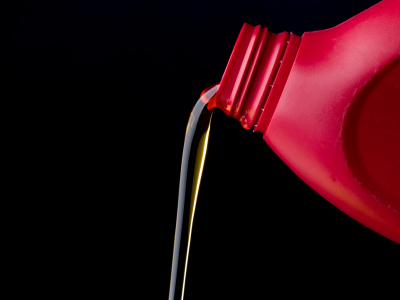
- Fluid spots beneath the vehicle: A leak may leave a red, pink, brown or otherwise oily spot, depending on the fluid type and condition. Not every transmission uses red fluid, and fluid color alone cannot confirm the source.
- Warning lights or burning odor: A transmission-temperature or check-engine warning, or a hot/burning smell, can indicate a condition that needs prompt attention.
- Loss of drive: If the vehicle will not move normally in Drive or Reverse, do not keep revving the engine or trying to force it to move.
What Can Cause Transmission Problems?
Possible causes include low or degraded fluid, a leak, an electrical or sensor fault, a control-system issue, worn internal components or a problem elsewhere in the drivetrain. The same symptom can have several possible causes, so it is important to test the vehicle before deciding that the transmission needs major repair.
Transmission fluid helps lubricate, cool and operate many transmission components. The correct fluid type and level are specific to the vehicle. Some newer vehicles have no conventional dipstick, and checking the level may require a particular temperature and procedure. Follow the owner’s manual; do not add a generic fluid or attempt to check a sealed system using an improvised method.
When Should You Stop Driving?
If the transmission is slipping severely, the vehicle will not engage a gear, a warning indicates overheating, you smell a strong burning odor, or there is a significant fluid leak, stop in a safe location and arrange professional assistance. Continuing to drive with low fluid or an overheating transmission can cause additional damage. If the vehicle shifts harshly or engages slowly but remains controllable, arrange an inspection promptly and avoid towing, heavy loads or hard acceleration until it is checked.
How Transmission Troubleshooting Works
A proper inspection may include checking for leaks, scanning for diagnostic trouble codes, reviewing fluid condition where the manufacturer’s procedure allows, road-testing the vehicle when safe and testing related electrical or mechanical systems. The goal is to identify the cause and explain the available repair options—not to assume that a rebuild or replacement is automatically necessary.
Transmission Service in Denver
If you notice shifting problems or suspect a leak, Express Car Care can help evaluate the concern. Learn more about our automatic transmission service in Denver. We’ll discuss what the inspection shows and recommend next steps based on your vehicle’s needs.
Leave a Reply
You must be logged in to post a comment.