
When most people think about car maintenance, they picture oil changes, brake checks, and tire rotations. But there’s one simple component that often goes overlooked—your cabin air filter. And if you’re driving around Denver, this unassuming part deserves a spot on your must-maintain list.
Denver’s unique environment can clog your cabin filter faster than in other areas. That means poor air quality inside your car, extra strain on your HVAC system, and even potential health issues.
Let’s dig into why cabin air filters matter more than you might think, and why replacing them regularly is one of the smartest things you can do for your car and your health.
What Does a Cabin Air Filter Do?
Think of your cabin air filter like the furnace filter in your home. Its job is to clean the air before it flows into the interior of your vehicle. It catches things like:
- Dust
- Pollen
- Mold spores
- Smog and soot
- Pet dander
- Debris like leaves or twigs
- Smoke particles from wildfires or pollution
The filter protects your vehicle’s heating, ventilation, and air conditioning system from damage and early wear. It also ensures that the air you breathe inside your car is as clean as possible.
The National Institute of Environmental Health Sciences has found our air quality to be a big problem. Public health concerns related to high air pollution exposures include cancer, cardiovascular disease, respiratory diseases, diabetes mellitus, obesity, and reproductive, neurological, and immune system disorders. Yes, your cabin air filter is working hard to help you and your car every time you go for a drive.
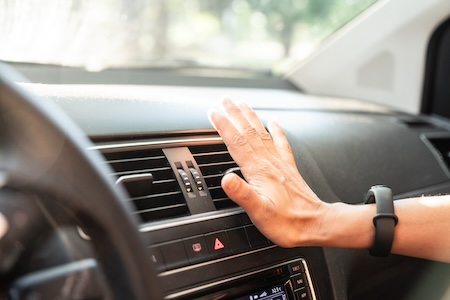
Why Cabin Air Filters Matter More in Denver
You already know that Denver’s climate and air conditions create a unique challenge for cabin air filters. You live here and face these challenges daily. They include:
1. High Altitude = Drier Air
Dry air kicks up more dust and dirt from the ground, especially on side streets and rural roads. That dust eventually finds its way into your cabin’s air system, unless your filter stops it.
2. Allergy Season Hits Hard
Springtime in Denver brings a wave of pollen. Cottonwood trees, grass, weeds, and even urban landscaping contribute to allergy triggers. A clean cabin filter can drastically reduce what makes it into your car and your lungs.
3. Wildfire Smoke
Every year, Colorado faces smoke drifting in from local or regional wildfires. Cabin air filters are your front line of defense against inhaling fine smoke particles while you drive.
4. City Pollution
Denver’s growing population and traffic congestion contribute to increased air pollution. Without a good filter, you’re breathing in car exhaust, brake dust, and airborne chemicals every time you drive downtown or commute on I-25.
Signs You Need to Replace Your Cabin Air Filter
Cabin air filters don’t last forever. Over time, they fill up with particles, making it harder for air to pass through. Here’s how you’ll know it’s time for a replacement:
- Weird Smells: A musty or sour odor when you turn on the AC or heat can mean the filter is dirty or moldy.
- Reduced Airflow: If your vents feel weak, even on high fan speed, the filter could be clogged.
- Foggy Windows: A dirty filter can reduce the effectiveness of your defroster, leading to fogged-up windows.
- More Allergies or Coughing: If you’re sneezing or coughing more often in the car, your cabin filter may be circulating unclean air.
- Visible Debris: When the filter is removed during service, you might see leaves, bugs, or blackened dust buildup.
How Often Should You Change Your Cabin Air Filter?
Most vehicle manufacturers recommend replacing your cabin air filter every 12,000 to 15,000 miles. But that’s just a general guideline. In Denver, you may need to replace it more frequently, especially if you:
- Drive in heavy city traffic
- Spend time in the mountains or on dirt roads
- Commute daily
- Have seasonal allergies
- Park under trees that drop sap, leaves, or pollen
- Notice signs of decreased airflow or strange smells
We recommend checking the filter every oil change. It’s a simple inspection and gives you peace of mind.
What Happens If You Don’t Replace It?
You might be wondering what’s the big deal if you skip this? After all, it’s just a filter, right?
Not quite.
Here’s what can happen when you ignore a clogged cabin air filter:
Health Impact
Dust, allergens, and pollutants build up inside your vehicle. That means you and your passengers are constantly breathing in contaminated air. Over time, this can worsen allergies, asthma, or respiratory issues, especially for children or older adults.
System Strain
Your air conditioning and heater have to work harder to push air through a clogged filter. That leads to reduced efficiency, increased energy use, and eventually, mechanical wear on blower motors and HVAC components.
Costly Repairs
Letting your cabin filter go too long without maintenance could lead to issues like mold buildup in the evaporator core or system strain that shortens the lifespan of your blower fan. Repairs for those systems? They jump up substantially the longer they persist.
Can You Change It Yourself?
In many cases, yes. Replacing a cabin air filter is one of the easier DIY maintenance tasks. They’re often located:
- Behind the glove box
- Under the dashboard
- Under the hood near the windshield
But some vehicles make it trickier than others. If you’re unsure, or you just want it done right, our technicians can swap it out during your next visit. It takes just minutes and costs far less than the price of fixing your AC system later.
Pro Tip: Choose a High-Quality Filter
Not all cabin filters are created equal. Here’s what to look for:
- Multi-layer filtration: Helps capture both large debris and fine particles.
- HEPA-certified filters: These are great for allergy sufferers and can capture up to 99.97% of airborne particles.
- Charcoal filters: These help eliminate odors and fumes, especially helpful in high-traffic or wildfire-smoke-prone areas like Denver.
We’re happy to recommend the best cabin air filter for your specific make and model.
Breathe Easier with a Clean Cabin Air Filter
It’s easy to forget about something you can’t see. But your cabin air filter plays a vital role in both your vehicle’s performance and your well-being. For Denver drivers, where altitude, dust, smoke, and pollen are part of daily life, it’s not just a filter, it’s a necessity.
Replacing it regularly is one of the simplest, most affordable ways to keep your car happy.
Need a cabin air filter check?
Swing by today for a quick inspection. We’ll let you know if your filter needs replacing, and if it does, we’ll get it done fast and affordably. Whether you’re getting ready for allergy season or prepping for another drive into the mountains, we’ll make sure you’re breathing clean.
Schedule your appointment today and give your cabin the fresh start it deserves.