
The temperatures are starting to climb. Fifties. Sixties. Seventies. Before we know it, we’ll be breaking records once again.
Here across the Front Range, those lazy summer afternoons are often a little difficult to enjoy outside. The intense sun beating down makes you hot just thinking about it.
Now think about your car. It’s there, sitting out in the blazing sun for hours at a time.
According to a San Jose University study, the temperature in the interior of your car can rapidly increase. On a one-hundred-degree day, the temperatures can climb to one-hundred-forty-five or more in just over an hour.
Cracking a window does little good. That same study shows it only allows a little air to circulate, but does almost nothing to bring down the temperatures on the inside.
Now imagine climbing in.
Hot!
As you turn on your engine, you want your air conditioner to work as quickly as possible. Will it? Or will it sputter and stop, barely providing you with any relief?
Before this scenario becomes a daily occurrence, take control now and get your car’s air conditioner ready for summer.
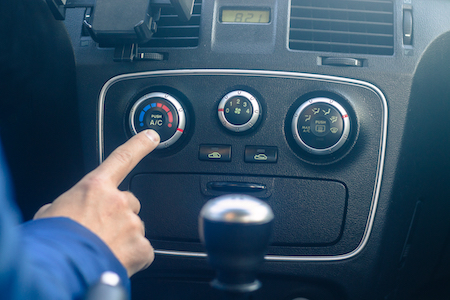 A car’s cooling system is an intricate part within your vehicle. Without it, your car wouldn’t operate as it should.
The cooling system includes many different parts, including the radiator, coolant, hoses, heater core, and water pump. With just a few simple steps now, you can ensure the entire system is working well, and will keep you cool all summer long.
Where do you start?
Listen
If you’re familiar with the way your car sounds, you’ll be more aware when a system starts acting up. Now, before the heat hits us with full force, turn your air conditioner on and listen. Does it make a sound as it turns on, or begins to operate? It should never be a loud process. It should be a hum in the background. If you hear banging, rattling, or anything else out of the ordinary, there may be something wrong somewhere in the air conditioning system.
Sniff
Air conditioned air always has a slightly different smell than the great outdoors. But it should never be overwhelming and distinctly noticeable. Turn the air conditioner on and sniff. Do you notice a strong, musty, or unpleasant smell? If dust, residue, or even mold or mildew built up inside the system, it can produce a scent reminiscent of a dusty attic. This not only is an indication of something wrong with your air conditioner, but it can also trigger allergies and asthma symptoms.
Look
When was the last time you popped the hood? Refrigerant sits in a container inside the engine compartment. A sight glass is fitted in the liquid line for quick reference. You can observe the refrigerant running through the system, which should look clear. If it’s milky or bubbly, it means water or air has penetrated the system and it’s time for a mechanic to replace it.
Feel
If an air conditioner is operating correctly, it should be able to bring the inside temperature down fifty degrees from the outside temperature. Of course, rarely will you have a desire for this extreme swing – moving from 100 to 50 isn’t what most of us consider comfortable. Still, your air conditioner should be powerful enough to handle the process. You can check it by turning your air conditioner on full blast, and leaving a thermometer inside the vehicle compartment. If there’s any problem with this test – especially if it’s not even close – it could be a sign something is wrong with the air conditioner.
What could be the problem?
If you’ve worked your way through the senses tests from above, and have a feeling something might be wrong with your vehicle’s air conditioner, it might be one of several things.
Radiator – when it comes to the health of your vehicle, the radiator plays an important part. The radiator’s job is to ensure car coolant (also known as antifreeze) passes through the engine to cool the system down. If it’s not working correctly, it can allow the engine to overheat, and the entire system to fail.
Water pump – it’s the water pump’s job to ensure coolant moves freely from the radiator to the engine. If the water pump slows or comes to a stop, this process will slow or cease, allowing the engine to overheat. When the water pump is working correctly, it’s designed to keep the cooling system at the proper temperature, no matter how much demand is placed on the system. If you notice coolant leads, or if rust starts forming around the engine compartment, it may be a sign of a faulty water pump.
Belts and hoses – while a lot of talk is about the main parts of the coolant system – radiator, water pump – there are a lot of pieces in the system to ensure it works properly. If one belt comes loose, if a hose cracks, the entire system starts to fail. The serpentine belt is the main belt that drives the cooling system. It circulates the water pump to keep your car cool and operating well. Even a tiny crack can throw this process off, and start degrading the system.
Heater core – the cooling system actually operates using the heater core within the vehicle. Signs your heater core may be the source of the problem include coolant leaks under the dashboard, an engine that runs hot, or you can smell coolant while sitting inside your car.
Coolant – while you don’t have to top off coolant in the same manner as motor oil or windshield washer fluid, it can decrease over time. You can check the antifreeze holding tank and ensure it’s filled to the full line. If not, it’s time to top it off. Be aware that coolant comes in different formulas, and some need to be mixed with water before adding to your vehicle. Get this wrong, and your problems will quickly escalate. That’s why it’s better to allow a mechanic to fully check your system, and repair only when problems are discovered.
Is your vehicle’s air conditioner ready for summer driving? Before the temperature climbs and stays high for the summer, bring your car in for a full maintenance visit today. We’ll ensure your cooling system is ready for no matter what the Colorado summer will dish out.
 It’s natural for Denver drivers to be a little anxious when they buy a used car in the Denver area; it’s natural to worry that it has something wrong with it or that it hasn’t been well maintained. If it’s possible, bring the vehicle in for a used car inspection at Express Car Care. Your friendly and knowledgeable service adviser can tell you if there are current or emerging problems in the used car that you’re interested in purchasing. The peace of mind is well worth the price of the inspection service.
 Question: What can I do to improve my fuel economy?
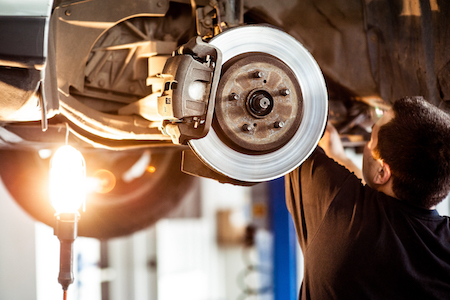 While these are the main components of the braking system, there are many more parts that go into making up each individual component. If any of these parts wear down, break, or leak, it can put your braking system in jeopardy.
 If you hear a knocking noise from the engine, it could mean your engine is low on oil. Low oil isn’t something to avoid as it can cause serious issues with your entire engine compartment. As an engine operates without proper fluid levels, the various components start failing. If the rod bearings fail, for instance, you might be replacing your engine soon. When you hear the noise, take note of where it’s coming from and how frequently you hear it. Bring it in as soon as possible to stop the problem from increasing.
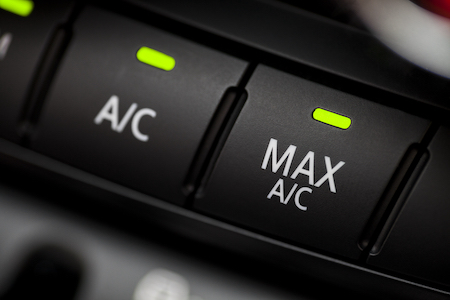 It’s there that this high pressure liquid is allowed to expand and become a low pressure liquid that enters the loop system and into the evaporator located in your car’s interior. The refrigerant moves from liquid to gas form once again as the evaporator takes in the heat from the inside of your car.
 As you’re running errands, you’ve probably come across two separate types of car repair shops in your neighborhood: national brands, and locally owned shops.
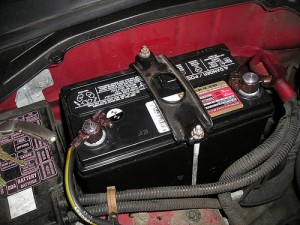 Chances are you’ve had the power go out in your neighborhood at some time, and you know how helpless that can make you feel. No lights, no microwave oven, no cold refrigerator, it’s like living in another century!
 Your vehicle’s brakes are designed to bring your car to a stop. The more pressure you apply to the brake pedal, the more tension is transferred from the brake pad to the wheel, slowing your car until it eventually stops.
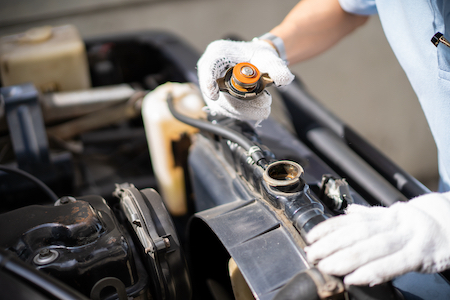 Drop in coolant levels, rise in temperature – do you keep an eye on your temperature gauge? You should. You’ll notice it remains relatively static as you drive. Coolant levels rise and fall based on engine temperature. It adjusts to keep your engine at a constant level. A quick drop in coolant levels can be a good indicator there is a leak somewhere in the system. If you think there may be a leak, fill the reservoir back up with coolant, and recheck it after a few days of normal driving. Watch the temperature gauge during this time. Does it lose fluid? If so, bring your car in for inspection as quickly as you can.