
 Brakes that work properly are essential to your safety. You want to carefully maintain your brakes. In vehicles that are equipped with drum brakes, the brake components are housed inside a drum that rotates with the wheel. When you step on the brake pedal, brake shoes push out against the inside of the drum, slowing the wheel.
Brake shoes will wear away with use from rubbing on the drum as you brake. When it’s time to replace brake shoes, it’s a straight-forward repair.
If you hear squealing or grinding when you are braking, have your service adviser check them out. He’ll have a technician perform a thorough brake inspection to see what needs to be done. He’ll check for signs of brake problems and go over other brake components to see that they’re working properly.
He can tell you it it’s time to replace the shoes or if there are other issues with your drum brakes that should be addressed. Some people ignore the warning signs and keep on driving long after the shoes are completely worn out. When this happens, metal brake components will grind against the drum, damaging it enough that it must be resurfaced or replaced.
When you push on your brake pedal, the wheel cylinder is activated, and it pushes the shoes against the drum to slow the vehicle. This cylinder, and various springs within the brake, can wear out affecting your ability to stop. The worn components can be easily replaced.
The new shoes we put on your vehicle will restore your brakes to manufacturers’ specifications. Or, we can install upgraded parts to increase your stopping power and reduce brake noise and brake dust. We have several options to meet your braking requirements as well as your budget.
Taking care of your brakes keeps them working safely – and you can also prevent premature brake repairs from happening down the road.
Give us a call or come in and see us and let us know how we can help you.

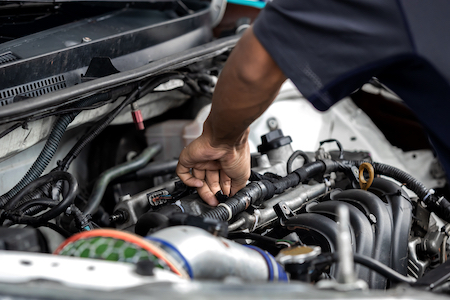 An engine is a large, powerful vacuum that draws air in to be able to produce the amount of energy needed to move your vehicle. It uses pistons moving up and down to create the vacuum, which draws air into the engine and creates combustion.
 Some of you are maybe old enough to have heard the term “fan belt”. Back in the day, the radiator fan in your vehicle was turned by a belt that was driven by the engine. There are still belt driven fans, although most radiator fans are now driven by the serpentine belt. But most of the new vehicles now also have electric fans that draw fresh air across the radiator to cool it.
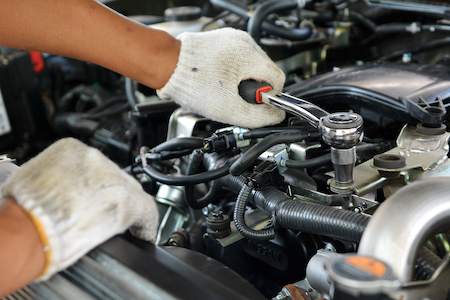 Brake pads are the least expensive part of this process.
 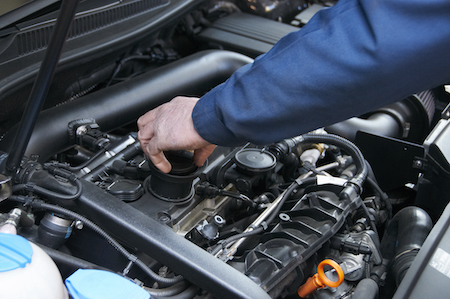 Reduced oxygen intake means the engine struggles to bring in enough air to feed into the system. This can lead to poor performance as well as inefficiencies. It can impact everything from acceleration to towing capabilities.
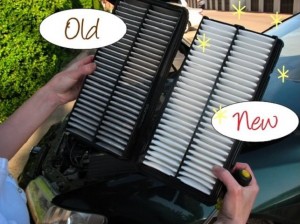 In order to run effectively, your engine needs clean air to burn fuel – and it needs a lot. In fact, a typical vehicle needs about 216,000 gallons of air for every tank of gas.
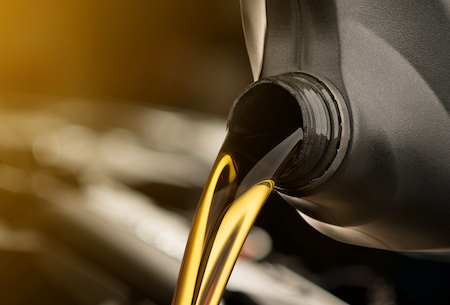 Synthetic motor oil is a human-made lubricant created by artificial chemical compounds as a substitute for petroleum-based oils.
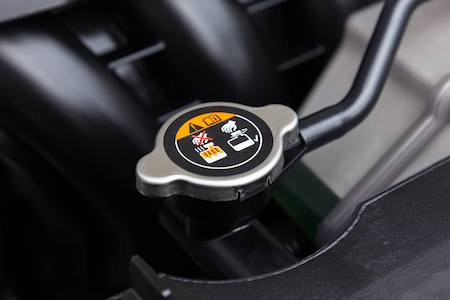 Enter your vehicle’s cooling system. It is designed to dispel heat no matter what the temperature is like outside. Winter or summer, cold or hot, engines can overheat if they aren’t running properly. It’s as important to ensure proper coolant levels in the winter months as it is in the summer.
 There is another solution. Before you set out on your road trip, take action on a few car maintenance tips first. By doing a few little TLC tasks, you’ll ensure your car is in top shape when you hit the open road. You’ll decrease the chances of having an emergency stop. And you’ll keep your family safe and secure in the process.