• Home
  • Denver Auto Repair Services
    • Full Service Oil Change
    • Expert Mechanics
      • Expert Honda Mechanics
      • Expert Toyota Mechanics
      • Expert Subaru Mechanics
    • Automatic Transmission
    • Fuel System Cleaning
    • Radiator Flush Service
    • Wiper Blades
    • Air Filter
    • Cabin Air Filter
    • Gearbox Service
    • Brake Repair
    • Clutch Repair
    • CV Boots
    • Tune-Up
    • Steering & Suspension
    • Tires
  • Auto Diagnostic
  • Contact Us
    • About Us
  • Shop Specials
  • Testimonials
  • Blog
  • 303-691-2760

Express Car Care of Denver

"Denver's Best Auto Repair and Quick Lube"

  • Brake Service
  • Car Maintenance
    • Heating-Air Conditioning
    • Suspension
    • Transmission
    • Engine
    • Tires
  • Oil Change
  • Tips & Tricks

Oil Change Frequency: Debunking Myths and Setting the Record Straight

March 24, 2024 by Denver Express Car Care

What do you know about motor oil? Chances are, it has to do with oil change frequency. 

Marketing pounds the frequency concept through flyers, postcards, and television ads. 

“Get your oil changed every 3,000 miles … or else!” 

Or else, what? 

Maybe you’re the type of driver who changes motor oil every 3,000 miles. You have a sticker reminder in your window, and you make it a part of your regular routine. 

Or maybe you’re the driver who wonders if it’s necessary. 3,000 miles happened a bit ago. You’re pushing it … that’s okay, right?

Let’s dive into the nitty gritty of motor oil frequency and other myths you might believe. 

The biggest myth – oil change frequency

Once upon a time, changing motor oil frequently was vitally important to the performance of your car. The general rule was that engine oil needed to be changed every 3,000 miles or three months, whichever came first.

This notion has been perpetuated for decades by oil change shops, mechanics, and even some car manufacturers. However, advancements in both oil technology and engine design have rendered this myth obsolete for most modern vehicles.

Oil Change Frequency: Debunking Myths and Setting the Record Straight

Modern synthetic oils, along with improvements in engine manufacturing and design, have significantly extended the interval at which oil changes are necessary. For many vehicles, the recommended oil change interval now falls between 5,000 to 10,000 miles, depending on driving conditions and the type of oil used. Some newer vehicles even have oil life monitoring systems that calculate the optimal oil change interval based on driving habits and conditions.

Should you still adhere to the 3,000-mile myth? Not necessarily. A lot of it depends on your vehicle. 

Check with your owner’s manual. The make and brand of your vehicle will dictate a schedule you can adhere to. While many would say to err on the side of more frequent changes to ensure a well-performing car, there is one thing to consider. 

Continuing to adhere to the outdated 3,000-mile rule can be unnecessarily costly and environmentally harmful. Frequent oil changes contribute to the generation of used oil waste, as well as unnecessary resource consumption. Moreover, it places an undue financial burden on car owners, who may be spending more money on oil changes than is necessary.

Start with your owner’s manual as guidance. Then speak with one of our mechanics. We’ll help you form a solid oil changing schedule you can live with, and that will keep your car in peak performance. 

All the myths around synthetic motor oil

Depending on where you get your information, you’ll likely find a host of myths that involve synthetic motor oil:

  • Synthetic oil causes leaks
  • Synthetic oil is too “slippery” for older engines
  • Synthetic oil extends oil change intervals indefinitely
  • Synthetic oil is only for high-performance vehicles
  • Synthetic oil is too expensive
  • Once you use synthetic oil, you can never go back

Have you fallen for any of these yourself?

Synthetic motor oil is a lubricant for internal combustion engines that is artificially created through a process called synthesis. Unlike conventional motor oil, which is derived from crude oil through refining processes, synthetic motor oil is chemically engineered to have specific molecular properties that enhance engine performance and protection.

The synthesis process starts with base oils, which can be either chemically synthesized or derived from crude oil. These base oils are combined with various additives to achieve the desired characteristics, such as viscosity, thermal stability, and resistance to oxidation and breakdown. And they provide a host of benefits, such as better performance, improved engine protection, and extended fuel efficiency.

Sounds like synthetic motor oil may be perfect for you, not matter what you drive. Yet the myths persist. 

One persistent myth is that switching to synthetic oil can cause older engines with worn seals to develop leaks. However, synthetic oils are formulated to be compatible with seals and gaskets in both new and older engines. In fact, synthetic oils often have superior sealing properties compared to conventional oils, reducing the likelihood of leaks.

Or maybe you’ve heard the myth that synthetic oil is only necessary for high-performance or luxury vehicles. While it’s true that synthetic oil can offer significant benefits in high-stress situations, such as racing or towing, it’s suitable for use in all types of vehicles. Synthetic oils provide better protection against engine wear, improved fuel economy, and enhanced performance, making them a beneficial choice for any vehicle.

You can switch between regular (conventional) and synthetic motor oil in your vehicle, and it’s a relatively common practice. However, there are a few things to consider when making the switch, such as compatibility and the benefits of synthetic oil for your vehicle.  

Should you be using synthetic motor oil? Check your owner’s manual. Then have a conversion with one of our mechanics. 

A few myths around motor oil additives

Motor oil isn’t a pure liquid product. Today’s motor oil contains a variety of additives, chemical compounds that are mixed with base oils to enhance the performance and properties of motor oil. These additives serve various functions and are carefully formulated to address specific needs and challenges associated with engine lubrication.

You’ll find detergents to help prevent the buildup of deposits, sludge, and varnish in the engine by keeping contaminants suspended in the oil. Dispersants work in conjunction with detergents to suspend and disperse contaminants in the oil, preventing them from settling on engine surfaces. Anti-wear additives form a protective film on metal surfaces, reducing friction and wear between moving engine parts. Viscosity index improvers (VIIs) are polymers added to motor oil to improve its viscosity-temperature characteristics. 

This is what makes shopping for motor oil a little confusing. What should you choose? Which is best for your vehicle?

Again, your owner’s manual is a good place to start. Who better to help you choose than the manufacturer who crafted your vehicle? 

We can help, too. Schedule your next oil change with us, and we’ll select a motor oil that keeps your car performing well. 

When was your last oil change?

If it’s been a while, make today the day you add it to your calendar. 

We look forward to meeting you soon. 

Filed Under: Oil Change, Tips & Tricks Tagged With: Oil Change Frequency

Keeping Your Vehicle Running Smoothly with Timely Fluid Changes

March 21, 2024 by Denver Express Car Care

What are the most vital fluids inside your vehicle? Gas? Oil? Windshield washer fluid?

Yes, each of those is essential to a well-running car. Timely fluid changes are the difference between having a car you depend on … and a car you’re nervous about. 

Nobody wants to be stuck by the side of the road. Some might say it depends on maintenance – checking your brake system or ensuring the transmission remains operational. 

But before you focus on systems, we suggest you pay attention to fluid changes. 

Why fluid checks are vitally important

Want a fully functional vehicle? Fluid keeps it fully functional. It’s important to ensure each of them is topped off, clean, and keeping your car in good operating condition for a reliable car. Checking it regularly lets you find potential issues before they escalate into bigger problems. 

We feel timely fluid checks are essential to: 

Ensure optimal performance

A car won’t operate if it doesn’t have proper fluid levels. Low and corroded fluid can lead to decreased efficiency, increased wear and tear throughout each system, and a compromised driving experience. Each fluid interacts inside the vehicle in different ways – it’s essential to ensure each fluid is in peak condition. Regularly checking and replenishing these fluids helps maintain their effectiveness, ensuring your car operates at its best.

Prevent engine damage

Engine oil is often referred to as the lifeblood of a car’s engine. It not only lubricates but also cleans and cools critical components. Without sufficient oil or with degraded oil, friction increases, leading to accelerated wear and potential engine damage. Monitoring oil levels and quality, along with other vital fluids, is essential for preventing costly repairs and preserving engine health.

Keeping Your Vehicle Running Smoothly with Timely Fluid Changes

Extend lifespan

Proper fluid maintenance can significantly extend the lifespan of your vehicle. Regular oil changes, for instance, remove contaminants and replenish additives that protect against corrosion and breakdown. Coolant flushes prevent corrosion and maintain the cooling system’s efficiency. By adhering to a fluid maintenance schedule, you can minimize wear and tear on engine components, transmissions, and other critical systems, ultimately prolonging your car’s longevity.

Create a safer car

Fluids directly impact the safety of your vehicle. Brake fluid, for example, transfers the force from the brake pedal to the brake components, ensuring responsive braking. Low or contaminated brake fluid can compromise braking performance, increasing stopping distances and the risk of accidents. Similarly, maintaining proper coolant levels prevents engine overheating, which could lead to breakdowns or even engine failure on the road. Clear visibility is essential for safe driving, highlighting the importance of regularly topping up washer fluid to ensure a clean windshield.

The specifics – vital fluids essential for proper function

It’s time to pick – which fluids are considered the most vital for performance? Of course, you could make a claim for various fluids necessary for survival. However, we consider these to be at the top of the list:

Motor oil

The engine can’t survive without motor oil. Motor oil lubricates the engine’s moving parts, such as pistons, crankshaft, and camshaft, reducing friction and heat generation. It also helps to seal gaps between moving parts, preventing leakage and maintaining compression.

Adequate oil levels and quality are crucial for preventing metal-to-metal contact, which can lead to excessive wear and tear, engine overheating, and potential damage. Regular oil changes ensure the engine remains properly lubricated and protected, optimizing performance and longevity. Your owner’s manual should provide the manufacturer’s recommended oil change intervals based on mileage or time.

Coolant/Antifreeze

Coolant regulates the engine’s temperature by absorbing heat generated during combustion and transferring it to the radiator, where it dissipates into the air. Antifreeze properties prevent the coolant from freezing in cold temperatures and protect against corrosion.

Watching coolant levels is essential for preventing engine overheating, which can cause severe damage, such as warped cylinder heads or blown head gaskets. Coolant also helps to protect the engine from corrosion, ensuring its longevity. Regularly check coolant levels and inspect regularly for any signs of leaks or contamination. Flush and replace coolant according to the manufacturer’s recommendations.

Transmission fluid

Ever hear a grinding sound when the transmission moves gears? Transmission fluid lubricates the system’s gears, bearings, and other moving parts, allowing for smooth gear shifts and reducing friction and heat buildup.

Proper transmission fluid levels and quality are critical for ensuring smooth operation and preventing premature wear and transmission failures. Inadequate or degraded transmission fluid can lead to rough shifting, slipping gears, and eventual transmission damage. While transmission fluid can last up to 100,000 miles, adhere to the manufacturer’s recommended service intervals for fluid changes or flushes.

Brake fluid

Imagine a vehicle without properly functioning brakes. Scary, right? Brake fluid is used to transfer the force from the brake pedal to the brake components, such as calipers and wheel cylinders, enabling effective braking. If it doesn’t work, you’ll know it.

Brake fluid must maintain its hydraulic properties to ensure responsive braking. Contaminated or degraded brake fluid can compromise braking performance, leading to increased stopping distances and safety hazards. It calls for regular inspection and periodic replacement to ensure its performance. 

Power steering fluid

Ever had a difficult time turning the steering wheel? Power steering fluid assists in the operation of the power steering system, reducing steering effort and allowing for smoother steering wheel operation.

Proper power steering fluid levels and quality are essential for maintaining the efficiency and effectiveness of the power steering system. Inadequate or contaminated power steering fluid can lead to difficulty steering, increased wear on steering components, and potential system failure. Like other fluids, it’s necessary to top up or replace fluid as needed according to the manufacturer’s specifications.

Washer fluid

Can’t see out of the windshield? It might not sound like a vital fluid, but try to drive the Colorado roads without it. Washer fluid cleans the windshield and rear window, providing clear visibility for the driver by removing dirt, dust, and other debris.

Adequate washer fluid levels ensure the windshield remains clean, improving visibility and enhancing driving safety, especially in adverse weather conditions. Top up as needed. You might even want to carry a bottle with you, just in case. 

Why focus on timely fluid changes?

Why not! Each fluid is vital to a well-performing car. 

You might know to change your motor oil regularly, but how often do you do it? What about other fluids – when was the last time you considered them? 

Make today the day. Schedule an inspection. Let’s ensure each fluid is topped off and in good working condition. 

It’s the best way to keep your car running well. 

Filed Under: Car Maintenance Tagged With: Timely Fluid Changes

Stop Safely, Drive Confidently: Expert Brake Services You Can Trust

March 18, 2024 by Denver Express Car Care

Getting your motor oil changed might seem like an easy service to find. You’ll notice auto repair shops on every corner. But what about bigger services? There’s a trust factor involved. 

Imagine a scenario where you pull up to a stop light, tap the brake pedal, and it gives off a loud squeal. It’s embarrassing. It’s also unsafe. 

This is when it’s important to find expert brake services to get you back on the road. 

Worn brakes … slow brake response time

Slow brake response time refers to the delay between when you, the driver, apply pressure to the brake pedal and when the vehicle actually begins to slow down or stop. You’ve probably noticed this most when you switch from one car to another. Your old car requires you to pounce on the brake pedal. But driving a new car – barely a touch has the brakes screaming into action. 

This happens for several reasons. 

If the brake pads are worn down, they may not make proper contact with the brake rotors, leading to a delay in braking response. Low brake fluid levels or air bubbles in the brake lines can also result in slow brake response time. Leaks in the brake system, such as from deteriorated brake lines or leaking caliper seals, can lead to a loss of hydraulic pressure. Malfunctions in the brake system components, such as the brake master cylinder, brake booster, or ABS, can also cause slow brake response time. 

Any of which can lead to dangerous driving conditions. It’s time to find expert brake services you can rely on. 

Stop Safely, Drive Confidently: Expert Brake Services You Can Trust

Worn brakes … vibrating and shaking

When you’re listening to the radio, you might “hippy, hippy, shake” to the music. But you should never feel your car vibrating and shaking right along with you. That’s a sign of something gone wrong. 

When a car shakes and vibrates due to worn brakes, it typically indicates several potential issues with the braking system.

It might be worn brake pads causing uneven wear on the brake rotors. The surface of the rotors becomes uneven, leading to vibrations and shaking when the brakes are applied. 

Or maybe the brake pads have left deposits on the surface of the brake rotors. These deposits can cause uneven braking and result in vibrations and shaking when the brakes are applied.

Loose or damaged brake components may also cause other components of the braking system, such as calipers, brake pads, or hardware, to become loose or damaged resulting in rattling noises and vibrations, especially when braking.  

Think this is your problem? It’s time to find expert brake services to get you back on the road. 

Stopping problems … it might be the tires

It can be quite scary to press down on the brake pedal, expect the car to stop, and it doesn’t perform the way you desire. A million things run through your mind – what can it be? 

Of course, stopping and braking go together. But another issue you might consider is the condition of your tires. 

As tires wear down, the tread depth decreases, reducing the tire’s ability to grip the road surface effectively. This reduction in traction can result in longer stopping distances and reduced braking performance, especially in wet or slippery conditions.

Worn tires often exhibit uneven wear patterns, which can affect braking performance. Unevenly worn tires may cause the vehicle to pull to one side during braking, leading to instability and reduced control. They may also have reduced responsiveness to steering and braking inputs. This can make it more difficult for the driver to modulate braking force effectively, leading to delayed or inconsistent braking response.

Yes, worn tires are bad. Worn tires are more prone to blowouts, especially at high speeds or under heavy braking. They are also more susceptible to damage from road hazards, such as potholes, debris, or sharp objects.

Have a braking issue? Yes, it might be your brakes. But consider your tires as well, especially if you haven’t had them checked in a bit. 

Expert brake services mean inspecting your entire vehicle to ensure it’s safe to operate and will protect you well no matter where the road takes you.

Finding expert brake services … a service to trust

Not any repair service will do. It’s time to find a repair center you can trust with every job you bring in, from minor fixes to significant upgrades. It’s the only way to feel good about the repair you make, knowing it will keep you and your family safe. 

How do you find that when you need expert brake services? 

Ask for recommendations. Start by asking friends, family members, or colleagues for recommendations. Personal referrals can be valuable in finding trustworthy service providers with a proven track record of quality work.

Check online reviews. Look for online reviews and ratings of local brake service providers. Websites like Google, Yelp, or Angie’s List can provide insights into the experiences of other customers with various service providers.

Verify certifications and qualifications. Choose a brake service provider that employs certified and experienced technicians. Look for certifications such as ASE (Automotive Service Excellence) or manufacturer-specific certifications, which indicate that the technicians have undergone rigorous training and adhere to industry standards.

Inquire about warranties. Ask about the warranties offered on brake repairs and replacement parts. A reputable service provider should stand behind their workmanship and use quality parts that come with warranties against defects or failures.

Visit the facility – this is a big one! Take the time to visit the repair shop in person. Pay attention to the cleanliness and organization of the shop, as well as the professionalism and friendliness of the staff. A well-maintained and organized facility is more likely to prioritize customer satisfaction and quality service.

Use your gut instincts to tell you if this is the right place to do business. Is it close to home or close to work? Do you feel comfortable when you walk in? Does it feel like a place you can trust to work on your vehicle? Your gut will lead the way – let it!

Expert repair service may seem to be on every corner, but finding one to trust can seem to be a complicated process. 

Ask us your questions. We’re here to help.

Filed Under: Brake Service, Tips & Tricks Tagged With: Expert Brake Services

Battery Boost: Proven Strategies to Prolong Your Car Battery’s Lifespan

March 14, 2024 by Denver Express Car Care

When you buy a new battery for your car, you know it will last you two to seven years. 

That’s a huge window of time. 

What makes it die after two years? Why can some drivers get seven years of life? What’s the difference – and how can you prolong your car battery’s lifespan? 

Driving habits

Some traits you have control over, while others you don’t. One of the biggest is something you can take change of – your driving habits. 

What kind of driving do you do? Does your daily drive include jumping on the highway and heading into the city? Or do you stay close to home, with frequent short trips running errands in your local neighborhood? 

Short trips mean your car is clicked on and off repeatedly. This doesn’t give your battery a chance to recharge, which can lead to incomplete charging cycles, causing the battery to gradually lose its capacity. 

Longer trips give the alternator a chance to fully recharge the battery, which can help maintain its health. 

If you find yourself spending your days on short trips, consider bringing your car out for longer drives from time to time. It keeps your battery healthy longer. 

Battery Boost: Proven Strategies to Prolong Your Car Battery's Lifespan

Temperature

Colorado is known for its extreme weather. The temperatures can fall one month well below zero. Your car chugs just to turn on. A few months later, record-breaking heat can settle in for days. Blazing sun and nothing but heat can take its toll on your car’s battery. 

Heat accelerates chemical reactions inside the battery, leading to fluid evaporation and internal corrosion. This can significantly shorten the battery’s lifespan, especially in regions with hot climates.

Of course, the winter months aren’t any easier. Cold weather reduces the battery’s ability to produce power, making it harder to start the engine. Additionally, cold temperatures increase the thickness of the engine oil, making it harder for the engine to turn over, putting more strain on the battery during startup.

Battery quality

Don’t think you can pick up a cheap battery on sale at your local discount store and expect the longest lifespan. High-quality batteries often feature better construction techniques, including robust internal components and corrosion-resistant materials. Premium batteries may use higher-quality lead plates, separators, and electrolytes, resulting in better performance and longevity.

Where do you find high-quality batteries? Go with a reputable auto service center. They do the research for you, and choose the best batteries for their customers. They understand what to look for, what to purchase, and what makes a difference in lifespan. If you have questions, just ask. Reputable mechanics will be happy to answer your questions. 

Age

When manufacturers state the average car battery will last three to seven years, it’s because there are too many conditions that determine exactly how long a battery will last. 

Over time, the chemical reactions within the battery during charging and discharging processes can degrade its internal components, reducing its capacity to hold a charge. Physical wear and tear, such as corrosion on terminals and vibration from vehicle operation, can also contribute to the deterioration of the battery over time.

Take note of when you install a new battery. If you start noticing problems and it’s close to its end life, you’ll be able to pick up on the clues. 

Maintenance

Every part of your vehicle shakes, rattles, and rolls as it maneuvers through the daily commute. Even a high-quality battery needs maintenance from time to time to ensure it properly functions. 

Corrosion on battery terminals can impede the flow of electrical current, leading to poor performance and premature failure. Regularly cleaning terminals and applying terminal grease can help prevent corrosion.

Maintaining proper electrolyte levels for batteries with removable caps is essential for optimal performance and longevity. Adding distilled water when necessary can help keep the electrolyte levels within the recommended range.

Loose or corroded connections can hinder the flow of electricity between the battery and the vehicle’s electrical system. Ensuring tight and clean connections can improve battery performance.

When was the last time you checked your battery, or had a mechanic do it for you?

Charging system

A battery doesn’t operate alone. 

A faulty alternator can lead to undercharging, where the battery doesn’t receive enough charge during operation, resulting in a gradual depletion of its capacity. Malfunctioning voltage regulators can cause overcharging, which can lead to excessive heat and electrolyte loss, damaging the battery.

This is where it pays to get to know your car. Hear a sound? Notice a smell? If your car operates differently, it’s time to find out why. 

Electrical system

You start the car and let it warm up a few minutes before you drive. You leave the radio on while waiting in the carpool line for your kids. You forget the headlights – does it really matter if they’re on all night?

In short, the answer is yes. 

Using electrical accessories such as headlights, air conditioning, and audio systems when the engine is not running can drain the battery. Over time, excessive drain without proper recharging can shorten the battery’s lifespan.

Prolonged storage

Thanks to working from home, it’s not unusual for cars to be parked for weeks at a time. Or maybe you’re taking an extended holiday – you’re leaving the country for a few months in the winter. 

When a car is left parked for an extended duration, especially without periodic starts or battery maintenance, the battery can gradually lose its charge due to self-discharge. Without the alternator running to recharge the battery, it can deplete over time, leading to sulfation—a process where sulfate crystals form on the lead plates, reducing the battery’s ability to hold a charge.

To solve this problem, take it out for a drive occasionally. If you aren’t available, it’s advisable to use a battery maintainer or trickle charger when storing a vehicle for an extended period. These devices help maintain the battery’s charge levels and prevent sulfation by providing a low, constant charge. 

How long will your car battery last?

If you’re in the market for a new car battery, go with someone you can trust. It ensures you install the battery that offers the longest lifespan while working perfectly with your make and model. 

Have questions? We have answers. We look forward to getting to know you soon. 

Filed Under: Car Maintenance Tagged With: Prolong Car Battery Lifespan

When to Schedule Your Car’s Next Tune-Up For Maximize Performance

March 10, 2024 by Denver Express Car Care

We often use words without regard to their meaning. Take the term “tune-up,” for example. 

What does that mean when someone says they’re bringing their car in for a tune-up? What repair work does that entail? 

And, more importantly, how do you know if your car needs a tune-up? An important question if you hope to keep your car in good operating condition for many years. 

What tune-up really means

A car is a mechanical object with tens of thousands of working parts all melded together to create a modern vehicle. 

Cars are designed to provide warning signs if something isn’t working correctly. That’s where odors and noises and visual warnings provide signals. Pay attention, and you can catch a minor issue before it escalates into a bigger, more significant problem. 

A tune-up generally refers to a series of maintenance tasks performed to ensure it’s running smoothly and efficiently. This can change by manufacturer and model, but in general will include replacing spark plugs, checking and adjusting ignition timing, inspecting and possibly replacing filters, inspecting and possibly replacing ignition components, and inspecting and topping off fluids. A mechanic will assess the overall condition of the engine and all of its related components. 

Do this regularly to ensure performance. You’ll also improve fuel efficiency and overall reliability. 

When to Schedule Your Car's Next Tune-Up For Maximize Performance

Is it time to schedule a tune-up for your car?

How do you know if it’s time for a tune-up?

Remember those warning signs we spoke of in the previous section? This is where it helps to pay attention to how your car is operating. Just a few seconds to check in with your vehicle can alert you to realizing it’s time to schedule a tune-up. Watch for:

Decreased fuel efficiency – you do check your mileage every time you fill up, don’t you? This simple step will alert you to decreasing fuel efficiency. It’s easy to do. All you need is to track how much fuel is consumed and the distance traveled. Divide the number of miles traveled by the amount of fuel consumed. Then think back to how you drove on this tank of gas. More city miles than usual? Unusual driving conditions? If nothing changes from tank to tank, and your mileage consistently decreases, it’s time for a tune-up.   

Poor performance – you can feel it when your car isn’t performing well. It may feel sluggish or lack power when accelerating. It might hesitate or stumble. It may need a tune-up, or it may need something else. In any case, bringing it in for inspection early is the best way to ensure your vehicle remains well-maintained. 

Rough idle – when you turn the car on and leave it in park, does it rumble like an old truck? Do you stop for a minute thinking it’s not going to remain on? A rough idle could indicate a problem with spark plugs, ignition components, or fuel delivery. All problems a tune-up will catch and address. 

Misfiring – a rough idle can be concerning; so too can misfiring. Misfiring occurs when one or more cylinders in the engine fail to ignite properly. This gives you a noticeable jerking or shaking sensation while driving. 

Hard starting – on those cold winter mornings, you might notice your car has trouble starting. You know it’s not your battery – that’s when it might have something to do with performance. Those spark plugs, ignition, or fuel delivery system are sputtering and need a little work to ensure optimal performance. 

Emissions – ever failed an emissions test? Or maybe you’ve noticed white smoke coming from the tailpipe? This is a clear indicator of an engine that is not running efficiently, and is in need of a tune-up. 

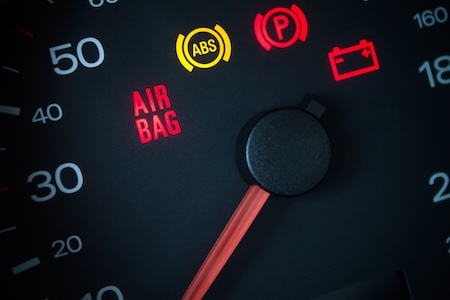
Check engine light – sometimes it might seem like your dashboard lights up like a Christmas tree. Maybe some of the lights stay on and when you check them, they seem like they aren’t a big deal. Dashboard lights are alerting you something is off – the sooner you fix it, the better chance of it remaining a minor issue. The check engine light can illuminate for many reasons – some more critical than others. Because you don’t know without an inspection, you should schedule one as soon as possible. It’s the best way to ensure the vehicle is properly tuned and running well. 

What does a mechanic do in a vehicle tune-up?

When you bring in a car for a tune-up, it starts with a series of questions. As mechanics, we want to learn more about what brings you in. What are you noticing? That can lead to pinpointing where we start inspecting, and gives us areas to focus on. Still, tune-ups do have a series of steps:

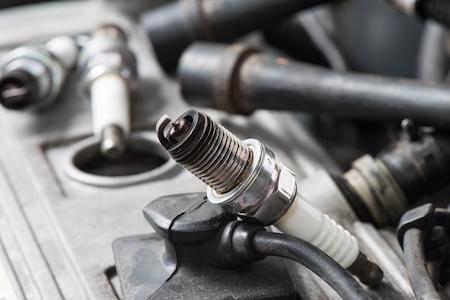
Inspecting and replacing spark plugs – over time, spark plugs can wear out or become damaged, leading to poor engine performance. We’ll inspect the spark plugs and replace them if necessary.

Checking ignition system components – this includes inspecting ignition coils, distributor caps, rotors, ignition wires, and other components to ensure they are functioning properly. Any worn or damaged parts may be replaced.

Inspecting and replacing filters – we’ll check and, if needed, replace the engine air filter, fuel filter, and possibly cabin air filter. 

Checking fluid levels and condition – this includes inspecting engine oil, coolant, transmission fluid, brake fluid, power steering fluid, and windshield washer fluid levels. We’ll change the fluid or top-off as needed.

Inspecting belts and hoses – we’ll inspect them for signs of wear, cracks, or other damage and replace them if necessary.

Checking and adjusting engine timing – we’ll check and adjust ignition timing and idle speed to optimize engine performance and fuel efficiency.

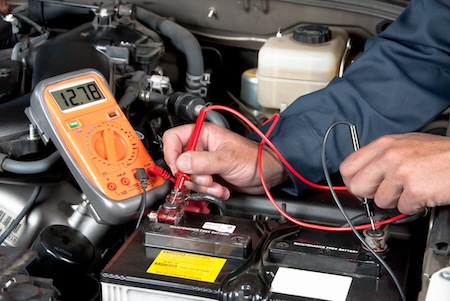
Inspecting and testing battery – we’ll test the battery’s voltage and charging system output and clean the battery terminals if needed.

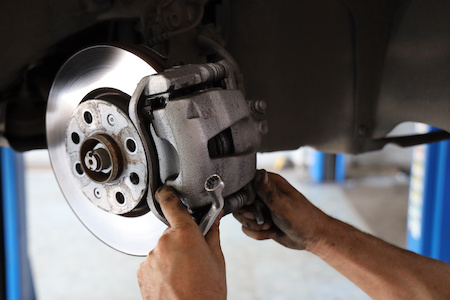
Inspecting brakes – if warranted, we may inspect the brake system components, including brake pads, rotors, calipers, and brake fluid, to ensure they are in good condition.

Performing diagnostic tests – if the vehicle displays any warning lights or unusual symptoms, mechanics may perform diagnostic tests using specialized equipment to identify and address any issues.

All of it done to ensure you drive away in a car in optimal condition. 

When was the last time you scheduled a tune-up? Does your car display any of the tell-tale signs? If so, call us today, and let’s get your car back on the road. 

Filed Under: Car Maintenance, Tips & Tricks Tagged With: Schedule Car Tune Up

Dashboard SOS: What to Do When Warning Lights Flash

March 7, 2024 by Denver Express Car Care

Technology is great. Until it isn’t. 

For those of us who use technology regularly, we understand how to get things done. We work with programs, click buttons, and get results. But it can be a frustrating experience at best when something goes wrong.  

As cars become more technologically advanced, it isn’t just a process of replacing a part on a scheduled basis. Technology keeps every part in tune, ensures everything works according to manufacturer’s guidelines. 

What is an onboard diagnostic system?

A vehicle’s onboard diagnostic system (OBD) is a computer-based system that monitors the performance and condition of various components within the vehicle. It’s primarily designed to detect malfunctions and issues related to the engine and emissions system.

OBD systems became standardized in the 1990s, with the introduction of OBD-II, which is now a mandatory feature in all vehicles sold in the United States since 1996. OBD-II systems use a standardized diagnostic port, usually located under the dashboard. Mechanics and technicians use specialized diagnostic tools to interface with this port to read diagnostic trouble codes (DTCs) and retrieve information about the vehicle’s performance and any detected issues.

Modern OBD systems can monitor and report on a wide range of parameters, including engine speed, fuel mixture, exhaust gas composition, vehicle speed, and many others. This data helps diagnose problems, track vehicle performance over time, and ensure compliance with emissions regulations.

Dashboard SOS: What to Do When Warning Lights Flash

Why do dashboard warning lights blink?

When you start your car or are driving down the street, sometimes you’ll notice a dashboard light illuminate. Blinking has a different meaning than if it stays lit. 

Dashboard warning lights may blink for a variety of reasons, and it usually indicates an issue that requires attention. It might be:

  • Intermittent issue – a loose connection or a sensor malfunctioning sporadically could trigger the warning light to blink on and off.
  • Low fluid levels – if the fluid level is right at the threshold where it’s causing a problem but not consistently, the light might blink.
  • Electrical issue – a faulty connection, a short circuit, or a failing component could cause dashboard warning lights to blink.
  • Faulty sensor – vehicle’s use sensors in every system to monitor health and alert you to potential issues. If a sensor that triggers a warning light is malfunctioning, it may cause the light to blink. 
  • Pending issue – some vehicles have a system where warning lights will blink to indicate a pending issue that hasn’t yet triggered a steady warning light. This could be a pre-warning before a more serious problem develops.
  • Anti-theft system – in some vehicles, the security or anti-theft system may cause dashboard warning lights to blink to indicate that the system is armed.

In any case, if you notice a dashboard warning light blinking, it’s essential to address the issue promptly. Ignoring it could lead to further damage to the vehicle or pose a safety risk. It’s best to consult the vehicle’s manual or have a qualified mechanic diagnose the problem.

Flashing or steady lights – what’s the difference?

The difference between flashing lights and lights remaining on generally indicates the severity or urgency of the issue being reported.

When a dashboard warning light is flashing, it typically signifies a more severe or urgent problem that requires immediate attention. Flashing lights often indicate a critical issue that could potentially cause damage to the vehicle or compromise safety. Examples of warning lights that might flash include the check engine light, oil pressure warning light, or brake system warning light.

If a dashboard warning light remains steadily illuminated without flashing, it suggests a less immediate concern. While it still indicates a problem that needs to be addressed, it may not be as urgent as a flashing light. For instance, a steady check engine light might indicate a fault in the vehicle’s emissions system or a minor engine issue that should be checked by a mechanic at the earliest convenience.

In both cases, it’s crucial to take action when a warning light appears on the dashboard. Ignoring warning lights, whether flashing or steady, can lead to further damage to the vehicle, decreased performance, or even safety hazards. Consulting the vehicle’s manual or seeking assistance from a qualified mechanic can help diagnose and resolve the underlying issue.

All dashboard lights are important, but these top the list …

Every manufacturer does something a little different with their dashboard lights. But in general, they use similar references so that you can move from one car to another and monitor safety measures to keep you and your passengers safe. 

Never ignore a dashboard light; there’s a reason it’s illuminating. However, some are more critical than others. 

Check Engine Light (CEL)

This light typically looks like an engine or reads “Check Engine” and is one of the most critical warning lights. It indicates a problem with the engine or its emissions system. While not always an emergency, it shouldn’t be ignored as it can indicate issues ranging from minor to severe, affecting performance, fuel efficiency, and emissions.

Oil Pressure Warning Light

This light resembles an oil can or reads “Oil” and indicates low oil pressure. Low oil pressure can lead to engine damage if not addressed promptly. Continuing to drive with low oil pressure can result in serious engine problems.

Battery/Charging System Light

This symbol usually looks like a battery and indicates a problem with the vehicle’s charging system. It could indicate a faulty battery, alternator, or other charging system components. Ignoring this warning could lead to a dead battery and the vehicle not starting.

Brake System Warning Light

This light usually looks like an exclamation mark inside a circle, sometimes accompanied by the word “BRAKE.” It indicates issues with the brake system, such as low brake fluid levels, brake pad wear, or a malfunction in the braking system. Ignoring brake warning lights can compromise braking performance and safety.

Coolant Temperature Warning Light

This light typically looks like a thermometer or reads “TEMP” and indicates that the engine is running too hot. Overheating can lead to engine damage or failure if not addressed promptly. Pull over safely and allow the engine to cool down before continuing, and then investigate the cause of the overheating, such as low coolant levels or a malfunctioning cooling system.

Have a problem? Take action

Now that you understand how critical a dashboard’s warning lights can be, it’s up to you to take action. Be on the lookout for steady or flashing lights. You can restart the car to ensure it wasn’t a connection problem. But if it remains lit, it’s time to move into action. 

Give us a call, or stop by today. Together, we’ll ensure your car remains in good working condition for its lifetime.  

Filed Under: Car Maintenance, Tips & Tricks Tagged With: Dashboard Warning Lights

Brake Basics: Understanding Your Vehicle’s Most Important Safety Feature

March 3, 2024 by Denver Express Car Care

In their most rudimentary form, brakes are crafted to bring your car to a stop. Envision the Flintstones, with Fred driving to work. When he needs to brake, his feet hit the ground, digging in until his car comes to a halt. 

Of course, deep down, you know your brakes are more important than that. In addition to stopping your vehicle, they help keep you safe. 

In the very first cars of the 19th and early 20th centuries, braking systems were quite basic compared to modern standards. Most early cars used a simple mechanical braking system called “drum brakes.” These consisted of a drum attached to each wheel, with brake shoes inside the drum. When the driver pressed the brake pedal, the brake shoes would expand against the inner surface of the drum, creating friction and slowing down the wheel’s rotation.

These early braking systems were not very efficient compared to modern brakes. They lacked power assistance, so the driver had to apply significant force to the pedal to slow the vehicle down. They were prone to overheating and fading, especially during prolonged or heavy braking.

Overall, while these early braking systems were a crucial development in automotive history, they were far less effective and sophisticated than the brakes found in cars today.

Car braking system advances 

Oh, if those early drivers of the 20th century could see our cars now. Still, they gave us our starting point, and guidance to move forward. And thankfully for our safety, they’ve made many enhancements. 

Brake Basics: Understanding Your Vehicle's Most Important Safety Feature

Drum brakes were our starting point, but hydraulic brakes paved the way to a safer future. Pioneered by companies like Lockheed, hydraulic brakes became widespread in the 1920s. They used hydraulic fluid to transmit the braking force from the pedal to the wheel cylinders, providing more reliable and consistent braking performance.

Disc brakes were introduced in the automotive industry in the 1950s and gained popularity in the 1960s. Unlike drum brakes, which generate friction internally, disc brakes use brake pads clamping onto a rotating disc (or rotor) to slow down the vehicle. Disc brakes offered improved cooling, reduced fade, and better overall performance.

Anti-lock Braking Systems (ABS) were developed in the 1980s to prevent wheels from locking up during hard braking, allowing the driver to maintain steering control. The system rapidly modulates brake pressure to each wheel, reducing the risk of skidding on slippery surfaces. 

By the 2000s, Electronic Brake Force Distribution (EBD) effectively optimized brake force distribution among the wheels based on driving conditions and load, improving stability and stopping distances. Brake Assist detects emergency braking situations and provides additional braking force, enhancing safety.

Regenerative braking systems capture kinetic energy during deceleration and convert it into electrical energy, which can be stored in batteries or used to power auxiliary systems. This technology is commonly found in hybrid and electric vehicles, improving energy efficiency and range.

Advanced Driver Assistance Systems (ADAS) features like Electronic Stability Control (ESC), Collision Avoidance Systems, and Autonomous Emergency Braking (AEB) further enhance vehicle safety by assisting drivers in avoiding or mitigating collisions through automatic braking interventions.

Why are advancements essential? For increased safety measures. Car accidents are a fact of life. Over 5 million accidents occurred in 2020, with 35k+ resulting in death. If there is a way to decrease this number, it’s worth the investment. Considering how important braking is to safety, any advancement is essential.

The braking components

You might know and understand what many of the major braking system parts do, but do you know how safety is built in? 

  • The brake pedal is designed to provide a comfortable and responsive interface for the driver to apply braking force. It often incorporates an anti-slip surface to prevent the driver’s foot from sliding off during emergency braking.
  • The master cylinder converts the mechanical force applied to the brake pedal into hydraulic pressure. Its design ensures consistent and reliable brake fluid delivery to the rest of the braking system, critical for maintaining brake performance and safety.
  • Brake lines carry hydraulic fluid from the master cylinder to the brake calipers or wheel cylinders. They are constructed from durable materials resistant to corrosion and abrasion, ensuring the integrity of the braking system under various driving conditions.
  • Brake calipers and wheel cylinders contain pistons that apply pressure to the brake pads (disc brakes) or brake shoes (drum brakes) to generate friction and slow down the vehicle. Safety features include sturdy construction to withstand high braking forces and precise engineering to ensure even brake pad or shoe wear, optimizing braking performance.
  • Brake pads and shoes are made from friction materials designed to provide consistent braking performance and durability. They’re made from heat-resistant compounds to prevent brake fade, as well as wear indicators that alert the driver when replacement is needed, ensuring continued braking efficiency.
  • Brake rotors or brake drums provide the surface against which the brake pads or shoes generate friction. They’re made from robust construction to withstand high temperatures and mechanical stresses, as well as precision machining for smooth braking and reduced vibration.
  • ABS prevents wheel lock-up during hard braking by modulating brake pressure to each wheel independently. This technology allows the driver to maintain steering control and stability, reducing the risk of skidding and potential accidents, especially on slippery surfaces.
  • EBD optimizes brake force distribution among the wheels based on driving conditions and load, improving stability and stopping distances. By ensuring balanced braking, EBD enhances vehicle control and safety, particularly during emergency maneuvers.
  • Brake Assist detects emergency braking situations based on the speed and force applied to the brake pedal and provides additional braking force if needed. This feature helps reduce stopping distances and enhances safety by ensuring maximum brake effectiveness during sudden stops or panic situations.

Brakes and safety – let’s get personal

Why do you drive? Why do you maintain your vehicle? Chances are, it has to do with freedom to move around as you please, and remain safe while doing so. 

Safety doesn’t happen by itself. To keep your car safe means maintaining it well throughout its life. To do that, you should:

Regular maintenance

Ensure your brakes undergo regular inspection and maintenance according to the manufacturer’s recommendations. This includes checking brake fluid levels, inspecting brake pads/shoes for wear, and monitoring the condition of brake lines and components. Ignoring maintenance can lead to decreased braking performance and safety hazards.

Listen and feel

Pay attention to any unusual sounds or sensations when braking, such as squealing, grinding, or vibrations. These could indicate potential issues with the braking system that require immediate attention. Addressing problems early can prevent further damage and ensure continued safety.

Avoid overloading

Be mindful of the vehicle’s weight capacity and avoid overloading it, as this can put excessive strain on the brakes and other components. Overloading can lead to increased stopping distances and reduced brake effectiveness, compromising safety.

Adaptive driving

Practice defensive driving techniques and maintain a safe following distance from other vehicles. Anticipate potential hazards and be prepared to brake gradually or suddenly when necessary. Avoid aggressive driving behaviors that can increase wear on the brakes and escalate safety risks.

Stay informed

Stay informed about any recalls or safety notices related to your vehicle’s braking system. Regularly check for updates from the manufacturer and promptly address any concerns or issues identified. Being proactive about safety recalls can prevent accidents and ensure peace of mind.

Brake in advance

Anticipate upcoming stops or slowdowns and begin braking well in advance. Gradually applying the brakes allows for smoother deceleration and reduces wear on the braking system. Avoid sudden or harsh braking whenever possible, as it can strain the brakes and compromise safety.

Weather awareness

Adjust your driving behavior according to weather conditions, especially during rain, snow, or icy conditions. Wet or slippery roads can significantly affect braking distance and traction. Reduce speed and increase following distance to account for reduced braking effectiveness in adverse weather.

Proper technique

Use proper braking technique by applying steady pressure to the brake pedal rather than jabbing or stomping on it. This allows for smoother deceleration and better control of the vehicle. Avoid resting your foot on the brake pedal while driving, as it can lead to unintended braking and premature wear on the brakes.

Is it time for maintenance?

Ask yourself: when was the last time your brakes were inspected? As we move from winter to spring, now is the perfect chance to ensure you’re ready for the changing seasons. 

Just in time for all of your warm weather driving, we’ll help you stay safe no matter what that entails. 

How can we help you keep your car safe and well-maintained? 

Filed Under: Brake Service Tagged With: Brake And Safety

The Ultimate Guide to Stress-Free Car Maintenance in Denver

February 28, 2024 by Denver Express Car Care

Cars are expensive – you know that if you’ve been in the market lately. Currently, new cars average $49,096, while used cars average $26,091. 

With higher sticker prices comes longer life. The average number of years drivers keep their vehicles has been creeping up, too. What if your car could be as reliable over the years as the day you bought it? 

What if you could live stress-free, and never worry about car maintenance again? 

There is a way. No, it doesn’t involve trading your car in regularly. Instead, it’s about setting up a car maintenance plan that never leaves you worried about the condition of your vehicle. You handle potential problems long before they arrive. 

Sounds good? Here’s how you do it. 

Creating a schedule of preventative tasks

When you first purchase a car, you’re excited about the “newness.” It’s tempting to adopt a “set it and forget it” mentality when it comes to maintenance. After all, it’s shiny, it runs smoothly, and there are no immediate issues to address. 

The Ultimate Guide to Stress-Free Car Maintenance in Denver

This is the time to set yourself up the right way. Creating a schedule of preventative car maintenance tasks early on can save you a significant amount of stress, time, and money in the long run.

Just like any other machine, cars require regular upkeep to maintain their performance levels. By establishing a maintenance schedule from the outset, you ensure that your vehicle continues to operate at its best, delivering the performance and fuel efficiency you expect.

Neglecting routine maintenance tasks can lead to small issues snowballing into major repairs. For example, failing to change the oil regularly can result in engine damage, while ignoring brake inspections can lead to brake failure. By staying ahead of these issues with a schedule, you can catch problems early when they’re easier and cheaper to fix.

This isn’t just about keeping your car running smoothly; it’s also about ensuring your safety on the road. From checking tire tread and pressure to inspecting brakes and lights, scheduled maintenance helps identify potential safety hazards before they cause accidents or breakdowns.

If you ever decide to sell or trade in your car, having a well-documented maintenance history can significantly boost its resale value. Prospective buyers are more likely to pay top dollar for a vehicle that has been consistently cared for and serviced on time.

Perhaps most importantly, adhering to a maintenance schedule gives you peace of mind, knowing that your vehicle is in good condition and less likely to leave you stranded on the side of the road. It eliminates the uncertainty and anxiety that often accompany neglecting car care responsibilities.

In essence, creating a schedule of preventative car maintenance tasks when you first buy your car is an investment in its longevity, performance, safety, and your own peace of mind. It’s a proactive approach that pays off in the form of fewer repairs, safer driving experiences, and a more reliable vehicle for years to come.

What maintenance tasks to schedule …

Some maintenance items are more routine than others. Check them regularly to ensure your car remains in good working condition. They should include:

  • Oil and Coolant Levels – Engine oil lubricates moving parts and helps regulate temperature, while coolant prevents the engine from overheating. If either of these are compromised or run low, you could be facing costly damage from overheating or lack of lubrication.
  • Air Filter – The air filter prevents dirt, debris, and contaminants from entering the engine. A clogged air filter can reduce engine performance and fuel efficiency. Regular inspection and replacement of the air filter helps maintain optimal engine performance and prolong its lifespan.
  • Tire Pressure – Modern cars will usually trigger you with a dashboard light when they’re not properly filled, but it’s a good idea to keep an eye on your tires every time you drive. Proper tire pressure is essential for safety, fuel efficiency, and tire longevity. Underinflated tires can lead to poor handling, decreased fuel economy, and uneven tire wear. 
  • Tread Depth – Tires with worn-out tread have reduced traction, increasing the risk of accidents, especially in wet or slippery conditions. Regularly measuring tread depth helps identify when tires need to be replaced to maintain optimal grip and safety on the road.
  • Rotate Tires – Rotating tires regularly promotes even wear and extends tire life. Front tires typically wear faster than rear tires due to steering and weight distribution. Rotating them ensures that all tires wear evenly, maximizing their lifespan and improving overall vehicle performance.
  • Lights – Properly functioning lights are essential for visibility and safety on the road, both for you and other drivers. Regularly check all exterior lights, including headlights, taillights, brake lights, and turn signals, to ensure they are working correctly and replace any bulbs as needed.

Some maintenance items should be scheduled as a part of your long-term plan. A good place to start is by reviewing your owner’s manual. It will provide you with guidelines for different systems in your car. Be sure you track: 

  • Transmission Fluid – Transmission fluid lubricates and cools the transmission components, ensuring smooth gear shifts and preventing premature wear. Regularly checking and replacing transmission fluid helps maintain transmission performance and extends its lifespan, avoiding costly repairs or replacements down the line.
  • Shocks and Struts – Shocks and struts are essential components of your vehicle’s suspension system, providing stability, control, and comfort while driving. They can wear out, leading to reduced ride quality, poor handling, and increased braking distances. Regular inspection and replacement of worn shocks and struts ensure a smooth and safe ride.
  • Brake Pads – Brake pads are crucial for stopping your vehicle safely and efficiently. Over time, brake pads wear down due to friction, requiring replacement to maintain braking performance. Regular inspection and replacement of worn brake pads prevent damage to other brake components and ensure reliable stopping power.
  • Spark Plugs – Spark plugs ignite the air-fuel mixture in the engine cylinders, powering your vehicle. Spark plugs can become damaged or worn, leading to misfires, rough idling, and decreased fuel efficiency. Regularly inspecting and replacing spark plugs according to your manufacturer’s recommendations ensures optimal engine performance and fuel efficiency.
  • Serpentine Belt – The serpentine belt drives multiple engine accessories, such as the alternator, power steering pump, and air conditioning compressor. This belt can become cracked, worn, or stretched, leading to accessory failure and engine overheating. 
  • Front and Rear Differential – Differentials distribute power from the engine to the wheels, allowing them to rotate at different speeds. They can become contaminated or break down, leading to reduced lubrication and increased wear. Regularly checking and replacing differential fluid helps maintain proper differential function and prolongs lifespan.

Find an auto repair shop that works with you …

Yes, you can find auto repair shops all over time. Some are specific to help you with one part of your vehicle – oil change, tires, and others. Others are designed to service all of your maintenance needs. 

Finding a repair shop you can rely on ensures you get to know the mechanics, build trust, and create a better understanding of what your car needs. 

Stress-free maintenance starts with developing a better plan. Are you ready to create one for your current vehicle? Stop by today; we’re here to help. 

Filed Under: Car Maintenance, Tips & Tricks Tagged With: Stress-Free Car Maintenance

Wheels of Trust: Your Journey to Dependable Car Repairs Starts Here

February 24, 2024 by Denver Express Car Care

Think for a moment of all the dependable people in your life. What makes them dependable? 

Maybe they’re reliable. They consistently fulfill commitments and responsibilities. You can count on them to follow through on tasks and promises. 

Maybe they’re punctual. They also show up on time, deliver as promised, and have respect for others’ time. 

How about honesty? You know they’re truthful and transparent, upfront about their capabilities and limitations. 

Integrity is high up on the list. They act in alignment with ethical principles and values. 

Now, let’s talk car repair. Do you work with an auto repair service that is all of those things and more? Are they reliable, punctual, honest, and consistent with their service? 

The different types of repair services – know which you’re getting

When it comes to servicing your car, you have a choice. Have you ever thought about why you bring your car where you do?

Dealerships

Dealership service departments are the go-to choice for many car owners, especially those with newer vehicles still under warranty. These departments are authorized by the manufacturer to provide repairs and maintenance services for their brand of vehicles. While dealership services may come with a higher price tag, they often use genuine OEM (Original Equipment Manufacturer) parts and have technicians trained specifically for your make and model. Additionally, dealership service departments typically offer amenities such as loaner cars, shuttle services, and comfortable waiting areas.

Wheels of Trust: Your Journey to Dependable Car Repairs Starts Here

Independents

Independent repair shops are smaller establishments that cater to a wide range of vehicle makes and models. What sets independents apart is their personalized service and often more affordable pricing compared to dealerships. You’re likely to develop a closer relationship with the owner and technicians at independent shops, who may know you and your car by name. Many car owners appreciate the honest and transparent approach often found in independent repair shops, where the focus is on providing quality service rather than upselling unnecessary repairs.

Specialists

For owners of luxury or high-performance vehicles, specialists offer a level of expertise that general repair shops can’t match. These specialists focus exclusively on specific car brands or types, such as Mercedes-Benz or sports cars. By specializing in a niche market, these shops often have highly trained technicians and access to specialized tools and diagnostic equipment tailored to your vehicle’s needs. While specialist services may come at a premium, the peace of mind knowing that your car is in the hands of experts can be invaluable.

Chains

Chains are branded service centers that specialize in particular types of repairs or maintenance tasks, such as brakes or oil changes. These chains often have multiple locations and offer standardized services using their brand’s products and procedures. While chains may lack the personalized touch of independent shops, they provide convenience and consistency across their network of locations. Additionally, chains may offer competitive pricing and promotions for common services, making them a popular choice for routine maintenance tasks.

Is there a right or wrong choice? No. They each offer something different, and it pays to consider which is the best approach for you. 

Dependable car repairs start by selecting a dependable auto service 

Your car is an important part of your life. It’s also one of the pricier investments you’ll make. Why not keep it in the best shape possible?

To do that, you’ll have to decide where to bring your car for care. Do you have a preference? What’s important to you? 

The best place to start is by asking yourself a few questions.

What type of service does my car need?

Different shops may specialize in certain types of services or have expertise with particular makes and models.

What is my budget for car service?

Consider your budget and how much you’re willing to spend on repairs or maintenance. Compare prices and estimates from different shops to find one that offers competitive rates without compromising quality.

Is the shop reputable and trustworthy?

Look for online reviews, testimonials, and recommendations from friends or family members. A shop with a strong reputation for reliability and honesty is more likely to provide satisfactory service.

Are the technicians qualified and experienced?

Inquire about the qualifications and experience of the technicians at the shop. Look for certifications such as ASE (National Institute for Automotive Service Excellence) and ask about their training and expertise in working with your specific vehicle make and model.

What diagnostic equipment and technology does the shop use?

Ask about the diagnostic tools and technology the shop utilizes to diagnose and troubleshoot car issues. A shop equipped with modern diagnostic equipment can accurately identify problems and provide efficient repairs.

Does the shop offer warranty coverage for parts and labor?

A reputable shop will stand behind its work with warranty coverage, providing you with peace of mind knowing that you’re protected in case of any issues arising after the service.

How is the shop’s customer service and communication?

Choose a shop that is responsive to your inquiries, keeps you informed throughout the service process, and takes the time to address any concerns or questions you may have.

Is the shop conveniently located and accessible?

A shop that is conveniently located can save you time and hassle when dropping off or picking up your car for service.

What is the shop’s availability and turnaround time?

Choose a shop that can accommodate your schedule and provide timely service without long wait times.

Do I feel comfortable and confident entrusting my car to this shop?

Trust your instincts and consider how you feel about the shop overall. Choose a shop where you feel comfortable and confident that your car will receive the care and attention it deserves.

Dive a little deeper …

Hopefully, you’re starting to determine what service best suits your needs. We often recommend drivers consider a few key factors before finalizing their decision. 

Reputation and Experience

The auto service repair shop you choose should have a solid track record of providing excellent service and customer satisfaction. Look for reviews and testimonials from previous customers to gauge the shop’s reputation. Additionally, consider the shop’s experience in handling repairs for your specific make and model of vehicle. An experienced shop with knowledgeable technicians is more likely to accurately diagnose and efficiently repair any issues your car may have.

Certifications and Training

Verify the technicians where you choose to do business are properly certified and trained to work on your vehicle. Certifications from organizations such as the National Institute for Automotive Service Excellence (ASE) indicate that the technicians have met rigorous standards of competency and professionalism. Ongoing training ensures that technicians stay up-to-date with the latest automotive technologies and repair techniques, allowing them to provide the best possible service for your vehicle.

Diagnostic Equipment and Technology

Modern vehicles are equipped with complex electronic systems that require advanced diagnostic equipment to accurately identify problems. A dependable auto service repair shop will invest in state-of-the-art diagnostic tools and technology to efficiently diagnose and troubleshoot issues with your vehicle. This allows the shop to pinpoint the root cause of problems more quickly and accurately, saving you time and money on unnecessary repairs.

Transparent Pricing and Estimates

We feel transparency and honesty are crucial. Look for a shop that provides detailed written estimates before beginning any work on your vehicle. The estimate should outline the cost of parts and labor involved in the repair, as well as any additional fees or charges. Avoid shops that provide vague or overly optimistic estimates, as these may lead to unexpected expenses down the line.

Warranty Coverage

A dependable auto service repair shop stands behind its work with warranty coverage for parts and labor. If you want to know what’s covered, ask. This provides peace of mind, knowing that you’re protected if any issues arise after the repair is completed. Additionally, reputable shops will prioritize customer satisfaction and address any concerns or issues that may arise promptly.

Personalized Service and Communication

One of the advantages of choosing an independent auto service repair shop is the personalized service and attention to detail you’ll receive. You’ll be treated as a valued customer, not just another vehicle in the queue. Effective communication is essential throughout the repair process, so choose a shop that takes the time to explain the repairs needed in a clear and understandable manner. A dependable shop will keep you informed every step of the way and ensure you’re satisfied with the outcome of the repairs.

If you are ready for a new approach to the car repair process, we invite you to give Express Car Care a try. Let us know what we can do for you; we’re looking forward to meeting you.

Filed Under: Car Maintenance, Tips & Tricks Tagged With: Dependable Car Repairs

Mastering Brake Repair for Safer Journeys Ahead

February 21, 2024 by Denver Express Car Care

In the whirlwind of life’s demands, Aileen is a mom, a professional, and a woman perpetually on the move. With two kids in tow and a job that navigates her through the city’s hustle, Aileen’s vehicle isn’t just a means of transport; it’s the unsung hero of her daily adventures. 

A typical morning includes coffee in hand, a to-do list in mind, and Aileen ready to conquer the week. Yet, amidst the organized chaos, a sudden interruption: a subtle sputter and the ominous glow of a dashboard light. Panic ensues as Aileen realizes her trusted companion, her vehicle, is hinting at a potential hiccup, threatening to derail her precisely planned schedule.

If you’ve ever felt the dread of unexpected car troubles, you’re not alone. Aileen’s story resonates with countless individuals who rely on their vehicles to keep up with life’s fast pace. 

What if your brakes squeal? What if you know you need brake repair? 

What next? 

Pay attention to what’s happening with your car

The worst thing you can do is ignore your vehicle. 

Mastering Brake Repair for Safer Journeys Ahead

We get busy. We have lots of things on our minds. But cars slowly degrade until they reach a point where they need a little care. The sooner you catch it, the easier the repair, the lower the potential cost will be. 

For a mom like Aileen, that’s important. She lives on a budget – why pay more for repairs if she can maintain her car and avoid bigger problems? 

It’s also a matter of safety. She carries her kids to activities each day. She often has other kids in her car. Safety matters. 

Which is why it’s important to pay attention. 

Ever noticed a high-pitched squeal or a grinding noise when you hit the brakes? It’s like your car is trying to tell you something. Usually, these sounds are red flags indicating worn-out brake pads or, in more serious cases, damaged rotors. Don’t let these audible alarms go unnoticed – they’re your vehicle’s way of saying, “Hey, I need some attention!”

Or maybe you notice the way your brake pedal responds. If it suddenly feels spongy, requires more pressure, or, on the flip side, becomes overly sensitive, it’s time to pay attention. Changes in pedal feel might suggest issues with your brake fluid or a potential brake system malfunction. Ignoring these signs could compromise your ability to stop safely.

Imagine hitting the brakes, and there’s an unexpected shimmy or vibration steering your car. This might be an indication of warped brake rotors. While it might not feel like an urgent concern, letting this issue linger can lead to uneven brake pad wear and, ultimately, a compromised braking performance.

Simple things to do for brake repair …

Today’s cars are sophisticated vehicles. While each system is put together with dozens of parts, technology is what holds it all together. Vehicles are as much technology-driven as they are mechanically inclined. 

It’s why you should bring your vehicle to a qualified, reputable mechanic at the first sign of trouble. 

Still, there are things you can do – so you’re not running into an auto repair shop at every sound. 

Start with a visual check. Even if you know very little about car maintenance, you can notice certain problems. Is there fluid underneath your car when you drive away? Where is it located? What color is it? You can even peek through the spokes of your wheels to get a glimpse of your brake components. Does one wheel look differently than another? 

Remember those sounds we talked about? Take a moment in a quiet space to listen as you lightly tap the brakes. Squeals, squeaks, or grinding noises might signal wear and tear. If you hear something unusual, it’s worth scheduling a check-up.

Sit in your car, start the engine, and gently press the brake pedal. It should feel firm, not mushy. If it feels soft or requires excessive effort, it’s worth investigating. Also, pay attention to any vibrations or pulsations, as these could hint at rotor issues.

Your car’s brake fluid is crucial for optimal brake performance. Pop the hood, locate the brake fluid reservoir, and check the level. If it’s low, it might indicate a leak or wear in the brake system. Ensure the fluid is clear and doesn’t look murky or discolored. And if there’s a leak, it’s time to bring your vehicle in for repair. 

Believe it or not, tire rotation plays a role in brake health. Regularly rotating your tires ensures even wear on brake pads and extends their lifespan. Plus, it contributes to a smoother ride. And it gives a trusted mechanic a chance to ensure other items aren’t in disrepair. 

Ensuring your car’s safety as you go …

In the ebb and flow of city traffic, your brakes become your constant companion. Frequent stops and accelerations take a toll on brake pads. Well-maintained brakes not only ensure a smoother driving experience but also contribute to fuel efficiency by minimizing unnecessary friction.

Of course, life isn’t all about normalcy. Your brakes need to be ready for the unexpected, too. 

Imagine you’re rushing to pick up the kids from school, and a car unexpectedly swerves in front of you. Your ability to bring your vehicle to a swift and controlled stop depends on the efficiency of your brakes. Regular maintenance ensures they’re up to the task when split-second decisions are crucial.

Sometimes, you can’t see what’s in your path. Whether it’s a sudden pothole or an unexpected obstacle in the road, well-maintained brakes provide the responsiveness needed to navigate unforeseen challenges. It’s your first line of defense against the unpredictable nature of daily driving.

And it’s not just about you. Your car is more than a mode of transportation; it’s a shield for you and your loved ones. Well-maintained brakes are a fundamental component of your vehicle’s safety system. Investing time in their care is an investment in the safety of everyone on board.

So, let me ask you a question: Are you an Aileen? Do you drive all over town, rarely thinking of your car’s brakes?

Maybe it’s time for a change. Awareness is key. It sets the stage for a better driving experience overall. And ensuring your safety no matter where the road takes you. 

Can we assist you with your brake repair? 

Filed Under: Brake Repair Tagged With: Brake Repair

  • « Previous Page
  • 1
  • …
  • 16
  • 17
  • 18
  • 19
  • 20
  • …
  • 103
  • Next Page »

Express Car Care
4200 E. Evans Ave. Denver, CO (map)
Phone: (303) 691-2760
Located just southeast of the Colorado Light Rail station

Follow Us Today!

  • Facebook
  • RSS

Shop Hours

Monday: 8:00AM – 5:00PM
Tuesday: 8:00AM – 5:00PM
Wednesday: 8:00AM – 5:00PM
Thursday: 8:00AM – 5:00PM
Friday: 8:00AM – 5:00PM
Saturday: Closed – A note from the owner
Sunday: Closed

Last car oil change time  – 5:00PM

Click for the BBB Business Review of this Auto Repair & Service in Denver CO

Recent Articles

Tire Rotation: When to Do It—and the Signs You Shouldn’t Ignore

Tire rotation is one of the simplest ways to help your tires wear evenly, last longer, and keep your vehicle handling predictably. It is easy to put off, but a consistent rotation schedule can save … [Read More...]

  • Which Oil Is Right for Your Car?
  • Stop Burning Money at the Pump
  • Differential Service: Why It’s Crucial for Your Car’s Longevity and Performance
  • How to Catch a Transmission Problem Before It Leaves You Stranded
  • Why You Shouldn’t Wait to Address a Small Exhaust Leak

Search Our Site

Brakes Service

How to Keep Your Brakes Quiet, Responsive, and Safe

Everything You Need To Know About Replacing Your Brake Pads

How to Know If It’s Time to Replace Your Brake Rotors

Oil Change

Top Benefits of Getting Regular Oil Changes in Denver

Oil Change Specials in Denver: Save Money and Keep Your Car Running Right

Why Regular Oil Changes Are Crucial for Denver Drivers

Suspension

How to Know If Your Car Needs Suspension Repair in Denver’s Bumpy Roads

A Guide To Understanding Bushings on a Car

Tips for Preventing Wear and Tear on Your Car’s Suspension

Transmission Service

How to Catch a Transmission Problem Before It Leaves You Stranded

How Often Should You Service Your Transmission in Denver?

Transmission Trouble? Common Signs and When to Visit Our Denver Shop

Engine Service

Stop Burning Money at the Pump

Everything You Should Know About Your Vehicle’s Timing Belt

Is Your Car Hesitating During Acceleration?

Auto Tips & Tricks

How to Deal With Car Noises That Only Happen When You Turn

Top 5 Maintenance Tips for High-Mileage Vehicles

Why Tire Pressure Matters More Than You Think

"Denvers Best Auto Repair and Quick Lube" - Copyright © 2026 - 4200 E. Evans Ave. Denver, CO 303-691-2760