• Home
  • Denver Auto Repair Services
    • Full Service Oil Change
    • Expert Mechanics
      • Expert Honda Mechanics
      • Expert Toyota Mechanics
      • Expert Subaru Mechanics
    • Automatic Transmission
    • Fuel System Cleaning
    • Radiator Flush Service
    • Wiper Blades
    • Air Filter
    • Cabin Air Filter
    • Gearbox Service
    • Brake Repair
    • Clutch Repair
    • CV Boots
    • Tune-Up
    • Steering & Suspension
    • Tires
  • Auto Diagnostic
  • Contact Us
    • About Us
  • Shop Specials
  • Testimonials
  • Blog
  • 303-691-2760

Express Car Care of Denver

"Denver's Best Auto Repair and Quick Lube"

  • Brake Service
  • Car Maintenance
    • Heating-Air Conditioning
    • Suspension
    • Transmission
    • Engine
    • Tires
  • Oil Change
  • Tips & Tricks

Car Repair Myths Debunked: Separating Fact from Fiction

June 28, 2023 by Denver Express Car Care

When you buy a new car, you expect it to run well. It’s new. 

That is a car repair myth you might find out for yourself if you’ve recently purchased a new car. 

According to the 2023 JD Power Initial Quality Study, vehicle quality continued to worsen with the 2022 line of automobiles. For 2022, the average rate of problems per 100 vehicles jumped to 180. And for 2023 – it’s already averaging 192 problems per 100 vehicles. 

New cars can have a host of problems almost as soon as you drive them off the showroom floor. Today’s cars are built with all sorts of new bells and whistles, many of them untried with limited testing. Consider yourself a beta tester – and things can sometimes go wrong.

Of course, that’s not the only car repair myth people believe. In fact, a lot of drivers believe a variety of myths that can make your car less efficient and require more maintenance over time. Have you ever believed one of these?

Myth #1 Engines require a warm-up period before you drive away

Have you ever headed out early on a cold, winter morning to start your car and let it warm up before you drive away? It’s a myth. 

Car Repair Myths Debunked: Separating Fact from Fiction

This myth stems from the era of carbureted engines, where a warm-up period was necessary to ensure proper fuel flow. Modern fuel-injected engines do not require an extended warm-up period. Idling your car for an extended period of time wastes fuel and causes unnecessary wear on the engine. 

You can start driving gently right after starting your car, and the engine will warm up faster while driving.

Myth #2 Open windows waste fuel

Today’s cars are aerodynamic by design. They’re intended to be driven as a closed circuit, windows up, everything in its place. Driving with the windows down creates a significant drag on the car, resulting in decreased fuel efficiency. Right?

Think again. While it’s true that open windows can cause some drag, the impact on fuel efficiency is generally minimal, especially at lower speeds. 

That may change a bit at higher speeds. The increased drag can have a noticeable effect. But something maybe even more important – what do you prefer?

When you’re heading out for a busy day, you may want the windows up for a quiet environment. Heading home from the beach may be the perfect time to enjoy fresh air and freedom – something you feel with the windows down. 

Cars are built for efficiency. It all averages out over time. 

Myth #3 Skip the air conditioner and roll down windows for better fuel efficiency

Contrary to popular belief, rolling down the windows and turning off the air conditioner is not always the most fuel-efficient option. At high speeds, the increased aerodynamic drag caused by open windows can offset the fuel savings from not using the air conditioner. 

Again, it’s all about preferences. How can you create the most comfortable environment for you? The change in fuel efficiency isn’t that noticeable, depending on your driving preferences. 

Myth #4 Cheaper gas can harm a car’s engine

Remember when changing the oil every 3,000 miles or three months was commonly recommended? It’s long since been a rule of thumb. 

Would it surprise you to learn that most modern cars are designed to run efficiently on regular unleaded gasoline?

Before you head to the pumps, spend a few minutes with your owner’s manual. What octane fuel does the manufacturer recommend? Using a higher octane fuel than recommended by the manufacturer will not provide any significant benefits and may be a waste of money. 

But don’t forgo recommendations. Using a lower octane fuel than recommended can potentially cause knocking or pinging. This shouldn’t cause any long-term damage, but it’s always better for your engine to treat it well.

Myth #5 Oil changes are necessary every 3,000 miles

Remember when it was commonly recommended to change the oil every 3,000 miles or three months? It’s long since been a rule of thumb. 

Advancements in oil and engine technology have extended oil change intervals for most vehicles. The frequency of oil changes depends on various factors, such as the type of oil used, driving conditions, and the manufacturer’s recommendations. 

For many modern cars, an oil change every 5,000 to 7,500 miles is sufficient. Consult your owner’s manual or contact a trusted mechanic to determine the appropriate interval for your vehicle.

Myth #6 Manual transmissions are more efficient than automatic

Today’s drivers prefer automatic over manual transmissions – 96 percent of our roadways are filled with automatic cars. 

Yet many of those drivers still believe that manual transmissions are more fuel-efficient than automatic transmissions. While this was true in the past, modern automatic transmissions have evolved significantly. 

The introduction of advanced technologies, such as continuously variable transmissions (CVT) and dual-clutch transmissions (DCT), has narrowed the fuel efficiency gap between manual and automatic transmissions. In some cases, automatic transmissions can even outperform their manual counterparts in terms of fuel economy.

Myth #7 Replace all four tires at the same time

Uh, oh, a tire is flat. When it’s time to replace a tire, all four must be replaced simultaneously. 

Or do they?

In reality, tire replacement depends on several factors, such as tread wear, tire damage, and the condition of the remaining tires. If only one tire is damaged or worn out, replacing it alone may be sufficient. However, it’s essential to maintain consistent tread depth and tire performance across all four tires for optimal handling and safety. 

Regularly monitor the condition of your tires and consult a professional if you’re unsure about their replacement.

Myth #8 New car warranties require repair and maintenance at the dealer

While it’s true that new car warranties require proper maintenance, it’s not necessary to have all repairs and maintenance performed exclusively at the dealer. As long as you follow the manufacturer’s recommended maintenance schedule and use genuine or recommended parts, you have the freedom to choose where you get your car serviced. 

Independent repair shops and qualified mechanics can perform routine maintenance and repairs without voiding your warranty. Just make sure to keep records of the maintenance and repairs performed for warranty validation.

Myth #9 Today’s cars no longer need maintenance 

Technology has made everything more efficient. Why worry about maintenance? 

While modern cars are generally more reliable and technologically advanced, they still require routine maintenance to ensure optimal performance and longevity. Regular oil changes, fluid checks, filter replacements, and inspections are essential for keeping your car in top shape. Neglecting maintenance can lead to costly repairs and decreased reliability over time.

Skip the car repair myths – maintain your vehicle every day

By debunking these common car repair myths, we hope to provide accurate information and empower you to make informed decisions about your vehicle. 

Keep your owner’s manual handy. Consult with trusted professionals regularly. And continue to enjoy a smooth and hassle-free driving experience.

Filed Under: Denver Auto Repair Tagged With: Car Repair Myths

What the Codes and Symbols on Your Car’s Dashboard Mean

June 24, 2023 by Denver Express Car Care

Every time you jump behind the wheel, you expect a problem-free ride. 

That’s not always the case. 

Ever been flying down the road only to notice a symbol on your car’s dashboard? A little more investigation reveals trouble codes alerting you to a problem. 

Is it serious? 

What are your next steps?

What’s going on? 

Why cars have dashboard lights

Dashboard lights are integral to modern vehicles, serving as an early warning system for potential issues. They provide drivers with real-time information about their car’s performance, alerting them to any problems that may arise. These lights are designed to keep you informed and maintain your vehicle’s optimal functionality, ensuring a safe and comfortable driving experience.

What dashboard symbol colors mean

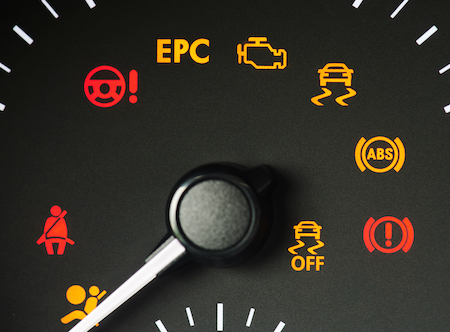
What color is flashing at you? Dashboard symbols are typically color-coded to convey different levels of urgency. Here’s what they mean:

What the Codes and Symbols on Your Car’s Dashboard Mean

Red symbols – Red indicates a critical issue that requires immediate attention. These symbols often represent severe problems such as engine failure, low oil pressure, or brake system malfunctions. When you see a red symbol, it is crucial to pull over safely and seek professional assistance.

Yellow or amber symbols – Yellow or amber symbols signify a potential problem that may require attention. While not as urgent as red symbols, it is still advisable to have the issue diagnosed and repaired as soon as possible to prevent further damage or complications.

Blue or green symbols – Blue or green symbols indicate a specific function or system is in use. These symbols are generally informational rather than warning signs and don’t require immediate action.

What are diagnostic trouble codes and how do you find them?

Modern cars are equipped with onboard diagnostic systems that monitor various aspects of the vehicle’s performance. When an issue is detected, the system generates a diagnostic trouble code (DTC) to identify the specific problem. You will need an OBD-II scanner to access these codes, which can be plugged into the vehicle’s diagnostic port. Once connected, the scanner will retrieve the DTCs, allowing you to pinpoint the underlying issue accurately. It’s essential to consult a professional mechanic or refer to the vehicle’s manual to interpret the codes correctly.

The most popular dashboard symbols and what they mean

Let’s explore some of the most commonly encountered dashboard symbols and their meanings:

Airbag warning light

The airbag warning light indicates a potential issue with the airbag system. It could mean the airbags are deactivated, malfunctioning, or have a faulty sensor. Driving with a malfunctioning airbag system can put you at risk, so it’s crucial to have it checked by a qualified technician.

Air suspension warning light

This symbol indicates a problem with the vehicle’s air suspension system. It could be due to a leak, a faulty compressor, or a sensor issue. A malfunctioning air suspension system may affect the vehicle’s stability and ride comfort, so it should be inspected by a professional.

Anti-lock brake system warning light

When the anti-lock brake system (ABS) warning light illuminates, it suggests an issue with the ABS. This system prevents the wheels from locking up during braking, enhancing control and stability. If the ABS warning light stays on, it may indicate a faulty sensor, hydraulic pump, or other ABS components.

Automatic shift lock 

The automatic shift lock symbol appears when there is a problem with the vehicle’s automatic transmission system. It could indicate an issue with the shift lock solenoid or a problem with the transmission itself. 

Battery alert light

The battery alert light indicates an issue with the vehicle’s charging system. It could be due to a faulty alternator, a loose or damaged belt, or a dying battery. Ignoring this warning may lead to a dead battery and potential breakdown.

Brake warning light

The brake warning light typically indicates a problem with the brake system. It may signify low brake fluid levels, worn brake pads, or a malfunctioning braking system. Inspecting your brakes immediately is crucial to ensure safe braking performance.

Engine temperature warning light

This symbol warns about the engine’s overheating, often due to coolant system problems. Driving with an overheated engine can cause severe damage, so stopping the vehicle, allowing it to cool, and seeking professional assistance is essential.

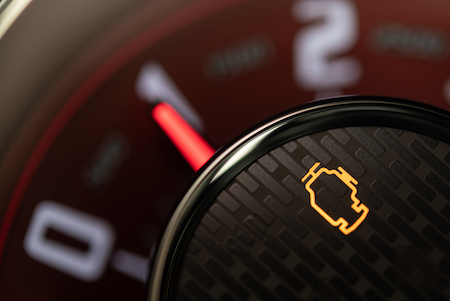
Engine warning light

The engine warning light, often shaped like an engine block, indicates a potential issue with the engine or its related systems. It could be triggered by various factors, such as a malfunctioning sensor, a loose gas cap, or a more serious engine problem. 

Fuel indicator light

The fuel indicator light alerts you when the fuel level is low. Refueling at your earliest convenience is essential to avoid being stranded.

Lane departure warning light

This symbol indicates a problem with the vehicle’s lane departure warning system. It’s designed to alert you when the vehicle deviates from its lane without signaling. If this light illuminates, have the system inspected to ensure its proper functioning.

Oil pressure warning light

The oil pressure warning light indicates low oil pressure, which can lead to engine damage if not addressed promptly. Stop the vehicle as soon as it’s safe and check the oil level. If it’s adequate, have the vehicle inspected to determine the cause of the low oil pressure.

Security indicator light

The security indicator light, often shaped like a lock or key, indicates a vehicle security system problem. It may suggest an issue with the immobilizer or the key itself. If this light remains illuminated or flashes, consult your vehicle’s manual for guidance.

Tire pressure warning light

The tire pressure warning light alerts you when one or more tires have low pressure. Underinflated tires can affect handling, fuel efficiency, and tire wear. Check the tire pressures and inflate them to the recommended levels promptly.

Traction control alert light

The traction control alert light indicates a problem with the vehicle’s traction control system. It’s designed to improve stability and prevent wheel slippage. If this light stays on, it may indicate a malfunction in the system that requires professional attention.

Transmission temperature warning light

This symbol indicates that the transmission fluid temperature has exceeded safe operating limits. Driving with an overheated transmission can lead to costly repairs. Safely pull over, allow the transmission to cool, and consult a professional to diagnose the underlying cause.

Washer fluid indicator light

The washer fluid indicator light reminds you to refill the windshield washer fluid reservoir. Maintaining an adequate washer fluid level ensures clear visibility and safe driving.

Are the codes and symbols on your car’s dashboard working well?

By familiarizing yourself with these symbols, their meanings, and the appropriate actions to take, you can address potential issues promptly and avoid more significant problems down the road. When you have a question, consult your vehicle’s manual or seek professional assistance to ensure accurate diagnosis and resolution of any dashboard-related concerns. 

Stay informed, stay safe, and enjoy your time on the road!

Filed Under: Denver Auto Repair Tagged With: Car Dashboard Codes and Symbols

The Importance of Quality Parts and Components in Car Repairs

June 21, 2023 by Denver Express Car Care

Would it surprise you to learn that not all car repair shops use quality parts and components to fit into your car? 

Maybe you’ve even experienced it yourself. You pull in and expect a specific service, only to discover a short while later that the repair wasn’t completed as discussed. 

Car repair is often considered to be one of those areas that’s overwhelming at best. You know your car needs work, but you aren’t sure who to trust. What’s a person to do? 

Types of car repair shops

Car repair shops can be categorized in one of three ways:

  • Car dealerships – mechanics at a dealer are specially trained for the brand’s cars. 
  • General repair shops – mechanics who understand the ins and outs of most vehicles, and can work on any problem as it arises. 
  • Specialized repair shops – these are chains that specialize in one item – tires, brakes, oil changes, etc. 

Drivers often use car dealerships while their cars are under warranty. Because dealerships are quite expensive, drivers usually shop around looking for more personalized service that’s easier to fit into the budget. 

The Importance of Quality Parts and Components in Car Repairs

They might rely on specialized repair chains for specific services, but quickly move to general repair shops when they require more than one service at a time. 

Then comes the difficult part – choosing a reputable car repair service that you can rely on. It’s only natural to start asking questions like:

  • Do they provide quality service? 
  • Do they use quality parts? 
  • Do they tell the truth about repair work?

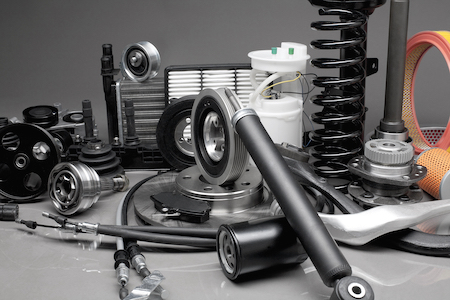
Choosing high-quality parts is crucial for ensuring your car’s safety, reliability, and efficiency. Quality car parts provide many benefits, including:

Safety and Reliability

Safety should be the top priority when it comes to car repairs. Quality parts and components are designed and manufactured to meet or exceed industry standards, ensuring they perform reliably under various driving conditions. Lower quality or counterfeit parts may compromise the safety of the vehicle and its occupants.

Want examples? Using substandard brake pads may reduce stopping power, leading to longer braking distances and potentially hazardous situations. Similarly, using cheap and inferior suspension components can negatively impact the vehicle’s handling and stability. This increases the risk of accidents – something you hope never to experience. 

Investing in quality parts gives you peace of mind knowing that your vehicle is equipped with components that have undergone rigorous testing and meet strict safety standards.

Performance and Efficiency

Quality parts and components can significantly enhance the performance and efficiency of your car. Original Equipment Manufacturer (OEM) parts, designed specifically for your vehicle’s make and model, offer the best fit and compatibility. These parts are engineered to work seamlessly with the rest of the car’s systems, maximizing performance and fuel efficiency.

However, much debate exists about how well OEM parts compare to aftermarket parts. High quality aftermarket parts can often do the job equally well, helping you save money in the process. We believe it comes down to a highly skilled mechanic selecting the right part for the job. Sometimes OEM parts are best. Sometimes an aftermarket part works equally well and saves money in the process. If you have any questions about what parts are being used, have a conversation with the mechanic before the repair work is completed. 

Longevity and Cost Savings

Using quality parts and components in car repairs can contribute to the longevity of your vehicle and save you money in the long run. High-quality parts are generally more durable and reliable, reducing the likelihood of premature failures or breakdowns. By choosing quality components, you can extend the lifespan of your vehicle and avoid costly repairs that may arise from using inferior parts.

Moreover, quality parts often come with warranties that provide additional protection and reassurance. These warranties cover defects and failures within a specified period, giving you peace of mind and potential cost savings. While the initial cost of quality parts may be higher compared to their cheaper counterparts, the long-term benefits outweigh the short-term savings.

Resale Value and Brand Reputation 

Using quality components in car repairs can positively impact the resale value of your vehicle. Potential buyers often look for vehicles that have been well-maintained with genuine parts. Having a documented history of using quality components enhances your car’s perceived value and reliability, making it more appealing to buyers.

Additionally, using genuine parts from reputable manufacturers contributes to the overall brand reputation of your vehicle. Trusted automotive brands invest heavily in research and development to produce high-quality components that meet stringent standards. By utilizing these parts, you maintain the integrity of your vehicle and align with the manufacturer’s commitment to excellence.

Do you use a car repair shop that invests in quality parts?

Cars today are a significant investment. The average new car price has settled at just above $48,000. 

Maybe that’s why we’re keeping our cars longer than ever before. Studies show we keep pickup trucks for 13.6 years, SUVs for 8.5 years, and sedans for 10.3 years. That’s expected to rise significantly as cars get more expensive. 

Those statistics are just two reasons why people are becoming more involved in selecting a car repair shop that can help them keep their cars better, longer. It’s no longer about keeping a car running; it’s about keeping it in good working condition for life. 

When it comes to car repairs, the quality of the parts and components used can make a significant difference in the overall performance and longevity of the vehicle. Choosing high-quality parts is crucial for ensuring your car’s safety, reliability, and efficiency.  

If you haven’t found a repair shop to rely on, maybe it’s time. 

As a family auto repair shop, we care about the parts we use to service each vehicle and our reputation in the community. 

How can we help you keep your car in great condition? 

Filed Under: Denver Auto Repair Tagged With: Quality Parts Car Repairs

Signs That Your Car Alternator May Be Failing

June 10, 2023 by Denver Express Car Care

Sometimes car trouble hits you at the worst time. You’re late for a meeting, turn the key, and instead of the engine firing up, all you hear is: click, click. 

Is it a dead battery?

Or is it something else? 

Today’s average vehicle is made up of more than 10,000 parts. One piece works together with another to make your entire vehicle possible. But when one part goes bad, it can impact many others. 

That click, click might not be your battery. It might be the alternator instead. 

What does an alternator do?

Have you ever experienced being stranded on the side of the road with a dead battery and had no idea what went wrong? If you are nodding your head yes, then you might have experienced a failing alternator. 

Whether you are driving a brand-new or an old one, your alternator plays a pivotal role in keeping your car running smoothly. It’s responsible for keeping the battery charged while driving; if it fails, it can cause several problems for your vehicle. 

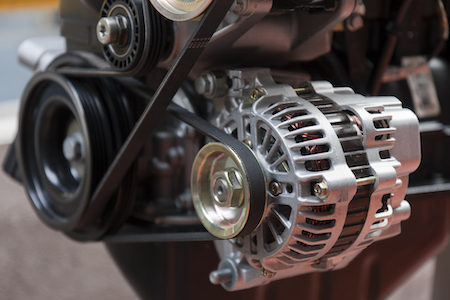
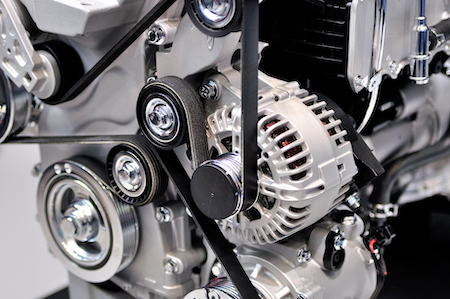
An alternator generates electricity to power your car’s electrical system and recharge the battery. It is connected to your car’s engine through belts and pulleys to create energy when the engine is running. The alternator sends power to the battery, which keeps the car running and powers the headlights, stereo, and other accessories.

The warning signs the alternator is failing

Without a properly functioning alternator, your car’s battery would quickly drain, leaving you stranded on the side of the road. Understanding the signs that your alternator may be failing can help you address the issue before it becomes a significant problem.

Signs That Your Car Alternator May Be Failing

Dashboard battery light

Have you ever noticed a dashboard warning light that looks like a battery? That’s the alternator warning light. If it comes on, it could mean your alternator is failing. If the alternator is not producing enough voltage, the battery will not be able to recharge, causing the battery light to come on. If you notice this light illuminated while driving, addressing the issue promptly is essential to avoid further complications.

Headlight trouble

If your headlights are dimming or flickering while driving, it could be a sign that your alternator is failing. The alternator provides power to the car’s electrical system, including the headlights, so if it’s not functioning correctly, the headlights may have trouble getting enough power to shine brightly.

Other electrical problems

When an alternator is on the verge of failure, you may experience various electrical problems throughout your vehicle. You might notice that power windows are slow, the radio cuts out, or the power locks don’t work correctly. Other common signs include the gauges on your dashboard not working correctly or the AC blowing warm air. If you notice any of these problems, you should take your car to a mechanic for an inspection.

Strange smells

Another sign of a failing alternator is a strange smell coming from the car. If you smell burning rubber, this could indicate a worn-out alternator belt. If left unchecked, it can cause severe damage to the alternator and other parts, leaving you stranded on the side of the road.

Dead battery

If your car won’t start, and the battery is completely dead, it might not be your battery. A dead battery is often a sign that the alternator is not recharging and needs to be replaced. If you frequently need to jump-start your vehicle or if your battery dies unexpectedly, it’s essential to have your alternator examined.

Difficulty starting

If your car struggles to start, it could indicate a failing alternator. The alternator provides the necessary power to start your car, and if it’s not working correctly, the vehicle may struggle to start. You may also hear a clicking noise when turning the key, indicating that the alternator is malfunctioning.

Engine stalling

A failing alternator can cause your engine to stall while driving. As the alternator loses its ability to provide sufficient power to the electrical system, the engine may shut off unexpectedly. This can be a dangerous situation, especially if it happens while you’re driving at high speeds. If your engine stalls or frequently cuts out, it’s essential to have your alternator checked to prevent potential accidents.

Odd noises

A failing alternator may produce grinding, whining, or squealing sounds. These noises can occur due to worn-out bearings, loose belts, or internal mechanical issues within the alternator. If you hear any abnormal noises from your engine, especially when accelerating or using electrical components, it’s crucial to have your alternator inspected by a professional.

What to do if your alternator is failing

If you notice warning signs of a failing alternator while driving, finding a safe place to pull over and turn off the engine is crucial. Continuing to drive with a failing alternator can lead to a complete loss of power and potentially cause accidents.

Open the hood and visually inspect the alternator belt for any signs of damage, such as cracks, fraying, or looseness. If the belt appears worn or damaged, it may need to be replaced. However, keep in mind that modern vehicles often have serpentine belts that drive multiple components, including the alternator. In such cases, it’s advisable to seek professional assistance.

Check the battery terminals for corrosion or loose connections. Dirty or corroded terminals can disrupt the electrical flow and mimic alternator issues. Clean the terminals with a battery terminal cleaner and ensure they are tightly secured.

Use a multimeter to check the voltage of your vehicle’s battery. A healthy battery should read around 12.6 volts when the engine is off. If the battery voltage is significantly lower, it may indicate that the alternator is not adequately charging the battery.

If you’re uncomfortable diagnosing or repairing the alternator, it’s best to consult a qualified mechanic or automotive technician. They have the knowledge and tools to accurately diagnose the issue and recommend the appropriate repairs or replacements.

Remember, a failing alternator is not a problem that should be ignored. Without a properly functioning alternator, your vehicle’s electrical system will eventually fail, leaving you stranded. Regular maintenance and prompt attention to warning signs can help you avoid unexpected breakdowns and costly repairs.

Filed Under: Engine Tagged With: Alternator Failing

The Importance of Timely Car Clutch Repair: How Delaying Can Cost You More

June 7, 2023 by Denver Express Car Care

When most drivers think about car maintenance, they prioritize oil changes, tire rotations, and the occasional trip to the car wash. They maintain the parts they can see. They focus on the parts that are drilled in through marketing and media. Take care … or else.

Yet car maintenance is more than keeping a car looking good. It’s also about ensuring your car is running as well as possible. It’s about maintenance in a timely manner to ensure a part is replaced before it causes more trouble. It’s about paying attention to the parts you can’t see, but will cause trouble if you ignore them. 

Like a car clutch. Without proper car clutch repair, it can fail. If you ignore it, it will cost you more money over time. 

Timely car clutch maintenance:

Preserves vehicle value – you can’t sell a car that visibly has issues. If you can see, hear, or smell a problem, you can’t hide it. Anyone considering buying it will instantly be on alert, wondering what the car is truly worth. 

Prevents further damage – let’s say a bolt wiggles loose. If you catch it, it’s an easy repair. But if it falls off, allowing a component of the system to break loose, it has the potential to cause extensive damage. 

Ensures safety – with more than 10,000 parts on average, a car is an extensive lineup of components and systems, all doing their jobs to ensure your safety. One breach in the system can impact everything around it. 

Your car’s clutch plays a crucial role in the smooth operation of your vehicle. It is responsible for transmitting power from the engine to the wheels, allowing you to change gears and control your speed. However, like any mechanical component, the clutch is subject to wear and tear over time. 

How a car clutch works

A car clutch is a device that engages and disengages the power transmission between an engine and a gearbox. It allows the driver to change gears and control the car’s speed smoothly. 

The Importance of Timely Car Clutch Repair: How Delaying Can Cost You More

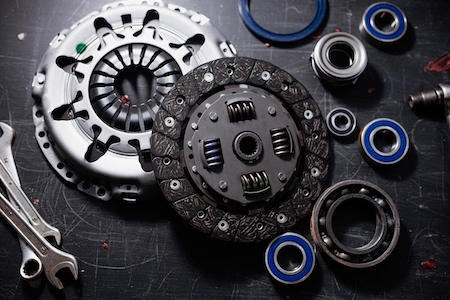
A car clutch consists of several components, including the clutch disc, pressure plate, flywheel, and release bearing. As the clutch pedal is pressed, a hydraulic or mechanical mechanism disengages the clutch disc from the engine, allowing the driver to change gears without grinding. When the clutch pedal is released, the clutch disc re-engages with the engine, transmitting power back to the transmission.

This mechanism allows for seamless gear shifting and smooth acceleration.

How do you know when a car clutch needs to be replaced?

To avoid costly breakdowns and potential damage to other parts of your vehicle, it’s crucial to recognize the warning signs indicating that your car clutch may need to be replaced.

Difficulty shifting gears

If you experience difficulties shifting gears, such as grinding noises or the gears not engaging smoothly, it is a clear sign that your clutch may be nearing the end of its lifespan. Ignoring this issue can lead to further damage to the transmission system.

Squeaking noise when the clutch pedal is pressed

When you press the clutch pedal, a squeaking or chirping noise indicates a problem with the release bearing or the clutch fork. These components may require replacement, and timely attention can prevent more significant issues from arising.

Spongy, sticking, or loose clutch pedal when pressed

A clutch pedal that feels spongy, sticks to the floor, or has excessive play indicates a potential problem with the hydraulic system or a worn-out clutch plate. These issues can affect your ability to control the vehicle and should be addressed promptly.

Slipping clutch

If you notice a sudden increase in engine RPM without a corresponding increase in vehicle speed, your clutch may be slipping. This can be caused by a worn clutch disc or pressure plate, and delaying repairs can result in further damage to these components or even the flywheel.

Does the entire clutch assembly need to be replaced at once?

The answer to this question depends on the extent of the damage to your clutch. 

One common misconception is that the entire assembly must be replaced when a clutch fails. However, this is not always the case. Many components might be fixable if you act quickly:

Rumbling sounds

A low rumbling sound from the gearbox that disappears when you press down on the clutch pedal is a sign of a release bearing issue. 

Grinding sounds

If the clutch doesn’t release properly, the input shaft may continue to move without going into gear. It can be from a broken or stretched clutch cable, a leaky or defective master cylinder, air in the hydraulic line, or a misadjusted linkage. Any of these can be repaired easily without impacting the entire clutch system. 

Sticking clutch pedal

A clutch pedal will remain on the floor if any of the previous issues occur. Paying attention will help you get to the root of the problem and fix it before it escalates.  

How can I keep car clutch repair costs down?

While clutch repairs are an inevitable part of owning a car, several ways exist to minimize the associated costs.

Regular maintenance

Follow the manufacturer’s recommended maintenance schedule and have your vehicle inspected regularly. Identifying and addressing potential clutch issues early can prevent them from escalating into more expensive problems.

Smooth driving habits

Practice smooth and controlled gear shifting techniques to minimize wear and tear on the clutch. Avoid aggressive driving maneuvers, such as riding the clutch or excessively revving the engine.

Choose a reputable mechanic

Select a trusted and experienced mechanic who specializes in clutch repairs. They can provide accurate diagnostics, use quality replacement parts, and ensure the repair work is done correctly the first time, saving you from additional costs and unnecessary repairs.

Consider clutch warranty

If your vehicle is still under warranty, check if the clutch assembly is covered. This can significantly reduce or eliminate the costs associated with clutch repairs.

Is it time for car clutch repair?

Timely car clutch repair is vital to ensure your vehicle’s smooth operation and longevity. By paying attention to the warning signs, promptly addressing clutch issues, and practicing good driving habits, you can save yourself from more significant expenses down the road.

Don’t delay, prioritize your clutch repair needs, and enjoy the benefits of a reliable and efficient vehicle.

Filed Under: Transmission Tagged With: Car Clutch Repair

The Role of the Alternator in Your Car’s Electrical System

June 4, 2023 by Denver Express Car Care

If you own a car, you already know that your car’s electrical system plays a vital role in keeping your vehicle functional. At the core of the electrical system is the alternator, one of the most critical components in keeping your vehicle’s electrical system performing correctly. 

Yet as a driver, you might not know much about the alternator. What does it do? What signals should you watch for and correct before it fails altogether? 

What is an alternator?

Simply put, an alternator is a device that converts mechanical energy into electrical energy. The engine powers it and ensures that the battery remains charged. It also maintains a stable voltage supply to other electrical components in your vehicle.

The alternator is usually located near the engine. It creates electrical energy from mechanical energy with an alternating current. It’s created from several components, including:

  • A voltage regulator to prevent power surges
  • A stator and rotor to produce alternating current to convert energy into electricity 
  • A cooling fan to protect the various parts from overheating

How does an alternator work?

The alternator takes the mechanical energy the engine generates through motion and turns it into electrical energy. This process is achieved using a rotor and a stator within the alternator. The rotor is a magnetic field created by a copper coil that spins along with the engine belt. The stator sits beside the rotor, takes the rotating magnetic field and uses it to produce an electrical current. Once the electrical current is generated, it flows through the car’s electrical system, powering the lights, radio, and other electrical components.

The Role of the Alternator in Your Car's Electrical System

How long does an alternator last?

Like other components on a vehicle, the alternator will only last for so long. The lifespan of an alternator may vary depending on the make and model of your vehicle and how often you use it. 

On average, alternators tend to last between five to seven years. However, if your alternator isn’t working right, it may be worth inspecting it to see if it needs replacement. If your alternator stops functioning, it could drain your car’s battery or lead to a much larger electrical failure that could wind up being a costly fix.

What symptoms surface when an alternator fails?

Several signs indicate an alternator is failing or has failed. The most common warning sign is your car battery warning light illuminating your dashboard. This light signals that an issue has arisen within the electrical system that needs attention. Other symptoms may include your car struggling to start or irregular noises or smells. If you notice these symptoms, you should get your vehicle to a mechanic as soon as possible.

Weak battery

As the alternator’s ability to charge the battery decreases, it will eventually lose its charge and weaken. This may cause the engine to struggle or even fail to start altogether.

Battery dashboard light on

A common indicator of a failing alternator is the battery dashboard light. If this light illuminates, the alternator is not charging the battery properly, and the battery is being drained.

Grinding noise

A failing alternator can also produce a grinding noise. This noise can be caused by worn bearings or failing internal parts. If the stator and rotor don’t spin correctly, they may produce an unpleasant sound. 

Dim or slow-working electrical components

If the alternator is not providing enough power to the electrical system, the car’s components, such as headlights, radio, and air conditioning, may operate at lower capacity or slow down. This can also include other systems like power windows or door locks

Flickering or pulsating headlights

A failing alternator may cause the headlights to flicker or pulse, as the alternator is not providing a consistent flow of electricity to the car’s electrical system.

Burning rubber smell

A worn-out alternator belt or a failing alternator pulley can cause a burning rubber smell. This indicates the belt or pulley is overheating due to excessive friction.

Stalling or hesitation

A weak or failing alternator can cause the engine to stall or hesitate, as the spark plugs may not receive enough power to ignite the fuel and air mixture in the combustion chamber.

Any of these symptoms should be taken seriously and should prompt you to have your vehicle inspected by a qualified mechanic. An alternator that is not functioning properly can lead to a drained battery, which can leave you stranded, and cause other issues down the road if not addressed.

How do you fix an alternator? 

A qualified mechanic should always carry out the repair or replacement of an alternator. Ensure they have experience working on automotive electrical systems.  

Before replacing an alternator, the mechanic will perform a series of diagnostic tests to determine the cause of the issue. This may include testing the battery, checking the alternator’s voltage output, and inspecting the alternator belt and pulley.

Depending on the results of the diagnostic tests, the mechanic may be able to repair the alternator by replacing faulty components such as the voltage regulator or bearings. If the alternator cannot be repaired, it must be replaced with a new or rebuilt unit.

After the installation, the mechanic will perform a series of tests to ensure the alternator functions properly. This may include checking the voltage output, inspecting the battery’s charge level, and verifying that all electrical components work as they should.

Easy peasy, and it shouldn’t take much time. You’ll be back on the road in no time. 

Have you ever had a problem with an alternator? 

While an alternator may not be a component you work with regularly, it’s crucial to your vehicle’s construction. As it fails, your car will show visible signs of failure. 

The alternator is a critical element in how your car runs, and it is vital to know when it is showing signs of wear and tear or failing altogether. Knowing what an alternator is and how it works can be very helpful when talking to a mechanic about the issues you may be experiencing. 

Keep an eye out for warning signs, and if you ever feel unsure about anything, it’s always best to take your vehicle to a mechanic to get a proper diagnosis. You can avoid costly fees and expenses by staying on top of your car’s electrical system and ensuring the alternator is doing its job.

Filed Under: Car Maintenance Tagged With: Alternator

What is a Valvetrain and How Does it Work?

May 28, 2023 by Denver Express Car Care

As drivers, we know what some car parts are for. The tires connect with the road. The steering wheel allows us to navigate turns and corners. Motor oil keeps the engine running smoothly. 

But other parts are a little more obscure. Like the valvetrain. It sounds important. But what exactly is a valvetrain, and how does it work?

What is a valvetrain?

In today’s modern cars, the valvetrain is integral to the engine’s functionality. It comprises various parts, such as valves, rocker arms, pushrods, camshafts, and lifters, that control the intake and exhaust of air and fuel in the engine. 

The valves open and close at specific intervals, allowing gasoline to enter the combustion chamber while expelling exhaust fumes. A well-maintained valvetrain ensures optimal engine performance, improving fuel efficiency, reducing emissions, and extending engine life. Therefore, it’s crucial to have a basic understanding of what a valvetrain is and how it contributes to your car’s overall performance.

How a valvetrain functions

To understand how a valvetrain functions, let’s begin with the basics of how an engine works. The engine’s pistons move up and down, creating pressure that drives a crankshaft, which powers the car’s motion. The valvetrain controls the air and fuel entering and leaving the combustion chamber, where the pistons move.

Each cylinder typically has two or more valves – an intake valve and an exhaust valve – both controlled by the valvetrain. The camshaft is a crucial part of the valvetrain and controls the timing of when the valves open and close. The camshaft rotates with the crankshaft, and its lobes push against the rocker arms attached to the valve stems, causing the valves to open and close.

The process of opening and closing valves is precisely timed to ensure that the right amount of fuel and air enters the combustion chamber while the correct amount of exhaust gasses are expelled, producing the desired power output.

Valvetrain components and what they do

A car is constructed from thousands of moving parts. The valvetrain is an intricate component with many parts coming together to keep your car operational. Parts include:

Camshaft

The camshaft is the heart of the valvetrain. It’s a rotating shaft with a series of cam lobes that control the opening and closing of the engine’s valves. As the camshaft rotates, the lobes push on the pushrods or rocker arms, causing them to move the valves up and down.

Pushrods

Pushrods are long, thin rods that connect the camshaft to the rocker arms. They transmit the motion of the cam lobe to the rocker arm, which then opens or closes the valve.

Rocker arms

Rocker arms are the pivoting levers that transfer the motion of the pushrod to the valve. They pivot on a shaft mounted on the cylinder head. The rocker arms come in various configurations, including stamped steel, cast aluminum, and roller tip designs.

What is a Valvetrain and How Does it Work?

Rocker shafts

Rocker shafts support the rocker arms and allow them to pivot smoothly. They are typically made of steel or aluminum and are mounted on the cylinder head.

Valve bridges

Valve bridges are small metal pieces that connect the intake and exhaust valves. They ensure that the valves open and close together, preventing interference between the valves.

Valves

The valves are the components that control the flow of air and fuel into the combustion chamber and the exhaust gasses out of the engine. There are typically two valves per cylinder, an intake valve, and an exhaust valve. The valves are opened and closed by the camshaft, pushrods, and rocker arms.

Valve springs

Valve springs are the coil springs that keep the valves closed when the engine is not running. They ensure that the valves close tightly against the valve seats, preventing any leakage of air or fuel.

Timing belt

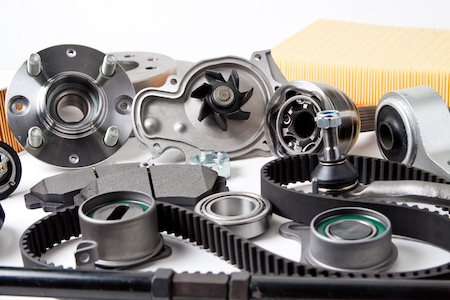
The timing belt is a toothed belt that connects the camshaft to the crankshaft. It ensures that the camshaft rotates at the correct speed and in time with the crankshaft. The timing belt must be replaced periodically to prevent it from breaking and causing damage to the engine.

Belt tensioner

The belt tensioner is a component that maintains the proper tension on the timing belt. It ensures that the timing belt does not slip or jump teeth, which can cause the engine to run poorly or not at all.

Regular maintenance to keep the valvetrain at peak performance

One of the most important things you can do to keep your car’s valvetrain in peak performance is to change the oil regularly. Oil is the lifeblood of the valvetrain, and without proper lubrication, the valves can stick, causing damage to the engine. Additionally, the oil contains detergents and other additives that keep the valvetrain clean and prevent the buildup of carbon deposits.

Another essential maintenance task is to check the valve clearances regularly. Valve clearances, also known as valve lash, are the distance between the rocker arm and the valve stem when the valve is closed. Too much or too little clearance can lead to poor engine performance or damage. This is where it helps to have a mechanic you can rely on for regular maintenance. When they know a car well, they can help you maintain it over time. 

It’s also important to keep the air filter clean and replace it when necessary. A dirty air filter can reduce engine performance, causing the valves to work harder than they need to, wearing them out faster.

Is your car’s valvetrain in good working condition?

The valvetrain is a vital component of your car’s engine, and it’s essential to understand how it works to keep it well-maintained. Regular oil changes, checking valve clearances, and replacing air filters are just a few of the vital tasks required for proper valvetrain maintenance. 

By taking care of your car’s valvetrain, you can ensure optimal engine performance, prolong engine life, and save on fuel costs. So, the next time you’re behind the wheel, take a moment to appreciate the intricacies of your car’s valvetrain and give it the care it deserves.

Filed Under: Engine Tagged With: Valvetrain

Maintaining Your Car’s Refrigerant System For Optimal Performance

May 24, 2023 by Denver Express Car Care

The temperatures are climbing all across the Front Range. 70. 80. 90 and more. It’s record-breaking heat, and your car isn’t happy. 

What’s worse, the temperature inside your car is even hotter. One study found that a car parked in the sun can reach 95 degrees or hotter within an hour. Dashboards can reach 157 degrees, and those seats can be a scorching 123 degrees. Ouch!

All of that can take a toll on your car’s air conditioner. It’s up to the refrigerant system to ensure its optimal performance. 

What do you know about refrigerant and how it helps maintain your car’s air conditioner? What you don’t know might impact you on the hottest days of the year. 

What is car refrigerant? 

Car refrigerant is a substance responsible for cooling the air in your vehicle’s air conditioning system. It circulates through a closed loop system, absorbing heat from the cabin and expelling it outside, creating a cooler environment inside. It plays a vital role in maintaining comfortable temperatures inside the car, especially during hot weather conditions.

Maintaining Your Car's Refrigerant System For Optimal Performance

Refrigerants are typically colorless, odorless, and tasteless, making it difficult to detect when running low or leaking. That may require analysis by a professional, but there are additional things you can do. 

Are there different types of refrigerant?

Refrigerants are not all the same. Over the years, different refrigerants have been used in car air conditioning systems. The most commonly used refrigerants are R-12 (dichlorodifluoromethane), R-134a (tetrafluoromethane), and the emerging R-1234yf (2,3,3,3-tetrafluoroprop-1-ene). R-12, also known as Freon, was widely used until the 1990s but was phased out due to its adverse effects on the ozone layer.

R-134a replaced R-12 as the standard automotive refrigerant and is still widely used in vehicles today. It is a more environmentally friendly option and has a lower ozone depletion potential. R-1234yf is a newer refrigerant that offers even lower global warming potential than R-134a, making it more eco-friendly. However, not all vehicles are compatible with R-1234yf due to differences in system design and requirements.

Do all types of refrigerant work in every car?

Refrigerants are not interchangeable; they do not work in every car. The type of refrigerant your vehicle requires depends on its make, model, and the system it is equipped with. Older vehicles designed for R-12 refrigerant cannot be retrofitted to use R-134a without significant modifications to the air conditioning system.

Vehicles designed for R-134a may not be compatible with R-1234yf without system updates. It is crucial to consult your car’s manufacturer or refer to the owner’s manual to determine the appropriate refrigerant type for your vehicle. Using the wrong refrigerant can damage the system, leading to costly repairs. If you have any questions, we can help. 

What causes refrigerants to be depleted?

Refrigerant depletion can occur due to various factors. 

The most common cause is a leak in the system. Over time, wear and tear can cause tiny holes or cracks in the refrigerant lines or components. 

Exposure to extreme heat while parked in the sun can also cause refrigerants to leak. That intense heat can take its toll on many parts and components. 

Don’t think a long, grueling winter isn’t hard on your AC unit. Moisture can build up in the system over time, causing damage to the compressor, evaporator, and hoses. 

Refrigerants can gradually escape through the tiny pores of rubber hoses, o-rings, and seals. Even a small leak can result in a significant loss of refrigerant over time, compromising the system’s performance and efficiency. Regular maintenance is crucial to detect and repair leaks promptly.

How do you maintain a car air conditioner?

Have you noticed that maintenance is critical to keeping your car running and all systems checked and working well? No matter what component you’re considering or what system you may have issues with, maintenance is key to returning it to good working condition and ensuring your car always runs well. 

To maintain your car’s air conditioner and ensure optimal performance, consider these tips:

Regular Inspections – Schedule periodic inspections of your vehicle’s air conditioning system by a qualified technician. They can check for leaks, test system pressures, and assess overall performance.

Leak Detection – If you notice a decline in cooling performance or an unusual hissing sound, it may indicate a refrigerant leak. Have it inspected and repaired as soon as possible to prevent further depletion.

Recharging – If your car’s air conditioning system is not cooling as effectively as before, it may be a sign that the refrigerant levels are low. Recharging the system with the appropriate refrigerant might be necessary. Recharging should be done by a professional who can accurately measure and add the correct amount of refrigerant to the system.

Cabin Air Filter Maintenance – The cabin air filter plays a vital role in maintaining the air quality inside your vehicle. A clogged or dirty air filter can restrict airflow, reducing the efficiency of the air conditioning system. Regularly inspect and replace the cabin air filter according to the manufacturer’s recommendations to ensure proper airflow and system performance.

Use the System Regularly – Running your car’s air conditioning system regularly, even during cooler months, helps maintain the system’s integrity. This practice prevents seals and hoses from drying out, reducing the likelihood of leaks. It also helps circulate the refrigerant, lubricating various components and keeping them in good working condition.

Keep the Condenser Clean – The condenser is located behind the grille at the front of your car. It is responsible for releasing heat from the refrigerant. Over time, debris such as leaves, dirt, and bugs can accumulate on the condenser fins, obstructing airflow and reducing cooling efficiency. Regularly clean the condenser using compressed air or a gentle stream of water to remove debris and ensure optimal airflow.

Protect from Excessive Heat – Prolonged exposure to extreme heat can damage the refrigerant and other components of your car’s air conditioning system. Whenever possible, park your vehicle in shaded areas or use sunshades to minimize the interior temperature. This practice reduces the strain on the system and helps maintain its performance and efficiency.

Seek Professional Help – While car owners can perform some maintenance tasks, seeking professional help for complex repairs or system diagnostics is essential. Certified technicians have the expertise and specialized equipment to effectively identify and resolve issues with your car’s refrigerant system.

Maintaining your car’s refrigerant system

Proper maintenance of your car’s refrigerant system is crucial for ensuring optimal air conditioning system performance. These steps will help prolong your car’s refrigerant system’s life span and save you money on costly repairs in the long run.

How can we help you get ready for summer? 

Filed Under: Engine Tagged With: Car Refrigerant System

How to Diagnose Check Engine Light Codes on Your Own

May 21, 2023 by Denver Express Car Care

Today’s vehicles use more advanced technology than any of their predecessors. That can be both good and bad. 

It’s nice being able to rely on sensors to help you drive. Imagine a road trip without cruise control. Or backing up without the tiny cameras to alert you to potential problems. 

Yet when you turn your car on, and a dashboard light refuses to turn off, you know you have a problem. 

Is it a significant issue? Should you act immediately? Or can you wait until a more convenient time? 

One of the most troubling is a check engine light. Engine failure can be a costly repair, one you should avoid at all costs.

But what do those codes mean? Is it possible to diagnose check engine light codes on your own? 

What is a check engine light?

The check engine light is a warning light on a vehicle’s dashboard that illuminates when the vehicle’s onboard diagnostic system (OBD) detects a problem or potential issue with the engine or emissions system.

Modern vehicles have an OBD system that continuously monitors various components and systems, such as the engine, fuel system, exhaust system, ignition system, and emissions controls. When the OBD system detects a problem, it generates a fault code and triggers the check engine light to alert the driver that an issue needs attention.

The check engine light can be triggered by a wide range of problems, ranging from minor issues, such as a loose gas cap, to more serious engine or emissions-related malfunctions. The purpose of the light is to prompt the driver to take action and have the vehicle diagnosed and repaired to prevent potential damage, reduce emissions, and ensure proper functioning of the vehicle.

How to Diagnose Check Engine Light Codes on Your Own

When the check engine light comes on, it is advisable to have the vehicle inspected by a qualified mechanic or use an OBD scanner to retrieve the specific fault code(s) stored in the vehicle’s computer system. These codes can provide valuable information about the nature of the problem and help diagnose the issue more accurately.

Is there a way to find these fault codes on your own? 

Seeing a check engine light and wondering what is wrong with your vehicle can be frustrating. Is it serious? Is it not? How can you tell? 

There are ways for you to determine the potential problem on your own. It all depends on what car you own and what tools you have at your disposal. 

OBD-II Scanner – OBD-II scanners are available for purchase, or you may find them for rent at automotive parts stores. These scanners can be connected to the OBD-II port, which is usually located under the dashboard on the vehicle’s driver’s side. Once connected, the scanner can communicate with the vehicle’s computer system to retrieve the fault codes. The scanner will display the codes on its screen, allowing you to identify the specific issues.

Smartphone Apps – There are several smartphone apps available that can turn your phone into an OBD-II scanner. You’ll need an OBD-II Bluetooth or Wi-Fi adapter that plugs into the OBD-II port of your vehicle. The app connects to the adapter and retrieves the fault codes, displaying them on your phone’s screen.

Built-in Diagnostic Functions – Some vehicles have built-in diagnostic functions that allow you to retrieve fault codes without needing an external scanner. The process varies depending on the make and model of your vehicle. Consult your vehicle’s owner’s manual or search online for instructions specific to your vehicle.

It’s important to note that while these methods allow you to retrieve the fault codes, they do not provide detailed analysis or diagnosis of the problem. Once you have the fault codes, it’s recommended to research or consult a qualified mechanic to interpret the codes and determine the appropriate course of action for repairing the issue. This may give you a better picture of the potential problem and what it will take to fix it, but it’s not a complete diagnosis. A professional is your best course of action to ensure the issue is resolved correctly the first time. 

What are the most common codes and reasons a check engine light turns on?

Specific fault codes can vary depending on the vehicle’s make, model, and year. However, some standard fault codes occur more frequently. Here are a few examples of common fault codes and their potential causes:

P0300 – Random/Multiple Cylinder Misfire

This code indicates that the engine is misfiring in multiple cylinders. Possible causes include spark plug or ignition coil issues, fuel delivery problems, vacuum leaks, or a malfunctioning mass airflow sensor.

P0171/P0174 – System Too Lean

These codes indicate that the engine is running too lean (too much air and not enough fuel) on either bank 1 (P0171) or bank 2 (P0174) of the engine. Potential causes include a vacuum leak, faulty oxygen sensor, clogged fuel injectors, or a malfunctioning fuel pressure regulator.

P0420/P0430 – Catalyst System Efficiency Below Threshold

These codes indicate that the catalytic converter is not operating at its expected efficiency level. Causes include a failing catalytic converter, oxygen sensor issues, engine misfires, or exhaust leaks.

P0442 – Evaporative Emission Control System Leak Detected (Small Leak)

This code indicates a small leak in the vehicle’s evaporative emission control system, which helps control fuel vapor release into the atmosphere. A loose or faulty gas cap is a common cause, but it can also be due to leaks in hoses, valves, or charcoal canisters.

P0401 – Exhaust Gas Recirculation (EGR) Flow Insufficient

This code indicates that the EGR system is not functioning correctly, resulting in insufficient exhaust gas recirculation. Causes include a clogged EGR valve, faulty EGR solenoid, or carbon buildup in the EGR passages.

These are just a few examples, and there are many other potential fault codes and causes for a check engine light to illuminate. When the check engine light comes on, it’s best to consult a qualified mechanic or vehicle service manual for a proper diagnosis and repair.

How can we help you correctly diagnose and care for your vehicle? 

Filed Under: Car Maintenance Tagged With: Diagnose Check Engine Light Codes

Tips For Checking a Car Battery’s Health At Home

May 18, 2023 by Denver Express Car Care

Nothing is more frustrating than heading out in the morning with plans for the day in mind, only to find your car won’t start. The battery is dead. 

If only there were a way to know it was dying …

There is. Checking your car battery’s health isn’t difficult. In fact, it’s something you should do regularly. 

If you are a car owner, knowing how to check your car battery’s health is important. A weak or dead battery can leave you stranded and may cause damage to your vehicle’s electrical system. Checking your battery’s health is easy and can be done at home. Regularly checking the health of your car battery is crucial to ensure optimal performance and avoid unexpected breakdowns.  

What do you need to know? 

How a car battery works

Before we dive into the various methods of testing a car battery, it’s important to understand how it works. A typical car battery is a plastic case containing a series of lead plates submerged in an electrolyte solution. When you start your car, a chemical reaction occurs between the plates and the electrolyte, producing electrical energy. This energy is then used to power the vehicle’s starter motor and other electrical systems.

How to test a battery at home

A car battery doesn’t fail overnight. Instead, it’s a process. It weakens. It provides little clues it’s having problems. This is where your opportunity lies for picking up the clues and realizing your battery is having problems. 

The headlight test

A headlight test is one of the simplest ways to check your car battery’s health. Start by turning on your headlights while the engine is off. Observe the brightness of the headlights. It may indicate a weak battery if they appear dim or noticeably softer than usual. Leave them on for a few minutes. Are they still bright in intensity? If they show any signs of weakening, you might have a problem with your battery. However, if the lights are bright and maintain a steady intensity, the battery is likely in good condition.

Tips For Checking a Car Battery’s Health At Home

Check for corrosion

Corrosion on the battery terminals can hinder the flow of electricity and impact the battery’s performance. Inspect the battery terminals for any signs of white or greenish deposits. If you notice corrosion, cleaning the terminals using a mixture of baking soda and water or a commercial battery terminal cleaner is crucial. Ensure that the terminals are securely connected after cleaning.

How old is the battery?

Batteries have a limited lifespan and will eventually need to be replaced. Knowing the age of your car battery is essential in determining its health. Most batteries have a date code imprinted on the casing, indicating the month and year of manufacture. If your battery is over three to five years old, it’s advisable to keep a closer eye on its performance, as it may be nearing the end of its lifespan. If you consistently have problems, err on the side of safety and replace it before it leaves you stranded. 

Use a battery tester

Investing in a battery tester can provide more accurate and comprehensive results regarding your battery’s health. Battery testers come in various types, including simple handheld devices and more advanced models with digital displays. These testers measure the battery’s voltage and can also assess its cold cranking amps (CCA), indicating its ability to start the engine in cold conditions. Follow the manufacturer’s instructions to connect the tester properly and interpret the results accurately.

What causes a car battery to fail?

Car batteries can fail for a variety of reasons. Sometimes it may seem as if there is no rhyme or reason to it – one day it works, the next, it fails. Yet parts rarely fail without telltale signs. Understanding the common causes of battery failure can help you prevent potential issues in the future. They can include: 

Age – As mentioned earlier, car batteries have a limited lifespan, typically three to five years. Over time, the internal components degrade, leading to reduced performance and eventual failure. Your car battery comes stamped with a manufacture date. Or keep a log book in your glove compartment and track each repair you make. It provides an easy way to check when you’ve upgraded or maintained your vehicle. 

Extreme temperatures – Both extreme heat and cold can impact a battery’s performance. High temperatures can cause fluid evaporation and accelerate the battery’s chemical reactions, while frigid temperatures can reduce the battery’s ability to generate power.

Lack of maintenance – Neglecting regular maintenance, such as cleaning the terminals and ensuring proper connections, can contribute to battery failure. Corrosion buildup and loose connections can impede the flow of electricity.

Overuse or underuse – Batteries that are consistently discharged and recharged excessively or left unused for extended periods can experience reduced capacity and may fail prematurely. If you push your car to the limits, this may decrease the battery’s life. 

How to select the right battery for your car

Batteries are not “one size fits all.” Instead, they come in all shapes and sizes, created especially to power different makes and models. 

When it comes time to select a new battery for your car, choosing the right one is essential to ensure optimal performance and compatibility. Here are a few tips to help you make the right choice:

Check your car’s specifications – Consult your car’s owner manual or check the existing battery to determine the recommended battery type, size, and specifications. Of course, you can always stop by and have us take a look. We can quote you a price and provide information to help you purchase a battery specifically with your driving style in mind. 

Consider the climate – Let’s face it, Colorado has extreme temperatures. Extreme heat or cold can affect a battery’s performance, so selecting a battery with a higher cold cranking amp (CCA) rating for cold climates or a higher reserve capacity (RC) for hot climates can provide better reliability. No more worrying the next time we have record-breaking cold or heat waves. 

Quality and brand reputation – Choose a battery from a reputable brand known for producing reliable and durable products. Quality batteries often come with longer warranties, indicating the manufacturer’s confidence in their product.

Seek professional advice if needed – If you need help deciding which battery to choose or have specific requirements, feel free to seek advice from a trusted mechanic or battery specialist. They can help you select the right battery for your car based on your driving habits and specific needs.

Visit Express Car Care 

Checking your car battery’s health is a simple process that can be done at home.  Regular checks are crucial to avoid unexpected breakdowns and ensure optimal performance. 

These tips allow you to maintain a healthy car battery and enjoy a reliable and trouble-free driving experience. 

How can we help you today?

Filed Under: Tips & Tricks Tagged With: Checking a Car Battery’s Health

  • « Previous Page
  • 1
  • …
  • 23
  • 24
  • 25
  • 26
  • 27
  • …
  • 103
  • Next Page »

Express Car Care
4200 E. Evans Ave. Denver, CO (map)
Phone: (303) 691-2760
Located just southeast of the Colorado Light Rail station

Follow Us Today!

  • Facebook
  • RSS

Shop Hours

Monday: 8:00AM – 5:00PM
Tuesday: 8:00AM – 5:00PM
Wednesday: 8:00AM – 5:00PM
Thursday: 8:00AM – 5:00PM
Friday: 8:00AM – 5:00PM
Saturday: Closed – A note from the owner
Sunday: Closed

Last car oil change time  – 5:00PM

Click for the BBB Business Review of this Auto Repair & Service in Denver CO

Recent Articles

Tire Rotation: When to Do It—and the Signs You Shouldn’t Ignore

Tire rotation is one of the simplest ways to help your tires wear evenly, last longer, and keep your vehicle handling predictably. It is easy to put off, but a consistent rotation schedule can save … [Read More...]

  • Which Oil Is Right for Your Car?
  • Stop Burning Money at the Pump
  • Differential Service: Why It’s Crucial for Your Car’s Longevity and Performance
  • How to Catch a Transmission Problem Before It Leaves You Stranded
  • Why You Shouldn’t Wait to Address a Small Exhaust Leak

Search Our Site

Brakes Service

How to Keep Your Brakes Quiet, Responsive, and Safe

Everything You Need To Know About Replacing Your Brake Pads

How to Know If It’s Time to Replace Your Brake Rotors

Oil Change

Top Benefits of Getting Regular Oil Changes in Denver

Oil Change Specials in Denver: Save Money and Keep Your Car Running Right

Why Regular Oil Changes Are Crucial for Denver Drivers

Suspension

How to Know If Your Car Needs Suspension Repair in Denver’s Bumpy Roads

A Guide To Understanding Bushings on a Car

Tips for Preventing Wear and Tear on Your Car’s Suspension

Transmission Service

How to Catch a Transmission Problem Before It Leaves You Stranded

How Often Should You Service Your Transmission in Denver?

Transmission Trouble? Common Signs and When to Visit Our Denver Shop

Engine Service

Stop Burning Money at the Pump

Everything You Should Know About Your Vehicle’s Timing Belt

Is Your Car Hesitating During Acceleration?

Auto Tips & Tricks

How to Deal With Car Noises That Only Happen When You Turn

Top 5 Maintenance Tips for High-Mileage Vehicles

Why Tire Pressure Matters More Than You Think

"Denvers Best Auto Repair and Quick Lube" - Copyright © 2026 - 4200 E. Evans Ave. Denver, CO 303-691-2760