• Home
  • Denver Auto Repair Services
    • Full Service Oil Change
    • Expert Mechanics
      • Expert Honda Mechanics
      • Expert Toyota Mechanics
      • Expert Subaru Mechanics
    • Automatic Transmission
    • Fuel System Cleaning
    • Radiator Flush Service
    • Wiper Blades
    • Air Filter
    • Cabin Air Filter
    • Gearbox Service
    • Brake Repair
    • Clutch Repair
    • CV Boots
    • Tune-Up
    • Steering & Suspension
    • Tires
  • Auto Diagnostic
  • Contact Us
    • About Us
  • Shop Specials
  • Testimonials
  • Blog
  • 303-691-2760

Express Car Care of Denver

"Denver's Best Auto Repair and Quick Lube"

  • Brake Service
  • Car Maintenance
    • Heating-Air Conditioning
    • Suspension
    • Transmission
    • Engine
    • Tires
  • Oil Change
  • Tips & Tricks

Why Ignoring Car Alignment Issues Can Be Costly

September 18, 2023 by Denver Express Car Care

Remember the last time you hit a pothole, and it rattled your vehicle? You saw it too late to avoid it, but it shook your car hard enough for you to think about long after you drove away. 

Wheels can become misaligned easily as you drive. While they’re designed to be durable, you never know what will cause a problem somewhere within the system. And that can set off a host of chain reactions. 

Why Car Alignment is Important for Your Vehicle

What exactly is car alignment, and why does it matter? Car alignment refers to the adjustment of the angles of your vehicle’s wheels so that they are parallel to each other and perpendicular to the road. Proper alignment ensures your car drives straight, handles well, and maximizes tire life.

While we’d like to think proper alignment holds for thousands of miles, the reality is it can be altered by driving away from the repair shop. We can’t predict what will be in the road, or how it will impact how our car drives. 

When car alignment is misaligned, getting it fixed quickly can stop minor issues from becoming costly fixes. 

What Happens When You Wait Too Long

Imagine driving down the road with your vehicle’s alignment out of whack. The longer you delay addressing this issue, the more consequences you’re inviting into your car’s health.

Why Ignoring Car Alignment Issues Can Be Costly

Uneven Tire Wear

One of the most visible signs of alignment issues is uneven tire wear. Misaligned wheels put uneven pressure on your tires, causing some parts of the tread to wear down faster than others. Uneven tire wear not only shortens your tire’s lifespan but also compromises traction, leading to decreased safety on the road.

Steering Problems

Ignoring alignment can throw your steering out of balance. If you find yourself constantly adjusting the steering wheel to keep the car moving straight, your alignment might be off. 

You might also notice it in the way your steering wheel sits. Glance down at the emblem in the center of the steering wheel while driving straight. If it tips either to the left or right, it’s a sign your vehicle needs a wheel alignment. 

Poor Fuel Economy

Here’s a sneaky way misalignment can hit you in the wallet: poor fuel economy. When your wheels aren’t aligned correctly, your car has to work harder to move forward. This increased resistance can lead to decreased gas mileage, meaning more trips to the pump and more money out of your pocket.

How to Tell If You’re Experiencing Car Alignment Issues

Wheel alignment is important. It’s not difficult to understand why. Yet knowing it and knowing when it should be fixed are two different things. How do you identify those pesky alignment issues before they become bigger problems?

Vehicle Pulls to One Side

Does your car seem determined to veer to the left or right, even when driving on a straight road? If so, it’s a clear sign that your wheels might be misaligned.

Uneven Steering Wheel

Take a look at your steering wheel while driving on a level road. If it’s tilted to one side even though you’re driving straight, it’s time to consider an alignment check.

Loose Steering

Is your steering wheel feeling a bit too loose and wobbly? Misaligned wheels can lead to a lack of responsiveness in your steering, making your vehicle harder to control.

Vibrating Steering Wheel

If you feel vibrations through the steering wheel, especially at higher speeds, it could be an indication of alignment issues or other problems with your tires or suspension.

Uneven Tire Wear

Inspect your tires regularly for signs of uneven wear. If you notice that the tread is wearing down more on one side of the tire than the other, it’s time to schedule an alignment check.

Squealing Tires

Misaligned wheels can cause your tires to squeal as they make contact with the road. This not only sounds unpleasant but also points to a need for alignment correction.

Understanding Alignment

Alignment isn’t just a one-size-fits-all fix. It involves adjusting three key angles:

Camber

This angle measures the tilt of your wheels when viewed from the front. Too much positive or negative camber can lead to uneven tire wear and handling issues.

Toe

Toe refers to the angle at which your tires point in or out when viewed from above. Incorrect toe settings can cause tire wear, as well as instability in steering.

Caster

Caster is the angle of your steering axis when viewed from the side. It affects steering stability and the return of your steering wheel to its center position after turning.

Bringing your vehicle in will allow one of our mechanics to assess your car and determine the best way to fix it and get you on the road once again. 

Why You Should Fix Car Alignment Issues Right Away

Think of your car’s alignment like your own health. Ignoring a minor ache or pain might lead to a more serious problem down the road. Similarly, not addressing alignment issues promptly can result in bigger and more expensive repairs.

Fixing alignment issues sooner rather than later:

Saves Money

Regular alignment checks and adjustments are a relatively inexpensive preventive measure compared to the potential costs of tire replacement, suspension repairs, and more.

Improves Safety

Proper alignment ensures your tires have maximum contact with the road, enhancing your vehicle’s stability and grip, especially during emergency maneuvers.

Preserves Tire Life

Correct alignment spreads the wear on your tires evenly, extending their lifespan and helping you avoid the cost of premature tire replacements.

Enhances Fuel Efficiency

Aligned wheels reduce rolling resistance, contributing to better fuel economy and putting more money back in your wallet over the long run.

It’s time to fix your car’s alignment 

Taking care of your car’s alignment might not be the most exciting aspect of car ownership, but it’s undoubtedly a vital one. Ignoring alignment issues can lead to a host of problems – all of which can dent your bank account. So, watch for signs of misalignment, and don’t hesitate to bring your vehicle in for a check if something feels off. Remember, a little preventive care today can save you a lot of money and headaches in the future.

Contact us today to schedule an appointment and put your car on the path to perfect alignment!

Filed Under: Car Maintenance, Tips & Tricks

How Brake Fade and Overheating Affect Your Drive

September 14, 2023 by Denver Express Car Care

We tend to take our car’s brakes for granted. We rely on them, assuming they’ll always be there. And in fact, it’s very unusual for vehicles to suffer a total failure of the braking system. Less than 5 percent of all vehicle accidents are caused by brake failure. Still, considering there were over 5 million collisions during 2020, it adds up to a significant number of crashes where braking was part of the problem. 

Brakes are undoubtedly one of the most critical components when it comes to the safety of your vehicle and everyone on the road. They allow us to slow down and come to a complete stop, providing a sense of control essential for safe driving. But have you ever wondered what happens when your brakes don’t perform as expected? That’s where the phenomenon of brake fade comes into play. 

How Brakes Work

Before diving into the intricacies of brake fade, let’s quickly review how brakes work. When you press the brake pedal, a complex system of components springs into action to slow down or halt your vehicle. This system includes brake pads, rotors, calipers, and brake fluid. When you press the brake pedal, hydraulic pressure is created, which squeezes the brake pads against the spinning rotors. The friction between the pads and rotors generates the necessary force to bring your vehicle to a stop.

What is Brake Fade?

Brake fade is a phenomenon that occurs when the braking performance of your vehicle deteriorates due to excessive heat. When the brakes get too hot, they can lose efficiency and responsiveness, compromising your ability to slow down or stop the vehicle effectively. It’s like trying to stop a speeding train with a feather – not a situation anyone wants to find themselves in.

There are three primary types of brake fade: brake pad fade, dynamic brake fade, and brake fluid fade. Each type has its unique characteristics and causes.

Brake Pad Fade – This occurs when the friction material on the brake pads becomes too hot and loses its ability to grip the rotors effectively. It’s like a worn-out eraser struggling to erase pencil marks. High-speed or continuous braking can lead to brake pad fade.

Dynamic Brake Fade – Dynamic brake fade happens when the brakes heat up due to repeated heavy braking, causing the brake components to overheat and lose efficiency. It’s like a runner slowing down after a sprint due to muscle fatigue.

How Brake Fade and Overheating Affect Your Drive

Brake Fluid Fade – Brake fluid is essential for transferring the hydraulic pressure from the brake pedal to the brake components. However, when the brake fluid gets too hot, it can vaporize, forming air bubbles that compress and reduce the effectiveness of the hydraulic pressure. This is like trying to inflate a balloon with a leak – the pressure just won’t build up.

What Causes Brake Fade?

Brake fade is primarily caused by excessive heat buildup in the braking system. This can result from various factors, such as aggressive driving, driving downhill for extended periods, towing heavy loads, or even environmental conditions like hot weather. When the brakes heat up, they can’t dissipate the heat quickly enough, leading to a decrease in braking efficiency.

How to Prevent Brake Fade

The good news is that brake fade can be prevented with proper care and driving habits. Here are some tips to help you keep your brakes in optimal condition:

Avoid Aggressive Driving

Sudden and excessive braking generates a lot of heat, increasing the risk of brake fade. Maintain a safe following distance and anticipate stops to minimize the need for abrupt braking.

Engine Braking

When going downhill, consider using engine braking (downshifting) in combination with light brake application to help reduce the load on your brakes.

Use Lower Gears

When descending steep hills, use lower gears to control your speed. This reduces the strain on your brakes and prevents them from overheating.

Brake Fluid Maintenance

Regularly check and change your brake fluid as your vehicle’s manufacturer recommends. Fresh brake fluid has a higher boiling point and better heat resistance.

Quality Brake Components

Invest in high-quality brake pads, rotors, and calipers. These components are designed to handle heat better and provide more consistent performance.

Cool Down

If you’ve been driving aggressively or descending steep hills, take a break and allow your brakes to cool down before continuing your journey.

Proper Loading

If you tow a trailer or carry heavy loads, ensure your vehicle is within its recommended weight limits. Overloading can strain your brakes and lead to fading.

Avoid Riding the Brakes

Keeping your foot on the brake pedal, even lightly, can generate heat. Instead, release the pedal when not actively braking to let the components cool down.

What to Do if You Experience Brake Fade

Even with all the precautions, brake fade might still occur in certain situations. If you notice a sudden decrease in braking performance, here’s what you should do:

Stay Calm – Panicking won’t help. Keep a steady hand on the steering wheel and remain focused.

Downshift – If you’re driving a manual transmission vehicle, downshift to a lower gear to help slow down the vehicle.

Pump the Brakes – If you’re driving a vehicle with anti-lock brakes (ABS), gently pump the brake pedal to prevent the wheels from locking up.

Engage Emergency Brake – If you’re in a safe and controlled environment, use the emergency brake cautiously to slow down the vehicle.

How Common is Brake Fade?

Brake fade isn’t an everyday occurrence for most drivers, especially those who practice good driving habits and maintain their vehicles. However, it can still happen, especially in demanding situations, including navigating the Rocky Mountains. 

The key is to be aware of the factors contributing to brake fade and take preventive measures to minimize its occurrence.

Understanding brake fade and its different types are essential for maintaining safe driving conditions. Adopting proper driving techniques, regular maintenance, and using high-quality brake components, can significantly reduce the risk of brake fade. 

Brakes are your vehicle’s lifeline, so treat them with care, and they’ll keep you safe mile after mile.

We can help you with all of that and more. Our family-owned business has been partnering with drivers just like you to ensure their vehicles stay in good working condition throughout the year. 

How can we help you today? 

Filed Under: Brake Repair, Brake Service

The Art of Troubleshooting Car Engine Performance Issues

September 7, 2023 by Denver Express Car Care

Heading out onto the open road is always an exciting experience. You’re dreaming about your final destination. You have work chores in mind, ticking things off to complete during your busy day ahead. 

What you’re not prepared for is car trouble. If you’re having car engine performance issues, your entire day may be spent dealing with the problem. 

Owning a car comes with its fair share of joys and challenges, and one of the most frustrating challenges is when your car’s engine isn’t performing as it should. But fear not! We can help you troubleshoot the most common engine performance issues. 

The Engine Won’t Start

Picture this: you’re ready to head out for an important meeting or a long-awaited road trip, and your car refuses to start. Don’t panic! Start by checking the basics. 

Are your lights, radio, and other electrical components working? If they are, then your battery is likely not the issue. If they’re not working, a dead battery might be the culprit, and jump-starting your car could do the trick.

If the battery isn’t the issue, move on to checking the starter and the ignition switch. A clicking noise when you turn the key might indicate a faulty starter. If you hear nothing at all, the ignition switch could be to blame. 

It’s always a good idea to have a set of jumper cables, a spare key, and the number of a reliable tow service in your back pocket – just in case.

The Art of Troubleshooting Car Engine Performance Issues

The Check Engine Light Turns On

Ah, the infamous check engine light – the little yellow indicator that can send shivers down any driver’s spine. First, take a deep breath. The check engine light can be triggered by a multitude of issues, ranging from something minor to more serious problems. 

The first step is to retrieve the trouble codes from your car’s onboard diagnostic (OBD) system. You can do this by using an OBD-II scanner, which is available at auto parts stores or online.

Once you have the trouble codes, you can start narrowing down the issue. Keep in mind that the code doesn’t always point directly to the faulty component; it’s more like a clue in a detective story. You might need to do some further investigation or seek professional help if the problem seems beyond your expertise.

The Engine is Overheating

Seeing your temperature gauge spike into the red zone can be nerve-wracking, but don’t hit the panic button just yet. An overheating engine can be caused by various factors, such as a faulty thermostat, a malfunctioning radiator fan, or a coolant leak.

Quick Fix: If you notice your temperature gauge climbing, turn off your air conditioning and turn on the heat to high. This might sound counterintuitive, but it helps transfer heat away from the engine. Pull over as soon as it’s safe and let the engine cool down before opening the hood.

To prevent overheating, regularly check your coolant levels and look for any visible leaks. If you’re comfortable, you can also inspect the radiator hoses for cracks or bulges. Keep in mind that a more complex issue might require a visit to your trusted mechanic.

The Engine is Stalling

Dealing with a stalling engine can make any driver feel like they’re on a roller coaster of frustration. Stalling can occur for various reasons, such as a clogged fuel filter, a malfunctioning oxygen sensor, or even a problem with the spark plugs.

DIY Tip: Start by checking your air filter. A dirty air filter can disrupt the air-fuel mixture, leading to stalling. If your air filter looks like it’s seen better days, replacing it could potentially solve the issue.

If the problem persists, consider when the stalling occurs. Is it more likely to happen when idling, accelerating, or decelerating? This information can help you narrow down the possible causes and give your mechanic a head start in diagnosing the problem.

You Notice Steam or Smoke

Seeing steam or smoke billowing from your car’s engine can instantly make you panic. But before you jump to conclusions, let’s break it down. Smoke can be white, black, or blue, and each color might point to a different issue.

White Smoke: If your engine is emitting white smoke, it could be a sign of a coolant leak. This could mean a blown head gasket or a cracked engine block, both of which are serious problems that require immediate attention.

Black Smoke: Black smoke usually indicates the air-fuel mixture is too rich. This can be caused by a clogged air filter, a faulty fuel injector, or a malfunctioning oxygen sensor.

Blue Smoke: Blue smoke is often a sign of burning oil. This could be due to worn piston rings, valve seals, or other internal engine components.

Addressing these issues might involve replacing parts, fixing leaks, or even rebuilding parts of your engine. In any case, it’s best to consult a professional to accurately diagnose and resolve the problem.

You Hear a Funny Noise

Cars have their own language of sounds, and as a driver, it’s essential to pay attention to what your car is telling you. If you hear an unusual noise, don’t just crank up the radio to drown it out – listen closely. A clunking noise could indicate a problem with your suspension, while a squealing noise might point to worn-out brake pads.

Pro Tip: If you hear a knocking noise coming from under the hood, it could be a sign of engine trouble, such as detonation or worn-out bearings. It’s crucial to address this promptly, as engine issues can escalate quickly if left unchecked.

If you’re uncomfortable diagnosing the noise, don’t hesitate to take your car to a professional. They have the experience and tools to pinpoint the source of the noise and provide a proper solution.

Ignoring Oil Changes and Coolant Levels

Skipping oil changes and neglecting coolant levels might seem like time-saving measures, but in reality, they can lead to major engine performance issues down the road. Engine oil lubricates and cools your engine’s moving parts, while coolant prevents your engine from overheating.

Vital Reminder: Regular oil changes and checking coolant levels are simple yet crucial tasks that can extend the lifespan of your engine and prevent costly repairs.

There’s Water in the Engine

Water and engines don’t mix well, so if you suspect water has found its way into your engine, take immediate action. This can happen if you’ve driven through deep water or your engine has been exposed to heavy rain.

What to Do: If you’ve driven through water higher than the bottom of your vehicle, don’t attempt to start the engine. Have your car towed to a professional to assess the damage. Starting the engine with water in the intake system can lead to hydrolock, which can cause severe engine damage.

How’s your car engine performance? 

The art of troubleshooting car engine performance issues involves a combination of observation, investigation, and, when needed, seeking professional help. While it’s tempting to become a DIY hero, remember that some problems are best left in the hands of experienced mechanics. 

Regular maintenance, a keen ear for unusual sounds, and a bit of patience will go a long way in keeping your engine running smoothly and your stress levels in check. And with these tips in mind, you’ll be ready to handle it like a pro!

Filed Under: Engine, Tips & Tricks Tagged With: Car Engine Performance

Car Leaks – Find Out What It Is and How To Fix It

September 3, 2023 by Denver Express Car Care

As a driver, you’ve come to dread slipping behind the wheel and finding your car makes a new sound or has a new smell. You might be unable to put your finger on it, but you know your car has an issue. 

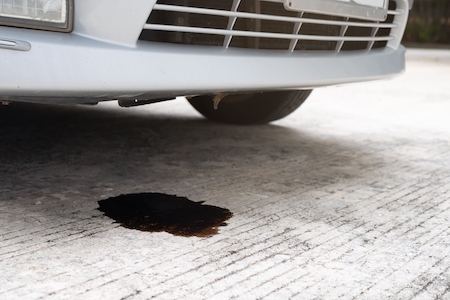
You might get that same feeling when you discover a puddle underneath your vehicle. 

Car leaks can often be a source of confusion and worry, but fear not – not all of them are bad news. Let’s break down the types of car leaks, their potential consequences, and whether you should tackle the fixes yourself or bring your vehicle to a professional.

Why Car Leaks Can Be a Problem

Car leaks might seem like a minor annoyance, but they can evolve into significant problems if left unattended. Fluids such as oil, coolant, transmission fluid, and brake fluid play vital roles in keeping your vehicle running smoothly. If any of these fluids are leaking, it can lead to reduced performance, overheating, brake failure, or even engine damage. Ignoring leaks could not only cost you more in repairs down the road but also compromise your safety.

So, what are they? What might you find underneath your car? 

Clear Liquid Car Leaks

Clear fluid leaks are often water or condensation from your vehicle’s air conditioning system. This is generally harmless and is quite common, especially during hot weather.

Car Leaks - Find Out What It Is and How To Fix It

What To Do: There’s no need to panic if you notice clear liquid pooling beneath your car. However, if the volume of liquid seems excessive or you suspect it’s not just water, having a professional inspect your vehicle is a good idea.

Amber/Multicolored Fluid Car Leaks

Amber or multicolored fluid leaks could indicate a problem with your fuel system. It might mean you’re leaking fuel. These fluids typically appear amber straight on with a colorful wave then the lights hit it just right. It has a distinctive smell and might be slimy to the touch.

What To Do: It’s essential to pay attention to amber or multicolored fluid leaks. Gas is highly flammable. Cleanup is necessary if it’s in your garage or on your driveway. You may notice decreased fuel efficiency, too. Fuel leaks often occur because of a crack or hole in the fuel line or tank. Consult with a professional to determine the source of the leak and the appropriate action to take.

Red Fluid Car Leaks

Red fluid leaks often indicate a problem with your transmission or power steering system. Transmission fluid is usually bright red, while power steering fluid can also be red but slightly thinner in consistency.

What To Do: Low transmission fluid can lead to gear shifting issues and potential damage to your transmission. Similarly, power steering fluid leaks can make steering more difficult. If you notice red fluid leaks, consult a professional to assess the situation and make necessary repairs.

Brown/Black Fluid Car Leaks

Brown or black fluid leaks are usually associated with engine oil leaks. Engine oil is essential for lubricating your engine’s moving parts and maintaining its performance.

What To Do: Engine oil leaks can decrease engine efficiency and potentially severe damage if not addressed promptly. Check your oil levels and consult a professional to pinpoint the leak’s source and get the necessary repairs done.

Red/Brown Fluid Car Leaks

A leak that combines red and brown fluids located by the power steering reservoir could be power steering fluid. It will have a slightly sweet, burnish smell to it. A faulty transmission connection or other issues could cause this.

What To Do: While you can continue driving, seeking professional help is wise. Over time, the fluid will continue to leak and drain out of the system. Driving on low levels can quickly cause lasting damage.

Green/Yellow Fluid Car Leaks

Green or yellow fluid leaks are typically associated with coolant leaks. Coolant is vital for regulating your engine’s temperature and preventing it from overheating.

What To Do: If you spot green or yellow fluid leaks, it’s crucial to address the issue promptly to prevent engine overheating. Low coolant levels can lead to engine damage, so consult a professional to identify the source of the leak and carry out the necessary repairs.

Brown Fluid Car Leaks

Brown fluid leaks are often linked to brake fluid leaks. It’s one of the most serious leaks, and can quickly lead to significant damage. Brake fluid is essential for proper braking performance.

What To Do: If you observe brown fluid leaks under the wheels or around the brakes, your braking system might be compromised. Brake fluid leaks can lead to brake failure, so it’s imperative to have a professional inspect and fix the issue without delay.

Should I Bring My Car in to Fix Car Leaks or Attempt to Do It Myself?

Some leaks are worse than others. Yet telling the difference can take a bit of sleuthing on your part. 

While some minor leaks might be manageable with basic DIY skills, it’s generally safer to have leaks inspected and repaired by trained mechanics. Professionals possess the knowledge, tools, and experience to accurately diagnose the issue and provide effective solutions, ensuring your vehicle remains safe and reliable.

We feel car leaks should not be taken lightly. They can signal underlying issues that, if ignored, could lead to costly repairs and compromised safety. Familiarize yourself with the various types of leaks and their potential implications, and don’t hesitate to give us a call if you notice any abnormalities. Your car’s health and your own safety are worth the investment in proper maintenance and timely repairs.

We’re dedicated to keeping your vehicles in optimal condition. If you have any concerns about car leaks or any other automotive issues, don’t hesitate to reach out to our experienced team. Your peace of mind and the well-being of your vehicle are our top priorities. Stay safe on the road!

Filed Under: Car Maintenance, Tips & Tricks Tagged With: Car Leaks

Why a Head Gasket Fails and What to Do About It

August 28, 2023 by Denver Express Car Care

You don’t have to understand car mechanics to know that a blown head gasket is bad news. When a head gasket fails, it impacts the entire engine. 

Luckily, it isn’t a common problem. What’s more, it’s an issue you don’t have to face. In general, head gaskets are robust parts that usually last 100,000 miles or more. This is where regular maintenance comes into play. If you partner with a mechanic who performs routine maintenance, you’ll be alerted to issues before they begin. It allows you to fix and replace parts before they add into the mix. 

With that in mind, let’s dive in and learn more about what head gaskets do. 

What is a head gasket 

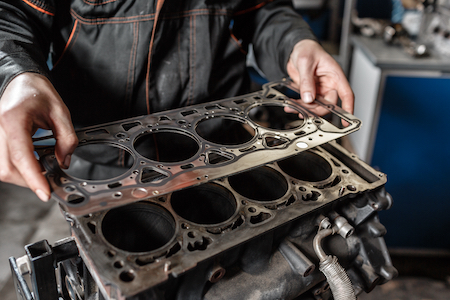
A head gasket is a critical component in an internal combustion engine, sealing the cylinder head and engine block together. It plays a vital role in maintaining proper compression and preventing coolant or engine oil leaks into the combustion chamber. This thin yet robust gasket separates different fluids and gasses flowing through the engine, contributing to its overall efficiency.

How a head gasket works

The head gasket is positioned between the engine block and the cylinder head, sealing the combustion chamber. When the engine runs, the head gasket is subjected to tremendous heat and pressure as it experiences the force of each piston’s compression stroke. This compression creates a tight seal between the engine components, allowing them to work harmoniously.

Why a Head Gasket Fails and What to Do About It

What happens when a head gasket fails

Unfortunately, head gasket failures are common, and when they occur, they can lead to severe consequences for your engine. 

When the head gasket fails, the seal between the engine block and cylinder head is compromised, resulting in leaks. This allows mixing of vital fluids. Once this happens, it can cause a drop in engine performance and, if left unaddressed, lead to catastrophic engine damage.

What causes a head gasket failure

Several factors can contribute to the failure of a head gasket. Let’s explore some of the common causes:

Pre-ignition

Pre-ignition occurs when the air-fuel mixture in the combustion chamber ignites prematurely, creating an intense spike in pressure. This sudden pressure can stress the head gasket excessively, causing it to fail over time.

Overheating 

Excessive engine temperatures can cause the head gasket to warp or crack, leading to leaks. Overheating is often a result of coolant system issues, such as a faulty thermostat, water pump, or coolant leak.

Pushing the engine to its limits

If you consistently push your engine to its maximum performance levels, it can put additional strain on the head gasket, eventually causing it to fail. When first starting out in the morning, give your car a chance to warm up before revving the engine. 

Think defensive driving rather than offensive. You’re not on a race track; your car is simply trying to get you from one place to another. Your car will thank you when you learn to take it easy. 

Poor gasket design

Head gasket failures can sometimes be attributed to inferior quality or poorly designed gaskets. Some may be crafted with cheap materials or not mesh with other internal parts. 

High-quality gaskets, installed correctly, are more likely to withstand the demands of engine operation.

How head gasket failure shows up

Detecting head gasket failure early is crucial to prevent further damage to your engine. Here are some common signs to look out for:

Loss of power

A failing head gasket can lead to a loss of engine power, making acceleration sluggish and reducing overall performance.

Overheating

If your engine is constantly overheating or frequently running hot, it may be a sign of head gasket failure, as the compromised seal leads to coolant leaks and inefficient cooling.

Oil contamination

A faulty head gasket can allow engine oil to mix with the coolant, resulting in a milky appearance in the oil or coolant reservoir.

External leaks

Leaking coolant or engine oil around the engine block and cylinder head area can indicate a head gasket issue. This is where a quick walk around your vehicle can alert you to potential problems. If you notice something, you’ll have a chance to bring it in before the situation escalates. 

White smoke

Excessive white smoke from the exhaust pipe, especially when the engine is warm, could be a sign of coolant entering the combustion chamber and burning along with fuel.

Preventing head gasket failures

While head gasket failures can be inconvenient and expensive, there are steps you can take to minimize the risk:

Regular Maintenance

Get to know your owner’s manual. Follow the manufacturer’s recommended maintenance schedule, including regular coolant system inspections and fluid changes. Proper maintenance can help identify potential issues before they escalate.

Avoid Overheating

Monitor your engine’s temperature gauge and address any overheating issues promptly. Those little dashboard icons are trying to tell you something. When they illuminate, don’t ignore them. Schedule a service appointment soon. 

Use Quality Gaskets and Parts

Invest in high-quality parts from reputable manufacturers when replacing the head gasket or any engine components. This can significantly improve the gasket’s longevity and reduce the chances of premature failure. 

Chances are you won’t be doing the work yourself, and instead will look to an experienced mechanic to do the job for you. This is where it pays to have a partner in keeping your vehicle in good repair. You’ll know they use reputable brands for the parts they install. You’ll know they stand behind their work. You’ll know the work will be completed, and you’ll be back on the road in no time. 

Don’t wait for head gasket failure

A head gasket is a small but crucial component that can make or break the health of your engine. Head gasket failure doesn’t have to happen. A simple maintenance routine is the best form of prevention. 

If you suspect a head gasket issue, don’t hesitate to consult one of our qualified mechanics for a thorough inspection and necessary repairs. Early detection and proactive maintenance are the keys to preserving your engine’s performance and longevity. 

Filed Under: Engine Tagged With: Head Gasket Fails

Why Engines Smoke

August 24, 2023 by Denver Express Car Care

Cars are a wonderful invention. They take you anywhere you want to go … until something goes wrong. 

Pay attention, and you might be able to stop issues in their tracks. It’s the best way to keep minor issues from turning into full-blown emergencies. 

Few things can cause your heart to race as much as engine smoke. What is it? What does it mean? 

Before you pull over and have your car towed, there are a few things to keep in mind. Let’s demystify this phenomenon and help you understand what it means for your trusty ride. 

Common Reasons a Car Engine May Be Smoking

You’re cruising down the road, enjoying the wind in your hair, and suddenly, you notice smoke billowing out from under your hood. Yikes! Before you panic and start imagining the worst, let’s take a look at some of the common culprits behind that smoky spectacle.

Leaking Head Gaskets

Think of head gaskets as the peacekeepers between your engine’s combustion chambers and coolant passages. When they spring a leak, things can get messy. The hot engine oil can mix with the coolant, resulting in white or bluish smoke.

Defective Coolant System

Engines work best at a specific temperature range, and your coolant system keeps things cool under the hood. If there’s a leak or a malfunction, your engine might overheat, causing steam and smoke to rise. Keep an eye on your temperature gauge.

Why Engines Smoke

Electrical Wires Burning

Modern cars are chock-full of wires that control everything from your lights to your engine. If these wires start to fray or short-circuit, they can emit smoke that’s often accompanied by a distinct burning odor. Safety first – if you see or smell this, pull over and call for help.

Worn Pistons

Pistons are like the heart of your engine – they move up and down to power your car. Over time, they can wear down, causing oil to leak into the combustion chamber. The result? You guessed it – smoke!

Faulty Fuel Valves

Your engine relies on a precise mixture of fuel and air to run smoothly. If your fuel valves are on the fritz, you might notice black smoke escaping from your tailpipe, signaling an overly rich fuel mixture.

What’s Causing the Smoke?

Now that we’ve covered the suspects, let’s dig deeper into what’s actually causing that smoke show.

Where is the Smoke Coming From?

The smoke isn’t just a magic trick – it’s coming from somewhere. Turn off your car and take a look around. Is it rising from the engine itself, the exhaust pipe, or maybe even the sides of the hood? This clue can help narrow down the source of the issue.

Be careful when opening up the hood. Smoke can indicate a problem. Lifting the hood can be dangerous if combined with steam or fire. Proceed with caution.  

What Color is the Smoke?

Believe it or not, the color of the smoke can provide some valuable insight into the problem. Let’s break it down:

What Black Smoke Indicates

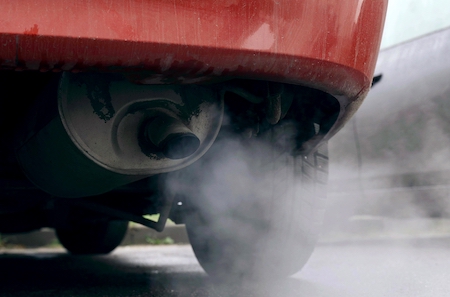
If your exhaust pipe is puffing out thick, black smoke, your engine might be running too rich – meaning it’s burning more fuel than it should. This could be due to a faulty fuel injector, a clogged air filter, or even a problem with your engine’s sensors. It’s not just bad for the environment – it’s bad for your fuel economy, too!

What White Smoke Indicates

White smoke usually means one thing: coolant is getting into the combustion chamber. This might be due to a leaky head gasket or a cracked engine block. Don’t ignore this – excessive white smoke can lead to serious engine damage if left untreated.

What Gray Smoke Indicates

Gray smoke appearing as a thick cloud from your exhaust pipe is usually a sign that your car is burning oil. As oil escapes, it burns off as gray smoke from various parts of the engine. This liquid leaks into the combustion chamber, which can damage your catalytic converter and reduce fuel economy. 

What Blue Smoke Indicates

Blue smoke almost always indicates that your car’s engine is burning oil. As the liquid leaks into the combustion chamber, it burns alongside the fuel and creates a unique blue smoke. In addition, you might notice your car misfiring when you turn the key. Your car will shake and shimmy more than usual as it idles. Fixing it early will prevent further damage to your vehicle. 

When Does the Smoke Appear?

Is the smoke a constant companion on your drive, or does it only make an appearance during specific circumstances? Does it show up when you’re starting your engine, accelerating, or idling at a stoplight? These timing details can give your mechanic important clues to diagnose the issue.

Is Your Car Overheating?

Your car isn’t just a transportation machine – it’s a finely tuned orchestra of parts working in harmony. When one part goes rogue, like your coolant system failing to keep your engine’s temperature in check, your car might overheat. If your temperature gauge starts creeping into the red zone, pull over, turn off the engine, and let it cool down before continuing.

Now that you know why your car’s engine is smoking …

Remember, the key to keeping your car running well is observation and action. If you notice any unusual smoke, noises, or smells, don’t ignore it and hope it’ll magically disappear. Take a deep breath, pull over if needed, and call your trusted mechanic. It’s always better to address these issues sooner rather than later.

Want a trusted mechanic to partner with you and keep your car in its best condition? We pride ourselves on being a family-owned company. Whether you have a simple question or a complex vehicle problem, we’re always here to provide you with sound advice and friendly service. 

Let’s work together to keep your drive smoke-free!

Filed Under: Engine Tagged With: Why Engines Smoke

Troubleshooting Car AC Problems to Stay Cool This Summer

August 21, 2023 by Denver Express Car Care

Summertime is fun time. Check out a baseball game. Hang out with friends by the pool. Head to the mountains and take in the sights. 

No matter what you choose to do after work, there’s one thing you should avoid … car problems. And in the summertime, that often comes in the form of AC problems. 

No worries; we have some troubleshooting advice for you. 

With summer in full swing, there’s nothing more important than a properly functioning air conditioning system in your car. We all know how uncomfortable it can get when that cool breeze suddenly turns into warm, stale air. But fear not, because I’ve got advice for you. Pay attention to some common car AC problems and their solutions, and it’ll be like having an experienced auto mechanic tucked in right there beside you.

Weak or Warm Airflow

You’re cruising down the road, expecting that refreshing chill from your AC, but all you’re getting is a weak puff of lukewarm air. What’s going on? 

Troubleshooting Car AC Problems to Stay Cool This Summer

Warm air could be due to several reasons. 

One common culprit is a refrigerant leak. Your AC system relies on refrigerant to cool the air; if it leaks, you won’t get that icy blast you’re hoping for. 

Another possibility is a clogged cabin air filter. Imagine this filter as the lungs of your AC system – if it’s clogged with dirt and debris, the airflow will be restricted.

Solution: If you suspect a refrigerant leak, it’s time to visit a professional mechanic. They’ll diagnose the issue, fix the leak, and recharge the system. For a clogged cabin air filter, you might even be able to tackle this one yourself! Check your car’s manual for the location of the filter and either clean or replace it as needed.

AC Blowing Cold on One Side, Warm on the Other

Ever been in a car where one side feels like the Arctic while the other is basking in the Sahara? This could be a case of temperature imbalance. It’s likely that your car has a dual-zone climate control system, and if the blend door actuator (the device that controls the temperature) malfunctions, it could lead to uneven cooling.

Solution: A visit to the mechanic is in order. They’ll diagnose which blend door actuator is misbehaving and replace it if necessary. This will ensure that everyone inside the car can enjoy the same comfortable temperature.

Unpleasant Odors

Nothing ruins a pleasant drive like a foul smell wafting from your vents. This could be a sign of mold or bacteria growth in your AC system. Moisture can accumulate in the system, creating a breeding ground for these unwelcome guests.

Solution: Start by running your AC on high for a few minutes to dry out the system. If the smell persists, consider using an AC cleaner to eliminate the odor. In severe cases, a professional cleaning might be necessary to remove mold and bacteria from the system.

Strange Noises

Your car’s AC should be humming along quietly, but if you hear rattling, hissing, or other strange noises, it’s time to investigate. These noises could indicate anything from a worn-out compressor to a loose belt.

Solution: Again, a trip to the mechanic is in order. They’ll diagnose the source of the noise and make the necessary repairs. Ignoring unusual noises could lead to more significant problems down the road.

AC Not Blowing Cold Air

So, you turn on your AC, adjust the temperature dial, and wait for the frigid air to rush in. Except, it doesn’t. Your AC is blowing, but it’s just not cool. What’s the deal? 

The first thing to check is your compressor – it’s the heart of your AC system. If it’s malfunctioning, your AC won’t be able to produce cold air. 

Another possibility is a faulty condenser or evaporator, which are responsible for removing heat and moisture from the air.

Solution: Time to call your trusty mechanic! They’ll perform a series of tests to determine the exact cause. If it’s a compressor issue, they might need to replace it. For problems with the condenser or evaporator, repairs might involve fixing leaks or replacing components.

AC Cycling On and Off

You’re driving along and notice your AC cycling on and off more frequently than usual. Sometimes it’s hot. Sometimes it’s cold. What’s the deal?

This can be frustrating, and it might even indicate an underlying issue. One common culprit is a refrigerant leak, which can lead to improper pressure levels in the system, causing the AC to cycle on and off.

Solution: Yep, you guessed it – a visit to the mechanic is necessary. They’ll inspect the AC system, identify any leaks, and address the problem. Don’t delay this repair, as refrigerant leaks can also harm the environment.

Electrical Issues

Sometimes, your car’s AC might not be working due to electrical gremlins. Fuses, relays, and wiring can all play a role in the proper functioning of your AC system. If any of these components fail, it can lead to a complete AC shutdown.

Solution: While some basic electrical troubleshooting can be done at home, like checking fuses, it’s best to consult a mechanic for more complex issues. They have the tools and expertise to diagnose and repair electrical problems effectively.

The secret to troubleshooting your car’s AC problems

Notice anything similar about each of these troubleshooting methods? They all involve paying attention to how your car is behaving. 

And that’s really the key to keeping your car well-maintained. Troubleshooting car AC problems doesn’t have to be a daunting task. Pay attention to how your car behaves each day, and take action when something goes astray. It’s the best way to ensure a comfortable and cool ride all summer long. 

Remember, while some minor issues can be tackled on your own, it’s always a good idea to consult a professional mechanic for more complex problems. Regular maintenance and prompt repairs are key to keeping your car’s AC running smoothly and efficiently. 

Stay cool out there!

Filed Under: Heating-Air Conditioning, Tips & Tricks Tagged With: Troubleshooting AC Problems

Common Powertrain Problems and How to Troubleshoot Them

August 18, 2023 by Denver Express Car Care

When you come in to service your vehicle, many of the terms we use are common knowledge. 

Most drivers understand tires keep you safe on the road – you can see them and notice a nail in the sidewall. 

You also understand motor oil keeps the engine running. Without it, your car would come to a halt. 

Where things get a bit fuzzier is with words like “powertrain.” What is a powertrain? What does it do? And how do you know if something is wrong? 

If your car is experiencing common powertrain problems and you catch it early, you’ll keep repair bills to a minimum. If you let it go … 

If you’ve ever experienced a strange noise or feeling while driving your car, chances are it’s related to your car’s powertrain. Here’s what you need to know.

What is a powertrain?

Before diving into common powertrain problems, let’s define what a powertrain is. 

The powertrain is the mechanism that produces power and delivers it to the wheels. The powertrain is composed of: 

  • the engine
  • the transmission
  • the driveshaft
  • the axles
  • the differential

The engine is where the power is generated. The transmission changes the gear ratio between the engine and the wheels, allowing the car to move at different speeds. The driveshaft is a long tube that connects the transmission and the axle. The axles connect the driveshaft to the wheels and help supply power to them. And finally, the differential sends power from the driveshaft to the axles and ensures that the wheels can turn at different speeds.

Common Powertrain Problems and How to Troubleshoot Them

Without a powertrain, your car wouldn’t be able to move forward. 

The five powertrain components and what they do

Even glancing at the five components gives you a pretty good idea of how important they are to the overall operation of your vehicle. But let’s dive deeper into their function. 

  • Engine – The engine is the heart of the powertrain. It converts fuel into mechanical energy, which drives the vehicle. It consists of various parts, such as the pistons, cylinders, crankshaft, and valves, that work harmoniously to generate power.
  • Transmission – The transmission is responsible for controlling the power and torque generated by the engine and transferring it to the wheels. It allows the driver to change gears and adapt to different driving conditions. Without a transmission, you couldn’t adjust a car’s performance based on needs and driving conditions. 
  • Driveshaft – The driveshaft transfers power from the transmission to the axles. It connects the transmission output shaft to the differential input shaft. It adjusts its length based on the movement of the vehicle’s suspension. 
  • Axles – Axles connect the driveshaft to the wheels. They transmit the rotational force from the driveshaft to the wheels, allowing them to rotate and propel the vehicle forward.
  • Differential – The differential is a part of the rear axle. It enables the wheels to rotate at different speeds while the vehicle turns. It splits the power from the driveshaft and sends it to the wheels with the most traction, ensuring smooth cornering.

These components come together to allow your car to move and accelerate. If the powertrain is in good working condition, you won’t have issues on your drive. You’ll have smoother acceleration, better operations, and experience better driving conditions no matter what is happening around you. 

In short, you’ll have peace of mind. 

Common powertrain problems

Even the best cared for vehicle will wear down over time. In many cases, it’s the powertrain where drivers experience common problems. 

Powertrain issues can range from simple, easy-to-fix problems to significant, expensive repairs. Here are some typical powertrain problems that car owners may encounter:

Engine Problems:

  • Misfiring – When the engine cylinders do not fire correctly, it leads to a rough running engine or loss of power. Possible causes include spark plug issues, fuel delivery problems, or faulty ignition coils.
  • Overheating – Coolant leaks, a malfunctioning thermostat, or a failing radiator can cause engine overheating. It is essential to address this issue promptly to avoid severe engine damage.
  • Lack of Power – A decrease in engine power may be due to clogged fuel injectors, a faulty oxygen sensor, or a worn-out catalytic converter.

Transmission Problems:

  • Slipping Gears – If the transmission slips out of gear or changes gears unexpectedly while driving, it could indicate a worn clutch, low transmission fluid, or a faulty solenoid.
  • Gear Shifting Issues – Difficulties in shifting gears, such as grinding or resistance, may be caused by worn-out synchronizers, a clutch problem, or a malfunctioning linkage.
  • Leaking Transmission Fluid – Leaks can occur due to damaged seals or gaskets. If you notice reddish fluid pooling under your vehicle, it is crucial to address the issue promptly to prevent further damage.

Driveshaft Problems:

  • Vibrations – Excessive vibrations while driving could indicate a problem with the driveshaft, such as worn-out universal joints or an imbalanced driveshaft.
  • Clunking Noise – When shifting from drive to reverse or during acceleration, a clunking sound may suggest a worn-out driveshaft component or a loose connection.

Axle Problems:

  • CV Joint Issues – CV joint problems often manifest as clicking or popping sounds when turning. CV joint failure can lead to a loss of power transmission to the wheels.
  • Axle Seal Leaks – Leaking axle seals can cause the axle to lose lubrication, leading to premature wear and potential damage to other components.

Differential Problems:

  • Whining Noise – A whining noise during acceleration or deceleration may indicate worn-out differential gears or improper gear meshing.
  • Fluid Leaks – Leaking differential fluid can cause gear wear and lead to costly repairs. It is important to inspect and address any leaks promptly.

Powertrain warning signals

The good news is a car rarely breaks down without sending you a few warning signals first. If you know what to watch for, you can catch damage early and repair it before it escalates. Watch for:

Check engine light – This sensitive dashboard icon pops on for a variety of reasons. It includes things like an oxygen sensor error or issues with the ignition coils. Always take the check engine light seriously, and have it inspected by a professional to determine what’s wrong. 

Grinding noise – A grinding noise from the powertrain can indicate various issues. It could be a sign of worn-out gears in the transmission or differential, which may require repairs or fluid replacement. 

Whining noise – A high-pitched whining noise may indicate problems with the transmission or differential. It could suggest worn-out bearings, low fluid levels, or improper gear meshing.

No engagement – If the powertrain fails to engage when shifting gears or starting the vehicle, it could be a sign of a clutch problem in manual transmissions or a malfunctioning torque converter in automatic transmissions. A professional inspection is recommended to diagnose and resolve the issue.

Burning smell – A burning smell from the powertrain can cause concern. It may indicate overheating of the engine, transmission, or other components. Common causes include leaking fluids, worn-out clutches, or overheating due to a malfunctioning cooling system. It is crucial to address this issue promptly to avoid severe damage or potential safety hazards.

Gears slipping – If you experience a sudden loss of power or feel the transmission slipping out of gear while driving, it may indicate a problem with the transmission. Common causes include low transmission fluid levels, worn-out clutch plates, or a faulty solenoid. Prompt attention should be given to prevent further damage and ensure safe driving.

Leaking transmission fluid – Transmission fluid leaks can occur due to damaged seals, gaskets, or faulty transmission lines. It is important to address any fluid leaks promptly to prevent damage to the transmission and ensure proper operation.

Take care of your vehicle’s powertrain

Your car’s powertrain is a complex system that can encounter problems from time to time. Knowing how the powertrain works and how to troubleshoot any issues you may face can help you keep your car running correctly. 

Have questions? That’s the perfect time to schedule an inspection. By consulting with a mechanic early, you can avoid further damage and ensure your vehicle is safe and reliable to drive.

Filed Under: Transmission Tagged With: Common Powertrain Problems

Driving Without Maintenance – What’s The Risk?

August 14, 2023 by Denver Express Car Care

We’re all looking for ways to keep expenses down. We turn to all kinds of advice to save a few bucks:

  • Make coffee at home instead of going out.
  • Enjoy a movie at home instead of at a theater. 
  • Head to the library instead of buying books and magazines. 

There are places to skimp. There are also areas where you shouldn’t. 

Like driving without maintenance. Think you can push your oil change a few months? Think the little light on your dashboard doesn’t mean anything? Think again. 

Car maintenance keeps your vehicle in good working condition. Without it, you could be in for a host of problems. 

What is car service? 

Think of maintenance as a routine health check-up for your vehicle. Just like you visit the doctor for a regular physical, your car needs a little TLC to ensure it’s running smoothly and efficiently. 

During a car service, a qualified mechanic will inspect various components, identify potential issues, and perform necessary repairs or maintenance tasks. This process isn’t about costing you more – it’s meant to save you money. 

Changing out your car’s motor oil is a good example. If you change it out regularly, it will always be fresh as it circulates throughout the engine. If you forget to change it, or ignore it altogether, damage can start occurring in different parts of the engine. Until it eventually ceases and stops working, costing you thousands in the process. The price of an oil change is much easier. 

How often should I service my car?

The frequency of car servicing depends on several factors, including the make and model of your vehicle, its age, and your driving habits. 

As a general rule of thumb, most manufacturers recommend getting your car serviced every 12,000 to 15,000 miles or once a year, whichever comes first. However, if you have a more high-performance car or do a lot of stop-and-go city driving, you might want to service it more frequently.

Driving Without Maintenance - What’s The Risk?

Every system comes with its own recommendations. As a car owner, it’s a good idea to spend some time with your car’s owner’s manual to understand better when major parts need servicing. 

Then keep a log book so you’ll easily remember each trip to get your car serviced. While you might “think” it’s only been a few months, a quick glance will tell you exactly when each service took place. 

What needs servicing regularly? 

Now that we’ve covered the when and why of car service, let’s dive into the nitty-gritty of what exactly needs regular servicing to keep your ride in tip-top shape:

Oil Changes

Ah, the lifeblood of your car’s engine – oil! Regular oil changes are vital to keeping your engine running smoothly. Over time, engine oil breaks down and gets contaminated with dust and debris, which can lead to increased friction and wear. By changing the oil at recommended intervals, you ensure your engine stays lubricated and protected.

Car Fluid Checks

Your car relies on various fluids to function correctly. From brake fluid to coolant, power steering fluid to transmission fluid – all play essential roles in keeping your vehicle operating optimally. Regularly checking and topping up these fluids can prevent major breakdowns and costly repairs down the road.

Tire Pressure Checks

Don’t forget the only point of contact between your car and the road – the tires! Properly inflated tires not only enhance fuel efficiency but also improve handling and safety. Underinflated tires can lead to uneven wear and reduced traction, while overinflated tires might lead to a bumpy and uncomfortable ride.

Tire Balancing and Wheel Rotation

To extend the life of your tires and ensure even wear, regular tire balancing and wheel rotation are essential. Uneven tire wear can cause steering issues and negatively impact your car’s alignment.

Air Filter Changes

A clean air filter is crucial for your car’s engine performance and fuel efficiency. It prevents dirt, debris, and other contaminants from entering the engine, safeguarding its longevity and overall health.

Brake System Checks

Your brakes are, without a doubt, one of your car’s most critical safety features. Regular brake system checks ensure that your brake pads, rotors, and calipers are in good condition, providing reliable stopping power when needed.

Battery Checks

Imagine getting stranded in the middle of nowhere with a dead battery – not a fun situation. Regular battery checks help you avoid mishaps and ensure your car starts up reliably every time you turn the key.

What’s the risk of driving without maintenance?

Neglecting regular car service can lead to a snowball effect of issues. At first, you might not notice any significant problems, but over time, small issues can escalate into major, costly repairs. For instance, skipping oil changes can result in engine sludge, reduced fuel efficiency, and even engine failure. Ignoring brake system checks can compromise your safety, as worn-out brake pads may take longer to bring your car to a stop.

Poor maintenance can negatively impact your car’s resale value. If you ever decide to sell or trade in your vehicle, potential buyers will be wary of a car with a sketchy maintenance history. In contrast, a well-maintained car will fetch a better price and find a new owner more quickly.

A poorly maintained car may end up being less fuel-efficient, costing you more money at the pump. Simple tasks like inflating your tires and changing air filters can significantly improve your car’s gas mileage, saving you money in the long run.

And finally, safety should always be the top priority. Regular car service not only keeps your vehicle in good shape but also ensures that potential safety hazards are identified and fixed promptly. From worn-out tires to faulty brakes, addressing these issues early on can prevent accidents and keep you and your loved ones safe on the road.

Does your car need servicing today? 

Regular car service is something to take seriously. It’s the key to keeping your car running smoothly and avoiding costly repairs. Remember, a little maintenance can go a long way in prolonging the life of your vehicle and enhancing your driving experience. 

So, don’t neglect your car’s health – get it serviced regularly, and you’ll be rewarded with a reliable, efficient, and safe ride for years to come. 

Filed Under: Car Maintenance Tagged With: Driving Without Maintenance

15 Car Parts and What They Do In Your Car

August 10, 2023 by Denver Express Car Care

According to the Global Language Monitor, the English language currently contains over 1 million words. Of course, we don’t use nearly that many in our everyday language. 

The Oxford English Dictionary contains 171,476 words in current use, while Webster’s Third New International Dictionary includes 470,000 entries of both current use and obsolete words. 

Even with this many words available to us, the average individual has a vocabulary size of about 48,000 words. Yet most of us never use more than the first 1,000 or so on a regular basis. 

So when words like transmission, radiator, or gearbox pop up, it’s only natural to scratch your head and think about what they mean. We know car parts are essential. We understand car parts work together to create one of our most meaningful personal assets. But what are they, and how do they work? 

We’ve compiled a list of 15 essential car parts, how they work, and what could go wrong. It’s a great place to start to get to know your car a little better. 

Air Filter: Breathing Easy

Picture this: you’re running a marathon, and suddenly, your nose gets clogged, making it hard to breathe. That’s essentially how a car’s air filter works. It ensures that clean air reaches the engine by trapping dust, dirt, and debris, preventing them from entering and potentially causing damage. 

Replace your air filter regularly for better engine performance and fuel efficiency.

Alternator: Power Provider

The alternator is like a mini power station in your car. It charges the battery while the engine is running and supplies electrical power to various components, such as lights, radio, and power windows. Without a functioning alternator, you’d find yourself stuck in the dark with a dead battery.

15 Car Parts and What They Do In Your Car

If you suspect you have a problem with the alternator, have it checked by one of our mechanics. 

Battery: Life-Giver

Your car’s battery is the heartbeat of the electrical system. It stores energy to start the engine and powers all the electrical components when the alternator can’t supply enough electricity. 

Regularly check your battery’s health and make sure the connections are clean and secure to avoid unexpected breakdowns.

Brake Rotors: Slowing Down Safely

Imagine driving without brakes – terrifying, right? Brake rotors, also known as brake discs, are crucial for stopping your car safely. When you apply the brakes, the brake pads clamp onto the rotors, creating friction that slows down your car. 

Like other car parts, brake rotors have a useful life. Check your owner’s manual for guidelines, then keep an eye on these vital components and replace them when they become too thin or damaged.

Catalytic Converter: Environment’s Ally

In the age of environmental consciousness, the catalytic converter plays a vital role in reducing harmful emissions. It converts harmful gasses, like carbon monoxide and nitrogen oxides, into less toxic substances before they exit through the exhaust pipe. 

Always ensure your catalytic converter is functioning correctly to minimize your car’s environmental impact.

Clutch: Seamless Gear Changes

Manual transmission lovers, this one’s for you! The clutch allows you to shift gears smoothly by temporarily disconnecting the engine from the transmission. It’s essential to avoid riding the clutch or engaging in abrupt gear changes to prevent premature wear and tear.

This is where paying attention to how your car operates matters. If you notice changes in the way the clutch operates, bring it in for a thorough inspection. 

Emissions Control System: Caring for the Environment

In an era where environmental concerns are at the forefront of our minds, the emissions control system in your car plays a critical role in reducing harmful pollutants released into the atmosphere. As cars run on internal combustion engines, they produce various harmful gasses as byproducts of the combustion process: Nitrogen Oxides (NOx), Hydrocarbons (HC), and Carbon Monoxide (CO). The emissions control system employs various components to minimize the release of these harmful gasses into the atmosphere.

To keep the emissions control system functioning optimally, it’s crucial to follow the manufacturer’s recommended maintenance schedule. Regular servicing and replacing worn-out components are essential to ensure that your car remains compliant with emission standards and contributes to a cleaner environment.

Gearbox: Power Transfer Pro

The gearbox, or transmission, is the bridge between your car’s engine and wheels. It allows you to change gears, enabling the engine to operate efficiently at various speeds. 

Regular transmission maintenance can extend its lifespan and keep your shifts buttery smooth.

Ignition: Start It Up!

The ignition system gets your car’s engine roaring to life. It creates and delivers the high-voltage sparks needed to ignite the air-fuel mixture in the engine’s cylinders. Modern vehicles mostly have electronic ignition systems, which are more reliable and efficient than the older mechanical ones. Yet things can still go wrong. 

Having trouble starting your car? Don’t automatically assume it’s the battery. The ignition can and does wear down over time. 

Radiator: Keeping Cool Under Pressure

Driving generates a lot of heat under the hood, but fear not – the radiator is here to keep things cool. It circulates coolant through the engine, absorbing excess heat, and then releases that heat into the air. 

A well-maintained radiator is vital to prevent overheating, which can cause severe engine damage. That starts with checking the coolant occasionally and ensuring there aren’t any leaks or problems with the system. 

Shock Absorbers: Smooth Ride Ahead

Ever wonder why you don’t feel every bump and pothole on the road? Thank your car’s shock absorbers for that! They dampen the impact of uneven surfaces, providing you with a smoother and more comfortable ride. 

Replace worn-out shocks to maintain optimal handling and comfort.

Spark Plug: Igniting the Magic

Spark plugs might be small, but they play a big role in your car’s performance. They generate sparks that ignite the air-fuel mixture in the engine’s cylinders, creating the controlled explosions that move your car. 

Proper maintenance and periodic replacements will keep your engine running like a champ.

Thermostat: Temperature Regulator

The thermostat is the ultimate temperature regulator. It monitors the engine’s temperature and opens or closes to control the flow of coolant. This ensures that your engine stays within its optimal temperature range, leading to better fuel efficiency and performance.

A malfunctioning thermostat can cause the engine to not operate at an optimal temperature, which can cause it to overheat. Keep an eye on your dashboard and pay attention to all notifications. 

Transmission: Shifting Gears Seamlessly

The transmission allows your car to change gears and transfer power from the engine to the wheels. It comes in various types, including manual, automatic, and continuously variable transmissions (CVT). Each type has its benefits and quirks, but they all serve the same purpose – providing a smooth and efficient ride.

Regular maintenance and inspections will prevent deterioration in any part of the transmission system, keeping your car on the road longer. 

Water Pump: Coolant Circulator

The water pump keeps the coolant flowing through the engine and radiator, regulating the engine’s temperature. Without it, the engine would overheat quickly, leading to potential damage. 

Regular maintenance will ensure your water pump remains in good shape.

These are just a few of the many parts you’ll find on your car …

And there you have it – 15 car parts and their essential functions! 

Cars are complex machines with numerous components working harmoniously to get you from point A to point B. Understanding these parts can help you appreciate the engineering marvel that is your car and empower you to take better care of it. 

Remember, regular maintenance and timely repairs are the keys to keeping your car running smoothly for years. 

Happy driving!

Filed Under: Car Maintenance Tagged With: Car Parts

  • « Previous Page
  • 1
  • …
  • 21
  • 22
  • 23
  • 24
  • 25
  • …
  • 103
  • Next Page »

Express Car Care
4200 E. Evans Ave. Denver, CO (map)
Phone: (303) 691-2760
Located just southeast of the Colorado Light Rail station

Follow Us Today!

  • Facebook
  • RSS

Shop Hours

Monday: 8:00AM – 5:00PM
Tuesday: 8:00AM – 5:00PM
Wednesday: 8:00AM – 5:00PM
Thursday: 8:00AM – 5:00PM
Friday: 8:00AM – 5:00PM
Saturday: Closed – A note from the owner
Sunday: Closed

Last car oil change time  – 5:00PM

Click for the BBB Business Review of this Auto Repair & Service in Denver CO

Recent Articles

Tire Rotation: When to Do It—and the Signs You Shouldn’t Ignore

Tire rotation is one of the simplest ways to help your tires wear evenly, last longer, and keep your vehicle handling predictably. It is easy to put off, but a consistent rotation schedule can save … [Read More...]

  • Which Oil Is Right for Your Car?
  • Stop Burning Money at the Pump
  • Differential Service: Why It’s Crucial for Your Car’s Longevity and Performance
  • How to Catch a Transmission Problem Before It Leaves You Stranded
  • Why You Shouldn’t Wait to Address a Small Exhaust Leak

Search Our Site

Brakes Service

How to Keep Your Brakes Quiet, Responsive, and Safe

Everything You Need To Know About Replacing Your Brake Pads

How to Know If It’s Time to Replace Your Brake Rotors

Oil Change

Top Benefits of Getting Regular Oil Changes in Denver

Oil Change Specials in Denver: Save Money and Keep Your Car Running Right

Why Regular Oil Changes Are Crucial for Denver Drivers

Suspension

How to Know If Your Car Needs Suspension Repair in Denver’s Bumpy Roads

A Guide To Understanding Bushings on a Car

Tips for Preventing Wear and Tear on Your Car’s Suspension

Transmission Service

How to Catch a Transmission Problem Before It Leaves You Stranded

How Often Should You Service Your Transmission in Denver?

Transmission Trouble? Common Signs and When to Visit Our Denver Shop

Engine Service

Stop Burning Money at the Pump

Everything You Should Know About Your Vehicle’s Timing Belt

Is Your Car Hesitating During Acceleration?

Auto Tips & Tricks

How to Deal With Car Noises That Only Happen When You Turn

Top 5 Maintenance Tips for High-Mileage Vehicles

Why Tire Pressure Matters More Than You Think

"Denvers Best Auto Repair and Quick Lube" - Copyright © 2026 - 4200 E. Evans Ave. Denver, CO 303-691-2760