• Home
  • Denver Auto Repair Services
    • Full Service Oil Change
    • Expert Mechanics
      • Expert Honda Mechanics
      • Expert Toyota Mechanics
      • Expert Subaru Mechanics
    • Automatic Transmission
    • Fuel System Cleaning
    • Radiator Flush Service
    • Wiper Blades
    • Air Filter
    • Cabin Air Filter
    • Gearbox Service
    • Brake Repair
    • Clutch Repair
    • CV Boots
    • Tune-Up
    • Steering & Suspension
    • Tires
  • Auto Diagnostic
  • Contact Us
    • About Us
  • Shop Specials
  • Testimonials
  • Blog
  • 303-691-2760

Express Car Care of Denver

"Denver's Best Auto Repair and Quick Lube"

  • Brake Service
  • Car Maintenance
    • Heating-Air Conditioning
    • Suspension
    • Transmission
    • Engine
    • Tires
  • Oil Change
  • Tips & Tricks

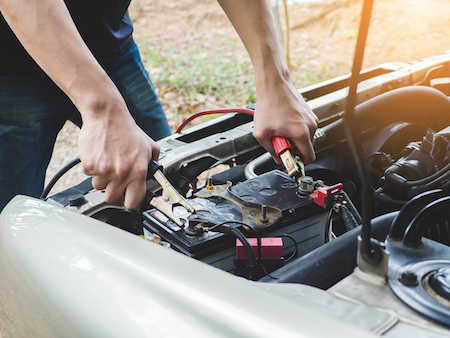
Is Your Car Battery Charged and Ready For Winter?

December 3, 2023 by Denver Express Car Care

10. 9. 8. The temperatures across the Front Range are getting colder. 

Do you know if your car battery is charged and ready for the winter? 

It’s no secret that Colorado has wild weather all year long, especially in the winter. You can drive to work in sunshine with the windows down, and leave with a full-blown blizzard and arctic temperatures that create dangerous situations. 

Yet driving isn’t the only hazardous thing you might incur. If you haven’t checked your car battery in a while, it might not start when you need it. And as the sun sets and the winds blow colder, that can be an uncomfortable situation. 

Maybe now is the time to ensure your car battery is working at its best. 

How a basic car battery functions

A car battery is like the heart of your vehicle’s electrical system. It works by storing electrical energy in a chemical form and then releasing it when you need to start the engine and power various electrical systems in your car. 

This magic happens through a lead-acid battery, the standard in most cars. A car battery has two lead plates soaked in sulfuric acid. One plate is made of lead dioxide, and the other is lead. When the battery charges, it goes through a chemical reaction, converting the lead dioxide into lead sulfate and releasing electrical energy, creating a voltage difference between the two plates.

Is Your Car Battery Charged and Ready For Winter?

When you turn your ignition key, your car battery springs into action, sending an electric current to the starter motor. This motor cranks the engine to life. This initial power surge is a significant jolt for the battery, and it needs to be in good shape to do it effectively. 

But the battery’s job doesn’t end there; it also provides power to various electrical systems like the lights, radio, air conditioning, and power windows when the engine isn’t running. The alternator, another part of the car’s electrical system, takes over while the engine is running, charging the battery and keeping all those electrical systems humming.

As you use your car and its electrical components, the battery gets depleted, which can affect its efficiency. The recharging process happens while you’re driving, thanks to the alternator. That’s why it’s important to keep an eye on the battery’s condition, maintain clean terminals, and ensure it’s adequately charged. 

How cold and hot weather affect a car battery

Batteries operate well in average weather conditions. However, Colorado has anything but average weather conditions. Remember how we talked about temperature extremes a few paragraphs ago? That weather can play tricks on your car battery. 

When the temperature drops, your battery’s performance can take a nosedive. The cold slows down the chemical reactions happening inside your battery, making it less effective at delivering power. It’s like the battery goes into hibernation mode. As a result, your battery loses some of its juice, and starting your car can become a real struggle. 

In extremely cold conditions, the engine oil thickens, which, combined with the reduced battery capacity, makes starting your car an uphill battle. Sometimes, it might not start at all. Plus, frequent cold exposure can take a toll on your battery’s overall lifespan.

It’s not just cold weather that can take its toll. When the temperature soars, your battery isn’t in its happy place either. High temperatures cause your battery to self-discharge faster, meaning it loses its charge more quickly, even when your engine is taking a break. The heat can also speed up a not-so-friendly process called sulfation, where lead sulfate crystals build up on your battery’s plates, reducing its capacity and lifespan over time. 

Excessive heat can also shorten your battery’s lifespan. It can cause some serious, sometimes permanent, damage that might mean an early retirement for your battery. In scorching weather, your battery’s electrolyte (the acid solution inside) can evaporate, leading to reduced electrolyte levels and potential overheating.

Most batteries come with a three to seven-year life, depending on the battery you install. It works hard day after day, taking the abuse the weather dishes out. (Yes, there are other impacts. The weather plays a significant role.)

Preventative car battery maintenance as we head into winter

Now that we’ve covered how the weather can mess with your car battery, let’s talk about what you can do to keep it in good shape, especially as we’re heading into the winter months.

First off, it’s a great idea to give your battery a little love before winter sets in. Start by doing a visual inspection. Check for any signs of corrosion or damage on the battery terminals and cables. If you see any gunk or buildup on the terminals, clean them up using a mixture of baking soda and water and a wire brush. This helps ensure a good electrical connection and keeps your battery humming.

Next, have a professional do a battery load test. They’ll check how well your battery holds a charge. If it’s not up to snuff, it might be time to consider a replacement. After all, you don’t want to be left out in the cold with a dead battery when you’re trying to start your car on a chilly morning.

During winter, every bit of power counts. So, if your battery’s on the older side, it’s worth thinking about a replacement before it gives up on you in the cold. Newer batteries tend to perform better in low temperatures, and have less chance of breaking down.

While Colorado isn’t a hub of arctic weather, you might choose to consider where your car is parked at night. Living in the foothills is different from living downtown. Having a garage provides more warmth and protection than if your car resides in a parking lot. If your car lives in frosty conditions, consider using a battery warmer or insulator. These handy devices can help keep your battery’s temperature up a bit, so it’s more willing to cooperate when you turn the key.

Finally, keep in mind that batteries need to be recharged regularly. Usually, this happens by using your car for your daily drive. If it sits in the garage most days, rarely used, a battery maintainer (or a trickle charger) is a great investment. It keeps your battery topped off and ready to roll, even if you rarely drive your car.

Is your car battery ready for winter? 

A little preventative maintenance before winter can go a long way in ensuring your car battery behaves when you need it most. If you haven’t thought about your car battery yet this fall, maybe now is the time. 

Give it a little TLC yourself. Or stop by, and we’ll test it out here. Either way, your battery will thank you when those frosty mornings roll around!

Filed Under: Car Maintenance Tagged With: Car Battery Ready For Winter

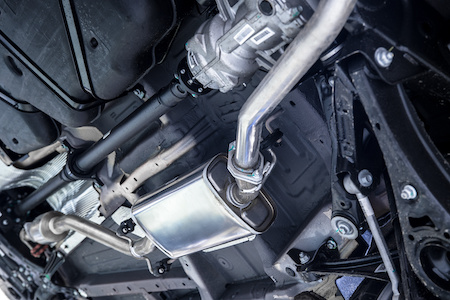
Properly Maintaining Your Car’s Exhaust System

November 28, 2023 by Denver Express Car Care

Have you ever noticed how your mind wanders to the strangest things? Like when you’re sitting in traffic on the highway thinking about dinner, you move through a RapidScreen Roadside test, and contemplate your exhaust system?

  • What does your exhaust system actually do?
  • Do all exhaust systems work the same? 
  • Is your car’s exhaust system efficient? 
  • And what happens to all this exhaust once it moves into the air? 

Of course, dinner takes priority once again once you move into your neighborhood. The kids are hungry! And you have to bake brownies for the bake sale, check to see if your client emailed you, call your mom

Yeah, we get it. Life is hectic. 

Even though we’re all on our own journey, we still work hard to make the world a teeny bit better. (I think it’s in our DNA.) Your exhaust system might wander back in from time to time. Especially if you start to notice issues. 

We want to help you with that. The best place to start is with a little knowledge. (Just enough to give you something to contemplate on your next drive through the RapidScreen Roadside test. We promise!)

Why do we need an exhaust system anyway?

Life’s a whirlwind, isn’t it? Between work, family, and bake sale brownies, it’s easy to overlook the seemingly mundane parts of our lives, like our car’s exhaust system. But I assure you it’s not just a fancy metal tube hanging beneath your car. It’s your vehicle’s unsung hero, quietly doing its job as you navigate through life’s chaos. 

Your car’s exhaust system may not be as glamorous as those brownies you’re baking, but it’s equally important. Imagine you’re in the middle of a traffic jam, lost in thoughts about your dinner plans, while your car is chugging along. That’s where the exhaust system comes into play.

Properly Maintaining Your Car's Exhaust System

The primary job of your exhaust system is to channel away the gasses produced during the combustion process in your engine. These gasses, like carbon monoxide and hydrocarbons, are not exactly the kind of dinner guests you’d want to invite to your engine party. So, your exhaust system efficiently removes them, ensuring your engine runs smoothly and cleanly. It’s like your car’s personal air quality control.

Glance to your left and right. The large pickup and the tiny sports car all have an exhaust system, but they don’t all work the same way. Different cars require different types of exhaust systems to optimize their performance. So, while you’re worrying about those brownies, your car’s exhaust system is custom-tailored to suit its unique needs. It’s all about finding the right fit.

Efficiency isn’t just about fuel economy; it’s also about reducing harmful emissions. A well-maintained exhaust system ensures your vehicle runs as clean and green as possible. And what happens to all this exhaust once it moves into the air? Your exhaust system doesn’t just dump those unwanted gasses into the atmosphere. It contains a series of components, including the catalytic converter, which works its magic to reduce harmful emissions before they escape into the ether. In a way, it’s like your car’s personal environmental steward.

I want to keep my car’s exhaust system healthy, but what does that mean?

Yes, the bake sale may be weighing on your mind. Luckily, life is all about little tasks that keep every aspect of our lives on track. 

Forget about your car, and you’ll face the consequences sooner or later. But that’s not you! Now that you understand your exhaust system a bit better, there are several things you can do. 

After all, a healthy exhaust system means a smoother, more efficient ride. And it’s better for the environment too. So, what can you do to keep it in tip-top shape? 

Regular Inspections

Just as you wouldn’t skip your annual health check-up, don’t neglect your car’s exhaust system. Regular inspections by a qualified mechanic are essential. They can catch issues before they become major problems, saving you money in the long run.

Listen Closely

Your car can often tell you when something’s wrong. If you hear unusual sounds, like hissing, rattling, or loud exhaust noises, it’s time to pay attention. These could be signs of leaks or damage in your exhaust system.

Check for Rust

Exhaust systems are exposed to the elements and are prone to rust and corrosion over time. Regularly inspect the pipes and muffler for signs of rust. Catching it early can prevent more significant damage.

Maintain the Engine

A well-maintained engine runs cleaner, which is easier on your exhaust system. Regularly servicing your engine, changing the oil, and keeping the air filters clean can reduce the strain on your exhaust system.

Be Mindful of Your Driving Habits

Aggressive driving, frequently revving the engine, or carrying heavy loads can put extra stress on your exhaust system. Try to be mindful of your driving habits to prolong its lifespan.

Avoid Overloading Your Car

Carrying excessive weight can lead to a stressed exhaust system. Yes, all of the kids’ sports equipment is taking a toll. Keep your car’s payload within the recommended limits to avoid unnecessary strain.

Use Quality Fuel

Quality fuel can help keep your engine clean, reducing the amount of carbon buildup in your exhaust system. It’s a simple step to ensure your exhaust system’s health.

Keep It Clean

Debris and road salt can accumulate on your exhaust system, accelerating corrosion. You know how bad it gets here on Colorado’s roads. Take an extra minute to regularly clean your car’s undercarriage, including the exhaust system, to prevent buildup.

Fix Issues Promptly

If you do notice any problems with your exhaust system, such as strange odors in the cabin or decreased fuel efficiency, don’t procrastinate. Address these issues promptly to prevent further damage.

Replace Components When Necessary

Exhaust components, like the catalytic converter and oxygen sensors, have a limited lifespan. Follow your vehicle manufacturer’s recommended maintenance schedule and replace these parts as needed.

One more task down – the easy way!

And there you have it, something to consider the next time you pass a RapidScreen Roadside test. You know a bit more about your car’s exhaust system and what it does for your vehicle. (And the environment too.)

Life is a series of little tasks and checkmarks, all moving us down the road of life. It doesn’t take much to keep your car in good working condition. Just a little TLC from time to time.

Have any questions? We can help with that. 

Filed Under: Car Maintenance Tagged With: Exhaust System

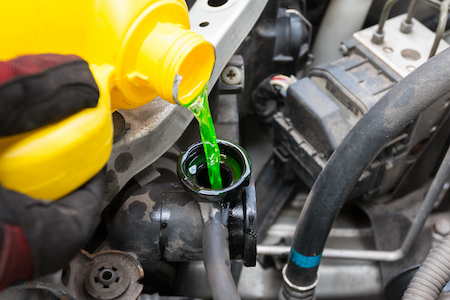
Simple Things Like Regularly Inspecting and Changing Coolant Make a Difference

November 24, 2023 by Denver Express Car Care

Is your car in good shape? 

If you’re like many people driving the streets of Denver, you might think: It’s fine. 

Cars are tools we use to function in our daily lives. They bring us here and there, helping us check off boxes on our to-do lists from morning to night. 

We don’t think much about them … until they don’t work. They make a noise, create an odor, or simply won’t go. Then we ask: Why?

Luckily, if you’re reading this, you might choose a proactive approach instead. For things like inspecting and changing coolant, that’s a good thing for your car. 

Help, I think I have a coolant leak

Coolant – antifreeze – no matter how you say it, it’s an essential fluid your car can’t live without. 

Megan discovered that early, and chose to do something about it. When she drove into our shop, she was proactive in her approach. “I found a light-green spot in my driveway this morning, and I knew it couldn’t be good.”

She’s right. 

Let’s talk about coolant for a moment. Most people use the words coolant and antifreeze interchangeably, but in reality, they aren’t the same thing. 

Antifreeze is a specific type of liquid used in a car’s cooling system. It is a mixture of water and chemicals, primarily ethylene glycol or propylene glycol. These chemicals lower the freezing point of the liquid, preventing it from turning into ice in cold temperatures.

The primary purpose of antifreeze is to protect the engine and cooling system from freezing in low temperatures, which could otherwise cause serious damage to the engine block, radiator, and other components.

Simple Things Like Regularly Inspecting and Changing Coolant Make a Difference

Antifreeze is concentrated, meaning it must be diluted with water before use. Coolant is the product created once the two – antifreeze and water – are combined. You’ll find some coolants are made of a 70/30 split, while others move to a 50/50 ratio. 

The role coolant plays in your vehicle 

When that light green spot materialized on Megan’s driveway, it was a sure sign something was wrong. 

Coolant has several important jobs to keep things running smoothly underneath the hood. Its primary function is handling the heat – you know, that scorching stuff generated by the engine during all that combustion magic. Coolant swoops in, soaks up that excess heat, and then gracefully whisks it away from crucial engine parts, preventing any meltdowns or engine damage.

In freezing cold weather, coolant throws on its “antifreeze” hat, ensuring the engine and the entire cooling system doesn’t turn into an ice sculpture. This protects the engine block, radiator, and other parts from cracking or getting damaged due to frost.

When things get toasty in the summertime, coolant’s got your back again. It raises the boiling point of the liquid, making sure it doesn’t start bubbling over and causing an engine meltdown in the heat.

With all of that action, there’s bound to be some grit and grime forming within. Coolant protects against corrosion, keeping the engine and the cooling system free from rust and scale. It’s like a shield against the forces of nature trying to wear down your car’s insides.

Lastly, coolant offers lubrication to the water pump, making sure it can keep that coolant circulating smoothly throughout the system. Plus, by keeping the engine at the perfect temperature, coolant helps your car operate efficiently, saving you on fuel and emissions.

That little leak Megan noticed is a sign something is off within the system. 

What could possibly be wrong?

It’s easy to jump to conclusions. When you see a leak – green liquid on the ground – you assume it’s a problem. It’s not a clear indication of one problem; rather, it might be one of several. 

Leaking Hose – Coolant hoses, which carry coolant between the engine, radiator, and other components, can deteriorate over time and develop cracks or leaks. A leaking hose is one of the most common causes of coolant puddles.

Radiator Leak – The radiator is a key component of the cooling system, and leaks can occur due to corrosion, physical damage, or age-related wear and tear.

Water Pump Issues – The water pump circulates coolant throughout the engine. A failing water pump can develop leaks and cause coolant to spill onto the ground.

Leaky Gasket – Coolant can also escape if there’s a gasket failure. For example, a damaged head gasket can allow coolant to mix with the engine oil, leading to more serious engine problems.

Overheating – If your engine overheats, the excess pressure can force coolant out of the system through any available opening. This could result in coolant ending up on the ground.

Loose or Damaged Reservoir Cap – Sometimes, a loose or damaged coolant reservoir cap can cause coolant to escape from the overflow tank, leading to a puddle beneath the car.

Internal Engine Issues – In some cases, internal engine problems, such as a cracked engine block or cylinder head, can lead to coolant mixing with the oil or leaking externally. 

Inspecting and changing coolant is so much easier

Yes, coolant on your driveway can be a big problem. Think of it as a warning sign. When you see it, do as Megan did and bring your vehicle in as soon as you can. 

Continuing to drive with a coolant leak can lead to engine damage and overheating, which can be costly to fix. Additionally, coolant is toxic to pets and wildlife, so it’s crucial to clean up any spills to prevent harm to animals in your area.

Keeping your car in great condition is a two-fold process. Megan has it right by paying attention to her vehicle. When noticing a change, bringing it in stops the problem as quickly as possible. 

And when you do bring it in, bring it to someone you can trust. A partner that will give you honest feedback and reliable service. 

It’s the best way to keep your vehicle reliable for the entire time you own it. 

Filed Under: Car Maintenance Tagged With: Inspecting And Changing Coolant

Diagnosing and Preventing Engine Overheating

November 21, 2023 by Denver Express Car Care

There are many advantages to buying a new car. When everything is new, the chances of a problem occurring while on the road are minimal. 

Of course, new cars face whatever is on your daily commute. Weather. Potholes. Aggressive drivers. Climbing mountains and zipping around town. Eventually they wear down. 

You start to notice it in the little things.  

When all systems are running smoothly, it’s smooth sailing. But sometimes, the unexpected occurs: your engine overheats. 

To an auto enthusiast or an experienced mechanic, the reasons might be clear, yet for many, the cause and solution can be an elusive mystery. 

What can it be? And more importantly, what can you do?

What Happens When an Engine Overheats

Have you ever experienced an engine overheating before? 

Engine overheating is when the engine temperature escalates beyond the normal range, compromising the functionality and safety of the vehicle. The overheating can result in warped parts, head gasket failure, or even a cracked engine block, all of which are as daunting and expensive as they sound. 

In a nutshell, an overheating engine is not just a minor hiccup, but a critical concern that demands immediate attention. Acting quickly is your best course of action. 

Causes of Engine Overheating, Explored

Why would an engine overheat? Understanding the why before the how is pivotal. The causes of engine overheating range from easily fixable to technically complex issues. Let’s explore them:

Diagnosing and Preventing Engine Overheating

Low Coolant

A fundamental cause for overheating is low coolant levels, depriving the engine of the essential medium that absorbs and dispels heat through the radiator. Coolant levels can drop due to leaks, evaporation, or simply over time with usage. Regularly checking and maintaining coolant levels are paramount to ensuring a consistent temperature within the engine.

Coolant Leak

Leaks can occur in several locations within the cooling system: the radiator, hoses, water pump, head gasket, or thermostat housing. Traces of dried coolant, usually bright green, pink, or orange, may hint towards a leak source. Leaks contribute to decreased coolant levels, diminishing the system’s ability to manage engine temperature.

Low Coolant Pressure

Optimal coolant pressure ensures the fluid efficiently travels through the cooling system, absorbing, and discharging heat. The pressure cap maintains this pressure, and its failure or a leak within the system can jeopardize the pressure stability, impairing cooling capabilities.

Low Oil

Engine oil wears many hats, one of which includes absorbing excess heat from the engine. When oil levels plummet, its ability to act as a heat absorber is compromised, placing additional heat management demands on the coolant and, in tandem, accelerating wear on moving parts due to insufficient lubrication.

Thermostat Problems

Acting as the cooling system’s regulator, the thermostat controls the coolant flow between the engine and the radiator. A malfunctioning thermostat may fail to open, hindering coolant flow and causing the engine to overheat. Its consistent performance is crucial for maintaining an equilibrium in engine temperature.

Broken Fan

The fan assists in maintaining a steady temperature in the radiator and, subsequently, the engine. A malfunctioning fan, due to a faulty motor, damaged fan belt, or debris, compromises the system’s cooling efficacy, allowing heat to build up within the engine.

Damaged Radiator

The radiator, tasked with dissipating the heat from the coolant, is a pivotal component in preventing overheating. Physical damage, internal corrosion, or blockages can impair its functionality, diminishing its ability to expel heat and maintain a balanced engine temperature.

Broken Water Pump

Often dubbed the heart of the cooling system, the water pump circulates coolant through the engine and radiator. Its failure, through a leak, broken impeller, or shaft issues, disrupts coolant flow, jeopardizing the entire cooling process.

How to Fix an Overheating Engine: Diving Deeper

That’s a lot that can go wrong! But don’t worry; maintenance is key to prevention. That’s why it’s important to find a trustworthy auto repair shop early in your ownership, and partner with them to ensure your car runs smoothly. 

If by chance you do face an overheating engine, let’s dive into some troubleshooting and fixes:

Check Fluid Levels

Begin with the basics: inspect the coolant and oil levels. Initial checks should always encompass evaluating the coolant and oil levels, ensuring they adhere to manufacturer guidelines. Additionally, observe the color and consistency of the fluids to rule out contamination. 

Pressurize the System to Look for Leaks

Utilizing a pressure tester can be invaluable in identifying leaks within the cooling system. Pressurizing forces coolant out through leaks, providing a tangible indication of the problematic area. (You don’t have to buy one if you don’t want to. That’s why partnering with a mechanic has its advantages.)

Check for Damage

A visual inspection can unveil apparent issues, such as leaks, damaged hoses, or corroded surfaces. Regular checks can preemptively identify problems before they morph into larger complications.

Bring it in for Inspection

Perhaps the most foolproof way to diagnose and remedy an overheating engine is to bring your vehicle to a professional. Armed with extensive expertise and tools, we can accurately diagnose the issue, propose and implement effective solutions, ensuring your vehicle runs efficiently and reliably. Leveraging professional expertise is essential for an accurate diagnosis and remedy. Specialists, equipped with advanced tools and extensive knowledge, can adeptly identify, propose, and implement strategic solutions.

The Echoing Importance of Preventative Care

Preventative measures are an indispensable aspect of vehicle care. A robust maintenance routine involving professional check-ups, systematic fluid changes, and timely interventions can preserve engine integrity and prolong vehicle lifespan.

If you like what you see here, feel free to continue the discussion or venture into a new automotive topic in our other blog posts, where we unravel the complexities of vehicle mechanics, guiding you toward optimal vehicle health and performance. 

Want to talk further? To explore our services or get in touch with our team of experts, or drop by our shop. We look forward to working with you.

Filed Under: Car Maintenance, Tips & Tricks Tagged With: Engine Overheating

Torque Converters and Their Role in Transmissions

November 18, 2023 by Denver Express Car Care

Most drivers fall into one of two categories. 

1. It’s a means of transportation. They expect it to work when they get in and don’t think much about the mechanics of how it works. 

2. Aren’t they just marvels of modern engineering? If you’ve ever found yourself awestruck by the sheer might and agility of these metal beasts, you’re not alone! You wonder what makes them tick, glide, and roar smoothly on those bustling roads. 

You’re reading this. Chances are you want a deeper understanding of what makes your car run. So let’s dive deeper beyond the basics into a torque converter. They play a pivotal role in transmissions. 

Understanding Torque

What exactly is torque? Picture this: you’re turning a wrench, and that force you’re applying in the circular motion – that’s torque! In our beloved vehicles, torque is the rotational power produced by the engine. It’s this force that enables your car to accelerate and drive uphill without breaking a sweat.

But, how does this rotational power from the engine smoothly propel the vehicle? Enter the unsung hero of our tale: the torque converter.

What a Torque Converter Does in Your Car

Nestled between the engine and the transmission, the torque converter takes on the crucial task of managing and transferring the engine’s torque to the transmission, ensuring your ride is smooth and easy. It’s like the messenger, faithfully relaying the energy from the engine to the wheels, ensuring your vehicle moves forward with grace and power.

Torque Converters and Their Role in Transmissions

The torque converter allows your car to stop and start without needing to shift gears manually. If you’ve ever used a manual transmission and a clutch system to shift gears – that’s what the torque converter does! It ensures that even when your vehicle comes to a halt, the engine keeps purring, ready to leap into action at your command.

Torque Converter Parts and Their Roles

In order to make this process happen, the torque converter sits in place, moving into action every time you press down on the accelerator. Let’s peel back the layers and peer into the integral components of a torque converter:

Impeller

Residing close to the engine, the impeller is like the frontman of a band, setting the pace for everyone else. When the motor spins, so does the impeller, sending transmission fluid whirling towards the turbine.

Turbine

Acting as the counterpart to the impeller, the turbine takes the fluid from the impeller and spins, which, in turn, propels the transmission, getting the vehicle to move.

Stator

The mediator in our setup, the stator, redirects the fluid from the turbine back to the impeller, ensuring that everything runs in a cohesive, harmonious cycle.

Clutch

Some torque converters feature a clutch, designed to lock the turbine and impeller together at higher speeds, ensuring that your ride is efficiently cruising with minimal energy loss.

Fluid

The unsung hero of the setup, the transmission fluid, is crucial in transferring the torque from the impeller to the turbine, essentially driving the whole operation.

These components harmoniously collaborate to ensure your car moves smoothly, providing you with a seamless driving experience.

Signs of a Failing Torque Converter

With such a pivotal role, it’s crucial that the torque converter is always in top form. So, how do you know when it’s crying out for help? Here are some telltale signs:

Overheating Transmission

When the transmission overheats, it’s often a sign that the torque converter isn’t doing its job properly. The impeller might be failing to propel the transmission fluid effectively, leading to insufficient cooling and lubrication within the transmission. Consistent overheating is not just a symptom but a catalyst for further damage, potentially harming seals, clutches, and other vital components.

Vehicle Won’t Shift

Difficulty in shifting gears can emerge from various transmission issues, and one significant contributor is the torque converter. If the converter is malfunctioning, it can create an imbalanced fluid pressure, making it strenuous for the gears to engage or disengage. The synchronized dance between the engine and transmission becomes chaotic, disrupting your smooth ride and potentially harming your vehicle’s gearbox in the long run.

Slipping Between Gears

When your vehicle unexplainably slips between gears or is reluctant to stay in gear, the torque converter may be unable to maintain adequate hydraulic pressure, which is vital for maintaining gear positions. This not only hampers the driving experience but also poses a risk, as it can impair the driver’s control over the vehicle, especially during crucial moments like overtaking or navigating through traffic.

Loss of Acceleration

When your vehicle fails to accelerate as it once did, the torque converter could be unable to efficiently transfer the engine’s power to the transmission. This lag in response, especially in scenarios like merging onto highways, can be hazardous. Moreover, continuous stress on the engine to deliver more power than the torque converter can handle might lead to an overall decline in vehicle performance.

Transmission Fluid Leak

Those unexpected puddles under your vehicle could be a symptom of a compromised torque converter seal or a crack in the converter itself. Leaks are more than just a mess; they indicate that your vehicle is losing vital transmission fluid, which is pivotal for keeping the entire system cool and lubricated. Ignoring leaks can fast-track your vehicle toward severe transmission damages and potential breakdowns.

Bad Transmission Fluid

Murky, burnt-smelling transmission fluid is indicative of potential issues within the torque converter. When the converter struggles or fails, it can lead to overheated transmission fluid, which in turn darkens and acquires a burnt odor. This deteriorated fluid can inflict wear and tear on the entire transmission system, gradually decimating its efficiency and longevity.

Have a question? Bring your car in

A failing torque converter isn’t just an inconvenience; it’s a serious issue that could lead to further, more complex transmission problems down the road. 

In the realm of auto maintenance, knowledge is your best ally. Being mindful of these signs and ensuring prompt action safeguards not only the health of your vehicle but also your safety. 

Whenever you sense your vehicle whispering these distress signals, it’s time to consult with professionals. Your vehicle’s longevity, performance, and your safety on the road hinge significantly on the health of components like the torque converter.

So, if you’re noticing any of these signs, it’s crucial to bring your vehicle to a trusted auto repair shop, such as ours, where we’re all about maintaining and ensuring your ride is always smooth, powerful, and reliable.

How can we help you stay safe on the road?

Filed Under: Transmission

A Friend Mentioned Brake Line Inspection and Maintenance

November 14, 2023 by Denver Express Car Care

Have you ever laughed at some of the conversations you have with friends? One minute, you’re talking about what books are on your nightstand; the next, you’re discussing brake line inspection. Two wildly different topics, and yet both can educate you, entertain you, and give you vital information you need to move forward. 

If this sounds like it’s based on experience, it’s because it is. I recently sat across from a friend, talking about the latest fiction novel I was reading. It wove an intricate story of mystery and intrigue from a century ago. I highly recommended it, even pulled it from my bag and handed it to my friend. Then we got up, walked out of the coffee shop, and promised to get together again soon. 

That’s when she said, “I have to pick up my car from the repair shop. The brake line stopped working, and that was a crazy experience.” 

What?!

Of course, we stood there talking for a few extra minutes. I got a full education on how vital brake line inspection is, and how regular maintenance is vitally important. 

I’m so glad my friend is okay. As I drove away, I got to thinking about my own maintenance routines. I’m busy. I work full time. I tote the kids to school and practices. We love to venture into the mountains as a family on weekends. I may rely on my husband for car maintenance, but I also know that I’m the one who schedules it for my car in a way that works best for my lifestyle. 

Did my car need a brake line inspection? 

I did my research and learned what a brake line is

I didn’t want to get too technical. Frankly, I’m not that interested in auto mechanics. (My life is too busy!) But I knew my car is a vital tool in my life, and I wanted a little education. 

A Friend Mentioned Brake Line Inspection and Maintenance

A little research taught me that a brake line is a crucial component of a car’s brake system. It is responsible for carrying brake fluid from the master cylinder to the brake calipers (or wheel cylinders in drum brake systems) at each wheel. The brake line plays a vital role in transmitting hydraulic pressure to actuate the brakes, which in turn stops the vehicle. Here’s how a brake line fits into a car’s brake system:

Master Cylinder – The brake line starts at the master cylinder, which is typically located under the hood of the car, near the firewall. When you press the brake pedal, it generates hydraulic pressure in the master cylinder.

Brake Fluid Reservoir – The master cylinder is connected to a brake fluid reservoir, which provides a source of brake fluid. Brake fluid is a non-compressible hydraulic fluid that is used to transmit the pressure from the brake pedal to the brake components at the wheels.

Brake Lines – From the master cylinder, the brake lines carry the pressurized brake fluid to the wheels. Most cars have both front and rear brake lines, which split from the master cylinder to serve the front and rear brakes separately. These lines are typically made of steel or a high-strength, corrosion-resistant material to ensure durability.

Brake Calipers or Wheel Cylinders – At each wheel, the brake line connects to a component that applies the braking force. In disc brake systems, it connects to the brake caliper, which clamps down on the brake rotor when pressure is applied. In drum brake systems, the line connects to a wheel cylinder, which pushes the brake shoes against the inside of the brake drum.

Brake Fluid Pressure – When you press the brake pedal, it pushes a piston inside the master cylinder, which increases the pressure of the brake fluid. This pressurized fluid is then forced into the brake lines, traveling to the calipers or wheel cylinders at each wheel.

Brake Action – As the pressurized brake fluid reaches the calipers or wheel cylinders, it activates a mechanism that applies the brakes. In disc brakes, the caliper squeezes the brake pads against the rotor, creating friction and slowing down the vehicle. In drum brakes, the wheel cylinder pushes the brake shoes outward, causing them to press against the inside of the brake drum.

Braking Force – The resulting friction between the brake components and the wheel causes the vehicle to slow down and eventually stop. The force applied to the brake pedal is transmitted through the brake lines, ensuring the brakes respond to the driver’s input.

Release and Return – When the brake pedal is released, the pressure in the brake lines decreases, allowing the brakes to release. This enables the wheels to turn freely when not braking.

Too much info? What I really wanted to know

I read all of that, and it is interesting. But my basic takeaway was that brake lines are vitally important to my car’s braking system. And if something happens to the brake lines, a lot of things could happen:

Loss of Braking Power – A broken or malfunctioning brake line’s most immediate and noticeable effect is a loss of braking power. Without the ability to transmit brake fluid and hydraulic pressure to the brakes at the wheels, you’ll have difficulty slowing down or stopping the vehicle.

Increased Stopping Distance – A compromised brake line can significantly increase your vehicle’s stopping distance. This means you’ll need more time and distance to come to a complete stop, increasing the risk of accidents, especially in emergencies.

Uneven Braking – If one of the brake lines fails, the brake balance between the wheels can be disrupted. This can lead to uneven braking, causing the vehicle to pull to one side during braking, which can be hazardous, especially at high speeds.

Brake Fluid Leakage – A broken brake line allows brake fluid to leak out. Not only does this result in a loss of hydraulic pressure, but it also reduces the amount of brake fluid in the system, which can affect the operation of the brakes on other wheels.

Spongy Brake Pedal – If there is a brake fluid leak from a damaged brake line, air can enter the system. Air in the brake lines can cause a spongy or soft brake pedal, making it difficult to apply consistent and effective braking force.

Reduced Brake System Efficiency – When a brake line is compromised, the entire brake system’s efficiency is reduced. This means the brakes may not be able to generate enough force to stop the vehicle, increasing the risk of accidents and collisions.

Brake Overheating – In some cases, a damaged brake line may cause the brakes to overheat because they cannot release properly. Overheated brakes can result in brake fade, reduced braking effectiveness, and, in extreme cases, brake system failure. Not good when we’re coming home from a day of skiing. 

Loss of Brake Fluid – A broken brake line will lead to a significant loss of brake fluid. This not only impacts braking performance but can also result in air entering the brake system, requiring bleeding and re-pressurization of the brake system after the line is repaired or replaced.

Safety Hazards – The consequences of a failing brake line can be life-threatening. Inability to stop or slow down the vehicle can lead to accidents and collisions, endangering the lives of the driver, passengers, and others on the road.

And that’s what my takeaway is. 

Brakes are essential, even critical to my family’s safety. And the brake lines are a vital piece of the picture. 

Will I be scheduling periodic brake line inspections from now on? You bet!

My car is an essential tool in my daily life. And because my family’s lives mean everything to me, I now realize regular maintenance’s important role.  

I need an appointment … How about you? 

Filed Under: Brake Repair, Brake Service Tagged With: Brake Line Inspection

Choosing The Best Motor Oil For My Car and Wallet

November 10, 2023 by Denver Express Car Care

Sara isn’t a car expert. In fact, she doesn’t think much about how her car works at all. She bought an SUV because she likes the way it sits. She chose her make and model because of how it drives. 

Sara is like a lot of people. They lead busy lives – who has time to think about auto mechanics? All that really matters is that the car goes. And when it doesn’t … that’s when the questions flood in. 

Yet whether you’re like Sara, love to rebuild cars on your own, or sit somewhere in between, you understand maintenance is important to the health of your vehicle. 

As Sara puts it, “I stick with high-quality gasoline. I watch my dashboard for lights. I pay attention to the way my car drives. But sometimes the advice is very confusing. When are you supposed to change the motor oil anyway?”

Oh, we get that. The concept of the “best motor oil” is subjective at best. 

Go to one source, and they’ll tell you to change your motor oil every 3,000 miles. Another will tell you to stretch it towards 7,000. 

And what should you use? Do different brands provide different results? Does any of this matter? 

Choosing The Best Motor Oil For My Car and Wallet

An overview of why motor oil matters to your car

Motor oil might not seem like a big deal, but it plays a crucial role in keeping your car humming happily down the road. Think of it as the lifeblood of your vehicle, much like a balanced diet is to your family.

Imagine your car’s engine as a symphony of moving parts, all working together in harmony. From the pistons going up and down to the crankshaft spinning around, there’s a lot of action under the hood. And all this action generates heat and friction – a bit like a mini wrestling match happening in your engine every time you drive.

That’s where motor oil swoops in as the hero. It’s a slippery, lubricating superstar, ensuring all these parts glide smoothly without turning into a screeching, hot mess. Without proper lubrication, those metal components would wear out quickly, leading to costly repairs.

With all that action, your car’s engine can get pretty hot – we’re talking hundreds of degrees hot. In addition to lubrication, motor oil helps to cool things down. It absorbs the heat generated by the engine, and then carries it to the oil pan, where it can cool off before starting the cycle again. 

Over time, the engine generates gunk and grime. Imagine if you never cleaned your house – it would get pretty messy, right? Well, motor oil has your back here, too. It carries away those particles and deposits them in the oil filter, helping to keep your engine clean and free from sludge buildup.

It’s not just what’s happening inside your car. Using the right motor oil can help improve your car’s fuel efficiency and overall performance. A well-lubricated engine runs smoother and more efficiently, which means you can go further on each tank of gas, saving you money in the long run.

In a nutshell, motor oil isn’t just a mundane necessity; it’s your car’s unsung hero. It keeps everything running smoothly, cools things down, and even helps with your car’s overall performance. 

Motor oil is the lifeblood … how do I know what to buy?

Shopping for motor oil isn’t like picking out your favorite cereal. Stare at an aisle of motor oil choices, and I bet you’ll have a hard time picking one out. 

The best place to start is with your owner’s manual. Your car’s manufacturer built it; they understand the best motor oil to use. 

Think of your car’s owner’s manual as a treasure map for your vehicle’s specific needs. Your car’s manufacturer knows your vehicle inside and out, and they’ve spent countless hours figuring out the best motor oil to use. So, when you’re in doubt, turn to the trusty manual. It’s a bit like asking your grandma for her secret recipe – they’ve got the inside scoop.

In your manual, you’ll find a section that tells you the recommended oil type and viscosity grade. You might see something like “5W-30” or “10W-40.” Don’t let those numbers intimidate you.

The first number (5W or 10W) represents the oil’s viscosity in cold temperatures. The lower the number, the better the oil flows in the cold. The second number (30 or 40) shows the viscosity at operating temperatures. It’s about how the oil performs when your engine is all warmed up.

But even with this in mind, you might not have the desire to shop for motor oil, bring it home, and do the change yourself. 

How do you ensure you find a quality place to change your motor oil regularly? 

First, ask around. Chat with friends, family, and co-workers about where they get their oil changes. Personal recommendations can be golden. Read online reviews, but take them with a grain of salt – people have all kinds of experiences. Look for trends, not just one or two reviews. 

Look for people who care about what they do. Those chains might be flashy and advertise well, but if the staff turns over regularly, you’ll rarely get the same experience every time you drive in. By going with a smaller shop, you’ll find you get more customer service. You can get to know the certified technicians who will know your car’s needs like the back of their hand. If you have a question, you can ask it and know you’ll get a straight answer. 

If you want the best motor oil, inquire about the type of motor oil they use and if it meets your car manufacturer’s recommendations. They should be more than happy to explain their process and show you they’ve got your car’s best interests at heart.

Remember, finding the right place to change your motor oil is more than just convenience; it’s about ensuring your car’s health. 

We also feel this is a great way to get to know the shop a little better. Motor oil is quick – in and out. You can get a feel for how the place does business. When you have something bigger, you’ll have more trust. It won’t be as intimidating relying on their advice. 

Looking for someone to trust with your car? Need to find the best motor oil for your vehicle? Stop by today. Let’s have a conversation. 

We’re ready to speak with you. 

Filed Under: Oil Change Tagged With: Best Motor Oil

When Was The Last Time You Changed Your Motor Oil?

November 7, 2023 by Denver Express Car Care

Motor oil is one of the necessary common maintenance items of owning a car. 

You wouldn’t imagine your car operating without regularly pulling into the gas station. The same applies to motor oil. 

It’s something every driver understands on some level. 

But how often should you change your motor oil? That question is heavily debated online. 

Should you schedule it every 3,000 miles? Can you wait 5,000? New advice states you can even wait 10,000 miles or more with some cars. Is that true?

Cars today are staying in service longer than ever before … 12 years on average. But a car won’t stay running and be a reliable asset in your life if you don’t care for it. 

Yes, cars are more sophisticated than ever before. Yet no matter how much technology influences how a car operates, if it’s an internal combustion engine, motor oil will always be the lifeblood. 

What motor oil does for a car

Motor oil serves a vital role in keeping your car’s engine running smoothly and efficiently. One of its main jobs is to reduce friction between the many moving parts inside the engine, like pistons and crankshafts, helping to prevent premature wear and damage. As the engine runs, it generates a lot of heat. Motor oil helps dissipate this heat, keeping the engine at a safe operating temperature.

But that’s not all; motor oil also acts as a cleaner. Over time, dirt and debris can build up in the engine, potentially causing harm. Motor oil contains special additives that trap and suspend these contaminants, pushing them through the oil filter to remove them. This helps keep the engine clean and running smoothly.

Motor oil creates a seal in the engine, which is crucial for maintaining compression in the cylinders and ensuring efficient combustion. It also protects engine components from corrosion, reducing the risk of rust and deterioration. Plus, it plays a role in reducing engine noise and vibrations, contributing to a quieter and more comfortable ride.

When Was The Last Time You Changed Your Motor Oil?

Did you know your motor oil did all that? Now imagine your engine if the motor oil isn’t doing its job.  

What if you don’t change the motor oil?

We all know motor oil is important to keep a car operational. Still, it sometimes sinks to the bottom of your to-do list. You keep pushing it aside with more important things to do. 

Here’s why you shouldn’t. 

Over time, that oil gets dirty and gunky, filled with all sorts of debris and contaminants from your engine. This contaminated oil can’t do its job properly to keep things running smoothly. Without adequate lubrication, your engine’s moving parts start to rub against each other, causing wear and tear. That means your engine might not last as long as it should, and you could be facing some hefty repair bills.

Your car’s performance takes a hit, too. You might notice it feels weaker, slower to respond, and drinks more gas. That’s because the engine has to work harder without sufficient oil. Plus, there’s the risk of your engine overheating, which can lead to serious problems like warped parts and engine damage.

This can all impact your wallet. Poor engine performance and efficiency mean you’re burning more fuel for the same distance traveled, costing you extra at the pump. On top of that, a poorly maintained engine can throw out more harmful emissions, which are not great for the environment and may even make your car fail emissions tests.

Worst-case scenario? Your engine might give up on you altogether. Yep, that’s a pricey situation to fix. So, don’t skip those regular oil changes. It’s a simple and cost-effective way to keep your car running smoothly, save money in the long run, and avoid a lot of headaches.

Convinced? Here’s how often you should change your motor oil

Changing your motor oil is based on mileage. It’s also based on timing. Here’s why. 

Let’s say you work from home, and your car sits in the garage most days. You take it out occasionally – a trip to the grocery store 3 miles away, a night out at a restaurant 5 miles from your house. 

To hit 3,000 miles at that rate may take you nine months or more. In this circumstance, it’s better to err on the side of caution and replace it at least twice per year. Short trips aren’t enough to heat your engine rough to boil off condensation accumulating within the system. This can cause motor oil to break down faster. 

Let’s talk about the age of your car. If you’ve purchased it in the last few months, start by looking at the owner’s manual for guidance. Many manufacturers suggest 5,000, 7,500, or even 10,000 miles or more between motor oil changes. Again, you should take your driving style and habits into account. 

A new car driven regularly at fairly steady speeds creates the perfect scenario for going a little longer between oil changes. An older car that is driven erratically in stop-and-go traffic provides a reason to change it more frequently to ensure the motor oil remains in good working condition. 

What about synthetic motor oil?

When your car was designed, it was with a specific motor oil in mind. You’ll find the weight of motor oil needed printed on the cap where you add the oil. It’s listed in your owner’s manual, too. The manufacturer knows best; going with what’s recommended or required assures you use the right motor oil for the way your vehicle was designed. It can also save you money and avoid using motor oil that may not be best for your car’s engine. 

That said, older cars may work better by upgrading motor oil. Synthetic oil is designed to be more effective at resisting breakdown and withstanding higher temperatures. It’s also designed to last longer, meaning 10,000 miles or more may be possible. 

Yes, there isn’t always a clear road to deciding what motor oil is best. That’s where finding a trusted auto mechanic can help you navigate oil changes more effectively. 

If a service only offers oil changes, they are more likely to push everything they can to up the sale – more expensive motor oil, upgraded filters, and more frequent servicing. 

When you work with a mechanic there to keep your car running smoothly, you’ll get honest advice about what best suits your vehicle and how you drive. 

If you haven’t worked with us before, you’re in for a surprise. We’re a family-owned and operated business that still thrives on offering sound advice. 

Is that what you need to keep your car running smoothly? 

Filed Under: Oil Change, Tips & Tricks Tagged With: motor oil

How To Troubleshoot Vehicle Ride Comfort By Addressing Bumpy Ride and Handling

November 3, 2023 by Denver Express Car Care

Do you ever feel like your car is taking you on an unexpected off-road adventure even when you’re driving on a perfectly smooth highway? That jarring experience of a bumpy ride can be frustrating and uncomfortable. Thankfully, there are ways to troubleshoot and improve your vehicle’s ride comfort, ensuring your journeys are as smooth as possible.

Consider Your Recent Drives – Has Something Recently Happened?

Where have your travels recently taken you? Did you hit a curb in the parking lot? Hit a pothole on the highway? 

Taking a step back and reflecting on your recent driving experiences can reveal a lot. Has your car’s ride comfort deteriorated suddenly, or has it been a gradual process? Understanding the context can help you pinpoint the root cause of the bumpy ride.

What Makes a Car Ride Comfortable?

What makes a ride comfortable in the first place? 

When most people think about comfort, they immediately go to comfortable seats, an aesthetically pleasing interior, or comfort controls to keep you warm or cool. But there are other factors that play into comfort. 

Ride quality also matters. Have you ever thought your sedan feels like a pickup truck? That decreases the experience of the ride. That also points to a problem with one or more systems within your vehicle. 

How To Troubleshoot Vehicle Ride Comfort By Addressing Bumpy Ride and Handling

If your car feels bumpy out on a smooth road, there are several possible reasons why it’s occurring. This is the time for an inspection, to alert you to problems that can grow more serious with time. 

Some Things That Might Cause a Bumpy Ride

What are some of the common culprits that can turn your smooth ride into a bumpy one:

Uneven Tire Wear – Tires with uneven wear patterns can result in vibrations and a bumpy ride. Regularly inspect your tires for signs of wear and replace them when necessary.

Bad Alignment – Improper wheel alignment can lead to uneven tire wear, pulling to one side, and a bumpy ride. If you notice your car drifting to the left or right, it might be time for a wheel alignment.

Tire Pressure – Incorrect tire pressure can affect ride comfort. Overinflated or underinflated tires may lead to a harsh or bouncy ride. Always check and maintain the recommended tire pressure.

Damaged Suspension – A damaged or worn-out suspension system can no longer effectively absorb shocks from the road, resulting in a rough ride. Signs of suspension issues include excessive bouncing, nose-diving when braking, or a sagging back end.

Damaged Transmission – Transmission problems can manifest as jerky or erratic movements when driving. This not only affects ride comfort but can also indicate severe mechanical issues that need immediate attention.

Braking System – Worn-out brake components, such as brake pads and rotors, can cause vibrations and uneven braking, making your ride less comfortable and unsafe.

Excessive Weight – Overloading your vehicle with excessive weight can put added stress on the suspension and tires, leading to a bumpy ride. Be mindful of your vehicle’s weight limits and distribute the load evenly.

How to Make a Ride Smoother

Regular inspections and maintenance are among the easiest ways to troubleshoot a bumpy ride. When you bring your car in regularly for inspections, it will alert you to potential issues before they grow. You can fix minor problems before they escalate. 

What does that look like?

Regular Tire Maintenance – Start by checking your tire pressure regularly, ensuring it matches the manufacturer’s recommendations. Inspect your tires for signs of uneven wear, and if necessary, rotate them to promote even wear patterns. Replace worn-out tires promptly.

Wheel Alignment – If you notice your car pulling to one side or uneven tire wear, schedule a wheel alignment with a reputable auto shop. Proper alignment ensures that your tires make optimal contact with the road, improving ride comfort and handling.

Suspension Inspection and Repairs – If you suspect suspension issues, have your vehicle’s suspension system inspected by a professional mechanic. They can identify worn-out components and replace them as needed to restore ride comfort.

Transmission Service – If your car exhibits jerky movements or struggles to shift gears smoothly, consult a qualified mechanic for a transmission service. Addressing transmission problems can significantly improve ride quality.

Brake Maintenance – Regularly inspect and maintain your vehicle’s braking system. Replace worn brake pads, rotors, and other components as necessary to ensure smooth and effective braking.

Weight Management – Avoid overloading your vehicle with excessive weight. Follow the manufacturer’s weight limits, and distribute the load evenly to prevent stress on the suspension and tires.

Consider Aftermarket Suspension Upgrades – Depending on your vehicle and your preferences, you might explore aftermarket suspension upgrades. These can include shock absorbers, struts, and springs designed to enhance ride comfort and handling.

Drive Smoothly – Your driving habits can also affect ride comfort. Avoid sudden acceleration, hard braking, and sharp turns. Smooth, controlled driving can help minimize discomfort for you and your passengers.

Regular Maintenance – Finally, don’t underestimate the importance of routine vehicle maintenance. Following your manufacturer’s recommended maintenance schedule ensures that all systems are in optimal condition, contributing to a smoother ride.

A bumpy ride can be a frustrating and uncomfortable experience, but it’s not something you have to endure. Understanding the factors contributing to ride comfort can significantly improve your vehicle’s ride quality. Regular maintenance, responsible driving habits, and occasional upgrades can all play a role in making your journeys smoother and more enjoyable.  

If you’re having trouble figuring out what’s causing your bumpy ride, don’t ignore it. It’s best to take your vehicle to a mechanic as soon as possible. They’ll be able to tell you for sure where the problem is and how to fix it. 

When was the last time you experienced a bumpy ride?

Filed Under: Car Maintenance, Suspension Tagged With: Bumpy Ride

Does Your Car Need a Complete Engine Health Check?

October 28, 2023 by Denver Express Car Care

If you’re like most people, your car is more than just a mode of transportation; it’s an essential part of your daily life. Whether you use it for commuting to work, running errands, or embarking on road trips, your car plays a significant role in your routine. 

But what happens if it hiccups or sputters? What if you turn the key and it doesn’t turn on? 

Luckily, that doesn’t happen very often. But if you’ve ever experienced it, you might lean into being proactive with your car maintenance. 

To ensure that your car continues to serve you faithfully, it’s crucial to pay attention to its engine health. 

Good Engine Maintenance Means Longer Life for Your Car

Your car’s engine is its heart and soul, and just like your own heart, it requires regular care to function optimally and last as long as possible. Proper engine maintenance not only ensures that your car runs smoothly but also extends its lifespan, saving you money on expensive repairs or premature replacements.

Imagine your car’s engine as a finely tuned orchestra, with each component playing a vital role in producing harmonious melodies on the road. The performance suffers if one instrument is out of tune or missing altogether. Similarly, if one engine component is neglected or fails, it can lead to a cascade of problems and a costly repair bill.

To keep your car’s engine humming along, follow these ten maintenance tips throughout your car’s life.

Change Oil Regularly

Oil is the lifeblood of your engine, and regular oil changes are one of the most critical aspects of engine maintenance. Engine oil lubricates moving parts, reduces friction, and helps dissipate heat. Over time, oil breaks down and becomes less effective, leading to increased wear and tear on your engine. To prevent this, follow your car manufacturer’s recommended oil change intervals, typically every 5,000 miles, depending on the type of oil and driving conditions.

Does Your Car Need a Complete Engine Health Check?

Monitor Coolant

Your car’s cooling system is essential to prevent the engine from overheating. Regularly check the coolant level and quality to ensure it’s at the right level and free from contaminants. Low coolant levels or a compromised cooling system can lead to engine overheating, which can cause severe damage. If you notice any issues, have them addressed promptly to avoid costly repairs.

Look for Leaks

Periodically inspect your car for any signs of fluid leaks, such as oil, coolant, or transmission fluid. Leaks can indicate worn-out gaskets or seals, and addressing them early can prevent more extensive damage to your engine. If you spot a leak, it’s essential to have it diagnosed and repaired by a qualified mechanic.

Check Your Belts

Your car’s engine relies on various belts, such as the serpentine belt and timing belt, to operate smoothly. Over time, these belts can become worn or cracked, posing a significant risk to your engine’s health. Inspect the belts regularly for signs of wear, and replace them as recommended by your car’s manufacturer or your mechanic.

Replace Spark Plugs

Spark plugs play a crucial role in igniting the air-fuel mixture in your engine’s cylinders. Worn or damaged spark plugs can lead to misfires, reduced fuel efficiency, and poor engine performance. Check your owner’s manual for the recommended spark plug replacement interval and ensure you replace them on time.

Don’t Ignore the Check Engine Light

Modern cars are equipped with a sophisticated onboard computer system that monitors various engine parameters. When something goes wrong, the check engine light illuminates on your dashboard. Many drivers tend to ignore this warning, but doing so can be a costly mistake. The check engine light can indicate various issues, from minor sensor problems to more significant engine malfunctions. When it comes on, have your car inspected by a mechanic to identify and address the issue promptly.

Replace Your Fuel Filter

The fuel filter is responsible for ensuring that clean fuel reaches your engine. Over time, it can become clogged with dirt and debris, impeding fuel flow and causing engine performance issues. Consult your car’s maintenance schedule for the recommended fuel filter replacement interval and follow it diligently.

Check the Air Filter

An often overlooked but vital component of engine health is the air filter. The air filter prevents dirt and debris from entering the engine’s intake system. A clogged air filter restricts airflow, reducing engine efficiency and power. Inspect your air filter regularly and replace it as needed to maintain optimal engine performance.

Don’t Drain the Fuel Tank

While it’s tempting to drive your car until the fuel gauge is on “empty,” it’s not the best practice for your engine. Running your car on a nearly empty tank can lead to sediment and debris from the bottom of the fuel tank being drawn into the fuel system, potentially causing clogs and engine damage. Try to keep your tank at least a quarter full to ensure a steady supply of clean fuel to your engine.

Avoid Aggressive Driving

Your driving habits can significantly impact your engine’s health. Aggressive driving, such as rapid acceleration and hard braking, can put undue stress on your engine and its components. It can also lead to increased wear and tear, reduced fuel efficiency, and a higher risk of accidents. To preserve your engine’s health and safety on the road, practice smooth and defensive driving techniques.

The Importance of a Complete Engine Health Check

While following these ten maintenance tips is crucial, there may come a time when you should consider a complete engine health check. This comprehensive examination goes beyond regular maintenance and dives deep into your engine’s condition to identify potential issues before they become critical. But when is it time for such a thorough inspection?

High Mileage – If your car has accumulated a significant number of miles, it’s a good idea to schedule an engine health check. High mileage can lead to increased wear and tear on engine components, making it essential to catch any problems early.

Rough Running – If you notice your engine is running rough, experiencing power loss, or emitting unusual noises, it’s a clear sign that something isn’t right. An engine health check can pinpoint the issue and prevent further damage.

Decreased Fuel Efficiency – A sudden drop in fuel efficiency can indicate a problem with your engine’s performance. A complete check can identify the underlying issue, helping you save money on fuel in the long run.

Unexplained Warning Lights – If your car’s dashboard lights up like a Christmas tree with various warning lights, it’s time for a comprehensive engine check. These lights can indicate complex issues that require expert diagnosis.

Smoke or Strange Smells – If you notice smoke coming from your exhaust or unusual odors in the cabin, it could be a sign of engine trouble. These symptoms require immediate attention to prevent further damage.

Upcoming Road Trips – If you’re planning a long road trip or driving in extreme conditions (such as extreme heat or cold), it’s a wise precaution to have your engine checked beforehand to ensure it can handle the journey.

A complete engine health check typically involves a thorough inspection by a qualified mechanic, including a visual examination, diagnostic tests, and, if necessary, the use of specialized equipment to assess the engine’s internal components. While this service may come with a cost, it’s a worthwhile investment in your car’s longevity and your peace of mind.

When was the last time you gave your engine a health check? 

Filed Under: Car Maintenance Tagged With: Engine Health

  • « Previous Page
  • 1
  • …
  • 19
  • 20
  • 21
  • 22
  • 23
  • …
  • 103
  • Next Page »

Express Car Care
4200 E. Evans Ave. Denver, CO (map)
Phone: (303) 691-2760
Located just southeast of the Colorado Light Rail station

Follow Us Today!

  • Facebook
  • RSS

Shop Hours

Monday: 8:00AM – 5:00PM
Tuesday: 8:00AM – 5:00PM
Wednesday: 8:00AM – 5:00PM
Thursday: 8:00AM – 5:00PM
Friday: 8:00AM – 5:00PM
Saturday: Closed – A note from the owner
Sunday: Closed

Last car oil change time  – 5:00PM

Click for the BBB Business Review of this Auto Repair & Service in Denver CO

Recent Articles

Tire Rotation: When to Do It—and the Signs You Shouldn’t Ignore

Tire rotation is one of the simplest ways to help your tires wear evenly, last longer, and keep your vehicle handling predictably. It is easy to put off, but a consistent rotation schedule can save … [Read More...]

  • Which Oil Is Right for Your Car?
  • Stop Burning Money at the Pump
  • Differential Service: Why It’s Crucial for Your Car’s Longevity and Performance
  • How to Catch a Transmission Problem Before It Leaves You Stranded
  • Why You Shouldn’t Wait to Address a Small Exhaust Leak

Search Our Site

Brakes Service

How to Keep Your Brakes Quiet, Responsive, and Safe

Everything You Need To Know About Replacing Your Brake Pads

How to Know If It’s Time to Replace Your Brake Rotors

Oil Change

Top Benefits of Getting Regular Oil Changes in Denver

Oil Change Specials in Denver: Save Money and Keep Your Car Running Right

Why Regular Oil Changes Are Crucial for Denver Drivers

Suspension

How to Know If Your Car Needs Suspension Repair in Denver’s Bumpy Roads

A Guide To Understanding Bushings on a Car

Tips for Preventing Wear and Tear on Your Car’s Suspension

Transmission Service

How to Catch a Transmission Problem Before It Leaves You Stranded

How Often Should You Service Your Transmission in Denver?

Transmission Trouble? Common Signs and When to Visit Our Denver Shop

Engine Service

Stop Burning Money at the Pump

Everything You Should Know About Your Vehicle’s Timing Belt

Is Your Car Hesitating During Acceleration?

Auto Tips & Tricks

How to Deal With Car Noises That Only Happen When You Turn

Top 5 Maintenance Tips for High-Mileage Vehicles

Why Tire Pressure Matters More Than You Think

"Denvers Best Auto Repair and Quick Lube" - Copyright © 2026 - 4200 E. Evans Ave. Denver, CO 303-691-2760