• Home
  • Denver Auto Repair Services
    • Full Service Oil Change
    • Expert Mechanics
      • Expert Honda Mechanics
      • Expert Toyota Mechanics
      • Expert Subaru Mechanics
    • Automatic Transmission
    • Fuel System Cleaning
    • Radiator Flush Service
    • Wiper Blades
    • Air Filter
    • Cabin Air Filter
    • Gearbox Service
    • Brake Repair
    • Clutch Repair
    • CV Boots
    • Tune-Up
    • Steering & Suspension
    • Tires
  • Auto Diagnostic
  • Contact Us
    • About Us
  • Shop Specials
  • Testimonials
  • Blog
  • 303-691-2760

Express Car Care of Denver

"Denver's Best Auto Repair and Quick Lube"

  • Brake Service
  • Car Maintenance
    • Heating-Air Conditioning
    • Suspension
    • Transmission
    • Engine
    • Tires
  • Oil Change
  • Tips & Tricks

Why Ignoring a Small Oil Leak Can Lead to Big Repairs

August 10, 2025 by Denver Express Car Care

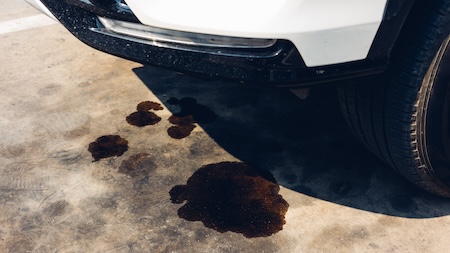
You notice a little spot under your car in the driveway. Maybe it’s just a few drops. Maybe you spray it away with the garden hose and forget about it. No big deal, right?

Wrong.

A small oil leak might not seem urgent today, but ignoring it could lead to serious (and expensive) engine damage down the road.

We’ve seen it happen more times than we can count. That tiny drip you’re tempted to ignore? It could be a sign that something’s wrong inside your engine. And the longer you wait, the worse (and costlier) it becomes.

Oil leak repair is crucial in times like this. Watch for these signs to prevent it from turning into a major issue.

What Causes an Oil Leak?

Wouldn’t it be easy if oil leaks were caused by one simple thing? Unfortunately, that’s not the case. Motor oil keeps your engine lubricated, cool, and running efficiently. But over time, seals, gaskets, and components wear out. And that’s when leaks can begin.

Why Ignoring a Small Oil Leak Can Lead to Big Repairs

The most common causes of oil leaks we see in our shop include:

  • Worn or cracked valve cover gaskets
  • Damaged oil pan gaskets
  • Loose or damaged oil drain plugs
  • Old or improperly installed oil filters
  • Worn-out seals (like camshaft or crankshaft seals)
  • Aging engine gaskets due to high mileage
  • Overfilled oil during DIY maintenance
  • Improper oil change or use of the wrong oil type

Even extreme Denver weather can play a role. Freezing temps can shrink seals, and summer heat can thin oil and increase pressure inside the system.

Signs You Might Have an Oil Leak

Sometimes the signs are obvious. Other times, they’re subtle.

If you notice any of the following, it’s time to schedule an oil leak repair check:

  • Spots or puddles under your car: Usually dark brown or black, oil can drip near the front or center of the vehicle.
  • Burning oil smell: If leaking oil hits hot engine parts, it may give off a smoky or burnt smell.
  • Blue smoke from the exhaust: This could mean oil is leaking into the combustion chamber.
  • Low oil levels: If you’re topping off more often than usual, there’s a good chance oil is leaking out.
  • Overheating engine: Without proper lubrication, friction and heat build up fast.
  • Check engine light or oil pressure light: Both can be triggered by low oil levels or pressure drops.

If any of these sound familiar, it’s best to stop in for a quick inspection. We can often pinpoint the issue with a visual check and a pressure test.

Why Small Leaks Turn Into Big Problems

You already know this, but we’ll say it again: your car depends on oil.

And while it might seem like a few drops here and there aren’t a big deal, those drops add up. And they point to a bigger issue inside your engine.

Delay an oil repair, and you could end up with a host of problems:

1. Engine Wear and Tear

Oil cushions the moving parts of your engine. Without enough of it, friction increases, and so does wear. That can lead to piston, bearing, or crankshaft damage.

2. Overheating

Without oil to reduce heat, engine components can warp, seize, or break. Overheating can also cause the head gasket to fail, another expensive fix.

3. Oil Starvation

If oil leaks go unchecked, you risk running the engine with dangerously low oil. This can result in total engine failure, easily running you thousands to repair.

4. Environmental Damage

Leaking oil doesn’t just hurt your car; it can also harm the environment. Oil runoff from driveways or roads can end up in local waterways and soil.

5. Failed Emissions Test

In Colorado, vehicles must pass regular emissions checks. An oil leak can cause you to fail, especially if it’s triggering warning lights or increasing emissions.

Why Denver Drivers Should Be Especially Cautious

Colorado drivers face some unique challenges that can accelerate wear and tear:

  • Altitude changes: Elevation puts more strain on your engine and seals.
  • Seasonal extremes: Cold winters and hot summers expand and contract gaskets.
  • Stop-and-go driving in Denver traffic: Increases engine temperature and pressure.
  • Mountain driving: Longer climbs and descents mean your engine works harder.

All of these factors increase your need for vigilant oil maintenance and timely repairs. What looks like a small leak today could fail under pressure in the mountains tomorrow.

How We Diagnose and Repair Oil Leaks

Our certified technicians follow a step-by-step process to identify the leak source and recommend the right fix.

Here’s what to expect:

  • Visual inspection: We’ll look for oil residue near gaskets, seals, and under the engine.
  • Pressure testing: To see if a seal is failing under load.
  • Repair recommendation: From replacing a gasket or oil pan to tightening a filter, we’ll explain your options clearly and give you a fair quote.

We’ll also top off your oil and clean the area to prevent buildup.

Can You Fix It Yourself?

If you’re mechanically inclined, replacing an oil filter or drain plug might be doable at home. But most leaks, especially those from engine seals or gaskets, require professional tools and experience.

Some components, like valve covers or oil pans, require removing engine parts to access. If not done properly, DIY fixes can make leaks worse or cause new ones.

How to Prevent Oil Leaks

While some leaks are unavoidable over time, you can reduce your risk by:

  • Getting regular oil changes with the correct oil type and amount.
  • Inspecting under your car every few weeks for spots or residue.
  • Using high-quality oil and filters, especially in extreme weather.
  • Following your maintenance schedule, especially for high-mileage vehicles.
  • Checking oil levels regularly, especially before road trips or mountain driving.

When in Doubt, Don’t Wait

Here’s the deal: you don’t need to panic, but you shouldn’t wait either.

The sooner we find and fix that oil leak, the less damage it can cause. Many oil leaks are minor when caught early, and the repair can be done the same day.

Letting it go for months? That could mean engine damage, expensive repairs, and time without your car.

We’re a locally owned, family-run auto shop that believes in honest work and fair pricing. We’re not here to scare you, we’re here to help you avoid bigger problems down the road.

If you’ve spotted a leak, noticed a smell, or just want peace of mind before your next trip, bring your car in. We’ll take a look, talk you through what we find, and recommend the smartest repair plan.

No pressure. No upsells. Just straightforward service from a team you can trust.

Filed Under: Car Maintenance Tagged With: Oil Change Denver, Oil Leak Repair

Top Benefits of Getting Regular Oil Changes in Denver

August 3, 2025 by Denver Express Car Care

You’ve heard it before: “Get your oil changed regularly.” Through flyers, ads, and TV commercials, the message is delivered ad nauseam. 

But let’s be honest, when life gets busy, it’s easy to put off. Maybe you’re overdue by a few hundred miles, or maybe that sticker on your windshield has completely faded. We get it.

Still, skipping oil changes is one of the fastest ways to shorten your vehicle’s life and invite expensive engine trouble down the line. And here in Denver, with our unique climate swings and mountain driving, keeping up with routine maintenance like oil changes isn’t just a good idea, it’s a must.

Here are the top benefits of getting regular oil changes in Denver and why your engine will thank you.

Keeps Your Engine Running Smoothly

Your car’s engine is made up of many fast-moving parts. Oil acts as a lubricant, keeping those parts gliding smoothly without grinding or seizing up.

Over time, engine oil breaks down, thickens, and collects dirt and debris. That old, dirty oil can’t lubricate as well, which leads to friction, overheating, and wear and tear on vital engine components.

Top Benefits of Getting Regular Oil Changes in Denver

Fresh oil = smoother performance. It gives your engine a breath of fresh air—something it needs to function at its best.

Improves Fuel Efficiency

Dirty oil creates drag inside your engine. That means your car has to work harder to go the same distance, which lowers fuel efficiency.

Getting regular oil changes helps maintain optimal engine performance, and that translates to better gas mileage. And with gas prices always fluctuating, every little bit counts.

Regular oil changes = more miles per gallon = more money in your pocket.

Extends the Life of Your Engine

An oil change might cost a few bucks, but a new engine? That’ll run you thousands.

Clean oil keeps internal engine components from wearing out prematurely. It also reduces the buildup of sludge, which can block important oil passages and destroy your engine over time.

Think of it as preventive medicine. Routine oil changes are one of the most cost-effective ways to make sure your vehicle stays on the road for years to come.

Prevents Overheating

In addition to lubricating the engine, oil helps dissipate heat. As it flows through the engine, it draws heat away from critical areas.

But once oil starts to degrade, it can’t manage temperatures effectively, especially when you’re climbing I-70 to the mountains or stuck in stop-and-go Denver traffic on a hot day.

Regular oil changes keep your engine running smoothly, no matter the conditions.

Reduces Harmful Emissions

When oil gets old and dirty, it thickens and creates sludge. That sludge can cause your car to burn oil, leading to more smoke and harmful emissions.

Clean oil means a cleaner-running engine, which is better for your car, your wallet, and our Colorado air.

If your vehicle is due for an emissions test (as required in Denver), fresh oil can help ensure you pass without any surprise delays.

Protects Your Turbocharger (If You Have One)

If you drive a newer Honda, Toyota, or Subaru model equipped with a turbocharged engine, regular oil changes are even more critical.

Turbochargers spin at incredibly high speeds—up to 200,000 RPM. That’s not a typo. These systems rely on a steady flow of clean oil to avoid heat damage and friction.

Miss an oil change, and that turbo can suffer premature wear or even fail completely. That’s not a cheap fix.

Catches Bigger Problems Early

During an oil change, experienced technicians don’t just swap out the oil and call it good. They also check for signs of leaks, fluid levels, belt wear, and other potential issues.

It’s a chance to catch developing problems early, before they leave you stranded on the side of I-25 with steam pouring out from under the hood.

Why It Matters Even More in Denver

Living in the Mile High City comes with some added pressure on you and your car. Denver drivers deal with:

  • Higher elevations, which mean thinner air and harder-working engines
  • Temperature swings, from freezing mornings to blazing afternoons
  • Mountain driving, which puts strain on engines, brakes, and cooling systems
  • Stop-and-go urban traffic, which shortens the useful life of engine oil
  • Road treatments in winter, which increase engine and undercarriage corrosion

In short: Denver is rough on cars.

That’s why skipping oil changes here is riskier than in more moderate climates. If you want your car to thrive in Colorado, oil maintenance is non-negotiable.

How Often Should You Change Your Oil?

The old rule of thumb was every 3,000 miles, but that’s no longer true for all vehicles.

Modern synthetic oils and engines can often go 5,000 to 7,500 miles, sometimes more, depending on the make, model, and driving conditions.

Still, Denver’s environment can shorten oil life. If you regularly:

  • Drive in stop-and-go traffic
  • Take short trips
  • Tow or haul gear
  • Climb mountain roads
  • Face cold starts in winter

…then it’s smart to stick to the lower end of that range.

Not sure? Just ask. We’ll check your vehicle manufacturer’s guidelines and help you set a personalized maintenance schedule.

Why Choose a Family-Owned Shop for Your Oil Change?

We’re the first to tell you that we’re not a national chain. We’re a trusted, family-owned shop serving the Denver community for years. That means:

  • No upsells
  • No gimmicks
  • No rush jobs

Just honest oil changes, clear communication, and a friendly face you’ll recognize each time you come in.

We’ll help you understand exactly what your car needs—and what it doesn’t. And if you’re ever unsure about a dashboard light, strange sound, or weird smell, we’re just a phone call away.

Ready for Your Next Oil Change?

If it’s been a while since your last service, don’t wait. Regular oil changes are quick, affordable, and one of the best ways to protect your investment.

Take care of your car, and it’ll take care of you. Schedule your next oil change today. We’ll get you in, out, and back on the road with confidence.

Filed Under: Oil Change Tagged With: Regular Oil Changes in Denver

Should You Worry About That Dashboard Warning Light?

July 28, 2025 by Denver Express Car Care

Today’s vehicles are almost more technical than mechanical these days. Slide in behind the wheel, and it feels like you’re ready to login to your computer. Check the control panel there. Tap a few buttons here. And away you go. 

Of course, not everything always goes to plan. 

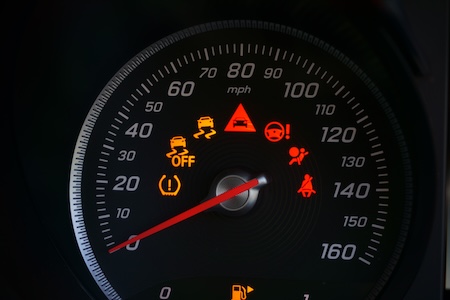
You’re driving through downtown Denver, jamming to your favorite playlist, when suddenly—ding. A little icon lights up on your dashboard. Maybe it’s red. Maybe it’s yellow. Maybe it looks like a tiny engine or a horseshoe with an exclamation point.

Whatever it is, it’s glowing. And you’ve got questions.

  • Do I need to pull over right now?
  • Can I wait until the weekend?
  • What does that even mean?

If you’ve ever felt that sinking feeling when a dashboard warning light flicks on, you’re not alone. These little lights are your car’s way of getting your attention. And yes, some of them deserve immediate action.

Let’s break down what you need to know about dashboard warning lights: what they mean, which ones require urgent care, and how to avoid bigger problems down the road.

Should You Worry About That Dashboard Warning Light?

The Purpose of Dashboard Warning Lights

Modern cars are smarter than ever. Built-in computer systems continuously monitor your vehicle’s health, from engine performance to tire pressure, fluid levels, and even emissions systems. When something falls outside of normal operating range, your car alerts you.

That’s where the dashboard warning lights come in.

This is your car’s early warning system. When you respond quickly, you often prevent more serious (and expensive) issues from developing.

Color Matters: Red vs Yellow vs Green

Here’s your first rule of thumb: pay attention to the color.

Red lights = Immediate attention needed. Think: overheating, brake failure, or low oil pressure. These aren’t suggestions, they’re urgent.

Yellow/orange lights = Caution. Something needs attention soon, but you usually have some wiggle room. Common examples include the check engine light or tire pressure warning.

Green/blue lights = Informational. These typically let you know a system is active, like high beams or cruise control. Nothing to worry about here.

Common Dashboard Warning Lights—and What They Mean

Just learning the color codes can help put your mind at ease. Of course, as they move from yellow or orange to red, that’s when you should start to take action. Let’s look at some of the most common warning lights you might see in your car and what to do when they pop up.

Check Engine Light (CEL)

Probably the most misunderstood—and most ignored—light out there.

  • What it means: This light can indicate anything from a loose gas cap to a serious engine problem. It’s tied to your emissions and powertrain systems.
  • What to do: If it’s solid, schedule a diagnostic soon. If it’s blinking, that’s serious. Stop driving and call a mechanic. In either case, don’t ignore it. A “harmless” CEL today could lead to engine damage tomorrow.

Oil Pressure Warning

Usually looks like a dripping oil can.

  • What it means: Your engine isn’t getting enough oil, which could lead to overheating and major damage.
  • What to do: Pull over and shut off your engine immediately. Check your oil level (if you know how), and have the car towed if necessary. Driving without oil pressure is a fast track to a ruined engine.

Battery Alert

A red battery icon signals electrical trouble.

  • What it means: There’s a problem with your charging system. Your battery isn’t recharging properly while the engine runs.
  • What to do: You might still have a few miles before your car dies, but don’t push it. Get to a shop. The issue could be a failing alternator or corroded terminals.

Brake System Warning

A red exclamation mark in a circle, or just the word “BRAKE.”

  • What it means: Your brake system could be compromised. It might be low brake fluid or a malfunction in the hydraulic system.
  • What to do: Stop driving and check if your parking brake is on. If it’s not, call for help. Your brakes may not be safe.

Tire Pressure Monitoring System (TPMS)

Looks like a horseshoe with an exclamation point.

  • What it means: One or more of your tires is underinflated.
  • What to do: Check all four tires with a pressure gauge and inflate to manufacturer’s recommendations. Denver’s wild temperature swings often trigger this one. Don’t ignore it. Driving on low tires reduces fuel economy and increases blowout risk.

Temperature Warning Light

Looks like a thermometer floating in liquid.

  • What it means: Your engine is overheating.
  • What to do: Pull over immediately. Driving a hot engine can cause massive damage. Let the engine cool before opening the hood. Call your shop if you’re not sure what to check.

Why Denver Drivers Need to Pay Attention

Living in Colorado means your car endures:

  • High altitudes (which stress your cooling system and fuel mixture)
  • Freezing winters and blazing summer days
  • Steep mountain drives that test your brakes, engine, and transmission
  • Road treatments like magnesium chloride that corrode electrical and braking systems

That dashboard warning light isn’t just annoying. It’s your car trying to survive Denver. And when you ignore it, you risk being stranded.

“But the Light Went Away…”

Yes, sometimes dashboard lights turn off by themselves. That doesn’t mean the issue resolved itself. Many systems will turn off a light if the condition stabilizes. But the trouble code is still stored in the computer.

Bring it in anyway. A quick diagnostic check can reveal if something is brewing behind the scenes.

What To Do When a Warning Light Appears

Stay calm. Not all lights mean you need to pull over.

Check your owner’s manual. It’ll give you a guide to what each symbol means for your car model.

Assess the situation. Is the car behaving normally? Are there smells, smoke, or strange sounds?

Call your mechanic. A reputable auto shop (like ours!) can walk you through your next steps, even if that means telling you it’s safe to finish your commute first.

Regular Maintenance = Fewer Dashboard Surprises

The best way to avoid mystery lights on your dashboard? Preventative maintenance.

  • Oil changes
  • Brake inspections
  • Fluid flushes
  • Battery testing
  • Diagnostic scans
  • Tire rotations and alignments

These small investments help us catch problems before they trigger that dreaded glow.

We’ve Got You Covered

We know dashboard warning lights can be stressful. But they don’t have to be scary. We’ll help you decode the issue, explain what’s going on in plain language, and get you back on the road, without pushing repairs you don’t need.

We’re family-owned and local. That means you’ll always get honest advice, fair prices, and the kind of service that keeps Denver drivers coming back.

Got a warning light glowing? Let us take a look. Catching a small problem early could save you big on repairs and on peace of mind.

Filed Under: Car Maintenance Tagged With: Dashboard Warning Light Denver

The Real Cost of Ignoring That Strange Noise in Your Car

July 24, 2025 by Denver Express Car Care

AAA recently came out with a startling statistic. The average car owner will spend about $1,452 in car repairs every 15,000 miles driven. The problem is, one in three American drivers would be unable to pay for those repairs without going into debt. 

And let’s face it, if you drive, you’re going to have repairs. We’ve all been there.

You’re driving through Denver traffic when you hear it—that strange noise. A rattle. A squeak. A grinding sound that wasn’t there yesterday.

What you do next is important.

Many drivers turn up the radio.

Out of sight, out of mind, right? Unfortunately, ignoring those strange car noises is one of the fastest ways to turn a minor issue into a major (and expensive) repair. And here in Colorado, where our weather and road conditions are extra tough on vehicles, every little sound deserves your attention.

And we hear it all—literally. We know that behind almost every squeak, rattle, or hum is a mechanical problem waiting to get worse. Here’s why you shouldn’t ignore those strange noises, and what they could really be telling you.

Why Strange Noises Matter

Your car is designed to operate smoothly and quietly. When something starts to sound off, it’s your vehicle’s way of saying: “Hey, something’s wrong.”

Ignoring the sound won’t make it go away. But catching it early? That might save you hundreds—if not thousands—of dollars in repairs.

It also keeps you safer. Strange noises often signal worn-out components that can fail at the worst possible time, like when you’re merging on I-25 or heading up to the mountains. Nothing could be worse, right?

Common Car Noises You Shouldn’t Ignore

Let’s talk about the most common strange noises we hear from customers when they talk about their cars. And what they might mean.

Squealing When You Brake

You can’t ignore this one. Everyone around you will hear it too. If your brakes squeal or screech, especially when slowing down, that’s a sign something is wrong. That sound is often a built-in wear indicator letting you know your brake pads are running low.

The Real Cost of Ignoring That Strange Noise in Your Car

Ignore it and you risk:

  • Damaging rotors
  • Increased stopping distance
  • Total brake failure

Brake repairs are one of the most common jobs we do in Denver. Catching it early means replacing just the pads, not the pads and the rotors.

Grinding While Driving

A grinding noise when you’re on the move could mean several things. It might be a failing wheel bearing, a worn-out CV joint, or even metal-on-metal contact in your brakes.

Ignore it and you risk:

  • Wheel lock-up
  • Tire wear
  • Unsafe handling

This one isn’t just about comfort, it’s a safety issue. Don’t wait.

Knocking From the Engine

If you hear a consistent knocking or tapping from under the hood, especially when accelerating, you might have an engine issue like poor combustion, low oil, or a worn valve.

Ignore it and you risk:

  • Permanent engine damage
  • Complete engine failure
  • A repair bill in the thousands

If your engine starts knocking, stop by right away. Waiting is never worth the risk.

Whining or Humming That Gets Louder With Speed

This sound often comes from the tires, wheel bearings, or transmission. It could also mean your differential fluid is low or contaminated.

Ignore it and you risk:

  • Transmission trouble
  • Uneven tire wear
  • Long-term drivetrain damage

We always recommend bringing your vehicle in if the pitch changes with speed. It’s a classic sign of a mechanical issue.

Hissing From Under the Hood

Hear a hissing or sizzling noise after you shut off the engine? That could be a coolant or oil leak hitting a hot surface. It might also be a vacuum line leak.

Ignore it and you risk:

  • Overheating
  • Fluid loss
  • Fire risk (yes, really)

Coolant and vacuum leaks are common during Denver’s seasonal changes. Let us check it out before it turns serious.

Clunking When Turning or Driving Over Bumps

Clunking usually means something’s loose or broken in your suspension, like sway bar links, struts, or control arms.

Ignore it and you risk:

  • Poor steering control
  • Tire damage
  • Dangerous handling

Denver’s potholes are notorious for throwing suspension systems out of alignment. Don’t let a small issue compromise your control.

Why People Ignore Noises (and Why You Shouldn’t)

We get it. Life is busy. Money is tight. And sometimes you just hope that little noise will go away on its own.

But here’s the truth: cars don’t heal themselves. That weird sound might not seem urgent today, but the longer you wait, the more damage it can do. What could’ve been a $100 repair might turn into $1,000 if you delay. Or more. 

Plus, breakdowns never happen at a “convenient” time. They happen when you’re late for work. Or stuck on I-70 heading to the mountains. Or trying to beat the snowstorm home.

Maybe you’ve been there. It’s never fun. 

What You Can Do Right Now

If you’ve been ignoring a sound in your car, don’t panic. You’re not alone. You still have time to fix it before it becomes a major issue.

Here’s what we recommend:

1. Pay Attention to the Pattern

  • When do you hear the sound?
  • Is it during acceleration, braking, or turning?
  • Is it constant or intermittent?

2. Write Down What You Hear

Use descriptive words—squeal, knock, whine, click, hiss, clunk. The more detail you give us, the easier it is to diagnose.

3. Bring It In Sooner Rather Than Later

We offer quick diagnostics for exactly this reason. Most noise-related problems can be found fast with a test drive or inspection.

Why Denver Drivers Need to Be Extra Vigilant

Colorado’s roads aren’t easy on cars. We’ve got:

  • Altitude changes
  • Extreme heat and cold
  • Road salt and magnesium chloride in winter
  • Gravel, potholes, and bumpy streets
  • Stop-and-go urban traffic

All of these conditions put more strain on your vehicle. Which means when you hear something strange, it’s often a sign of wear from our environment, and it needs attention.

Don’t Let a Small Noise Become a Big Problem

As a long-time auto shop here in Denver, we’ve heard it all. We know how to pinpoint what that strange noise means, fix the issue quickly, and help you avoid expensive repairs down the road.

We’re a family-owned, local auto shop—not a big chain. That means you’ll see the same trusted faces each time, and we’ll treat your car like it’s our own. No upsells. No guesswork. Just honest diagnostics and straightforward repairs.

Whether it’s a knock, squeal, clunk, or rattle, if your car is trying to tell you something, let us help you listen.

That strange sound might seem harmless now. But if it turns into a breakdown or major repair, you’ll wish you took care of it sooner.

If you’ve noticed something off—or you’re just ready for peace of mind—schedule a visit today. We’ll take a listen, do a full inspection, and get you back on the road before that little noise turns into a big deal.

Filed Under: Car Maintenance Tagged With: Strange Noise In Car

Why Our Customers Trust a Small Auto Shop Over National Chains

July 14, 2025 by Denver Express Car Care

You love your car. It is a trusted friend, never letting you down. Until …

It makes a noise. Takes a moment to start. Or … that smell. What is it? 

Or maybe it’s just a routine oil change. You want to keep your trusted friend in good working order for years. So you start to look around. 

You’ve got options. Dozens of them. Big-name shops with giant parking lots. National franchises with polished waiting rooms and rotating coupons. Maybe even a quick-lube place tucked behind your favorite store. 

But if you ask the people who’ve lived in Denver for a while, they’ll tell you something different: 

There’s nothing like having a small, local auto shop you trust. 

We’ve been helping families keep their cars running smoothly for years. And we’re proud to be the kind of place people come back to. Not just because we fix cars, but because we build relationships. 

That’s what really matters. And why more drivers are choosing a family-owned auto shop over a national chain. 

You’re Not a Number Here

At a big-name shop, your visit might feel transactional. You check in, sit in a waiting room, and maybe get a few upsell suggestions before heading out the door. It’s efficient, yes—but also a little cold.

Why Our Customers Trust a Small Auto Shop Over National Chains

At a local shop like ours, it’s different.

  • We know your name.
  • We remember the car you brought in last time.
  • We ask how your daughter’s doing in college.
  • We care that your vehicle is safe. Not just that the job is done.

Our customers aren’t just tickets in a queue. They’re neighbors. Friends. People we look forward to seeing.

Consistent Service from Familiar Faces

One of the most frustrating things about national chains is never knowing who you’ll talk to. Maybe you’ve experienced this.

You go in for service. Build a little trust with the technician. And next time? They’re gone. You’re starting over with someone new.

That doesn’t happen here.

Our team is small, tight-knit, and stable. It’s family here. Many of our technicians and front desk staff have been with us for years. And that means you get the same people every time. You don’t have to re-explain the issue. You don’t have to wonder whether they’re cutting corners.

We’ve built this business on trust, and that kind of trust only grows when you’re working with the same people year after year. Family. 

No Corporate Quotas—Just Honest Repairs

Here’s something most drivers don’t know: National chain shops often set quotas.

Their employees might be pressured to hit monthly targets for oil changes, upsells, or even replacement parts. That’s how they hit their bottom line.

But that doesn’t always align with what’s best for you.

We don’t work that way. We’re not interested in selling you services you don’t need. We’re here to keep your car safe and your budget in check.

When we make a recommendation, it’s because:

  • It’s time to replace a part before it fails.
  • Your safety could be at risk.
  • You asked us to check something, and we found the issue.

No unnecessary upsells. No scare tactics. Just straight talk and trustworthy service.

We Understand Denver Driving—Because We Live It Too

You know what it’s like to drive in Denver. One day it’s 75 and sunny, the next it’s a snowstorm. You deal with stop-and-go city traffic one minute, then head to the mountains for a weekend hike.

That kind of driving is tough on vehicles. And it takes a local team to really understand how to help your car adapt.

We know:

  • How altitude affects engine performance.
  • How temperature swings mess with tire pressure.
  • How road salt, potholes, and mountain driving strain your suspension and brakes.

You won’t have to explain what it’s like to drive here. We’re already tuned in. We’re driving the same roads you are.

Fast Turnaround and Flexible Scheduling

One of the biggest perks our customers mention? We’re just easier to work with.

When you call, you’re not stuck in a call center queue. You talk to a real person. When you drop by, we do our best to work you in. And when you need your car back fast, we hustle. Because we know how much you rely on it.

We also:

  • Communicate clearly
  • Provide updates by text or phone—your choice
  • Help prioritize urgent repairs over what can wait
  • Give you honest timelines

That’s one of the biggest differences between a small shop and a national chain. We value your time just as much as we value the work.

Supporting Local Business Feels Good (Because It Is)

When you bring your vehicle to a local shop, your money stays right here in the community. You’re not padding a corporate executive’s bonus or funneling cash into a shareholder meeting across the country.

You’re helping:

  • Our team put food on the table
  • Our kids join local sports teams
  • Our shop stays open to serve even more Denver drivers

And you get something in return: real accountability. When we do a great job, we hear about it. And if something ever goes wrong, we’re right here to make it right.

We Care About Long-Term Relationships

Our goal isn’t just to fix your car today. It’s to earn your trust for the long haul.

That’s why we’ll:

  • Give you tips to extend the life of your brakes or tires
  • Help you plan out maintenance to avoid surprise repairs
  • Answer your questions—even if it’s something small
  • Remember the last time we saw you and what we worked on

We’re not just your mechanic. We’re part of your car’s story. And that means something to us.

Big Chains Have Their Place, But They Don’t Know You Like We Do

We’re not here to bash national chains. They serve a purpose. But they can’t offer the same level of personal connection, flexibility, and care you’ll find at a trusted local shop.

So the next time your car starts acting up—or it’s just time for an oil change—consider going small.

Small is powerful. Small is attentive. Small is reliable.

And small is exactly what makes us stand out.

Drop by or schedule your next appointment today. We’ll treat you like family, fix what needs fixing, and help you drive confidently every mile of the way.

Because when it comes to trust, small shops do it best.

Filed Under: Car Maintenance Tagged With: Family-Owned Auto Shop Denver, Local Mechanic Denver

Denver’s Altitude and Your Vehicle: What You Need to Know

July 10, 2025 by Denver Express Car Care

Living in our Mile High City changes things. It affects the weather. It impacts your health. It changes how your vehicle performs. 

Maybe you’ve noticed your vehicle doesn’t accelerate quite as quickly as it does when you road trip to a lower altitude. Or maybe you’ve moved here recently and can’t figure out why your car’s running a little off. It’s not your imagination. Denver’s altitude affects your vehicle. 

We’ve seen it firsthand and know high elevation impacts engines, brakes, tires, and more. If you understand this a little better, that’s the first step toward keeping your car running strong. 

The Mile High Effect: Why Altitude Matters

Denver sits at approximately 5,280 feet above sea level. That’s how Mile High got its nickname. And at this elevation, the air is thinner. Less oxygen. Less air pressure.

That matters for your car because it relies on oxygen for combustion. Whether you drive a gas-powered engine or a hybrid, the internal combustion engine mixes fuel and air (oxygen) to create the power that moves your car.

Denver’s Altitude and Your Vehicle: What You Need to Know

Less oxygen = less power.

But that’s not all. Altitude can also affect cooling systems, braking efficiency, tire pressure, and even fuel economy. Here’s how it all adds up.

Reduced Engine Power

This is the one drivers notice first. You hit the gas, and your car just doesn’t respond the same way.

That’s because at higher elevations, your engine takes in less oxygen. Most modern cars adjust fuel-air ratios automatically. But even so, you’ll still lose about 3-4 percent of power for every 1,000 feet above sea level.

Do the math, and that’s 15-20 percent less power in Denver compared to sea level.

Of course, there are things you can do.

  • Keep your air filter clean. Dirty filters make the oxygen problem worse.
  • Use high-octane fuel only if your vehicle requires it. Higher altitudes reduce the chance of engine knock, so many manufacturers recommend lower-octane fuel here.
  • Consider a performance tune. Some vehicles benefit from altitude-specific tuning to optimize performance.
  • Keep your engine well-maintained. Spark plugs, injectors, and sensors need to work in harmony to handle elevation challenges.

Cooling System Strain

Engines run hotter at higher altitudes. Why? Because thinner air doesn’t absorb and dissipate heat as effectively. Combine that with Denver’s hot summer days and steep mountain grades, and it’s no wonder we see more overheating issues here.

The good news is a little attention goes a long way. 

  • Check your coolant levels regularly. Top off with the correct mix of antifreeze and water.
  • Inspect hoses and the radiator for leaks or cracks.
  • Flush your coolant system as recommended. Old or contaminated coolant doesn’t protect like it should.
  • Watch for warning signs. Rising temperature gauges, steam from the hood, or a sweet smell can all indicate a problem.

Brake Performance in the Mountains

Head west on I-70 and you’ll find yourself traveling on 6-7 percent grades. That’s a serious challenge for your brake system, especially if you’re not used to mountain driving.

Using your brakes constantly on long descents leads to brake fade, where the pads and rotors overheat and lose effectiveness.

If you travel regularly up and down the hills, there are things you can do.

  • Downshift on long descents. Use engine braking to reduce wear.
  • Get your brakes inspected regularly. Especially before and after mountain driving.
  • Watch for soft pedals, squeaking, or grinding.
  • Flush brake fluid every 2 years. It’s hygroscopic, meaning it absorbs water, which can lower braking efficiency when heated.

Tire Pressure Fluctuations

Tire pressure changes with altitude. As you climb in elevation, the air inside your tires expands. That’s why drivers traveling from lower altitudes often arrive in Denver with overinflated tires.

On the flip side, Denver’s wide temperature swings can also cause tire pressure to drop suddenly, especially in the fall and spring.

Awareness is key here. 

  • Check your tire pressure monthly. Use a reliable tire gauge and set to your vehicle manufacturer’s recommended PSI (not the number on the tire sidewall).
  • Adjust pressure after road trips or elevation changes.
  • Look for uneven wear. Over- or under-inflation can wear tires out prematurely.
  • Rotate your tires every 5,000 to 6,000 miles. That’s the best way to maximize tread life.

Fuel Economy Adjustments

Yep, even your gas mileage takes a hit here. Since your engine doesn’t get as much oxygen, it doesn’t burn fuel as efficiently. Add in stop-and-go traffic, lots of uphill driving, and extreme temperatures, and you might notice you’re filling up more often.

Luckily, you can adjust your driving habits to maximize what’s possible. 

  • Keep your tires inflated and aligned.
  • Use cruise control on the highway to reduce throttle changes.
  • Limit idling and jackrabbit starts.
  • Stick to your maintenance schedule. Clean filters and regular oil changes can make a noticeable difference.
  • Consider fuel system cleaning. Especially if you drive short trips that don’t allow the engine to reach full operating temperature.

Battery Life and Electrical Systems

Believe it or not, high altitude and cold weather can be hard on your battery too. In winter, your battery needs to work harder to start the car. In summer, heat speeds up chemical breakdown inside the battery.

Add in the fact that modern vehicles depend on electronic systems for everything, and suddenly your battery is doing more than ever.

Don’t wait for your battery to cause problems. A little action can ensure you’re never caught off guard. 

  • Have your battery tested before winter. We can check voltage and load capacity.
  • Look for corrosion on terminals. Clean them regularly.
  • Replace the battery every 3 to 5 years. Don’t wait for a cold morning surprise.
  • Unplug chargers or electronics when not in use. It helps avoid unnecessary drain.

Want Your Vehicle to Thrive at Altitude?

You don’t need to be a mechanic to keep your car healthy in Denver. You just need a trusted team that understands how local conditions affect your car.

We’re proud to be a family-owned, local shop that truly gets what it means to drive here. Whether you’re a longtime local or just moved from sea level, we’ll help you keep your vehicle performing like a champ at elevation.

We offer:

  • Honest diagnostics
  • Friendly, certified technicians
  • Fast, affordable service
  • And yes, we know Denver driving inside and out

Stop by or schedule your appointment today. Let’s make sure your car is mile-high ready, for every season, every road, every trip.

Because at this altitude, peace of mind should come standard.

Filed Under: Car Maintenance Tagged With: Vehicle Performance Denver

The Top 5 Reasons Cars Fail Emissions Tests in Denver

June 24, 2025 by Denver Express Car Care

Think about your last road trip around time. Maybe a day driving up the hill to a ski resort. Or pulling your boat to a reservoir for a day of water skiing. Biking more your style? There are trails all over – your car can help you get there. 

But here in Denver, protecting that air means following local emissions regulations. And if your car’s due for its emissions test, you might be wondering: What could go wrong?

Your car’s passed before. What if it doesn’t? 

Whether you’re preparing for your first emissions inspection or trying to figure out why your car didn’t pass, it helps to know the most common reasons for failure.

We see it all the time in our shop, and trust us—most of the time, it’s fixable. Let’s walk through the top five reasons cars fail emissions tests in Denver (and how to keep your car on the right side of the law—and the environment).

Check Engine Light Is On

This one’s a no-brainer. If your check engine light is glowing, your car is going to fail the test. No exceptions.

Why? Because a lit check engine light usually means your car’s onboard diagnostic system (OBD-II) has detected an issue—often related to emissions. That light might signal a misfire, faulty oxygen sensor, loose gas cap, or something more serious.

The Top 5 Reasons Cars Fail Emissions Tests in Denver

Luckily, there are many things you can do:

  • Don’t ignore it. Even if your car seems to run fine, the issue could be affecting your emissions output.
  • Use a diagnostic scanner to pull the trouble code, or swing by our shop, and we’ll check it for you.
  • Fix the underlying issue. Simply clearing the code without fixing the problem won’t help. Your car will fail again.

If your light is off but was recently reset, your vehicle’s onboard monitors may still be in “not ready” mode, which can also result in a failed test.

Faulty or Worn-Out Oxygen Sensors

Your car’s oxygen sensors (O2 sensors) are critical to maintaining proper air-fuel ratios in your engine. When they start to fail, your car burns fuel less efficiently—leading to higher emissions and a failed test.

In Denver’s emissions tests, these sensors are one of the most commonly flagged components. How do you tell if your oxygen sensor might be the issue?

  • Decreased fuel economy
  • Rough idling or engine hesitation
  • Check engine light triggered with O2-related codes

To avoid this, replace worn-out sensors around the 60,000 to 100,000-mile mark. Don’t wait until your fuel efficiency drops—preventative replacement is often cheaper than post-failure repair.

If you’re not sure whether your sensors are in good shape, we can run a quick diagnostic to check their function before you head to your emissions test.

Evaporative Emissions Control System (EVAP) Leaks

Your EVAP system captures fuel vapors from your gas tank and keeps them from escaping into the atmosphere. If there’s a leak or malfunction—such as a cracked hose, damaged charcoal canister, or even just a loose gas cap—it can cause your vehicle to fail. Common causes of EVAP failures include:

  • A loose or missing gas cap (yes, really!)
  • Cracked vacuum hoses
  • Faulty purge or vent valves

To fix these, check your gas cap. Make sure it’s tightened until it clicks—and that the seal isn’t cracked or worn. Have the EVAP system smoke-tested for leaks. And replace any faulty components.

A damaged EVAP system can cause increased hydrocarbon emissions—something Denver inspectors are on the lookout for. Catching this early can prevent a headache later.

Bad Catalytic Converter

Your catalytic converter is at the center of your car’s emission system. It turns harmful pollutants like carbon monoxide and nitrogen oxides into less harmful gases before they exit your exhaust pipe. If it fails, your emissions skyrocket—and you’ll almost certainly flunk the test. You’ll know your catalytic converter might be failing if you experience:

  • Sluggish engine performance
  • Rotten egg smell from the exhaust
  • Loud rattling sound underneath your car
  • A failed emissions test with high NOx, CO, or HC readings

If the converter is clogged or damaged, it usually needs to be replaced. Keep up with routine maintenance like oil changes and spark plug replacements—bad combustion can shorten the lifespan of your catalytic converter.

In Denver, catalytic converter failure is one of the top reasons for test failure—especially on older vehicles. Maintenance is the key to staying ahead of potential failures. 

Dirty or Worn-Out Air Filter and Fuel System Issues

Sometimes, failing your emissions test comes down to something simple: your engine can’t breathe properly. A dirty air filter can mess with the air-fuel mixture, making your engine run rich (too much fuel, not enough air). That increases hydrocarbon emissions and triggers diagnostic trouble codes.

Add to that:

  • Clogged fuel injectors
  • A faulty mass airflow sensor (MAF)
  • Bad spark plugs or wires

…and your car may run poorly and emit too many pollutants to pass inspection.

Here’s what you can do:

  • Replace your air filter every 12,000 to 15,000 miles.
  • Clean or replace the MAF sensor if it’s dirty or malfunctioning.
  • Keep your fuel system clean with high-quality gasoline and regular fuel system cleanings.

Routine maintenance on these components can significantly lower your vehicle’s emissions—and help it run better in the long run.

What If Your Car Fails the Emissions Test?

Don’t panic. A failed test doesn’t mean the end of your driving privileges. In most cases, you’ll get a printout with the failure codes and a grace period to make necessary repairs and retest.

Here’s what we recommend:

  • Bring your test results to our shop—we’ll review them with you.
  • Let us perform a diagnostic inspection to confirm the issue.
  • We’ll make the necessary repairs and ensure everything’s emissions-compliant.
  • Then, we’ll let you know when your car is ready for a retest.

At Denver Express Care, we’re experts in emissions repairs and compliance. We understand how Colorado’s Air Care Colorado program works and can help you meet the requirements with as little hassle as possible.

Keeping Denver Clean—And Your Car On The Road

Denver drivers face unique challenges: altitude, changing seasons, tough terrain, and tight emissions rules. Staying compliant doesn’t just mean passing your test—it means helping keep our skies clean and our air healthy.

The good news? You don’t have to face it alone.

At Denver Express Care, we’ll help you understand why your car failed, how to fix it, and how to avoid issues in the future. Whether it’s a faulty sensor, clogged catalytic converter, or just a loose gas cap, we’ve seen it—and we know how to fix it.

If your emissions test is coming up—or if you’ve already failed—give us a call or stop by. We’ll get you back on the road quickly, affordably, and with confidence.

Because here in Denver, clean air starts with a well-running car. And we’re here to help you every step of the way.

Filed Under: Car Maintenance Tagged With: Fail Emissions Test Denver

Check These 6 Fluids Regularly to Keep Your Car Running Smoothly

June 21, 2025 by Denver Express Car Care

You know that feeling when your car is running just right?

The engine purrs, acceleration is effortless, the ride feels smooth, and there’s no warning light in sight. That kind of peace-of-mind driving doesn’t happen by accident. It’s the result of regular maintenance. And at the top of that list? Checking your car’s fluids.

Fluids are your car’s lifeblood. They cool, lubricate, protect, and power essential systems. If even one of them is low or degraded, it can throw your car’s performance off track. Or worse, lead to expensive repairs.

We see it every day at our Denver shop. A quick fluid check could’ve prevented a major issue. That’s why we’re diving into the six most important fluids to keep tabs on—and how to check them.

Engine Oil: The One Everyone Knows (And Still Sometimes Forgets)

Let’s start with the obvious one—engine oil. This is the fluid you hear about most, and for good reason. Your car’s engine oil lubricates moving parts, reduces friction, prevents overheating, and captures dirt and particles to keep things running clean.

You should be checking your oil level regularly, at least once a month, and before you head out on long trips. Look at the oil level, color, and consistency. 

Check These 6 Fluids Regularly to Keep Your Car Running Smoothly

If the oil is dark and dirty, it’s time for a change. If it’s low, top it off with the recommended grade listed in your owner’s manual. Milky oil could mean coolant is leaking into the engine (yep, that’s a red flag).

Changing your oil should be on your calendar – every 3,000 to 10,000 miles, depending on what your car’s manufacturer recommends. But we still recommend being proactive. Don’t just wait for the oil change reminder sticker. Denver’s stop-and-go traffic and elevation can put extra strain on your engine. When in doubt, check it.

Coolant: Your Engine’s Temperature Regulator

Coolant (or antifreeze) is responsible for absorbing heat from your engine and releasing it through the radiator. Without it, your engine would overheat in a hurry, especially during Colorado’s high-altitude summers.

Check your coolant level in the overflow tank, and monitor the fluid color and cleanliness. We suggest checking it every few weeks—more often in hot weather.

The fluid should be bright green, orange, or pink, depending on the type. If it’s rusty, cloudy, or low, it needs attention.

Any sign of coolant leaking under your car or a sweet smell from the engine? Get it checked right away.

Reminder: Never open the radiator cap when the engine is hot. Always check coolant levels when the car is cool.

Brake Fluid: Small Reservoir, Big Responsibility

Your brakes rely on hydraulic pressure to function. That pressure comes from—you guessed it—brake fluid. Low or dirty brake fluid can reduce your stopping power and lead to that dreaded soft or spongy brake pedal feel. Brake fluid is hygroscopic; it absorbs moisture from the air. That means it naturally degrades over time, even if you don’t drive much.

That’s why it’s important to check brake fluid level in the reservoir, and monitor the color and clarity. Checking it every few months is fine, or during every oil change.

Look for the fluid to be clear to light yellow. If it’s dark or has particles in it, it’s time for a flush. If the level is low, it might indicate a leak or worn brake pads (which draw more fluid as they wear).

Transmission Fluid: Smooth Shifting Starts Here

Your automatic transmission is one of the most complex (and expensive) systems in your car. Transmission fluid keeps it cool, lubricated, and functioning smoothly. But like any fluid, it wears out over time.

Check the transmission fluid level and condition (use the dipstick if your car has one). Check monthly if your vehicle allows. Some newer vehicles have sealed systems that require a shop check.

You should look for fluid that should be red or pink and smell slightly sweet. If it’s brown, dark, or smells burnt, it needs to be changed. Low fluid could indicate a leak, and that’s not something to ignore.

Note: Transmission fluid doesn’t need to be changed as often as engine oil, but when it does, trust us—it makes a big difference.

Power Steering Fluid: Easy Turns, No Squeaks

Ever had your steering wheel feel stiff or jerky? That could be a sign your power steering fluid is low. This fluid makes it easy to turn your wheel with minimal effort, especially important when navigating tight Denver parking lots or winding mountain roads.

You should check the power steering fluid level and appearance. Check it every month, or during regular oil changes.

Look for fluid to be reddish or amber. If it’s dark or smells burnt, it’s time for a flush. Whining noises or hard steering can be signs of low fluid or a failing pump.

Windshield Washer Fluid: Visibility Is Safety

Last but not least—washer fluid. Sure, it won’t break your car if you run out, but a clean windshield is critical to safe driving. Dust, road grime, and bug splatter can build up fast, especially in Colorado’s ever-changing weather.

You’ll want to check fluid level in the reservoir, spray nozzles, and wiper function. We suggest checking anytime you fill up with gas or before a road trip.

Keep the reservoir topped off with proper washer fluid, not just water, especially in winter. If no fluid comes out when you hit the switch, the lines could be clogged or frozen.

Bonus Tip: Know What’s Right for Your Vehicle

Always consult your owner’s manual for the correct fluid types and service intervals. Using the wrong fluid—even if it’s close—can cause more harm than good. And if you’re unsure? That’s what we’re here for.

At Denver Express Care, we’ve helped thousands of drivers get to know their cars better. And keep them running at their best. Whether you just want a quick fluid check or a full inspection before a road trip, we’re your neighborhood shop for honest, reliable service.

If any of these fluids look low, dirty, or just plain off—and you’re not sure what to do—don’t take a guess. A simple fluid issue can spiral into engine damage, brake failure, or major transmission problems if left unchecked.

We make it easy to stay on top of your car’s maintenance without breaking the bank. Just swing by, and we’ll take a look. Our certified technicians can quickly check and top off your fluids, make maintenance recommendations, and catch problems early. Before they turn into big repair bills.

Drop by Denver Express Care or schedule an appointment today. We’ll help you keep your vehicle in peak condition. Fluid by fluid, mile by mile.

Filed Under: Car Maintenance Tagged With: Car Fluid Check

How to Know If Your Vehicle Needs a Cooling System Check

June 18, 2025 by Denver Express Car Care

You hop in your car, ready for another day on the road. Maybe you’ve got errands to run, or you’re heading into the mountains for the weekend. But then, you notice your engine temperature gauge creeping a little too high. Or worse, steam billowing from under the hood.

Sound familiar?

Your car’s cooling system is one of the most vital (and often overlooked) systems under the hood. It keeps your engine at just the right temperature—not too hot, not too cold—so it can run smoothly and efficiently.

And when something goes wrong? You’ll feel it. Fast.

Let’s talk about how to know when your car’s cooling system needs a check. And why it matters.

What Does Your Car’s Cooling System Do?

What do you think of when you hear “cooling system?” You might think “air conditioner”, but it’s more than that. The cooling system’s job is simple: it keeps your engine from overheating. But to do that, it relies on a network of parts working together:

  • Coolant (Antifreeze): Circulates through the engine, absorbing heat.
  • Radiator: Transfers heat from the coolant into the air.
  • Thermostat: Regulates the flow of coolant based on engine temperature.
  • Water Pump: Keeps coolant moving through the system.
  • Cooling Fans and Hoses: Help distribute airflow and direct coolant flow.

If any part of this system fails, it puts your entire engine at risk. That’s why a cooling system check should never be skipped, especially here in Colorado, where temperature swings and elevation can add even more pressure.

How to Know If Your Vehicle Needs a Cooling System Check

Signs Your Car Might Need a Cooling System Check

Your Temperature Gauge Is Reading High

That little gauge on your dashboard isn’t just for show. It gives you real-time info on engine temperature. If the needle climbs above the halfway mark consistently, it’s time to take notice.

A gauge creeping into the red zone can indicate low coolant levels, a failing thermostat, a clogged radiator, or a bad water pump. Don’t ignore it. Overheating can cause engine warping or a blown head gasket.

You Notice Coolant Leaks

Coolant is usually bright green, orange, or pink, and it smells a bit sweet. If you see puddles under your car or around the engine bay, it could be leaking from a cracked hose, radiator, or water pump.

Leaks are one of the most common signs we see at our Denver shop. Even a small drip can lead to a big problem if the coolant level gets too low.

You Smell Something Sweet or Burnt

That sweet, syrupy smell under your hood isn’t a treat. It’s a red flag. It usually means coolant is leaking onto a hot engine part and burning off. Burnt smells can also signal overheating, especially if the coolant isn’t flowing properly through the radiator or thermostat.

Either way, a smell like this means it’s time for a check.

You Spot Steam or Smoke

If steam is coming from under the hood, pull over immediately. This is a sign your car is overheating, and your engine is at risk.

Let the car cool down completely before attempting to check anything under the hood. Then call a trusted mechanic. Driving while overheating can cause permanent damage.

Poor Heater Performance

Oddly enough, your cabin heater and cooling system are linked. If your heater starts blowing cool air in the winter, it might mean there’s not enough hot coolant flowing through the system to warm things up.

That could point to low coolant levels, a clogged heater core, or a bad thermostat.

Visible Rust or Corrosion Around the Radiator

Pop the hood and take a look. Do you see rust or crusty white or green residue around the radiator cap or hose connections? That’s often caused by old coolant, air pockets, or small leaks.

Rust and scale buildup inside the radiator can reduce cooling efficiency, leading to frequent overheating.

What Happens During a Cooling System Check?

When you bring your car in for a cooling system check, our certified technicians look at the whole picture:

  • Coolant Level & Condition: Is the fluid low, dirty, or contaminated?
  • Pressure Test: We test the system for leaks in hoses, the radiator, and the water pump.
  • Thermostat Function: We make sure the thermostat opens and closes at the right temperature.
  • Radiator Inspection: We check for clogs, corrosion, and physical damage.
  • Fan Operation: Cooling fans should engage when the engine gets hot. If they don’t, the engine can overheat quickly.
  • Water Pump Performance: We inspect for leaks and make sure it’s circulating coolant properly.

This full check gives us insight into what’s working … and what might fail down the road.

How Often Should You Have Your Cooling System Checked?

We recommend having your cooling system inspected at least once a year. You can mark it on your calendar, or schedule it before long road trips or summer travel.

Notice signs of overheating or leaking? That’s a good time to bring it in. Or schedule it every 30,000 to 50,000 miles for a full flush, depending on your vehicle’s requirements.

If you drive in extreme temperatures or use your vehicle for towing or mountain driving, it’s worth checking more often. Colorado’s elevation and weather can speed up wear on cooling system components.

Can You Do a Cooling System Check Yourself?

You can perform a quick DIY check between visits:

  • Check your coolant reservoir level (when the engine is cool)
  • Look under the car for any leaks or puddles
  • Inspect hoses for cracks, bulges, or corrosion
  • Watch your temperature gauge and listen for the cooling fan to kick on

But for a thorough inspection, especially before a road trip or if you’ve noticed performance changes, it’s best to let a professional take a look. We have pressure testing tools and diagnostic equipment to spot issues before they become big problems.

Protect Your Engine—And Your Peace of Mind

A cooling system check is simple, affordable, and saves you from massive headaches down the road. Overheating is one of the fastest ways to damage an engine. And yet it’s one of the easiest problems to prevent.

If you’ve noticed leaks, odd smells, rising temperatures, or you just want peace of mind before a summer drive, stop by our location.

We’ll check your system, top off your fluids, inspect for wear, and help you stay cool, no matter what the Colorado weather throws at you.

Schedule your cooling system check today and keep your car running at its best.

Filed Under: Car Maintenance Tagged With: Cooling System Check

How to Prevent Major Repairs with Preventative Auto Maintenance

June 14, 2025 by Denver Express Car Care

What’s your worst nightmare when it comes to road trips? Your car broken down on the highway. An expensive tow. A five-figure repair bill. And let’s face it, we’ve all heard the one about the neighbor’s vehicle going from “running fine” to “completely dead” in a matter of days.

Here’s the thing: Major car repairs rarely happen without warning. In almost every case, there were small clues—minor issues that could have been caught and corrected early through preventative auto maintenance.

And that’s the key: staying ahead of problems before they turn into expensive repairs.

Whether you’re driving across Denver on your daily commute or planning a mountain weekend getaway, preventative maintenance gives you peace of mind and protects your investment. Let’s break down what preventative auto maintenance really means, why it matters, and how to put it into practice.

What Is Preventative Auto Maintenance?

At its core, preventative maintenance is about being proactive instead of reactive. Instead of waiting for something to break, you take small steps to monitor, service, and repair your vehicle at regular intervals.

Your car is a major purchase. You want your car to last for years. Preventative maintenance helps you keep all of your significant repair costs to the lowest probability. 

Think of it like going to the doctor for an annual checkup versus waiting until you end up in the emergency room.

Preventative maintenance includes things like:

  • Regular oil and filter changes
  • Tire rotations and alignments
  • Brake inspections
  • Fluid checks and flushes
  • Belt and hose inspections
  • Battery testing
  • Scheduled tune-ups
  • Catching small leaks, cracks, or worn parts before they cause bigger issues

Done consistently, preventative maintenance can dramatically extend the life of your vehicle—and save you thousands of dollars over its lifetime.

Why Preventative Maintenance Matters

Still wondering if it’s really necessary? Here’s what you’re protecting yourself from:

How to Prevent Major Repairs with Preventative Auto Maintenance

Avoiding Expensive Repairs

Catching a $100 brake pad issue now is a lot better than paying $1,000 later for rotor and caliper replacement.

Protecting Your Warranty

Many manufacturer warranties require proof of regular maintenance. Skipping it could void your coverage.

Increasing Vehicle Longevity

Cars that are well cared for can easily surpass 150,000–200,000 miles (or more) without major repairs.

Maintaining Resale Value

Thinking of trading in your car someday? Vehicles with a full maintenance history fetch higher prices.

Ensuring Safety

Worn tires, bad brakes, or leaky hoses can put your safety—and your passengers’ safety—at risk.

A little time, a little money, and a little planning now can prevent a lot of stress later.

Common Areas Where Preventative Maintenance Pays Off

Your car is made up of thousands of parts, all working together to get you safely from Point A to Point B. Here’s where regular maintenance has the biggest impact:

Oil Changes

We know, you’ve heard this one a thousand times. But that’s because it matters! Fresh oil keeps your engine lubricated, reduces friction, and removes contaminants.

Skipping oil changes lead to sludge buildup, overheating, and eventually engine failure. An engine replacement costs thousands. An oil change? Not even close.

Tire Care

Tires are your first point of contact with the road. Regular rotations, pressure checks, and alignments ensure even wear, better fuel economy, and safer handling.

Ignoring tire care leads to bald spots, blowouts, and uneven tread wear, all of which can be dangerous and expensive to fix.

Brake System Checks

Your brake system isn’t something you want to leave to chance. Brake pads wear down gradually, and if left unchecked, they can cause rotor damage or even brake failure.

Checking and replacing pads early is far cheaper (and safer) than replacing a full brake system later.

Cooling System Maintenance

Your engine generates a lot of heat. Coolant keeps temperatures in check, but only if the system is clean and working properly.

A neglected cooling system leads to overheating, blown head gaskets, and serious engine damage. Flushing coolant and inspecting hoses and the radiator can prevent these problems.

Belts and Hoses

Timing belts, serpentine belts, radiator hoses, they all age with time and mileage. Cracks, frays, or leaks can cause sudden breakdowns.

Replacing belts and hoses before they fail saves you from being stranded (and from much more expensive repairs).

How to Build a Preventative Maintenance Plan

Okay, you’re convinced. Preventative maintenance is worth it. But how do you actually stay on top of it? Here’s a simple framework to make it easy:

Follow the Manufacturer’s Schedule

Your car’s owner manual lays out when you should service major components. Use it as a roadmap, and adjust if you drive in severe conditions (heavy traffic, extreme temperatures, towing, or mountain driving).

Create a Maintenance Calendar

Set reminders on your phone or calendar app for key maintenance intervals like oil changes, tire rotations, and inspections.

Partner with a Trusted Mechanic

Working with a reliable, honest mechanic (hint: like us!) ensures you’re not paying for unnecessary repairs, and that you’ll have another set of expert eyes watching for minor issues.

Pay Attention to Changes

If you notice unusual sounds, smells, vibrations, or dashboard lights, don’t ignore them. These are often early warning signs.

Keep Records

Hold onto receipts, invoices, and inspection reports. They help you stay organized, and boost your car’s resale value. Win/win!

Signs You’re Overdue for Maintenance

If you’ve noticed any of these, it’s time to schedule an appointment:

  • Strange engine noises
  • Vibration or pulling while driving
  • Brake squealing or grinding
  • Dashboard warning lights
  • Reduced fuel efficiency
  • Leaking fluids
  • Longer stopping distances

Small issues now almost always mean bigger, costlier issues later. Don’t wait until you’re stranded on I-25 in rush-hour traffic!

Preventative Auto Maintenance: Your Best Investment

There’s a saying we love around here: “Pay a little now or pay a lot later.”

Preventative maintenance is the single best way to protect your car, your wallet, and your peace of mind. It’s not about over-servicing your car—it’s about giving it the regular care it needs to stay reliable, efficient, and safe.

And if you’re looking for a trusted partner to help you stay on top of maintenance? You’ve found us.

Our Denver shop is built on honesty, expertise, and keeping your car running at its best for as long as possible.

Filed Under: Car Maintenance Tagged With: Auto Maintenance Denver, Preventative Car Maintenance

  • « Previous Page
  • 1
  • 2
  • 3
  • 4
  • 5
  • 6
  • …
  • 61
  • Next Page »

Express Car Care
4200 E. Evans Ave. Denver, CO (map)
Phone: (303) 691-2760
Located just southeast of the Colorado Light Rail station

Follow Us Today!

  • Facebook
  • RSS

Shop Hours

Monday: 8:00AM – 5:00PM
Tuesday: 8:00AM – 5:00PM
Wednesday: 8:00AM – 5:00PM
Thursday: 8:00AM – 5:00PM
Friday: 8:00AM – 5:00PM
Saturday: Closed – A note from the owner
Sunday: Closed

Last car oil change time  – 5:00PM

Click for the BBB Business Review of this Auto Repair & Service in Denver CO

Recent Articles

Tire Rotation: When to Do It—and the Signs You Shouldn’t Ignore

Tire rotation is one of the simplest ways to help your tires wear evenly, last longer, and keep your vehicle handling predictably. It is easy to put off, but a consistent rotation schedule can save … [Read More...]

  • Which Oil Is Right for Your Car?
  • Stop Burning Money at the Pump
  • Differential Service: Why It’s Crucial for Your Car’s Longevity and Performance
  • How to Catch a Transmission Problem Before It Leaves You Stranded
  • Why You Shouldn’t Wait to Address a Small Exhaust Leak

Search Our Site

Brakes Service

How to Keep Your Brakes Quiet, Responsive, and Safe

Everything You Need To Know About Replacing Your Brake Pads

How to Know If It’s Time to Replace Your Brake Rotors

Oil Change

Top Benefits of Getting Regular Oil Changes in Denver

Oil Change Specials in Denver: Save Money and Keep Your Car Running Right

Why Regular Oil Changes Are Crucial for Denver Drivers

Suspension

How to Know If Your Car Needs Suspension Repair in Denver’s Bumpy Roads

A Guide To Understanding Bushings on a Car

Tips for Preventing Wear and Tear on Your Car’s Suspension

Transmission Service

How to Catch a Transmission Problem Before It Leaves You Stranded

How Often Should You Service Your Transmission in Denver?

Transmission Trouble? Common Signs and When to Visit Our Denver Shop

Engine Service

Stop Burning Money at the Pump

Everything You Should Know About Your Vehicle’s Timing Belt

Is Your Car Hesitating During Acceleration?

Auto Tips & Tricks

How to Deal With Car Noises That Only Happen When You Turn

Top 5 Maintenance Tips for High-Mileage Vehicles

Why Tire Pressure Matters More Than You Think

"Denvers Best Auto Repair and Quick Lube" - Copyright © 2026 - 4200 E. Evans Ave. Denver, CO 303-691-2760