
Planning your first camping trip of the season? Want to make sure your pickup is in great shape before you add the camper behind?
Towing that extra weight can be a big deal, especially if you are up and down the mountain regularly. Hauling is a big deal. Even newer pickups can have trouble if your vehicle isn’t prepared for the added stress.
Whether you’ve been towing for years, or you’ve just purchased a pickup and camper and are excited about your first trip, it’s important to ensure your safety before you go.
Start with your owner’s manual
It may sound like simplistic advice, but the best place to start is with your pickup owner’s manual. The owner’s manual can tell you things about hauling that you may not know, like the maximum load limit, and any special recommendations associated with towing.
 Towing takes a new set of skills. There’s a process for hitching and unhitching a trailer, as well as know-how for how to drive in traffic with the added length and weight of your vehicle. Do you understand the process? If not, you could be putting yourself, your passengers, and everyone around you at risk.
Check your hitch
Whether your hitch is brand new, or you’ve been using it for years, this is something you don’t use on a daily basis. Are the parts still in good shape? Is the connection solid? Be sure to check all light connections, making sure they are visible when you use your controls.
Check your tires
Start with your pickup and ensure your tires have proper pressure, have ample tread, and are weighted and balanced correctly. A lot of drivers pay attention to their pickups, but forget their camper or trailers. It’s equally important to check all tires, as a blowout at any point can put you at risk.
Is your camper stored outside? If it hasn’t operated in a few months, especially sitting here in the Colorado cold, ice, and snow, dry rot and cracking is always a potential problem. Even if your tires appear to have plenty of tread, it’s still a good idea to give them a full inspection to ensure their safety and yours.
Think about potential problems
The good thing about hitting the open road and pulling a camper behind your pickup is you can go wherever the road takes you. The problem arises when you’re in the middle of nowhere and are stuck because you didn’t think ahead.
Do you have a spare tire just in case something happens to one of them? Consider your truck and your camper when you pack spares. Do you have the proper tools – a missing lug wrench could leave you walking for miles. While your extra planning might not be necessary, you’ll be thankful you spent the extra time if you need anything from your aid kit while out on the road.
Always get a maintenance check first
Towing puts added stress on a vehicle. Instead of hoping your pickup will do okay throughout the trip, bring it in for a thorough inspection to ensure your safety while you’re gone. Inspections should include an oil change, ensuring the brake pads have plenty of life remaining, and that all fluids are properly filled and operational. If there are any potential problems, one of our mechanics will bring it to your attention, giving you a chance to fix it before you hit the road.
Ensure hitch is properly supported
According to the National Highway Traffic Safety Administration, nearly 50,000 accidents occur each year because of problems with the hitch.
Some of the most common problems with hitches include:
Using the correct hitch – not only should you use the correct type of hitch for your pickup and camper, but you should also make sure that it works for your vehicles. Hitch balls typically come in three sizes: 1 ⅞ inch, 2 inches, and 2 5/16 inches. Do you have the proper connection between the two pieces? This will ensure you have a smooth drive as well as ensure that one of the pieces doesn’t sit lower to the ground, causing you problems when you hit bumps in the road.
Having a proper hitch attachment – with the correct hitch in place, ensure that the pickup and trailer are properly locked and secured and won’t be coming apart while you travel down the road. You should also ensure that proper connections are made all around, with lights functioning, brakes in place, and mirrors to allow you to see all the way around.
Weight awareness – both your pickup and camper come with weight ratings. You’ll find they list curb weight, gross vehicle weight ratings, gross combined weight ratings, gross trailer weight, and tongue weight, among others. Don’t look at one rating – curb weight, for example – and assume you’re ready to go. This can cause poor vehicle performance, give traction problems, and cause steering and braking difficulty.
Proper weight – just because your set to go with your pickup and camper weight, doesn’t mean it’ll stay that way if you load both vehicles down. A balanced load will also ensure you’re safety throughout your trip.
Change your mindset for pulling a camper
No matter how your pickup handles under normal driving conditions, that’ll change once you add a camper behind the bed. Connecting a camper behind your truck changes everything.
It’ll take more power to get the truck moving, more time to get it up to speed, and a greater distance to stop when you push on the brakes. If you don’t take each of these into account, you put everyone at greater risk.
Driving changes mean you’ll have to be more prepared for all conditions. If you brake quickly, you risk causing both steering and braking to skip, throwing off both pieces’ centers of gravity, and risk tipping your load over. Slow and steady wins every time. That means
- Slowing down in congested areas.
- Always leave space around you, but especially between you and the vehicle in front of you.
- Be aware of what’s happening all around you.
- Allow plenty of time for passing, especially as you’re moving through the mountains. Always give yourself plenty of time for the move, and ask yourself if changing positions is really necessary.
Before you head out on your first camping trip of the season, ensure your pickup is in good working condition. Schedule your maintenance visit today.
 There’s a little part on your vehicle you may not know about, but when it develops a problem, getting it fixed sooner rather than later can save you a lot of money in the long run. Have I got your attention now?
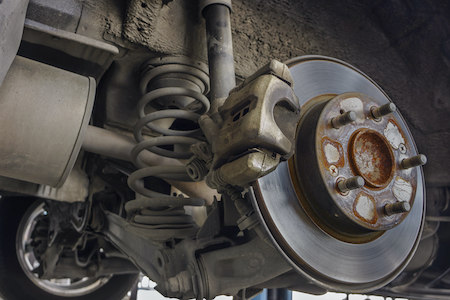 Every component of the suspension system is placed together with kinks, bushing, bearings, and joints. These connections can be made from metal, plastic, or rubber, and wear down over time.
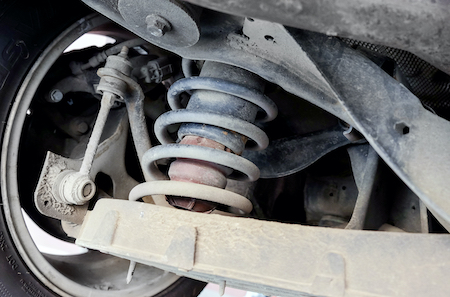 Rack and pinion steering connects the steering wheel and steering column to a rack, which moves a piston as the wheels turn.
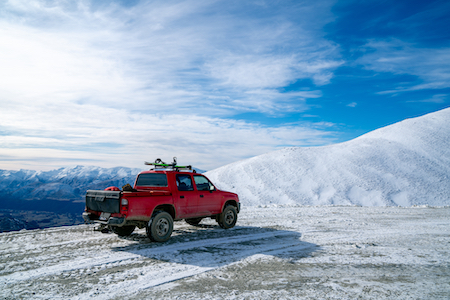 Trucks are designed to carry, haul, and tow. They are designed in similar fashion, with a basic cab and some type of chassis attached to the rear. Pickup trucks are trucks with a separate frame and an open bed. They take a design from each category – cars and trucks – and combine them into one vehicle. Pickups are a smaller version of a truck, designed for multi-use. They are compact, perfect for family use as well as functional enough to use for smaller business.
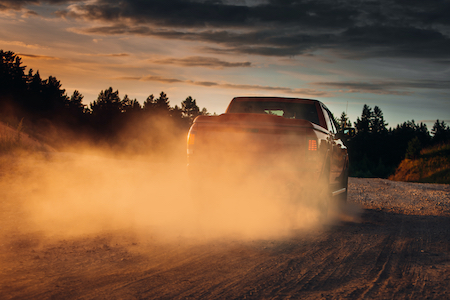 Oil changes are an important part of any car maintenance routine, but especially for a vehicle you hope to keep for years to come. While you may use your car simply to run around town running errands and bringing the kids to daily activities, your truck may do a variety of different things during the day. Drop the kids off at school, pick up a load of lumber, head out on dirt roads to camp for the night – it can experience a variety of road conditions all in the course of a few hours. Because of this variance, you should ensure the oil is changed frequently to keep all working parts operating correctly. Heavy hauling can deteriorate certain parts quicker than normal driving conditions. Error on the side of getting the oil changed on a frequent schedule.
 The thermostat is part of your cooling system. The thermostats in your vehicle perform a similar function to the thermostats in your home. At home, you set your thermostat to maintain a comfortable temperature range. Then when your home gets too hot, the air conditioning kicks on or when it gets too cool, the heater turns on.
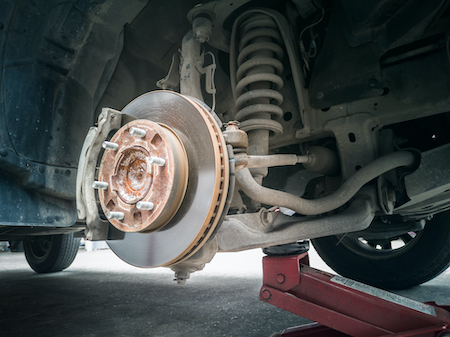 A small pickup will have gross weight of anywhere from 5,000 to 7,000 pounds. If you have a heavy duty pickup, gross weight can move up to 7,000 to 12,000 pounds. While manufacturer specs are needed to properly define actual weight, in any case you move a lot of mass around every time you sit behind the wheel.
 Motor oil isn’t the only thing your truck needs. While this is the one fluid you should monitor and replace regularly, other fluids need occasional work too. Engine coolant helps keep your engine cool and prevents it from overheating. You’ll find the cap identified by a warning label and illustration to ensure you never open it up while the engine is hot. It should also be checked and filled according to manufacturer’s guidelines. It’s also a good idea to fill up your windshield washer fluid reservoir regularly, and even keep a jug of the cleaner somewhere in your car. The more time you spend on dusty, off roads, the more you’ll need to add to help you drive. While there are other fluids – brake fluid, for example – letting one of our mechanics evaluate your systems will ensure the equipment isn’t compromised, preventing you from driving.
 That was the starting point for traction control. As engineers looked at how well ABS controlled skidding, they also played with sensors, actuators, and computer technology to detect and prevent tires from spinning.