
 Express Car Care Tech Question:
My name is Suzanne. We were taking a camping trip at our favorite state park over a three day weekend. About halfway to our campsite, the transmission went out on our vehicle. It took all weekend to get it towed out and to get back home. What can I do to prevent transmission problems in the future?
Express Car Care Answer: Transmission repairs can be expensive at auto service centers. On top of that, Suzanne was in the back country, her vacation weekend turned into three days of car repairs.
First of all, vehicle transmissions are tough and durable. All that needs to be done to maintain them is to replace the transmission fluid on schedule. The fluid gets contaminated with bits of clutch plates and metal. Dirty transmission fluid under pressure acts like liquid sandpaper, eating away at important gaskets and seals. Then your transmission doesn’t shift as well. It can start to leak and overheat, and then you could end up in a situation like Suzanne.
Another thing to consider: if you carry heavy loads, or are towing a trailer on the highway or up mountain passes, your transmission is working much harder and running hotter than under normal conditions. Your transmission fluid may need to be changed sooner. Check your vehicle’s owner’s manual for your severe service schedule or talk with your helpful and knowledgeable pros about when you should have your transmission serviced. If you’re planning a trip that you know you will be doing some towing or other severe driving, make sure to have your transmission fluid checked before you head out. It’s always better to be safe, rather than sorry.
 Your vehicle is much more to you than a transportation appliance. It gets you to work, helps you take care of errands, goes on dates, and takes you on vacations. You could almost say it’s part of the family, or maybe a business partner. You rely on your vehicle for so many things. We understand how important your car or truck is to your life. And we want you to know that you can trust your vehicle to us. You can rely on us to do all that we can to keep you safely on the road.
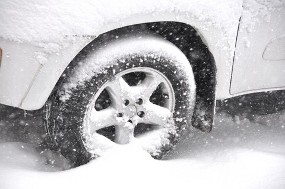 Tire rotation is an important maintenance duty that extends the life of your tires and ensures safe driving. Let’s take a look at this simple and effective procedure.
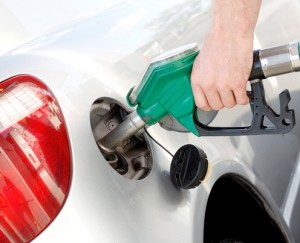 There are a lot of misconceptions about fuel grades-and by fuel grades, I mean, the octane rating. Names like “Standard”, “Super”, “Plus”, and “Premium”, lead people to believe that the octane rating/grade is associated with quality. Octane ratings are expressed as a number that typically ranges from 87 to 91 at the pump. The number doesn’t mean “better” but rather signifies the appropriate grade of fuel for a particular engine.
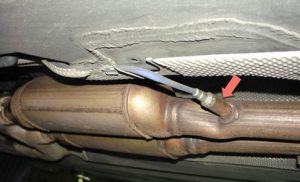 Many people hear the term “Oxygen Sensor” and figure it must have something to do with sensing oxygen, but don’t really know much beyond that. Let’s break it down: your vehicle has an oxygen sensor in the exhaust manifold that measures how much unburned oxygen there is in the exhaust. The sensor reports its findings to the engine control unit (ECU), which knows how much oxygen there should be in the exhaust. Based on that information, the ECU will adjust the amount of fuel it sends to the engine.
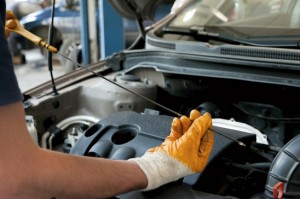 As we all know, the engine is as important to a car as a heart is to a human body. Therefore, it’s important to keep the engine finely tuned so you’ll have trouble free performance, as well as longevity. Still, engine maintenance is one of the most neglected aspects of the overall maintenance of a vehicle. Here are five essential engine maintenance tips that if you follow, you can not only keep up the performance of the engine, but you can also keep your pockets safe from costly engine repair bills.
 Question: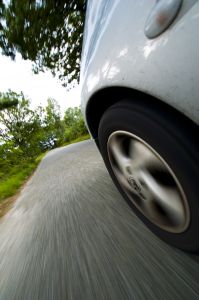
 Wheel alignment is often overlooked by busy car owners until serious tire damage has been done. One wheel can be knocked out of alignment from the others by hitting a curb or a pothole in the road.
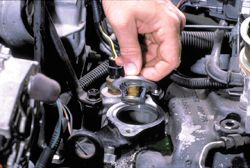 The thermostat on your vehicle is an important part of your cooling system. Your thermostat performs a similar function to the thermostat in your home. At home, you set your thermostat to maintain a comfortable temperature range. When your home gets too hot, the air conditioning kicks on and when it gets too cool, then the heater.