• Home
  • Denver Auto Repair Services
    • Full Service Oil Change
    • Expert Mechanics
      • Expert Honda Mechanics
      • Expert Toyota Mechanics
      • Expert Subaru Mechanics
    • Automatic Transmission
    • Fuel System Cleaning
    • Radiator Flush Service
    • Wiper Blades
    • Air Filter
    • Cabin Air Filter
    • Gearbox Service
    • Brake Repair
    • Clutch Repair
    • CV Boots
    • Tune-Up
    • Steering & Suspension
    • Tires
  • Auto Diagnostic
  • Contact Us
    • About Us
  • Shop Specials
  • Testimonials
  • Blog
  • 303-691-2760

Express Car Care of Denver

"Denver's Best Auto Repair and Quick Lube"

  • Brake Service
  • Car Maintenance
    • Heating-Air Conditioning
    • Suspension
    • Transmission
    • Engine
    • Tires
  • Oil Change
  • Tips & Tricks

Extend The Life of Your Vehicle With These Easy Maintenance Tips

April 21, 2022 by Denver Express Car Care

If you’ve shopped for a new car lately, you might have had sticker shock at how much prices have increased. 

According to Kelley Blue Book, the average price for a new car has skyrocketed to just over $47,000. 

Does that make you look at your current car a bit differently? 

Want to extend the life of your vehicle, and ensure it stays running for a very long time? With these easy maintenance tips, your car will continue to run well for years to come. 

Get started by reading your owner’s manual

Many vehicle owners can’t even remember where their owner’s manual is. But it’s one of the most important guides to have as a vehicle owner. Spend some time reviewing the recommended maintenance items. Manufacturers know their vehicles best, and will give you specific guidelines for maintenance and care. Following their “insider” tips will ensure your car stays running well for life. 

We also recommend establishing a logbook for your vehicle. Keep it small, and carry it in your glove compartment. Record each of your maintenance visits, and update it with repair work. This gives you a way to see what you’ve done and what’s needed next at a glance. 

Never push a cold car

When you rise in the morning, you stretch, move slowly, maybe reach for a cup of coffee. You have wake-up routines to help get you going. Your car works in a similar manner as it brings the various systems to life. Cars don’t need a lengthy warm-up process, but it is wise to let them get to operating temperature before pushing the engine to its full service. 

Extend The Life of Your Vehicle With These Easy Maintenance Tips

Pay attention to your dashboard

Pilots have a checklist they run through before climbing into the cockpit for takeoff. Car owners would benefit if they had a similar process. Today’s modern vehicles come with over two dozen computer modules working to keep your car functioning, hundreds of electrical components keeping everything together, with an array of sensors keeping you safe and alerting you to potential problems. 

When one of those dashboard icons illuminates, it’s important to act immediately. But the statistics show that the majority of drivers on the road today have no idea what most of those lights mean. If your “check engine” icon lights up, what will you do? People often keep driving, promising themselves they’ll “fix it” when they have time. Trouble is, these same drivers travel hundreds of miles until it escalates into a bigger problem, with a much larger repair bill. Even if money is tight, you’re much better getting these issues checked immediately to avoid even more costly repair bills in the future. 

Check and replace fluids regularly

Most of us check and replace motor oil regularly. But when it comes to checking and replacing other fluids, we may not do so with such regularity. Today’s cars use a variety of fluids for lubrication, circulation, and to ensure your vehicle runs smoothly. Wear and tear can compromise these fluids, which in turn can impact the various parts and components it’s designed to service. 

Basic fluids your vehicle relies on include:

  • Motor oil
  • Coolant or antifreeze
  • Brake fluid
  • Power steering fluid
  • Transmission fluid
  • Windshield washer fluid

Motor oil should be changed every 3,000 miles or so. Other fluids might last a lot longer. This is where getting to know your owner’s manual is a good idea, and can help you place inspections into your schedule. 

Check your tires

Tire pressure helps regulate how well your vehicle handles. While a dashboard light may illuminate when tire pressure is low, it’s still a good idea to pay attention to pressure level. It helps your tires last longer, and impacts fuel efficiency with every tank of gas you use. 

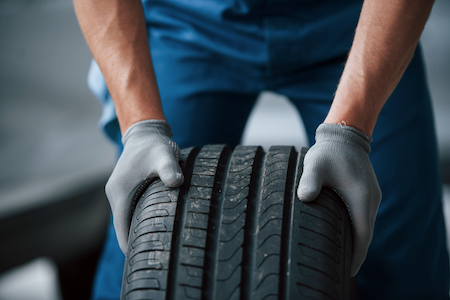
You should also inspect your tires regularly, and ensure they aren’t wearing unevenly or getting low on tire tread. Colorado weather can be harsh on tire wear, dealing with extreme cold in the winter followed by blazing heat in the summer. If your tires don’t have proper tread, your safety is more at risk. 

Keep it clean

While it might seem like a simple maintenance tip, keeping your car clean is one you should fit regularly into your calendar. Colorado roads are filled with chemicals from snow removal strategies. Mag-chloride can stick to your undercarriage and wreak havoc on paint and other components. Road tar in the summer is equally as damaging, sticking to the paint and deteriorating the integrity. 

Washing it regularly will help retain its value. Regular waxing will also provide added protection, reducing the chances of rust and other blemishes. 

Plan out your trips

The hardest thing on your engine, the one thing that increases wear and tear is starting up your vehicle and traveling short distances. Cold starts are the hardest on your car. We’ve grown used to running short errands depending on our needs and desires. But if you can plan out your trips and bunch them together, your engine will thank you. The most power goes into a cold start. Once you have it running, keep it running for a while to ensure everything is well charged and running optimally. 

When you do buy a new vehicle

There comes a point in time where we all purchase a new vehicle. In today’s world, a new car is a valuable purchase. 

Extend the life of your vehicle with simple maintenance items. Start your car’s life outright by being gentle for the first 1,000 miles. This is when any impurities left in the system after production are still working their way through the system. Being gentle on your engine means they’ll flow through without incident. 

Then bring your vehicle in for a 3,000 mile motor oil change, and a quick inspection to ensure everything is running with ease. Following these simple steps will ensure your car’s engine will run well for thousands of miles, and you’ll be happy with the vehicle you purchased. 

How can we help you with your regular maintenance needs? 

Filed Under: Car Maintenance

Car Maintenance Tips That Will Improve Fuel Efficiency

April 18, 2022 by Denver Express Car Care

As cars first became a mainstay in our everyday lives, fuel efficiency wasn’t even on our radar. Early manufacturers paid more attention to how fast a car could go, or how comfortable it was. 

Still, cars in the early twentieth century consumed fuel very well. Ford’s Model T got up to 21 miles to the gallon. That’s only 6 miles per gallon less than the average car sold today. 

It wasn’t until the 1970s that fuel efficiency became more popular. The Arab oil embargo created a worldwide shortage, causing fuel prices to skyrocket, and talks resumed about improving vehicles for less reliance on oil. 

What is fuel efficiency?

Fuel efficiency refers to how well your vehicle consumes fuel. It’s become a key consideration when consumers search for new vehicles, and is currently driving the electric car market. 

Fuel efficiency refers to how far a car can go with the fuel it consumes. It measures in miles per gallon, and is one of the main ways manufacturers can differentiate themselves from the competition. 

Fuel efficiency is relative to other cars around it. Consumers shop based on their needs. A person with a fifty-mile commute each day may have different needs than someone who works remotely. Their needs and beliefs drive what cars they purchase, ultimately driving demand. 

Fuel efficiency isn’t just about how many miles per gallon. Fuel efficiency also impacts how much pollution a car releases into the environment. As we’ve become more aware of how emissions affect global warming, manufacturers have once again gone back to the drawing board, looking for ways to make cars better. 

Car Maintenance Tips That Will Improve Fuel Efficiency

A more efficient car saves on how much a vehicle consumes, as well as how much it pollutes. If you want to reduce your carbon footprint, increasing fuel efficiency is a start. 

But it isn’t the only way. 

Car maintenance can also make a difference. If a vehicle is well cared for, it runs cleaner and pollutes less no matter how many miles per gallon it gets. 

Where do you start?

Regular tune ups make a car more efficient

When you visit your doctor once a year, it’s designed to check in and ensure everything is working well. Simple blood tests can reveal areas of concern. 

Tune ups are designed similarly. It’s a way to bring your vehicle in for a check up, to ensure the engine is working well and doesn’t need repair. Your car’s engine is the heart of the system, and keeps many of the other parts working well. If a problem exists within the engine compartment, it can bring down efficiencies throughout the system. The Department of Energy has stated that when a car fails an emissions test, repairing it can improve performance anywhere from 4 to 40 percent. 

Balance, rotate, and inflate your tires

The tires help connect you to the road, and provide proper support as you drive along. If they aren’t doing their job effectively, you’ll see the evidence in multiple ways. 

It starts with ensuring they are properly inflated. Under-inflating them will decrease the surface area that connects with the road. Too much tire pressure, and you increase the strain, increasing the chance that they might blow. 

Because your tires move and change regularly, it’s a good idea to have them rotated and balanced to keep them in their best condition. Manufacturers recommend balancing and rotating every 3,000 to 6,000 miles, or whenever you notice a problem. Balance issues often result in a vibration in your steering wheel, seat, or floor. This is a good time to pull in and ensure everything is working well. 

Change the motor oil

When it comes to changing your car’s oil, stick with a regular schedule. The general rule is 3 months of 3,000 miles, whichever comes first. Today’s cars are more efficient than ever, with many manufacturers increasing recommendations. Check with your owner’s manual for what’s best for your vehicle. 

As motor oil ages, it gets thicker and decreases the overall efficiency inside the engine. It can cause more friction, which in turn creates more heat. With increased heat comes a higher burn level, which means more fuel is burned with every turn of the engine. 

Be sure to use the correct oil made for your car. If you stick with the recommended grade, you may boost fuel efficiency by as much as two percent. 

Clean out the air filter

When you get an oil change, clean or change out the air filter too. It’s a component that helps eliminate pollutants that may otherwise damage your engine. A dirty air filter doesn’t have the ability to filter out particles that can cause damage inside the system. 

Change out the spark plugs

Spark plugs help ignite the fuel as it moves into the engine. If they stop working or misfire, you’ll lose out on efficiency. Most manufacturers recommend replacing them about every 30,000 miles.  

Slow down

Americans have an addiction to speed. And while that may be a huge safety concern, it also impacts fuel efficiency. 

Up to about 60 miles per hour, your vehicle will generally burn less fuel as it picks up speed. However, after 50 miles per hour, the drag starts to require more fuel to keep the vehicle moving. Studies show this can be as high as 25 cents a gallon for every 5 miles per hour you increase. If you drive a lot of highway miles, the savings from slowing down can add up over time. 

How can you improve fuel efficiency?

One of the easiest ways to keep your car in top condition is to pull in for an inspection on a regular basis. 

This will keep your car operating well. It also reduces your chance of being stranded away from home. 

When was the last time you scheduled an inspection? 

Filed Under: Car Maintenance Tagged With: Improve Fuel Efficiency

How Worn Out Shocks and Struts Can Cause An Accident

April 14, 2022 by Denver Express Car Care

How long can you drive on worn out shocks and struts? It depends. Like other parts on your vehicle, they rarely fail overnight. Instead, it’s a process where they gradually wear down, causing more problems with your drive. Eventually, their failure can lead to an accident. 

But before shocks and struts fail, they start giving warning signals. That’s where you should start paying attention. This gives you ample warning, and provides you with enough time to get them replaced. 

How shocks and struts work

Shocks and struts work as stabilizers. Every turn you make, every time you accelerate or step on the brakes, the shocks and struts work to keep your vehicle under control. Without shocks and struts, you would feel every bump in the road. 

Today’s vehicles use shocks, struts, or a combination of the two. Though the two are often used interchangeably, there is a difference. Shocks are individual components of the suspension system, while struts are a structural component.  

A shock absorbers job is to control the spring and suspension movement by converting kinetic energy into heat energy, and dissipating it through hydraulic fluid.  All modern day shock absorbers are velocity sensitive, which means with faster movement comes more resistance. That allows the shock absorber to adjust to the varying road conditions. This protects you from bouncing, swaying, or diving as you stop and go in traffic. 

How Worn Out Shocks and Struts Can Cause An Accident

A strut is a structural part of the suspension, taking the place of the control arm and upper ball joint of the conventional system. It’s lighter and takes up less space than a shock absorber. Struts provide the same damping function as shock absorbers. But they also provide structural support for the vehicle’s suspension. It supports the spring, and keeps the tire in alignment. It also bears the side load placed on the suspension. While struts also provide comfort and handling, they also are designed for wheel alignment and prevent wear on other parts of the suspension system. 

How shocks and struts can cause an accident

Shocks and struts gradually wear out over time. You’ll start noticing a difference in the way your vehicle handles as you drive. If they fail, it can lead to an accident as you:

Drive over bumps and dips

If your shocks and struts aren’t working, you lose your ability to navigate. Bumps and dips can cause vibration, which may cause you to lose control over your vehicle. Taking a speed bump too fast may make it feel like your car is “flying.” 

Steer around curves and turns

If your vehicle isn’t properly gripping the road, it can cause you to over or understeer, putting you in a dangerous situation. 

Lose control over your brakes

Your shocks and struts and anti-lock braking system work together to help you drive. If your shocks and struts aren’t working, that passes into your braking system. If you’re driving along on a bumpy road, for example, you may lose control over your steering, and not have the ability to brake for other objects in your path. 

Cause other parts to wear down faster

Your vehicle consists of 10,000 working parts, all coming together to help you stay comfortable and safe while you drive. If one part wears down and fails, it impacts every other part of the system. Shocks and struts can affect a variety of parts, including tires, brakes, and more. Following a regular maintenance schedule is the easiest way to ensure every component is working well to help you drive safely down the road. 

What are the warning signs of failing shocks and struts?

Luckily, shocks and struts don’t wear down without warning. If you notice any of these warning signs, schedule an appointment with a mechanic as soon as possible. 

  • You feel a constant up and down movement as you drive, especially at higher speeds. The movement may be slight, but once you notice it, it’s time for an inspection. 
  • When you turn, you notice the vehicle leans to one side or the other. It feels wobbly as it completes the action for the turn. 
  • The front end dives down as you brake, especially when you hard brake. You may feel like you need to apply more pressure to come to a complete stop. 
  • The rear squats down as you accelerate as the front end rises, especially with hard acceleration.
  • You feel bouncing from the tires, especially as you hit a bump or dip in the road. It may bounce for some time, or produce a clunking noise as it bounces. 
  • You notice unusual tire wear. This is because the tires aren’t fully connecting with the road. 
  • You notice a fluid leak around the shocks and struts. This is a sign the seal is broken and it no longer can properly function. 

Is it dangerous to drive with bad shocks and struts? 

In short, the answer is: Yes. 

Like other parts on your vehicle, each is installed for safety and functionality. If one part isn’t working correctly, it impacts all other parts within the system. 

That’s why as the pilot of your vehicle, it’s important to pay attention to how your car drives. If your car feels unstable, or it tips to the side as you drive, or you feel it bouncing with acceleration or stopping, or you see any fluid leaks, it’s time to schedule an inspection. 

Shocks and struts are sold and replaced in pairs. While it’s not required to replace the front and rear shocks or struts at the same time, it’s usually suggested. Because shocks and struts wear down at the same rate, if one pair needs replacing, the others won’t be far behind it. It’s easier to get them all replaced at the same time. 

Is it time to replace your shocks and struts? Have you noticed a change in the way your vehicle drives? 

Don’t wait for more problems to arise, Schedule your inspection today and keep your car in good working condition. Your comfort and safety may depend on it. 

Filed Under: Suspension Tagged With: Shocks and Struts

What It Means If Your Accelerator Sticks

April 10, 2022 by Denver Express Car Care

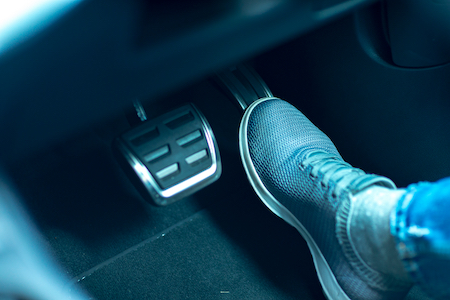
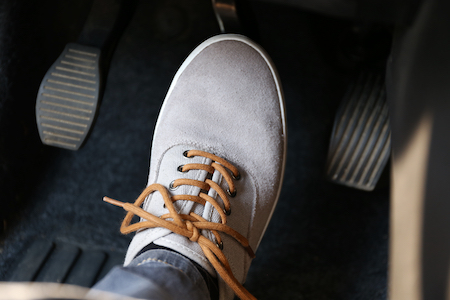
There are two things you rely on exclusively as you drive: your accelerator and your brakes. It’s a constant motion of applying pressure to one pedal and then the other as you move from point A to B. 

In most cases, both work flawlessly. You tap, and they respond. 

When an accelerator sticks, it can be a scary experience. While it doesn’t happen often, if the gas pedal sticks it’s both frightening and a dangerous situation. In an instant, the car jolts forward, accelerating without being responsive to the pressure you put on the brakes. 

You don’t have time to think; you react. Your instincts will kick in. And the more knowledge you have about how acceleration and braking work, the better your response. 

How an accelerator works

An accelerator controls how fast or slow your vehicle moves down the road. When you press the accelerator pedal towards the floor, it opens the throttle valve, which allows fuel to flow into the engine. This causes the vehicle to move faster. 

Mechanically speaking, the accelerator is the controller of the fuel flow rate into the combustion chamber. The more you press down on the accelerator pedal, the more fuel is added to the combustion chamber, the more fuel is burned to power your car and move it into action. 

While this process has experienced little change over the years, newer cars have built in safety sensors to help protect you as you drive. The accelerator pedal is wired with three sensors. If all sensors agree with one another, the car speeds and moves according to your actions. If any one sensor is off, it triggers a warning. If all sensors disagree, it places the engine in idle.  

What causes an accelerator to stick?

The accelerator sticking could be caused by a variety of things. 

  • If the floor mat rides up, it can become wedged underneath the accelerator pedal. 
  • It may be from frictional wear of the braking mechanism. 
  • Defective electronic controls may cause it to stick. 
  • It could be electromagnetic interference somewhere in the system. 

While this isn’t a common problem, it does happen from time to time. Would you know what to do if your accelerator sticks? 

When an accelerator sticks

What It Means If Your Accelerator Sticks

It’s only natural to panic when something doesn’t work the way it’s supposed to. Yet remaining calm, cool, and collected is what’s needed to bring your vehicle to a stop. If the accelerator sticks, you should:

Stay calm

The first step is to move past the sudden feeling of panic. Take a deep breath, and realize you can fix this. There are workarounds, so it’s important to stay calm and work quickly to bring your car under control. 

Shift to neutral

The most important thing to do is to decrease the car’s speed. To do so, shift your engine to neutral gear. This allows the engine to still rev, but it will cause the car’s speed to stop increasing. If you have a manual transmission, don’t forget to use the clutch as you shift gears. 

Don’t play with the key or ignition button. You want to have access to your brakes, and control over the navigation system. This would take all power away. 

If you can’t get the gears to shift to neutral, you should move to the side of the road, or out of traffic if possible. Apply your emergency brake to bring your vehicle to a stop. 

Turn your hazard lights on

This is a signal to other drivers that there’s a potential problem with your vehicle. It brings instant awareness to whoever sees the hazard signals, and allows them to slow and give you plenty of room. 

Apply the brakes

If you are able to shift to neutral, the next step is to apply your brakes. Do this slowly, monitoring the situation as you continue to slow down the car. Try not to pump the brakes, as this will deactivate the power brakes. 

Navigate to the side of the road or other safe place

If possible, steer your car to a safe place away from other motorists. Give yourself plenty of room to be able to park, exit your car, and move to safety. Only then should you turn the ignition off and apply the emergency brake if possible. 

Inspect your pedals

You can do a quick check to see if something is wedged under the pedal, causing it to stick. It may be the floor mat, or something smaller like a pen. 

Call for help

If it’s not the floor mat or some other obstruction, it’s time to call for help. Tow your vehicle to a mechanic to have them assess the problem. Do not drive the vehicle until the situation is evaluated and the problem is fixed. 

Maintenance to prevent accelerator problems

While a sticking accelerator can be caused by human error, it can also be from mechanical and electrical issues. 

To prevent human error, ensure the inside of your car is clean and free of debris. Never allow anything to pile up on the driver’s side, especially near the pedals. Water bottles, purse straps, and office items like pens and paper clips should be kept off the driver’s side floor board. If you have a mat that isn’t form-fitting, it might be time to replace the mats. 

Ice and snow can also impact the way the pedal works. On days where you’re in and out with ice and snow, water can accumulate and saturate certain types of mats. If it presses against the pedal mechanism, it can freeze the line. 

While mechanical and electrical issues are rare, they can happen. It can be:

  • A malfunction with a component in the engine compartment
  • A defective vacuum hose
  • A faulty accelerator link

With regular inspections, a mechanic will test individual aspects of the system, and ensure all parts are working and in optimal condition. It’s the best way to ensure your vehicle is running, no matter what the conditions are like around you as you drive. 

Have you ever experienced an accelerator sticking as you drive?

Filed Under: Car Maintenance

What Cold and Heat Does To Tires

April 7, 2022 by Denver Express Car Care

Living in Colorado can give you a wide array of environmental challenges, sometimes all in the same day. Statistics show temperatures have climbed as high as 115 degrees Fahrenheit and dipped as low as -61. We’ve had more than 75 inches of snow in a 24-hour period, and have had hailstones as large as 4.83 inches in diameter. 

Stick around, and you’ll see it all. 

But those kinds of variances can be hard on your tires. What do cold and heat do to tires? Should you be more careful in certain driving conditions? What puts your tires at risk? 

Why tires are susceptible to changes in weather conditions

What are tires made of? Most people would say: rubber. That’s only partially correct. 

Rubber is one of the main materials used in tire production, but there are as many as 200 different components combined to create new tires. Steel, nylon, silica, polyester, carbon, petroleum, as well as natural and synthetic rubber are all used to make tires stronger, better. It’s complex engineering to make tires do what they do best. 

The outside tread creates traction and mileage. Inside the tire provides stability and strength. Together it helps your vehicle perform well out on the open road, as well as keep you safe no matter where you drive. 

Tires are often created with certain performance requirements in mind. That’s why you’ll find a variety of types: snow, all-season, performance, and traction. 

What Cold and Heat Does To Tires

Depending on what tires are mounted to your vehicle will determine how susceptible they are to the driving conditions. Cold weather decreases tire pressure while hot weather increases. 

As temperatures outside rise, the air in your tires increases in volume. As temperatures fall, the air volume in the tires decreases. That’s why your car’s computer module may indicate your tires are low in pressure after a plunge in temperatures outside. In general, tire pressure usually drops 1 to 2 psi for every 10 degrees the temperature drops. That’s also why air pressure will rise as your tires warm up as you drive. 

Every tire manufacturer produces tires with a recommended psi. This psi tells you the optimal pressure for your tires and your car. However, this psi is set for cool tires. If you check your tire inflation at the filling station after your tires have warmed, it will be a different reading from when they were cool. It’s best to check your tires at home, if possible, before your tires have a chance to warm up. 

Summer driving

As the temperatures continue to climb in summertime, your tires increase in volume and may overinflate. Most technology systems are wired to tell you when your tires are underinflated, but not when they are overinflated. This is why it’s important to test your tires manually periodically, especially with record-breaking heat or if you’re driving more than usual. 

This can be especially true if you take long trips, or are carrying heavy loads. This is why tires blow on occasion. 

Coupled with improper inflation is weakened tread. Tire tread is measured in 1/32 of an inch. If you have uneven wear patterns in the tread of more than 2/32 of an inch, it’s time to replace your tires. You can also do the penny test. Place a penny in a shallow groove on a tire with Lincoln’s head facing down. Can you see the top of his head? That means the tire tread is too shallow, and your tires are considered worn. The tire tread is 2/32 of an inch or less, and it’s time to replace your tires. 

Winter driving 

In winter, the opposite is true. Your tires may become underinflated in cold weather, and the tire pressure may drop accordingly. Unlike in summer months, air pressure readings will be accurate. Your vehicle’s computer system will be more likely to pick up on proper inflation of your tires. 

That doesn’t mean you shouldn’t still check it manually on your own from time to time. Don’t forget your spare. 

You should also pay attention to driving conditions, and perform a manual check if problems arise. Snow and ice wreak havoc on our roads. Potholes, hitting curbs, icy terrain – it can all wear your tires down. Be conscious of any potential problems that may impact your tires, and have them checked before you continue driving. 

Heat and cold impact tires. Don’t drive if you suspect a problem. 

Tires are designed for a multitude of purposes:

  • They support and cushion the weight of a vehicle
  • They absorb the shocks occurring as you drive on a road
  • They provide traction in different driving conditions
  • They add torque and braking force as they connect to the pavement
  • They allow you to easily keep control of the vehicle as you change and move the direction in which you travel

Without high-quality tires, you’ll be putting you and those around you at risk. 

You should never drive on bad tires. It’s something you should check on a regular basis to ensure they are in good shape. 

However, your tires wear and performance can change quickly in different situations. 

If tires lack tread, you can pick up on it with visual checks. But if they are over or underinflated, it may be more difficult to notice as you drive. 

Awareness is key in keeping your vehicle safe and under control. 

If tires are weakened or lack tread, they are more vulnerable to the dangers of the road. Punctures and blowouts can happen more frequently, putting you and your passengers at risk. 

Don’t wait to change your tires, replace them if damaged, or even have them checked if you suspect a problem. The sooner you react, the better your chance of fixing the problem, and possibly adding more life to your tires. Proper inflation can add many more miles of life to your tires. 

How can we help you maintain your vehicle? 

Filed Under: Tips & Tricks Tagged With: Cold and Heat Does To Tires

How Do I Know If My Brake Rotors Are Bad?

April 3, 2022 by Denver Express Car Care

A faulty brake system is never good. While many drivers are clued into listening for a high-pitched squealing noise, indicating their brake pads have come to the end of their lives, it’s more difficult to pinpoint brake rotor problems. When brake rotors are bad, they have several distinctive ways of telling you they are in need of replacement. 

What are brake rotors?

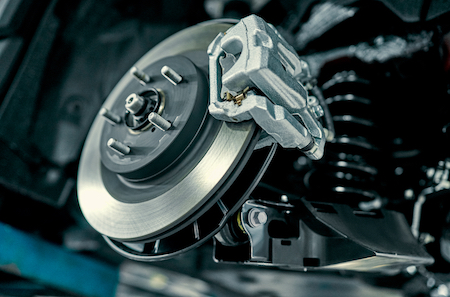
If you peer into your wheels, you’ll notice circular discs connected to each wheel. These are your brake rotors. Rotors are designed to turn motion into heat. They transfer kinetic energy into thermal energy to ensure safe braking. As you press down on the brake pedal, it sends a signal to the master cylinder, to the brake calipers, causing the brake pads to press together against the surface of the brake rotor. This friction resists the spinning wheel, which slows the rotation, eventually bringing the vehicle to a halt. 

Different types of brake rotors

Just like there are different types of vehicles, so are there several different types of brake rotors. This isn’t a one-size-fits-all component. Check with your owner’s manual to determine what’s right for your vehicle. 

Depending on what vehicle you drive, you’ll have one of four primary brake rotors on the market today. 

Blank & Smooth – these are the most common rotors for passenger vehicles. They are simple in design and affordable. However, as automotive practices change, some of these rotors may be created from recycled materials, meaning they don’t perform as well or last as long as other rotors. Typically they have a longer life because of a thicker material and internal fins, which allow them to cool brake pads more efficiently. You’ll notice the smooth, blank metal surface area if it uses this rotor. 

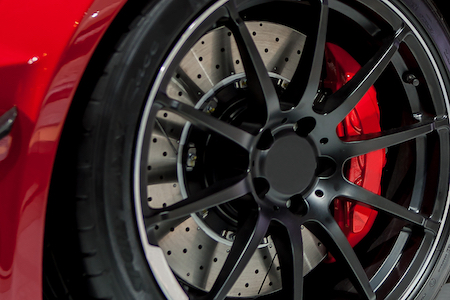
Drilled – drilled rotors have slots positioned around the exterior rotor surface instead of holes. These holes provide heat loss as well as allow dust and water to escape the rotor’s surface without clogging or blocking the entire braking system. Drilled rotors are more common in wet climates where they can aid drivers in keeping control over their vehicles on wet roads. They won’t last as long in high heat situations. 

How Do I Know If My Brake Rotors Are Bad?

Slotted – slotted rotors have slots positioned around the exterior of the rotors. They are most often used in heavy-duty trucks and SUVs, as these vehicles typically require more stopping power. They may also be used on other vehicles that routinely tow heavy loads. The slots draw in extra air between the rotors and the brake pads. This gives the rotors better cooling and heat dissipation. Like drilled rotors, they wear down faster and won’t last as long. 

Drilled and slotted – these rotors combine the best of both drilled and slotted rotors. They use both drilled holes and slots set in a spiral pattern to help with better heat dissipation and debris removal. You’ll find these on high-performance vehicles that require top-tier cooling and heat removal to achieve their performance. They are also at the top of the expense list. 

What are the signs of bad rotors?

When brake rotors wear down, they produce a number of signs to warn you of a potential problem. Acting fast may reduce the repair work, and will also prevent further damage to the braking system. 

A vibration in the steering wheel

This can’t be missed. As you press down on the brake pedal, a noticeable vibration occurs in the steering wheel. As you step on the brake, the brake pads press against the rotors, and the rotors gain heat quickly. This heat can cause the rotors to wear down unevenly, creating unevenness across the surface area. As the brake pad hits these wear marks, it causes the vibration to move up the braking system and into the steering wheel. 

A screeching sound

You can’t miss a screeching sound. It’s caused when the brake pads engage with a rotor that has developed grooves over time. As the surface area of the pads connects with the rotor, it creates a high-pitched sound that’s hard to ignore. You won’t have to ask twice if your brakes need a little TLC. A mechanic can pinpoint the problem, whether it stems from the brake pads, brake rotors, or somewhere else in the system. 

A blue color on the rotor surface

Excessive heat can quite literally change the color of the rotors. To check for blue spots on the rotor, kneel down and look beyond the wheels and wheel spokes. The rotor disc sets behind. If you notice a blue color anywhere on the surface, it’s worth a trip to the mechanics. If heat is compromising the brake rotor in any way, the damage could extend throughout the braking system. That puts you at risk every time you drive. 

Excessive wear

When a manufacturer designs every part on a vehicle, they set guidelines in place as to how it will perform under normal wear. That changes situation to situation. Your car may stay within the guidelines, or may move beyond depending on what you face each day. That’s why it’s a good idea to perform visual checks from time to time, as well as schedule regular maintenance visits to ensure everything is working well. 

How to avoid rotor breakdown

While rotors are designed for a lifetime of use, not all rotors last the life of a car. Especially with today’s technology where cars can move 250,000 miles or more over the life of the car. 

Just like brake pads, brake rotors are impacted just a little bit every time you take your vehicle out for a drive. The more miles you put on the vehicle, the greater chance of it wearing out over time. 

The exact lifespan depends on:

  • The quality of the rotor
  • How efficiently the rotor dissipates heat
  • The type of brake pad used
  • How you drive
  • Where you drive
  • Climate
  • Exposure to elements like rock salt and mag-chloride
  • How aggressively you brake

Looking for affordable brake repair service? We pride ourselves on being a family-operated repair business that can help you with all of your needs. Give us a call today.

Filed Under: Brake Repair, Brake Service Tagged With: Brake Rotors Are Bad

A Guide To Brake Calipers

March 28, 2022 by Denver Express Car Care

Car maintenance for most people can be divided into two categories: the parts you understand, and the parts you don’t.

As a driver, changing the motor oil, replacing tires, and fixing the brakes when they squeak is pretty commonplace. We understand the process, know the warning signs, and fit those duties into our routines. 

But what about digging deeper? What about maintaining your car’s brake calipers. 

What are brake calipers?

Glad you asked. 

What is a brake caliper?

The brake caliper is the part of a vehicle that pushes the brake pad to the brake rotor to effectively bring your car to a halt. It’s hydraulic, which uses fluid pressure to cause movement. 

Brake calipers resemble a clamp, and partially frame the brake rotor. The caliper houses the car’s brake pads and pistons, creating friction as it slows the vehicle down. They are the heart of the braking system in vehicles that use disc brakes. 

Overall, brake calipers have two functions:

1. They guide the brake pads. Brake calipers aren’t an on/off component. Instead, they’re used to guide your vehicle along based on traffic conditions. A little pressure slows you down. More pressure brings you to a stop. Brake calipers have a design feature that ensures the brake pads are always efficient and reliable for the overall braking process. 

2. They convert brake fluid into mechanical movement. This process uses hydraulic brake fluid for the braking action within your vehicle. Without the brake caliper, this process wouldn’t take place as effectively as it does, keeping you safe in the process.  

A Guide To Brake Calipers

How do brake calipers operate?

To understand how a brake caliper operates, you need to step back and look at the entire braking system. 

When you apply the brakes, a piston is pushed into motion, putting pressure on the brake fluid in the master cylinder. The brake fluid moves through hoses in the brake lines, from the master cylinder to the brake caliper. 

This fluid pressure creates movement in the caliper pistons, resulting in the brake pads pushing forward to make contact with the rotor. Different vehicles use different types of calipers, which each have varying amounts of pistons. This squeezing action causes friction against the moving rotor, causing it to slow. More pressure means more slowing action, reducing the speed or bringing it to a halt altogether. 

When you release pressure on the brake pedal, the situation reverses. Hydraulic fluid returns to the master cylinder, and the brake caliper pistons return to their resting position. It sits in waiting for the action to arise again. 

As you step on the brake pedal, fluid pressure is released to all four wheels simultaneously, in the same quantity. This results in balanced braking, and ensures your vehicle’s safety. 

What are the two types of brake calipers?

Brake calipers come in two categories: floating and fixed. They differ in design, mourning, and operation. 

Floating calipers are compact and lightweight. They lack power when compared to a fixed caliper. Instead of being mounted rigidly to the rotor, they slide freely on lubricated pins and bushings. Hydraulics moves the piston and squeezes the inboard brake pads against the brake disc when you step on the brake pedal. That gives the caliper free movement to move along the rotor on the backside, creating clamping action as necessary for control and movement. 

Fixed calipers have multiple pistons that make them more powerful than floating. They are more suitable when a lot of power is needed – racing cars or heavy vehicles that require a lot of stopping power. They have more braking force distribution, and produce a firmer, more powerful grip of the rotor as you press down on the pedal. 

Both have advantages and disadvantages. Floating calipers are the most commonly used by manufacturers today. Check with your owner’s manual to determine which is used in your vehicle. 

The signs your calipers need replacing

Whale brake pads will need replacing over the lifetime of a vehicle, brake calipers are designed to last the life of the car. That isn’t always the case. If they are damaged in any way, you’ll start to notice the way your car drives. 

Vehicle pulls to one side when driving or braking

If your car seems to pull to one side while driving, the caliper may be the problem. The pistons move in and out from the hydraulic pressure from the master cylinder. If there is debris or corrosion, it can cause these pistons to freeze up. This will result in the brake pad being unable to connect properly with the rotor. The car will pull towards the side of the damaged caliper when the pistons fail, or away from the damaged side if the brake pad fails to connect with the rotor. This can happen while driving or during braking. 

Squealing or rubbing noises

When parts don’t operate the way they should, they can create noise from the areas impacted. While brake pad damage makes a distinct noise every time you apply the brakes, calipers will produce noise whether the brakes are applied or not. When you notice a high-pitched squealing or a metallic rubbing noise while driving and it doesn’t go away, bring your vehicle in as soon as possible, as this can lead to complete brake failure. 

Uneven brake pad damage

Brake pads are designed to last 30,000 to 70,000 miles. Because brakes are precise in function, both sides of the car should wear down at approximately the same time. If one brake pad is distinctly different than the other when you replace them, it could be a sign there is something wrong with the brake caliper. 

Brake fluid leak

Anytime you notice brake fluid leaks around the car, it’s a sign of damage. Brake fluid is a light yellow color that may darken as it ages. If you touch it, it has an oily, slippery feel. If a caliper leaks, it may cause a slight oily spot on the ground inside the tire. Different things could cause this, so it’s important to inspect them as soon as possible. 

Filed Under: Brake Repair, Brake Service Tagged With: Brake Calipers

How To Make Your Car More Efficient With Gas Prices Rising

March 24, 2022 by Denver Express Car Care

Remember when gas was under two dollars a gallon? Prices plummeted two years ago as the world came to a halt. And ever since, they’ve been rising steadily upward. Will they hit four dollars? Five? Only time will tell. 

You feel it every time you pull into a gas station. Depending on the car you drive, you may have even reached a pump limit of $100. Now what? How do you make your car more efficient with gas prices continually rising? Or will you have to cut back in other areas of your life to meet this new reality? 

Understanding fuel efficiency

Want a gallon of gas today? The national average is just over $4.24 a gallon. Compare that to $2.88 just a year ago, and you can easily see where your hard-earned money is going, especially if you’re back to driving to work every day. 

It might lead you to wish for a more fuel efficient vehicle. What is fuel efficiency anyway?

Fuel efficiency measures effort to convert energy from the fuel into kinetic energy your car needs to move. It’s the measure of how far a vehicle can travel on one gallon of gas. 

How To Make Your Car More Efficient With Gas Prices Rising

A lot of variables control how fuel efficient a car will be: tires, design of the car, weather conditions, driving conditions, just to name a few. While you may hear the terms fuel economy and fuel efficiency used interchangeably, they aren’t the same thing. Fuel efficiency is broader and includes how a vehicle uses the fuel. And that’s where you have some control. 

While your car may have come with fuel efficiency guidelines, there are things you can do to save on gas. Fine-tuning your driving strategies can help you save at the pump, and make your car last longer too. 

Car efficiency tips

Want to know how to make your car more efficient? It might be easier than you think. We have a few tips for you that don’t cost a lot and take little time to implement. Being aware of what impacts fuel efficiency is often enough to help you drive differently, depending on the conditions. 

Clean out your car

Today’s vehicles are bigger than ever. We also weigh them down with many different things. Walk around your car and take a look at the extras. Do you have ski racks and cargo bins on top? Do you have bike racks tacked to the back? Do you carry workout items, sports equipment, and extra tools in the back? All of that adds unnecessary weight to your vehicle. Studies show you can lose 8 to 10 mpg with these extras in place. And at today’s gas prices, that can really add up. If you’re not using the extras, consider taking them off for your daily commute. You can always add them back when heading away for the weekend. 

Improve your driving

Take a good look at the way you drive. Are you offensive or defensive in your daily driving patterns? Do you drive aggressively in traffic? Hard acceleration and braking can decrease your fuel efficiency by several miles per gallon. Instead, practice smooth driving. Leave space between you and the car in front of you. Leave early, so you have a few minutes to spare. Anticipate what’s coming up so you can smoothly transition as you drive. Not only will this help with fuel economy, but it will also help make your drive safer in the process. 

Don’t speed 

While there’s evidence that higher speed limits increase the risk of accidents, there’s also sufficient evidence that higher speeds also consume more gasoline. As you reach 45-50 mph, your car starts to lose efficiency. The faster you go, the more the numbers drop. Driving fast may get you there in a shorter period of time. But when fuel efficiency matters and you’re trying to conserve how much you pay at the pump, slowing down will help you conserve.

Check your tire pressure

When your tires are underinflated, it lowers your fuel economy. It also puts you at risk. Tire pressure controls how well connected your vehicle is to the road. If they aren’t inflated properly, they can’t do their job efficiently. While many of today’s vehicles have sensors telling you of a pending problem, it’s worth checking your tire pressure regularly to ensure they are properly inflated. 

Buy quality gas

One of the easiest ways to make your car more efficient is to pay attention to where you purchase your gasoline. Top-tier gas stations are held to higher standards with additives. By filling up at a reputable station, you are ensured you’re getting good quality gas that will keep your engine working well. Also pay attention to what type of gasoline your vehicle needs to drive well. Stick with premium if the manufacturer suggests it, as it keeps your car running well. We also recommend keeping your tank at least half. This reduces the risk of running out, and protects you in case of inclement weather or gas shortages. 

Perform regular maintenance

A well maintained vehicle will always perform better than one with potential problems. Dirty air filters, faulty spark plugs, or outdated oil changes all impact performance. Sticking with a regular maintenance schedule ensures your vehicle performs at its best ability, and helps catch potential problems before they escalate. That keeps you safer while driving on the road, and can save on repair bills over time. 

How can you make your car more efficient now that gas prices are rising once again? It doesn’t take much. Just a few proactive tips can make a difference each time you pull in to fill up.  

Filed Under: Tips & Tricks Tagged With: How To Make Your Car More Efficient

What happens if you don’t break in car brakes?

March 21, 2022 by Denver Express Car Care

Getting new brakes on your vehicle? Be sure to break them in the right way as you drive shortly after installation. It’s the only way to ensure performance over the life of the brakes. 

Breaking in new brakes is also known as bedding-in the brake pads and rotors. If you don’t properly bed in brakes, you may experience problems with the braking system down the road, such as warped discs, uneven brake pad wear, or noise brakes every time you tap on the brake pedal. 

Every time you install new brakes, the bedding-in process should be performed slowly for maximum effect. Most brake pads take 300 to 400 miles to fully break in and remove the transfer film from the rotors. 

For most drivers, this simply means driving at your normal pace. But being aware of the process from the moment you drive out of the service station will ensure maximum results. 

What is bedding-in? 

If you’re getting new brake pads and rotors, take a look at the surface area of the old equipment. You’ll notice that old rotors have a shiny grayish-blue glaze on the surface. This is known as pad transfer. It comes from brake pads pushing up against the rotor many times over the life of the equipment. Brake pads create high friction to slow down and stop a vehicle. The material from the brake pad deposits onto the rotor over time, creating friction and helping your vehicle come to a stop. Pad transfer lays the foundation for a good braking system. 

What happens if you don’t break in car brakes?

When you install new brake pads and rotors, this process hasn’t occurred. Brake pads and rotors are still two separate pieces of equipment. They need time to come together and function well. 

Why you should break in car brakes 

As you drive away from the service station for the first time after having new brake pads and rotors installed, the two start working together every time you slow down or come to a stop. The brake pad connects with the rotor, and starts leaving traces of pad transfer on the surface. 

If you pounce on the brakes and perform this process too quickly, the pad can transfer quickly onto the rotor. This can cause an uneven surface area of pad transfer on the rotor. As you drive and this process continues to build, new pad material will build on this surface, creating an uneven texture on the rotor. In most cases, this will eventually be diagnosed as a “warped rotor”. The entire thing can be avoided by spending a little extra time after installation driving carefully to allow this process to occur. 

Breaking in your brakes: the bed-in process

While many drivers bed-in new brakes through everyday driving, it’s important to understand the process if you wish to ensure proper breaking in of your car’s brakes. It requires Quickly heating and cooling the brakes in repeated movements to ensure proper pad transfer. It looks like this:

Find a safe place to drive – you’ll need space to reach up to 45 to 50 mph, and be able to quickly stop without impacting drivers around you. Ensure your safety and those around you first. 

Warm-up – start with four normal stops. Bring your vehicle up to 30 mph or so, and bring your vehicle to a controlled stop. 

Bed-in – perform eight more aggressive stops where you bring the vehicle up to around 45 mph, and bring it to a controlled stop. Be firm and aggressive with the braking, ensuring the wheels don’t lock up.

Cool-down – park your vehicle and allow it to completely cool down for at least an hour. 

Then drive your vehicle as you normally would. Your braking system is ready to go. 

Other maintenance items to do when installing new brakes

Now that you know how to break in new brakes, you should also know that to keep your braking system in good condition, there are a few other things a technician will do as they install new brakes. 

Check the brake fluid

Brake fluid is a chemical solution used to keep the hydraulic brakes working correctly in all modern vehicles. It is designed to boost your foot’s power every time you step on the brake pedal, increasing the pressure of your car’s brakes. Without brake fluid, you would need a lot more force to slow your vehicle and bring it to a stop. 

When you work on the brake system, it’s always a good idea to check the brake fluid and ensure it’s clear. When brake fluid is in good condition, it’s a lighter, clearer color with a thicker viscosity. The darker and thinner it becomes, the more compromised it may be. It will be replaced if necessary. 

Brake system check

Ensure the entire braking system is working well. From the brake pedal to brake fluid, calipers, and brake pads, each piece of the braking system is important to ensure safety while driving. Things like caliper guide pins can become rusty over time. They can also tighten, needing lubricant to ensure proper movement once again. A reputable mechanic will ensure every piece in the braking system is operational and working well before driving away. 

Slotted or drilled rotors

Improvements are made continually in the world of automotive. With technological advances come better ways to maintain your vehicle. Are you running with the best brake pads and rotors for your car and the way you drive? 

Rotors come in slotted and drilled format. While slotted rotors don’t improve heat transfer, they can enhance brake output by removing dust and debris that can sometimes become stuck between the pads and rotors. This dust reduces friction force, which prevents the pads and rotors from flush contact. Drilled will give better with normal city driving, while slotted may be better with high performance vehicles.

Your brakes are one of the most important safety systems in your vehicle. Without brakes, you wouldn’t be able to slow down and stop, and keep your car under control. 

For a well maintained vehicle, be sure your brakes are in good working condition. And when you get new brakes, break new brakes in properly for a full, long life. 

How can we help you keep your car well maintained? 

Filed Under: Brake Repair, Brake Service Tagged With: break in car brakes

The Timing Belt Is About To Destroy Your Engine

March 18, 2022 by Denver Express Car Care

Your vehicle is filled with over 10,000 parts working congruently to keep you safe and get you wherever you’re going. 

Some of those parts remain in our awareness. We know: 

  • Tires need balancing and replacing
  • Oil needs changing
  • It takes gasoline for a car to operate
  • Brake pads give us the braking power to stop and control the car

Other parts are a little more vague. 

The timing belt may be something you’ve heard of, but what does it do? How important is it in your vehicle’s operation? 

And what happens if your timing belt wears out?

What is a timing belt?

If you look at a timing belt, it seems like a simple piece of equipment. It appears to be nothing more than a reinforced rubber band with teeth. Don’t let its looks fool you. It has a very important job in the operation of your vehicle. 

The timing belt allows your vehicle’s engine to operate. It connects the crankshaft to the camshaft, and plays a vital role in allowing pistons and valves to open and close. The teeth located on the inner side of the belt synchronize the opening and closing of the engine’s valves. As the crankshaft turns, the timing belt moves into motion. It turns the camshaft, opens or closes each valve, and allows the pistons to move freely up and down. 

The Timing Belt Is About To Destroy Your Engine

Timing belts need to be strong and sturdy to take on this much wear and tear each day. Yet like every other part of your vehicle, eventually, it wears out. 

As a timing belt gets closer to end-of-life, you have one of two options.

1. Replace the timing belt before it breaks and causes damage. 

2. Wait for the timing belt to break, causing potentially catastrophic damage. 

If a timing belt breaks, the entire process grinds to a halt. The valves won’t close properly, which allows the pistons to no longer work as designed. If they shoot up and bang against a valve, it causes immediate damage to the engine. Just how much damage determines whether it’s a complete engine replacement. 

Replacement is a much better solution. Manufacturers have suggested guidelines for how long your timing belt will last. In general, timing belts need replacing about every 70,000 to 100,000 miles – check your owner’s manual for specific recommendations. Replacement costs will vary between vehicles, but the price will be substantially less than if your timing belt breaks. 

Warning signs your timing belt is going bad

Timing belts are strong and highly efficient. But like every part of your vehicle, they will eventually wear out. 

Luckily, a timing belt provides indicators that it’s reaching end-of-life. 

Engine misfires – the timing belt has a series of teeth that keep it moving well. As those teeth wear down and possibly disappear, the connections won’t operate smoothly. You may hear it as a repetitive clicking noise coming from inside the engine. 

Smoke – as the belt wears down, it makes the entire operation less efficient. As gasoline moves into and around the system, it may not burn inside the chambers completely. This will impact the exhaust system. If you start the vehicle and you see smoke coming from the exhaust pipe, it’s a clear indicator of incorrect fuel consumption. While it could arise from several things, a mechanic should inspect the timing belt. 

Trouble starting – the timing belt is the pulley system to keep the engine operational. If the timing belt isn’t doing its job, and isn’t rotating efficiently, you’ll notice how well your engine starts. If the belt slips on the camshaft, it causes the engine cylinders to open and close at the wrong times. It causes a desynchronization within the starting system. 

Belt inspection – whether you open the hood regularly or bring it in for regular inspections, checking the timing belt can alert you to potential problems. As it ages, it starts to crack. You can see these cracks running through the timing belt. Another sign is small fragments may chip away and fall off. You can sometimes see these lying in the engine compartment. 

Oil leak – another common sign is an oil leak near the timing belt cover. This cover is secured by nuts and bolts, which can wiggle loose over time. You may notice oil in or around the area. 

Is there any warning before the timing belt breaks?

While you may notice any of the above as a timing belt wears out, the unfortunate part is a timing belt can break without any warning. 

Timing belts are under a lot of stress as they go through day to day motion. It stretches and moves, rotating around the engine. 

Think of a rubber band as you play with it repeatedly. If it’s older, and the rubber is more brittle, it may break with no warning at all. 

Your timing belt works in a similar way. If it’s overstretched, overheats, or simply reaches its end-of-life, it will snap and break. 

While you can watch for changes in your vehicle’s operation, you should also pay attention to manufacturer’s guidelines. Err on the edge of caution. If you’ve reached suggested time limits, it benefits you to replace your timing belt on your terms. 

Your timing belt is a workhorse. It works flawlessly, day after day, until a problem begins. The end result can be catastrophic to your engine, and painful to your wallet. 

If you notice any sign of a potential problem with your timing belt, or know it’s reaching the end of its life, schedule an inspection today. 

It may take time and energy to fix it, and be a punch to your budget, but it is better than the alternative. 

We’ll inspect your vehicle, give you your options, and help you make an informed decision. 

Is your timing belt working? 

Filed Under: Engine Tagged With: Timing Belt

  • « Previous Page
  • 1
  • …
  • 34
  • 35
  • 36
  • 37
  • 38
  • …
  • 103
  • Next Page »

Express Car Care
4200 E. Evans Ave. Denver, CO (map)
Phone: (303) 691-2760
Located just southeast of the Colorado Light Rail station

Follow Us Today!

  • Facebook
  • RSS

Shop Hours

Monday: 8:00AM – 5:00PM
Tuesday: 8:00AM – 5:00PM
Wednesday: 8:00AM – 5:00PM
Thursday: 8:00AM – 5:00PM
Friday: 8:00AM – 5:00PM
Saturday: Closed – A note from the owner
Sunday: Closed

Last car oil change time  – 5:00PM

Click for the BBB Business Review of this Auto Repair & Service in Denver CO

Recent Articles

Tire Rotation: When to Do It—and the Signs You Shouldn’t Ignore

Tire rotation is one of the simplest ways to help your tires wear evenly, last longer, and keep your vehicle handling predictably. It is easy to put off, but a consistent rotation schedule can save … [Read More...]

  • Which Oil Is Right for Your Car?
  • Stop Burning Money at the Pump
  • Differential Service: Why It’s Crucial for Your Car’s Longevity and Performance
  • How to Catch a Transmission Problem Before It Leaves You Stranded
  • Why You Shouldn’t Wait to Address a Small Exhaust Leak

Search Our Site

Brakes Service

How to Keep Your Brakes Quiet, Responsive, and Safe

Everything You Need To Know About Replacing Your Brake Pads

How to Know If It’s Time to Replace Your Brake Rotors

Oil Change

Top Benefits of Getting Regular Oil Changes in Denver

Oil Change Specials in Denver: Save Money and Keep Your Car Running Right

Why Regular Oil Changes Are Crucial for Denver Drivers

Suspension

How to Know If Your Car Needs Suspension Repair in Denver’s Bumpy Roads

A Guide To Understanding Bushings on a Car

Tips for Preventing Wear and Tear on Your Car’s Suspension

Transmission Service

How to Catch a Transmission Problem Before It Leaves You Stranded

How Often Should You Service Your Transmission in Denver?

Transmission Trouble? Common Signs and When to Visit Our Denver Shop

Engine Service

Stop Burning Money at the Pump

Everything You Should Know About Your Vehicle’s Timing Belt

Is Your Car Hesitating During Acceleration?

Auto Tips & Tricks

How to Deal With Car Noises That Only Happen When You Turn

Top 5 Maintenance Tips for High-Mileage Vehicles

Why Tire Pressure Matters More Than You Think

"Denvers Best Auto Repair and Quick Lube" - Copyright © 2026 - 4200 E. Evans Ave. Denver, CO 303-691-2760