
 Question: My car failed its emissions test -what do I need to do?
Express Car Care Answer: Let’s get this out of the way…a leak in your exhaust system could be deadly. If you smell exhaust in the passenger cabin or hear an unusual exhaust sound, get your exhaust system checked and repaired. This is important: Carbon monoxide in your exhaust is odorless, colorless and tasteless and can be fatal to you and your passengers, so don’t delay if you suspect an exhaust leak.
There could be several reasons for a failed emissions test, so some diagnostic work is in order. A common reason is that the catalytic converter has failed. The catalytic converter removes some of the harmful elements in exhaust.
When a catalytic converter fails it must be replaced, which isn’t cheap, so many people stop there…but the converter failed for a reason. There may be any number of engine run conditions that led to the failure. It would certainly be smart to have your technician diagnose the cause so that you don’t end up with another catalytic converter replacement down the road.
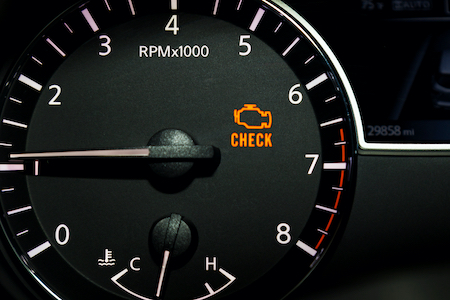
Oh, and that check engine light that so many people ignore…it might just be illuminated for a condition that could lead to catalytic converter damage. Have your service professional get to the bottom of any check engine light situation.
Give us a call and let us help.
 An EVAP leak is a problem somewhere in the evaporative emission control system (EVAP). The EVAPs purpose is to contain any fumes released from gasoline, and prevent them from seeping out and impacting the environment.
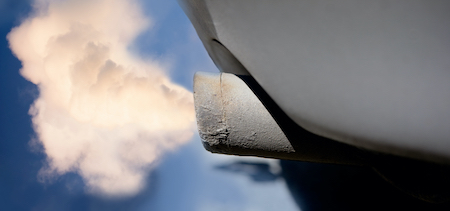 These pollutants escape and cause problems as they react with the environment. When exposed to sunlight, for example, hydrocarbons impact ozone. Nitrogen will linger in the atmosphere and add to acid rain. Carbon dioxide traps heat here in the earth’s atmosphere. And all of this has been building over time – for over a century as auto production has scaled over the years.
 Even with today’s technology and all the manufacturing upgrades we’ve made over the years, it’s still impossible to find a perfectly formed tire that will continue to be balanced all the way around as it ages. There will always be a part of the tire that ways a bit more, is a little thicker than other areas, or has imperfections that cause it to fall out of balance.
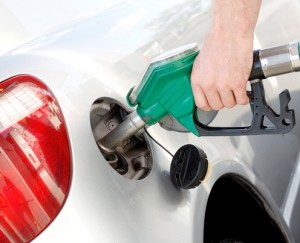 Nobody likes wasting money. Gasoline costs money, so using less gasoline saves money. One of the ways vehicle manufacturers are helping you save gasoline (and money) is with smaller, turbocharged engines.
 Did you know every make and model comes with a handy guide that provides guidelines for how to repair your car over the years? Who better to keep you on track for maintaining your vehicle than the people that built your car?
 When you head back in time, fixing a car was a very hands-on job. The vehicle servicing station was a busy place, with lots of mechanics needed to work several hours on each job. Every turn of a wrench, every twist of a bolt was done by hand, and it could take a mechanic hours to complete one simple job. While hundreds – thousands – of little pieces fit together to build complex systems, it was necessary for a mechanic to check and service them all by hand.
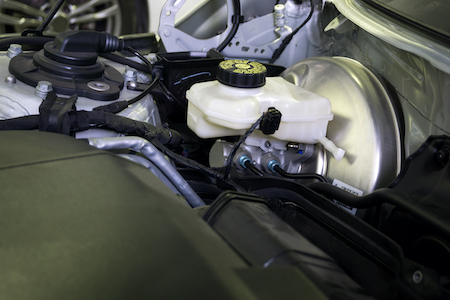 The brake system moves into action as you step on the brake pedal. Through hydraulics, the force of the brake pedal moves pressurized brake fluid through the line, down into the caliper. The caliper then squeezes the
 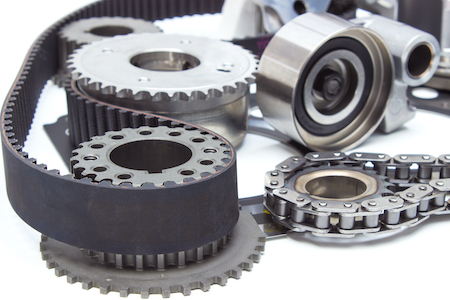 The timing chain and timing belt function in the same way. The difference between the two is the material they are created from, and their location in the engine compartment.