• Home
  • Denver Auto Repair Services
    • Full Service Oil Change
    • Expert Mechanics
      • Expert Honda Mechanics
      • Expert Toyota Mechanics
      • Expert Subaru Mechanics
    • Automatic Transmission
    • Fuel System Cleaning
    • Radiator Flush Service
    • Wiper Blades
    • Air Filter
    • Cabin Air Filter
    • Gearbox Service
    • Brake Repair
    • Clutch Repair
    • CV Boots
    • Tune-Up
    • Steering & Suspension
    • Tires
  • Auto Diagnostic
  • Contact Us
    • About Us
  • Shop Specials
  • Testimonials
  • Blog
  • 303-691-2760

Express Car Care of Denver

"Denver's Best Auto Repair and Quick Lube"

  • Brake Service
  • Car Maintenance
    • Heating-Air Conditioning
    • Suspension
    • Transmission
    • Engine
    • Tires
  • Oil Change
  • Tips & Tricks

Signs Your Car Needs An Oil Change

September 21, 2019 by Denver Express Car Care

It’s hard to ignore that your car needs gas to operate. If you don’t add more when the gas tank is low, you run out. And when that happens, your car stops working. It comes to a grinding halt, and you’re stuck wherever it happens … until you fill up the gas tank once again.

But what about car oil? It works in a similar manner. Your car needs oil to operate. If it runs out, your car will cease to operate. And a lot of damage will occur to the working parts of your car.

Yet a lot of car owners are ignoring this important fluid. If they have a newer car, they assume the electronics will tell them when things aren’t working. They drive and drive, almost waiting for a problem to slow them down.Signs Your Car Needs An Oil Change

As a result, repair shops all over are finding more vehicles than ever are coming in with engine damage. If the engine doesn’t have the proper fluids, it operates as best it can. Until it can’t. And a lot of problems occur in between.

What does car oil do?

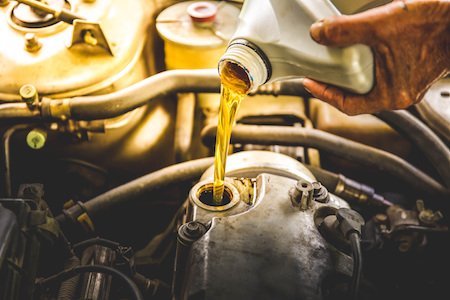
For a car to operate as it should, it’s important to perform routine maintenance. That consists of an oil change, draining the old oil out and replacing it with fresh, new oil. An oil filter is usually replaced at the same time.

Cars have lots of moving parts in them. They are designed to move together, causing friction and heat. Car oil lubricates the engine and absorbs this heat, which lets all the internal parts work together without the chance of overheating.

This, of course, is a constant process of sending the oil throughout different parts of the engine, collecting dust, dirt, and other particles as it performs its task. The older it gets, the more it breaks down, unable to perform as it was originally intended. It becomes less effective at lubricating all the parts within the engine.

How often should you change car oil?

That depends on what car you drive.

Every owner’s manual for every car manufacturer will list specific guidelines for how often you should replace your oil. Be aware that not every motor oil is the same. You can’t run to your local discount store and pick up a can of oil and expect it to work for your vehicle. In fact, doing so can be downright dangerous.

According to the American Petroleum Institute, there are many different motor oils for sale in retail locations for the average DIYer that will cause more harm to your engine than good.

Your car requires a certain type of oil created for how your vehicle was built. This is where following manufacturers guidelines is an important part of your car’s maintenance routine. American built cars have different requirements than European cars, with the latter often requiring more rigid specifications.

When it comes to your motor oil, err on the side of selecting the best. Pay attention to what the car’s designers have to say, because it can help you avoid a costly mistake.

What is synthetic car oil?

Even if you have an older car, we think an upgraded oil is still beneficial for your car. Here’s why you should consider moving to a synthetic car oil.

Synthetic oil is made from natural gas or crude oil that goes through a rigorous process to convert it to motor oil. This process makes all of the molecules uniform in size. That means it flows through your car more uniformly. It reduces the amount of friction produced as it operates, reducing the wear on your engine.

If you use name brand, higher quality motor oil, you’ll have a better product. And with a better product means your engine will have a longer life. Is it worth a few dollars now to keep your car running well for years to come?

But what about older cars? Should you always buy upgraded oil? 

If you have a car and it’s been going strong for over 100,000 miles, it’s hard to argue that it’s been working fine with more conventional motor oil. Why not give it just the basic grade?

As your car ages, it starts showing signs of wear. Even the parts you can’t see unless you really look.

That may be precisely why it’s a good idea to upgrade your motor oil. Giving it a far superior product now means you’ll be giving it better fuel for operating. You know how you feel better when you eat, right? It’s the same for your vehicle; give it a higher quality product, and it will perform better over time.

What should I watch for to determine when I should change the oil?

Now that you know why your car needs motor oil and what you should be putting in, how do you know it’s time?

Mileage

Check your vehicle’s owner manual. Manufacturers list how often you should change your motor oil based on how many miles you put onto your car. This is a good guideline to follow to ensure you’re changing your oil regularly.

Dates

It’s also a good idea to pay attention to how you drive. Have you taken a road trip recently? Have you put on excessive miles in a short period of time? Or has your car been stuck away in a garage for months as you work from home? Paying attention to what you do in between oil changes will ensure your car always receives fresh oil.

Check engine light

Never ignore the little lights that pop on your dashboard. They illuminate for a reason. Some cars have oil change lights, while others may flash “check engine” instead. Proceed to your mechanic as soon as possible to avoid bigger problems.

Noise

Motor oil provides lubrication, a protective layer as engine parts move and operate. If it doesn’t have enough to do its job, you’re going to start hearing noises. That knocking, banging, clanging, or rumbling noise is trying to tell you something. Don’t ignore it.

Does your car show signs of needing an oil change? Make your appointment today.

Filed Under: Oil Change Tagged With: Oil Change

The Most Common Automotive Brake Problems

September 18, 2019 by Denver Express Car Care

What’s one of the most critical systems in your car? It would be hard to argue against the braking system. Imagine your brakes failing as you’re exiting the highway, or as you’re slowing down to round a corner.

Which is why it’s important to pay attention to the little things your car tries to tell you every time you drive. Many common automotive brake problems can be solved quickly – if you catch them early enough. The more you listen to what your vehicle is telling you, the safer you’ll be.

How to stopThe Most Common Automotive Brake Problems

The art of stopping is based on kinetic energy. Every object on earth has kinetic energy based on its mass and velocity. The object’s mass (weight) determines its velocity (how fast it will go).

To stop, you have to remove the kinetic energy. For you and me, we simply slow down our speed. But for large objects – cars – the braking system is built for the process.

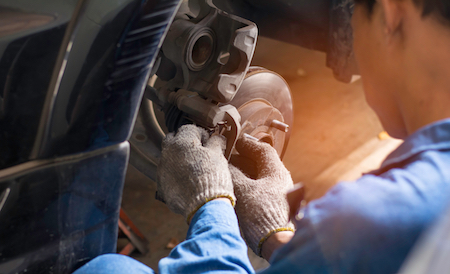
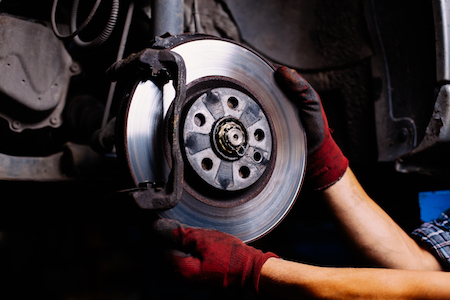
Take a moment to look through your front wheel, you can see a metal disc just inside. Most cars today use what’s called a disc brake system. As you apply pressure to the brake pedal inside your car, a brake pad clamps onto this disc and rubs it to stop the motion. It slows it down depending on the force you apply to the brake action.

Cars not only have a lot of weight, but they can also reach very high speeds. Have you ever hit 70, 80, or more on the highway? Your brakes have to be able to stop quickly even at these speeds without throwing your vehicle into a tailspin. When you hit the brake pedal, all of this energy is immediately transferred to the brake pads. That means these pads have to be able to withstand a lot of heat (950 degrees F or more) and be able to function properly.

For that reason, brake pads are made of materials that won’t melt, such as alloy, ceramics, or other carbon-based materials. Eventually, these pads start to wear down. The thinner they get, the more pressure you have to apply to perform the same function. Until eventually they wear out altogether.

You want to get a full lifespan from the brake pads. You have to parallel that with replacing them before they put you at risk. That’s why it’s important to have a mechanic on your side, who will provide you with honest, accurate feedback on what to expect from your investment.

A lot happens in between installing new brakes and replacing them when they’re worn out. Here are a few things to keep in mind.

What is brake dust, and what causes it?

Have you ever washed your car and noticed gray-black dust covering your wheels? That’s brake dust.

As the brake pads apply pressure to the disc, iron particles slowly grind off. These small iron and metal particles are nothing more than residue from the brake pad material as this process occurs.

Brake dust is not an indication that your brake pads are malfunctioning. Yet it is important to clean brake dust away from your wheels, as it can erode the clear coat of your alloy wheel, which causes more problems to your vehicle.

Fortunately, that’s an easy process. You can purchase wheel cleaner at your local automotive shop. Just use a soft bristle brush and rinse it away.

What is brake fade?

Have you ever pressed down on the brake pedal and it’s felt like the brakes aren’t working? It could be brake fade. There are several reasons this could be happening.

Friction fade occurs when you overuse your brakes. This happens quite frequently here in Colorado because of the Rocky Mountains. As you’re coming down a steep hill, to keep the car from gaining speed, some unsuspecting drivers will put their foot on the brake pedal and keep applying pressure. That constant friction creates enormous amounts of heat. This can cause the brake pad and rotor to stop working.

Older cars might experience brake fluid fade, which is caused by a degradation of brake fluid. Different manufacturers have different requirements on when to replace your brake fluid. If you ignore these guidelines, it begins to absorb water and other debris. That causes the brake fluid to boil at lower temperatures, causing steam to build up in the system. If you’ve ever felt your brakes getting a little “spongy”, this is the cause.

While not one of the most common reasons for brake fading, you can occasionally experience mechanical fade. New brake pads have a resin in them that can break down as it heats. If they weren’t created properly, it may produce a gas that prevents friction between the pad and the disc. This causes the brakes to stop working.

If you experience any of these, it’s important to allow your brakes to cool down. Pull over to the side of the road and give them time to cool. If you’re coming out of the mountains, downshift to lower gears to take the pressure off the brake pads. Do not touch any part of the wheels or brakes – they will be very hot to the touch.

What if my car shakes or has vibrations?

Another common automotive brake problem leaves your vehicle shaking or vibrating.

Have you ever noticed your steering wheel shaking? It could your brake pads are contaminated with dirt, oil, or other substances. It can also occur if your brake pads are warped, damaged, or excessively worn.

It could be your brake disc or rotors are worn down. As the surfaces continue to function and take heat as you brake, they sometimes wear in different ways. That can cause unevenness over the surface areas. When you apply the brakes, the brake pads grab the discs unevenly, and you’ll feel a vibration as you come to a stop.

It could be alignment issues. If your car has experienced damage from potholes, for example, it can impact the way the entire suspension system works. If you feel vibration in the pedal as you press down, it most likely has to do with your alignment.

Lastly, the more wear your entire suspension system has, the more parts could malfunction. Ball joints, wheel bearings, tie rods – there are many possibilities. This is when it’s important to notice when you have most of your problems. If you notice it primarily during turning, it’s your suspension system. If it’s primarily when you brake, it’s your brake pads or rotors.

Is it time for brake repair? 

Have you noticed any of these common automotive brake problems with your vehicle? Maybe it’s time to have a mechanic thoroughly evaluate your car.

Schedule your appointment today and ensure your car is safe for you to drive, and your family to ride in. It will give you peace of mind as you head out and enjoy all the Rocky Mountains has to offer. 

Filed Under: Brake Repair, Brake Service Tagged With: Automotive Brake Problems

Diesel or No Diesel?

September 16, 2019 by Denver Express Car Care

Let’s debunk some of the myths about diesel powered vehicles.
  1. Diesel Burns Dirty – This was true years ago.  Since 2006, however, U.S. diesel vehicles have been required by law to use ultra-low-sulfur diesel or USLD.  Modern diesels are soot-free and have a smaller carbon footprint.
  2. Diesels Are Sluggish – Not anymore.  They are as fast off the line as similar gasoline-powered cars.  If your idea of fun is to spend an afternoon test-driving new cars, go take a spin in a diesel BMW or Porsche.
  3. Diesels Are Loud – Back in the day, you could hear a diesel motor from a mile away.  Today’s diesel vehicles run quieter than before.
  4. Diesels Have a Bad Resale Value – Actually, diesel vehicles have a lower depreciation rate.

Another often overlooked benefit is lower risk of fire.  Diesel fuel is less flammable and won’t explode like gasoline.

Diesel engines require parts that are heavier and stronger.  At Express Car Care, we occasionally service diesel cars and trucks with over 300,000 miles.  The heavy-duty parts make diesel vehicles a little more expensive new, but due to the extra burliness, diesel engines last a lot longer.  This is one of the reasons Cummins diesels inspire such a loyal following.

Cons?  Cold weather starting.  Diesel engines can be hard to fire up when the temperature drops.  However, an engine block heater can solve this problem.  Talk to your friendly and knowledgeable service adviser for more information.

If you are in the market for a new vehicle that’s easy on fuel, you might want to explore your diesel options.  You’ll save money and may qualify for a tax credit if you buy a clean diesel vehicle.  Of course, diesels require regular maintenance like any other vehicle and the services are usually a little more costly due to the nature of the engines.  But the extra cost can be offset by the better fuel economy and longer engine life.

Bottom line?  The diesel vehicles on our roads today are not your grandfather’s diesel.

Filed Under: Tips & Tricks Tagged With: Diesel or No Diesel?

The Most Damaged Suspension System Car Parts When You Hit Potholes

September 14, 2019 by Denver Express Car Care

You’ve probably heard the joke that in Colorado, there are four seasons: fall, winter, spring, and construction. Yes, summer is a great time to get out of the house and enjoy lots of sunny days and warm weather. But driving around town can leave you a little agitated at best.

It’s hard to miss the number of potholes that lurk all over town. They may start out small, but they quickly grow into a car-eating disaster.The Most Damaged Suspension System Car Parts When You Hit Potholes

Potholes are caused by the expansion and contraction of water. As cracks occur in the pavement, water leaks down underneath. On cold days it freezes. Think of it like an ice cube; it moves from a puddle of water to a solid, frozen shape. That pushes and shoves the pavement in new directions.

Then on warm days, it thaws. The water moves to new locations, penetrating even more of the uneven pavement. It flows into new cracks, and takes up more space.

Over and over this occurs, all winter long.

Of course, that’s not the only thing that helps a pothole grow. Especially on a busy road, cars and trucks drive over it, pounding the pavement in all sorts of directions. The weight makes the material weaker, breaks it off, and causes it to move in new ways. The more this occurs, the larger the pothole grows.

Colorado has thousands of miles of paved roads weaving in and out of some of the most beautiful country in the world. If you haven’t had the chance to drive across this state, try picking one from this list and enjoy the breathtaking views.

As you round each corner and move up and down the hills, try and avoid the potholes at all costs. Brace yourself when you simply can’t. And understand the impact each pothole has on your car parts, the damage it creates on your vehicle’s suspension system. By being aware, you can learn when it’s time to bring your car into our shop and get the suspension fixed before further damage can occur.

What a pothole can do to your car

When your car hits a pothole, it’s usually the pothole that will win. It can damage your tires and wheels, cause alignment issues, or even cause premature wear to your shocks. When you hit a pothole, it can damage:

  • Your wheels – it can bend or even crack wheel rims
  • Your tires – flat tires, uneven wear, and weakened belts and cords
  • Your alignment – ever noticed your car pulling to one side or the other?
  • Your suspension system – it can impact shocks, struts, springs, and more
  • Your exhaust system – cracks, leaks, and holes can put you at risk

That damage adds up to quite a lot – according to AAA auto club, over $3 billion a year.

How do you know if your car has been damaged by a pothole?

Here in Colorado, it’s hard to avoid potholes. But pay attention to the ones that make you cringe and groan. You know when you hit an especially bad one. It rattles the entire car. And once this happens, be on the lookout for these things:

  • Do you have to turn your steering wheel so it’s crooked to stay straight on the road? It’s a sign the steering component is bent.
  • Do you notice excessive bouncing and loss of control as you drive? It’s a sign of steering and suspension issues.
  • Have you noticed pulling to one side or uneven tire wear? It’s a sign of problems with your alignment.
  • Are there bulges on tire sidewalls or dents in the wheel? It’s symptoms of tire damage.
  • Do you notice a vibration in your steering wheel? It’s a sign of a bent rim.
  • Do you find fluids underneath your car when you pull away? It could be a signal of a line or hose that’s cracked, wiggled loose, or no longer functioning.
  • Is your exhaust system noisier than normal? It could be a result of damage from the undercarriage of your car scraping because of the pothole.

What if you think you’ve sustained damage after hitting a pothole?

Or course, it depends on what the damage is. Some damage is more dire than others. If you don’t come in with some issues, it can put you at risk for more serious damage, or for an accident.

You should never take your car for granted. You should always take the approach of “listen, sense, and look.”

Every time you start your car, listen for sounds that weren’t there before. Do you hear a new rattle? Do you hear a new clank? Each of these sounds is trying to tell you that something is wrong with your car. Do a little sleuthing and find out exactly where it’s coming from. Even if you can’t determine the exact cause, it will help you be able to talk more clearly with your mechanic when you bring your vehicle in.

Gain a good sense for what your car feels like every time you take it out on the road. Learn how the steering feels as you make turns and keep your car on the road. Do you notice different movements, especially at varying speeds? Do things change on the highway? Do things change when you come to a stop? Note these differences and describe them when you come into the shop.

You should also make a periodic overview of your car, both inside and out. Just like a pilot makes a full check before he pulls the plane out and flies it to the next destination, so too should you do a thorough investigation once in awhile, to ensure everything looks okay. Glance under the car, do you see part of the exhaust system hanging free? Do the tires look deflated or flat? When you pop the hood, does something appear to be out of place?

You don’t need a certificate in auto mechanics to notice when something is wrong with your car. And considering how important your suspension system is to the way your car behaves on the road, it’s one of the most important systems to watch.

How many potholes have you hit this year? Isn’t it time to make sure your suspension system is fully working, and won’t cause you problems down the road?

Filed Under: Suspension Tagged With: Car Parts, Damaged Suspension System

Signs Your Car Needs a New Battery

September 10, 2019 by Denver Express Car Care

Have you ever thought about how much you rely on your car? You expect it to work when you leave your home each morning. You expect it to keep running as you move throughout your busy day. You expect it to start and run no matter what the temperature is like outside, whether it’s the hottest day of the summer, or the coldest day of the winter.

Here in Colorado, the variances can be stark. One minute warm and sunny, followed by a whirlwind storm that brings in rain, or even snow. Is your car up for the challenge?Signs Your Car Needs a New Battery

If you’ve ever turned the key and nothing’s happened, you know how annoying that can be. Yes, it can cause you to be late to work. But what if you’re in the middle of unfamiliar territory, and it’s late at night with no one around? It can be downright dangerous.

Do you know the signs your car needs a new battery? If so, this whole scenario could have been avoided. Because batteries rarely fail without a little warning. They have their own unique ways of saying: something is wrong. And if you watch for it, notice it, prepare for it, you can avoid being stuck without a plan.

Slow Engine Crank

When your battery was new, one quick turn of the key had your engine popping into life. The older your battery gets, the longer this process seems to take. When you attempt to start your vehicle, the engine cranks to life with sluggish movements. If you notice this happening on a regular basis, don’t ignore this warning sign.

Clicking Sound When You Turn The Key

Every time you turn the key, your car battery sends power throughout the electrical system. This is designed to get everything going, ready to keep your car functional while you drive. It’s like a burst to the system to power everything up, before turning to a stable current to keeping everything functional. A failing battery will have trouble with this task. The electrical current will send a weaker signal, causing a clicking sound because of insufficient power.

Dim Headlights

In addition to turning your engine over, the battery also powers the electronic features of your car. If you’re traveling down a familiar lane at night and start to think your headlights aren’t doing the job they once did, it could be your battery. If the battery isn’t producing a full charge, all components of your vehicle will weaken over time.

Check Engine Light

Sometimes the check engine light will fire up and stay lit as you drive away. Without full power running through the system, this is your car’s way of saying something is wrong.

Swelling Battery Case

Open up the hood from time to time and take a look inside. Find the batter case; how does it look? Heat build up can cause the case to swell and bloat. Car batteries also have a translucent section so you can peer inside and see the battery fluid level. Does it appear to be in good condition?  Does the fluid seem to be low? Is fluid leaking? If it doesn’t look right, your next stop should be to have it looked at.

Backfiring

When a battery is failing, it can sometimes cause intermittent sparks. These sporadic sparks can lead to a buildup of fuel in the cylinders, and when this fuel ignites, the increased force causes your car to backfire. Backfiring can be caused by several things, not just a failing battery, so it’s important for a service technician to fully evaluate your vehicle to determine the root cause.

Age

How old is your car’s battery? In most cases, a car battery will last anywhere from two to five years. The older your battery is, the more you should consider purchasing a new one, especially if you’ve had other problems described above.

Still have questions about your car battery? Here are a few we answer quite frequently.

Why does the battery drain overnight?

Your car’s battery works fine – until you start the car up again the next morning. What can cause the battery to drain in just a few short hours? In most cases, it’s the car light being left on overnight, or a power adapter plugged in and working throughout the night. Of course, your battery can also drain if there’s a problem with the electrical wiring. If that’s the case, your car needs servicing sooner rather than later.

What shortens the life of a battery?

In a perfect world, your battery will last according to manufacturer’s guidelines. Of course, rarely does your battery lead a perfect life. Several things can shorten a battery’s life, including:

Short trips – those start/stop trips to the grocery store, drop the kids at school, or pick up the dry cleaning, hurt your battery. It doesn’t have proper time to fully charge.

Extreme temperature – Colorado is known for 30, 40, 50 degree drops or more in just a few hours. When temperatures move towards the 100s, or fall well below freezing, something into the negatives, it’s a drain on your battery.

Can a battery put off a pungent smell?

Yes. If you notice a stinky, rotten egg smell, especially when you open up the hood and get closer to your battery, it could be failing. This is caused when the battery leaks. If your battery is leaking, you’ll also notice corrosion around the two posts – where the + and – cable connections are located. This needs to be cleaned away for your battery to continue operating. It’s also a sign that something is wrong with the connections. Your best course of action is to have a service technician check it out.

Can a jump solve the problem?

It’s always a good idea to carry jumper cables with you at all times. If your car dies, a jump may give you the energy you need to make it safely into our shop. However, a dead battery is a sign of a weakening battery. A jump isn’t meant to put life back into your battery and have you ignore the situation. It gives you a chance to service your vehicle before other situations arise.

If you have questions about your battery, your engine, your starting system, or anything else with your vehicle, the best step to take is to make an appointment today.

It’s better to drive in under your terms, rather than having to tow your vehicle in for emergency repair.

Filed Under: Tips & Tricks Tagged With: Signs Your Car Needs a New Battery

How To Maintain Car Brakes

September 7, 2019 by Denver Express Car Care

When you jumped into your car this morning, you probably didn’t think much about the brakes.

You thought about dropping the kids off at school. Or maybe contemplating if you had enough time to get coffee before you head into work. Or the meeting you have later in the day.

Your car probably didn’t enter your mind. It’s a useful tool that gets you where you’re going. And outside of thinking about stopping to get gas, or scheduling an oil change here and there, your car is reliable. Why worry about something when there’s so much else going on in your life?How To Maintain Car Brakes

But if you’ve ever had a child or a dog jump out in front of you, you appreciate your brakes a little bit more. When traffic on the way home comes to a screeching halt, you thank your fully operational brakes one more time.

Brakes aren’t magic, they’re science-based. A car in motion produces energy. To stop, you have to release that energy, and you do so using friction to convert that energy to heat.

Pressing down on the brake pedal pushes a piston into the master cylinder filled with hydraulic fluid. This spreads hydraulic fluid into wider cylinders connected to the brakes on each wheel. This hydraulic process increases force enough to move the brakes into action, stopping your car.

Today’s modern vehicles have disc brakes. Disc brakes are made up of a disc, caliper, and a brake pad. When you apply pressure to the brake pedal, the hydraulic fluid causes the caliper to push into the brake pad, applying pressure directly to the brake disc. This rubbing action creates friction, which converts the energy into heat within the brake pad.

This process creates a lot of heat. That’s why brake pads are created out of high-quality material that withstands the pressure. If it melted under intense heat, they wouldn’t do you a lot of good. So they’re created from ceramics, alloys, composites, and more.

How to maintain car brakes

There are many parts on your car that add luxury to your vehicle, but aren’t a threat. If the air conditioning system goes out, it might get a little warm on a hot summer day. But you can still put down the windows and enjoy the breeze as you buzz down the road.

You can be inconvenienced by not having a radio. Or even adjusting to not having a side mirror if you bump it on the way out of the garage.

But you can’t live without brakes. If your brakes aren’t in great condition, they put you and your vehicle’s occupants at risk. If your brakes don’t work at all, your car is no longer operational.

That’s why it’s a good idea to maintain car brakes as a part of your regular routine.

  • Have your brakes checked by a reputable service dealer every year. This will keep you better informed as to how many miles you can travel on your current brake system, what to watch for, and establish a replacement schedule as your brakes begin to wear down. Our staff is happy to work with you and keep you informed of how much useful life you have left. Be sure to check our shop specials to ensure you get the best deal when scheduling your appointment.
  • Check your brake fluid. Just like you fill your car with gas as it moves towards empty, or change the oil based on mileage, your brake fluid should also be changed on a regular basis. Brake fluid is essential for the heat transfer process, and to help absorb condensation and water. Check the color of your brake fluid; a darker color means it’s time to have it replaced.
  • Listen and be aware of any changes in the way your car stops. If you tap on the brake pedal and you hear a squealing, that’s a sign of worn down brake pads. If you have to push down harder on the brake pedal to make your car stop, that’s a sign you need to schedule an appointment. If you’re at all concerned with something you hear or see, don’t wait.
  • Avoid unnecessary braking. By changing your driving patterns, you can put less wear and tear on your brakes. Leave more room between you and the car in front of you so you can coast while slowing down. Avoid being in situations where you have to ride the brakes, or pounce on them as traffic conditions bounce around.
  • Do business with reputable mechanics. Safety isn’t something you should play around with. You might get a great deal from a fly-by-night operation, but will your car be safe to drive? When you select a reputable mechanic, you’ll be comfortable you’re getting the best deal possible, and you’ll drive away in a car you can trust.

Is it bad if your brake pedal goes to the floor?

In a word, yes.

While there can be several reasons why this is happening, one of the most common is lack of brake fluid. If your car is out of brake fluid, your brakes won’t work. That means as you press the brake pedal to the floor, nothing will happen. There’s possibly a leak within the system. If this happens, you can’t drive your car for safety reasons.

Another possible reason is a bad master cylinder. The master cylinder is where the brake fluid compresses. This is where pressure builds to apply friction between the brake pads and the wheels. If it starts to fail, you’re going to lose braking power. The more it builds, the harder it will be to stop.

It could also be you, the driver, that is causing a problem. If you can’t find a mechanical reason for failure, and yet you have to push harder on the pedal to apply the brakes, it could be the way you drive. The more brakes are used, the hotter the brake fluid becomes. As it heats, it thins. Thinner liquid needs more force to make the brakes work. Stop riding the brakes, and give yourself plenty of room to avoid pouncing on the brakes as traffic grinds to a halt.

Have more questions on how to maintain car brakes? Need to check out your brake’s current condition? Give us a call today.

Filed Under: Brake Repair Tagged With: car brakes

Signs Your Car Needs A New Transmission

September 3, 2019 by Denver Express Car Care

Every day as you drive, dozens of parts come together to ensure your car gets you where you’re going. When everything is working, it’s a smooth ride, one you can depend on.

But over time, things change. You notice bumps in the road. You hear squeaks and squeals. You may even see things slowly starting to fail.

Your car doesn’t fall apart overnight. It never fails without warning signs. If you watch and listen carefully, you’ll notice when things start to break.Signs Your Car Needs A New Transmission

Are there signs your car needs a new transmission? Can you tell before your car fails?

In most cases, the answer is yes. Your car gives off warning signs, and the sooner you bring it into a qualified transmission specialist, the higher your chance of catching it early and lowering the overall costs of the repair.

The key is in not ignoring the warning signs. They are there for a reason. Catch it early, and you might only have a small repair. Wait, and the costs can build as time goes by.

Warning signs your car needs a new transmission include:

Problems shifting gears

It doesn’t matter if your car is manual or automatic, it still shifts into several gears as it takes you from resting up to speed, and back down again. Every time it shifts, it should be a smooth transition. When you start noticing changes, a roughness in the process, that’s a sign your transmission might be in need of repair.

Pay attention to the process. Do you notice:

  • Hesitation as you try and put the car into gear
  • Jerking action as the car shifts between gears
  • A sudden shift in gears for no reason
  • Trouble with reverse
  • Falling out of gear while you’re driving

All of these can be signs your car needs a new transmission. It’s time to bring your vehicle in for servicing right away.

Grinding between gears

With a manual transmission, you can feel when there’s a problem with the gears. As you press down on the clutch, and try to shift from one gear to the next, you hear a grinding sound. The process is anything but smooth. It’s difficult to move from gear to gear.

But it’s not just manual transmissions that have problems. Instead of a grinding noise, automatic transmissions may start to shake or shimmy between shifts as it starts to fail.

It may be the clutch failing. It might be a simple repair. But the longer you ignore it, the more it persists, the more problems you’ll face when you do bring it in for repair.

Whining noises

Have you ever stood next to a vehicle that has a whining, buzzing, or clicking sound while standing in neutral? That can be a sign of transmission failure.

As parts fail, they impact the transmission in different ways. Transmissions are made up of lots of parts: pumps, clutches, bands, sensors, valves, even transmission fluid to keep everything running smoothly. Every part has a purpose. And if one part starts to fail, it can cause a host of other problems.

That’s when noises start to occur. Let’s say your transmission fluid is low. That can cause a ripple effect throughout the vehicle, making bands weaken, clutches tighten up, gears not able to work properly. If you correct the problem quickly, you stop the action from deteriorating the parts any further. The longer you wait, the more damage occurs. When you hear a new noise and it persists, it’s time to quickly find out the root cause.

Cloudy transmission fluid

When transmission fluid is brand new, it has a bright red color and a distinctive sweet smell. If you’ve never seen it before, ask your mechanic about it the next time you visit. Over time, transmission fluid goes through a lot as it keeps the action in your transmission operating as it should.

When you start to see changes in looks, it could be the transmission fluid. If you look at it and it appears dark, or has a milky, cloudy look, it’s a sign the transmission fluid can no longer do what it’s supposed to do.

Burning odor

Not only does transmission fluid change color over time, but it also creates a distinctive smell. When the gears overheat because of excessive friction, it starts to produce a burning smell. You’ll notice it when you turn your car off and open the door. If the transmission has reached this point, it’s time to bring it in for repair, and it’s probably time for a new transmission.

Leaking transmission fluid

As your transmission continues to fail, it starts to develop leaks. Whether you park it regularly in a garage, your driveway, or in a parking spot at work, pay attention to what’s left behind when you drive away. Do you see the red fluid leaving spots? It doesn’t matter if it looks red and clean, or has already taken on a cloudy appearance, a leak isn’t something you should tolerate. Instead, a leak is a sign of a very big problem.

It doesn’t mean your transmission is going bad, but there is a problem with the flow of transmission fluid. The quicker you get it in, the faster you repair the problem, the greater chance you have of saving your transmission.

That can mean the difference between a small repair and adding new transmission fluid, or a costly investment in a new transmission.

Have questions about your transmission? Is your car showing warning signs it might be in need of repair? Schedule an appointment today, and we’ll get to the root cause, and get you on your way.

Filed Under: Transmission Tagged With: New Transmission

Fuel System Cleaning

September 2, 2019 by Denver Express Car Care

Fuel, whether gasoline or diesel, is delivered to your engine to be burned in order to generate the power needed to keep you moving.  This fuel leaves a residue as it moves through your fuel system.  This may not seem like much, but it can cause big problems.  Gum and varnish build up inside fuel lines, the throttle body and injectors.  It’s like plaque build-up in your arteries – it restricts the free flow of fuel and can even clog your fuel injectors.

In addition, carbon from combustion starts to accumulate on the valves, inside the combustion chamber and on your pistons.  This interferes with proper mixing of fuel and air and can prevent your valves from sealing properly.  This means you will have less power, a rough running engine and wasted fuel – and could even lead to expensive damage over time.

A fuel system cleaning clears out the gum and varnish from your fuel system and gets your injectors working properly, restoring power and fuel efficiency.  Carbon deposits are dissolved, and your engine starts running like new again.

If your engine seems sluggish and less responsive than it used to be, it might mean that you are in need of a fuel system cleaning.  Ask your service adviser if a fuel system cleaning is the right thing for you.

Give us a call or come in and see us, we’re here to help.

Filed Under: Car Maintenance, Engine

What If I Drive With A Broken Suspension?

August 29, 2019 by Denver Express Car Care

For many people, a car is simply a tool that helps them go from point A to point B. They get in, drive it, and expect it to be ready when they want to hop in once again.

But a car is actually an intricate set of systems all working together to keep you safe and secure while you move throughout your busy day. You rarely think about what could go wrong until it actually does.What If I Drive With A Broken Suspension?

Often, people don’t ask questions like “what if I drive with a broken suspension” until they encounter a problem with their cars. At that point, it’s a little too late to be able to do anything more than call a tow truck and pay the costs.

Every automobile on the road today is designed with a suspension system. The suspension system is a collection of parts designed to keep your car off the ground and in motion as it moves from here to there. It keeps you comfortable as you hit bumps. It keeps you secure as you move through turns and corners.

Every piece of your suspension system plays a part in the process. If one part goes out, it impacts the entire process.

Your suspension system consists of:

  • Wheels
  • Tires
  • Springs
  • Shocks
  • Steering system
  • All the parts that connect the system together

Like all parts, each is designed to last for only so long. From the moment you drive off the showroom floor, wear and tear occurs to each part a little differently. It depends on driving conditions. It also depends on your driving habits.

Over time, it starts to falter. It doesn’t perform the way it once did. You start noticing problems. The squeaks. The clicks. Or maybe it feels like you traded your luxury car in for a truck. You feel every bump in the road.

Parts wear down over time. But in some cases, it goes a step further. You face a broken suspension system instead of one that’s just in need of repair. What then? Is it safe to drive? Do you need to call a tow truck?

In most cases, a broken suspension means immediate replacement. It needs repair before you can drive. But it also depends on what part brakes.

Wheels

Wheel system failures are almost always caused by the improper installation of the wheel itself. During installation, as the wheel is being mounted, lug nuts or other intricate parts to the wheel aren’t tightened the way they should. As they loosen, the wheel studs break and the wheel separates from the car. This can also occur with improper maintenance, or manufacturer’s defects.

Tires

Your tire is one of the most common reasons for broken suspension failures. If your tire is flat, you can’t drive on it for even short distances. If you put too much pressure on the wheel without the protection of the tire, you’ll destroy the wheel. And without properly inflated tires, you won’t be able to stop or handle the car around curves and turns the way you can under normal conditions. It becomes difficult to steer, slowing down is problematic, and you’re at greater risk for getting into an accident. Change the tire as soon as you discover it’s flat.

Springs

Every car has a coil spring within the suspension system. The coil springs allow the wheels to carry the car vertically, while also holding the rest of the car together. The size of the spring determines the height of the ride. If the coil spring breaks, your car will appear to sit lower than normal. You’ll often find the coil springs start to rust over time where they connect to the suspension system. A broken spring will also affect wheel alignment and cause a distinct rattling noise. If you keep driving on it, it can become dislodged if you hit a bump or pothole, and possibly damage other parts of your suspension system.

Shocks and Struts

If a shock absorber no longer works, you’ll notice your car starts to bounce quite a bit. It may also squat or dive excessively as you apply the brakes. All of these can make the car uncomfortable to ride in, but more importantly, it can also make it difficult to control. Especially as you pick up speed. If you discover you have a broken shock absorber, never increase to highway speeds. Avoid tailgating, taking corners too fast, or braking or stopping quickly.

The struts are part of the suspension system that hold the body of the car off the ground. Struts connect many different parts of the suspension system, including the coil spring and shock absorber. They impact both your car’s steering and alignment. If your car’s struts break, it’s similar to having both your shocks and coil springs break. That means your ride will both be uncomfortable to drive, have the possibility of damaging other parts on your car, and unsafe.

Steering system

Have you started to notice your steering is acting funny? It might be your steering rack or something like tie rod ends. With the rack and pinion steering system, it connects the movement of the left-right steering wheel to the left-right tires to make the wheels turn. The steering column itself sits on a pinion gear that turns, connects the gears in the rack, and gives it the left-right control. The “power” in power steering comes from pressurized fluid flowing through the passages that give you the power to turn the wheels. This fluid also keeps everything cool and prevents damage as metal hits metal. It’s important to change this fluid on a regular basis, according to your car manufacturer’s guidance.

Other

Your car’s suspension system has too many parts to discuss them all here. But every one of them is necessary to keep your car working properly and to keep you safe as you drive. If any part fails, it can make your driving experience unsafe at best.

If you think you have a problem, don’t put it off. Schedule a maintenance appointment today, and we’ll ensure your car is in the best working condition possible. It’ll give you confidence to know your car is as safe as it can be.


Filed Under: Car Maintenance, Suspension Tagged With: Broken Suspension

Signs Your Car Needs A Tune Up

August 24, 2019 by Denver Express Car Care

Has your vehicle been acting up lately? Are there signs your car needs a tune up?

In a way, cars and people are a lot alike. We both operate well when we take in the right “fuel.” We both have early warning signs when something isn’t right. And problems can easily grow if we continue to ignore those warning signs.

Check ups and tune ups are very similar; both are designed to test from every angle, and make suggestions as to how to proceed. Once you discover there’s a problem, no matter how small, you can use that data to make minor repairs. And hopefully, that can help prevent bigger problems down the road.Signs Your Car Needs A Tune Up

You know when it’s time for a tune up in one of two ways.

1. Your car starts giving hints it’s time for a tune up. It vibrates, squeals, shakes, hesitates, misfires, stalls, fails an emissions test, or has trouble starting.

2. Your car hits a mileage marker. While older makes and models would require tune ups every 10,000 miles or so, today’s technology allows vehicles to travel much further before a tune up is needed. Check with your manufacturer’s guidelines to determine what’s best for your vehicle.

When you bring your vehicle in, the mechanic on duty should talk with you about your car’s condition. Just like a doctor should never start testing without a few questions first, a mechanic shouldn’t start with routine maintenance without talking to you about performance.

You can help even more by noting your car’s behavior a few days before your appointment. In some cases, you may have overlooked a warning sign, simply because you’ve grown accustomed to the noise. Use your phone’s note feature to keep track of any issues, or keep a pen and paper handy and write down any concerns. This will give you critical information that can help your mechanic get to the root of the problem.

What should you watch for?

Warning lights

Yes, those pesky little lights that crowd your dashboard are there for a reason. When they light up, they are signaling something is wrong (if nothing more than a tripwire gone bad.) In modern cars, you’ll have warning lights for small things, such as a tail light burning out, to more complex problems, such as transmission failure. Every warning light is designed to light up and give you plenty of time to get the problem fixed. Pay attention to these warning lights, and get your car analyzed as quickly as you can. It can be the difference between paying a small amount for a small problem, and a costly problem from an emergency situation.

Poor gas mileage

Do you track your gas mileage each time you fill-up? It can be a great indicator when something starts to go wrong. When your car starts losing efficiency, it can be from a variety of causes. Maybe your tire pressure is waning. Maybe it’s an air filter that’s clogged. Or something more. When you track your mileage, you can use it as a baseline, so you have advanced warning of when something goes wrong.

Starting problems

People have all kinds of reasons for slowing down and taking more time to get out the door in the morning. Your car doesn’t. When running correctly, it should always start without hesitation. If it doesn’t, it’s a warning signal that something isn’t right. If you have to turn the key more than once for it to fire up, or it won’t stay running, you have a problem. It could be a sign of a weakening battery, or a sign of something more.

Stalling

Have you ever sat at a stoplight and had your car stop working? Or maybe you try to accelerate, and your engine sputters out? This can be a sign of bigger problems with your engine, which could be dangerous as you’re out on the road. If your engine can’t provide reliable performance, it can leave you in precarious situations. You never want to be sitting by the side of a busy road, wondering what’s wrong with your car.

Regular maintenance

There are certain car maintenance items you do continuously just by owning a car. You fill it with fuel when it runs empty. You replace the motor oil on a regular basis. You add in a new air filter when you’re changing the oil. These simple tasks can sometimes reveal other problems. Is your air filter clogging more between changes? A clogged air filter can impact both fuel economy and acceleration.

Rough shifting

Even if your car is an automatic, it still shifts into gear as you accelerate and slow down. There’s a smoothness to it; if you hear it and it clunks, it’s not as efficient as it should be. Pay attention to the noises as you speed up and slow down. Do you have trouble when you try and put it into reverse? All of this is a sign your transmission needs a little attention. The gears in your car rely on transmission fluid, filters, and screens to operate properly. If these aren’t properly maintained, they can impact the way your car drives.

Noises

Those squeaks, bangs, squeals, and pings are trying to tell you something. It’s your job to listen to where they are coming from. Your brakes should be quiet, for example, without making noise as you press down on the pedal and come to a stop. When they start to squeal, they are telling you something is wrong. Brake pads, rotors, and brake fluid all wear and eventually need replacing.

Of course, that isn’t the only part that will start to make noise. It may be a worn belt, low fluid, or a noise from a failing part. Turn down the radio and listen; what do you hear? How would you describe it? Where do you think it’s coming from? When does it occur? The more information you can provide, the faster it will be to diagnose the problem, and get to the root cause.

Start with your owners manual

Do you know the signs your car needs a tune up? Do you pay attention to what your vehicle is trying to tell you? The best place to start is by reading your owner’s manual. How often should you get a tune up? What are the manufacturer’s guidelines? If you don’t have it handy, you can always Google it and find it.

Then pay attention to your car’s warning signs. And bring your car in today for a tune up; we’ll help you keep it in top shape for years to come.

Filed Under: Car Maintenance, Engine Tagged With: Car Tune Up

  • « Previous Page
  • 1
  • …
  • 62
  • 63
  • 64
  • 65
  • 66
  • …
  • 103
  • Next Page »

Express Car Care
4200 E. Evans Ave. Denver, CO (map)
Phone: (303) 691-2760
Located just southeast of the Colorado Light Rail station

Follow Us Today!

  • Facebook
  • RSS

Shop Hours

Monday: 8:00AM – 5:00PM
Tuesday: 8:00AM – 5:00PM
Wednesday: 8:00AM – 5:00PM
Thursday: 8:00AM – 5:00PM
Friday: 8:00AM – 5:00PM
Saturday: Closed – A note from the owner
Sunday: Closed

Last car oil change time  – 5:00PM

Click for the BBB Business Review of this Auto Repair & Service in Denver CO

Recent Articles

Tire Rotation: When to Do It—and the Signs You Shouldn’t Ignore

Tire rotation is one of the simplest ways to help your tires wear evenly, last longer, and keep your vehicle handling predictably. It is easy to put off, but a consistent rotation schedule can save … [Read More...]

  • Which Oil Is Right for Your Car?
  • Stop Burning Money at the Pump
  • Differential Service: Why It’s Crucial for Your Car’s Longevity and Performance
  • How to Catch a Transmission Problem Before It Leaves You Stranded
  • Why You Shouldn’t Wait to Address a Small Exhaust Leak

Search Our Site

Brakes Service

How to Keep Your Brakes Quiet, Responsive, and Safe

Everything You Need To Know About Replacing Your Brake Pads

How to Know If It’s Time to Replace Your Brake Rotors

Oil Change

Top Benefits of Getting Regular Oil Changes in Denver

Oil Change Specials in Denver: Save Money and Keep Your Car Running Right

Why Regular Oil Changes Are Crucial for Denver Drivers

Suspension

How to Know If Your Car Needs Suspension Repair in Denver’s Bumpy Roads

A Guide To Understanding Bushings on a Car

Tips for Preventing Wear and Tear on Your Car’s Suspension

Transmission Service

How to Catch a Transmission Problem Before It Leaves You Stranded

How Often Should You Service Your Transmission in Denver?

Transmission Trouble? Common Signs and When to Visit Our Denver Shop

Engine Service

Stop Burning Money at the Pump

Everything You Should Know About Your Vehicle’s Timing Belt

Is Your Car Hesitating During Acceleration?

Auto Tips & Tricks

How to Deal With Car Noises That Only Happen When You Turn

Top 5 Maintenance Tips for High-Mileage Vehicles

Why Tire Pressure Matters More Than You Think

"Denvers Best Auto Repair and Quick Lube" - Copyright © 2026 - 4200 E. Evans Ave. Denver, CO 303-691-2760