

Want to know the two biggest factors that can affect your tire pressure here in Denver? Temperature and altitude.
While there are many things we all love about living in the Mile High City, when it comes to your tires, they aren’t nearly as excited. We can go from 90 to 30 degrees in days. You can go up and down thousands of feet in altitude in a matter of hours. And one of the biggest things that keeps you safe as you head out on your journeys is your tires. Which means your auto maintenance routine should begin at the bottom.
Standard tire pressure depends on the size of your tire and the weight of your car. The best way to determine what your tires’ correct pressure should be is to look in your vehicles manual. Keep this number in mind as our temperature varies greatly, or you travel thousands of feet in direction over a short period of time. Tire pressure is measured in pounds per square inch (psi) and can be measured easily at your local gas station or with a gauge you can buy at any auto supply center. As a guide, air pressure at sea level stands at 14.7 psi.
An increase in temperature causes the air in tires to expand. Likewise, cold temperatures have the opposite effect, reducing air pressure and causing tire to flatten. As a result, tires filled at one temperature could no longer be correct as the temperature changes. And here in Colorado, temperature change is something that can happen quite rapidly, going from winter to summer temperatures in a matter of days. Meaning your tires can quickly be over or under inflated – impacting the way your tires will wear.
When a car changes altitude, the external air pressure around it changes. The level of pressure in a tire is created from the relationship between the air in the environment and the air inside the tire. Climbing higher in altitude means the air offer less resistance, which creates a higher level of pressure within the tire itself. To keep your tires perfectly balanced, pressure should be adjusted while you are at higher altitudes and again when you make your descent.
A tire without the correct tire pressure is harder to control and creates unnecessary wear and tear on the vehicle. Whether they are over or under inflated, the tires will not be able to properly grip the road, which results in longer stopping distances. Not only does your car have to work harder, your tires do too.
To ensure your tires are at their optimal level, stop by today.
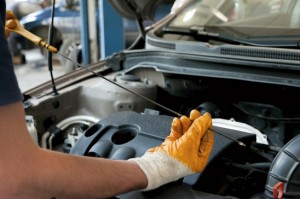 However, I am coming to discover that this tool for transportation has needs too. So, if I want my car to continue shuttling me safely from one place to another, I need to show it a little love back.
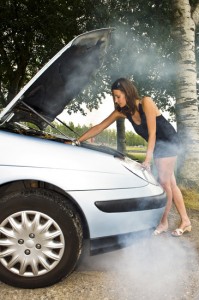 Unfortunately, for many of us, a new car isn’t in our immediate future.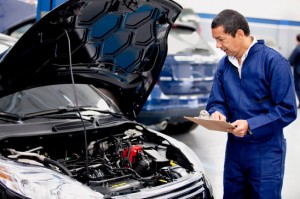

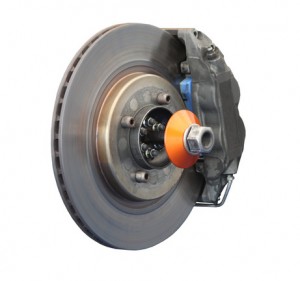 Regenerative braking does however have its limitations. Typically this system is only available on the wheels that drive the vehicle – so for a front wheel driven vehicle, it only applies to the two front wheels. This means your vehicle is only generating power on these two wheels. Because more action and power is associated with these wheels, they will have more wear and tear on both the wheels and tires, and on the brakes and brake pads. Which means you may be replacing tires, brakes and brake pads on a more frequent basis than those on the rear of the vehicle.
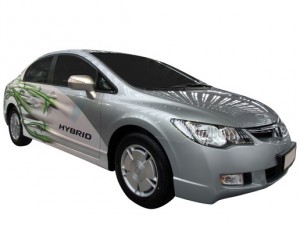 When it comes down to it, a car is a car. Yes, hybrids operate a little differently than your standard gasoline model. But hybrids still have a regular gas engine along with their electric aspects. Which means they will need routine maintenance just like any other gas vehicle on the road today.
 In order to make sure your car is in top shape, don’t wait for a problem to occur. Instead, find a neighborhood car repair shop you can trust; one that will help you keep your car in great shape, and one that will give you reliable transportation for many years to come.
 Unfortunately, criminals are getting more sophisticated in the way they prey on those that may be disadvantaged in some way. If a 75 year old woman always relied on her husband for maintaining the cars, her new “job” may be completely overwhelming, and she quickly trusts anyone who provides a smile and a simple “I understand”. Which of course may not be in her best interests.
 So, instead of buying new, people are finding ways to take better care of their current car to extend its life. The maintenance is worth the money because more and more cars are staying on the highway well past 100,000 miles. Here are some tips to help you keep your current car rolling down the road.