• Home
  • Denver Auto Repair Services
    • Full Service Oil Change
    • Expert Mechanics
      • Expert Honda Mechanics
      • Expert Toyota Mechanics
      • Expert Subaru Mechanics
    • Automatic Transmission
    • Fuel System Cleaning
    • Radiator Flush Service
    • Wiper Blades
    • Air Filter
    • Cabin Air Filter
    • Gearbox Service
    • Brake Repair
    • Clutch Repair
    • CV Boots
    • Tune-Up
    • Steering & Suspension
    • Tires
  • Auto Diagnostic
  • Contact Us
    • About Us
  • Shop Specials
  • Testimonials
  • Blog
  • 303-691-2760

Express Car Care of Denver

"Denver's Best Auto Repair and Quick Lube"

  • Brake Service
  • Car Maintenance
    • Heating-Air Conditioning
    • Suspension
    • Transmission
    • Engine
    • Tires
  • Oil Change
  • Tips & Tricks

The Pros of Pros

September 28, 2020 by Denver Express Car Care

Modern vehicles usually have four wheels, a steering wheel, and an engine, just as they have for decades.  But an awful lot has changed since the days of carburetors and drum brakes.  The addition of computers to so many automotive systems has been a game changer, enabling safer braking systems, stability control, and better fuel economy, to name a few.
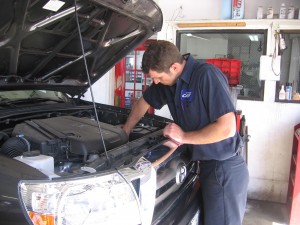
Let’s face it. Vehicles are far more sophisticated than they have ever been.  There was a time when many motorists felt they could take care of some basic maintenance and repair items.  Those days are pretty much gone, and safety is the number one reason you should leave modern vehicle repairs to the pros.

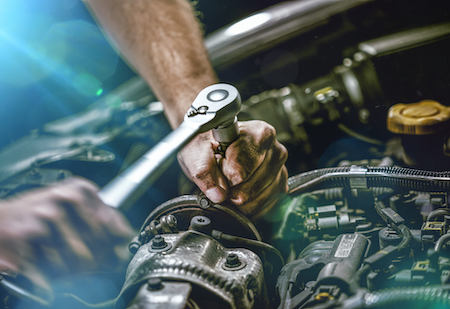
Today’s best technicians stay up to date with the latest training and have tens of thousands of dollars in tools and electronic diagnostic equipment at their fingertips.  The pros have the proper lifts and other heavy equipment required for reaching areas that can’t otherwise be reached.  They know how dozens of onboard computers are integrated with sensors and mechanical equipment.  The pros also know how to test and diagnose very complex concerns properly.

Your Express Car Care pros have access to repair databases, so they know the correct service procedure on a wide variety of vehicles.

Think about it.  Skilled automotive technicians have acquired their expertise after years of training.  Frequently an automotive problem isn’t quite as clear cut as it may seem, and those years of experience prepare technicians for the inevitable twists and turns in an issue they might encounter while working on your vehicle.

A vehicle is a heavy machine that travels at high speeds.  It encounters unexpected obstacles and requires precise steering and braking.  It contains safety equipment that can save your life if it’s working properly.  It simply makes sense to enlist the services of people who know how to diagnose problems that are sometimes difficult and tricky to figure out and then repair them.  That way your vehicle will work at peak efficiency, performance, and safety.  Those are the pros of having the pros work on your vehicle.

Filed Under: Car Maintenance Tagged With: The Pros of Pros

5 Tips For Choosing The Best Auto Repair Shop in Denver

September 24, 2020 by Denver Express Car Care

Part of living in a community is finding reputable people to do business with. A friendly face can make a routine chore just a little easier.

Plus, when you walk away, you feel good about the work that was done. You don’t feel like you were taken advantage of, or you paid more than the service was worth.

You have a hairdresser, a general practitioner, and someone to mow your lawn. Now it’s time to find the best auto repair shop in Denver to provide you with the best care for your car.

But with so many choices out there, how do you know where to start? How do you find an honest mechanic who will tell you the truth about your car?

Reputation

One of the easiest ways to find a repair shop is by reputation. Ask your neighbors, your co-workers, and your friends. Ask who they use for repairs, and whether they’d recommend them to a friend.

You’d be surprised how many people drop their car off for convenience, not because they like the work that’s done.

Don’t stop there. Head online too. A good auto repair shop will pay attention to their online presence as well. That’s how you ended up right here on this blog post. It’s because we’ve been in business for years and have the desire to be in business many more. So we care about the information that’s making its way to you.

5 Tips For Choosing The Best Auto Repair Shop in DenverYou can check online reviews, and look at what people have to say about a shop. Very quickly you’ll start to discover a pattern forms, and you can tell how well they’re standing up in the community.
We also recommend starting with a small service. An oil change or rotating your tires is the perfect task to put an auto repair shop to the test. Small services can allow you to meet the mechanics and see the business from the inside.

And for us, this is where we thrive. You can get to know all of us – we’re a family-run business.

Inspection

Are you in need of a brake job? Do you know your shocks and struts need replacing? If you don’t have a regular auto repair shop you use, you might decide the best way to find one is to call around.

If you give ten different repair shops a call, you might hear ten different courses of action. And ten different quotes that go along with it. All with the “coupon” special, of course.

That’s because it’s nearly impossible to give you a quote over the phone. We can tell you how much brakes are for a car similar to yours. But until we take a look at it, we have no idea of the work that needs to be done.

If you notice a squeak, you might think it’s your brake pads. But with a little more investigation, we might discover the rotors are damaged.

A reputable auto repair shop will be happy to take a look and figure out what’s wrong before finalizing a quote. They will also give you options based on the condition of your car. The more you know the mechanics at the shop, the more they get to know your car, the more they can provide you with courses of action that make sense to your lifestyle and your budget.

Customer service

One of the reasons we suggest starting with a small service to check out an auto repair shop early is to learn how they treat you, no matter what the service. You can tell a lot about a company by the customer service they bring, no matter how much you spend.

Do they call you with recommendations? Do they give you options? Are they all about upselling? Or do they give you the truth, even if it means reducing the sale?

Only you can judge what you think good customer service is about. But we recommend taking the time to talk about your car, listen to explanations and recommendations before you decide to move forward. It’s the best way to get a feel for the type of company you’re dealing with.

Training

How old is your car? Do you care for it well, hoping to make it last for years?

Or maybe you’re the type who likes to trade in your car for a new one every few years?

No matter how old your current vehicle is, you probably realize how much cars have changed over the years. Even a vehicle from a few years ago doesn’t have the technology that today’s modern car has.

https://denverexpresscare.com/why-a-car-diagnostic-test-can-be-important-to-your-wallet

While you might be able to look under the hood and determine what’s wrong from an older car, many newer cars have complicated diagnostic systems. The easiest way to determine where problems lie is to hood it up and let technology tell you.

Of course, you can’t work on an older car in quite the same way as one built just a year ago. With increased technology comes more wires and connections. And if you don’t take that into consideration as you make repairs, you could cause even more problems down the road.

To be a good mechanic today means staying up to date with the industry news. It means learning more about technology and how to implement it in each make and model.

You’ll find that with a car repair shop that cares about reputation.

Convenience

Of course, one of the most important things to you when finding an auto repair shop in Denver is convenience. If you have to drive miles out of your way, or have a difficult time finding a shop, why would you continue to go there?

That’s one of the reasons we selected our location. We’re just off the highway, close to everything you do around town.

We get selecting an auto mechanic is an important decision. If you select wisely, it’ll help you keep your car in great condition.

And that’s what we’re really about. We’re a family-run business with years of dedication to the profession.

If you’re looking for someone you can trust to keep your vehicles on the road, winter, spring, summer, and fall, give us a call.

Filed Under: Denver Auto Repair Tagged With: Best Auto Repair Shop in Denver

Understanding a Car’s Emissions System

September 21, 2020 by Denver Express Car Care

A vehicle from a hundred years ago appears to be pretty primitive by today’s standards. Manufacturers started with the basics, and over time, have made vehicles run better, have more efficiency, more comfort, and be less pollutant.

If you head back in time to the 1950s, various federal, state, and local governments started looking closer at air pollution. The California Air Resources Board and the US Environmental Protection Agency, among others, were created specifically to improve the world we live in. Their courses of action were to help control pollution by establishing guidelines for making automobiles more efficient.

A lot of rules came out over the course of the next few decades. The first effort to control emission standards occurred in 1966 when all newly produced cars sold in California had to meet certain guidelines. The US followed suit in 1968. Today, all modern vehicles are required to be equipped with catalytic converters.

What are emissions? 

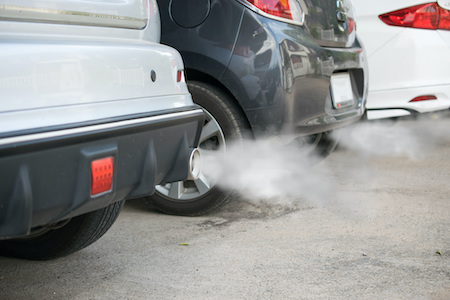
As gasoline burns, it gives off emissions, which have been determined to be toxic to humans and animals when breathed in. It also contributes to air pollution, or smog, which can hang in the atmosphere long after the emissions producer is removed. Emissions can include:

  • Hydrocarbons (HC)
  • Carbon Monoxide (CO)
  • Nitrogen Oxide (NOx)
  • Volatile Organic Compounds (VOCs)
  • Particulate matter
  • Sulfur Oxide (SOx)

What are emission control devices?

Understanding a Car’s Emissions SystemSlowly, the process of using gasoline to run vehicles has been changed to be less toxic for the environment. We’ve moved from regular gasoline to unleaded, making it cleaner. Technology has provided ways for better engine management. Direct injection and modern combustion chambers have made the process smoother. Still, additional controls were added to improve the process.

Air injection – a system that injects oxygen into the exhaust system to help burn unburned hydrocarbons.

Exhaust gas recirculation – a process that reroutes a certain amount of exhaust gas back into the intake tract. It reduces the formation of nitrogen oxide.

Catalytic converter – it’s a component placed in the exhaust system that reduces hydrocarbons, carbon monoxide, and nitrogen oxide by converting them into less harmful gases.

How do I know my car’s emissions?

Every vehicle manufactured today produces a certain amount of emissions. According to the EPA, the typical passenger vehicle emits about 4.6 metric tons of carbon dioxide per year.

Of course, that changes based on many different things. Like how you drive your vehicle. Or even the make and model you’ve purchased. Your owner’s manual can give you more information.

As your car ages, many different things start to happen with age and wear. Until eventually, your car stops performing the way it was designed, and that’s when problems can occur with your emissions system.

When your vehicle starts producing pollutants, you might not see it or smell it the way you could with older cars. This is because the catalytic converter is doing its job, and technology is backing it up with air-fuel mixtures.

However, there are still ways you can tell your emissions system is failing.

Engine problems – Cars today are designed not to have a smell. If you start noticing smelly or visible exhaust fumes, it’s a sign something is wrong. Typically, you’ll find if the engine is burning oil, it can be from worn out piston rings, faulty valve stem seals, issues with the positive crankcase ventilation (PVC) system, or other parts that are simply worn out.

Coolant in the exhaust – In some cases, you’ll notice a sticky substance dripping from your tailpipe. It may be engine coolant. When coolant leaks into the combustion chamber, it can contaminate engine oil. This can show either has a coolant leak, or convert to a white/gray exhaust smoke.

Failing catalytic converter – This is one of the easiest problems to diagnose. Have you ever driven a car that smells like rotten eggs? If so, your car has a failed catalytic converter. The sulfur in gasoline is converted to hydrogen sulfide during the combustion process. From there, the catalytic converter changes it to sulfur dioxide, which has no odor at all. When the catalytic converter fails, it stops this process, causing the rotten egg smell to flow directly to the exhaust.

Poor engine performance – When all systems aren’t working optimally, you’ll usually find your check engine light illuminates on the dashboard. This can be a sign of many things, which is why it’s important to bring your car in right away. If you notice your exhaust smells like fuel, it’s a sign that the air-fuel mixture isn’t occurring at optimal levels. You might also notice black smoke coming from the tailpipe, which is a condition of rich fuel.

What can you do to reduce the chances of emissions problems and be proactive in keeping your car running smoothly?

Watch for your check engine light – Every light that illuminates on your dashboard is telling you your vehicle isn’t working at optimal level. Take it as a warning sign to get your car into the shop as soon as possible. With a simple check, you can find the problem, and fix it quickly.

Perform regular maintenance  – Change your oil at regular intervals. Especially right now, where your car may have been sitting for awhile, it’s important to change it regularly based on miles driven and months between replacement. You should also be aware of fixing things like filters, hoses, and other components based on manufacturer’s suggested timeframes.

Pay attention to how you put the gas cap on – When you place the gas cap back onto your vehicle, it should have a tight fit. If it starts wearing out, you notice cracks in the rubber seal, or it’s just not fitting as tightly as it once did, it’s time for replacement.

Watch for warning signs – Your car is designed to get you from point A to point B. But it can only do so if it’s running at its best. It’ll give you great service if you pay attention to how it operates. Listen for noises, notice new odors, and pay attention to the way it drives. Anything out of the ordinary should be watched closely. And if it continues, it’s time to bring your car in for a check up.

It’s the best way to catch repairs early, and ensure they don’t turn into bigger problems down the road.

Filed Under: Car Maintenance Tagged With: Emissions System

Car Repair Services Drivers Often Ignore, But Shouldn’t

September 18, 2020 by Denver Express Car Care

There are only twenty-four hours in a day, and for most of us, we fill each and every one of them as fully as possible. We schedule meetings close together. We double up on errands, trying to fit everything in. Why do one thing when you can multitask?

It’s no wonder we overlook the most obvious things.

Take your vehicle, for example. You know there are certain car repair services you should perform on a regular basis. There are certain things you should watch out for, and act fast to save yourself from higher service repair bills and the risk of being stranded without a car. Yet most of us push forward, ignoring situations until we no longer can.

General maintenance is important to keep your car working well. If you put a little time and money into basic services along the way, you’re more likely to catch car problems long before they materialize into something bigger.

What does that include? What should you watch for?

Differential service

While you might understand how important regular oil changes are for your car, differential fluid replacement is something a little more vague.

Your vehicle uses differential fluid to deliver power from your engine to each axel that turns each wheel. A four-wheel-drive vehicle will have four differentials – one at each wheel.

Car Repair Services Drivers Often Ignore, But Shouldn’tConsider for a moment how your wheels move as you drive. As you drive straight, all four wheels move at the same speed and distance. But if you take a turn, the outside wheels will experience more revolutions than the inside wheels to get you safely through the turn. The gears and fluid that allows that to happen is the differential.

Over time, differential fluid can break down. Yet it’s one of the important lubrication fluids that keeps your car running smoothly in all conditions. If you start to hear a whir as you pick up speed, or a banging sound when rounding a corner, it could be a sign you have a problem with the differential gears or fluid. Even if you don’t experience anything out of the ordinary, it’s important to have it checked according to your manufacturer’s guidelines, to ensure your driving experience is safe year round.

Tire check and wheel alignment

One of the scariest experiences you can have is a tire blow out as you’re traveling at high speeds. Rarely does this happen without a little advanced warning.

While newer vehicles often have automatic tire pressure checks built in, alerting you to when your tire is under or over inflated, older models require self checks as you drive. Test your tire pressure regularly. Also, do a walk around periodically to check the condition of your tires. If you notice a problem, stop by and have us evaluate it before you drive on it further.

Tire bulges, for example, can occur if your tire is overinflated, or if you hit certain debris in the road. A bulge forms when air bubbles move through the inner lining, causing a weak spot in the casing. The more you drive on it, the weaker it becomes. This is when it has the opportunity to burst unexpectedly.

If your tires don’t connect well with the road, it can allow jarring and bumps to impact and wear down the wheel alignment too. If wheels aren’t properly aligned, it can cause your car to pull to one side. If you continue to drive on it, the situation worsens, and will start to impact other components of your steering system. Not only can this wear down your tires faster, but it can also increase the cost of repair work, taking a bigger bite out of your budget.

Squeaky belts

All of those noises your vehicle makes are designed to warn you of potential problems. Your drive, serpentine, and timing belts all control various parts on your car, from keeping the engine running to powering the electrical systems inside your vehicle. And because they are only designed for so much resistance, they wear down over time.

If they break or snap, it can hit other parts of your car, costing you much more in repair bills. That’s why it’s a good idea to schedule a maintenance visit periodically to have a mechanic evaluate every system underneath the hood. They can keep you advised on how many miles you have left on certain systems, and give you easy ways to head off issues that may happen without replacement.

The timing belt, for instance, should be replaced every 60,000 to 100,000 miles. They don’t give you a lot of warning, but can do irreparable harm, depending on how they break.

Transmission system

While the engine is designed to create energy, the transmission is needed to actually get your car to move. It:

  • Transfers power into the wheels
  • Allows the engine to move the vehicle forwards and backward
  • Enables the car to shift gears

Without a proper level of maintenance, each of these processes could fail, bringing your vehicle to a halt.

To avoid damage, and the possibility of needing a tow, a regular checkup can determine it the transmission system is working correctly. Check with your manufacturer’s guidelines to determine how frequently you should change the transmission fluid. Also, check with your vehicle’s warranty, as some extended warranties offer transmission coverage and could prevent a costly repair.

Is it time for car service repair?

These are just a few of the car repair services that a quality service shop will offer, to help keep you on the road.

Putting off services like these could cost you in the long run, and lead to dangerous, potentially deadly driving situations.

If it’s been a while since your car has had a maintenance check, even if it’s been sitting in your garage for weeks at a time, now is the time to check it and be sure it’s ready for winter driving.

We’re here to help you keep your car on the road.

Filed Under: Denver Auto Repair Tagged With: Car Repair Services

Help, I Think My Transmission May Be In Trouble

September 14, 2020 by Denver Express Car Care

Car problems are often difficult to diagnose for the average driver.

It’s easy to see when you have a flat tire, or if the windshield wipers are no longer cleaning the windshield. But once the problem is tucked up under the hood, and your car starts making strange noises or emitting odorous smells, it’s hard to tell what’s the cause. Signs often can lead in multiple directions. What’s a driver to do?

Yet each system in your vehicle is essential in keeping you safe as you drive. Imagine driving down the mountains after a day of skiing without a brake system. Or driving on the coldest day of the year without a heating system. Not a good thought.

Likewise, the transmission system is essential to keeping you safe while you drive. It’s also one of the most complicated. Without a transmission system, power would never transfer from your engine to your wheels. When a problem starts somewhere in the transmission system, it can take a while for you to notice the issue. The more time passes with a part loose or missing, means more damage can occur internally. And that equates to a more expensive repair down the road.

When you have trouble with the transmission, several signs occur as warning signals. Catch it early, and you can repair the transmission long before it becomes a serious threat.

What is a transmission system?

Today’s cars operate with one of two types of transmissions: automatic or manual.

Help, I Think My Transmission May Be In TroubleThe automatic transmission is by far the most popular on new car models today. But the manual transmission is simpler to understand, and you’ll still find it a popular choice in sports cars or off-road vehicles that want more control over how they shift and drive.
A manual transmission is made up of a series of gears and an input and output shaft. The gears on the input shaft engage with the gears on the output shaft, which determines what gear the vehicle is in while it drives.

The driver controls what gear it’s in by moving a shift lever. They press down on the clutch pedal to disengage the gears, the move the levers to reengage the gears depending on what gear they prefer.

With an automatic transmission, the same essential process occurs, only in an automatic way. Instead of having a clutch, the automatic transmission uses a torque converter to move the gear set. An automatic transmission also uses a single concentric shaft instead of two, with the gears located inside and around each other in more planetary fashion. Instead of being controlled by a shift lever, the gears move through hydraulics, which are in turn, controlled by an electrical panel.

If the transmission system is working well, your car moves without a hitch. At the first sign of transmission failure, it’s important to bring your car in. What will your vehicle do?

Check Engine Light

Because your vehicle is more automated than ever, the tiny sensors watch for errors within the system. At the first sign of trouble, it will illuminate the check engine light. People often ignore it for a bit because the check engine light can mean many things. The sooner you get your car checked, the more you can avoid bigger problems. This trigger is often so sensitive it can pick up errors long before they turn into smells, noises, or vibrations as you start and stop. And that means you can solve the problem long before it migrates into something bigger.

Gear Problems

When a car rolls off the assembly line, the transmission operates without flaw. But over the years, the shifting becomes a little more clumsy, cumbersome, often feel like it’s sticking as it’s moving from gear to gear.

If the transmission feels like it sticks before moving gears, it could be low on transmission fluid. It could have a leak somewhere in the system, or even contamination from a water intrusion. The more the vehicle is allowed to continue at these levels, the more likely your car will overheat, causing internal damage and transmission failure.

Sticking gears isn’t the only way a problem shows. In some cases, the reverse can occur, with the transmission slipping and revving the engine into high gear. This creates undue wear on the internal parts, possibly overheating the system and ultimately causing failure.

If it feels as if the gears struggle to engage at any stage of driving, it’s time to bring your vehicle in for a check up.

Leaking Fluid

Fluid should never visibly leak from your vehicle at any time. And sort of a leak is a red flag it’s time to bring your vehicle in for an inspection.

Transmission fluid is typically red, and will have a sweet smell. You’ll notice the drip from underneath the vehicle in the middle of the car.

A leak is an indicator of a loose transmission pan, a drive shaft out of balance, or worn out seals or gaskets. It can also be a sign of damage somewhere within the system.

Burning Smell

Within the transmission system, if the hydraulic fluid is ever low or starts to overheat, it will give off a burning smell. Because transmission fluid starts as a sweet smell, you’ll often notice that first, followed by the burning spell as it becomes too hot. This can often be serviced with a transmission flush and replacement. But if you wait too long, it can damage the entire system.

Neutral Noise

When you place your car in neutral, do you hear a grinding sound? Any noise you hear that’s out of the ordinary could be a sign of a problem within the system.

The source is usually something simple, like worn out bearings or low transmission fluid. Again, if you act quickly, chances are it will be a fairly easy fix.

Clutch Pedal Changes

If you do have a manual transmission, you can also watch for changes in the way the clutch pedal grabs. Does it engage very low or high in the process? That could signal a problem with engagement, or a hydraulic issue. A simple adjustment may solve the issue, or more likely replacing a worn clutch disk and pressure plate.

If you’re experiencing trouble with the transmission, it isn’t something you can put off indefinitely. The sooner you act, the quicker your car will return to normal, and the safer you’ll be as you move throughout your busy days.

Have a question about your transmission of any other problem with your car? We’re here to help. Give us a call.

Filed Under: Transmission Tagged With: Transmission Trouble

Battery

September 14, 2020 by Denver Express Car Care

BatteryBatteries are a huge part of modern life.  Think of how many battery chargers you own.
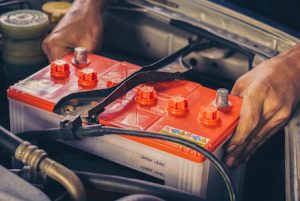
Of course, our purpose here is to talk about your car battery.  When people come into Express Car Care and need a new battery, they’re really not that happy about having to spend the money.  But the truth of the matter is, that 70 percent of batteries don’t make it for 4 years.

That may sound grim, but there are some things that you can do to extend the life of your battery.  First, keep it clean.  If you see it getting dirty or greasy, let us know at Express Car Care and we can clean it off.  A dirty battery runs hotter, and that shorten its life.  If your battery terminals are corroded, let us take a look at that, too.  We can clean them, and if the corrosion has gotten into the battery cables, we can replace them.

Also, running your battery way down is bad for it.  Things like running the headlights or watching a DVD player with the car turned off can deeply deplete your battery.  The typical battery can only take about 10 of those deep cycle depletions  before it gives up the ghost.

Because we often take short trips around an area with lots of stops for errands, our batteries can end up not getting fully recharged just by driving around.  That also shortens battery life.  You can hook up a good quality automatic battery charger at home from time to time.  We recommend charging once a month during hot months and every three months during cold months.

Now when it’s finally time to get a new battery, we can help you find the right replacement.  We’ll always make sure to meet your manufacturer’s recommendations.  If you have special needs, like living in a very cold climate or running a lot of electrical accessories, we can look at an upgrade that’ll give you the power you need.

Filed Under: Car Maintenance Tagged With: Battery

It’s Not Your Battery, It’s Your Alternator

September 10, 2020 by Denver Express Car Care

Many drivers on the road today have just a basic understanding of how their cars work.

The engine runs the car. The tires keep the car on the road. And gas and motor oil are needed regularly to ensure your car stays running smoothly.

But as you dive deeper, things get a little fuzzier. You may have heard words like “alternator” before. But hearing them and knowing what they do are two separate things.

When you turn the key (or press the button) and power turns on your radio, your headlights, and other electronic accessories throughout your car, what powers them? Most people guess: the battery. But that’s only half right. The battery may kickstart everything on. But it’s the alternator that keeps it all running.

What an alternator does

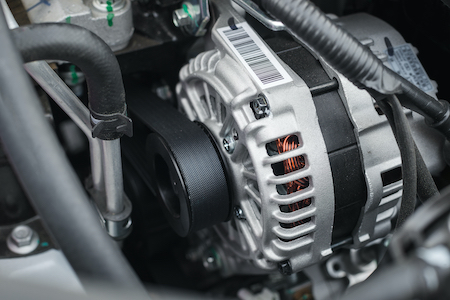
Every time you start up your car, it powers a drive belt that rests on a pulley, which is attached to the alternator. The battery provides the necessary power to start the car. Think of it in similar terms to a generator. The car’s combustion engine spins the pulley underneath the hood, which turns the pulley on the alternator, and creates energy. It converts mechanical energy into electricity.

Think of your alternator as your car battery’s charging system. It supplies the necessary electrical current for things like your ignition, radio, air conditioning, power windows, windshield wipers, and other electrical items throughout your car.

It’s Not Your Battery, It’s Your AlternatorInside is a voltage regulator that monitors the battery charge. As the battery runs low, the alternator supplies a power source to ensure it stays running. Without the two working together, your car wouldn’t run.
A car’s alternator isn’t something that will break down often. Alternators can last the lifetime of your vehicle. However, that doesn’t always happen. Every car on the road today wears down in different ways as it reacts to its environment. It depends on things like weather, heat damage, wear and tear, faulty parts, or frayed wires. If not caught early, it can impact a variety of other parts throughout your vehicle.

How do you know if your alternator is failing?

Dim or bright lights

When your car is running the way it should, the stream of light from your headlights will provide ample light as you drive. As an alternator fails, it supplies an inconsistent level of energy to the headlights, which will result in changes to the light source. Do your headlights seem brighter than usual? Can you barely see? They may also flicker or even act erratically as you drive, switching from dim to bright.

Malfunctioning accessories

While many people start to notice changes to the light source first, a failing alternator can materialize in different ways. The alternator powers all of the accessories on your vehicle. If you notice the windows taking longer to roll up or down, if your radio shorts on and off, or if your seats take longer to heat and cool down faster than before, it may be a sign of a problem with your alternator.

Because today’s modern cars are run by technology, your vehicle prioritizes which systems to shut down. It will limit power to non-essential systems like power windows or seat warmers, in order to keep more important systems operating. That’s why you should pay attention and have your car serviced as soon as you notice certain issues.

Dead battery

If you try and start your car and it won’t turn over, it may be a sign of a problem with your alternator. Of course, it can be just a dead battery. So a few tests can help you determine where the problem lies.

A bad alternator won’t properly charge the battery while the engine is running. One way to test this is to jumpstart your car. If you jumpstart it and the car stays running, it’s the battery. If, however, the car dies shortly after you jumpstart it, it might be the alternator. It’s not allowing enough power to properly power the batter while the car is operating.

Starting and stalling issues

If the alternator isn’t properly charging the battery, power isn’t flowing correctly through the system. Have you ever turned the key in the ignition and heard a clicking sound? That’s a sign of a problem with the power supply.

In some cases, you may be driving around, only to find your car stalls out periodically. This is a sign the engine isn’t getting enough power to stay running. The spark plugs aren’t receiving enough power, which brings the engine to a stop.

In either case, it’s important to get your car serviced quickly to ensure the safety of you and your vehicle.

Noises and smells

Like every system on your vehicle, there are certain noises and smells that are associated with different parts to help you indicate when there is a problem.

A problem with the alternator often causes a growling or whining noise from underneath the hood. The belt that turns the alternator can wear down, become misaligned, or rub other parts in the system, causing a noise. It also may whine as the bearing that turns the rotor shaft goes bad.

It can also materialize in the form of a foul smell, or even like burning rubber. Because the alternator belt is under constant pressure, and it’s located next to the hot engine, it can wear down and start smelling like burning rubber. If the wires are damaged and frayed, they can short and create a burning odor. If allowed to operate in this capacity for any length of time, it can potentially cause an electrical fire.

Battery light

Occasionally, your battery warning light might light up on your dashboard. This isn’t always a warning sign of a failing battery. Instead, it may be telling you something is wrong with the electrical  system, which could be the alternator.

Because the alternator is designed to work at a specific voltage, if it falls below that level, it can cause the battery warning light. If you’re using several accessories at once – headlights, windshield wipers, and heated seats, for example – the overload of power may impact the electrical load, causing the battery light to flicker.

Lighting up once may be a coincidence. If you start to notice it frequently, it’s time to let one of our mechanics check it out.

Filed Under: Car Maintenance Tagged With: Alternator

Why Are My New Brakes Squeaking?

September 7, 2020 by Denver Express Car Care

You know when people at an event find out someone is a doctor, they start questioning them about all that ails them? The same holds true for an auto mechanic.

Of course, I’ve had people ask many different questions. But one pops up quite frequently:

I just replaced my brakes a few weeks ago. Why are my new brakes squeaking?

When you own a vehicle, it comes with the general understanding that you’ll have to provide regular maintenance to keep it running smoothly. That means gas, oil changes, new tires, and the occasional brake job to ensure you stay safe and secure.

While every manufacturer is different, on average, brake pads need to be replaced about every 40,000 miles. You should check with your car’s manufacturer; you can find more information in your owner’s manual.

Also, keep in mind that 50,000 miles is just a guideline. Some cars may need new brakes after 25,000, others can push it to 75,000. It depends on a wide variety of factors, including your driving habit and road conditions.

But what happens when you are diligent at maintenance, you replace your brakes, only to find a squeaking noise every time you press down on the brake pedal just a short time later?

There are two kinds of brakes

Why Are My New Brakes Squeaking?First of all, it’s good to know a little bit about your car’s braking system.
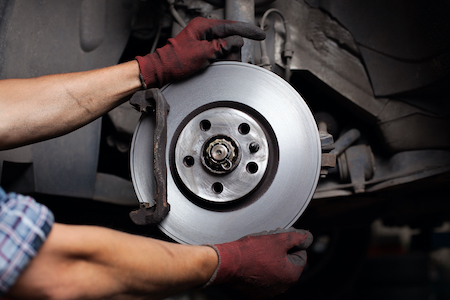
Most cars on the road today have disc brakes. This is where a brake pad presses against a rotor or disk in order to effectively stop the vehicle. If you have a car with disc brakes, the squeaking can be caused by:

  • Settling overnight. If it’s rained, or condensation from moisture or dew forms on the breaks, it can squeak as your car first starts out.
  • Wearing down. As brakes wear down, the pad thins until it reaches a built in core designed to make noise to warn you it’s time for replacement.
  • Installing cheap breaks. Yes, there are differences in brake manufacturers. This is where it’s important to trust the mechanic installing your brakes.

Some vehicles also use drum brakes located on the rear wheels. Cars with drum brakes are installed with a curved pad that presses against a drum to stop the vehicle. They start to squeak when the pad contact points run out of lubrication.

What causes your brakes to squeak? 

If you haven’t replaced your brake pads in a while, and you’re moving closer to your manufacturer’s suggested time frame for replacement, the squeaking can be caused from a thin brake pad. But if you’ve replaced your brake pads recently, that squeaking noise you’re hearing can be caused by other things.

Metal fibers – A lot of brake pads are made from metal fibers. Occasionally, some of these metal fibers are too close to one another, and rub together. This can cause a squeaking noise until they wear away.

Panic stopping – You know that feeling of driving and having someone dart out in front of, causing you to stomp on the brake pedal? That’s panic stopping. And when you do that right after a brake job, it can heat up the brakes and produce a glossy finish on the pad. This causes friction when you apply the brakes from that point forward, causing a squeaking noise.

Brakes stuck – The brake system works by a series of caliper pins that release and contract the brake pads to the rotors every time you step on the brake pedal and release it. If one of these caliper pins gets stuck, the brake pad sticks at an angle to the rotor, creating a squeaking sound. It’s also important to note that if both caliper pins stick, the brake pad will remain against the rotor, which typically results in a burning smell. A quick trip to a mechanic will allow us to release the stuck caliper pins and ensure it’s well lubricated, or determine if they are damaged enough to warrant new calipers, which in many cases also means new brake pads and rotors.

Brake rotors – While you may have replaced the brake pads, there may be a problem with the rotors. If the rotors weren’t replaced with the brake pads, they might not have meshed with the new brake pads. This can cause the squeaking sound, and it may take longer to come to a stop.

Low quality brakes – It may also be a fact the brake pads are of lower quality, and aren’t well suited for your vehicle. Not all brake pads are created equal. If you went with a discount brake shop, or “trusted” a friend of a friend, they may have sold you brake pads that aren’t appropriate for your vehicle. Cheap brake pads may be more prone to brake dust. This can cause more squeaking noises as you drive.

Now that you have squeaky brakes, what can you do about it?

Squeaky brakes are one of the most annoying problems you can have with your vehicle. It’s designed that way because it’s also one of the most dangerous.

But squeaky brakes are even more annoying when you’ve recently had them replaced. They can’ be in bad shape, so why the noise?

By reading the few causes from above, you might already have a good idea of what could potentially be wrong. This is where it’s important to understand how your vehicle works.

You can start by looking for loose connections or parts. In some cases, the mechanic may not have tightened the calipers, pads, and other components all the way down. This vibration may cause some sounds.

If you notice any loose clips or components, they should be replaced immediately.

You can also check the brake pads for signs of wear. Modern disk brakes have wear markers designed to make noise when the pads are close to wearing down. If you hear noises, it’s best to let a professional mechanic check out your braking system, and ensure everything is working at its best.

If you have any questions about how your braking system is working, don’t wait. It’s one of the most important systems on your vehicle. We’re happy to check the condition and correct any problems we may find.

And get you back on the road in no time. 

Filed Under: Brake Repair, Brake Service Tagged With: Brakes Squeaking

Do You Really Need To Change Motor Oil Every 3,000 Miles?

September 4, 2020 by Denver Express Car Care

Driving a car means you have to perform a few maintenance tasks along the way to keep it running well. We know we have to fill it up with gas, or it will die. We understand motor oil is necessary to keep the engine running. We need new tires, or we put the passengers inside the cabin at risk.

But when?

Everything comes with a warning sign. As that little needle gets closer to E, you’re aware if you don’t stop at a gas station, you’ll be stranded along the side of the road.

Popular guidance tells you to replace the oil in your car every 3,000 miles. But is that the best advice?

Do you need to change your motor oil every 3,000 miles, or is there some other way to evaluate when it’s needed?

What motor oil does

What does motor oil do inside your vehicle? Most of us know that motor oil keeps your car running, but it does a lot more than that.

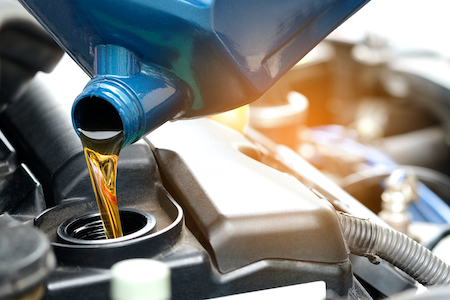
Today’s motor oil is a complex mixture of oils and additives that accomplish a variety of things under the hood. It:

  • Lubricates moving parts
  • Helps reduce engine wear
  • Removes dirt and contaminants from the oil
  • Cools engine parts
  • Enhances fuel efficiency
  • Protects the engine against heat and cold
  • Helps protect the emission system

Do You Really Need To Change Motor Oil Every 3,000 Miles?Without the proper motor oil inside your vehicle, it’ll quickly wear down various parts.

Every time you start up your car, the combustion process degrades your motor oil. It adds contaminates to the oil supply, which over time, builds up. In the beginning, motor oil can handle it without issue. But as it wears, it continues to break down, turning into sludge that can harm your engine.

That’s a lot for a few cans of motor oil to handle. That’s also why it’s essential to change it out regularly.

But is it important to change motor oil every 3,000 miles?

Now that you know why changing out motor oil is important, let’s get back to the question of how often.

It doesn’t take a lot of searching online to discover there are many different views on how often you should change out your motor oil. But who’s right?

Start by looking at the source of information.

Quick-lube places will tell you to change your oil every 3,000 miles. They even give you little stickers as a reminder.

It’s important to consider the source, however, before you take their advice. Quick-lube stores offer one service: motor oil changes. That means they have a vested interest in getting you in as much as they possibly can. They are also usually sponsored by a particular brand of motor oil. Again, it’s all about the sales.

Another resource to look at is your own vehicle’s manufacturer. If you check your owner’s manual, you’ll likely find they make their own recommendations. With today’s technology, a lot of them recommend an oil change every 5,000 to 7,500 miles.

That’s a lot different than the 3,000 miles.

But there’s another thing to consider. In most cases, it’s not about how many miles you drive, it’s also about the timeframe between oil changes. For some drivers, it may take a year or more to hit the 3,000 miles. Others may hit that mile marker in a matter of days.

Driver A works from home and only takes their car out to run errands. They drive ten miles or less at a time, with constant starting and stopping. With frequent stops, the motor oil never heats up enough to boil off the moisture condensation. That means more engine wear over time. They shouldn’t pay attention to the 3,000 rule, but should instead change it out twice a year or so.

Driver B has a long commute, driving more than 20 miles one way that consists of mostly highway driving. With this slow and steady drive time, they could easily push the upper edge of what their vehicle’s manufacturer recommends.

In both cases, as the car ages, more frequent oil changes may be in order. Remember, the key to keeping your engine running well is clean performing motor oil. It’s one of the least expensive ways to ensure your car stays running smoothly.

What type of motor oil should I use?

All motor oil is not the same. Which motor oil you use in your car should be determined by a variety of factors, including the climate you live in, your driving habits, as well as the age of your vehicle.

When you bring your vehicle into our service station for an oil change, you can discuss which type of oil you prefer to use for your engine. We’re here to give you advice every step of the way.

In general, there are four types of motor oil:

Synthetic motor oil – this is ideal for high performance vehicles. It provides higher viscosity levels and helps fight oil sludge.

Synthetic blend motor oil – this is becoming increasingly popular as it combines both conventional motor oil with synthetic. It offers extra resistance to oxidation, and more protection against lower temperatures.

Conventional motor oil – this is ideal for older models cars that have operated on this type of motor oil for years.

High mileage motor oil – This is specifically blended for vehicles that have exceeded 75,000 miles. It helps minimize leaks and reduces emissions.

When was the last time you changed your motor oil?

To work out a plan that works well with your vehicle, talk with one of our mechanics today. We can give advice on how often it should be replaced, and what type of motor oil to add to your vehicle’s system each visit.

Filed Under: Car Maintenance, Oil Change Tagged With: 000 Miles, Change Motor Oil Every 3

Simple Answers for Water Pump

August 31, 2020 by Denver Express Car Care

Question:  My water pump went out and it costs much more to replace than the ones I’ve replaced in the past.  My technician said it’s because of where it’s located.  Why is that?

Simple Answer:  Some water pumps are driven by the serpentine belt and are bolted on out in the open with the alternator, air compressor and such…other water pumps are driven by the timing belt.  These water pumps take a lot of labor to access and replace.  We suspect your current vehicle has a water pump that is driven by the timing belt.

Water pumps are fairly simple devices that circulate engine coolant/antifreeze around the engine and out to the radiator.  Like every mechanical device, they eventually wear out.  Although having a cooling system service done on schedule at Express Car Care will extend the life of your water pump and its seals and gaskets, it will eventually fail and need to be replaced.

The water pumps that are driven by the timing belt (the belt that controls when your engine intake and exhaust valves open) are attached directly to the engine block.  The timing belt system has a protective cover.  The serpentine belt and all the accessories are located over the timing belt cover.  So getting to the water pump requires removing a lot of parts which then need to be replaced.

When the water pump must be replaced, we at Express Car Care, think it is a good idea to go ahead and also replace the timing belt, timing belt tensioner and idler pulleys.  First, because the timing belt may have been contaminated by leaking coolant; second, there is a schedule for replacing your timing belt and you might as well make the modest additional cost while everything is taken apart so you can avoid the same labor cost down the road.

By the way, the reverse is true as well:  When you are replacing your timing belt on schedule, go ahead and replace the water pump at the same time.  It would be a shame to spend the money on one of these replacements only to have to do it all again in a few months because the other part then needs to be replaced.  Do them at the same time and start the clock over for both.

Filed Under: Car Maintenance, Denver Auto Repair Tagged With: Simple Answers for Water Pump

  • « Previous Page
  • 1
  • …
  • 50
  • 51
  • 52
  • 53
  • 54
  • …
  • 103
  • Next Page »

Express Car Care
4200 E. Evans Ave. Denver, CO (map)
Phone: (303) 691-2760
Located just southeast of the Colorado Light Rail station

Follow Us Today!

  • Facebook
  • RSS

Shop Hours

Monday: 8:00AM – 5:00PM
Tuesday: 8:00AM – 5:00PM
Wednesday: 8:00AM – 5:00PM
Thursday: 8:00AM – 5:00PM
Friday: 8:00AM – 5:00PM
Saturday: Closed – A note from the owner
Sunday: Closed

Last car oil change time  – 5:00PM

Click for the BBB Business Review of this Auto Repair & Service in Denver CO

Recent Articles

Tire Rotation: When to Do It—and the Signs You Shouldn’t Ignore

Tire rotation is one of the simplest ways to help your tires wear evenly, last longer, and keep your vehicle handling predictably. It is easy to put off, but a consistent rotation schedule can save … [Read More...]

  • Which Oil Is Right for Your Car?
  • Stop Burning Money at the Pump
  • Differential Service: Why It’s Crucial for Your Car’s Longevity and Performance
  • How to Catch a Transmission Problem Before It Leaves You Stranded
  • Why You Shouldn’t Wait to Address a Small Exhaust Leak

Search Our Site

Brakes Service

How to Keep Your Brakes Quiet, Responsive, and Safe

Everything You Need To Know About Replacing Your Brake Pads

How to Know If It’s Time to Replace Your Brake Rotors

Oil Change

Top Benefits of Getting Regular Oil Changes in Denver

Oil Change Specials in Denver: Save Money and Keep Your Car Running Right

Why Regular Oil Changes Are Crucial for Denver Drivers

Suspension

How to Know If Your Car Needs Suspension Repair in Denver’s Bumpy Roads

A Guide To Understanding Bushings on a Car

Tips for Preventing Wear and Tear on Your Car’s Suspension

Transmission Service

How to Catch a Transmission Problem Before It Leaves You Stranded

How Often Should You Service Your Transmission in Denver?

Transmission Trouble? Common Signs and When to Visit Our Denver Shop

Engine Service

Stop Burning Money at the Pump

Everything You Should Know About Your Vehicle’s Timing Belt

Is Your Car Hesitating During Acceleration?

Auto Tips & Tricks

How to Deal With Car Noises That Only Happen When You Turn

Top 5 Maintenance Tips for High-Mileage Vehicles

Why Tire Pressure Matters More Than You Think

"Denvers Best Auto Repair and Quick Lube" - Copyright © 2026 - 4200 E. Evans Ave. Denver, CO 303-691-2760