• Home
  • Denver Auto Repair Services
    • Full Service Oil Change
    • Expert Mechanics
      • Expert Honda Mechanics
      • Expert Toyota Mechanics
      • Expert Subaru Mechanics
    • Automatic Transmission
    • Fuel System Cleaning
    • Radiator Flush Service
    • Wiper Blades
    • Air Filter
    • Cabin Air Filter
    • Gearbox Service
    • Brake Repair
    • Clutch Repair
    • CV Boots
    • Tune-Up
    • Steering & Suspension
    • Tires
  • Auto Diagnostic
  • Contact Us
    • About Us
  • Shop Specials
  • Testimonials
  • Blog
  • 303-691-2760

Express Car Care of Denver

"Denver's Best Auto Repair and Quick Lube"

  • Brake Service
  • Car Maintenance
    • Heating-Air Conditioning
    • Suspension
    • Transmission
    • Engine
    • Tires
  • Oil Change
  • Tips & Tricks

Does Your Car Have a Cooling System Leak?

July 23, 2020 by Denver Express Car Care

Imagine trying to survive outside all day in 100 degree heat without a bottle of water. It wouldn’t take you very long to start fading.

You need water to function, to survive.

Your car works in much the same manner.

Without the proper fluids, your car would quickly grind to a halt. It would perform only as good as it could, trying to pull what it needs from the various resources. Until nothing was left. The only choice it has is to quit functioning altogether.

Coolant is an important fluid your car needs to function year round, but especially in the summer months. Coolant is designed to prevent water in your radiator from boiling over. In the summer months, your vehicle can reach much higher temperatures, especially as you drive under the extreme heat we face here along the Rocky Mountains. Coolant also provides lubrication for all the moving parts it comes into contact with, keeping seals and gaskets supple, so they are less likely to harden and leak.

Coolant, also known as antifreeze, is one of the most important fluids to keep your car running properly. If you’ve noticed an odd, sweet smell after turning your engine off, you might have a coolant leak.

While the term antifreeze might have you thinking it’s only used in the winter months when temperatures fall below freezing, antifreeze is equally important in the summer months for your cooling system. Coolant – antifreeze – control’s the engine’s temperature so it won’t overheat.

A car’s radiator is filled with coolant, which is a mixture of 50 percent antifreeze and 50 percent water. The engine pumps coolant through the radiator, engine, and heating system to help keep your engine operating at the proper temperature, regardless of how high or low the temperatures climb.

When an engine starts running low on coolant, it causes the radiator to run too hot, which hurts both performance and fuel economy. If allowed to operate too long in this condition, your engine can overheat, which will damage Does Your Car Have a Cooling System Leak?your car, possibly bringing it to a halt. If it destroys your engine, it will be a complete replacement, a costly endeavor at best.
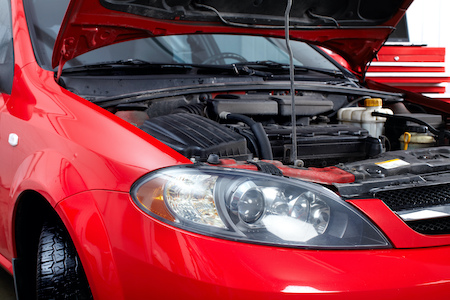
If you have a cooling system leak, it’s important to discover it as quickly as possible, and get it fixed. The cooling system has many different parts, something a good mechanic will know how to search out. A coolant leak could be something as simple as tightening a loose clamp, or as complicated as repairing or replacing a broken water pump. Bringing it in will allow a technician to diagnose the problem and fix it quickly to have you back on the road in no time.

How to tell if you have a coolant leak

In most cases, you’ll know if you have a cooling system leak in one of three ways.

  • If you notice a sweet aroma from outside your vehicle, or immediately after you turn your car off after you’ve driven it.
  • Look for puddles of liquid underneath your car. They are either lime-green, orange, pink, or blue-green in color. Different antifreeze manufacturers create different dye lots to help differentiate coolant from other fluids your vehicle uses. For example, engine oil is gold when new or a dirty brown or black as it’s used. Transmission fluid is a deep red color. This is one reason to park in the same spot regularly, and pay attention to what lies underneath when you drive away.
  • Your car starts overheating. You may also notice the temperature gauge moving towards the hot zone as you drive.

Reasons for a cooling system leak

Once you’re sure you have a leak in the cooling system, you can start to pinpoint where the leak originates. There are a variety of ways coolant can begin leaking, here are several of the most common.

You have a leaky radiator cap – the radiator is an extremely pressurized environment. If the radiator cap isn’t tightly sealed, it won’t keep the cooling system at the right pressure level. Over time, this seal can begin deteriorating or the spring may wear out, causing coolant to leak.

Your head gasket blows – the head gasket plays an important role in the engine’s performance. When a head gasket blows, it may take time before you notice a problem. The head gasket manages a wide range of temperatures, and runs with both high and low pressure within the engine. It sits between the engine block and the cylinder head, and is referred to as “blown” when it develops a leak. The engine will no longer keep the oil and coolant separate once this happens, and ultimately leads to engine failure. It can also allow the coolant to leak and drop to low levels, which impacts the ability to cool the engine down.

Your radiator has a hole – the radiator endures both low and high extremes as you drive throughout the year. That constant temperature change takes its toll over time. Corrosion within the radiator is one of the main reasons for problems with leaks. As it ages, it gets weaker, allowing sediment or debris inside. This can spring tiny holes that lead to leaks.

Your water pump – the water pump is one of the key parts that ensures coolant is being circulated throughout the cooling system. It’s driven by a belt and is located in the lower part of the engine, connected by a hose to the radiator. This hose can break or become separated, or suffer damage over time. If coolant isn’t moving throughout the system, your engine will eventually overheat.

How to avoid cooling system problems

One of the easiest ways to avoid coolant leaks is to follow a regular maintenance schedule. That means changing out the coolant in your radiator according to manufacturer’s guidelines.

Older coolant can become sour, become acidic, and start eating away at the internal parts. Regular maintenance detects problems with hoses and connection, and finds tiny leaks throughout the cooling system before they become bigger problems.

No matter what problem you notice, whether it’s a smell, a noise, or moisture underneath your vehicle when you drive away, the best way to fix a problem is to bring your car in quickly and stop the problem in its tracks.

Let us help keep your car in good working condition this summer. It’s the best way to help you stay on the road, and avoid an overheating engine on one of the hottest days of the summer.

Filed Under: Car Maintenance Tagged With: Cooling System Leak

Pre-Owned Vehicles – Vehicle Inspection Items Before You Buy

July 21, 2020 by Denver Express Car Care

You buy a car in one of two ways.

With a new car, you rely on the manufacturer to produce a high quality car. You also have a warranty in place to protect you for a certain amount of years or mileage, whichever comes first.

But when you buy a pre-owned vehicle, things operate a bit differently. Yes, you can buy from a certified auto dealer, and in some cases, walk away with a warranty. Yet many people opt to buy in a different way. They hit Craigslist to find the perfect car. Or notice a for sale sign in the window of a car sitting in their local neighborhood.

They call. They drive it a few miles. They hand over a check, and the transaction is complete.

That’s also where the heartache can come in.

A drive around the block, and a quick look under the hood won’t tell you what you really need to know. It won’t tell you if there is an underlying problem that will surface a short distance after you take title of the car.

The only way to do that is to schedule a pre-owned vehicle inspection with one of our mechanics. This will allow a professional to run a full diagnostic on it, note where potential problem spots are, and alert you to where repair and replacement potential is around the vehicle.

Why car buyers don’t request a full inspection

When you purchase a new vehicle from a dealer, you assume the car is in the best shape possible. And if it isn’t, you have recourse in the way of a warranty.

When you purchase a used car from an independent third party, you are relying on their honesty as to the condition of the vehicle.

Pre-Owned Vehicles - Vehicle Inspection Items Before You BuyIt’s personal to them. They want the car gone. They may stretch the truth, mask potential problem areas, and sell you on the good features of the car, ignoring what they know to be problem areas.

As a buyer, you might not know that used car inspections are not only possible, but are also readily available to you.

Yes, a pre-owned vehicle inspection will cost you money. But won’t that be money well spent if it alerts you to a potential problem that could cost you thousands of dollars, and days – weeks – without your vehicle while it gets repaired? By getting an inspection before you by, you’ll know exactly what to expect in the months ahead, knowing right where your trouble spots are on your new-to-you vehicle.

People also assume getting a pre-owned vehicle inspection is a hassle. Will a third-party even allow you to get an inspection before you hand over the money. The better question might be: what are they trying to hide if they won’t let you get an inspection? If an individual knows their car is in great shape, they will be more than happy to allow a mechanic to give you a second opinion.

The easiest way to do that is to have a trusted mechanic ready and willing to do the inspection when you’re ready. It’s a simple request when you find the car you’re looking for. We’re more than happy to help you out – just let us know what you’re looking for, and give us a call when you find a potential vehicle to purchase. We’ll get the car in and out as quickly as possible, getting both you and the seller back on the road again in no time.

What a mechanic looks for when performing a pre-owned vehicle inspection

You can find pre-owned vehicle inspections at many different dealers and repair shops. Automotive repair shops across the country offer different levels of service.

However, it is wise to build up a rapport with a mechanic before you ask for a pre-owned vehicle inspection. To ensure that you are receiving your money’s worth, a good inspection should:

  • Verify that all equipment is functioning correctly on the car
  • Confirm the overall condition of the car, including wear on tires, brake pads, and other components of the major systems
  • Discover hidden problems that might impact your drive in the future, such as rust on the body, frame, or engine
  • Run a diagnostic test to raven any mechanical or electrical problems

If a mechanic is doing his job during a pre-owned vehicle inspection, they will find things like:

  • Poor maintenance – a good sign of this would be to discover low oil or other easy maintenance items that should be handled regularly
  • Low quality repair work – some people take their vehicles to reputable service stations that use high quality parts. Others look for DIY options, where they look for cost savings in every area. By looking at repair work and other modifications, you can tell if the previous owner cut corners by choosing the cheapest product lines on the market.
  • Frame damage – if there is any sign of damage to the frame of the car, it might indicate the vehicle was in an accident and wasn’t repaired correctly. That can impact all other systems on the vehicle, such as pulling to one side and causing premature wear to the tires or brakes.
  • Vehicle history reports – while you can pull some history reports online based on VIN numbers, trained mechanics are also good at spotting discrepancies in what owers may say and what the vehicle is telling them. They are trained to spot telltale signs of damage, especially if someone is attempting to cover it up.
  • Other – there are many other things that a good mechanic can pick up on based on what they see in a standard inspection. They can find hidden rust, fluid leaks, nonfunctioning accessories, overdue maintenance items, or odors or noises that might not be noticeable to you in a few minutes of test driving.

A pre-owned vehicle inspection is used-car-buying insurance

While no inspection can guarantee you won’t have trouble with your new-to-you vehicle in a short time period, it can help you avoid serious problems that are obvious to a trained eye. A good mechanic can flush out any potential problems that are sitting and waiting to happen to you. It gives you a good, reliable assessment of the overall condition of the car.

If you’re thinking of buying a pre-owned vehicle, allow us to be one of your first stops. We’ll ensure your car is running efficiently and will be a great purchase for you and your family.

Filed Under: Tips & Tricks Tagged With: Pre-Owned Vehicle Inspection

Fuel Pump

July 20, 2020 by Denver Express Car Care

Help your fuel pump last longer.  One pump killer is contamination in the fuel tank.  Sometimes this comes from the fuel itself.  Buying fuel at a reputable Denver station will help make sure you are putting clean fuel into the tank.  Older vehicles tend to have more sediment in the tank from years of rust or corrosion from the tank itself.  The tank may need a thorough cleaning or replacement.

Another thing you can do to help your fuel pump last longer is refill your tank when it gets down to about a quarter full.  The fuel pump is submerged in the fuel which cools it and lubricates it.  When the fuel in the tank runs low, the pump has to work harder to suck up the fuel from the bottom and there is not enough fuel in the tank to cool it.  This can lead to premature wear.

When the day comes that your fuel pump needs to be replaced,  Express Car Care of Denver will use a quality replacement pump that meets or exceeds your vehicle manufacturer’s specifications.  The entire assembly should be replaced.  Your Express Car Care service adviser will be sure to install a replacement pump that is compatible with your fuel type.  For example, if you have a FlexFuel vehicle that can run on gasoline with up to 85% ethanol content, your fuel system components – including the fuel pump – must be able to withstand the corrosive effects of high alcohol content fuel.

We’d like to help you with all your car repair questions, give us a call or come in and see us.

Filed Under: Car Maintenance, Denver Auto Repair Tagged With: Fuel Pump

Get Ready For Summer: Truck Maintenance Tips For Towing Your Gear

July 18, 2020 by Denver Express Car Care

All across America, the great road trip is on. Albeit differently than any summer before.

Because very few of us relish the thought of hopping on a plane in the coming weeks, more are pulling out their maps and planning an old-fashioned kind of vacation. Why not see what America has to offer? Pack your bags, hook your camper up to your truck, and let’s go!

Of course, pulling your campers, boats, water toys and more takes a lot of work. Is your truck up for the job? Here are a few truck maintenance tips to ensure your vehicle is up to the task.

Towing capacity

Have you decided this is your year to invest in new camping gear? Did you pick up a boat at a bargain price on Craigslist? Or maybe your dream of owning watercraft has finally come true. Surely your current truck can do the job, right?

Maybe not.

Don’t assume your truck has the proper towing capacity for the job. Check your owner’s manual instead. It will tell you how much pulling capacity you have without damaging your vehicle or impacting the ability to handle the load safely as you travel up and down hills and around tight corners. Too much weight on your tow could damage wheel bearings, brakes, transmission, axles, or even your engine.

Towing equipment

Get Ready For Summer: Truck Maintenance Tips For Towing Your GearIf you’re new to towing, be sure to invest in the right towing equipment for the job. In most towing situations, you’ll need four pieces of equipment:
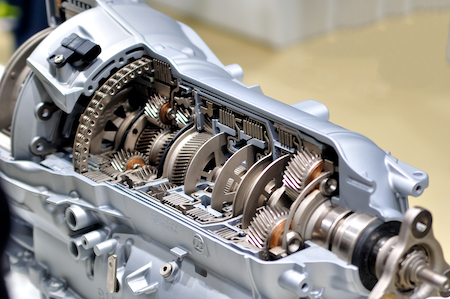
Hitch

Hitch receiver

Drawbar

Hitch ball

If you have the right equipment, you’ll safely tow your equipment behind you wherever the road takes you. If you don’t, you could be staring at crushed campers and watercraft at the bottom of a ravine.

Every setup is created for a specific weight and size class. The mini camper you towed last summer isn’t necessarily the same as the boat you recently purchased. Check with your owner’s manual for classification, as well as read up on the new equipment you’ve purchased.

Trailer details

When you’re towing various toys for camping and having fun on the water, it’s no longer just about your truck. You have a trailer to think about too. That means in addition to caring for your truck before you head out on the road, you’ll have to have your trailer checked out too. Make sure you have:

  • Trailer lights – ensure the electrical wiring is properly attached to ensure taillights and brake lights are in good working condition.
  • Secure load – whether it’s simply pulling a mini trailer, or if you have a variety of toys spread out in the back of your truck, ensure it’s all properly covered or tied down. You don’t want to reach your final destination, only to discover you’ve lost half your load along the way.
  • Check your tires – while trailers and other towable equipment may not have a lot of running internal parts, you will be dependent on the wheels and tires to get you where you’re going. Sometimes you off-road it, being more vulnerable to things that can flatten or blow a tire. Are they in good shape before you leave?

Safe truck checkup

When you’re about to head out on vacation, it’s a good idea to give your truck a thorough checkup before you leave home. When you drop off your truck for an inspection, mention your vacation plans and what you’ll be towing. That will give our mechanics a better idea of what to look for, and make recommendations based on your plans.

While these aren’t the only things you should check, it’s a starting point.

Brakes – not only will you be using your brakes to stop your truck, but you’ll also be adding weight behind you in what you’re towing. Having brakes that are even slightly worn could be a hazard to your safety.

While it might be a natural tendency to ride the brakes with the added weight behind you, especially as you navigate turns and hills, this can only increase the chance of overheating them. Instead, choose to drive at a slower speed. Some trailers come with their own braking system. While this takes practice to be able to coordinate the two tougher, it can reduce the likelihood of putting too much pressure on your own braking system.

Cooling – no matter where you’re driving to this summer, chances are you’ll be using your air conditioner to help you stay cool. This intensifies the possibility of your truck breaking down. That extra load puts more stress on your vehicle, so ensure all of your cooling system parts are working well before you head out. That includes the radiator, water pump, thermostat, cooling fan, and other systems attached to your vehicle.

Suspension – check both your truck’s suspension system and whatever you’re towing as well. For driving around town, your truck may have lighter duty shocks that can present problems when you start to pull a heavy load. A heavier duty shock absorber will help keep your vehicle stable while towing. Plus it will make your ride smoother too.

Fluids – not only will you be pulling a heavier load wherever you go, but you’ll also be doing it on potentially some of the hottest days of the year. It’s time to check all of the fluid levels throughout your vehicle to ensure you’re topped up and ready to go.

Start with motor oil. This isn’t a time to skimp and look for bargains. Instead, trust brand name synthetic motor oil and transmission fluid to give your engine added protection throughout the summer and beyond. Replace oil filters to improve performance. Top up things like windshield washer fluid – those roads can become muddy and dirty from brief rainstorms and more.

It’s summer – get out there and have fun!

Before heading out on your summer adventure, spend a little time preparing your truck for the process.

It’s been a stressful year. No matter if you’re heading off the beaten path, or will be following others into some of the most well-loved monuments in this country, following a few truck maintenance tips before you head out will ensure you arrive safely, and that you don’t spend more time on the side of the road then you do having fun at your final destination.

Book your appointment today. We’ll ensure your truck is in perfect condition before your vacation begins.

Filed Under: Denver Auto Repair, Tips & Tricks Tagged With: Truck Maintenance Tips

Is Your Transmission Failing?

July 14, 2020 by Denver Express Car Care

If you’ve ever driven a vehicle with a manual transmission, you became more aware of how much it shifts as you drive around. You shift into reverse to move out of garages and parking spaces. You move from first to second, to third and fourth gears as you speed up and slow down from stop signs and traffic lights.

When you move to an automatic transmission, it works in much the same way. The difference being that the internal workings of the car do the job for you. No pushing in the clutch and moving the gears into position.

The transmission system transfers power from the car engine to the wheels. It’s what gives your vehicle mobility. It’s what allows your car to move backward and forward.

As you can imagine, a lot of stress is put onto each of the components within the transmission system over the years. That’s why transmission failure is common; it’s not a matter of if, but when. The transmission will require repair work the older it gets.

The good news is there are warning signs.

If you pay attention to the signals, you can catch problems early. That can save you from being stranded, and prevent expensive repairs in the long run.

How do you know if your transmission is failing?

Dashboard light

Your vehicle was designed to warn you well in advance of serious threats to your car’s systems. Pay attention to lights on your dashboard. A lit up check engine light can mean a variety of things. It can be a simple repair, or a sign of a bigger problem. Don’t ignore it. Instead, schedule an appointment with one of our technicians as soon as possible so we can diagnose the problem and get you back on the road without issue.

Struggles to switch gears

Sometimes, with an automatic transmission, you start to hear it struggle to find the right gear. If you have a manual transmission, shifting becomes more difficult, often feeling like you have to add force to move it between the various gears. This could be a signal your transmission fluid is low, or the mechanic you trusted your car with put in the wrong kind of fluid.

Slipping gears

Is Your Transmission Failing?Another thing you might notice is that your vehicle’s transmission tends to impulsively slip in and out of place. This can be highly dangerous if you’re on a busy road and your gears slip. Imagine flying down the highway from a day up skiing, and your gears slip to neutral. If you feel this at any point, bring it in to have it evaluated as soon as possible.

Grinding

This is more common in an automatic transmission, where a grinding or shaking occurs as you move between gears. This is one of the clearest indicators that your transmission is failing.

Dragging clutch

With a manual car, if the clutch fails to disengage the clutch disk from the flywheel as you press down on the clutch pedal, it’s a sign your transmission is having problems.

Leaking fluid

Always be conscious as you approach your car for visible signs of a problem. Transmission fluid is dyed red in color to help distinguish it from other fluids. It also has a sweet smell.

Burning smell

While your engine is running, if you ever smell a burning smell, it’s time to bring it in to be serviced immediately. It’s often an indicator that your transmission is overheating, which could be from something as simple as low transmission fluid. The faster you repair it, the less risk you have of causing further damage to the system.

Unresponsive

In some cases, your car will refuse to respond to any attempt to change gears. If you can’t move from park to drive, it’s a problem with your transmission. Your only course of action may be to have it towed in for service.

How to properly maintain a transmission

Now that you’ve determined you may be experiencing problems with your transmission, how do you maintain it? How do you ensure you won’t run into trouble at the most inconvenient time?

First of all, remember regular maintenance is the key to your vehicle’s success. You should also pay attention to your car, and be alerted to any changes that may present a problem.

Check the level of your transmission fluid regularly, depending on your make and model. Some vehicles have a dipstick similar to your motor oil for easy access. Still others are closed systems, and require knowledge and a few tools, or bring it in and one of our mechanics can check the levels for you.

You should also schedule an automatic transmission fluid service change every 30,000 to 60,000 miles, depending on your vehicle’s requirements. The old transmission fluid will be flushed from the system, the fluid pan removed and cleaned, and a new filter will be installed to the correct amount.

Be aware of the way you drive. Slow down. You should never make quick switches from drive to reverse, or reverse to drive, especially if the car is still moving. In most cases, this will stall the engine, and possibly do a lot of damage to your transmission.

Be conscious of how you drive. Smooth acceleration helps to allow gears to change at the correct times, and provide you with the most fuel efficient behavior.

Take care of your transmission

You may have heard the horror stories of drivers facing expensive repair bills installing a new transmission. And we’re not going to lie, a replacement can be one of the most expensive auto repair bills you’ll ever receive.

Instead of waiting for that repair bill to come, commit to regular maintenance instead. By watching your vehicle and getting to know how it acts, you’re more likely to recognize when something goes amiss. That means you can drive it into our service station long before you have a seized transmission.

We’re here to help you keep your car running, no matter how old it is or how many miles you’ve put on. Let us give you a quote today.

Filed Under: Car Maintenance, Transmission Tagged With: Transmission Failing

Why It May Be Time For Wheel Alignment

July 11, 2020 by Denver Express Car Care

When you drive your car off the showroom floor, everything about it is in perfect condition.

From the moment it hits the open road, your car is at risk. Slam on the brake pedal and it impacts your braking system. Hit a pothole, and it can knock your wheels out of alignment.

The trouble is, most of the damage done to your car isn’t something that impacts it right away. Instead, it accumulates over time.

That pothole in the middle of the lane you always drive in to work? Yep, every time you hit it, it continues to impact your car. Bolts can loosen. Joints can come apart. And wheel alignment? Yep, that happens gradually too. Every bump you hit, every pothole you hit a little too hard, every curb you scrape and bump, it all adds up over time.

Why is wheel alignment important to my vehicle? 

Wheel alignment is important for one very obvious reason: driveability. If you want a smooth ride as you drive to work, drop the kids off at school, or take your family out on the open road, a periodic wheel alignment is mandatory to keep your car working properly. Of course, there are other reasons too.

If your wheels aren’t connecting with the road properly, it also means your tires are being impacted every mile you travel. If a wheel is bent, it pulls the tires away from the road in certain spots. That means uneven wear. It also means the lifespan of your tires will be shortened.

Why It May Be Time For Wheel AlignmentWhen your wheels are in proper alignment, the entire suspension system is working together, keeping you pointed in the right direction. Without movement, you move in a straight line. But when wheels are out of alignment, that balance can shift and turn. Have you ever felt a pull to the right or left when you’re moving down an open stretch of highway? That’s a problem with your wheel alignment. It can cause other systems more wear as you overcompensate for the problem.
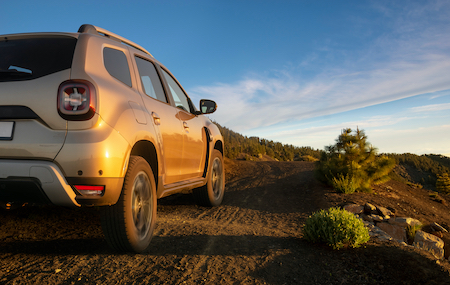
All of these extra problems can cause one more failure – gas mileage. It takes more energy to overcompensate for problems throughout your vehicle. If you start to see a slip in mileage each time you fill up your tank, it might be a wheel alignment issue.

How will I know if I have a wheel alignment problem? 

Wheel alignment isn’t something you’ll find a dashboard warning light for. Instead, you’ll only discover you have a problem in one of two ways.

1. Regular checkups. If you let one of our mechanics check out your car periodically, we can find and correct issues before they become bigger problems.

2. Watch your tires. The easiest way to tell if you have a wheel alignment problem is to watch your tires for uneven wear. The tires should wear evenly across the tread. If you notice excessive wear on the inside of the rear tires, for example, it’s an indicator you may need an alignment. It also could be a sign of too much weight in the trunk.

How will my driving be impacted if the alignment is off?

Watching for uneven wear on your tires isn’t the only sign of an alignment problem. There are other noticeable signs you can watch for as you drive.

  • When your vehicle pulls to the right or left as you drive. You’ll tighten your grip on the wheel as you feel your car slowly moving one way or the other.
  • A steering wheel that looks crooked instead of straight. As you drive, your steering wheel should return to its original position. If you have to turn it slightly to keep it in the lane, it may be a sign.
  • Your tires may squeal and make noises. That high pitch squeal is because the wheels aren’t connecting the way they should.

Now what?

What it takes to calibrate a vehicle’s wheel alignment

You can’t look at your wheels and know you have a problem. It requires precision to ensure your wheels are calibrated perfectly, giving you the smoothest ride possible.

When you bring your vehicle in, alignment is performed using advanced computerized alignment equipment. Weights can be mere fractions, bringing all four wheels into alignment.

Our technology:

  • Measures all four tires and sets the alignment according to manufacturer’s guidelines. The more accurate this process is, the smoother your ride. It’ll also improve your gas mileage.
  • Provides an accurate reading. You can’t eyeball this, which is how it was performed years ago. Today’s technology is better than ever, meaning we can get accurate readings to ensure you’re driving out of our garage with the best alignment possible for your vehicle.
  • Understands the guidelines for your vehicle. A Prius will have different requirements than a large SUV.

How long does it take for a wheel alignment? 

Like every service we perform, it depends.

If everything goes smoothly, you can be back out on the road shortly. But as we dive in and discover problems, it may lead to other issues.

Each wheel may have up to three alignment angles that need adjusting. They’re called caster, camber, and toe. Three alignment angles – four wheels – that means up to 12 adjustments needed for servicing. You can’t drive in, plug it in, and go. It may take a little time.

Because you have four wheels, all four must be adjusted at the same time. Performing one wouldn’t give you the right calibration to ensure your entire vehicle is driving the way it should. Instead, it’s essential to adjust the front wheels to be at a proper angle to ensure the back wheels operate correctly too.

An alignment check inspects both the steering and suspension systems. It will ensure your tires are pressurized correctly, and are still in good operating condition. It will adjust camber, caster, and toe angles, as needed. That may mean new parts and labor charges, depending on the issue. And finally, a road test. We want to drive it, to ensure it feels good when connecting with the road.

Sometimes your warranty requires occasional wheel alignments to ensure it’s in proper working condition. Check with your manufacturer, to ensure you stay within compliance. 

Filed Under: Car Maintenance, Suspension Tagged With: Wheel Alignment

Car Maintenance Items Before Your Road Trip

July 7, 2020 by Denver Express Car Care

What will the summer of 2020 be remembered for? Recovering from a pandemic will be high on the list. Roadtripping is also going to be one of the most popular activities for families.

Forty-six million Americans say they will jump in the car and visit someplace on their bucket lists during the summer. If the coronavirus has canceled your big traveling plans, and you’re looking to stay a little closer to home, roadtripping just makes sense.

Right now, a lot of us are looking for a little escape. After being locked up at home with no place to go, even if you love your home, it’s looking a little closed-in right about now. The open road, the wide open skies, and new-to-you territory sound good right now.

But in order to make it there safely, it’s important to ensure what you’re driving gets you there without trouble.

Has your car been sitting in the garage, with only trips to the grocery store keeping it running?

Has your pickup been parked, with no place to go?

Are you sure they’ll get you where you’re going, especially if you’ll be driving into the middle of nowhere, without a service station in sight?

Car Maintenance Items Before Your Road TripCar trouble is bad anytime it happens. But when your car doesn’t start in the office parking lot, it’s a minor inconvenience. If your car dies on the open road, it can be downright dangerous.
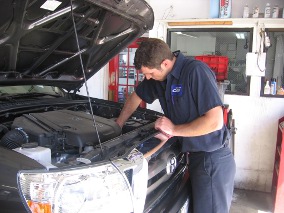
Before you leave home, there are a few simple steps you can take to ensure your car is the last thing you’ll have to think about as you’re having fun with the family.

How do I know if my car will make a long trip?

If you have a brand new car, you might not think twice before hitting the open road. But what if your car is three years old? Or five?

In most cases, if your car has been operating well, you’ve provided it with routine maintenance, you attend to issues as they occur, and it runs well for you as you carry out your daily tasks, it should run for you on a road trip as well. If it hasn’t given you trouble as you drive around your neighborhood, there’s no reason to think it will act up on your trip.

Being aware is the most important part of car maintenance. Watch for anything new that arises with your vehicle.

  • Are there any fluid leaks?
  • Do you hear any new noises?
  • Does a light shine on your dashboard readings?
  • Does your car act similarly to how it always has?

If you haven’t noticed anything new, chances are it’s in good shape to make your road trip.

How do I prepare my car for a long trip?

Are you wondering if your car is in good enough shape to go on a road trip? Whether your trip is a few hundred miles, or you’ll be adding several thousand as you venture far from home, being stuck without a car isn’t a part of your plans.

Even if you take care of your vehicle regularly, if you haven’t had it checked in a few months, doing so right before your trip can give you added peace of mind. Scheduling a car maintenance appointment will allow one of our mechanics to check the important things, ensure everything is in good working condition, and enable you to head out without having to worry about your car.

Here’s what we’ll do.

Check fluids

Fluids are the lifeblood of any vehicle. It’s not just an occasional oil change that keeps your car running well. But regular oil changes are an integral part of keeping your car moving. Oil changes are usually done based on mileage. Will you hit that point during your trip? Then it’s a good idea to have your car serviced before you leave, to ensure it operates well throughout your trip.

Oil keeps many components operating well, such as the pistons, crankshaft, and camshaft. Mechanics will tell you to change your oil somewhere around every 5,000 miles. Manufacturers may go as high as 10,000 miles, depending on your make and model. Check with your owner’s manual, and talk with one of our mechanics to get on a schedule that works best for your needs.

Other fluids you should check include:

Radiator fluid – this is also known as coolant or antifreeze. This helps pull heat from the engine and dissipate it through the radiator. A mechanic can ensure a proper amount of fluid is in the system, and flushing it every 40,000 to 50,000 miles will keep it working its best.

Brake fluid – brake fluid keeps the brake lines working well. When you push on the brake pedal, brake fluid flows through the brake lines, enabling the brake pads to clamp on the rotors, and slow and stop your car. Flushing the system every 25,000 miles or so will ensure your brakes work as designed.

Power steering fluid – this fluid ensures your steering is responsive to your movements at any speed. If you notice a change in the way your car steers, and it takes more movement to go the direction you choose, it’s time to change out the power steering fluid. Many manufacturers recommend every 50,000 miles or so regardless.

Windshield washer fluid – long trips in the summer mean plenty of bugs and dust accumulating on the exterior of your car. Topping off the windshield washer fluid will allow you to keep your windshield clean no matter how many miles you drive.

Tires

As you would expect, your tires are essential for safety. Know how many miles of wear they have, bring your car in for inspection to ensure you’ll stay safe throughout your journey. This can alert you to potential problems, such as uneven wear marks, or faulty tread.

If you don’t have a sensor to alert you with pressure problems, be sure to check tire pressure every 1,000 miles or so. Even if your tire pressure is correct, it’s a good idea to rotate your tires every 8,000 to 10,000 miles or so to help them wear better and last longer. Tires should also be replaced every 25,000 to 50,000 miles. Not sure how much tread you have left? Do the quarter test. Insert a quarter into the tread. If it doesn’t cover George Washington’s hairline, it’s time to think about replacing your tires.

What other car maintenance items do you need before a road trip?

Cars have numerous components that need to be checked and observed over the years. The better you know your car, the more you’ll be aware when it’s time for replacement.

Other components that may need servicing or replacement include:

Brake pads – they provide friction needed to slow and stop your vehicle. Depending on the brake pad, you can expect anywhere from 25,000 to 70,000 miles before replacement. Keep in mind that brake pads may not always wear evenly from side to side. Be sure to have all brakes looked at and tested before heading out on the open road.

Air filters – especially in summer, you’ll be subjected to dust, dirt, and bug entering the engine and interior, clogging the filters. This can impact your drive as well as affect engine performance. New air filters for both your engine and interior cabin every 10,000 to 15,000 miles will give you a better ride.

Bulbs – when was the last time you checked your headlights? How about your brake lights? Make sure all of your lights are working properly to help keep you safe on the open road.

Belts and hoses – over time, belts and hoses can wear down, leak and crack. That can allow fluid to leak, and increase the potential of being stranded. Just a quick check can ensure your car is in its best condition for a safe trip, no matter where the road takes you.

Filed Under: Car Maintenance Tagged With: car maintenance

Trust the Service Center

July 6, 2020 by Denver Express Car Care

It’s comforting for drivers to know that they can trust the service center they frequent.  Most service centers like Express Car Care have exacting standards and procedures for taking care of your vehicle.  There are inspection procedures and auto service procedures.

When drivers come in for a routine service like an oil  change, our technicians will give their vehicle the once over.  They look to see if parts need to be replaced, such as your windshield wipers or air filter.  They’ll check what your owner’s manual recommends be done at the current mileage of your vehicle.

They’ll come to you with suggestions for things that need attention, along with a prioritization, so you’ll know if there is anything urgent.  They will also let you know of anything that will need attention in the coming months.

We compare it to going to the dentist for regular check-ups.  No one wants to hear that they need dental work done- it’s unpleasant and costs money.  It’s the same thing with your car or truck.

But think about those times when you put off going to the dentist for an extended length of time and end up going in with a severe problem.  The little cavity that could’ve been fixed easily early on, has turned into a painful root canal.

There are so many things on your vehicle that are fairly simple and inexpensive to take care of when they’re scheduled but can lead to very costly and inconvenient repairs if ignored.  It’s important to trust the service center when they give you recommendations.

Think of the car maintenance schedule in your owner’s manual like the checklist your dentist goes through when you get your semi-annual check up.  The checklist makes sure nothing is overlooked.  Add in a trained and trusted eye and you’ll catch most problems before they leave you out of service.

Drivers know their vehicles need to be serviced and when you’re working with a trusted service center , like Express Car Care in Denver, you can know that their recommendations are in your best interest.

Now, open wide….

Filed Under: Denver Auto Repair Tagged With: Trust the Service Center

Is Your Car Low On Coolant?

July 3, 2020 by Denver Express Car Care

Every time you start your car, several different systems kick into gear. First, the starter motor comes to life. Then the engine turns, and the spark plugs fire. As the engine turns over, the crankshaft moves, and the pistons push the cylinders to life. A combination of air and fuel is drawn into the cylinders, compressing it and using it to fire the spark plugs. This begins the combustion process.

Very quickly, you’ll start to feel heat. It doesn’t matter if you use a gasoline, diesel, or even a hybrid vehicle, they all naturally create heat.

Your car is designed to handle all of this heat. In the winter, if you turn on your heater, it can funnel some of this heat into the interior cabin to help keep you warm. The rest of the heat is handled in a different way.

It’s important to keep all internal parts at the proper temperature to ensure they work. That means keeping them cool enough to operate. To do this, your car relies on an engine coolant, also known as antifreeze. If your car starts to run low on coolant, it can allow your engine to overheat, which can severely damage your engine.

Is Your Car Low On Coolant?The cooling system includes the radiator, thermostat, coolant, and a variety of hoses that circulate the antifreeze where it’s supposed to go. It absorbs the heat as it operates, carrying heat away from the engine and into the radiator where a fan works to cool it down. The thermostat regulates this process, controlling just how much coolant is needed to flow through the system and keep it working.

What if your car is low on coolant? 

One of the reasons regular maintenance is important is to ensure you never drive without major fluids circulating throughout your vehicle. If you’re low on coolant, it can create bubbles in the system. These bubbles can harm various parts, eventually seizing your engine altogether. Let’s start at the beginning.

Engine overheating

If your vehicle runs low on coolant, the longer you drive, the greater chance of your engine overheating. There will be a spike on temperature levels throughout the coolant system, creating hot spots that start to damage the system. As these hot spots erupt, they cause damage including leaking. This allows coolant to flow erratically, allowing more coolant then needed into the engine. This builds in the combustion chamber, which in turn reduces the car’s power supply. At best, your car won’t run the way it should, and at worst, it will come to a complete standstill.

There’s a misnomer that engine overheating only occurs in the summertime. That’s not the case. Being lown on coolant in the winter can lead to severe problems with the engine block. Without a proper level of coolant, it can allow water in the system to solidify and become ice. You’ll notice this if you turn on the heating system and all it blows is cool air.

Corrosion

Most of the parts in the engine are made from metal. If the proper levels of coolant aren’t in the system, if the parts aren’t working as they should, it can allow rust to begin to form on various components. Antifreeze often has different additives that help prevent rust from forming. If you haven’t replaced the coolant in a while, or it runs low, the engine compartment isn’t receiving the proper protection against rusting.

Blown head gasket

The head gasket sits between the engine block and the cylinder head. The head gasket keeps the coolant and the motor oil separate as the two fluids travel between the engine block and the cylinder head. Over time, the head gasket can wear down and start to leak. As this happens, coolant levels can start to drop without and visible signs of coolant leakage.

This is why regular maintenance is so important. You can identify a blown head gasket by checking the oil dipstick. If you notice a milky liquid or bubbles sitting on the end of the dipstick, it may be a sign of a problem with the head gasket. And the sooner you fix the problem, the smaller the repair bill.

How do you know if you’re low on coolant?

This is where it benefits you to pay attention to how your car operates on a day to day basis.

Check the coolant reservoir

The easiest way to check your coolant levels is to pop the hood and check the reservoir. You can do this, or pull in to our service station regularly and have us perform a thorough inspection. This is especially important if you’ll be heading out on a road trip in the coming weeks.

Watch the temperature gauge

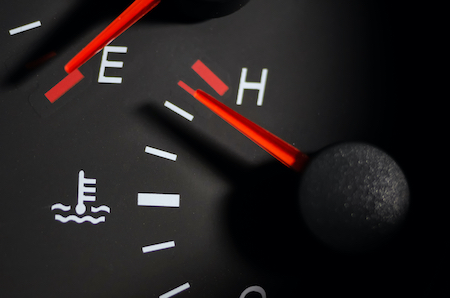
If your systems are operating correctly, the temperature gauge on your dashboard should sit below the half-way mark. If it begins to rise, it’s signaling you have a problem.

Check for leaks

If you suspect you might have a coolant leak, turn your vehicle off and check underneath the hood. Coolant leaks show up as either green or orange water droplets on the various hoses connecting your cooling system to your engine.

No heat

If coolant isn’t flowing properly, it won’t provide heat through your conditioning system inside the interior cabin. If you have the heat on high and it never gets warm, it’s a sign you have a problem with your coolant levels.

https://denverexpresscare.com/is-your-cars-air-conditioner-not-working

Smell

Like other fluids in your vehicle, manufacturers give coolant a distinct color and odor to make it easy to detect. Antifreeze has a sweet smell. If you notice that smell at any time you’re around your vehicle, it’s a sign of leaking coolant.

Fuel inefficiencies

It’s also a good idea to watch your gas mileage as you drive. The cooling system allows your engine to operate properly. But if the proper levels of coolant aren’t supplied, fuel will start to burn faster, reducing the efficiency of your vehicle. You might also have trouble accelerating as the fuel doesn’t vaporize correctly as you drive.

If you suspect your car is low on coolant, a visit with one of our mechanics will help diagnose the problem and provide a comprehensive inspection to ensure all systems are operating efficiently. 

Filed Under: Car Maintenance Tagged With: Low On Coolant

Why Are My Brake Pads Wearing Differently On Each Side

June 29, 2020 by Denver Express Car Care

Let’s talk brake pads for a moment.

Your brake pads are a part of your vehicle’s braking system. Brake pads are not the same thing as brakes. Instead, they are just one piece of the entire system. However, they are one of the key components because the contact and create friction as they connect with a vehicle’s brake rotors. These are the flat, shiny disks that are often visible through your wheels.

This friction is what gives your car the ability to stop. Pressure from the brake pads on the rotors slows your car down until it eventually stops moving.

Simple, right?

The process may sound easy enough. But the concept that allows a simple piece of equipment – the brake pad – to undergo extreme conditions on a daily basis, and still carry you safely from place to place without problems is a little more complicated.

Brake pads

Why Are My Brake Pads Wearing Differently On Each SideIn the past, brake pads were often made of asbestos. The friction created between the brake pad and the rotor creates an intense amount of heat. Asbestos is a great product for absorbing that heat. The problem is, asbestos is also hazardous to your health. As brake pads wear down, brake dust begins to dissipate, with the chance of it floating through the air. That’s a dangerous thing to breathe.

Today, brake pads are created from more natural materials such as metal, rubber, glass, ceramic, Kevlar, and resin that can withstand the heat. They are sometimes referred to as organic brake pads because they are made from materials that won’t pollute as they wear down over time.

There isn’t a “one brake pad fits all.”  Some are made to be softer, to help create a quieter ride. Others are made for performance, perfect for cars built for hugging the road. Knowing what type of car you drive, and the way you drive your vehicle will help determine the best brake pad for you.

Brake pads wearing differently

Over time, your brake pads will begin to wear down. As they are pressed against the rotors, they heat up. Doing this over and over again causes enough friction to remove bits and pieces from the brake pads – brake dust may often appear in your wheel wells. Eventually, it will be time to replace your brake pads.

Brake pads are the most common replacement part of your braking system. And in most cases, the brake pads will wear on each of your wheels at approximately the same pace. But what about if one of the sets of pads wears down faster than the other? What is that doing to your vehicle?

On every vehicle, you have four brake pads – a set on the front wheels, and a set on the back. Front and rear brake pads will naturally wear differently because they are designed to perform in separate ways. The forward movement of your vehicle puts more pressure on your front brakes. That means they often wear faster than the rear brakes.

However, you might occasionally notice one side wearing faster than the other. What if the driver’s side brakes are more worn down? What causes that?

It might be a problem with the brake caliper. The brake caliper is designed to push the brake pad into the rotor. Without the caliper, you wouldn’t have proper pressure between the two to slow down your vehicle. Sometimes these calipers can stick, which can push the brake pad into the rotor ever so slightly even as you drive. That means the brake pad is continuing to wear every time you go for a drive, and will wear faster than the brake pad on the other side.

It might be a problem with the rotor. Rotors are known to sometimes wear unevenly, causing a Disc Thickness Variation – DTV. This variation can be caused by a variety of things, such as the caliper sticking, dirt sticking to the pad, or even consistent slamming on the brakes.

It might be a problem with misalignment. For a brake pad to work correctly, it must be aligned in such a way so that the entire brake pad connects with the rotor when you press down on the brake pedal. If that alignment is thrown off a little, it can cause a portion of the brake pad to wear faster than the rest. Not only can brake pads wear differently on each side of the vehicle, but the brake pad itself can show different signs of wear on different portions of the pad.

You have a brake pad problem

Because brake pads are one of the most important systems on your vehicle, as brake pads wear down, they give you a variety of different warning signals.

Squeaking, squealing, grinding noises – you can’t ignore the noise of a brake pad that is reaching end of life. They are designed in such a way so that they purposely produce this noise, and will keep creating it every time you step on the brake pedal.

Slow response – have you noticed you have to press down on the brake pedal more to bring your vehicle to a stop? That’s a sign your brake pads are wearing down. It takes more force to create the same action.

Pedal feels squishy – by the same token, when you press on the brake pedal, it may have a spongy feel to it. That’s an indicator your brake pads are worn out.

Burning smell – if your brakes receive too much heat, they can take on a burning smell. That chemical odor is a sign of overheated brakes, and could be a sign they need to be replaced.

Vibrations – as you press down on the brake pedal, you might feel vibrations pulsing through your foot. It may be a sign of bad brake pads or rotors, caused by the two not connecting as they should.

You can’t change brake pads on one side

We get this question a lot. You can’t just replace one brake pad on one side of your vehicle. While it may be tempting to try and save money, keep in mind that this can be dangerous to do.

Brake pads are designed to wear evenly on both sides of your car. That means replacing both front, or both rear, at the same time.

Do you suspect uneven wear? Have you noticed your brake pads are wearing differently? Schedule a brake service check today, and we’ll ensure you’re back on the road, ready to drive safely again in no time.

Filed Under: Brake Repair, Brake Service Tagged With: Brake Pads Wearing Differently

  • « Previous Page
  • 1
  • …
  • 52
  • 53
  • 54
  • 55
  • 56
  • …
  • 103
  • Next Page »

Express Car Care
4200 E. Evans Ave. Denver, CO (map)
Phone: (303) 691-2760
Located just southeast of the Colorado Light Rail station

Follow Us Today!

  • Facebook
  • RSS

Shop Hours

Monday: 8:00AM – 5:00PM
Tuesday: 8:00AM – 5:00PM
Wednesday: 8:00AM – 5:00PM
Thursday: 8:00AM – 5:00PM
Friday: 8:00AM – 5:00PM
Saturday: Closed – A note from the owner
Sunday: Closed

Last car oil change time  – 5:00PM

Click for the BBB Business Review of this Auto Repair & Service in Denver CO

Recent Articles

Tire Rotation: When to Do It—and the Signs You Shouldn’t Ignore

Tire rotation is one of the simplest ways to help your tires wear evenly, last longer, and keep your vehicle handling predictably. It is easy to put off, but a consistent rotation schedule can save … [Read More...]

  • Which Oil Is Right for Your Car?
  • Stop Burning Money at the Pump
  • Differential Service: Why It’s Crucial for Your Car’s Longevity and Performance
  • How to Catch a Transmission Problem Before It Leaves You Stranded
  • Why You Shouldn’t Wait to Address a Small Exhaust Leak

Search Our Site

Brakes Service

How to Keep Your Brakes Quiet, Responsive, and Safe

Everything You Need To Know About Replacing Your Brake Pads

How to Know If It’s Time to Replace Your Brake Rotors

Oil Change

Top Benefits of Getting Regular Oil Changes in Denver

Oil Change Specials in Denver: Save Money and Keep Your Car Running Right

Why Regular Oil Changes Are Crucial for Denver Drivers

Suspension

How to Know If Your Car Needs Suspension Repair in Denver’s Bumpy Roads

A Guide To Understanding Bushings on a Car

Tips for Preventing Wear and Tear on Your Car’s Suspension

Transmission Service

How to Catch a Transmission Problem Before It Leaves You Stranded

How Often Should You Service Your Transmission in Denver?

Transmission Trouble? Common Signs and When to Visit Our Denver Shop

Engine Service

Stop Burning Money at the Pump

Everything You Should Know About Your Vehicle’s Timing Belt

Is Your Car Hesitating During Acceleration?

Auto Tips & Tricks

How to Deal With Car Noises That Only Happen When You Turn

Top 5 Maintenance Tips for High-Mileage Vehicles

Why Tire Pressure Matters More Than You Think

"Denvers Best Auto Repair and Quick Lube" - Copyright © 2026 - 4200 E. Evans Ave. Denver, CO 303-691-2760