• Home
  • Denver Auto Repair Services
    • Full Service Oil Change
    • Expert Mechanics
      • Expert Honda Mechanics
      • Expert Toyota Mechanics
      • Expert Subaru Mechanics
    • Automatic Transmission
    • Fuel System Cleaning
    • Radiator Flush Service
    • Wiper Blades
    • Air Filter
    • Cabin Air Filter
    • Gearbox Service
    • Brake Repair
    • Clutch Repair
    • CV Boots
    • Tune-Up
    • Steering & Suspension
    • Tires
  • Auto Diagnostic
  • Contact Us
    • About Us
  • Shop Specials
  • Testimonials
  • Blog
  • 303-691-2760

Express Car Care of Denver

"Denver's Best Auto Repair and Quick Lube"

  • Brake Service
  • Car Maintenance
    • Heating-Air Conditioning
    • Suspension
    • Transmission
    • Engine
    • Tires
  • Oil Change
  • Tips & Tricks

Your Car’s Heating and Cooling System Does More Than Keeping You Comfortable

August 29, 2020 by Denver Express Car Care

When most people think about temperature control inside their vehicle, they usually consider them to be two separate systems. Heating is used in the winter, cooling is used in the summer, with the most important part of the process being comfort.

Imagine arriving at your destination if you’ve driven across town in one-hundred degree heat and no air conditioning. It would be a miserable experience. Equally so as the temperatures creep towards zero, without a heater warming the interior cabin.

What makes both possible is the ventilation system that connects all the parts together. Yes, you need a heater and an air conditioner. But without the ventilation system providing a way for cooled or warmed air to move, you would be left to control temperatures by raising and lowering your windows.

So, how does your car’s heating and cooling system work?

Let’s talk about how your heater and air conditioner are related.

How a car’s heater and air conditioning works

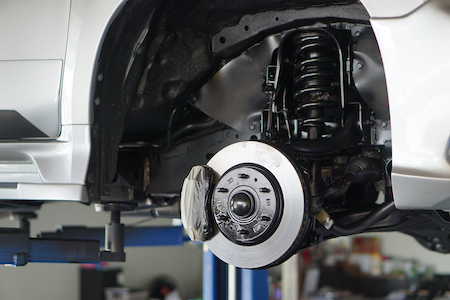
Your car’s heater is a smaller version of the cooling system. Coolant circulates through a small radiator, often called a heater core. A fan is used at the front of the heater core to blow the cold air from outside over the fins. As this air moves through the heater core, it heats and becomes the warm air that is pumped inside the cabin through the heater vents.

Your Car’s Heating and Cooling System Does More Than Keeping You ComfortableThe cooling system consists of a compressor, condenser, and evaporator. Refrigerant is compressed in the compressor, which turns into a hot gas. It moves to the condenser where it is cooled to a liquid state. It continues to move through the system, returning to a low-pressure gas as it rapidly cools in the evaporator. A fan blows over the evaporator during this process, cooling the air that blows through the vents inside the cabin of your vehicle.
Sounds easy enough, right? It’s easy to see how they are both connected. But they intertwine even more.

As the engine runs and causes friction and combustion, heat builds. Most of this is expelled through the exhaust system, but the remaining heat must be handled in some way. Coolant and water mix within the engine block and radiator to release the heat into the atmosphere. On cold days, that heat travels inside your cabin for warmth. But on warm days, your engine could overheat if something disrupts this process. That means your heating system is responsible for keeping your engine functioning properly all year long.

Likewise, on cold winter mornings you might wake to a layer of frost spread across your windshield. It’s not just your car’s heating system that warms it up, it’s the cooling system too. Multiple components all work together to pull humidity out of the air, helping to defrost your windows so you can see to drive. If you notice defogging issues, it may be time to recharge your air conditioning system, or check for leaks or damage.

What are the common problems with a vehicle’s heating and cooling system?

Have you ever heard of a vehicle needing to recharge the air conditioning system? That means ensuring the refrigerant is at proper levels to do its job well.

From time to time, refrigerants can wear down or leak. If this is the case, the equipment should be repaired before refilling to ensure maximum efficiency. It can be difficult to tell as some leaks are tiny at best. But you can watch for puddles forming that are either green or orange. Healthy coolant will be green (ethylene glycol) or orange (Dexcool). If it puddles as more of a rusty color, that means the rust inhibitor in the coolant is no longer doing its job, so rust and scale are building up. Changing it out will breathe new life back into your heating and cooling system.

Topping off the coolant may seem like a quick and easy thing to do. You can buy coolant at your local auto parts store. But the bigger question is: why was it leaking in the first place? The way the system is built, it should never leak coolant. That means somewhere there is a compromise to the system. It could be a cracked hose. It might be a radiator cap gone bad. It could be a damaged water pipe. But if you don’t get to the root of the problem and fix it, you’ll continue to have trouble even after filling up the coolant.

Depending on how old your vehicle is could be a problem too. The EPA phased out the use of R-12 coolant in all refrigeration systems, replacing it with R-134. R-12 has been determined to cause ozone depletion, impacting the ozone layer. So it’s been phased out over time with one safer for the environment. If you still drive a vehicle that uses R-12, you may need to retrofit the system to handle the newer R-134 coolant. Seales, hoses, even the compressor might need to be swapped for a newer model.

Corrosion will also cause the core to leak. Over time, it may leak steam into the interior cabin and fog up your windows. You may also detect a leak by a sweet smell coming through your vents when the system is in operation.

Prevention methods

In most cases, your car’s heating and cooling system won’t create a lot of problems. If you pay attention to your car, running standard performance checks every time you drive, you’ll notice a problem long before it grows into something bigger. If you notice a problem with heating or cooling, hear a strange noise, or smell something unusual, don’t ignore it. Once may be a fluke, but if it happens multiple times, bring your car in for an inspection.

With winter coming, it’s especially important to ensure your heating system is working at its best. Have you noticed problems with your air conditioning this summer? Is your car not as cold as it once was? Schedule a maintenance visit today to ensure your heating and cooling system are fully operational.

It will ensure you have a stress-free driving experience every time you head out the door.

Filed Under: Car Maintenance, Heating-Air Conditioning Tagged With: Car Heating and Cooling System

Is Your Car Experiencing One Of These Common Suspension Problems?

August 26, 2020 by Denver Express Car Care

From the moment you drive a brand new car off the lot, it’s placed in stressful situations every day.

That curb you nudged going around a corner? That may have damaged your tire.

That pothole you hit this morning on the way to the store? That may have compromised your suspension system.

Your car was perfectly designed, put together with care. But the world around you is anything but a perfect place. You can dodge a car that turns into your lane, jump when a rock hits your windshield and causes a crack, flinch when damage in the road jars your car, and all that is getting out of your neighborhood.

Imagine what happens to your car over the course of a year!

What does the suspension system do?

Before we get into all of the things that cause common suspension problems, let’s first take a look at what it does for your vehicle.

Is Your Car Experiencing One Of These Common Suspension Problems?Imagine heading out on the open road, and pushing the pedal to the floor to reach 60, 70 miles per hour and more. What gives you control is your suspension system. What makes it a comfortable ride at every speed is your suspension system. Without it, you’d quickly spin out of control.

The primary function of the suspension system is control. It maximizes the connection between the tires and the road. It provides steering stability. It creates even weight distribution between all four wheels. It ensures comfort by absorbing every bump in the road. It limits the stress placed on other parts of the car, ensuring your vehicle sustains a long lifespan.

The suspension system consists of:

  • Tires
  • Air pressure in the tires
  • Shocks
  • Struts
  • Springs
  • Arms
  • Bars
  • Linkages
  • Bushings
  • Joints

All suspension parts are located somewhere between the frame of the vehicle and the road. It is designed as a protection system, creating a buffer between your car, the road, and you safely inside.

How do you know if your car has suspension problems?

Even though you can select a car from many different manufacturers, in many different sizes and shapes, they are all built with the same structure and way that they operate. Yes, you have the choice of purchasing many different types and styles of tires, for example, but they are all designed to provide the same basic function.

That makes it easy to recognize when things aren’t working right, no matter what vehicle you drive. There are common suspension problems that materialize when a part weakens or no longer works.

Pulling to one side

At the top of the list, one of the most common signs of a suspension problem is when the car pulls to the left or right while you drive. It’s also a difficult problem to diagnose without the help of a trained mechanic. That’s because it can be a whole host of different issues. It could be an alignment issue. Uneven tire wear. Or a problem with the steering wheel. It can be a problem with the tire rack. Or possibly a sticking problem with a brake caliper.

Every pothole you hit, every bump in the road can jar something loose. If your alignment is out of whack, there’s a reason for it. Some part has either come loose, or is broken altogether. And the only way to get your car back in good working condition is to get to the root of the problem.

A bumpy ride

What happened to your nice, smooth ride? Suddenly, your car feels like an old beat up truck.

A rough ride is a clear indicator that your shocks and struts are worn out or in need of repair. Shock absorbers are designed to absorb every bump in the road. They have hydraulic fluid inside that helps dampen the bouncing motion as it connects with the road. If they lead, your performance suffers.

One corner sits lower than the rest

As you walk up to your car, take a quick look at how it sits. It should always be level. If it isn’t, there’s a problem. When one corner sits lower than the others, it’s likely a damaged spring. You may also start noticing a clunking noise as you hit a bump or turn a corner. That’s because the spring can no longer support the weight of the vehicle.

The shock and the spring are interconnected. If the shock is blown, it overcompensates by compressing the spring, lowering that side of the vehicle. Even the slightest height variance can be a sign of a problem.

Nose dives and rolls

If your car nose dives or leans forward as you brake and come to a stop …

If your vehicle rolls or leans side to side as you turn into corners …

If your vehicle squats or leans back as you accelerate from a stop …

You have a suspension problem.

Difficult steering

Have you ever had a hard time steering your car? Normally, it moves easily, one hand can take control. Then it grows in difficulty, it might even feel like it slips as you turn. This can be caused by a number of problems, including low power steering fluid, a faulty steering pump, a leaking power steering rack, or worn out arm bushings.

The best way to find the root of the problem is to schedule a maintenance visit with one of our mechanics.

Can you fix suspension on a car? 

If you notice any of the common suspension problems listed above, to remain safe, don’t drive your vehicle any more than you have to. Bring your car in quickly to avoid further damage.

The biggest reason is one part can impact others. And what may have been a few hundred dollar repair can escalate into the thousands. It can also escalate from a minor repair into an emergency situation.

Imagine a problem with low tire pressure suddenly moving to critical level with a tire blowout.

That’s just one example of things that can go wrong.

If you suspect you have a suspension problem, don’t delay. Have one of our trained mechanics take a look and diagnose the problem today.

Filed Under: Suspension Tagged With: Suspension Problems

Why Wheel Alignment and Brake Inspection Is Vital For Your Safety

August 18, 2020 by Denver Express Car Care

When you invest in a new vehicle, a significant amount of your money goes out each month to keep it in good running condition. You change the oil regularly. You put new tires on periodically. You know that by doing a little maintenance work throughout the years, your vehicle will provide you with a reliable ride indefinitely.

Yet sometimes it can be difficult deciding what’s important, and what isn’t. Is a maintenance item more cosmetic by nature? Or should it be handled quickly to reduce the chances of a bigger problem arising in the future? That may be especially true this year, if you’re trying to find places to curb spending. Why not put off that maintenance task, or ignore the feeling you have that something isn’t quite right? If you do, you might end up with a bigger problem down the road.

Let’s talk about two major systems that are vital to how your car operates. Even if money is tight, regular wheel alignment and brake inspections will give you peace of mind that your vehicle will keep you and your family safe as you drive.

Is wheel alignment really necessary? 

Let’s start with what a wheel alignment does for your car. When you get behind the wheel and drive down the street, you expect your vehicle to stay on track and drive straight with minimal effort. Your wheels were designed that way.

Why Wheel Alignment and Brake Inspection Is Vital For Your SafetyBut driving can be hard on an alignment. Every pothole you hit, every sharp turn you make, every mile you drive has the potential to damage your wheels. It rarely is impacted all at once (although it can happen that quickly). Instead, it occurs over time, depending on the way you drive your car.

Sometimes you can see it, feel it. Take your hands off the wheel for a moment; does your car pull left or right? That’s a sure sign you’re in need of a wheel alignment. However, misaligned wheels aren’t always noticeable. In some cases, your vehicle can seemingly be going straight, but a misalignment can be affecting the accuracy of your vehicle’s response system. And that can be dangerous at best.

Misaligned wheels impact tire wear. Tires can wear out faster. Your fuel economy will suffer. And you may wind up in harm’s way as your vehicle takes longer to respond to the actions you make.

Can wheel alignment affect braking?

When you drive, you rely on your tires to turn you in the direction you choose to go. Sometimes it’s a split decision to move right or left, to avoid things in your lane. Without that ability, it puts you and your passengers at risk.

If your wheels aren’t able to turn and move quickly, it can also impact your braking. The brake pads might not be applied to the wheels at the same force, causing your car to spin out of control.

Your car has brakes on all four wheels. Each brake is operated by a hydraulic system, with either a disc or drum brake providing the force. The front brakes provide more stopping power because as you brake, it throws the weight of the car forward onto the front wheels.

As you push down on the brake pedal, it allows hydraulic fluid to travel through a pipe, to a cylinder at each wheel, forcing pistons out to apply the brakes. Hydraulic fluid ensures even distribution throughout the system, ensuring all brakes receive identical braking pressure at all times.

Anything that disrupts that connection puts you and your vehicle at risk.

What a braking inspection does

You already know that your braking system is one of the most important systems in your vehicle. That’s why it’s equally important to ensure they are working correctly at all times.

As brakes are used, the friction created as the pads press against the rotors can cause grooves. The deeper the groove, the more impact it can have on the way your vehicle stops. You’ll have to press down harder on the brake pedal to achieve the same results.

Worn brake pads can further damage the brake rotors. Time and wear can also reduce levels of brake fluid, meaning you won’t have as much pressure within the system to stop effectively. And all of that mag chloride, ice, and water we see throughout the year? Yep, it can wreak havoc on the braking system too, causing corrosion, breaking or leaks within the system.

Why you should schedule a maintenance visit today

Are you convinced wheel alignment and brake inspection are important? Here are even more reasons why you should pay attention to wheel alignment and schedule your check up today.

If your wheels aren’t aligned right, it can impact your tires. A wheel that’s not aligned correctly will point tires slightly off track. And if tires aren’t connecting with the road the way they were designed, it can wear them down quicker than their useful life.

Uneven wheels will decrease fuel efficiency. A car is designed to perfectly connect with the road. If anything disrupts that, it will reduce the way it moves down the road.

Driving a misaligned car can create more damage. If any object isn’t in perfect condition, it can cause uneven wear, and impact other parts or components.

Small problems become bigger problems when not well cared for. Brake pads are the most commonly replaced items on the braking system. But if the pads don’t wear properly, and aren’t replaced as they wear down, they can further impact other parts of the braking system.

A brake inspection is designed to evaluate the entire braking system. While you might be able to assess the condition of your brake pads, it’s more challenging to determine if the rotors are damaged, or if your vehicle is low on brake fluid.

While you might not have driven as much as normal this year, leaving your car set for periods of time can cause problems you might not usually see

Before you take that road trip, or head up in the mountains for a weekend getaway, be sure to put wheel alignment and brake inspection on your to-do list. It’s a great way to ensure your vehicle is in great shape, and will keep you on the road no matter what the future entails.


Filed Under: Brake Repair, Brake Service Tagged With: Brake Inspection, Wheel Alignment

Drum Brakes

August 17, 2020 by Denver Express Car Care

Brakes that work properly are essential to your safety as you drive and stop on our Denver streets.  You want to carefully maintain your brakes.  In vehicles equipped with drum brakes, the brake components are housed inside a drum that rotates with the wheel.  When you step on the brake pedal, brake shoes push out against the inside of the drum, slowing the wheel.

Basically brake shoes just wear away with use from rubbing on the drum as you brake.  When it’s time to replace brake shoes, it’s a straight-forward repair.

If you hear squealing or grinding when you’re braking, have your Denver service adviser check them out.  They’ll have a technician perform a thorough brake inspection to see what needs to be done.  He’ll check for signs of brake problems and go over other brake components to see that they’re working properly.

Your technician can tell you if it’s time to replace the brake shoes or if there are other issues with your brakes that should be addressed.  Some people often ignore the warning signs and keep driving long after the brake shoes are completely worn out.  When that happens, metal brake components will grind against the drum, damaging it enough that it has to be resurfaced or replaced.

When you push your brake pedal, the wheel cylinder is activated and it pushes the shoes against the drum to slow the vehicle down.  This cylinder, and various springs within the brake, can wear out, which affects your ability to stop.  The worn components should and can be replaced.

The new brake shoes we put on your vehicle will restore your brakes to manufacturers’ specifications.  Or we can install upgraded parts to increase your stopping power and reduce brake noise and brake dust.  We have several options to meet your braking requirements and your budget.

Taking care of your brakes keeps them working safely – and can prevent premature brake repairs down the road.

Filed Under: Brake Service Tagged With: Drum Brakes

What Happens If You Don’t Change Your Car’s Motor Oil

August 14, 2020 by Denver Express Car Care

One of the very basic items to keep your vehicle running is motor oil. Outside of gasoline, it’s the number one thing you’ll change out on a routine basis.

But as you buy another can, or drive into your local service station for a motor oil change, have you ever wondered what would happen if you skipped it altogether? What if you waited a few months? What if you didn’t follow the guidelines? How bad could it be?

Many of the guidelines state that a car’s motor oil should be changed every 3,000 miles or 3 months, whichever comes first. If you check your owner’s manual, depending on the vehicle you drive, it may push that up to 5,000 or more.

What should you believe?

What motor oil does

Before we get into how frequently you should change it out, let’s talk for a moment about what it does.

Motor oil has one purpose: it’s designed to keep your car running smoothly. It’s designed to lubricate the engine and help carry heat away from the engine compartment. As the motor oil circulates throughout the system, it continuously lubricates the thousands of parts that come together and make your vehicle operational. And at the same time, it helps dissipate heat, carrying it away from where it can do the most harm.

What Happens If You Don’t Change Your Car’s Motor OilThat makes motor oil pretty important, right?
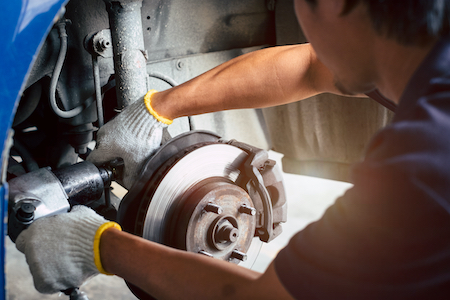
Think of motor oil as the lifeblood of your vehicle. If it doesn’t have a high quality supply running throughout the system, it can function at peak performance. And that means things will start to wear down over time.

Fresh, clean motor oil will keep your car in its best possible condition.

If it degrades, your car will start to wear down.

What really happens without fresh motor oil?

Glad you asked. It’s important to keep in mind that every car reacts in its own unique way. Your car won’t suddenly wear out without new motor oil at 3,001 miles. It’s more of a gradual process.

As motor oil works and moves throughout the system, it picks up all kinds of dirt and debris. If it’s working well, it can push this debris away from the moving parts and into an oil filter. But if you don’t replace the filter (it’s part of a regular oil change), the filter will eventually become too clogged to do its job. That means whatever the motor oil pushes in, it bypasses it and leaves it within the system.

That’s when engine parts start to wear down. Instead of fresh, clean motor oil, dirty fluid is circulating throughout the system. And it might not be doing a very good job. It can be abrasive, causing parts to rub together in wrong ways. It might not keep each part properly lubricated.

Motor oil isn’t just oil. Instead, it’s a combination of oil and additives designed to keep your car running at its best. It has things like detergents, dispersants, rust-fighters and friction reducers all working together to provide your vehicle with what it needs to thrive. You know when you’re washing dishes and the soap bubbles eventually dissipate because of all the grime that makes its way into your sink? That happens to motor oil too. The additives can’t work the way they did when you first added motor oil to the system, not once the system is compromised.

So the oil gets thicker, dirtier, and loses the ability to do what it was designed to do – keep heat out of the engine compartment. Heat builds. Parts warp. Damage starts to occur. And your car might not drive quite the way it did before.

But you still might notice anything. You might continue driving.

This turns oil into sludge. The volume of dirt and grime becomes too much, and it can’t process it at all. It barely moves, loses most of its lubricating qualities, and brings no relief to your vehicle’s parts.

If you leave it this way for too long, the engine will seize, and stop working altogether.

A high quality motor oil change is something you’ll barely notice in your monthly budget. We guarantee you’ll feel the pain of replacing a seized engine. It can cause thousands of dollars to bring your car back into working condition.

What else happens along the way?

Now that you know what happens within the engine compartment itself, let’s talk about a few other things you should know.

Did you buy a new or used car with a warranty? The warranty is only good if you follow the rules. And if you read the fine print on the warranty itself, you’ll find that it states you have to service your vehicle according to a schedule. If you don’t service it according to factory guidelines, the warranty will be null and void. Yes, that means you should keep track of every motor oil change you do. For that matter, you should keep a record book of every maintenance item you do, just to be able to refer back and determine all that you’ve done to your vehicle over the years. It can also be something that gives you an edge when trying to sell it down the road.

And long before you face a seized engine, you’ll also find your vehicle shows poor engine performance. When detergents and lubricants aren’t working correctly, you’ll hear and feel your engine sputtering. It can materialize as poorer gas mileage too.

It’s time to change your motor oil today

There’s an adage: an ounce of prevention is worth a pound of cure. And while that’s true for every system in your vehicle, it definitely applies here.

If you want a car that continues to operate well throughout its life, giving you the longest lifespan possible, it’s important to keep it working well.

You can do that easily just by pulling into our service station on a regular basis. Three or four times a year, for most.

It’s not about the money you’ll spend on new motor oil. It’s about the money you’ll save on repair bills down the road.

Filed Under: Oil Change Tagged With: motor oil

What Shock Absorbers Do For Your Car

August 10, 2020 by Denver Express Car Care

We’ve all seen the movies where a car goes bouncing down the road. But in reality, if you start to feel your car bounce, you know you have a problem. It could be a sign your shock absorbers are worn out.

What is a shock absorber?

A shock absorber is an integral part of a car’s suspension system. The shock absorber was designed to absorb the compression and rebound of the springs. They are created to take away the bounce and spring motion produced as your car moves.

Shock absorbers keep your tires connected to the road, so you experience a smooth ride.

As your car moves, you hit a variety of things in the road – bumps, dips, even fast-acting swerves to avoid large items. Your car’s suspension system reacts to your controls, which in turn moves energy to the tires, so they continue to connect with the road and absorb this energy. Shock absorbers dampen the movement of the springs, turning kinetic energy into thermal energy (or heat energy.) Thermal heat is dissipated into hydraulic fluid.

Shock absorbers exist within a cylinder controlled by a piston that moves as the vehicle’s suspension system operates. Small amounts of fluid are released from the piston head, which helps slow down the suspension movement, further controlling the rebound of the springs. The faster the springs move, the more resistance a shock absorber provides.

That’s what shock absorbers do when they work correctly. Over time, they start to wear down.

How do you know if your shocks are bad on your car?

Most drivers rely on their senses to tell them when something is wrong with their cars. Paying attention can mean the difference between a minor repair and a major overhaul. When you hear, smell, or feel something that seems not quite right, it’s better to bring your vehicle in to a mechanic and have them check it out right away.

What Shock Absorbers Do For Your CarAll of your vehicle’s systems offer various warning signs, including faulty shock absorbers. As you’re driving, you may notice any one of these items:

The vehicle bounce

Now that you know how shock absorbers work, it’s fairly easy to understand why your car would bounce when they no longer work well. Shock absorbers work together with the springs attached to your car’s suspension system. If the shock absorbers aren’t working the way they should, it allows more action from the springs. And that is going to cause you to feel more bounce from your car. If the shock absorbers aren’t there to alleviate the resistance, the energy will move into your tires, producing an uncomfortable ride.

A metallic sound

As a suspension system wears down, it produces a telltale sound of metal to metal contact. If shocks and bushings can no longer support the strut, the result will cause a knocking sound you’ll hear either from the front or rear wheels.

Diving or squatting as you start and stop

Shock absorbers help your vehicle stabilize as you pull away from stop signs and traffic lights, and control the movement as you brake and come to a stop. If the mechanics of the shock absorber can’t handle the weight of the vehicle during this action, you’ll find the front end diving down or the rear of the vehicle squatting during this process.

Body rolls

In a similar movement to diving and squatting, a body roll takes place as you bring your vehicle through turns. As the shocks start to go bad, you’ll feel your car leaning more into every turn you make. Over time, this can present safety issues, so it’s important to take action and correct the problem as soon as possible.

How long do shock absorbers last on a car?

Just like other parts of your car, finding an answer to how long shock absorbers last depends on a variety of things.

Most manufacturers will give you a ballpark number. You may see things like “10 year guarantee. ” That is subjective at best. A delivery van that puts on hundreds of miles a week will clearly need new shock absorbers long before a car that sits in the garage most days because the owner is retired.

Mileage or time frame is a starting point, but it also depends on how you drive.

It also depends on the roads you drive on regularly. Smooth highway miles are different than rural gravel roads. Lots of stops and starts can wear down the mechanics of the shock absorber long before a car that mostly drives on the highway.

Then there are also considerations around road conditions. Driving in the heat of the summer is different than driving on roads filled with mag-chloride, ice, snow, and salt. Chemicals can always play a part in how long various components will last.

Do shock absorbers need any maintenance?

All vehicles have four shock absorbers (or a strut/shock absorber combination) at each wheel. The good news is that your shock absorbers don’t require scheduled maintenance like other parts in your vehicle. This doesn’t mean they never need replacing.

Shock absorbers do fail over time. And replacing your shock absorbers is one of the more common replacements you’ll make keeping your vehicle safe and in good working condition.

But there’s another reason many people upgrade from factory-grade shock absorbers: ride quality. People often come in and state their luxury car is suddenly driving like a truck. That’s a sign you need new shock absorbers. Your ride will be smoother. It can also make a vehicle corner and brake like when it was new.

When a shock absorber goes bad, it’s not necessary to replace them all at one time. However, it’s usually recommended to replace them in pairs – both front or both rear. This is because new shocks will absorb more of the road bumps than the old. If you were to replace only one, there would be an unevenness from side to side. This could quickly cause other problems within your vehicle.

Are you ready for a smooth ride? If you’re tired of feeling every bump in the road, it might be time for new shock absorbers.

Filed Under: Suspension Tagged With: Shock Absorbers

Why a Car Diagnostic Test Can Be Important To Your Wallet

August 7, 2020 by Denver Express Car Care

Every year, you schedule cleanings with your dentist, check-ups with your general physician.

Why? To ensure you stay in good health.

During your routine visit, a doctor can assess what’s going on inside by taking a few standardized tests. They poke and prod in the right places, looking for clues that will tell them something is wrong.

Your goal is to receive an a-okay, knowing you’ll be fine in the coming months. But if they find something small – just an inkling of a potential problem – they can explore further, knowing they’ve caught it early. And catching it early can be the difference between life and death.

A car diagnostic test works in a similar manner. It warns you of potential problems somewhere within your car, problems you might not see, or even detect. But they are there, waiting. They can increase quickly, requiring expensive repairs. Or worse, strand you at the least inconvenient time.

What is a car diagnostic test?

One of the greatest advancements in the auto industry was the addition of technology. As cars became more computerized, it allowed mechanics to connect with each system more effectively. Instead of guessing as to what causes a problem, mechanics can now pinpoint exactly where the problem lies, making it easier than ever to fix the problem and get you back on the road again in no time.

A car diagnostic test can either be performed at the dealer or at a reputable service station. Using specialized software, a trained auto mechanic can use the results from the car diagnostic test to pinpoint exactly where the problem lies. Thanks to built-it processors, microchips, and sensors, this computerized program will show where the problem lies. It makes it easier than ever to discover even the smallest problem within the major systems such as the engine, transmission, ignition cells, throttle, and more.

Does a car diagnostic test look at every part of the vehicle? 

Why a Car Diagnostic Test Can Be Important To Your WalletThere is a misconception about just how accurate a diagnostic test can be.

When you receive the results from a blood test at your doctor’s office, it can tell the doctor something is wrong. But it’s up to the doctor to interpret the results, conduct further testing, and eventually get to the root of the problem.

Diagnostic testing works in a similar manner.

Through testing, problems can be revealed with a car’s engine, transmission, exhaust system, brakes, performance issues, problems with air flow, coolant, throttle issues, and more. If you have your “check engine” light come on the dashboard, for instance, it can be a warning of a small problem, such as a faulty gas cap, or it could mean something more serious, such as an engine misfiring.

The diagnostic test may provide certain clues that lead a mechanic to dig in a little further. But it’s up to his skill and knowledge levels to determine exactly what’s wrong with the car. The problem will only be fixed appropriately if the mechanic makes the right diagnosis. And that’s where it benefits you to choose your mechanic wisely.

Why should you schedule a car diagnostic test periodically?

If you’ve recently had your annual physical, you know the benefits of scheduling it once a year. In most cases, you’ll be in and out with no worries. You’ll receive a “clean bill of health,” and you’ll be on your way.

There’s a good feeling about that. You can put your fears aside if you’ve been feeling a little under the weather. You can talk with your doctor about any challenges you might have been facing throughout the year. And leave with more confidence, getting back to life.

Before car diagnostic tests, a car’s health was often left to chance. You drove the car hard until a problem presented itself. And by the time you noticed the problem, it usually turned into a major repair. It may have even left you stranded by the side of the road. That puts you at risk. It also signaled there must be a better way.

The diagnostic test helps keep you on the road trouble-free. It helps you feel more confident no matter if you’re driving on dark roads late at night, or traveling cross-country on the family road trip.

In addition to diagnosing potential problems within the systems of your car, it can also check the computer system for manufacturers’ notifications and other detailed messages about your car. It can reveal the history, and signal information about when is the best time to replace or repair.

Should I bring in my car for a diagnostic test today?

Creating a snapshot of your car’s health sounds beneficial, doesn’t it? Maybe you’re wondering when you should schedule a diagnostic test for your vehicle. You don’t have to wait for a light to pop up on your dashboard to signal it’s time for a test. This is where it pays to pay attention to how your vehicle sounds and feels.

If you notice an unusual sound, bring it in. If it just doesn’t drive the way it used to, a diagnostic test may reveal the reason.

Of course, it’s also good to schedule a “check up” at least once per year.

Are you heading out of town on the epic family road trip? A diagnostic test can help you do so with peace of mind.

Or maybe you choose to have a diagnostic test performed right before we head into the winter months. It’s a great way to ensure your vehicle is performing at peak performance, before the temperatures fall below freezing.

An annual test will help reveal small problems that aren’t yet triggered by a light on your dashboard.

It can also be a useful tool if you’re in the market for a good used car. Before you sign on the dotted line and commit your hard-earned cash, schedule a diagnostic test and it will ensure you’ve found a great car, and not a lemon-in-waiting.

Is it time to schedule your car diagnostic test? 

Keeping your vehicle in good working condition takes more than new tires and an occasional oil change. To stay on top of potential problems, a diagnostic test can alert you to trouble long before it appears, giving you trouble on your daily drive. Give us a call or stop by today, and we’ll let you know exactly how well your vehicle is performing.

Filed Under: Denver Auto Repair Tagged With: Car Diagnostic Test

3 Easy Ways To Increase The Lifespan Of Your Brakes

August 3, 2020 by Denver Express Car Care

Wouldn’t it be great if you could magically wish all of your maintenance items away? Then your windows would be washed, your lawn would always be neatly trimmed, and your car would run in tip-top shape, no matter what the weather conditions throw at you.

Unfortunately, that’s not the case. Instead, you have to take on each chore yourself, monitoring the status and making choices about when to repair and when to replace.

One of the most vital systems in your car is your braking system. Imagine coming home from a weekend of skiing and not having your brakes in place. The idea is terrifying at best.

While every vehicle is different, statistics show that most will need brake replacement somewhere between 20,000 and 70,000 miles.

That’s a huge variance. And there’s a reason for that. A lot of it depends on your vehicle, and the quality of products used to build the car. But even more of it comes down to driving and care.

Are there ways to increase the lifespan of your brakes? You bet. Read on.

How brakes work

In order to increase the lifespan of your brakes, it’s important to understand how your brakes work.

A car in motion uses a lot of kinetic energy. To bring a vehicle to a stop, the brakes have to remove that kinetic energy, sometimes abruptly. Brakes do that by using friction to move kinetic energy into heat.

By pressing down on the brake pedal, hydraulic fluid is pushed through the master cylinder, which ultimately applies pressure to brakes located at all four wheels. Hydraulics is what multiplies the force behind pushing down on the brake pedal.

Each wheel contains either disc brakes or drum brakes. Disc brakes have a brake disc, a brake caliper, and a brake pad. Hydraulic fluid causes the brake caliper to press the brake pad against the brake disc. This action causes friction, which sends the heat into the brake pad. A stopping car can generate as much as 950 degrees of heat, so these pads must work, and continue to work well.

Drum brakes are similar, but contain a brake drum and a brake shoe instead. The brake drum controls wheel movement. As the brake pedal is depressed, the brake shoe pushes against the brake drum, creating friction and stopping the wheel.

What causes wear on the braking system? Time and use. The more your brakes are put into action, the more wear will be given to each part in the system. But don’t think leaving your car set will be any different. Even a car that sets will eventually have parts that crack or break. It’s important to keep your vehicle properly maintained, no matter how you use it.

How can you increase the lifespan of your brakes? 

If you live in an area where there’s a lot of stop-and-go traffic (hello, Denver), then you’ll be using your brakes a lot more than someone who lives in a more rural area. This impacts how fast the brake pads and rotors wear.

Normal braking will ensure you get the longest life possible from your braking system. However, there are several habits that drivers are prone to that will actually wear your brakes out faster. Reduce or eliminate these few things, and your brake life will be extended.

Speeding

3 Easy Ways To Increase The Lifespan Of Your BrakesLet’s start with a big one. It’s easy to feel rushed as you move throughout your busy days. When you leave even just a few minutes late for pickup or a meeting, you’re more likely to push the pedal down a little more to try and make up the time.

Pushing the speed limit causes two reactions. First, you’re more likely to ride closely to the car in front of you. This means you’re more likely to slam on the brakes when they slow down and come to a stop. You’ll use a lot more of your brake pad as you ride the brakes to control the movement of your vehicle.

Second, higher speeds mean more wear and tear. It takes more action to slow down your car, the faster you travel.

Stick with the speed limits, and drive according to road conditions. You’ll save on wear and tear, and decrease your risk of accidents.

One foot, less brake erosion

Have you ever driven behind a vehicle where the brake lights are always illuminated? They are a two footed driver. That means they use their right foot on the accelerator and left foot on the brake pedal. Instead of taking the foot completely off the brake pedal, they leave it there, resting, waiting to strike into action. The problem is they are also wearing out the braking system way before its time.

Driving with both feet doesn’t make you a safer driver. It won’t improve your response time. Instead, it causes more problems with vehicle maintenance, wearing down the brake pads and warping the rotors.

Keep your left foot on the floor, your right foot ready to spring to action, and a watchful eye on the road. That’s still the best way to drive.

Lighten your load

Depending on the vehicle you drive, you might be shuttling around several thousand pounds. If you load up the trunk with stuff, you may be adding to your load. While you might need lots of stuff when you head out on the open road for a family vacation, leave the stuff at home when you’re just moving around town. The heavier a vehicle, the harder it has to work to stop. And that means more pressure on your braking system.

This isn’t just about what you put in the trunk either. Do you have aftermarket products lining your vehicle inside and out? A ski rack on top? A bike rack on back? Remember, the heavier your vehicle, the more pressure it puts on your brakes. And the more it takes away from your wallet.

When was the last time you had your brakes inspected? 

Your brakes won’t always alert you to problems in a convenient way. Being stranded by the side of the road is never fun. It can be dangerous too.

Instead, isn’t it time for your annual inspection, to ensure everything about your vehicle is running smoothly? Not only will simple tests assure you’re driving a safe car, but it can also increase the lifespan of every major system, including your brakes.

Call today for your appointment. And drive away with peace of mind.

Filed Under: Brake Repair, Brake Service Tagged With: Increase The Lifespan Of Your Brakes

TSB, not USB

August 3, 2020 by Denver Express Car Care

You probably know that USB is a computer term (it stands for Universal Serial Bus).  But do you know what a TSB is?  If you don’t, you should, because it could be important for your vehicle.

A TSB is a Technical Service Bulletin.  When a new vehicle is introduced and starts being driven by thousands of real-world users, weaknesses in the parts or the design begin to be revealed.  So automakers send out TSBs, so that service technicians will be aware and know to look for those problems.  A TSB can be issued for things such as a loud noise when the vehicle turns or a minivan power door that won’t close properly.

A TSB is not the same as a recall.  If a vehicle has a defect that could result in people being hurt or illegal emissions, that vehicle is recalled.  The manufacturer must pay for a safety defect to be fixed, usually at a dealership.

When a Technical Service Bulletin is issued, it’s an acknowledgement that the vehicle manufacturer has noticed a pattern of something not working the way it should.  They also suggest the proper repair to address these known issues.  The cost for a TSB is usually only covered by the manufacturer if the vehicle is still under warranty.

If your vehicle is no longer covered by a warranty, but a TSB has been issued on a certain problem, any service facility can perform the service.  Ask your service adviser about TSBs that may have been issued for your vehicle.  Those TSBs can be helpful for the technician to diagnose any problem you are experiencing.  The TSB will also guide the technician on the best repair procedure to get your vehicle working the way it should.  We’re committed to maintaining your vehicle’s performance, safety, and fuel economy.  Trust your vehicle to Express Car Care of Denver.

Filed Under: Tips & Tricks Tagged With: not USB, TSB

Low Engine Oil – What It Does To Your Car

July 28, 2020 by Denver Express Car Care

What is the most important fluid to keep your car running smoothly? Gas? Oil? Something else?

Your car stays operational by ensuring all pieces are properly maintained, it’s hard to imagine how long your vehicle would run if you stopped putting motor oil into it.

Regular maintenance includes a trip to the service station every few months or few thousand miles, depending on your vehicle and driving patterns. Without replacing the motor oil, the lifeline to your car will be severed. Eventually, many problems will start showing up, such as reduced fuel economy, serious engine damage, leading to complete engine destruction.

What is engine oil?

Engine oil – motor oil – is a thick fluid that provides lubrication for your vehicle’s engine.

Low Engine Oil - What It Does To Your CarAll motor oil is not created equal. If you head into an auto parts store, you’ll see a variety of makes and options sitting on the shelf. That’s because all motors were not created equal. If you purchased a high performance vehicle, that’s different than the family sedan. A car purchased ten years ago will also have different requirements than one you drove off the lot earlier this year.

Engine oil is sold by type and weight. That’s to keep your car running smoothly in all driving conditions. Newer cars use oil for better gas economy and oil consumption. It’s not only something drivers demand, but it’s also federal regulation. If you compare today’s engine oil to oil from twenty or thirty years ago, you’ll find it thinner. That’s for flow through. It keeps your engine running well no matter what you dish out as you drive.

There are two different categories of motor oil: mineral oil and synthetic oil. Mineral oil is petroleum based, similar to how gasoline is produced from crude oil. Synthetic oil is developed in a lab, designed for specific requirements. While mineral oil is often less expensive, it also won’t last as long once in the engine. Because mineral oil is also derived from a finite resource, there is also a question about carbon footprint.

Engine oil is designed to be a specific weight. You’ll see it rated like 0W20 or 5W30. It’s important to stick with manufacturers’ guidelines, as your vehicle was designed with a specific weight in mind. Going with another weight could reduce your fuel economy, or even impact your engine to the point of seizing your engine.

Why is engine oil important? 

Engine oil is important for a variety of reasons.

Lubrication – the most important reason is for lubrication. The right engine oil keeps all of the moving parts protected, preventing them from rubbing against one another, causing wear. Metal on metal is never good. Not only would it wear individual parts out, but it can also wreck your engine. Preventing friction from having these parts wear on each other should always be your biggest consideration.

Cooling – every time you turn your engine on, it creates heat. If that heat builds, it can cause damage to the inner workings of your car. While most of the cooling is handled by the coolant system ( your radiator), motor oil provides supplemental cooling for parts of the engine where coolant can’t reach.

Cleaner – engine oil also acts as a cleaner to keep the engine clean. Over time, debris can accumulate in the engine compartment and start eroding various parts. Motor oil cleans those damaging deposits.

Why you should change your engine oil on a regular basis

When you take your vehicle in for a motor oil change, they’ll remind you to do so on a regular basis, either based on mileage or time. While service stations will do so based on simple guidelines, check with your manufacturer to determine the right course of action for your vehicle. With higher quality oils, it often means you can drive longer between oil changes. Newer weighted oil can often last up to 10,000 miles or more in between changes.

However, this isn’t an area you should skimp on. If you aren’t sure, sticking with the 3 months/3,000 miles rule is your best course of action. You can also speak with one of our mechanics and set up a time period that works well for your style of driving.

How do I know if I have low engine oil?

There are several issues that can cause low engine oil.

A faulty sensor

If the warning light turns on in your vehcile, signaling you have low engine oil, your first course of action can be to check your oil levels if you think it might be amiss. A simple oil check may be an indicator it’s a faulty sensor, not a problem with your engine oil. However, if your engine oil sensor is illuminated on your dashboard, it’s a good idea to let one of our mechanics take a look as soon as possible.

Improper engine oil

All motor oils are not created equal. That’s why it’s a good idea to go to a reputable shop where you know you’re vehicle will receive a high grade engine oil. Your car was created with specific grade levels in mind. If it doesn’t receive the proper grade, with time, it will break down faster, reduce lubrication within your engine compartment, and impact both the parts and performance of your vehicle.

Bad oil filter

The oil filter works to remove dust and metal from the oil. Without a good oil filter in place, particles can flow back into the engine. If the oil filter is bad, it can inhibit the oil from flowing freely, potentially setting off a warning signal on your dashboard as well.

Oil pump malfunction 

The oil pump is designed to generate pressure and ensure the oil moves freely throughout the system. If the oil pump malfunctions either because of age or wear and tear, it bubbles into the oil, which in turn reduces the pressure within the system.

Oil leaks

Pay attention to the ground underneath your car. As you pull out of the parking space, do you notice wet marks underneath? Any leaks should be checked out by one of our mechanics immediately to further prevent damage to your vehicle.

The best way to prevent low engine oil in your vehicle is to perform maintenance and schedule regularl oil changes on a timely basis. Ignoring any of the warning signs can shorten the lifespan of your vehicle, make it less reliable, and cause you more money in the long run.

Call now if you have a question about your vehicle.

Filed Under: Denver Auto Repair Tagged With: Low Engine Oil

  • « Previous Page
  • 1
  • …
  • 51
  • 52
  • 53
  • 54
  • 55
  • …
  • 103
  • Next Page »

Express Car Care
4200 E. Evans Ave. Denver, CO (map)
Phone: (303) 691-2760
Located just southeast of the Colorado Light Rail station

Follow Us Today!

  • Facebook
  • RSS

Shop Hours

Monday: 8:00AM – 5:00PM
Tuesday: 8:00AM – 5:00PM
Wednesday: 8:00AM – 5:00PM
Thursday: 8:00AM – 5:00PM
Friday: 8:00AM – 5:00PM
Saturday: Closed – A note from the owner
Sunday: Closed

Last car oil change time  – 5:00PM

Click for the BBB Business Review of this Auto Repair & Service in Denver CO

Recent Articles

Tire Rotation: When to Do It—and the Signs You Shouldn’t Ignore

Tire rotation is one of the simplest ways to help your tires wear evenly, last longer, and keep your vehicle handling predictably. It is easy to put off, but a consistent rotation schedule can save … [Read More...]

  • Which Oil Is Right for Your Car?
  • Stop Burning Money at the Pump
  • Differential Service: Why It’s Crucial for Your Car’s Longevity and Performance
  • How to Catch a Transmission Problem Before It Leaves You Stranded
  • Why You Shouldn’t Wait to Address a Small Exhaust Leak

Search Our Site

Brakes Service

How to Keep Your Brakes Quiet, Responsive, and Safe

Everything You Need To Know About Replacing Your Brake Pads

How to Know If It’s Time to Replace Your Brake Rotors

Oil Change

Top Benefits of Getting Regular Oil Changes in Denver

Oil Change Specials in Denver: Save Money and Keep Your Car Running Right

Why Regular Oil Changes Are Crucial for Denver Drivers

Suspension

How to Know If Your Car Needs Suspension Repair in Denver’s Bumpy Roads

A Guide To Understanding Bushings on a Car

Tips for Preventing Wear and Tear on Your Car’s Suspension

Transmission Service

How to Catch a Transmission Problem Before It Leaves You Stranded

How Often Should You Service Your Transmission in Denver?

Transmission Trouble? Common Signs and When to Visit Our Denver Shop

Engine Service

Stop Burning Money at the Pump

Everything You Should Know About Your Vehicle’s Timing Belt

Is Your Car Hesitating During Acceleration?

Auto Tips & Tricks

How to Deal With Car Noises That Only Happen When You Turn

Top 5 Maintenance Tips for High-Mileage Vehicles

Why Tire Pressure Matters More Than You Think

"Denvers Best Auto Repair and Quick Lube" - Copyright © 2026 - 4200 E. Evans Ave. Denver, CO 303-691-2760