• Home
  • Denver Auto Repair Services
    • Full Service Oil Change
    • Expert Mechanics
      • Expert Honda Mechanics
      • Expert Toyota Mechanics
      • Expert Subaru Mechanics
    • Automatic Transmission
    • Fuel System Cleaning
    • Radiator Flush Service
    • Wiper Blades
    • Air Filter
    • Cabin Air Filter
    • Gearbox Service
    • Brake Repair
    • Clutch Repair
    • CV Boots
    • Tune-Up
    • Steering & Suspension
    • Tires
  • Auto Diagnostic
  • Contact Us
    • About Us
  • Shop Specials
  • Testimonials
  • Blog
  • 303-691-2760

Express Car Care of Denver

"Denver's Best Auto Repair and Quick Lube"

  • Brake Service
  • Car Maintenance
    • Heating-Air Conditioning
    • Suspension
    • Transmission
    • Engine
    • Tires
  • Oil Change
  • Tips & Tricks

Making Your Vehicle Last

December 23, 2019 by Denver Express Car Care

A lot of people have older vehicles.  They’re good commuters, grocery store runners, or toy-haulers.  Their owners enjoy the fact that they’re paid off, or will be soon.  They would gladly like to make their vehicles last for 200,000 miles or more…as long as it’s economical for them to do so.
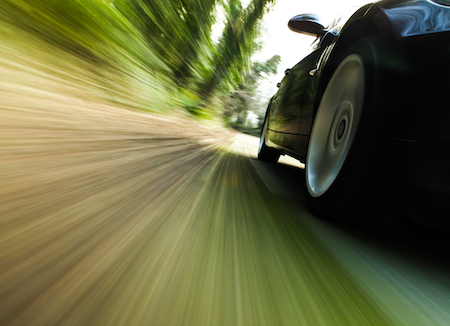
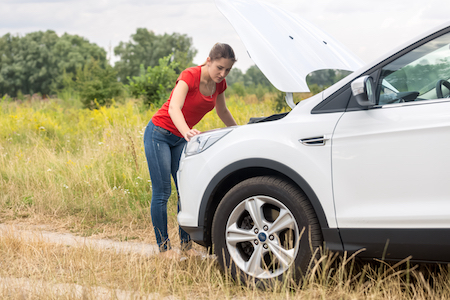
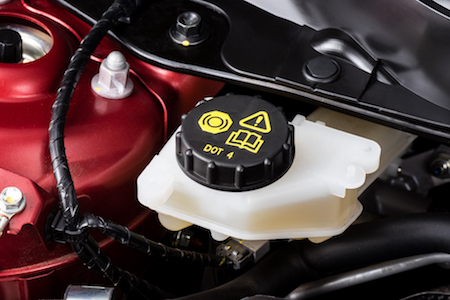
There are plenty of people whose vehicles are running after 150,000 or 200,000 miles.  We can learn from what they do to make their vehicles last, so we can keep our own cars on the road longer.

A common denominator is that they never skip an oil change.  That may sound a bit unsophisticated, but it’s really not.  First off, the oil is the life blood of your engine and needs to be clean to properly lubricate.  Skipping oil changes leads to clogged oil filters and sludge that can damage your engine.  Enough said.

There’s another reason the scheduled oil change is so important.  It’s simple – an Express Car Care technician is going to be looking at your car.  All of your fluid levels will be inspected and topped off so they won’t get so low that damage can be done.  If there is significant fluid loss – let’s use brake fluid as an example – your technician can look for the cause of the loss and find the problem before it leads to an accident or costly repair.

Your service technician will also visually inspect the vehicle for worn belts and hoses, uneven tire wear, leaking shock absorbers and more.  Problems get addressed before they lead to repairs that cost more than the car’s worth.  Your service adviser will also be able to remind you of other services that the factory recommends you get done.

Just think of an oil change in the same way you view a six month cleaning and checkup at the dentist – you shouldn’t skip it.

Of course, good maintenance costs money, but it’s far cheaper than new car payments.

Give us a call and schedule your next oil change today, or just bring it in –  you don’t need an appointment.

Filed Under: Car Maintenance Tagged With: Making Your Vehicle Last

How Often Should Your Brakes Be Replaced?

December 21, 2019 by Denver Express Car Care

Your vehicle’s entire brake system will wear out over time. That includes brake pads, brake rotors, and brake calipers. It also depends on your driving patterns.

Every part of your brake system will have to be replaced at some point. The key is in doing so before it puts you in danger.

Understanding brake wear

Stop to think for a moment how many times your brakes are used in any given year. According to one study, the average driver uses their brakes around 75,000 times in a year! That’s a lot of braking.

Vehicular accidents occur for a variety of reasons. Brake failure is cause for only about 5 percent of total accidents per year. But considering there were 6.5 million police-reported motor vehicle crashes, that still equates to around 325,000 accidents due to problems with the braking system.How Often Should Your Brakes Be Replaced?

All parts of the braking system wear out over time, but brake wear depends on a variety of factors, including:

Brake pad hardness – brake pads come in several varieties made up of several different compounds. They are created and installed, depending on a car’s needs. For most urban driving, brake pads are made from a softer compound that does well driving around town, but does begin to break down in more performance-like settings. If you go with performance brake pads, the material is harder and made to last longer, but they don’t perform as well under most urban driving conditions.

Materials – because brake pads are made up of different compounds, they wear differently over time. The same applies to the brake rotor. Carbon-ceramic brakes, for example, will last longer than a standard metal brake, but they need to be warmer to be more effective. That can be a problem here in Colorado.  Steel or metal brakes are better for our Front Range driving conditions, and handle well throughout the year.

Driving conditions – even here in the Denver metro area, we all drive differently. Some people rarely drive more than a ten mile radius, staying close to home almost all the time for work and play. Others travel up into the mountains many weekends a year. Some people are defensive drivers, braking abruptly throughout their commutes, while others prefer smooth, gradual braking and allow plenty of room between them and the car in front of them. Some spend their days driving from stoplight to stoplight, while others drive mostly on the highway. All of this impacts how your brakes wear and how long they will last.

How do you know when to replace your brakes?

Brakes aren’t something you’ll regularly replace like motor oil or even your tires. The best way rule of thumb is to pay attention to your vehicle’s manufacturer guidelines. Most mechanics will tell you that brake pads, in general, will last around 50,000 miles. Of course, all of the wearability factors from above go into that. It’s not unusual for cars to come in and need a brake job at 25,000, while others can push the envelope and wait until closer to 75,000 miles. It depends on a variety of things.

Luckily, it’s not all based on mileage. There isn’t a magical number in which you have to show up and have your brakes replaced. You can watch for warning signs.

Brake pad thickness – brake pad thickness will wear down over time. Inspect them regularly. If you have your tires rotated (and you should), or go in for an oil change, the mechanic can  take a look and tell you the condition of your brake pads.

Squealing noise – you can’t miss the sound of a brake pad that’s reaching end of life. It makes a metallic squealing noise to let you know the end is near. Brake pads have small metal pieces built into the bottom of the brake pad for that very reason. When those surface, it’s basically metal against metal, grinding away to tell you something is wrong.

Pulling and vibration – does it feel like your car pulls to one side while braking? Do you feel a vibration when you step on the brake pedal? All can be feedback from your braking system. In some cases, it might be the rotors are warped. It can also be a vehicle that’s out of alignment. When you feel either of these, your safest bet is to have a mechanic check out your brake system and fix the problem.

Whenever your brakes are worn out or lose performance, it’s time to replace them. Good, functional brakes are the key to keeping you and your family safe.

What to do when brake failure happens

While it’s important to keep your brakes in good working condition, occasionally brakes fail. As a driver, you should understand what to do if that happens.

Your first step is to determine if you have standard brakes or antilock brakes. The easiest way to tell is to watch your dashboard when you start the car. An ABS will light up if you have antilock brakes.

If standard brakes go out, you’ll come to a stop doing three things.

First, downshift to a lower gear. Next, pump the brakes fast and hard to create a buildup of brake fluid. If you haven’t noticed a change after four or five pumps, locate the parking brake and pull up. Do it gradually and be prepared for the car to skid.

If you still can’t stop the car, put the car into a low gear and steer it towards safety. It will eventually roll to a stop. Of course, living here in the Rocky Mountains, that can also be a problem coming down large hills. In that case, if you’re traveling at highway speeds, you might have to use the guard rail as a buffer. Steer so you scrape gently against it to slow your speed. Honk and flash your lights to alert other drivers to your problem.

If you have antilock brakes, you’ll push the pedal all the way to the floor and allow the ABS to do the pulsing for you. If none of it works, you’ll perform the same steps as above.

This doesn’t happen that often, but it’s still a good idea to practice skid situations in a safe environment. Use your parking brake to get a good feel for how your car handles in a variety of situations.

When was the last time your brakes were replaced?

Filed Under: Brake Repair Tagged With: Brakes Be Replaced

Car Maintenance 101: What To Do When Your Engine Overheats

December 17, 2019 by Denver Express Car Care

Food for thought: even one instance of your car’s engine overheating can permanently damage your engine. And that can be a very expensive venture.

While you might not think Colorado is the epicenter of car engine’s overheating, it does happen. Those 100 degree days can take their toll, especially if you climb up into the mountains, or tow your boat to your favorite reservoir.

Why do engines overheat?

Engines overheat for a variety of reasons. In most cases, it’s because the cooling system isn’t operating the way it should, so heat isn’t able to escape the engine compartment. It could be from a leak in the cooling system, a radiator fan gone bad, a broken water pump, or a bad coolant hose. The moment you notice a problem, quick action should be taken. If not, your engine might sustain permanent damage.

What are the signs of an engine overheating?Car Maintenance 101: What To Do When Your Engine Overheats

Like every part in your car, you’ll likely have a few warning signs before your car’s engine hits a critical point and overheats. Act quickly, and you can reduce the risk of irreversible damage. Watch for:

  • Steam – if you notice steam escaping around the edges of your car’s hood, seek assistance
  • High temperature gauge – those dashboard warning gauges are there for a reason. If you notice the gauge quickly escalating to “H” or red, you have a problem.
  • Smell – any unusual smell that comes from your car engine area should be checked out. Leaking coolant will have a sweet smell, while an oil leak may have more of a burnt smell.

If you notice any of these happening to your vehicle, your quick action will make the difference between a simple repair job or complete replacement.

What to do when your engine overheats?

Engines overheat mostly in the summer for a reason. High temperatures put stress on your car, and you increase that stress by cranking up the air conditioner as high as it will go. At the first sign of overheating, turn off the air conditioner to reduce the stress. Then turn on the heat to maximum levels to help pull heat away from the engine. Pull over as soon as possible.

Once you’re safely off the road, shut off the car. Your engine will need at least 15 minutes to cool down. While you wait, watch the temperature gauge; does it move back into the normal range? You can also take note of what’s happening to share with your auto mechanic. Then start creating a plan.

You’ll need a tow truck to bring your vehicle in to be serviced. This isn’t the time to trust the local garage right off the highway. Instead, bringing your vehicle into us here at Express Car Care ensures you have a mechanic you can trust to give you the real scoop on what’s happening with your vehicle.

You can also check your coolant levels and see if they are running low. This may be a sign you have a leak in the coolant system, a broken radiator fan, or trouble with the water pump. If you do have extra coolant with you, topping it off can further help protect your engine.

While towing is your best course of action, if it’s not an option, carefully start your car after it’s cooled completely. Drive it into our shop, keeping a careful eye on the temperature gauge as you drive. Turn the car off quickly if any further signs of overheating show up.

What shouldn’t you do when your engine overheats?

We’ve all seen cars off to the side of the road, hood up, smoke billowing out all around it. In reality, opening your hood immediately isn’t good advice. Instead, wait until your engine cools before popping the hood. Opening the hood immediately puts you at greater risk of burns or injury as smoke and steam flow out. Wait until the engine temperature gauge returns to normal range before opening your hood.

Don’t ignore the problem, thinking that if the temperature gauge returned to normal, the problem no longer exists. It does. This was a warning sign of things to come. It will get worse if you don’t address the situation soon. We can help you get to the root of the problem, requiring far less repair work now than if you wait until the situation becomes worse.

You should also stop driving as soon as possible. This doesn’t mean find the nearest exit and drive to a service station. It means pulling over to the side of the road as soon as you can. For every mile you continue to drive your car, further damage occurs to your engine, and greater risk of permanently damaging it increases.

Is there a way to prevent an engine from overheating?

The easiest way to prevent engine overheating is to maintain your vehicle properly. That means scheduling regular maintenance visits to allow one of our mechanics to evaluate your car’s system fully, and repair and maintain each system as needed.

You already know how important changing out motor oil is. Your vehicle’s other systems require regular maintenance too. Your engine’s coolant should be flushed and refilled as needed. Radiator should be up to date according to manufacturer’s guidelines. Routine maintenance can also stay on top of leaks, cracks, and wearing hoses and belts, giving you increased opportunities for catching problems before they occur.

While engine overheating can occur in all vehicles, it’s more problematic the older a car gets. Older vehicles will need more maintenance over time. As long as you replace parts, add fluids, and regularly check to ensure systems are operating the way they should, you’ll have a car you can depend on.

It’s difficult to predict when a problem is going to occur with your engine. But if you stay ahead of potential problems by regularly maintaining your vehicle, and know the warning signs and what to do in the event your engine overheats, you’ll be more likely to lessen the risk.

We’re here to help you with all of your car repair needs.

Filed Under: Car Maintenance, Engine Tagged With: Engine Overheats

Yes, Your Brake Fluid Will Wear Down

December 14, 2019 by Denver Express Car Care

Brake fluid is also known as hydraulic fluid. It is responsible for moving the different components of your car’s braking system.

Brake fluid operates under high temperatures and high pressure. Without brake fluid, your car wouldn’t slow down or come to a stop when you press down on the brake pedal.

What does brake fluid do?

Brake fluid is a lubricant and anti-corrosion fluid that ensures your brake system works optimally all the time. It’s non-compressible, which means it’s always in the brake line, ready to work and deliver force every time you push on the brake pedal. The hydraulic brake system works like this:

  • The brake pedal is pressed
  • The pedal pushes down a piston inside the brake caliper
  • This process increases pressure inside the brake lines, pushing brake fluid throughout the system
  • Pressure cause brake rotors to squeeze the brake pads into action
  • Brake pads make contact with the wheels, slowing the vehicle down
  • You stay safe by being able to control your vehicle, all by touching your foot to the brake pedal

That’s a lot of responsibility for one system! And it hopefully shows you just how important brake fluid is. It’s an essential component to ensure your vehicle operates.Yes, Your Brake Fluid Will Wear Down

What are the most common brake fluid problems?

Brake fluid isn’t like motor oil or windshield washer fluid. You don’t drive in and have it changed out on a regular basis. Still, brake fluid can develop problems over time.

The most common has been when moisture seeps into the brake fluid. However, with increased technology comes better construction. If you have an older car – 20 years or older – moisture in brake fluid was a problem. But with today’s components, seals are tighter than ever, which has eliminated most of the moisture intrusion issues.

Brake fluid usually contains up to 5 percent of additives. These are corrosion inhibitors added to prevent corrosion within the brake system. Brake fluid itself won’t corrode. What happens instead is when brake fluid no longer has anti-corrosive qualities, the internal brake hydraulic components may not get what they need. This is when breakdown occurs.

Brake fluid corrosion can occur:

  • With excessive heating or overheating through usage of a car’s brakes
  • By overusing the brake system with heavy loads or weight that exceeds recommendations
  • With excessive stop and go driving, pouncing on the brakes
  • By adding low-quality brake fluid
  • Through temperature extremes

What happens if brake fluid is low?

Different car manufacturers have different requirements when it comes to filling up your brake fluid reservoir. Check with your owner’s manual to determine how frequently to change out your brake fluid.

In theory, it can be a DIY project. But you have to understand how the basic brake system works, and have specific information about how your car works. Pay attention to the brake bleeding procedure; it needs to be performed in the right manner to keep you safe.

Are there different types of brake fluid?

In general, brake fluid isn’t that fancy. But different cars experience different driving conditions, so there are several different kinds of brake fluids to meet all needs.

DOT 3 has a glycol-ether base. It is designed for regular vehicles with average driving patterns, such as commuting.

DOT 4 is similar to DOT 3, only with more additives to increase boiling points. You’ll find DOT 4 increases performance, or move to Super DOT 4 for even better performance. This fluid is often used for racing or performance vehicles that can greatly exceed normal speed limits.

DOT 5 is not compatible with any other brake fluid types. It’s a rust preventer, and unlike other brake fluids, it won’t harm paint if spilled. It’s also costly. Unless your vehicle was specifically designed with DOT 5, this isn’t an option for most cars.

DOT 5.1 is similar to DOT 3 and DOT 4 in composition, but acts more like DOT 5 on the road. It has a lower viscosity, which is necessary for some vehicles.

In technical terms, DOT 3, DOT 4, and DOT 5.1 are similar. In a pinch, you can substitute one for another. But you shouldn’t drive without the proper brake fluid for very long. FLush the entire system and add in fresh, clean brake fluid as recommended by your car’s manufacturer for best results.

DOT 5 cannot be substituted at any time. It could damage your brake system.

What is bleeding the brakes?

If you read anything about your brake system or adding brake fluid to your car, you’ve probably noticed talk about bleeding the brakes.

Bleeding the brakes is the process of pushing new brake fluid through the brake lines and removing the old. As brake fluid wears, it loses additives and has an increase in gas bubbles within the line. By draining the old fluid out, you ensure what’s left is high quality, fresh brake fluid ready to do its job.

This process requires a few tools. You’ll need a wrench to open up the valves located by each brake caliper. You’ll also need a catch container to hold the old brake fluid. You’ll also need a way to operate the brake pedal to push the new brake fluid through the system.

This process takes skill; don’t run the brake reservoir dry or open the valves too far. This can allow more bubbles into the system, which can cause serious safety issues as you drive. A professional will ensure the job is done right the first time.

What about a brake fluid flush?

The other term you’re likely to hear is brake fluid flush. The name makes it sound like the system is being flushed with cleaner to remove old brake fluid before new is installed. In reality, a brake fluid flush and bleeding the brakes are identical. It’s when new brake fluid is forced into the system, pushing the old fluid and all of its potential issues away. That’s it.

How long has it been since your brake fluid was changed? 

Now that you know the importance of brake fluid to your car’s brake system, the next question is: when was the last time you had your brake fluid changed?

Your brakes are one of the most important systems to keep you safe as you drive each day. If you’ve noticed a change in the way your brakes work, it’s time to have them checked. We can help. Make an appointment, and one of our professional mechanics will evaluate your systems and make suggestions for the best way to proceed. We’ll get you back on the road in no time.

Filed Under: Brake Repair Tagged With: Brake Fluid

Car Maintenance Tips When You Don’t Use Your Car Very Often

December 12, 2019 by Denver Express Car Care

We had a customer ask an interesting question the other day, and I thought it would be a great tip to share with you. She asked:

“My mom rarely drives her car. She may take it out a few times a year at most because she isn’t getting around easily anymore. It sits in the garage most of the time. Are there any special car maintenance items I should worry about? I would say she’s putting less than a thousand miles on the car per year. I want to make sure it runs well when she does get in it. ”

Car Maintenance Tips When You Don’t Use Your Car Very OftenA car sitting in a garage, barely used, sounds like the perfect way to preserve a vehicle. If it doesn’t hit the streets regularly, nothing wears out … right?
Think again.

A car that just sits there unused still requires care. It has a lot of stress on it because it isn’t running regularly. Therefore it will have different problems than a car you use every day.

Ever heard the phrase “use it or lose it”? In some manner, that phrase applies to cars too. Cars are all about performance. They are designed to operate when you need them. But if fluids aren’t running through the system regularly, if parts just sit there adjusting to the elements without doing their jobs, wear still occurs.

If you have a car that is rarely used, the way you care for it while not driving it can effect the way it performs. Prepare your vehicle to care for the exterior, the battery, and the engine, and it’ll be there for you whenever you decide to use it.

“Whichever Comes First” Car Maintenance Plan

You’ve probably seen those little stickers some car maintenance shops stick on windshields to remind you to get your oil changed. They remind you to schedule your next oil change on a specific date, or when you reach a certain mileage threshold, whichever comes first. That’s a good approach to car maintenance when your car doesn’t move very much.

A car that sits won’t put the mileage on, but things like oil and additives are still sitting, aging, even though the car never leaves the garage. And it’s good to replace all of that to ensure the parts stay lubricated the way they should.

When in doubt, always schedule a maintenance visit with your local mechanic based on the calendar, not on mileage.

Keep The Car Clean

If at all possible, clean the car before it sits for extended periods of time. This is especially true here in Colorado, where all kinds of things can settle in on the paint or undercarriage during seasonal driving patterns – think mag-chloride, salts, sap, etc. At a minimum, run it through the carwash whenever you get the chance. Better yet, give it a deep cleaning removing even the hard-to-remove dirt and debris, polishing, and waxing it to help protect it against the elements. Pay attention to the undercarriage too, as rust can set in if harmful chemicals settle in.

Keep The Gas Tank Full

If you know the car will be sitting in the garage for an extended time period, it’s better to sit with a full tank than one that’s partially empty. Gas has a shelf life of around six months. As gas is manufactured from crude oil, it’s mixed with a variety of refining products. That’s what makes gasoline perform in your vehicle, and keeps it as clean as possible for the environment.

It’s a careful balancing act to ensure gasoline is at its peak performance, while providing you with the necessary qualities to ensure your car will go. Over time, the qualities change. You even put in different gas depending on the time of year – winter gas is a different blend to ensure your car will go no matter what the temperature is outside.

If your car will sit in the garage, keeping the tank full will help prevent moisture from building up in the tank, which can degrade the quality of the gasoline. But keep in mind that whenever you can, it’s a good idea to run gas through the system to keep all parts operating at their best.

Top Off Fluids

Gas isn’t the only fluid that keeps your car running strong. Brake fluid, engine coolant, transmission fluid, antifreeze, even windshield washer fluid all have a purpose for your car.

While every make and model has different requirements, it’s good to have a mechanic perform a routine car maintenance check periodically to ensure all parts are at optimal performance. For example, brake pads might not wear if a car isn’t used much. But that won’t stop leaks from forming in the system, impacting the braking performance of the vehicle. Periodic checks will ensure the safety of the vehicle whenever someone sits behind the wheel.

Protect The Battery

A car battery will, on average, last around six years. Of course, that depends on how it’s treated throughout its life.

The purpose of a battery isn’t to keep the car running. Instead, it’s about providing the necessary power to get the car moving. But that doesn’t mean if you don’t use it, it won’t slowly drain. Other things can drain a battery – headlights left on, GPS or cell phones plugged in, interior lights left on. Even sitting there will eventually take its toll.

If you know the car will sit without running for an extended period of time, you might also disconnect the battery to prevent corrosion.

Other Concerns

If a car sits for too long in one location, you might have other things to deal with. A nice warm garage is often a place where mice or other critters take refuge. Check for chewed belts, hoses, or nests, which can be built just about anywhere.

Windshield wipers might also crack or break easier. Because the rubber sits, it can dry out faster than when it faces elements each day.

You should also test tire pressure periodically. Reflate them to the recommended levels; you can find that in the car manual, or check online for the make and model.

Schedule Car Maintenance Today

Not everyone drives in the same manner. While most of us drive our cars almost every day, others rarely get behind the wheel. And when a car sits idle for too long, things happen.

The best way to keep a vehicle running no matter how it’s used is to schedule car maintenance checkups every year. If you haven’t had your car serviced because of lack of mileage, schedule it today to ensure everything is running the way it should.

Filed Under: Car Maintenance Tagged With: car maintenance

Air Quality

December 9, 2019 by Denver Express Car Care

Air quality affects all drivers no matter where we are.  Many decades ago, people began to become more aware of how air pollution negatively affects our health.  But have you ever thought about the air quality inside your vehicle?
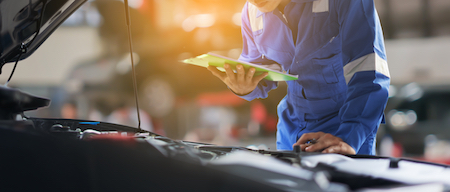

Cabin air filters are now coming standard on most new vehicles since the 2000 model year.  These filters clean the air in the passenger compartment, so the poor air quality outside your vehicle doesn’t come inside.

They can filter particles down to three microns…that’s good enough to clean out dust, pollen and most air pollutants.  If you suffer from allergies, this is certainly good news, but even if you don’t, this is still a good thing.

You can look in your owner’s manual to see if you have a cabin air filter.  If you do, there will be a recommendation for replacing it when it gets dirty.  If you live where there’s a lot of dust, pollen or pollution,  you may need to change it more often than recommended.  You can also ask your Express Car Care service adviser.

The difficulty of changing a cabin air filter depends on your vehicle.  Some are quite accessible, others can take some time getting to them.  They’re usually located in the engine compartment or under the dashboard.

Because cabin air filters are somewhat new on the scene, some drivers haven’t heard of them – even people who have cabin air filters in their vehicles.  Express Car Care service advisers report customers complaining of an unpleasant odor in their vehicle and it usually turned out to be a dirty cabin air filter.

An important note for hybrid owners:  there’s a special air filter that cleans the air that cools the hybrid battery pack.  This filter should be inspected every time the cabin air filter is inspected and replaced.  If this filter gets dirty then the battery pack can overheat.

Filed Under: Car Maintenance, Tips & Tricks Tagged With: Air Quality

Have You Overlooked These Car Maintenance Problems?

December 7, 2019 by Denver Express Car Care

Outside of your housing costs, your vehicle is probably your second biggest expense. A recent study showed that the average loan for a new car was $31,099, with an average monthly payment of $515.

Think used cars are a better deal? Even used car purchases average $21,375, with a payment per month of $398.

That’s a lot of money flowing out each month.

If you keep your vehicle in good shape, you can minimize additional expenses to keep your car running. But without a car maintenance plan in place, you’ll experience problems soon after you drive it home for the first time.Have You Overlooked These Car Maintenance Problems?

What does it take to create an effective plan? What does it take to avoid car maintenance problems and ensure your car is ready whenever you are? Put these basic tasks into your schedule to keep your car running its best all year long.

Wash Your Car

It almost sounds too simple, doesn’t it? How can washing your car help you keep your car problem-free?

Let’s start by looking at what your car goes through just driving you around town each day. In the winter, mag chloride and road salts are dumped onto the road before any threatening storm. Mix in a little moisture, and they stick like glue all over your car. But don’t think it gets better in the summer. Bird droppings, sap, pollen, bug splats, and more find a way to get into every nook and cranny of your vehicle.

All of that can corrode the paint, damage the undercarriage of your car, and destroy the integrity of many of your vehicle’s safety systems.

Luckily, the solution is easy. Wash your car at least twice per month to get all the muck away from the essential parts and systems. This will keep it shining and looking as good as possible for wherever the road takes you. And let’s be honest, it just feels better driving a nice looking car, doesn’t it?

Check fluids

Your car has a number of fluids in it to keep it running its best. Some you know well – hello, gasoline. If your car has gas, it goes. Without it, it stops. We’re all naturally trained to watch the tiny gauge on our dashboards, driving into a gas station before the needle touches the “E”.

But cars don’t run on gasoline alone. There are many other fluids used to ensure a vehicle is operating correctly. According to a Popular Mechanics article, there are six fluids you should check on a regular basis:

Motor Oil – your engine is the hub, controlling every aspect of your car. Motor oil keeps everything lubricated and working smoothly.

Coolant – your vehicle builds up a lot of heat as it operates. Coolant helps absorb heat produced by the engine, and moves it through the radiator to keep your car from overheating.

Power Steering Fluid – want to keep your steering wheel turning effortlessly? Ensure your power steering fluid is topped up and that no leaks are in the system.

Brake Fluid – without brake fluid, when you press down on the brake pedal, your car won’t stop the way it should. While this isn’t a fluid you top off like motor oil, it is something a mechanic should check if you have trouble braking.

Transmission fluid – it has a similar purpose as oil, designed to cool the parts inside your transmission.

Windshield washer fluid – this is mandatory fluid here in Colorado to ensure you see where you’re driving.

Maintain your tires

Tires aren’t something you put on and forget. They keep your car rolling in all kinds of conditions. But as they operate in freezing temperatures and triple-digit weather, they change. They’ll lose pressure even if they’re operating correctly. That’s why it’s mandatory that you check tire pressure regularly.

Do you know how much air to put into your tires? Don’t look at your tires for the answer. Instead, check your owner’s manual or search for a sticker on the driver’s door jamb. You’ll find advice on what the proper tire pressure levels are.

You’ll also find recommendations on rotating your tires. This ensures they wear evenly, which gives you maximum wearability out of each set of tires you buy.

Change air filter

Some of the biggest car maintenance problems develop because car owners avoid doing the simplest of things. Changing out your air filter is one of them.

It can be done in a matter of seconds, but the implications can be long-lasting. An air filter is designed to keep harmful dirt and debris away from your engine. By changing it out regularly, you’re keeping the engine’s performance at its best. You’re also ensuring the engine works properly, and fuel economy is maximized.

Often, an air filter is changed out during a normal oil change. Ask to ensure yours is changed.

Check belts and hoses

Belts and hoses are in constant motion, helping keep all of your systems operating the way they should. As they wear, they put you at more risk of being stranded as they crack, leak, or break.

For example, if a serpentine belt breaks, it can cause failure in a number of your car’s systems, including power steering or your air conditioning. If a radiator hose develops a leak, it can lose coolant that is necessary to keep your engine from overheating.

The cost of a new belt or hose is far less than the damage caused by having them fail. It can be the difference between a simple car maintenance item, or a full-blown failure with an extensive repair bill.

What’s the easiest way to tell if your car has a problem with belts and hoses? Pay attention to your car. Does it make funny sounds? Does your car act differently? Do you smell something odd? Pay attention and consult a mechanic as needed.

With just a little effort, your car will continue to run well from the moment you drive it home for the first time. It’ll keep you and your family safe as you move through your busy days. If you have a question about your vehicle, just ask. 

Filed Under: Car Maintenance Tagged With: Car Maintenance Problems

Brake Job Checklist – This Is What Your Auto Mechanic Will Do

December 5, 2019 by Denver Express Car Care

What’s involved in a brake job? Do mechanics have a brake job checklist they work through to ensure every part of your braking system is working the way it should?

While very few of us think much about the braking system or how it works on our vehicles, there’s no denying its importance. Imagine sailing down the mountain after a day of skiing, and your brakes won’t work. That’s a pretty scary thought.

Luckily, that rarely happens. And if your car is well maintained, those chances reduce even more.

Is a brake job do-it-yourself or should you hire a mechanic?Brake Job Checklist - This Is What Your Auto Mechanic Will Do

If you’ve ever pushed the brake pedal to the floor and had a hard time engaging the brake system, you know how important your car’s brakes are.

If you’ve ever pressed down on the brake pedal on ice and slid as if your brake system wasn’t there, you know how important your brakes really are.

If your brakes don’t work, you put you and your vehicle’s occupants at risk. The good news is your car gives you warning signs long before the brakes fail.

Brake light on – today’s modern vehicles have all kinds of sensors to tell you when things need servicing. These lights are there for a reason; don’t ignore them. When you see the brake light turn on, get it serviced as soon as possible to determine what the problem is.

Noises – because your brake system is one of the most important systems, engineers have built in sounds to capture attention long before you will have trouble. If you start hearing a high-pitched noise when you apply the brake pedal, it’s warning you your brake pads are wearing thin. They are made of steel so when they come in contact with the rotors, this sound begins.

Vibration – you might also start to feel vibrations as you apply the brakes. It shakes the steering wheel and pulls you to one side or the other. If brake rotors wear unevenly, they give the appearance of wobbling as you attempt to slow down. The rotors should be even to provide a smooth stopping experience.

Fluid leaks – when you tap on the brake pedal, brake fluid is pushed through the system creating hydraulic pressure. If there is a leak in the system, there may not be enough pressure for the brake system to complete the action. If you experience a soft brake pedal, where the pedal moves all the way to the floor before it catches resistance – there is most likely a leak somewhere in the system.

Burning smell – if you smell a strong chemical odor after braking hard or using the brakes repeatedly driving down steep inclines, it could be a sign of overheated brakes. Get to a safe place and allow your brakes to cool. Check your parking brake to ensure it’s fully released and not inhibiting your car from moving. Ensure there isn’t any smoke coming from the wheel, which could be a sign of a stuck caliper. When in doubt, call for help.

Because your braking system is one of the most important parts of your automobile, error on the side of caution. When in doubt, have your brakes checked. If you have experience working with cars, you can perform the check yourself. If not, it’s best left to the professionals.

What’s included on a brake job checklist?

When you bring your car into a reputable mechanic for a complete brake job, they will move through the vehicle’s entire braking system checking off steps as they go. They will check and do the following:

  • Test drive the car
  • Inspect the tires
  • Check entire suspension system
  • Look for leaking, cracked, or damaged hoses
  • Replace leaking or damaged steel lines
  • Rebuild or replace leaking or damaged calipers
  • Look for leaks or broken pistons or guide pins and replace the caliper
  • Check to master cylinder for leaks
  • Test the brake pedal
  • Inspect rotors and drums for damage
  • Change out the brake pads or shoes
  • Service wheel bearings
  • Lubricate places like caliper slides and shoe pads
  • Check brake fluid and flush if necessary
  • Adjust the parking brake
  • Replace faulty sensors

There’s a lot that goes into using a brake job checklist. Safety matters, so all good mechanics will use this step by step guide to ensure everything is working properly to keep you and your vehicle’s occupants safe.

Brake pad wear

When many people refer to having a brake job, what they are actually referring to is replacing their brake pads. Brake pads wear every time you apply the brake pedal. If you drive mostly in the city, they are being used dozens – hundreds  of times per day as you stop and go with the flow of the traffic.

But don’t think they get a break just because you hit the highway. If you are towing a trailer or have heavy loads, those brake pads work hard no matter how often you apply the brakes. Mountain driving adds in its own special circumstances, often requiring constant pressure as you move up and down the hills.

While a brake system is designed to apply wear evenly on the brake pads, it doesn’t always happen as intended. If you notice abnormal brake wear patterns, that can tell you things too.

Tapered wear – worn caliper hardware

Only one pad worn – caliper or piston hanging up

Grooved surfaces – problems with the rotors

Chipped surfaces – excessive heat buildup

Step in lining – the pads don’t line up correctly – installed incorrectly

If you notice any of these on your brake pads, your best course of action is to schedule an appointment right away.

Braking system care

One of the most effective ways to ensure your car’s performance and safety every day of the year is to properly maintain your brakes. There are a lot of ways you can ensure your car is operating the way it should. Brake deterioration is often caused by:

  • Carrying too much weight – only carry what is needed within your vehicle.
  • Heavy braking – turn aggressive driving into a more passive driving routine. Every time you jump on the brakes because you’re traveling too close to the vehicle in front of you, you add wear to your braking system.
  • Wet weather – be especially mindful of your brakes when road conditions change because of rain, snow, or ice. Give yourself plenty of room to brake, adding extra distance between you and other vehicles to ensure your safety.

Your brakes are your safety net for the road. Without them, you could put you, your vehicle, and your family in precarious situations. If you think you have a problem with your brakes, don’t delay. Schedule a visit with one of our mechanics, where we’ll run through our brake job checklist and ensure every aspect of your braking system is working the way it should.

Filed Under: Brake Repair Tagged With: Brake Job Checklist

How Tires Affect Your Brake System

November 29, 2019 by Denver Express Car Care

As you drive around the city, you have a lot on your mind. Your to-do list is in hand – stop by the dry cleaners, pick up groceries, grab a coffee to go. How much can you do between meetings, or before you have to pick the kids up from school? Your daily list goes on and on.

You probably don’t think much about your car. Yet eventually, your car won’t act “normal.” Something will seem a bit off. It’ll make a strange noise. It won’t handle the way it has in the past.

For some issues, it’s not a big deal. You can drive for a while with only minor inconvenience. But what about if you notice your car isn’t stopping like it once did?How Tires Affect Your Brake System

Logically, if you want to give your car better braking ability, you assume it means installing new brakes. Your brake system is responsible for turning kinetic energy from your moving car into heat. If the brakes aren’t operating the way they should, that process won’t work the way it’s supposed to.

Can tires affect brakes?

But it’s more than the brake system that gives your car the ability to stop. Tires play their part too. The brakes may be the one part that give your car control and help you slow down, but without the tires, you wouldn’t have the quickness and stability that you do.

All of today’s passenger cars have anti-lock braking systems, also known as ABS. ABS prevents your wheels from locking up when you hard brake. This gives you control in emergency situations. Otherwise, when you pounce on the brakes and your front wheels lock up, you’d lose the ability to steer where you want to go.

If you’ve ever pressed down on your brake pedal with urgency, you’ll hear the ABS pump working. You’ll feel the ABS vibrating through the brake pedal as the system works to create the right amount of pressure to each wheel.

ABS tells the overall braking system that the wheel has stopped rotating, but the tire can’t keep up with the force. Your braking system is perfectly happy to keep applying pressure to stop the rotation of the wheel. But if your tires are capable of withstanding the pressure, more pressure serves no purpose. Your tires will be the problem in the process.

So, tires control braking instead of the brake system?

No, not exactly. The two go hand in hand. Your brakes would continue to work with or without tires in place. It’s the safety and ride that are impacted by tires. While the wheels, calipers, rotors, and brake pads all play their part in how your vehicle stops, tire grip also plays a role. No matter how good of a braking system you install in your car, the stopping power will only be as good as how the tires connect to the road.

Can bald tires affect braking?

One of the most dangerous things you can do is to drive on bald tires. According to the Crash causation Survey of the NHTSA, 9 percent of all crashes were based on tire-related issues. While bald tires aren’t the only thing attributed to increased risk factors, it is a significant characteristic that can increase the likelihood of an accident, especially when  you add in road conditions commonplace across the Front Range.

It’s the tires that keep you on the road. The amount of tread left on the tires plays an integral part in how well it grips the road. Even in the best of circumstances, the available traction is what keeps your car safe as pick up speed or stop. As conditions change, your risk factors quickly escalate.

Bald tires on dry roads are at an increased risk of a blowout. As the tread wears away, the tire’s structure also becomes thinner and more at risk. It makes it easier to puncture, and if the tire is filled with too much air, it’s at an increased risk for failure as you pick up speed.

When you add in wet road conditions, you also increase the risk of hydroplaning. The tread pattern in a tire helps channel away water. As the tread wears down, it can no longer move water away from the tire, creating tension between the road and the tire. Your stopping distance expands exponentially, as well as your chances of skidding out of control.

Now let’s add in snow and icy conditions, something that’s commonplace here in Denver. Without proper tread, you are essentially at the mercy of the icy road. You’ll slide along on the surface no matter what condition your brakes are in.

Of course, it’s not just ice and snow that can impact your car. The heat of the summer has its problems too. A tire’s tread actually works to prevent massive heat buildup as you move down the street. As temperatures climb towards triple digits in the summer, balding tires have no way to dissipate the heat of the air flow, cooling your tires. When tires overheat, they are at increased risk for blowouts.

Will my car ride better with new tires?

The obvious answer is: yes. When you install new tires onto your vehicle, you’ll have better performance from the moment you take it out onto the street. They’ll have more tread, more grip, and provide you with a smoother ride.

Of course, it ultimately depends on the problem you were trying to correct.

Tires affect the braking system, but the two are separate parts to your car. You can’t stop without quality tires in place. You can’t stop unless your braking system is working the way it should. The two have equal bearing on the safety and handling of your car.

If your vehicle isn’t stopping the way it should and you aren’t sure where the problem lies, the best place to start is with an inspection. We can look over your entire system and determine what’s preventing you from driving as your car is intended to perform. Together we can make your car a safer, more reliable tool to help you get through your busy days.

Filed Under: Brake Repair Tagged With: Brake System

Should All Brake Pads Be Replaced At Once?

November 26, 2019 by Denver Express Car Care

When something wears out, you replace it. That’s a time-honored philosophy we learn as kids and use throughout our lives.

But on some things, the concept isn’t as straightforward as with others. If your dishwasher breaks, for example, you get a new dishwasher.

Your vehicle has four wheels, four tires, four brake pads. Logic would say that when one wears out, you replace it. That isn’t the case.Should All Brake Pads Be Replaced At Once?

Should all brake pads be replaced at once? The short answer is that you should think of your brake pads in pairs: front and rear. If one brake pad has problems or wears down, you need to replace a set at a time.

Before we get into why that’s so, let’s start at the beginning, with how your braking system works.

What Brake Calipers Do

Brake calipers are an essential part of your vehicle’s braking system. Most of the vehicles on the road today use disc brakes to stop and slow the car. With a disc braking system, a car’s wheels have metal discs, also called rotors, attached that spin along with the wheel as you move. When you press on the brake pedal to slow or stop, calipers create friction against the rotor and slow the car down.

If you look at your braking system, the caliper fits over the rotor, resembling a clamp. Inside each caliper is a pair of metal plates – these are your brake pads. Known as outboard and inboard brake pads, they sit on either side of the rotor to put pressure on from both sides.

When you step on the brake pedal, brake fluid is released from the master cylinder. It creates pressure in the pistons of the brake caliper, which forces the brake pads against the rotor. Brake pads are made from high-friction material that slows down the rotor when contact is made. And since the rotor is attached to the wheel, the car slows down in the process.

There are two main types of calipers on today’s cars: fixed and floating.

Fixed calipers don’t move; they have pistons on both sides of the rotor. Fixed calipers are often thought of as high-performance, but they are more expensive than floating calipers. Fixed calipers, in general, have two or more pairs of pistons per rotor, but can go as high as six.

Floating calipers move in and out under pressure. One or two pistons will be on the inboard side of the rotor, pushing the entire caliper when the brake pedal is pushed.

Every time the brake pads come in contact with the rotor, they wear down a little. They become thinner and thinner until they can no longer do their jobs. The pistons continue to push the brake pads closer to the rotors, until they are fully extended. At this point, it’s time to replace your brake pads with a fresh set.

Which leads us back to our original question:

Should All Brake Pads Be Replaced At Once?

Brake pads on the front of your car will wear differently than the brake pads on the back. The reason is that your front brake pads actually do most of the work, with up to 70 percent of all braking action occurring in the front of your car.

When you step on the brake pedal, the weight transfers to the front of the car. The downward force is greater on the front tires, resulting in more friction between the front wheels and the road. With more force being applied to the front of the car, the action actually decreases in the back of the car. Braking is directly proportional to the amount of downward force applied to the wheels of your car.

Car manufacturers know this, so they create different braking grip between the front and back braking systems to improve overall performance with your vehicle. If equal pressure were to be applied equally, your back brakes would lock up earlier and cause your car to be squirrely under heaving braking conditions.

With more force being applied to the front of the vehicle every time you step on the brake pedal, it’s easy to see why your front brake pads wear out before the rear. This is why it’s possible you’ll have to replace your front brake pads more than your back.

But if you’ve ever looked at your brake pads, it is possible to have one side wear out faster than the other. If a brake caliper is defective, for example, it might cause the brake pad to wear quickly and need replacing long before the brake pad on the other side of the car. Why can’t you just replace the worn out brake pad? Why are they replaced in pairs?

So that both sides of the brake system are equal and work evenly to stop your vehicle. When you apply pressure to the brake pedal, it causes the brake pads to push against the rotors to stop the car. If the pads are uneven, it can stop one wheel faster than the other, making your car swerve.

How Often Should You Replace Your Brakes?

Different makes and models have different requirements. But it is important to note that your braking system is one of the most important parts of your vehicle to keep you safe and secure. When in doubt, replace.

Today’s cars are built with efficiency in mind. You’ll find different braking aids to push replacement farther out, meaning you can drive farther on every set of brakes you purchase. Some newer cars are installed with electronic brake force distribution, or EBD. The is a processing system that applies more braking power through the real wheel system, which will cause them to wear faster than other models.

You’ll also find cars with anti-lock brakes, or ABS. This is a cycling braking system where pressure is applied on and off in a series of bursts to both the rear and front wheels. This will increase brake pad wear, as well.

It’s Time For A Checkup

Of course, there are many ways your car signals brake pads are wearing down. We’ve written about them here and here. You might notice a flashing light on your dashboard. You might feel it as it becomes more difficult to stop.

Whenever you have a question about how well your brakes are working, don’t delay. Have them checked out from one of our mechanics to determine how safe they really are.

Filed Under: Brake Repair Tagged With: Brake Pads Replaced

  • « Previous Page
  • 1
  • …
  • 59
  • 60
  • 61
  • 62
  • 63
  • …
  • 103
  • Next Page »

Express Car Care
4200 E. Evans Ave. Denver, CO (map)
Phone: (303) 691-2760
Located just southeast of the Colorado Light Rail station

Follow Us Today!

  • Facebook
  • RSS

Shop Hours

Monday: 8:00AM – 5:00PM
Tuesday: 8:00AM – 5:00PM
Wednesday: 8:00AM – 5:00PM
Thursday: 8:00AM – 5:00PM
Friday: 8:00AM – 5:00PM
Saturday: Closed – A note from the owner
Sunday: Closed

Last car oil change time  – 5:00PM

Click for the BBB Business Review of this Auto Repair & Service in Denver CO

Recent Articles

Tire Rotation: When to Do It—and the Signs You Shouldn’t Ignore

Tire rotation is one of the simplest ways to help your tires wear evenly, last longer, and keep your vehicle handling predictably. It is easy to put off, but a consistent rotation schedule can save … [Read More...]

  • Which Oil Is Right for Your Car?
  • Stop Burning Money at the Pump
  • Differential Service: Why It’s Crucial for Your Car’s Longevity and Performance
  • How to Catch a Transmission Problem Before It Leaves You Stranded
  • Why You Shouldn’t Wait to Address a Small Exhaust Leak

Search Our Site

Brakes Service

How to Keep Your Brakes Quiet, Responsive, and Safe

Everything You Need To Know About Replacing Your Brake Pads

How to Know If It’s Time to Replace Your Brake Rotors

Oil Change

Top Benefits of Getting Regular Oil Changes in Denver

Oil Change Specials in Denver: Save Money and Keep Your Car Running Right

Why Regular Oil Changes Are Crucial for Denver Drivers

Suspension

How to Know If Your Car Needs Suspension Repair in Denver’s Bumpy Roads

A Guide To Understanding Bushings on a Car

Tips for Preventing Wear and Tear on Your Car’s Suspension

Transmission Service

How to Catch a Transmission Problem Before It Leaves You Stranded

How Often Should You Service Your Transmission in Denver?

Transmission Trouble? Common Signs and When to Visit Our Denver Shop

Engine Service

Stop Burning Money at the Pump

Everything You Should Know About Your Vehicle’s Timing Belt

Is Your Car Hesitating During Acceleration?

Auto Tips & Tricks

How to Deal With Car Noises That Only Happen When You Turn

Top 5 Maintenance Tips for High-Mileage Vehicles

Why Tire Pressure Matters More Than You Think

"Denvers Best Auto Repair and Quick Lube" - Copyright © 2026 - 4200 E. Evans Ave. Denver, CO 303-691-2760