• Home
  • Denver Auto Repair Services
    • Full Service Oil Change
    • Expert Mechanics
      • Expert Honda Mechanics
      • Expert Toyota Mechanics
      • Expert Subaru Mechanics
    • Automatic Transmission
    • Fuel System Cleaning
    • Radiator Flush Service
    • Wiper Blades
    • Air Filter
    • Cabin Air Filter
    • Gearbox Service
    • Brake Repair
    • Clutch Repair
    • CV Boots
    • Tune-Up
    • Steering & Suspension
    • Tires
  • Auto Diagnostic
  • Contact Us
    • About Us
  • Shop Specials
  • Testimonials
  • Blog
  • 303-691-2760

Express Car Care of Denver

"Denver's Best Auto Repair and Quick Lube"

  • Brake Service
  • Car Maintenance
    • Heating-Air Conditioning
    • Suspension
    • Transmission
    • Engine
    • Tires
  • Oil Change
  • Tips & Tricks

Archives for August 2010

Fall Tune-Up

August 30, 2010 by Denver Express Car Care Leave a Comment

As the kids are heading back to school, now is the perfect time to “tune-up” your car!  Since you will more than likely be chauffeuring your children back and forth from their fall activities or school, it’s a good idea to make sure your car is running  in peak condition.

The phrase “tune-up” is an old-fashioned maintenance term that only applies to older cars.  For today’s cars that are equipped with electronic ignition and at least one on-board computer which automatically adjusts fuel mixture, ignition timing and idle speed, ” engine performance maintenance” is a more accurate term.  But whatever you call it, it is necessary to have your car serviced at least once a year to maintain peak engine performance or restore the engine to its original operating efficiency.            

A tune-up is a process of inspecting, diagnosing, testing, and adjusting or replacing parts on your car that if left unchecked could cause decreased performance or other problems.  A basic tune-up includes removing and checking the spark plugs,  cleaning or replacing the spark plugs and installing them in the engine.  Your car’s distributor cap and rotor are checked for wear and cracks.  If there are cracks, moisture can get in and cause corrosion of the metal, which causes your car to misfire.  These parts should be replaced at recommended intervals or if they show excessive wear.  A tune-up also includes setting the idle speed to your car’s specifications.  These are the basic procedures performed during a tune-up but you can take this opportunity to have other systems checked out as well, such as brakes, clutch, fuel lines, hoses and belts.

The terminology used and services performed on our cars may have changed with time, but the importance of having your car serviced regularly hasn’t, so call your automotive technician and make an appointment for your fall “tune-up” today!

Filed Under: Car Maintenance, Engine Tagged With: Tune-up

My “Check Engine” Light Is On, What Do I Do Now?

August 24, 2010 by Denver Express Car Care Leave a Comment

You are  driving along enjoying the ride and suddenly the “check engine” light comes on and you say to yourself, what do I do now?  There is a good chance that the problem is simple and easy to fix but to err on the side of caution is usually best.My Check Engine Light Is On, What Do I Do Now?

Before 1981, the dashboard indicators on cars monitored basic problems, fuel level, oil pressure and the temperature of the engine.   In 1981 federal clean air statues were instituted that required catalytic converters on all domestic cars and trucks to help reduce the level of pollutants in the air.  The computer that performs this emission system is called an on-board diagnostic (OBD) computer.  Then in 1996 the government required automakers to upgrade to OBD II, this is a sophisticated system of sensors that conduct diagnostic emissions tests as you drive.  When the OBD II detects a problem, your ” check engine” light goes on and the computer stores a “trouble code” in its memory that identifies the source of the problem.  These codes can then be read with an electronic scan tool or a diagnostic computer, which is standard equipment in auto repair shops.  Once the codes are read, they direct your repair technician to the source of the problem.

A “check engine” light can signal many different things, something as simple as a loose gas cap to a seriously misfiring engine.  So what do you do now?  First of all, you should read your owner’s manual and be familiar with your cars gauges and indicator lights and the purpose of each of them.  Some lights are yellow to give  you a warning, and some are red, meaning  a problem needs immediate attention!  Know what your dashboard is telling  you! Look for indicators of a serious problem that might require quick action.  Check the dashboard for indications of low oil pressure or overheating.  If either of these conditions exists, pull over and shut off the engine as soon as possible!

If nothing serious is indicated, check your gas cap and make sure it’s tight.  Sometimes a loose gas cap can cause the “check engine” light to come on, but the most important thing is don’t ignore it.  It doesn’t always mean a big problem or an expensive repair is ahead, but driving with the light on could end up damaging expensive components and causing further damage to your engine.  Have your vehicle checked by a trusted mechanic as soon as possible when the light goes on. That way you can avoid any costly repairs and that little “check engine” light has done it’s job!

Filed Under: Engine, Tips & Tricks Tagged With: Check engine light

Auto Repair: How Much Should It Cost?

August 17, 2010 by Denver Express Car Care Leave a Comment

How many times have you gone into an auto repair shop for a repair that in your mind shouldn’t cost very much and then been shocked by the actual cost?  Auto repair isn’t cheap and we shouldn’t expect it to be. Auto Repair: How Much Should It Cost? The cost of repairing a  vehicle is based on several factors.   The make, model and year of the vehicle affect the cost of repairing it.  Lack of accessibility on some cars raises the cost.  Of course, type of auto repair needed determines how much it will cost.  Some repairs cost more because the parts involved are more expensive.  The cost of auto repair is also determined by the labor rates in your area.  The average shop charges between $60-$100 per hour for labor.  Finally, where you take the vehicle for repair affects the cost.  Dealerships usually charge more than independent repair shops because they have more overhead costs to cover.  As with all your auto repair needs, it’s important to look for a trustworthy shop that will give you honest advice, quality service and fair prices.

We can’t avoid auto repair!  Sooner or later, something is going to break, wear out or fail.  We can try to  prevent major repairs by good preventative maintenance but auto parts still wear out.  Most frequently, tires, brakes, belts and hoses.  And the more miles on your car the greater the possibility you may have engine or transmission problems.  Nothing lasts forever, so when your vehicle needs repair, you want to know how much it should cost before the work begins.  A reputable shop will give you an estimate that lists the parts that need replacing and their cost, the labor charged to replace those parts, any charges for diagnostic time (this covers the time it takes to connect a scan tool to your vehicle and read out any fault codes that may be in the vehicle’s computer) and any additional charges for miscellaneous items such as hazardous waste disposal fees, or shop supplies.

The labor you are charged is usually based on a standard “flat rate” and it most often the most expensive item on auto repairs.  The labor time required to perform a certain task will vary depending on accessibility of the part, the degree of difficulty of the job, and whether special procedures or tools are required to complete the job.  All of these are taken into account when a vehicle manufacturer or manual publisher determines the flat rate tables for various repair jobs.  This information is published and then used by repair shops in preparing their auto repair estimates.  The longer it takes a technician to replace a part, the higher the charge.  Auto repair is difficult, messy, back-breaking work that requires skill, training, and experience.  Cars today are just as technical as a PC, and when they crash, they’re just as costly to repair.  Most of us don’t expect to have our computers repaired for nothing but somehow we have the idea that  auto repair should only cost us pennies! Maybe it’s time to think again!

Filed Under: Car Maintenance, Engine Tagged With: Auto Repair Cost

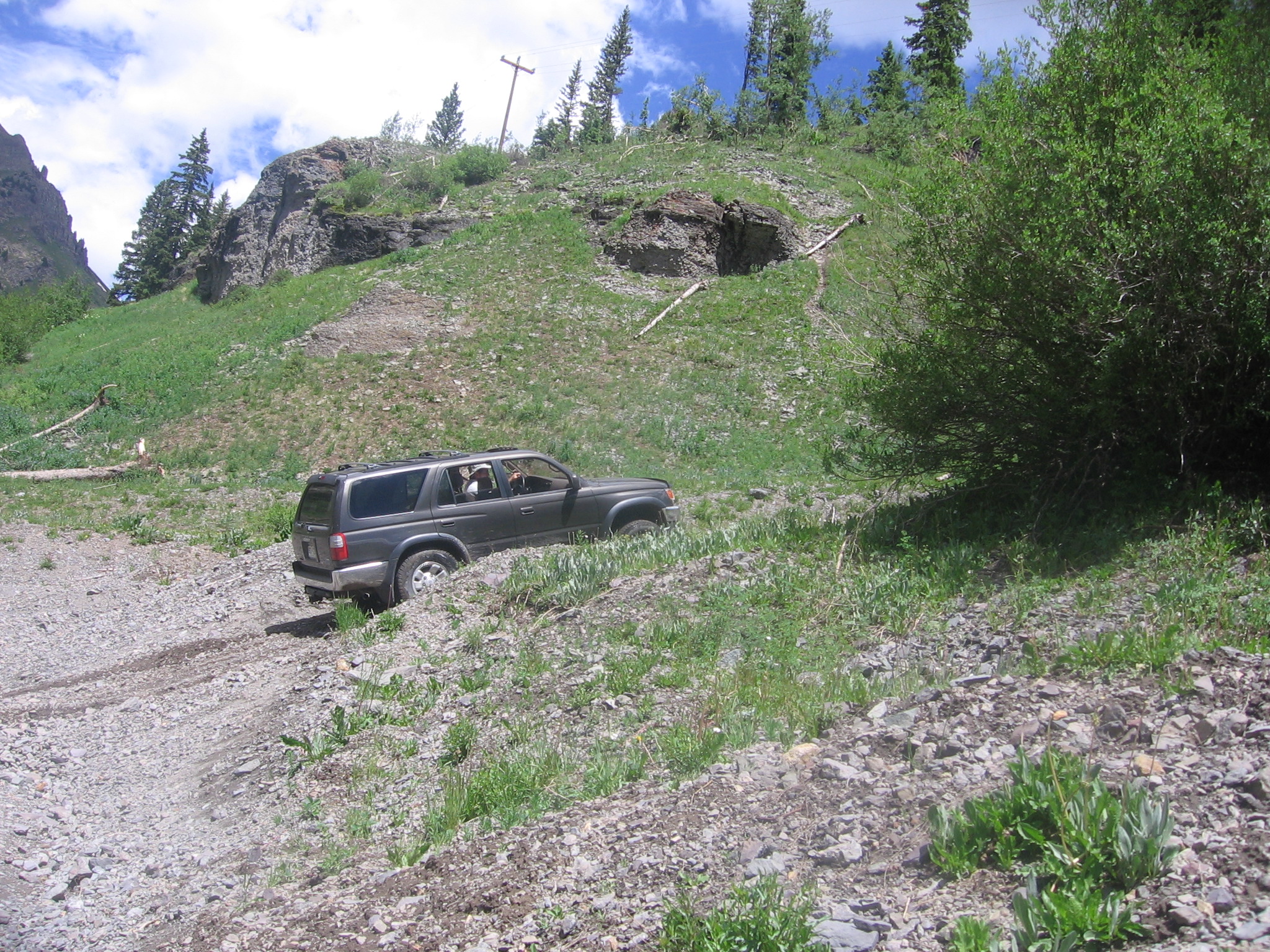
Do You Want Adventure? Try Off-Roading!

August 9, 2010 by Denver Express Car Care Leave a Comment

After spending a few days in the beautiful high country of Colorado off-roading, I can say without a doubt, it was a true adventure!  The scenery was spectacular and the weather was great, but I wish I could say the same for the skills and knowledge of my fellow adventurers!  Going off-road can be a fun and exciting experience but you need to know some basics before you hit the trail.

First you need to find a location for your off-roading adventure that is right for your level of experience.  Since we live in Colorado our choices of trails are endless, but if the trail is too difficult you can put yourself and others in danger.  So choose a trail that matches with your skill level.

You also need to make sure your vehicle is in good condition and ready for the off-road experience. Have your vehicle thoroughly inspected by a trusted auto technician.  Tell him your plans so they can help you avoid any potential problems before they arise.  Check your tires (including the spare) to see if they have good tread and are properly inflated.  It is also important to know how all the controls in your 4×4 work and how to use them.  Don’t wait till you’re on a narrow trail to try them out!  It’s always a good idea to know your vehicles dimensions; height, width, length, and the lowest point of clearance.  Trails can be wide in some spots and very narrow in others, it’s important to know if your vehicle can maneuver through those tight places and clear rocks as you drive over them.

It’s a lot more fun to share this adventure with friends, so get someone to go with you.  If you get stuck it’s easier to get out and the “buddy system” is always safer.

There are unwritten rules or trail etiquette that you should know.

  1. Stay on the established paths.
  2. Be aware of the damage you and your vehicle can do to the environment and do everything you can to prevent it.
  3. Keep your ego in check.  Every vehicle and driver has limitations.  Be aware of yours and don’t go beyond them.
  4. Don’t disturb the wildlife, just observe, don’t touch!
  5. Pretend you’re a tortoise. Just as in the old fable “the tortoise and the hare” slow and steady wins the race!  You will enjoy the scenery and prevent damage to your vehicle.

These are just a few of the things to keep in mind as you hit the trail.  If your interest has been peaked and you want more information visit 4wheeldrive.about.com We live in a beautiful State and an off-road adventure is just one of the ways to enjoy it!

Filed Under: Tips & Tricks Tagged With: Off-Roading

Cheap Oil Changes, Are They Worth It?

August 3, 2010 by Denver Express Car Care Leave a Comment

During this economic crunch, we are all looking for ways to save money.  But when it comes to the condition of our cars, those valued objects that get us to our jobs, the grocery store, school and social events do we want to risk getting a cheap oil change?  Saving a little money now by using cheap oil can cost you a lot in the future when the oil fails to do its job.

There are two important things that oil does for your engine.  First it provides lubrication.  Inside your car’s engine there are many moving parts that would rub against one another, creating extreme levels of friction and wear. If these parts come into contact with one another without oil between them to create a cushion, there would be severe damage to your engine.  Without quality oil your engine’s performance is greatly  affected.  Your car won’t run smoothly and your gas  mileage will be much lower.    Secondly motor oil cleans the engine and prevents contaminates or “sludge” from building up.  Quality oil will contain detergents that help clean the engine and additives that help inhibit corrosion.Cheap Oil Change, Are They Worth It?

You might think that you are saving money by going to a shop that advertises a $19.99 oil change.  But in order to give you that price they have to sell you cheap oil and a low quality oil filter that doesn’t meet with manufacturer’s specifications.  When the cost of an average oil change is $35-$45 at a reputable shop that uses high quality oil and high quality oil filters and it’s recommended that you change your oil every 3 months or 3,000 miles, if you do the math that comes to 50 cents a day to change the oil in your car.  Most of us can afford 50 cents a day!  We spend more than that on our morning coffee!  If we skip one coffee trip a week and put that money toward our oil change, our wallets wouldn’t even notice! Considering all the benefits our cars provide when they run well, don’t you think it’s worth it?

Filed Under: Engine, Oil Change Tagged With: Oil Change

Express Car Care
4200 E. Evans Ave. Denver, CO (map)
Phone: (303) 691-2760
Located just southeast of the Colorado Light Rail station

Follow Us Today!

  • Facebook
  • RSS

Shop Hours

Monday: 8:00AM – 5:00PM
Tuesday: 8:00AM – 5:o0PM
Wednesday: 8:00AM – 5:00PM
Thursday: 8:00AM – 5:00PM
Friday: 8:00AM – 5:00PM
Saturday: Closed – A note from the owner
Sunday: Closed

Last car oil change time  – 5:00PM

Click for the BBB Business Review of this Auto Repair & Service in Denver CO

Recent Articles

Stop Burning Money at the Pump

Get a Fuel System Cleaning! Most drivers know to change the oil, rotate the tires, and replace the air filter. But one maintenance service that often gets overlooked — until the check engine light … [Read More...]

  • Differential Service: Why It’s Crucial for Your Car’s Longevity and Performance
  • How to Catch a Transmission Problem Before It Leaves You Stranded
  • Why You Shouldn’t Wait to Address a Small Exhaust Leak
  • 5 Reasons to Choose a Local Family-Owned Auto Shop Over a Big-Box Garage
  • The Top Reasons Your Car Might Be Stalling and How We Fix It

Search Our Site

Brakes Service

How to Keep Your Brakes Quiet, Responsive, and Safe

Everything You Need To Know About Replacing Your Brake Pads

How to Know If It’s Time to Replace Your Brake Rotors

Oil Change

Top Benefits of Getting Regular Oil Changes in Denver

Oil Change Specials in Denver: Save Money and Keep Your Car Running Right

Why Regular Oil Changes Are Crucial for Denver Drivers

Suspension

How to Know If Your Car Needs Suspension Repair in Denver’s Bumpy Roads

A Guide To Understanding Bushings on a Car

Tips for Preventing Wear and Tear on Your Car’s Suspension

Transmision Service

How to Catch a Transmission Problem Before It Leaves You Stranded

How Often Should You Service Your Transmission in Denver?

Transmission Trouble? Common Signs and When to Visit Our Denver Shop

Engine Service

Stop Burning Money at the Pump

Everything You Should Know About Your Vehicle’s Timing Belt

Is Your Car Hesitating During Acceleration?

Auto Tips & Tricks

How to Deal With Car Noises That Only Happen When You Turn

Top 5 Maintenance Tips for High-Mileage Vehicles

Why Tire Pressure Matters More Than You Think

"Denvers Best Auto Repair and Quick Lube" - Copyright © 2026 - 4200 E. Evans Ave. Denver, CO 303-691-2760