
You step on the pedal and expect your car to stop. Simple, right?
But what’s actually stopping your vehicle isn’t the pedal, it’s your brake pads, silently taking on the pressure, friction, and heat of every stop you make. And over time, they wear down. It’s natural. But it’s also dangerous if ignored.
If you’ve ever wondered when or why you should be replacing your brake pads, this post is for you. Especially if you live and drive in Denver, where stop-and-go city traffic, mountain roads, and seasonal extremes can wear your brakes faster than you think.
What Are Brake Pads—and Why Do They Wear Out?
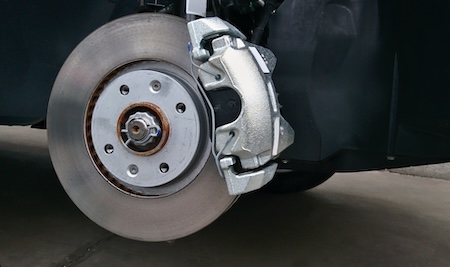
Your vehicle likely uses a disc brake system. That means each wheel has:
- A brake disc (rotor)
- A brake caliper
- A brake pad on either side of the rotor
When you press the brake pedal, hydraulic fluid sends pressure to the caliper, squeezing the brake pads against the spinning rotor. That friction slows the wheel—and your car—down.
Now imagine doing that hundreds of times every week. That’s a lot of wear on a small surface area. Eventually, the friction material wears down, and the pad becomes too thin to do its job safely.
Signs It’s Time to Replace Your Brake Pads
Don’t wait until your brakes “feel bad” to check them. Your car often gives you clues that it’s time to replace the pads:
1. Squealing or Screeching Noises
This is one of the most common signs. Most brake pads have wear indicators that squeal when the material gets too thin.
2. Grinding Sounds
If you hear grinding, it could mean the pad is worn down to the metal backing. At this point, you risk damaging your rotors, a much more expensive fix.
3. Vibrating or Pulsating Brake Pedal
This can indicate uneven pad wear or a warped rotor caused by excessive heat buildup.
4. Longer Stopping Distances
If it takes you noticeably longer to stop, your pads may be too worn to provide proper stopping power.
5. Brake Warning Light
Some cars have electronic sensors that trigger a dashboard alert when the pads are worn.
6. Visual Inspection
You can often see the brake pads through the wheel spokes. If the pad looks thinner than 1/4 inch, it’s time to replace.
How Often Should Brake Pads Be Replaced?
It depends on several factors:
- Driving habits – Heavy braking, aggressive driving, and towing shorten pad life.
- Environment – City driving wears pads faster than highway cruising.
- Pad material – Ceramic pads tend to last longer than semi-metallic.
- Vehicle type – Larger SUVs and trucks put more strain on braking systems.
On average, brake pads last between 30,000 and 70,000 miles. That’s a big range, so it’s best to follow your manufacturer’s recommendations and have your brakes inspected at least once a year.
How Denver Driving Wears Down Your Brakes Faster
Driving in Denver introduces some unique wear factors that many drivers overlook:
Stop-and-Go Traffic
Whether you’re commuting down I-25 or crawling through downtown Denver, constant starting and stopping speeds up brake pad wear.
Mountain Driving
Heading up to the mountains? All that downhill braking builds serious heat. Riding the brakes can glaze the pads and warp rotors.
Winter Roads
Ice and snow may mean more frequent braking—or “pumping” the brakes on slippery roads—which adds to wear. Road salt and magnesium chloride can also corrode brake components.
Cold Starts
Extreme cold causes materials to contract. Pads may take longer to warm up and grip properly, increasing early wear in frigid temps.
All of these factors mean Denver drivers should be extra mindful of their brake health. Don’t assume your brakes will last as long as your friends who live in Phoenix or LA.
What Happens If You Don’t Replace Brake Pads in Time?
Short answer: bigger, more expensive problems.
Here’s what you risk:
- Rotor damage – Worn pads can expose the metal backing plate, which grinds into the rotor.
- Brake failure – Severely worn pads may not generate enough friction to stop your vehicle safely.
- Caliper damage – Excess heat and stress can damage the calipers, leading to even more expensive repairs.
- Uneven tire wear – Faulty brakes can affect balance and alignment.
And let’s not forget: reduced stopping power = higher risk of an accident.
Should You Replace Pads and Rotors at the Same Time?
Not always—but often.
If the rotors are still thick, smooth, and undamaged, they may just need resurfacing. But if they’re warped, deeply grooved, or below minimum thickness, replacement is your safest bet.
Most shops will inspect both and advise accordingly. And if you’ve already gone 60,000+ miles on your current set, replacing pads and rotors together can save on labor costs.
What to Expect When Replacing Brake Pads
A full brake pad replacement usually includes:
- Inspection of the brake system: pads, rotors, calipers, fluid levels
- Removing old pads and cleaning mounting hardware
- Installing new pads (matched to your vehicle type and driving style)
- Lubricating contact points to prevent noise
- Test drive to confirm safe operation
The job typically takes one to two hours depending on the vehicle.
Choosing the Right Brake Shop in Denver
Here’s what to look for when choosing a mechanic:
- ASE-certified technicians
- Clear explanation of findings and options
- Transparent pricing
- Quality parts (OEM or high-grade aftermarket)
- Trusted by your local community
At Express Car Care, our team of long-term, trusted technicians knows Denver’s roads, and your car’s needs. We’ll give you an honest assessment and never upsell unnecessary repairs.
Brake pads may not be glamorous, but they’re one of the most essential parts of your car’s safety system. When they wear out, they put everything in your car at risk.
By staying ahead of wear, paying attention to warning signs, and replacing your brake pads when needed, you’ll save yourself money, stress, and maybe even prevent an accident.
Hear a squeal? Feel a vibration? Let’s take a look.