
• Home
  • Denver Auto Repair Services
    • Full Service Oil Change
    • Expert Mechanics
      • Expert Honda Mechanics
      • Expert Toyota Mechanics
      • Expert Subaru Mechanics
    • Automatic Transmission
    • Fuel System Cleaning
    • Radiator Flush Service
    • Wiper Blades
    • Air Filter
    • Cabin Air Filter
    • Gearbox Service
    • Brake Repair
    • Clutch Repair
    • CV Boots
    • Tune-Up
    • Steering & Suspension
    • Tires
  • Auto Diagnostic
  • Contact Us
    • About Us
  • Shop Specials
  • Testimonials
  • Blog
  • 303-691-2760

Express Car Care of Denver

"Denver's Best Auto Repair and Quick Lube"

  • Brake Service
  • Car Maintenance
    • Heating-Air Conditioning
    • Suspension
    • Transmission
    • Engine
    • Tires
  • Oil Change
  • Tips & Tricks

Archives for September 2011

Gasoline Octane Ratings

September 24, 2011 by Denver Express Car Care Leave a Comment

At a time when it is so important to get the most out of our money we need to understand gasoline octane ratings and how they can effect our wallets!

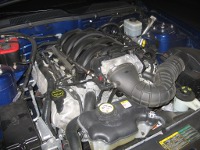
Since the mid 80’s engines have used fuel injectors with computers to accurately control their air/fuel mix.  The accuracy of the fuel injectors and computers is based on using the proper gasoline for that engine.  The difference in the name and price of the fuel is based on the gasoline’s “octane”.   To determine a gasoline’s octane rating, it is subjected to two testing methods, the motor method and the research method.  The motor method runs the gasoline in an engine running under load and the research method runs the gasoline in a free-running engine.  The octane rating is an average of  the two tests.
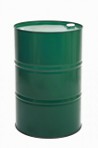
Regular gasoline has an octane rating of at least 87.  The octane rating of ” Mid-grade” gasoline ranges from 88 to 90.  “Premium” gasoline rating can vary depending on the state where it is purchased but must be higher than 90 in most states.

The octane rating tells you how much the fuel can be compressed before it spontaneously ignites.  When gas ignites by compression rather than because of the spark from the spark plug, it causes knocking in the engine.  Simply put, the octane rating of gasoline is a measure of its resistance to knock.

Most cars today are designed to run on Regular  87 octane gasoline, but it’s important to check your owner’s manual so you know that you are using the level of octane the manufacturer recommends for your vehicle.  Some people think if you put a higher octane gasoline in your car, you can increase the engine’s power or get better mileage.  This is a myth.  If your car is designed to run on 87 octane, high octane gasoline won’t improve mileage or increase your car’s power.  If your engine runs well and doesn’t knock or ping on low octane gasoline, there isn’t an advantage in switching to a higher octane gasoline.  So save your money at the pump and don’t pay premium prices for something that your car doesn’t need!


For all of your Denver Auto Repair needs, trust Express Car Care. Call (303) 691-2760 or stop by our shop today.
Filed Under: Denver Auto Repair, Tips & Tricks Tagged With: Gasoline Octane Ratings

Fuel Injection Cleaning Service

September 17, 2011 by Denver Express Car Care Leave a Comment

Maintaining our vehicles properly is the only way to ensure peak engine performance and good fuel economy.  Having a fuel injection cleaning service is sometimes overlooked but it is an important part of maintaining your car’s engine.

The fuel injector is a small engine part that injects fuel where it needs to go, at a rate that is best suited for your car.  When it’s in perfect condition, the fuel injector filters out debris that is not good for the engine and also allows the filtered fuel to be used by the engine correctly.  When fuel injectors are dirty, they can’t deliver the correct spray required for your car’s combustion, so your fuel economy and engine performance will suffer.  Fuel injectors get dirty over time because some chemicals in the gasoline don’t evaporate or get washed away and they leave deposits on the injectors. These deposits build up and if they aren’t removed they will clog the injectors.  If your car is misfiring or idles rough, it could be a sign it might need a fuel injection cleaning.

There are different ways of cleaning fuel injectors.  One is to add a fuel injector cleaner to a tank of gas every once in awhile to clean them.  Another way is to have the fuel injector removed, cleaned and serviced professionally.  This is the better method because as well as cleaning, you can also have repair work done on the injector if it’s needed.  It’s important to have your fuel injectors serviced once a year.  When you use an in-tank method of cleaning your injector you are unable to see the condition of the filters, O-rings and other parts of the injector.  All these parts wear out eventually and can cause problems if not replaced.  Also only using the in-tank method can damage parts of the injectors.  When you have a professional fuel injection cleaning service, your mechanic checks the filters, O-rings and other parts to see if they need to be replaced and then replace them if needed.  Though this method may be more expensive and time consuming, it is usually the best cleaning process.

For all of your Denver Auto Repair needs, trust Express Car Care. Call (303) 691-2760 or stop by our shop today.
Filed Under: Car Maintenance, Denver Auto Repair Tagged With: Fuel Injection Cleaning Service

Winterizing A Car

September 10, 2011 by Denver Express Car Care Leave a Comment

We have all heard the saying “all good things must come to an end” and unfortunately this saying is true when it comes to the summer weather.  Summer weather is leaving and winter is on its way!  That means it is time for winterizing our car.  Because of our modern technology, winterizing a car isn’t the major hassle it once was, but it still needs to be done!  These are some simple steps to take for winterizing a car.

Have Your Car Serviced- The oil in your engine needs to be changed regularly to keep your car running smoothly, so if you haven’t had your oil changed, do it now.

Have Your Cooling System Flushed- Your car’s cooling system not only keeps the engine from overheating but also from freezing, so it’s important to flush the system and have it replaced with fresh coolant.

Have the Battery Serviced- Your battery cables, terminals, and fluid should be thoroughly inspected for any damage or wear.  It should also be checked to make sure it has the ability to hold a charge, so you are prepared for the colder weather.  If your battery is more than 4 1/2 years old, consider replacing it.

Replace the Windshield Wiper Blades– Your wiper blades should be replaced with snow blades and make sure there is windshield washer fluid in the windshield washer reservoir.  Don’t use plain water, it will freeze.

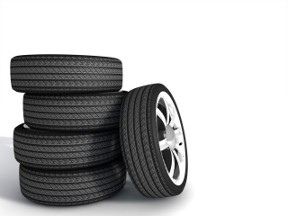
Have Your Tires Checked-Your tires should be checked to make sure they are in good condition for winter weather.  You may want to consider using snow tires during the winter months, they do a much better job than an all-weather tire in the snow.

Have Your Brakes Checked– There is nothing more frightening than trying to stop in bad weather and not having your brakes do their job.  If you haven’t had your brakes checked in the last six months, now is a great time to do it.

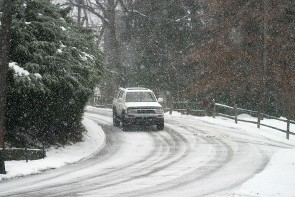
Those are the major steps that should be completed in winterizing a car but there are some small details you should do also.  Put together an emergency kit for your car with a blanket, gloves, ice scraper, a small snow shovel, flashlight and kitty litter ( for traction in snow).  Check the lights, heater and defroster to make sure they are working properly and have them repaired if not.  You should also keep your gas tank as full as possible to prevent moisture from freezing in the gas lines.

For all of your Denver Auto Repair needs, trust Express Car Care. Call (303) 691-2760 or stop by our shop today.
 

Filed Under: Car Maintenance, Denver Auto Repair, Tips & Tricks Tagged With: Winterizing A Car

When Do You Replace Tires

September 3, 2011 by Denver Express Car Care Leave a Comment

Your ability to control your vehicle depends on the traction between your tires and the road.  Tires don’t need to have tread designs or much tread depth to give you traction on a dry road, but tires do require tread designs to generate traction on wet, slushy or snow-covered roads.

A tread design is necessary to direct water and slush from between the tire and the road, as well as provide edges that cut into the snow.  When water collects on the road surface during a rainstorm, the depth of the water, the speed you are driving and your car’s weight, along with the tires’ tread design and depth, are all factors in determining when and if the tires will stop the car quickly or force it to hydroplane or float.    

It isn’t difficult to understand that the tread on tires will wear away over their life and the volume of their tread grooves will be reduced.  This is a gradual process and you may not notice it day-to-day, but eventually there will be a time when you notice your car slip in the snow or hydroplane in the rain or just not stop quickly when the road is wet.

So when do you replace tires?  If rain and wet roads are your main concern, it’s recommended you replace your tires when they reach approximately 4/32″ of remaining tread depth.  Since water can’t be compressed, you need enough tread depth to allow the rain to escape through the tire’s grooves.  If the water can’t escape fast enough, your vehicle’s tires will be forced to hydroplane on top of the water, losing traction and increasing your stopping distance.

If you drive on snow-covered roads you should replace your tires when they reach approximately 6/32″ of remaining tread depth so you can maintain good mobility.  You need more tread depth in snow because your tires need to compress the snow in their grooves and release it as they roll.  If there isn’t sufficient tread depth, the “bites” of snow your tires can take on will be reduced and your vehicle’s traction and mobility will be sacrificed.

While replacing your tires before they are completely worn out may not seem to be very economical, it is far less expensive than repairing your car after you’ve had an accident because your tires needed to be replaced and weren’t!

When you replace the tires on your vehicle it is recommended that you replace all four tires at the same time and also have your car checked to make sure it is aligned properly.  All these steps will give you longer life for your replacement tires.

For all of your Denver Auto Repair needs, trust Express Car Care. Call (303) 691-2760 or stop by our shop today.

Filed Under: Denver Auto Repair, Tires Tagged With: When Do You Replace Tires

Express Car Care
4200 E. Evans Ave. Denver, CO (map)
Phone: (303) 691-2760
Located just southeast of the Colorado Light Rail station

Follow Us Today!

  • Facebook
  • RSS

Shop Hours

Monday: 8:00AM – 5:00PM
Tuesday: 8:00AM – 5:o0PM
Wednesday: 8:00AM – 5:00PM
Thursday: 8:00AM – 5:00PM
Friday: 8:00AM – 5:00PM
Saturday: Closed – A note from the owner
Sunday: Closed

Last car oil change time  – 5:00PM

Click for the BBB Business Review of this Auto Repair & Service in Denver CO

Recent Articles

Stop Burning Money at the Pump

Get a Fuel System Cleaning! Most drivers know to change the oil, rotate the tires, and replace the air filter. But one maintenance service that often gets overlooked — until the check engine light … [Read More...]

  • Differential Service: Why It’s Crucial for Your Car’s Longevity and Performance
  • How to Catch a Transmission Problem Before It Leaves You Stranded
  • Why You Shouldn’t Wait to Address a Small Exhaust Leak
  • 5 Reasons to Choose a Local Family-Owned Auto Shop Over a Big-Box Garage
  • The Top Reasons Your Car Might Be Stalling and How We Fix It

Search Our Site

Brakes Service

How to Keep Your Brakes Quiet, Responsive, and Safe

Everything You Need To Know About Replacing Your Brake Pads

How to Know If It’s Time to Replace Your Brake Rotors

Oil Change

Top Benefits of Getting Regular Oil Changes in Denver

Oil Change Specials in Denver: Save Money and Keep Your Car Running Right

Why Regular Oil Changes Are Crucial for Denver Drivers

Suspension

How to Know If Your Car Needs Suspension Repair in Denver’s Bumpy Roads

A Guide To Understanding Bushings on a Car

Tips for Preventing Wear and Tear on Your Car’s Suspension

Transmision Service

How to Catch a Transmission Problem Before It Leaves You Stranded

How Often Should You Service Your Transmission in Denver?

Transmission Trouble? Common Signs and When to Visit Our Denver Shop

Engine Service

Stop Burning Money at the Pump

Everything You Should Know About Your Vehicle’s Timing Belt

Is Your Car Hesitating During Acceleration?

Auto Tips & Tricks

How to Deal With Car Noises That Only Happen When You Turn

Top 5 Maintenance Tips for High-Mileage Vehicles

Why Tire Pressure Matters More Than You Think

"Denvers Best Auto Repair and Quick Lube" - Copyright © 2026 - 4200 E. Evans Ave. Denver, CO 303-691-2760