
• Home
  • Denver Auto Repair Services
    • Full Service Oil Change
    • Expert Mechanics
      • Expert Honda Mechanics
      • Expert Toyota Mechanics
      • Expert Subaru Mechanics
    • Automatic Transmission
    • Fuel System Cleaning
    • Radiator Flush Service
    • Wiper Blades
    • Air Filter
    • Cabin Air Filter
    • Gearbox Service
    • Brake Repair
    • Clutch Repair
    • CV Boots
    • Tune-Up
    • Steering & Suspension
    • Tires
  • Auto Diagnostic
  • Contact Us
    • About Us
  • Shop Specials
  • Testimonials
  • Blog
  • 303-691-2760

Express Car Care of Denver

"Denver's Best Auto Repair and Quick Lube"

  • Brake Service
  • Car Maintenance
    • Heating-Air Conditioning
    • Suspension
    • Transmission
    • Engine
    • Tires
  • Oil Change
  • Tips & Tricks

Archives for December 2011

Reasons for a Car to Overheat

December 17, 2011 by Denver Express Car Care Leave a Comment

In recent weeks, we have had a few customers who have gone through the  trying experience of having their car overheat.  Unfortunately, they didn’t all have the same positive outcome from their experience, but they each wanted to know the reason their car overheated and how they could avoid it in the future.  We’ll share with you the information we passed on to them.

One of the main reasons for a car to overheat is a lack of coolant in the car’s cooling system.  This happens when there is a leak somewhere in the system and the coolant is escaping or if fresh coolant hasn’t been put in the radiator. Cooling systems are often neglected.  If your coolant isn’t changed, the hoses and passages get dirt and sludge built up in them and the coolant can’t flow rapidly enough to cool the engine.  Keep your eye on your car’s temperature gauge.  If there is a possibility of your car overheating, the needle on the temperature gauge will move toward the “H” (for hot) to alert you to what is happening.
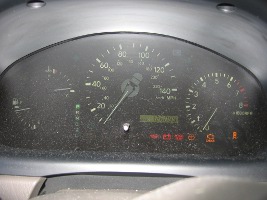
Another common reason for a car to overheat is a thermostat that is stuck.  The thermostat can freeze or stick in the closed position which blocks the coolant from flowing to your engine.

There are several other reasons for a car to overheat, such as a damaged water pump or cooling fan or possibly a clogged radiator.  These are all things that should be looked at and diagnosed by a professional mechanic and not something that you should try to figure out on your own.

But no matter what is causing your car to overheat, the most important thing to remember is don’t continue to drive the car!  Overheating can cause thousands of dollars worth of damage!  If you experience any of the signs your car is overheating, the temperature gauge is high, or there is steam and/or a burning smell coming from the engine, pull over as soon as possible and turn the car off!  Call a tow truck but don’t drive the car when it’s overheating!   By putting yourself through some slight inconvenience now, you can avoid major inconveniences and costly repairs later.

For all of your Denver Auto Repair needs, trust Express Car Care. Call (303) 691-2760 or stop by our shop today.

Filed Under: Car Maintenance, Denver Auto Repair, Engine Tagged With: Reasons for a Car to Overheat

Cabin Air Filter

December 10, 2011 by Denver Express Car Care Leave a Comment

Now that the weather has gotten colder and we can no longer drive around town with our windows down.  Have you noticed the air blowing around inside your car isn’t as quite as fresh smelling as it once was?  If that is the case, it might be time to change your cabin air filter.  The cabin air filter is an essential part of your car’s ventilation system.  It removes dust particles, pollutants, and unpleasant odors from the air before they can enter the passenger compartment. Cabin air filters are also called interior ventilation filters, pollen or dust filters, ACC filters, or passenger compartment filters.

A cabin air filter purifies the air ( which is especially important to those of us who suffer with allergies or respiratory problems).  And it also protects the heater and air conditioning components.  A dirty filter puts more wear on the ventilation system because when there is a higher resistance to air flow, the blower has to work much harder.  This reduces your heating and air conditioning performance over time.  So if your filter isn’t changed like it should be, you not only have unpleasant odors to deal with, but possible repairs to the ventilation system.

So when should they be changed?  Under “normal” driving conditions for a vehicle driven mainly in a city or suburb area, a cabin air filter lasts about a year.  For a vehicle in a rural area that is driven frequently on unpaved roads, the filter life may be only six months or less.  A lot depends on the vehicle and the way it is driven.

If you aren’t sure whether or not you have a cabin air filter in your vehicle, more than eighty percent of all new vehicles today have a cabin air filter.  If your car was manufactured after 2000, than it more than likely has one. But if you’re driving an older model of car and smell a strange odor, unfortunately, it might not have a thing to do with a cabin air filter!

For all of your Denver Auto Repair needs, trust Express Car Care. Call (303) 691-2760 or stop by our shop today.
Filed Under: Denver Auto Repair, Heating-Air Conditioning Tagged With: Cabin Air Filter

Car Maintenance Tips for Winter

December 3, 2011 by Denver Express Car Care Leave a Comment

I was just listening to the weather report and they tell me, snow is on its way!  It made me stop and wonder if my car is prepared to meet with the winter weather.  This is my list of car maintenance tips for winter.  Check and see how your car stacks up!

  1. Inspect windshield wipers.  Wiper blades are like squeegees.  The arms of the wiper drag a thin rubber strip across the windshield to clear away the water.  The rubber needs to be clean without any nicks or cracks in order to clean the windshield.  Replace them if needed or wipe the edge of the blade with a cloth soaked in window cleaner until all the dirt is removed, this helps the blades make a tight seal against the window and prevents streaks.  Never use your wipers to clear off the snow or ice from your windshield!  Doing this will damage your wiper motor.
  2. Clean  headlights.  Wash them with soapy water, rinse them, and then apply a nonabrasive car wax with a soft cloth.  The wax is water-repellent and leaves a barrier that keeps dirt from building up on the lights.  It’s a good idea to do this once a month especially during the winter.
  3. Preserve door and window seals.  Wipe a rubber protectant  (like Armor-All) or silicone on the window and door weatherstripping to keep it in good condition.  Don’t use an oil based product, ( WD-40) because the oil can damage the rubber.  Regular treatment of your car’s weatherstripping will lessen the likelihood of your doors sticking to the rubber seals in the cold winter weather.
  4. Maintain  car battery.  Keep your battery clean, wipe it with a damp rag.  Clean the battery posts or terminals using a brass wire brush and baking soda paste.
  5. Inspect wheel-well splashguards.  Splashguards help keep water and winter’s salty slush from splashing up into the engine compartment where it can damage sensitive electrical components.  Check these guards for damage when you wash your car and re-secure or replace them as needed.
  6. Wash your car in winter too. Washing your car is even more important in the winter than in other times of the year.  All the sand, slush and ice mixed in with the road salt is exactly what makes your car rust.  The fastest corrosion occurs when the temperature repeatedly rises and falls below freezing.  Especially during the messy months, be sure to rinse the undercarriage and hard-to-reach areas that are susceptible to rust, like the bumpers and inside the wheel wells.

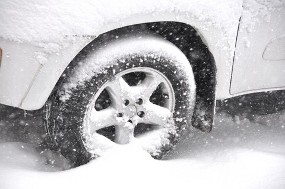
And last on our list of car maintenance tips for winter is, go easy when you’re stuck.  When you get stuck in mud or snow, don’t make the problem worse by damaging an expensive component.  Gently rocking in an attempt to free the car is OK, but if it looks as if you’re really stuck, don’t keep it up.  Throwing your car from forward to reverse repeatedly, can generate a lot of heat and cause trouble for transmissions, clutches, and differentials. You’re better off calling a tow truck than risking major damage to your engine by trying to get out on your own.

For all of your Denver Auto Repair needs, trust Express Car Care. Call (303) 691-2760 or stop by our shop today.

Filed Under: Car Maintenance, Denver Auto Repair Tagged With: Car Maintenance Tips for Winter

Express Car Care
4200 E. Evans Ave. Denver, CO (map)
Phone: (303) 691-2760
Located just southeast of the Colorado Light Rail station

Follow Us Today!

  • Facebook
  • RSS

Shop Hours

Monday: 8:00AM – 5:00PM
Tuesday: 8:00AM – 5:o0PM
Wednesday: 8:00AM – 5:00PM
Thursday: 8:00AM – 5:00PM
Friday: 8:00AM – 5:00PM
Saturday: Closed – A note from the owner
Sunday: Closed

Last car oil change time  – 5:00PM

Click for the BBB Business Review of this Auto Repair & Service in Denver CO

Recent Articles

Stop Burning Money at the Pump

Get a Fuel System Cleaning! Most drivers know to change the oil, rotate the tires, and replace the air filter. But one maintenance service that often gets overlooked — until the check engine light … [Read More...]

  • Differential Service: Why It’s Crucial for Your Car’s Longevity and Performance
  • How to Catch a Transmission Problem Before It Leaves You Stranded
  • Why You Shouldn’t Wait to Address a Small Exhaust Leak
  • 5 Reasons to Choose a Local Family-Owned Auto Shop Over a Big-Box Garage
  • The Top Reasons Your Car Might Be Stalling and How We Fix It

Search Our Site

Brakes Service

How to Keep Your Brakes Quiet, Responsive, and Safe

Everything You Need To Know About Replacing Your Brake Pads

How to Know If It’s Time to Replace Your Brake Rotors

Oil Change

Top Benefits of Getting Regular Oil Changes in Denver

Oil Change Specials in Denver: Save Money and Keep Your Car Running Right

Why Regular Oil Changes Are Crucial for Denver Drivers

Suspension

How to Know If Your Car Needs Suspension Repair in Denver’s Bumpy Roads

A Guide To Understanding Bushings on a Car

Tips for Preventing Wear and Tear on Your Car’s Suspension

Transmision Service

How to Catch a Transmission Problem Before It Leaves You Stranded

How Often Should You Service Your Transmission in Denver?

Transmission Trouble? Common Signs and When to Visit Our Denver Shop

Engine Service

Stop Burning Money at the Pump

Everything You Should Know About Your Vehicle’s Timing Belt

Is Your Car Hesitating During Acceleration?

Auto Tips & Tricks

How to Deal With Car Noises That Only Happen When You Turn

Top 5 Maintenance Tips for High-Mileage Vehicles

Why Tire Pressure Matters More Than You Think

"Denvers Best Auto Repair and Quick Lube" - Copyright © 2026 - 4200 E. Evans Ave. Denver, CO 303-691-2760