
• Home
  • Denver Auto Repair Services
    • Full Service Oil Change
    • Expert Mechanics
      • Expert Honda Mechanics
      • Expert Toyota Mechanics
      • Expert Subaru Mechanics
    • Automatic Transmission
    • Fuel System Cleaning
    • Radiator Flush Service
    • Wiper Blades
    • Air Filter
    • Cabin Air Filter
    • Gearbox Service
    • Brake Repair
    • Clutch Repair
    • CV Boots
    • Tune-Up
    • Steering & Suspension
    • Tires
  • Auto Diagnostic
  • Contact Us
    • About Us
  • Shop Specials
  • Testimonials
  • Blog
  • 303-691-2760

Express Car Care of Denver

"Denver's Best Auto Repair and Quick Lube"

  • Brake Service
  • Car Maintenance
    • Heating-Air Conditioning
    • Suspension
    • Transmission
    • Engine
    • Tires
  • Oil Change
  • Tips & Tricks

What Happens If Your Brakes Overheat?

August 8, 2019 by Denver Express Car Care

Our modern society can’t survive without driving a car. Eighty-three percent of all Americans drive on a frequent basis. 

Here in Colorado, it’s more than a choice; it’s a necessity. If you want to get to work, school, and enjoy your free time a little bit more, owning a car can get you where you’re going in a fraction of the time. 

Of course, owning a car means certain responsibilities. If you own a car, you have to maintain it, so it becomes reliable whenever you need it. What Happens If Your Brakes Overheat?
Have you noticed the brakes squealing? Or maybe you notice a new smell as your brakes heat up. All of these and more may be a sign that you have a problem with your brakes. 

What happens when you brake?

Most people assume it’s the brakes that stop your car. That isn’t the case. Instead, the brakes are designed to stop the wheels from moving. It’s your wheels slowing down that stops the car. 

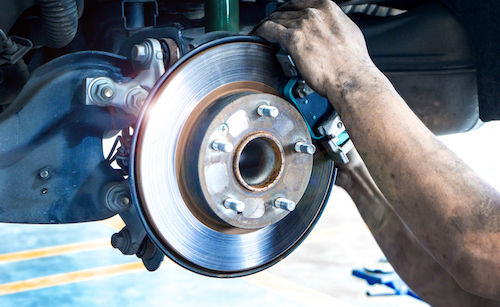
Modern disc brakes are a large plate-sized disc attached to each wheel. The clamping of the discs causes friction. This is what slows you down. But this friction also generates heat, and that heat has to go somewhere. Disc brakes are designed to dissipate the heat in different ways. Heat will transfer to the brake pads and the brake fluid. It may have a ventilated core with air ducts that help keep them cool.

The system is designed to work flawlessly … for a while. But like everything, sometimes things don’t happen the way they are intended. 

What happens if brakes overheat?

When you push down on the brake pedal inside your car, your vehicle’s brake pads generate friction. This friction is what slows the car down or brings it to a stop, depending on the level of force. 

This action occurs over and over again as you move through the city. But sometimes as heat builds, there’s too much of it. How do you know if your brakes are overheating?

Your brake pedal feels soft

This is where it helps to pay attention to how your car handles. When you press down on the brake pedal, does it have a “spongy” feel? Over time, water can start accumulating in your car’s brake fluid reservoir. As that heats up from use, it starts to reduce the effectiveness of your brakes. This isn’t always a sign of brakes overheating; it could be several other things. Like damage to the brake line. Or low brake fluid. No matter what the problem, if you notice this “soft” feeling when you tap the brake pedal, it’s best to come in for inspection quickly to avoid the consequences of brake failure. 

Your brake pads smoke and smell

Instead of feeling a problem, you may see or smell it instead. Do you notice smoke coming from the wheels? Or maybe you notice a smell every time you brake? This is your brake system telling you something is wrong. 

When brake pads overheat, they put off a similar scent to burning carpet. Once you smell it, you’ll recognize it every time. This is a sure sign that it’s time for a checkup. 

Your brakes are squealing

You can also hear when brakes are failing. They often make a lot of noise. When the friction from the brake action generates enough heat, the pads start to wear and smooth. As they wear down, the glaze on the pad has more difficulty creating the friction. If you’ve ever thought it sounds like metal on metal, that’s literally the case. Press down on the brake pedal, and you’ll hear it squeak and squeal. That’s a sign it’s time to head in for an inspection. 

What to do when brakes overheat

Because there are many signs of brake failure, think of it as your car’s early warning signs. It’s telling you there’s a big problem; you need to slow down and find a safe place to pull over. Only when you’re in a safe place should you let your brakes cool down and determine if they are safe to drive or you should call for a tow. 

Are there ways to avoid overheating?

While overheating often comes with age, there are other factors that can make it more of a possibility. 

The way you drive

Are you the type who pounds on the brake pedal? Do you roar up to the car in front of you and constantly ride the brakes? You’re more likely to experience overheating. By making your ride smooth and steady, you’ll use your brake pads in a more appropriate manner. You’ll give your brake pads a chance to cool in between your stops and starts. 

The way you use your car

Here in Denver, we have a relatively flat city driving experience. But that changes the moment you head up into the hills. As you drive back down from a weekend of playing, try engine braking instead of riding your brakes. Engine braking means downshifting to let the engine take over the slowing process. This means you won’t have to leave your foot on the brake pedal as you spend minutes – hours – coming down out of the mountains. 

The way you maintain your car

There are two ways to approach vehicle maintenance: routine or emergency. Either way, we’re here for you. Routine maintenance allows you to take charge of how well your car operates. We’ll check everything out on a routine basis to ensure it’s working in its best condition. Emergency maintenance means we’ll replace the brake system after you experience some type of failure. Of course, this isn’t the most desired way, as you never know when that will occur. But in the event something happens, we’re here. 

What happens if your brakes overheat? Your first course of action is to stop and get to safety. But how you proceed depends on your situation. 

We suggest bringing your car in and having a full inspection. Your braking system is one of the most important systems on your vehicle; let’s ensure it’s working safely. 

Have additional questions about your brake system, brake repair, or how well your car is operating? We’re here for you anytime; give us a call and ask. 
Filed Under: Brake Repair, Brake Service Tagged With: Brake Repair, Brakes Overheat

Car Brakes 101: How They Work and How To Repair Them

August 5, 2019 by Denver Express Car Care

What’s the most overlooked part of your car? Yep, it’s your car brakes.

You enjoy taking your car to the carwash and driving a sparkling car. You have a little sticker on your windshield, reminding you of the need for oil changes. But car brakes? When was the last time you gave them any thought at all?

Yet they aren’t something you can ignore.Car Brakes 101: How They Work and How To Repair Them

What brakes do

Brakes don’t stop the car. Instead, brakes stop the wheels from turning, which in turn slows down the car and brings it to a stop.

Most modern cars use disc brakes for the stopping process. Disc brakes consist of:

  • Brake discs
  • Calipers
  • Brake pads
  • Brake lines
  • Brake master cylinder

Every wheel has a plate-like disc attached to it. Also called a rotor, this plate is squeezed by the brake pads within the caliper every time you want to slow down.

Brake pads have two layers: a metal backing and a high-friction material molded onto the backing plate with heat and pressure. It’s also coated with an adhesive that helps the brake pad and caliper withstand high temperatures and excessive heat buildup.

What are brake pads made out of?

If you head back in time, the original brake pads that grew in popularity during the 1950s and 1960s were made from asbestos. It was thought to be a great material because of its heat-resistance and durability qualities. However, as health ramifications were discovered, auto manufacturers looked for alternatives to make a safer product.

The organic brake pad was created from a variety of materials and fibers and mixed together with binding resins to hold them together. You might find glass, rubber, carbon, Kevlar, and other fibers mixed in. Because they are inexpensive to create, the majority of new cars are still installed with organic brake pads today. They’re easy on the brake rotors, suitable for all driving environments, and don’t require a lot of heat to generate good friction. That makes them the perfect choice in most conditions.

The metallic brake pads are manufactured with steel, iron, copper, or other metals, added to friction modifiers and fillers to create the final product. Metallic brake pads are thought to be one of the most versatile on the marketplace, being more durable and longer lasting than the organic composition.

You’ll find better braking performance, a wider operating range in heat and cold conditions, a firmer feel in driving conditions, and more resistant in the long term. But because the brake pad is created from metal, it is noisier than other brake choices, and will produce more brake dust.

The newest brake pad on the market is made from ceramic. Ceramic pads are created from a dense ceramic material – think pottery – with copper fibers added during production. They are quieter than metallic brake pads, and produce a finer brake dust which won’t stick to wheels. And because it has the longest lifespan of any brake pad, they can be a great choice if you’re investing in your car for the long term.

What causes brake pads to wear

The biggest enemy to a brake pad is heat. As the brake pad moves against the brake disc, friction occurs, and heat is produced. To remove this heat, a car is designed with several systems to prevent buildup, especially in the front brakes where more action occurs. The brake disc is ventilated to allow cooler air to be pumped in and spread to the outer edges of the disc. The more hot air is kept away from the center, the less likely the disc will “fade.”

Fading is when brakes overheat. If car brakes are continually used while overheated, brake fluid can impact the calipers, which reduces the ability to brake. You may notice this if:

You’ve had to depress the brake pedal farther to the floor

You’ve pushed the brake pedal all the way to the floor without any braking

It takes you more distance to come to a stop

You smell a burning odor during the braking process

Your brakes start smoking or catch fire

This is where higher performing brake pads come into play. While an organic brake pad will provide excellent performance in standard conditions, only you can decide how you drive. If you need better performance, talk with one of our technicians about which option is best for you.

Keep your brake system happy

While it might be a glamorous purchase, brake pads are vitally important to your car’s safety and performance. Of course, so is regular maintenance.

Like an oil change, your brake fluid should be changed regularly too. Brake fluid attracts moisture. And moisture isn’t a good thing for your car’s braking performance.

Moisture reduces brake fluid’s boiling point, which makes it easier for brakes to overheat, especially in summer conditions.

Boiling brake fluid also enhances fading, which means your brakes can fail at the most inopportune time, like driving down long hills. That can be a big problem if you’re coming home after a fun-filled weekend in the mountains.

Moisture also corrodes metal. And since your brake pads are created from metal, it can wear down or even cause your brake pads to cease long before you anticipate.

Your best bet is to replace your brake fluid on a regular basis, according to your car’s manufacturer recommendations, or every couple of years. It’s the perfect way to keep your car happy and running well no matter what type of driving you do.

While brakes may not be the sexiest piece of equipment on your vehicle, they are one of the most important. If you want to keep a well-maintained car ready for all sorts of driving conditions, the best place to start is at the bottom – with your car brakes. Well-maintained car brakes will have better braking capability and keep you and your car’s occupants safe and secure.

And that can be a very good thing, whether you’re driving home from a day of skiing, or heading to work in the middle of the summer. Make the right choice, and your car brakes will be happy for the life of your car.

Filed Under: Brake Repair, Brake Service Tagged With: car brakes

  • « Previous Page
  • 1
  • …
  • 7
  • 8
  • 9

Express Car Care
4200 E. Evans Ave. Denver, CO (map)
Phone: (303) 691-2760
Located just southeast of the Colorado Light Rail station

Follow Us Today!

  • Facebook
  • RSS

Shop Hours

Monday: 8:00AM – 5:00PM
Tuesday: 8:00AM – 5:o0PM
Wednesday: 8:00AM – 5:00PM
Thursday: 8:00AM – 5:00PM
Friday: 8:00AM – 5:00PM
Saturday: Closed – A note from the owner
Sunday: Closed

Last car oil change time  – 5:00PM

Click for the BBB Business Review of this Auto Repair & Service in Denver CO

Recent Articles

Why Your Check Engine Light Keeps Coming On—And What to Do About It

Why Your Check Engine Light Keeps Coming On—And What to Do About It

You’re cruising down I-25 or pulling into your favorite coffee shop when you see it—the amber engine icon lighting up your dashboard. Again. The check engine light is one of the most misunderstood … [Read More...]

  • How to Get the Most Mileage Out of Your Tires in Colorado
  • How a Local Mechanic Can Provide Better Service Than a Dealership
  • How to Deal With Car Noises That Only Happen When You Turn
  • Why Regular Belt and Hose Inspections Save You from Major Repairs
  • How Our Long-Term Staff Brings Confidence to Your Car Care

Search Our Site

Brakes Service

How to Know If It’s Time to Replace Your Brake Rotors

The Hidden Dangers of Driving With Low Brake Fluid

Denver Driving Conditions and What They Mean for Your Brakes

Oil Change

Top Benefits of Getting Regular Oil Changes in Denver

Oil Change Specials in Denver: Save Money and Keep Your Car Running Right

Why Regular Oil Changes Are Crucial for Denver Drivers

Suspension

How to Know If Your Car Needs Suspension Repair in Denver’s Bumpy Roads

A Guide To Understanding Bushings on a Car

Tips for Preventing Wear and Tear on Your Car’s Suspension

Transmision Service

How Often Should You Service Your Transmission in Denver?

Transmission Trouble? Common Signs and When to Visit Our Denver Shop

How to Prevent Common Issues with Automatic Transmissions

Engine Service

Everything You Should Know About Your Vehicle’s Timing Belt

Is Your Car Hesitating During Acceleration?

How to Troubleshoot a Rough Idling Engine

Auto Tips & Tricks

How to Deal With Car Noises That Only Happen When You Turn

Top 5 Maintenance Tips for High-Mileage Vehicles

Why Tire Pressure Matters More Than You Think

"Denvers Best Auto Repair and Quick Lube" - Copyright © 2025 - 4200 E. Evans Ave. Denver, CO 303-691-2760