
• Home
  • Denver Auto Repair Services
    • Full Service Oil Change
    • Expert Mechanics
      • Expert Honda Mechanics
      • Expert Toyota Mechanics
      • Expert Subaru Mechanics
    • Automatic Transmission
    • Fuel System Cleaning
    • Radiator Flush Service
    • Wiper Blades
    • Air Filter
    • Cabin Air Filter
    • Gearbox Service
    • Brake Repair
    • Clutch Repair
    • CV Boots
    • Tune-Up
    • Steering & Suspension
    • Tires
  • Auto Diagnostic
  • Contact Us
    • About Us
  • Shop Specials
  • Testimonials
  • Blog
  • 303-691-2760

Express Car Care of Denver

"Denver's Best Auto Repair and Quick Lube"

  • Brake Service
  • Car Maintenance
    • Heating-Air Conditioning
    • Suspension
    • Transmission
    • Engine
    • Tires
  • Oil Change
  • Tips & Tricks

How to Keep Your Brakes Quiet, Responsive, and Safe

December 14, 2025 by Denver Express Car Care

Your brakes are one of the most important safety features on your car. So when they start squeaking, grinding, or feeling a little “off,” it’s more than just an annoyance. It’s a warning sign.

We’ve seen firsthand how regular brake maintenance can make all the difference. Not just in how your vehicle performs, but in how long your braking system lasts.

Let’s break down everything you need to know to keep your brakes quiet, responsive, and safe, whether you’re navigating icy Denver streets or taking a weekend drive through the mountains.

Why Brake Maintenance Matters

Brake systems are complex, and over time, wear and tear is inevitable. But how you maintain your brakes will determine whether they last 30,000 miles or 70,000 miles. And whether you catch a dangerous problem early or face a costly, unexpected repair.

Ignoring your brakes can lead to:

  • Longer stopping distances
  • Uneven wear on tires
  • Noise and vibration
  • Brake failure in extreme cases

Safe braking is more than performance. It’s about protecting you and everyone else on the road.

What Causes Noisy or Unresponsive Brakes?

As cars age, parts start to wear down. Rarely do they all “go” at once. Instead, they alert you to potential problems. These are the signs that your brakes might be telling you they need attention.

1. Squeaking or Squealing

That high-pitched noise when you apply the brakes? It’s usually the wear indicator on your brake pads. It’s there on purpose to let you know it’s time to replace them.

How to Keep Your Brakes Quiet, Responsive, and Safe

Other possible causes:

  • Dust or debris trapped between the pad and rotor
  • Moisture or rust buildup
  • Cheap or low-quality brake pads

2. Grinding Sounds

Grinding means your brake pads are worn down completely and metal is contacting metal. This isn’t just noisy, it’s dangerous.

3. Soft or Spongy Brake Pedal

If your brake pedal feels soft or you have to push it farther to stop, it could indicate:

  • Air in the brake lines
  • Low brake fluid
  • A leak in the hydraulic system

4. Vibration or Shaking When Braking

This is often caused by warped rotors or uneven pad wear. It can also be a sign that your calipers aren’t functioning properly.

Top Tips for Keeping Your Brakes in Top Condition

Want quieter, more responsive brakes that keep you safe and confident on the road? We have a few expert brake maintenance tips for you to follow:

1. Get Regular Brake Inspections

You don’t have to wait until something feels “off” to check your brakes. We recommend a full brake inspection at least once a year, or every 12,000 miles.

During a brake inspection, we’ll check:

  • Brake pad thickness
  • Rotor condition
  • Brake fluid levels
  • Hoses and calipers
  • Signs of leaks or corrosion

Bonus: Brake inspections are often included in a multi-point inspection when you come in for routine service.

2. Replace Brake Pads Before They Wear Down

Don’t wait until your pads are paper-thin. Most pads need replacing between 30,000 and 50,000 miles, but it depends on your driving style and environment.

Denver drivers often deal with:

  • Stop-and-go city driving
  • Mountain driving with steep grades
  • Cold weather and road salt

All of these can wear out pads faster. Catching wear early helps protect your rotors and keeps your braking quiet.

3. Choose Quality Brake Parts

All brake pads are not created equal. Cheap pads might save money in the short term, but they’re often louder, less effective, and wear out faster.

When we replace your brakes, we use OEM or high-quality aftermarket parts designed for your make and model. They perform better, last longer, and offer smoother, quieter braking.

4. Flush and Replace Brake Fluid as Needed

Brake fluid is hygroscopic—it absorbs moisture over time. That moisture can corrode brake lines and reduce braking power.

We recommend replacing your brake fluid every 2 to 3 years, or as advised in your vehicle’s maintenance schedule.

Signs it’s time for a brake fluid change:

  • Brake pedal feels soft
  • Fluid looks dark or dirty
  • ABS light is on

5. Avoid Riding the Brakes

If you constantly rest your foot on the brake pedal or brake hard and often, you’re accelerating brake wear, and creating more heat, which leads to noise and warping.

Try this instead:

  • Leave more space between you and the car ahead
  • Slow gradually
  • Downshift when driving downhill (if your car allows it)

6. Listen and Act Early

The biggest mistake drivers make? Ignoring the early signs. That little squeak might be harmless today, but give it a few weeks, and you could be looking at warped rotors, seized calipers, or worse.

When something doesn’t feel right, bring it in. We’d rather check it and send you on your way than see you come back with major damage.

What Happens During a Brake Service at Express Car Care?

Here’s what to expect when you bring your car to our Denver shop for brake maintenance:

Thorough Inspection

We start by inspecting your pads, rotors, calipers, hoses, fluid, and hardware.

Honest Assessment

If everything looks good, we’ll tell you! If something’s worn, we’ll show you exactly what’s wrong, and what your options are.

Expert Repair or Replacement

We’ll replace worn pads, resurface or replace rotors if needed, flush brake fluid, and test the system.

Road Test and Safety Check

No repair is complete until we’ve road-tested your vehicle and confirmed it stops smoothly and silently.

Don’t Wait Until It’s Too Late

Brakes aren’t something you want to gamble with, especially in unpredictable Colorado weather. Whether you’re navigating city streets, snow-packed roads, or mountain highways, responsive braking could save your life.

We’re here to keep your vehicle safe, quiet, and road-ready.

Peace of Mind Starts with Your Brakes

Brake maintenance doesn’t have to be complicated or expensive. With regular checks, timely replacements, and smart driving habits, you can keep your brakes whisper-quiet, lightning-responsive, and ready for anything the road throws your way.

Need your brakes checked? Stop by today or schedule your inspection now. We’re here to keep you—and your car—safe.

Your brakes will thank you. And so will your passengers.
Filed Under: Brake Service Tagged With: Brake Maintenance Tips, Brake Repair Denver

Brake Maintenance Tips When Mountain Driving is a Part of Your Life

January 24, 2024 by Denver Express Car Care

Need to get from Denver to Evergreen? On a good day, you can be there in under an hour, depending on where you’re coming from and going to. Many people do this drive every day to and from work. 

Every time you make this drive, the elevation changes by 2700 feet. That’s just over 51 percent grade. If you’ve made the trip, you know your engine hums as it climbs. Your brakes get pushed to the limits as you come back down. 

Are your brakes in good operating condition?  

If not, the drive can be a harrowing experience. 

Few drivers would argue the importance of a good braking system. Depending on your drive here along the Front Range, it’s literally a life-or-death situation. That’s why we prepare for it – ever seen braking ramps along the side of the highway? 

But as a driver, you can prevent braking problems long before you notice them. With a few brake maintenance tips in mind, your brakes will always be in good condition, and be able to take on whatever your daily plans can dish out. 

Why brake maintenance is even more important with mountain driving

Brake maintenance is always crucial, even more so when mountain driving is a regular part of your life. The challenging terrain and varying elevations pose unique demands on your vehicle’s braking system. 

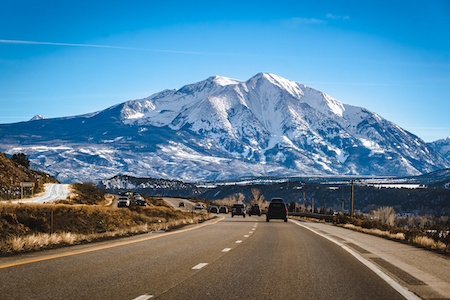
Brake Maintenance Tips When Mountain Driving is a Part of Your Life
  • You’re constantly in motion – steep ascents and descents. Descending long and winding slopes can generate significant heat in the braking system, leading to brake fade or reduced effectiveness. Regular maintenance helps ensure your brakes can handle the stress of elevation changes.
  • Continuous braking while navigating downhill stretches can accelerate brake pad and rotor wear. The extended use can lead to overheating, compromising the overall performance of the braking system. Routine maintenance helps identify and address wear issues before they become more severe.
  • Mountain driving often involves prolonged downhill descents, requiring sustained use of the brakes to control speed. This places additional strain on the braking components, making it crucial to have well-maintained brakes to ensure reliable performance and prevent overheating.
  • Brake fade occurs when the braking system loses effectiveness due to overheating. This can be particularly hazardous in mountainous terrain where precise vehicle control is essential. Regular brake inspections and maintenance help mitigate the risk of brake fade and ensure optimal braking performance.
  • Mountain driving can expose your vehicle to varying temperatures and environmental conditions. Regular brake maintenance includes checking and maintaining the integrity of brake fluid. Proper fluid levels and quality are essential for consistent braking performance, especially in challenging terrains.

Top brake issues to watch for

If mountain driving is a regular part of your life, staying vigilant about your vehicle’s braking system is essential. You have the possibility of facing more brake issues, sooner. Things to watch for include:

Worn out brake pads

Watch out for squeaking or grinding noises during braking, reduced braking responsiveness. Worn brake pads compromise the effectiveness of your braking system, especially during downhill descents where brakes are frequently used.

Warped rotors

You may notice vibrations or pulsations felt through the brake pedal during braking. Warped rotors can lead to uneven braking, reducing your ability to maintain control, particularly in demanding mountainous conditions.

Brake fluid leaks

Puddles or wet spots beneath the vehicle may be a sign of a gradual decrease in brake fluid levels. Brake fluid is essential for optimal brake performance. Any leaks can compromise the system, leading to a potential loss of braking power.

Smoking brakes

Visible smoke or a burning smell from the wheels is never a good thing. Overheated brakes can result from prolonged downhill descents. Smoking brakes indicate a critical temperature level, and immediate action is necessary to prevent brake fade and potential failure.

Never ignore brake warning lights

Modern vehicles are equipped with brake warning lights that illuminate when an issue is detected. Ignoring these warnings can lead to severe consequences. Always address brake warning lights promptly by seeking professional inspection and maintenance.

Regularly checking for these brake issues is essential for your safety, especially when navigating the challenging terrain of mountain roads. If you notice any signs of brake problems or experience unusual braking behavior, it’s crucial to address them promptly to maintain optimal braking performance and ensure a secure driving experience as you move in and out of the hills. 

Practical brake maintenance tips to help you address and prevent these issues

Maintaining a healthy braking system is key to ensuring your safety when driving anywhere in the city, including in and out of the Rocky Mountains. Your maintenance should include:

Regular brake inspections

Schedule routine brake inspections, especially before embarking on extended mountain journeys. Regular inspections help identify early signs of brake wear, ensuring timely replacement of brake pads and detection of other potential issues.

Monitor brake pad thickness

Monitor the thickness of your brake pads regularly. The good news is brake pads are built with an internal warning system, and will squeal as they approach end-of-life. Worn-out brake pads can compromise braking efficiency, particularly during downhill descents. Replace pads if they are approaching the minimum thickness.

Rotor inspection

Inspect brake rotors for signs of warping or uneven wear. Warped rotors can lead to vibrations and reduced braking performance. Address any rotor issues promptly to maintain optimal braking.

Brake fluid checks

Regularly check brake fluid levels and quality. Brake fluid is crucial for proper brake function. Low levels or degraded fluid can lead to decreased braking efficiency. Top up or replace brake fluid as needed.

Address brake fluid leaks immediately

If you notice brake fluid leaks, seek professional assistance immediately. Brake fluid leaks can compromise the entire braking system. Prompt repairs prevent potential brake failure.

Avoid prolonged braking

Use engine braking and downshifting on downhill stretches to reduce reliance on brakes. Prolonged braking during descents generates excessive heat, potentially leading to brake fade. Alternate braking techniques help mitigate heat buildup.

Cooling periods

Allow brakes to cool down during long drives by pulling over and taking breaks. Cooling periods prevent brakes from overheating, reducing the risk of issues like smoking brakes.

Heed brake warning lights

Address brake warning lights promptly by seeking professional inspection. Ignoring warning lights can lead to more severe issues. Early detection and intervention are crucial for brake system health.

By incorporating these practical brake maintenance tips into your routine, you can enhance the reliability and longevity of your braking system, ensuring a safer driving experience through whatever you face during your daily commute.

How can we help you maintain your car’s brake system?

Filed Under: Brake Repair, Brake Service Tagged With: Brake Maintenance Tips

Express Car Care
4200 E. Evans Ave. Denver, CO (map)
Phone: (303) 691-2760
Located just southeast of the Colorado Light Rail station

Follow Us Today!

  • Facebook
  • RSS

Shop Hours

Monday: 8:00AM – 5:00PM
Tuesday: 8:00AM – 5:o0PM
Wednesday: 8:00AM – 5:00PM
Thursday: 8:00AM – 5:00PM
Friday: 8:00AM – 5:00PM
Saturday: Closed – A note from the owner
Sunday: Closed

Last car oil change time  – 5:00PM

Click for the BBB Business Review of this Auto Repair & Service in Denver CO

Recent Articles

How to Catch a Transmission Problem Before It Leaves You Stranded

How to Catch a Transmission Problem Before It Leaves You Stranded

Transmission problems don’t always come with loud alarms or dashboard warnings. Sometimes, they start quietly, like a slight delay when shifting gears or a strange new sound you can't quite place. But … [Read More...]

  • Why You Shouldn’t Wait to Address a Small Exhaust Leak
  • 5 Reasons to Choose a Local Family-Owned Auto Shop Over a Big-Box Garage
  • The Top Reasons Your Car Might Be Stalling and How We Fix It
  • How to Keep Your Brakes Quiet, Responsive, and Safe
  • Why Your Vehicle Deserves a Full Multi-Point Inspection This Season

Search Our Site

Brakes Service

How to Keep Your Brakes Quiet, Responsive, and Safe

Everything You Need To Know About Replacing Your Brake Pads

How to Know If It’s Time to Replace Your Brake Rotors

Oil Change

Top Benefits of Getting Regular Oil Changes in Denver

Oil Change Specials in Denver: Save Money and Keep Your Car Running Right

Why Regular Oil Changes Are Crucial for Denver Drivers

Suspension

How to Know If Your Car Needs Suspension Repair in Denver’s Bumpy Roads

A Guide To Understanding Bushings on a Car

Tips for Preventing Wear and Tear on Your Car’s Suspension

Transmision Service

How to Catch a Transmission Problem Before It Leaves You Stranded

How Often Should You Service Your Transmission in Denver?

Transmission Trouble? Common Signs and When to Visit Our Denver Shop

Engine Service

Everything You Should Know About Your Vehicle’s Timing Belt

Is Your Car Hesitating During Acceleration?

How to Troubleshoot a Rough Idling Engine

Auto Tips & Tricks

How to Deal With Car Noises That Only Happen When You Turn

Top 5 Maintenance Tips for High-Mileage Vehicles

Why Tire Pressure Matters More Than You Think

"Denvers Best Auto Repair and Quick Lube" - Copyright © 2026 - 4200 E. Evans Ave. Denver, CO 303-691-2760