
One minute it’s sunny. The next it’s snowing. Then you’re climbing 6,000 feet up I-70 to hit the slopes. Denver drivers know all about extremes. So does your car battery.
Many drivers are surprised when their battery dies “without warning.” But here in Colorado, the climate is often the root cause. From frigid mornings to intense summer heat, Denver conditions can quietly drain your battery’s lifespan behind the scenes.
Let’s break down how Denver’s climate affects your car battery, why batteries fail faster here, and what you can do to avoid getting stranded.
Why Climate Has So Much Impact on Battery Life
Live life to the fullest here in Colorado? It may be impacting your battery.
Car batteries rely on chemical reactions to store and deliver power. But extreme temperatures—hot or cold—slow those reactions down or speed them up in damaging ways. While batteries are designed to withstand a range of conditions, Colorado’s unique mix of elevation, cold snaps, heatwaves, and dry air can shorten a battery’s life significantly.
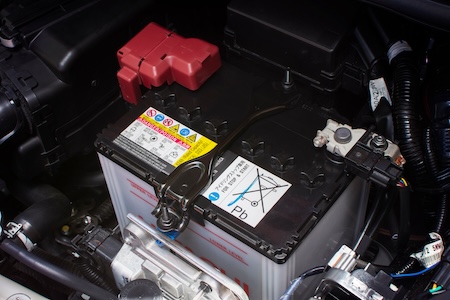
Let’s explore why.
Cold Winters Can Reduce Starting Power
When the mercury drops, so does your battery’s ability to produce power.
- Cold weather thickens engine oil, making your engine harder to turn over.
- The battery has to work harder to deliver the Cold Cranking Amps (CCA) needed to start your car.
- As the temperature drops below 32°F, your battery may deliver as much as 35 percent less power than it would at 80°F.
- Below zero? You could lose more than half your starting capacity.
In Denver, sub-freezing mornings are common from October through March, especially in the early hours when most people are starting their cars for work or school.
Hot Summers Accelerate Battery Wear
Ironically, heat is even harder on battery life than cold in the long run.
- High temperatures evaporate battery fluid and speed up corrosion on internal plates.
- The higher the altitude (hello, Mile High City!), the faster water evaporates, which dries out cells.
- Prolonged heat exposure can damage internal components, even if the battery seems to work fine. Until it doesn’t.
Denver may not hit Phoenix-style triple digits every day, but in July and August, under-hood temps often soar above 140°F, especially during mountain driving or city traffic.
This combination of dry air + altitude + heat creates the perfect storm for long-term battery damage.
Elevation Changes = More Electrical Demands
Why do you live in Denver? One minute, you’re at a ballgame. The next, you’re cruising into the mountains for a day of fun. Whether you’re cruising through the city or heading west toward the mountains, elevation changes require your engine and electrical systems to work harder.
Think about all the electronics modern vehicles rely on:
- Power steering (especially on steep climbs)
- Engine management systems
- Heated seats and steering wheels
- Navigation and entertainment systems
- Start-stop systems in hybrids or newer gas models
These all pull extra power from the battery. Add in frequent short trips, and your battery doesn’t have enough time to fully recharge.
Frequent Start-Stop Driving Adds More Strain
Driving conditions in Denver can vary widely. But if you’re mostly commuting or making local trips—say, from Highlands Ranch to Centennial—you might only drive 2 to 5 miles at a time.
That’s not long enough for the alternator to fully recharge the battery, especially in cold weather. Over time, your battery becomes slightly weaker with each trip, until it suddenly won’t start.
If your driving pattern includes short trips + high accessory use, you’re more likely to see early battery failure.
Signs Your Battery Is Struggling
Wondering if your battery’s already affected by Denver’s climate?
Watch for these early warning signs:
- Slow engine crank when starting
- Flickering headlights, especially at idle
- Dashboard warning light (battery or check engine)
- Clicking sound when turning the key
- You need to jumpstart your car more than once
If your battery is over three years old, it’s time for a check. Especially before the next major season change.
How Long Should a Battery Last in Denver?
We get it; batteries often make big promises. But those guidelines were crafted in a factory under perfect conditions. And we bet your weekly driving habits are anything but perfect.
In ideal conditions, a car battery can last 5+ years. In Denver? We often find batteries lasting 3 to 4 years, tops.
Why the difference?
- Extreme temperature swings
- High altitude
- Local driving habits
It all adds up over time. It’s best not to wait for a dead battery to force your hand. Instead, take proactive steps to monitor and maintain it.
How to Protect Your Battery in Denver’s Climate
The good news? You can extend your battery’s life with a few simple habits.
Get Regular Battery Tests
Have your battery tested twice a year. We suggest before summer and before winter. It’s quick, easy, and can reveal if the battery is weakening.
Check Battery Terminals for Corrosion
Corrosion at the terminals can interfere with charging and cause a drop in performance. Clean terminals with a mixture of baking soda and water, or ask your mechanic to do it during regular service.
Park Indoors When You Can
Keeping your vehicle in a garage helps protect it from extreme temps, both hot and cold. It also reduces moisture buildup in the engine bay, which can affect electrical components.
Avoid Repeated Short Trips
Try to drive your car for at least 15–20 minutes at a time a few times per week. This gives the alternator time to recharge the battery.
Replace Before It Dies
If your battery is older than 3 years, have it tested regularly and consider replacement before winter, when cold-weather starts put it under the most pressure.
Denver’s Climate Isn’t Going to Change—But Your Battery Can
Car batteries are like most of us: they don’t love the extremes. Unfortunately, Denver dishes out plenty of them. From mountain climbs to snowstorms to traffic jams in 95-degree heat, your battery is working harder than you think.
The key? Stay ahead of the damage. A little prevention goes a long way. Don’t wait until your battery leaves you stranded on a cold January morning or a hot August afternoon.
We offer free battery tests, quick replacements, and honest advice. Whether you’re headed to work downtown or planning a weekend road trip, we’ll help you make sure your car starts every time.
Stop by or schedule an appointment today.