• Home
  • Denver Auto Repair Services
    • Full Service Oil Change
    • Expert Mechanics
      • Expert Honda Mechanics
      • Expert Toyota Mechanics
      • Expert Subaru Mechanics
    • Automatic Transmission
    • Fuel System Cleaning
    • Radiator Flush Service
    • Wiper Blades
    • Air Filter
    • Cabin Air Filter
    • Gearbox Service
    • Brake Repair
    • Clutch Repair
    • CV Boots
    • Tune-Up
    • Steering & Suspension
    • Tires
  • Auto Diagnostic
  • Contact Us
    • About Us
  • Shop Specials
  • Testimonials
  • Blog
  • 303-691-2760

Express Car Care of Denver

"Denver's Best Auto Repair and Quick Lube"

  • Brake Service
  • Car Maintenance
    • Heating-Air Conditioning
    • Suspension
    • Transmission
    • Engine
    • Tires
  • Oil Change
  • Tips & Tricks

How to Prevent Major Repairs with Preventative Auto Maintenance

June 14, 2025 by Denver Express Car Care

What’s your worst nightmare when it comes to road trips? Your car broken down on the highway. An expensive tow. A five-figure repair bill. And let’s face it, we’ve all heard the one about the neighbor’s vehicle going from “running fine” to “completely dead” in a matter of days.

Here’s the thing: Major car repairs rarely happen without warning. In almost every case, there were small clues—minor issues that could have been caught and corrected early through preventative auto maintenance.

And that’s the key: staying ahead of problems before they turn into expensive repairs.

Whether you’re driving across Denver on your daily commute or planning a mountain weekend getaway, preventative maintenance gives you peace of mind and protects your investment. Let’s break down what preventative auto maintenance really means, why it matters, and how to put it into practice.

What Is Preventative Auto Maintenance?

At its core, preventative maintenance is about being proactive instead of reactive. Instead of waiting for something to break, you take small steps to monitor, service, and repair your vehicle at regular intervals.

Your car is a major purchase. You want your car to last for years. Preventative maintenance helps you keep all of your significant repair costs to the lowest probability. 

Think of it like going to the doctor for an annual checkup versus waiting until you end up in the emergency room.

Preventative maintenance includes things like:

  • Regular oil and filter changes
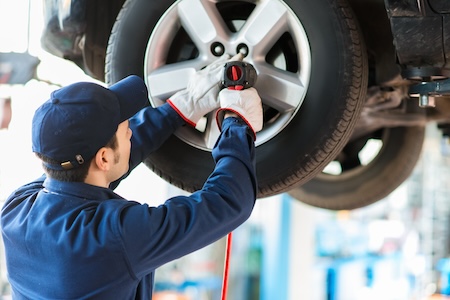
  • Tire rotations and alignments
  • Brake inspections
  • Fluid checks and flushes
  • Belt and hose inspections
  • Battery testing
  • Scheduled tune-ups
  • Catching small leaks, cracks, or worn parts before they cause bigger issues

Done consistently, preventative maintenance can dramatically extend the life of your vehicle—and save you thousands of dollars over its lifetime.

Why Preventative Maintenance Matters

Still wondering if it’s really necessary? Here’s what you’re protecting yourself from:

How to Prevent Major Repairs with Preventative Auto Maintenance

Avoiding Expensive Repairs

Catching a $100 brake pad issue now is a lot better than paying $1,000 later for rotor and caliper replacement.

Protecting Your Warranty

Many manufacturer warranties require proof of regular maintenance. Skipping it could void your coverage.

Increasing Vehicle Longevity

Cars that are well cared for can easily surpass 150,000–200,000 miles (or more) without major repairs.

Maintaining Resale Value

Thinking of trading in your car someday? Vehicles with a full maintenance history fetch higher prices.

Ensuring Safety

Worn tires, bad brakes, or leaky hoses can put your safety—and your passengers’ safety—at risk.

A little time, a little money, and a little planning now can prevent a lot of stress later.

Common Areas Where Preventative Maintenance Pays Off

Your car is made up of thousands of parts, all working together to get you safely from Point A to Point B. Here’s where regular maintenance has the biggest impact:

Oil Changes

We know, you’ve heard this one a thousand times. But that’s because it matters! Fresh oil keeps your engine lubricated, reduces friction, and removes contaminants.

Skipping oil changes lead to sludge buildup, overheating, and eventually engine failure. An engine replacement costs thousands. An oil change? Not even close.

Tire Care

Tires are your first point of contact with the road. Regular rotations, pressure checks, and alignments ensure even wear, better fuel economy, and safer handling.

Ignoring tire care leads to bald spots, blowouts, and uneven tread wear, all of which can be dangerous and expensive to fix.

Brake System Checks

Your brake system isn’t something you want to leave to chance. Brake pads wear down gradually, and if left unchecked, they can cause rotor damage or even brake failure.

Checking and replacing pads early is far cheaper (and safer) than replacing a full brake system later.

Cooling System Maintenance

Your engine generates a lot of heat. Coolant keeps temperatures in check, but only if the system is clean and working properly.

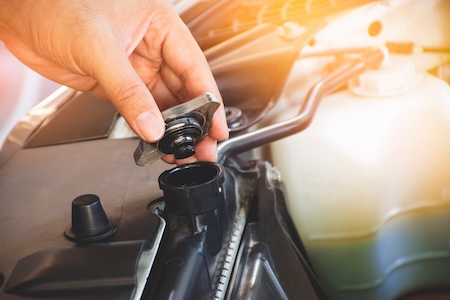
A neglected cooling system leads to overheating, blown head gaskets, and serious engine damage. Flushing coolant and inspecting hoses and the radiator can prevent these problems.

Belts and Hoses

Timing belts, serpentine belts, radiator hoses, they all age with time and mileage. Cracks, frays, or leaks can cause sudden breakdowns.

Replacing belts and hoses before they fail saves you from being stranded (and from much more expensive repairs).

How to Build a Preventative Maintenance Plan

Okay, you’re convinced. Preventative maintenance is worth it. But how do you actually stay on top of it? Here’s a simple framework to make it easy:

Follow the Manufacturer’s Schedule

Your car’s owner manual lays out when you should service major components. Use it as a roadmap, and adjust if you drive in severe conditions (heavy traffic, extreme temperatures, towing, or mountain driving).

Create a Maintenance Calendar

Set reminders on your phone or calendar app for key maintenance intervals like oil changes, tire rotations, and inspections.

Partner with a Trusted Mechanic

Working with a reliable, honest mechanic (hint: like us!) ensures you’re not paying for unnecessary repairs, and that you’ll have another set of expert eyes watching for minor issues.

Pay Attention to Changes

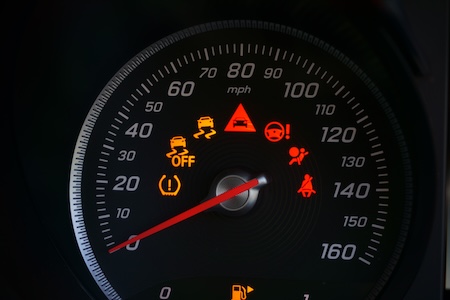
If you notice unusual sounds, smells, vibrations, or dashboard lights, don’t ignore them. These are often early warning signs.

Keep Records

Hold onto receipts, invoices, and inspection reports. They help you stay organized, and boost your car’s resale value. Win/win!

Signs You’re Overdue for Maintenance

If you’ve noticed any of these, it’s time to schedule an appointment:

  • Strange engine noises
  • Vibration or pulling while driving
  • Brake squealing or grinding
  • Dashboard warning lights
  • Reduced fuel efficiency
  • Leaking fluids
  • Longer stopping distances

Small issues now almost always mean bigger, costlier issues later. Don’t wait until you’re stranded on I-25 in rush-hour traffic!

Preventative Auto Maintenance: Your Best Investment

There’s a saying we love around here: “Pay a little now or pay a lot later.”

Preventative maintenance is the single best way to protect your car, your wallet, and your peace of mind. It’s not about over-servicing your car—it’s about giving it the regular care it needs to stay reliable, efficient, and safe.

And if you’re looking for a trusted partner to help you stay on top of maintenance? You’ve found us.

Our Denver shop is built on honesty, expertise, and keeping your car running at its best for as long as possible.

Filed Under: Car Maintenance Tagged With: Auto Maintenance Denver, Preventative Car Maintenance

Oil Change Specials in Denver: Save Money and Keep Your Car Running Right

June 10, 2025 by Denver Express Car Care

I know. Another reminder of just how important an oil change is for your car. 

You’ve heard this message repeatedly. You try to stick to a schedule, but … Between work, errands, weekend plans, and everything in between, it’s easy to push car maintenance to the bottom of your to-do list. Oil changes? You’ll get around to it…eventually.

But here’s the thing: an oil change is one of the simplest, most cost-effective ways to protect your car’s engine and extend its lifespan. It’s the small appointment that makes a big difference.

And if you’re looking for ways to save money without sacrificing quality? You’re in luck. Here in Denver, oil change specials can make it easier—and more affordable—than ever to give your car the care it deserves. IF you find the right oil change specialist to provide you with a quality job.

How do you know you’re at the right place? 

Let’s talk about why oil changes matter, what happens if you skip them, and how finding the right special can help you save both time and money.

Oil Change Specials in Denver: Save Money and Keep Your Car Running Right

Why Oil Changes Are So Important

Your car won’t go without motor oil. It lubricates moving parts, reduces friction, absorbs heat, and traps harmful particles that would otherwise cause wear and damage.

Without clean oil:

  • Friction increases, leading to faster engine wear
  • Heat builds up, causing components to overheat
  • Dirt and sludge clog important pathways
  • Your engine works harder—and burns more fuel

Over time, this can lead to major (and expensive) repairs like worn piston rings, damaged camshafts, and even total engine failure.

Whew, that’s a lot of reason to stay on top of regular oil changes, right? Regular oil changes keep everything running smoothly, ensuring your engine stays clean, cool, and efficient. Does that motivate you to calendar your next oil change AND keep it?

What Happens If You Skip Oil Changes?

We get it; we all get busy. It’s tempting to delay. But procrastinating on oil changes can cause problems faster than you think. Here’s what might happen:

Sludge Buildup

Old, dirty oil thickens into a sludge that can block critical engine passages. This restricts oil flow and starves parts of the lubrication they need.

Overheating

Without proper lubrication, engine components create more friction. More friction means more heat—and that’s bad news for sensitive parts.

Poor Fuel Economy

An engine fighting sludge and friction has to work harder, burning more gas to get you where you’re going.

Engine Wear

Metal-on-metal contact without oil’s protective barrier leads to rapid wear, costly repairs, and even complete engine failure.

Skipping oil changes might save you a few dollars today, but it could cost you thousands down the road. And that’s never good. 

How Often Should You Get an Oil Change in Denver?

Denver’s unique driving conditions—higher altitudes, wide temperature swings, mountain trips—mean your car’s oil works a little harder here than it might elsewhere.

A good general rule:

  • Conventional oil: Every 3,000 to 5,000 miles
  • Synthetic oil: Every 7,500 to 10,000 miles

Of course, your manufacturer’s guidelines are the final word. Always check your owner’s manual—and remember that severe driving conditions (like frequent short trips, stop-and-go traffic, or towing) may require more frequent changes.

If you’re not sure what’s best for your car, ask! We’re always happy to guide you toward the right schedule.

Why Look for Oil Change Specials in Denver?

You want to take good care of your car—but you also want to be smart about your money. That’s where oil change specials come in. Choosing a reputable shop offering oil change specials means you get:

High-Quality Service at a Discount

You shouldn’t have to sacrifice quality for savings. Our specials allow you to get full-service oil changes—including fresh oil, a new filter, a vehicle inspection, and fluid top-offs—for a fair price.

Preventative Maintenance Checks

During an oil change, we’ll often spot early signs of wear, leaks, or other issues. Catching these problems early saves you from bigger repairs later.

Convenient Scheduling

Specials often come with easy appointment options to help you fit maintenance into your busy life without the stress.

Peace of Mind

There’s nothing quite like knowing your car is in top shape—especially when you’re gearing up for a summer road trip or facing unpredictable Colorado weather.

What’s Included in a Quality Oil Change?

Not all oil changes are created equal. Here’s what you should expect when you bring your car to a reputable Denver shop (like ours!):

  • Drain and replace motor oil (type and weight specific to your vehicle)
  • Install a new oil filter
  • Top off vital fluids (coolant, brake fluid, washer fluid, etc.)
  • Perform a basic safety inspection
  • Lubricate your vehicle (if applicable)

It’s a chance to give your car a complete wellness check.

Choosing the Right Oil for Your Vehicle

You might wonder: Should I use conventional oil, synthetic blend, or full synthetic?

Here’s a quick breakdown:

Conventional Oil

Affordable and sufficient for many older models or low-mileage vehicles.

Synthetic Blend Oil

Offers better performance and protection than conventional oil at a slightly higher cost. Great for light-duty trucks and SUVs.

Full Synthetic Oil

Maximum protection against heat, friction, and sludge. Ideal for newer engines, turbocharged engines, or drivers who want longer intervals between changes.

Denver’s climate—with its cold winters and hot summers—makes synthetic oils a smart choice for many drivers, but it’s always best to follow your manufacturer’s recommendation.

Take Advantage of Our Oil Change Specials in Denver

If you’re overdue for an oil change—or just like the idea of saving money while keeping your car happy—this is the perfect time to schedule a visit.

At our shop, we believe in:

  • Honest pricing (no hidden fees or “gotcha” add-ons)
  • Fast, friendly service
  • Certified mechanics who treat your car like their own
  • Full inspections that keep you informed, not pressured

And right now, our oil change specials offer even more value for your dollar.

Because you shouldn’t have to choose between saving money and taking good care of your car.

Ready to Book Your Oil Change?

Denver drivers know the importance of staying ahead of maintenance—and oil changes are one of the easiest ways to keep your car running strong.

If it’s been a while since your last service, don’t wait. Schedule your appointment today, take advantage of our oil change specials, and drive away with confidence.

Because your car—and your wallet—deserve it.

Filed Under: Oil Change Tagged With: Oil Change Specials Denver

Is Your Car Ready for a Road Trip? Our Pre-Trip Inspection Checklist

June 3, 2025 by Denver Express Car Care

The open road is calling. Maybe it’s a quick weekend getaway to the mountains. Maybe it’s a long-awaited vacation across several states. Wherever you’re heading, there’s nothing quite like the excitement of a road trip.

But before you load up the trunk and queue up the playlists, there’s one important question you need to answer: Is your car ready for the journey ahead?

The last thing you want is to end up stranded on the side of a lonely highway, dealing with a preventable car issue. That’s where a pre-trip inspection comes in—a simple but crucial step to ensure your trip is filled with memories, not mechanical problems.

Here’s your ultimate pre-trip inspection checklist to help ensure your vehicle is as ready for adventure as you are.

Why a Pre-Trip Inspection Matters

You might drive your car every day without any problems. But road trips are a different story. Longer distances, unfamiliar roads, varying weather conditions, and heavier loads all put more stress on your vehicle.

Is Your Car Ready for a Road Trip? Our Pre-Trip Inspection Checklist

Skipping a pre-road-trip inspection can turn minor issues into major headaches. Worse, a breakdown miles from home can cost you time, money, and peace of mind.

Taking a little time now to check key systems gives you a much better shot at a smooth, stress-free journey.

Your Pre-Trip Inspection Checklist

Let’s dive into the key areas you should focus on before you hit the road.

Fluids Check

Your car relies on several fluids to run properly. Long drives can push them to their limits. Before you go, check:

  • Engine Oil: Top it off if it’s low or schedule an oil change if you’re due.
  • Coolant/Antifreeze: Keeps your engine from overheating—essential for summer road trips.
  • Brake Fluid: Low brake fluid can compromise stopping power.
  • Transmission Fluid: Vital for smooth shifting, especially if you’ll be tackling mountain roads.
  • Windshield Washer Fluid: Dust, bugs, and grime will be constant companions. Keep your windshield clear.

If you’re unsure when these were last checked or changed, it’s a good idea to let a mechanic take a look.

Tires and Tire Pressure

Your tires are literally where the rubber meets the road. Worn or underinflated tires can spell disaster on a road trip.

  • Tread Depth: Make sure there’s plenty of tread left (at least 2/32 of an inch) for safe handling and traction.
  • Pressure: Inflate tires to the recommended PSI (check your owner’s manual or the sticker inside the driver’s door).
  • Condition: Inspect for cuts, bulges, or uneven wear that could signal a problem.
  • Spare Tire: Make sure it’s properly inflated and in good condition—you’ll be thankful if you need it.

Brakes

When you’re zipping down I-70 with a car full of people and gear, you’ll want your brakes in peak condition.

  • Listen: Any squealing, grinding, or unusual noises when braking? Get it checked.
  • Feel: If your car pulls to one side, vibrates, or the pedal feels soft, it’s time for a brake inspection.
  • Brake Fluid: As mentioned, make sure it’s full and clean.

If you’re questioning whether your brakes are 100 percent, a quick visit to a mechanic for peace of mind is a smart investment.

Battery Health

Few things are more frustrating than a dead battery in the middle of nowhere.

  • Age: If your battery is more than three years old, have it tested.
  • Connections: Ensure terminals are clean, tight, and free of corrosion.
  • Performance: Slow cranking or dim lights are signs your battery may be on its last legs.

If you’re planning on camping or using your vehicle’s battery for extra power, it’s even more critical to ensure it’s ready to go.

Lights and Signals

Road trips often mean early starts and late-night arrivals. Good visibility is non-negotiable.

  • Headlights, brake lights, turn signals, and hazard lights should all be tested and functioning.
  • Replace any dimming bulbs.
  • Clean your lenses if they’re foggy or dirty.

It’s a small thing, but being seen (and seeing clearly) could make all the difference.

Belts and Hoses

A snapped belt or blown hose could leave you stranded faster than you think.

  • Inspect belts for cracks, fraying, or looseness.
  • Check hoses for leaks, bulges, or soft spots.
  • Look around the engine bay for any visible signs of wear.

If you’re uncomfortable checking these yourself, ask your mechanic to take a quick look.

Wipers and Windshield

Colorado weather can change in an instant. You could face sun, rain, hail, or even snow—all in the same afternoon.

Ensure your wiper blades are in good condition and replace them if they leave streaks or miss spots.

Check for cracks or chips in the windshield, especially ones that could worsen with vibrations from the road.

Emergency Kit

Even with perfect preparation, things can happen. It’s smart to pack a basic emergency kit, including:

  • Jumper cables
  • Flashlight and extra batteries
  • First aid kit
  • Tire pressure gauge
  • Basic tools
  • Water and snacks
  • Blanket
  • Phone charger
  • Spare fluids (oil, coolant)

It’s a little extra insurance for unexpected moments.

Bonus: Consider the Extras

Depending on your trip length and location, you might also want to check:

  • Air conditioning performance (because no one wants to be stuck in a hot car)
  • Navigation system updates
  • Roof racks, trailers, or cargo carriers to ensure they’re properly secured

Every little thing you do now can add up to a smoother, safer ride.

Why Choose Us for Your Pre-Road-Trip Inspection?

If you’re uncomfortable checking everything yourself—or you just want professional assurance—bring your car to us before your trip. Our experienced Denver mechanics know exactly what to look for based on the driving challenges Colorado roads can throw your way.

We’ll:

  • Check all fluid levels
  • Inspect your tires, brakes, belts, and battery
  • Test your lights, wipers, and key safety systems
  • Offer honest advice about anything that needs attention before you go

It’s an easy, affordable way to ensure your road trip starts—and ends—on a high note.

Hit the Road with Confidence

A little preparation now can save you a lot of frustration later. Before you head out for your next big adventure, take time to work through this road trip inspection checklist. Or schedule a professional inspection with our team.

Ready for a worry-free journey?

Your pre-road trip inspection will have you traveling with confidence wherever the road takes you.

Filed Under: Car Maintenance Tagged With: Road Trip Car Inspection

How to Know If Your Car Needs Suspension Repair in Denver’s Bumpy Roads

May 28, 2025 by Denver Express Car Care

What are your plans for this weekend? Heading into the mountains for a day of skiing? Or maybe driving to your favorite trail for a hike? 

Living in Denver means you get the best of everything. Mountain adventures, sunny days, snowy escapades, and a vibrant city life, you can experience it all in one day. 

But if you’ve driven around town lately, you know it also means one other thing: bumpy, unpredictable roads.

Potholes, rough construction zones, winding mountain drives—your car’s suspension takes a beating. And while your suspension system is designed to handle a lot, it isn’t invincible. Over time, wear and tear can lead to problems you shouldn’t ignore.

How can you tell if your car needs suspension repair? And why does it matter so much, especially here in Colorado? Let’s take a closer look.

How to Know If Your Car Needs Suspension Repair in Denver’s Bumpy Roads

Why Your Suspension Matters

What do you think of when someone mentions your car’s suspension system? It’s responsible for more than just a smooth ride. It also:

  • Keeps your tires firmly planted on the road for better traction and control.
  • Helps absorb shocks from bumps, potholes, and rough terrain.
  • Improves steering stability and braking effectiveness.

When the suspension is compromised, it doesn’t just mean a rougher ride. It can also impact your safety, fuel efficiency, and even the longevity of your tires.

In a place like Denver, where road conditions can change dramatically from one block to the next, a healthy suspension is critical.

Common Signs Your Suspension Needs Attention

The good news is that your car usually gives you hints when the suspension system is struggling. You just have to know what to listen and look for.

Excessive Bouncing After Hitting a Bump

If your car keeps bouncing after you drive over a pothole or speed bump, that’s a classic sign your shocks or struts may be worn out.

Normally, your suspension should absorb the impact quickly and stabilize your car. If it feels like you’re riding a pogo stick, it’s time for an inspection.

Nose Dives, Body Leans, or Squatting

Does your car:

  • Dive forward when you brake?
  • Lean hard to the side when you take a turn?
  • Squat backward when you accelerate?

These are all signs that your suspension isn’t properly distributing weight like it should. Worn shocks and struts can’t control the vehicle’s movement, making it less stable—and less safe.

Rough, Jarring Ride

One of the easiest ways to tell if your suspension needs repair is by the way your ride feels.

If every little bump, crack, and pothole feels magnified, or if your teeth chatter every time you hit a rough patch of road, your suspension’s ability to absorb shock is probably compromised.

You shouldn’t feel every flaw in the pavement. If you do, it’s worth getting checked out.

Steering Feels Loose or Drifting

When your suspension is in good shape, your steering should feel tight, responsive, and controlled.

If you find yourself constantly correcting the steering wheel or it feels like the car is drifting even when you’re going straight, it could point to problems with your suspension system—or possibly your alignment, which often goes hand-in-hand.

In any case, it’s not something to ignore.

Uneven Tire Wear

Take a look at your tires. Is the tread wearing down more on one side than the other? Or are there bald spots?

Uneven tire wear often signals that your suspension isn’t holding your vehicle evenly, causing more pressure on certain tires. Left unchecked, it can shorten the life of your tires and create even more suspension and alignment problems down the road.

Oily or Damaged Shocks

Here’s one you can physically check.

Take a look underneath your car (or better yet, have a mechanic do it safely). If you notice that your shocks or struts are greasy or leaking fluid, that’s a red flag.

Shocks need hydraulic fluid to dampen the bumps. If they’re leaking, they can’t do their job—and your suspension’s effectiveness plummets.

How Denver’s Roads Speed Up Suspension Problems

You don’t have to be a car expert to know that Colorado’s driving conditions are rough on vehicles.

  • Potholes grow fast thanks to freeze-thaw cycles in the winter.
  • Gravel roads and construction sites can kick up debris that damages suspension parts.
  • Mountain driving demands more from your steering, braking, and suspension systems with sharp turns, elevation changes, and sudden weather shifts.

All these factors mean that Denver drivers need to stay even more vigilant about suspension health than drivers in milder climates.

What might be “normal wear” elsewhere can turn into serious damage here if you’re not careful.

How Often Should You Check Your Suspension?

There’s no hard-and-fast rule, but most experts recommend inspecting your suspension:

  • At least once a year, during a general vehicle checkup
  • Anytime you notice warning signs like those listed above
  • After a hard impact, such as hitting a large pothole, curb, or being in a minor collision

Regular inspections allow minor problems to be caught early—before they become big, expensive repairs.

What Suspension Repairs Might Include

When you bring your car in because of suspension concerns, one of our mechanics will perform a thorough inspection. Common suspension repairs might include:

  • Replacing worn shocks or struts
  • Repairing or replacing ball joints
  • Replacing bushings that have cracked or deteriorated
  • Aligning the wheels to correct handling issues
  • Inspecting and tightening steering components

The right solution depends on the specific symptoms and the condition of the components.

Why Trust Us for Your Suspension Repair?

Here in Denver, we know the toll that mountain drives, city potholes, and changing weather can take on your car. That’s why we take suspension repair seriously.

When you bring your vehicle to us, you can count on:

  • Thorough inspections tailored to Colorado driving conditions
  • Honest assessments and clear explanations of what’s going on
  • High-quality parts that restore your vehicle’s performance
  • Certified mechanics with years of experience diagnosing and fixing suspension systems

We’re here to help you stay safe on every road—whether you’re cruising downtown or climbing up to Rocky Mountain National Park.

Ready to Keep Your Ride Smooth and Safe?

If your car has been bouncing, drifting, or just feeling a little off, don’t wait until it becomes a bigger problem.

Schedule a suspension inspection with our expert team today. We’ll help you diagnose the issue, recommend the right repairs, and get you back on the road, smoothly and safely.

Because when you’re navigating Denver’s bumpy streets and adventurous mountain roads, you deserve a car that’s ready for it all.

Filed Under: Suspension Tagged With: Car Maintenance Denver, Suspension Repair Denver

Signs Your Car Battery Might Be Failing and Where to Replace It in Denver

May 24, 2025 by Denver Express Car Care

Did you think about your car battery today? If you’ve come across this article, it might be at the top of your mind. Maybe your car’s accessories glitched, your lights seemed dim, or it took a minute for your car to start. 

On a typical day, you don’t think much about your car battery. Suddenly, those glitches happen, and it’s all you can think about. You’re stuck, frustrated, late to work or an appointment, and wondering what could have been done differently.

Here’s the thing: Your car battery doesn’t usually fail without warning. It gives you little clues along the way. If you know what to watch for, you can replace it before it lets you down. And avoid the stress and inconvenience of being stranded.

If you’re living and driving in Denver, where temperatures can swing wildly from hot to freezing in the same week, paying attention to your car battery’s health is even more important. Let’s walk through the common signs your battery might be failing and what to do about it.

What Does a Car Battery Do?

Before we dive into the warning signs, let’s talk about just how vital your battery is.

Your battery isn’t just responsible for starting your car. It powers the entire electrical system, from headlights to dashboard lights to the radio and the heating and cooling system. It works especially hard when the engine isn’t running. It also helps stabilize voltage and keeps your vehicle’s computer and sensor systems operating properly.

Signs Your Car Battery Might Be Failing and Where to Replace It in Denver

Without a healthy battery, none of that happens. And here in Colorado, where winter mornings can be brutal and summer days sizzle, a weak battery won’t survive for long.

Common Signs Your Car Battery Might Be Failing

Slow Engine Crank

You turn the key or push the button, and the engine cranks … slowly. It feels like it’s struggling to start. A sluggish start is often one of the earliest signs your battery is losing its charge.

Dim Headlights or Electrical Issues

Your headlights look dimmer than usual. Your dashboard lights flicker. Maybe the power windows are slower. Electrical components rely on your battery for power. If they aren’t working properly, your battery may be struggling to deliver enough juice.

Check Engine Light

Yes, the check engine light can come on for dozens of reasons, but one common trigger is a weak battery. Some vehicles have a dedicated battery warning light, but others lump it under the check engine category. Either way, it’s a sign not to ignore.

Clicking Sound When Starting

When you try to start the car, you hear a rapid clicking noise instead of the engine turning over. This usually means the battery doesn’t have enough power to engage the starter motor.

Need to Press the Gas to Start

If you find yourself needing to give it a little gas just to get the engine going, your battery might not be providing enough power during ignition.

Battery Age

Most car batteries last three to five years. Colorado’s extreme temperatures can shorten that lifespan. If your battery is pushing past the three-year mark, it’s a good idea to have it tested—especially before heading into summer or winter.

Corrosion Around the Terminals

Pop the hood and take a look. If you see a blue or white powdery buildup around the battery terminals, it’s a sign of corrosion. Corrosion can block the connection and interfere with your battery’s ability to deliver power.

Swollen or Misshapen Battery Case

Heat, cold, or internal damage can cause the battery casing to bulge. A swollen battery is a serious problem—replace it immediately before it leaks or bursts.

Why Batteries Struggle in Colorado’s Climate

Colorado drivers face a unique challenge when it comes to batteries. In summer, high heat can evaporate battery fluid and cause internal damage. In winter, the cold slows down chemical reactions inside the battery, making it harder to generate enough power to start the engine.

The rapid shifts in temperature and the elevation changes from city streets to mountain roads add even more stress. That’s why batteries tend to fail at the worst possible time, usually on a cold morning when you need to get somewhere fast.

Routine testing and replacement before problems occur can save you a lot of frustration.

How to Test Your Car Battery

You can catch battery problems early with simple tests:

  • Visual Inspection: Check for corrosion, swelling, cracks, or leaks.
  • Voltage Check: Use a multimeter. A healthy, fully charged battery should read around 12.6 volts with the engine off.
  • Professional Test: Many auto shops (including ours) offer free battery testing during routine service visits. We’ll test the battery’s health, cranking power, and overall condition.

If your battery is on the edge of failing, it’s better to replace it proactively.

Can You Save a Weak Battery?

Sometimes minor issues—like corrosion—can be cleaned up and improve the connection. But if the battery itself is weak, old, or damaged internally, replacement is your best (and safest) option.

Temporary fixes like jump-starts are just that—temporary. Relying on a dying battery can lead to bigger problems, including damaging your starter or alternator from repeated hard starts.

Where to Replace Your Car Battery in Denver

When your battery is on its way out, you want a shop that offers:

  • Quality Replacement Batteries: Not all batteries are created equal. We only install high-quality batteries built to withstand Colorado’s unique demands.
  • Fast Service: We know your time is valuable. We’ll get you back on the road quickly.
  • Fair Prices: Transparent, competitive pricing with no hidden fees.
  • Expert Inspection: We don’t just swap the battery. We inspect your charging system (alternator, starter, cables) to ensure everything works as it should.

If you’re looking for affordable, reliable battery replacement in Denver, we’re here to help.

How to Extend the Life of Your New Battery

Once you get a new battery, a few simple habits can help it last longer:

Drive your car regularly. Short trips can prevent the battery from fully charging.

Keep terminals clean. Check for corrosion and clean it off as needed.

Check the charging system. If your alternator isn’t charging properly, it will strain the battery.

Park in the garage when possible. Protect your car from extreme heat or cold.

Turn off lights and electronics. Ensure everything is off when you exit the vehicle to avoid draining the battery.

Don’t Wait Until It’s Too Late

A dead battery always seems to happen at the most inconvenient time. But with a little preventative care and knowing the warning signs, you can stay ahead of the problem.

If you’ve noticed your car starting slowly, your headlights dimming, or your battery is over three years old, it’s time for a checkup.

Schedule your battery inspection or replacement with us today. We’ll test your battery, check your charging system, and make sure you’re ready for anything Denver’s weather throws your way.

Because peace of mind is just a fully charged battery away.

Filed Under: Car Maintenance Tagged With: Battery Replacement Denver

How Often Should You Replace Your Car’s Timing Belt in Colorado?

May 18, 2025 by Denver Express Car Care

What does your car’s timing belt do? Hmmm … If you’re a little puzzled, I get it. It’s not something most drivers think about. Until something goes wrong.

Unlike oil changes or tire rotations, timing belt replacement isn’t something you deal with every few months. It’s easy to forget about. But here’s the thing: if your timing belt fails, it can cause serious (and very expensive) engine damage.

That’s why replacing your timing belt on schedule is so important, especially if you live and drive here in Colorado. Why? Because fluctuating temperatures, steep climbs, and rugged driving conditions can put extra stress on your vehicle.

Is it time to replace your timing belt? What should you watch for? We have a little advice for you.

What Does the Timing Belt Actually Do?

The timing belt is a reinforced rubber belt that synchronizes the rotation of the engine’s crankshaft and camshaft. In simple terms, it ensures that your engine’s valves open and close at precisely the right time during each cylinder’s intake and exhaust strokes.

Without a properly functioning timing belt, the engine’s valves and pistons can collide. This can cause severe engine damage almost instantly. Experience this and you could be facing a repair bill that’s far higher than the cost of a timing belt replacement.

How Often Should You Replace Your Car’s Timing Belt in Colorado?

It’s a small part with a very big job.

How Often Should You Replace Your Timing Belt?

In general, most car manufacturers recommend replacing the timing belt every 60,000 to 100,000 miles. But—there’s always a but—it depends on your vehicle’s make, model, and engine type. Some newer vehicles have longer intervals. Others, especially older models or high-performance engines, may need more frequent attention.

Always check your owner’s manual for the recommended service interval. If you can’t find it, we’re happy to look it up for you.

Why Timing Belt Replacement Matters More in Colorado

Here’s something a lot of people don’t think about: driving conditions matter. In Colorado, your timing belt faces extra challenges:

  • High Altitude: Engines work harder in thin air.
  • Steep Grades: Mountain driving puts more strain on the engine.
  • Temperature Swings: From freezing winters to blazing summers—rubber belts expand and contract more frequently, which can accelerate wear.
  • Dust and Debris: Off-roading or rural drives can expose your engine to more dust, leading to belt degradation.

All of that means that even if your manufacturer says 100,000 miles, it might be a smart move to replace it closer to the 60,000–80,000-mile range here in Colorado, depending on how you drive.

Warning Signs Your Timing Belt May Be Failing

The tricky part about timing belts? They often don’t give a lot of warning before failing completely. That’s why following a maintenance schedule is so important. Still, there are a few signs you might catch before things get serious:

  • Ticking Noise from the Engine: A high-pitched ticking sound could be the belt wearing down or the tensioners loosening.
  • Engine Misfires: If the belt slips, the engine’s timing can be thrown off, causing misfires.
  • Rough Idling or Difficulty Starting: Timing belt issues can disrupt normal engine operation.
  • Oil Leaking from the Front of the Motor: A worn timing belt can sometimes coincide with leaking from the timing cover area.
  • Visible Wear or Cracks: If a mechanic removes the timing cover and sees cracks, fraying, or glazing on the belt, it’s time for replacement.

Remember, many timing belts will simply snap without much warning, so waiting for symptoms isn’t a good strategy. Stick to mileage and time intervals.

What Happens If You Ignore a Timing Belt Replacement?

This isn’t one of those “maybe it’ll be okay” situations.

If your timing belt snaps while driving, here’s what can happen:

  • Bent valves
  • Damaged pistons
  • Destroyed cylinder head or camshaft
  • Complete engine failure

Repairs for these types of engine damage often run into the thousands of dollars, sometimes more than the car’s worth. Compare that to a timing belt replacement, which typically costs a fraction of that.

If your car has an “interference engine” (meaning the valves and pistons occupy the same space at different times), a broken belt is almost guaranteed to cause serious damage.

Should You Replace Anything Else at the Same Time?

Absolutely.

Because the timing belt is buried deep inside the engine, it’s smart—and cost-effective—to replace several components while you’re in there:

  • Water pump: It’s usually driven by the timing belt. Replacing it now saves labor later.
  • Timing belt tensioner and idler pulleys: These keep proper tension on the belt. Worn pulleys can cause the new belt to fail early.
  • Camshaft and crankshaft seals: If these are leaking, now’s the time to replace them.
  • Drive belts: Any accessory belts that are removed during service should be inspected and replaced if necessary.

Doing these together prevents future breakdowns and saves you from paying for duplicate labor down the road.

How to Extend the Life of Your Timing Belt

While you can’t make a timing belt last forever, you can help it reach (or even slightly exceed) its expected lifespan:

  • Stick to regular maintenance schedules.
  • Address leaks promptly: Oil or coolant leaks can weaken the belt.
  • Drive gently when possible: Hard acceleration and stop-and-go traffic create more stress on engine components.
  • Choose high-quality replacement parts: Cheap belts often have inferior materials that wear out faster.

Why Choose Us for Timing Belt Replacement in Denver?

If you’re looking for trustworthy timing belt service in Denver, we’ve got you covered:

Experienced Technicians: Our team knows how to properly inspect, replace, and adjust timing belts across all makes and models.

Quality Parts: We only install OEM or high-quality aftermarket timing belts and components.

Fair Pricing: No surprises, no hidden fees—just honest estimates and quality work.

Convenient Scheduling: We’ll get you in and out as quickly as possible without sacrificing thoroughness.

If you’re unsure about your timing belt’s condition, or if you’re getting close to that 60,000–100,000-mile mark, it’s better to be safe than sorry. A little preventative maintenance now can save you a whole lot of headaches later.

Don’t Wait Until It’s Too Late

Timing belt failure isn’t just inconvenient, it can be catastrophic.

If your car is nearing the recommended mileage or showing any signs of trouble, schedule an inspection with us today. We’ll take a look, give you an honest assessment, and help you decide if it’s time for a replacement.

Your engine—and your wallet—will thank you.

Filed Under: Car Maintenance, Denver Auto Repair Tagged With: Timing Belt Replacement Colorado

A Guide To Understanding Bushings on a Car

May 7, 2025 by Denver Express Car Care

We love cars. But we also understand how confusing all the various components can be. Thousands of parts work together to create all the systems that keep you safe and help your car run smoothly. You might not understand what each of them does, but without them, your car wouldn’t work as well as it does to get you where you choose to go. 

That’s why, when you hear a strange clunking noise when you hit a bump, or your steering feels a little looser than usual, it can put you on alert. You might assume it’s something big—your suspension, your tires, or even your steering system. But sometimes, the problem comes down to something smaller: bushings.

Bushings don’t get the attention that other car components do, but they play a critical role in how your vehicle handles, absorbs shocks, and performs over time. If they wear out, you’ll feel it in your ride, hear it in strange noises, and—if ignored—end up paying for bigger repairs.

So, what are bushings, what do they do, and how can you tell when they need replacing? Let’s dive in.

What Are Car Bushings?

Bushings are a funny word, aren’t they? Yet they have an important job to do. Bushings are small, rubber, or polyurethane components that sit between two metal parts of your car’s suspension and steering system. Their job? To absorb vibrations, reduce friction, and prevent metal-on-metal contact.

A Guide To Understanding Bushings on a Car

They are the cushions of your suspension system. Without them, your car would feel rough and unstable, and every bump in the road would transfer directly to your steering and frame.

You’ll find them throughout your vehicle, but some of the most important ones include:

  • Control Arm Bushings – Located between the control arms and the frame, these bushings help maintain alignment and absorb shocks from the road.
  • Sway Bar Bushings – These keep the sway bar securely in place, helping to reduce body roll when turning.
  • Strut Mount Bushings – Found at the top of the struts, these bushings cushion the impact from road irregularities.
  • Steering Rack Bushings – These stabilize the steering system and help provide responsive handling.
  • Shock Absorber Bushings – Help reduce noise and vibration from the shocks.
  • Leaf Spring Bushings – Found in trucks and older vehicles, they provide flexibility and stability in the suspension system.

Each set of bushings plays a role in your car’s overall ride quality and handling. When they start to wear out, it’s only a matter of time before you notice.

Signs Your Bushings Are Worn or Failing

Since bushings are made of rubber or polyurethane, they naturally degrade over time due to wear, heat, and exposure to road conditions. If they begin to crack, harden, or fall apart, your ride will feel rougher, and your car may start exhibiting some noticeable symptoms. You will notice it in different ways. 

Clunking or Rattling Noises

Ever hear a clunking or knocking noise when driving over bumps? That’s often a sign that a bushing has worn out and isn’t holding components tightly in place.

Increased Vibration in the Steering Wheel

If your steering wheel vibrates more than usual, it could mean the steering rack bushings or control arm bushings are deteriorating. Since bushings act as a buffer between metal components, their failure can cause excess movement in the steering system.

Loose or Unstable Steering

Does your car feel less responsive when you turn the wheel? Worn steering or suspension bushings can cause play in the system, making handling feel vague or unstable.

Uneven Tire Wear

When control arm or strut mount bushings wear out, they can cause alignment issues, leading to uneven tire wear. If you notice bald spots or excessive wear on one side of your tires, failing bushings might be to blame.

Poor Handling and Body Roll

If your car feels wobbly or leans more in turns, worn sway bar or control arm bushings could be affecting stability. This can make sharp turns feel unpredictable and unsafe.

Noisy Braking or Acceleration

You might notice clunking or creaking sounds when you brake or accelerate. This often points to deteriorating bushings that no longer absorb impact properly.

What Causes Bushings to Wear Out?

After reading that, you might recognize one or more of the situations. Could it be a bushings problem? Maybe. Even though bushings are designed to last tens of thousands of miles, they don’t last forever. Several factors can accelerate their deterioration:

  • Heat and Friction – The constant movement and pressure create friction, which wears down the rubber.
  • Road Conditions – Potholes, rough roads, and excessive bumps put extra strain on bushings.
  • Weather Exposure – Extreme heat, cold, and moisture can cause rubber bushings to dry out and crack.
  • Oil and Fluid Leaks – Oil, grease, and other automotive fluids can break down rubber bushings over time.
  • Age and Mileage – Like any other component, bushings naturally wear out after years of driving.

How to Inspect and Replace Worn Bushings

If you suspect worn bushings, you can visually inspect them or have a mechanic check them out. Here’s what to look for:

  • Cracks, tears, or missing pieces in the rubber.
  • Excessive movement in suspension or steering components when the car is on a lift.
  • Uneven wear patterns on tires, indicating alignment issues.

If bushings are significantly cracked, deformed, or missing, it’s best to replace them. Driving with worn bushings can lead to a host of problems, such as increased tire wear, poor steering response, or suspension damage over time. You can replace them with several options, including:

  • OEM Rubber Bushings – These provide a balance of comfort and durability but wear out faster than polyurethane options.
  • Polyurethane Bushings – These last longer and improve handling but can transmit more road vibration into the cabin.

Replacing bushings often requires specialized tools or a press, so it’s a good idea to have a mechanic handle the job.

How to Extend the Life of Your Car’s Bushings

Now comes the good news: you can add life to your car’s bushings with simple steps. Yes, bushings will wear out over time, but you can take steps to extend their lifespan and avoid premature failure:

  • Schedule Regular Inspections – Have your suspension checked during routine maintenance.
  • Keep an Eye on Leaks – Fix oil or coolant leaks before they damage nearby bushings.
  • Avoid Harsh Driving Conditions – Reduce the impact of potholes and rough roads by slowing down.
  • Upgrade to Polyurethane Bushings – If you prefer durability and performance, polyurethane bushings may be a better long-term option.

Don’t Ignore Your Bushings

Bushings may not be the most talked-about part of your car, but they play a major role in ride comfort, handling, and safety. If you’ve noticed unusual noises, steering play, or uneven tire wear, worn-out bushings could be the culprit.

Not sure if your bushings are in good shape? Schedule an inspection with our expert mechanics today. We’ll check your suspension and steering components and recommend the best solution to keep your car handling smoothly.

Because sometimes, the smallest parts make the biggest difference in how your car drives.

Filed Under: Suspension Tagged With: Car Bushings

Transmission Trouble? Common Signs and When to Visit Our Denver Shop

April 28, 2025 by Denver Express Car Care

You know the sound of your car better than anyone. You know how it feels when you shift into gear. That slight hum when you accelerate onto I-25. The gentle roll when you coast through your neighborhood.

But one morning, something feels off.

The car lurches. The engine revs, but you barely move. There’s a hesitation you didn’t notice yesterday.

If your car feels different when shifting or accelerating, don’t wait for it to get worse. You could be facing the early stages of transmission trouble, and catching it early can make all the difference between a minor repair and a major rebuild.

But what does that mean? Let’s take a closer look.

What Your Transmission Actually Does

Your car’s transmission is the translator between your engine and your wheels.

Your engine generates power. But that power needs to be delivered in just the right way—at different speeds and under changing loads. That’s where the transmission comes in. It adjusts gear ratios to ensure the engine stays in its ideal power range while providing smooth acceleration and efficient fuel use.

Modern cars come with either automatic or manual transmissions (with CVTs—continuously variable transmissions—becoming more common). No matter the type, they all serve the same purpose: to keep your car shifting smoothly and performing reliably.

Transmission Trouble? Common Signs and When to Visit Our Denver Shop

When something in that system starts to go wrong, it doesn’t just affect performance—it puts your entire engine at risk. That’s why early detection matters.

Common Signs of Transmission Trouble

Transmission issues often start subtly. See it early, and it’s easier to get ahead of a breakdown. Here are some of the most common symptoms:

Delayed or Slipping Gears

You press the gas, but the car hesitates—or the RPMs jump before the car moves. These are signs your transmission might be slipping or struggling to stay in gear.

In an automatic, this often feels like the car is searching for the right gear, but never quite finding it. In a manual, it might be harder to engage a gear or the clutch may feel soft or unresponsive.

Rough or Jerky Shifts

Shifting should feel smooth. If you notice your car jerks, bucks, or makes a clunking sound during gear changes, that’s your transmission struggling to engage gears properly.

Sometimes this is caused by low or dirty transmission fluid. But it can also point to worn-out components inside the transmission itself—especially if the issue is getting worse over time.

Unusual Noises

Hear a whining, buzzing, or grinding noise that seems to follow your acceleration or gear changes? Those can all be symptoms of internal transmission issues.

Transmission sounds are different from engine noises. Pay attention to when they happen—during shifts, while idling, or when accelerating—and let us know what you hear. Those details help us diagnose the problem faster.

Transmission Fluid Leaks

Transmission fluid is vital for keeping your transmission lubricated and cool. If you notice reddish or dark brown fluid pooling under your car or along the underside near the front or middle, you might have a transmission leak.

A low fluid level can cause shifting problems, overheating, and internal damage. Even a small leak should be addressed quickly to avoid bigger repairs later.

Burning Smell

Overheating transmission fluid has a distinct, sharp, chemical odor—different from the smell of engine oil. If you catch a burning smell while driving or after parking, your transmission may be overheating or the fluid may be breaking down.

This can be caused by low fluid levels, old fluid that’s lost its lubricating properties, or internal wear. Either way, it’s a red flag that needs immediate attention.

Check Engine Light

Modern transmissions are equipped with sensors that monitor performance. If something’s off—like unusual temperature spikes, slipping, or improper shifts—your check engine light might come on.

Don’t ignore it. A quick scan can reveal whether the problem lies with your transmission or another related system.

Won’t Go Into Gear

One of the most frustrating signs of transmission failure is when your car refuses to go into gear. Whether it’s stuck in neutral, won’t reverse, or won’t respond at all, this is typically a sign of a serious problem that shouldn’t be ignored.

What Causes Transmission Trouble?

Transmissions are complex systems made up of gears, clutches, solenoids, fluid lines, sensors, and more. With so many moving parts, problems can happen for a variety of reasons:

  • Low or dirty transmission fluid – A top cause of slipping, rough shifting, and overheating.
  • Worn clutch components – In both automatic and manual systems.
  • Faulty solenoids – These regulate the flow of transmission fluid and can cause shift delays or erratic shifting.
  • Broken seals or gaskets – Often lead to fluid leaks and pressure loss.
  • Torque converter problems – Can cause shuddering, stalling, or slipping at low speeds.

Over time, wear and tear are inevitable—especially if your vehicle sees a lot of stop-and-go traffic, mountain driving, or towing heavy loads (yes, we see a lot of that in Colorado). But regular fluid changes and inspections can extend the life of your transmission significantly.

When to Visit Our Denver Shop

You know your car. If it doesn’t feel right, sounds off, or behaves strangely when shifting, it’s time to let us take a look.

Here’s when to bring it in:

  • You’ve noticed any of the signs above—especially if more than one is happening at the same time.
  • Your car has over 100,000 miles and has never had a transmission fluid change or inspection.
  • You’re planning a long trip and want peace of mind.
  • Your check engine light is on and you’ve ruled out other obvious causes.

We get it—nobody wants to hear “you’ve got transmission issues.” But the truth is, many transmission problems can be resolved with early intervention. Replacing fluid, repairing a seal, or adjusting a shift solenoid is a lot less expensive than a full transmission rebuild.

And when you do need a bigger repair, having a trusted shop on your side makes all the difference.

How We Help

At our Denver shop, we’re all about honest diagnostics and smart repairs. When you bring your car in for a transmission inspection, we’ll:

  • Scan for diagnostic codes and transmission-specific alerts
  • Test drive your vehicle to feel for performance issues
  • Check transmission fluid condition and level
  • Inspect for external leaks or damage
  • Recommend the best course of action based on your car’s condition and your budget

Whether it’s a fluid change, repair, or full rebuild, we’ll help you understand your options—and we’ll never push for more work than you need.

Let’s Get Your Car Back on Track

Transmission trouble is one of those issues you don’t want to put off. Left unchecked, small problems can turn into costly repairs. But with a little attention—and the right team on your side—you can keep your car running smoothly and avoid the stress of a breakdown.

If you’re seeing signs of shifting problems, strange noises, or just want peace of mind before summer travel, give us a call. Schedule an appointment today and let’s get to the bottom of your transmission issues before they get worse.

Because here in Denver, your car’s performance matters—whether you’re heading into the mountains or just cruising to work.

Filed Under: Transmission Tagged With: Transmission Service Denver

Check Engine Light On? Here’s What Denver Drivers Need to Know

April 24, 2025 by Denver Express Car Care

You’re cruising down the highway, maybe heading back from the mountains or driving through your neighborhood, and suddenly, that dreaded little amber light appears on your dashboard: Check Engine.

We’ve all been there. And if you’re like most drivers, your first reaction is a mix of mild panic and wishful thinking.

  • Is it serious?
  • Can I keep driving?
  • Should I pull over?

It’s one of the most common dashboard lights, but also one of the most misunderstood. That’s because the check engine light doesn’t point to one specific issue. It could be something simple, like a loose gas cap—or something more serious, like an engine misfire or a failing catalytic converter.

So, how do you know the difference? Let’s talk about what the check engine light really means, what to do when it comes on, and how you can stay ahead of trouble with the right approach.

What Does the Check Engine Light Actually Mean?

Your car’s engine is monitored by a computer system—the engine control unit (ECU)—that keeps tabs on dozens of sensors and systems. When something isn’t working the way it should, the ECU stores a diagnostic trouble code (DTC) and turns on the check engine light to let you know.

Check Engine Light On? Here’s What Denver Drivers Need to Know

The problem is, the light itself doesn’t tell you what’s wrong. It’s like a fire alarm—it alerts you that something is off, but not what or where.

That’s why a proper diagnostic scan is essential. Using a scan tool, a technician can read the trouble code and pinpoint the affected system. From there, we can inspect, test, and confirm what’s causing the issue.

Common Reasons Your Check Engine Light Is On

The dreaded check engine light pops on. What does it mean? While the light can be triggered by a wide range of issues, some of the most common culprits include:

Loose or Faulty Gas Cap

Yep, it really can be that simple. A loose, cracked, or missing gas cap can cause a drop in pressure in the fuel system, triggering the light. It’s one of the easiest fixes—just tighten the cap or replace it if it’s worn out.

Faulty Oxygen Sensor

The oxygen sensor monitors how much unburned oxygen is in the exhaust and helps regulate the air-fuel mixture. When it fails, it can cause poor fuel economy and higher emissions.

Catalytic Converter Issues

Your catalytic converter helps reduce harmful emissions. If it’s clogged or failing, it can lead to sluggish performance, poor mileage, and engine misfires. It’s one of the pricier repairs—but it usually doesn’t fail without other warning signs.

Faulty Spark Plugs or Ignition Coils

If your engine isn’t firing properly, you might experience rough idling, hesitation, or stalling. A failing plug or coil will often trigger a misfire code.

Mass Air Flow (MAF) Sensor Problems

The MAF sensor measures the air coming into your engine and helps the computer determine how much fuel to inject. When it’s dirty or malfunctioning, your engine may hesitate or struggle to accelerate.

Vacuum Leaks

Hoses and seals in your engine can wear out over time. A vacuum leak can affect how the engine idles, reduce power, or cause other irregularities in performance.

Failing Thermostat or Cooling Issues

If your engine isn’t staying in the proper temperature range, the ECU may throw a code. That’s your cue to get your cooling system checked—especially important heading up steep mountain grades or stuck in traffic on a hot day.

Flashing vs. Solid Check Engine Light

Maybe you look down at your dashboard and the check engine light is flashing. Is that more worrisome than a solid check engine light? 

A solid light tells you the issue may not be urgent, but it still requires attention. You can usually continue driving for a short time, but get it checked soon.

A flashing light says this is more serious. It often means an active engine misfire that can damage the catalytic converter or other components. If your light is flashing, reduce speed and avoid heavy acceleration. It’s best to pull over and call for assistance.

What to Do When the Check Engine Light Comes On

Before panic sets in, it’s important to have a gameplan in mind. Here’s a quick roadmap if your check engine light makes a surprise appearance:

Step 1: Check Your Gas Cap

Make sure it’s tight and click it a few times. If the cap is loose, the light may turn off after a few driving cycles.

Step 2: Pay Attention to Symptoms

Are you noticing other signs like rough idling, sluggish acceleration, or strange noises? The more you can observe and tell us, the faster we can diagnose it.

Step 3: Don’t Panic—But Don’t Ignore It

Even if your car seems fine, it’s best to get it checked. Minor issues can snowball into major repairs if left untreated.

Step 4: Schedule a Diagnostic Appointment

Our shop uses professional-grade diagnostic tools to read the engine codes and perform detailed testing. Once we identify the cause, we’ll explain the issue, recommend repairs, and give you options that fit your timeline and budget.

Why It Matters More in a Place Like Denver

Driving in Colorado puts your car through more than you think. Between mountain drives, fluctuating temperatures, and the occasional stop-and-go traffic as you drive through the city, your engine and transmission work hard.

Altitude can affect air-fuel ratios. Steep inclines put extra pressure on the cooling system and transmission. Add seasonal temperature swings and rough road conditions, and it’s clear why regular maintenance—and paying attention to warning lights—is even more critical here.

Letting a check engine light linger could mean the difference between a minor repair and major engine work. And no one wants to be stuck on the side of the road on the way to the mountains or back from a ski trip.

Stay Ahead of Problems With Preventative Care

Many of the issues that trigger the check engine light can be avoided with regular preventative maintenance:

  • Replace spark plugs and air filters at recommended intervals
  • Keep an eye on fuel system and emissions components
  • Change your oil and coolant regularly
  • Use high-quality fuel and the correct oil for your climate
  • Schedule inspections even if everything seems fine—especially before a long trip

When you stay on top of maintenance, you’re less likely to deal with surprise dashboard warnings. And if a light does come on? You’ll know it’s time to check in, not panic.

Don’t Let a Light Derail Your Day

We get it—seeing the check engine light pop on is never fun. But it doesn’t have to be a mystery or a significant setback. With the right diagnostic tools and a team that understands your car, you’ll be back on the road in no time.

If your check engine light is on—or if you just want peace of mind before your next road trip—schedule an appointment with us today. We’ll run a full diagnostic scan, explain exactly what’s happening, and get you back to driving with confidence.

Because in Denver, your car has a lot to handle. And we’re here to make sure it keeps up with everything you throw at it.

Filed Under: Car Maintenance, Tips & Tricks Tagged With: Check engine light

Signs Your Car’s Thermostat Is Failing and Needs Replacement

April 18, 2025 by Denver Express Car Care

Can you imagine life without a thermostat? In the winter, you’re always adjusting it, trying to get warm. In the summer, you bump it up and down, trying to stay cool. It’s a pretty important piece to your heating and cooling system, a modern-day convenience we rely on 24/7. 

Now let’s talk about your car’s thermostat. It’s one of those small, hidden parts that doesn’t make much noise or demand attention—until something goes wrong. And when it does, the effects can be anything but minor.

Your car’s thermostat plays a crucial role in regulating engine temperature. When it works properly, it ensures your engine warms up quickly and maintains the ideal operating temperature. But if it fails? You could be dealing with overheating, poor fuel efficiency, and even long-term engine damage.

A failing thermostat usually doesn’t break down all at once. It gives you warning signs—if you know what to look for. Let’s go over how your thermostat works, the symptoms of failure, and what you should do if you suspect yours needs to be replaced.

What Does a Car Thermostat Do?

The thermostat is a small but essential component in your engine’s cooling system. It controls the flow of coolant between the engine and the radiator, regulating temperature and preventing overheating or overcooling.

Here’s how it works:

When the engine is cold, the thermostat stays closed, allowing the engine to warm up quickly by keeping coolant inside the engine.

When the engine reaches operating temperature, the thermostat opens, allowing coolant to circulate between the engine and radiator, keeping temperatures stable.

Signs Your Car’s Thermostat Is Failing and Needs Replacement

When the engine gets too hot, the thermostat remains fully open, ensuring maximum coolant flow to prevent overheating.

If the thermostat fails in either the open or closed position, it disrupts this balance—causing a range of engine performance issues.

Signs of a Failing Thermostat

A faulty thermostat won’t always cause immediate breakdowns, but ignoring the warning signs can lead to costly engine damage. Here’s what to watch for:

Engine Overheating

One of the most obvious signs of a failing thermostat is an overheating engine. If the thermostat gets stuck in the closed position, coolant can’t circulate, and your engine temperature will rise quickly.

Warning signs:

  • The temperature gauge climbs rapidly into the red zone.
  • Steam starts coming from under the hood.
  • Your car smells hot, like burning metal or antifreeze.

If you notice any of these symptoms, pull over immediately. Driving an overheated engine can lead to a blown head gasket or even complete engine failure.

Engine Running Too Cold

A thermostat that’s stuck in the open position will allow coolant to circulate constantly, preventing the engine from reaching the correct temperature.

Warning signs:

  • The temperature gauge never reaches the normal operating range.
  • The heater doesn’t blow hot air, even after driving for a while.
  • Your engine struggles with performance, especially in cold weather.

Engines are designed to run at a specific temperature. If yours runs too cold, it won’t burn fuel efficiently, leading to poor fuel economy and increased wear on engine components.

Fluctuating Temperature Gauge

A healthy engine maintains a steady temperature. If your gauge moves erratically—climbing and dropping without reason—it could be a sign of a sticking thermostat.

Warning signs:

  • The temperature gauge randomly spikes, then drops back down.
  • The engine temperature changes dramatically depending on driving conditions (idling vs. highway speeds).

A fluctuating gauge means your thermostat may be sticking intermittently—sometimes opening, sometimes failing to regulate properly.

Coolant Leaks

A malfunctioning thermostat can cause pressure buildup in the cooling system, leading to leaks at the thermostat housing or other weak points.

Warning signs:

  • Puddles of coolant under your car, especially near the front.
  • Visible coolant leaks around the thermostat housing.
  • Low coolant levels despite recent refills.

Coolant leaks can lead to overheating and should be addressed immediately. If your thermostat is the cause, replacing it is the best solution.

Poor Fuel Economy

A thermostat that doesn’t allow your engine to reach its ideal temperature can lead to poor fuel efficiency.

Why?

  • When the engine runs too cold, it burns more fuel to compensate.
  • A colder engine takes longer to warm up, especially in winter, increasing fuel consumption.

If you’ve noticed a sudden drop in your gas mileage without any other obvious reasons, a failing thermostat could be the cause.

Heater Not Working Properly

Your car’s heater relies on hot coolant passing through the heater core to warm the cabin. If the thermostat is stuck open, the coolant won’t get hot enough, and your heater will blow lukewarm or cold air.

Signs to watch for:

  • Heater only works sporadically
  • Cabin air stays cool, even when the engine is warm
  • Defrost takes longer than usual to clear the windshield

If your heater isn’t working well and your car is slow to warm up, your thermostat may be to blame.

What Causes a Thermostat to Fail?

Every part on your vehicle will wear down over time. It’s only natural when it’s exposed to the elements, traveling down the road day after day. To be fair, a thermostat isn’t a high-maintenance component, but it’s not indestructible. Several factors can cause it to fail over time:

  • Normal Wear and Tear: Like any mechanical part, a thermostat wears out after years of use.
  • Coolant Contamination: Old or dirty coolant can lead to corrosion and buildup that affects the thermostat’s function.
  • Overheating Issues: If your car has overheated in the past, it may have damaged the thermostat.
  • Seal or Gasket Failure: A worn-out gasket can cause leaks, affecting the thermostat’s ability to regulate temperature.

How to Fix a Failing Thermostat

If your thermostat is failing, replacement is the only real fix. Fortunately, replacing a thermostat is a straightforward repair that can save you from more costly engine damage down the line.

Here’s what a typical thermostat replacement involves:

  • Drain the Coolant: The old coolant is drained to prevent spills when removing the thermostat.
  • Remove the Thermostat Housing: The housing is unbolted, exposing the old thermostat.
  • Replace the Thermostat: A new thermostat (with a fresh gasket) is installed.
  • Refill the Coolant System: The coolant is refilled, and air bubbles are removed to ensure proper circulation.
  • Test the System: The engine is run to verify that the new thermostat is working correctly.

If you’re handy with car repairs, you might tackle this job yourself. But if you’re not comfortable working on your cooling system, it’s best to have a professional handle it.

Preventing Thermostat Problems

While you can’t prevent a thermostat from wearing out over time, you can take steps to extend its lifespan:

  • Always use the coolant type recommended in your owner’s manual.
  • Flushing the coolant every 30,000 to 50,000 miles prevents buildup and corrosion.
  • If your car overheats, don’t ignore it—this can damage the thermostat.

Your car’s thermostat is a small part with a big responsibility. If it fails, it can lead to overheating, poor fuel efficiency, and potential engine damage.

If you’ve noticed temperature fluctuations, coolant leaks, or overheating, don’t wait—schedule an inspection with us today. Our experienced mechanics will diagnose the issue and get your cooling system back in top shape.

Because when it comes to engine health, a properly functioning thermostat is one of the simplest ways to keep everything running smoothly.

Filed Under: Car Maintenance Tagged With: Failing Thermostat

  • « Previous Page
  • 1
  • 2
  • 3
  • 4
  • 5
  • 6
  • …
  • 60
  • Next Page »

Express Car Care
4200 E. Evans Ave. Denver, CO (map)
Phone: (303) 691-2760
Located just southeast of the Colorado Light Rail station

Follow Us Today!

  • Facebook
  • RSS

Shop Hours

Monday: 8:00AM – 5:00PM
Tuesday: 8:00AM – 5:o0PM
Wednesday: 8:00AM – 5:00PM
Thursday: 8:00AM – 5:00PM
Friday: 8:00AM – 5:00PM
Saturday: Closed – A note from the owner
Sunday: Closed

Last car oil change time  – 5:00PM

Click for the BBB Business Review of this Auto Repair & Service in Denver CO

Recent Articles

Why Your Check Engine Light Keeps Coming On—And What to Do About It

Why Your Check Engine Light Keeps Coming On—And What to Do About It

You’re cruising down I-25 or pulling into your favorite coffee shop when you see it—the amber engine icon lighting up your dashboard. Again. The check engine light is one of the most misunderstood … [Read More...]

  • How to Get the Most Mileage Out of Your Tires in Colorado
  • How a Local Mechanic Can Provide Better Service Than a Dealership
  • How to Deal With Car Noises That Only Happen When You Turn
  • Why Regular Belt and Hose Inspections Save You from Major Repairs
  • How Our Long-Term Staff Brings Confidence to Your Car Care

Search Our Site

Brakes Service

How to Know If It’s Time to Replace Your Brake Rotors

The Hidden Dangers of Driving With Low Brake Fluid

Denver Driving Conditions and What They Mean for Your Brakes

Oil Change

Top Benefits of Getting Regular Oil Changes in Denver

Oil Change Specials in Denver: Save Money and Keep Your Car Running Right

Why Regular Oil Changes Are Crucial for Denver Drivers

Suspension

How to Know If Your Car Needs Suspension Repair in Denver’s Bumpy Roads

A Guide To Understanding Bushings on a Car

Tips for Preventing Wear and Tear on Your Car’s Suspension

Transmision Service

How Often Should You Service Your Transmission in Denver?

Transmission Trouble? Common Signs and When to Visit Our Denver Shop

How to Prevent Common Issues with Automatic Transmissions

Engine Service

Everything You Should Know About Your Vehicle’s Timing Belt

Is Your Car Hesitating During Acceleration?

How to Troubleshoot a Rough Idling Engine

Auto Tips & Tricks

How to Deal With Car Noises That Only Happen When You Turn

Top 5 Maintenance Tips for High-Mileage Vehicles

Why Tire Pressure Matters More Than You Think

"Denvers Best Auto Repair and Quick Lube" - Copyright © 2025 - 4200 E. Evans Ave. Denver, CO 303-691-2760