• Home
  • Denver Auto Repair Services
    • Full Service Oil Change
    • Expert Mechanics
      • Expert Honda Mechanics
      • Expert Toyota Mechanics
      • Expert Subaru Mechanics
    • Automatic Transmission
    • Fuel System Cleaning
    • Radiator Flush Service
    • Wiper Blades
    • Air Filter
    • Cabin Air Filter
    • Gearbox Service
    • Brake Repair
    • Clutch Repair
    • CV Boots
    • Tune-Up
    • Steering & Suspension
    • Tires
  • Auto Diagnostic
  • Contact Us
    • About Us
  • Shop Specials
  • Testimonials
  • Blog
  • 303-691-2760

Express Car Care of Denver

"Denver's Best Auto Repair and Quick Lube"

  • Brake Service
  • Car Maintenance
    • Heating-Air Conditioning
    • Suspension
    • Transmission
    • Engine
    • Tires
  • Oil Change
  • Tips & Tricks

Prolonging Engine Life, One Drop of Motor Oil at a Time

February 4, 2024 by Denver Express Car Care

When you buy a new car, you have hopes for a long life. On average, people hold onto their vehicles for over 9 years, longer for some of the more popular models.

But to keep a car that long, you’ll need a maintenance schedule to get you through.

Ask 10 people what the most important system is on a car, and you’ll likely get 10 different answers. Try functioning without brakes or steering. Few would argue that an exhaust system is critical in modern society.

Yet if your goal is to prolong engine life, you can only do that one drop of motor oil at a time. Oil is vital for keeping your car’s engine running smoothly. If you don’t use the correct motor oil for your car’s system, you’ll know it in very short order.

The Importance of Regular Oil Changes

Regular oil changes are one of the most essential aspects of vehicle maintenance. While it may seem like a minor detail, neglecting to change your oil regularly can lead to significant problems with your car’s engine and overall performance.

Prolonging Engine Life, One Drop of Motor Oil at a Time

Over time, oil breaks down and becomes less effective at lubricating these components. This can lead to increased friction and wear on the engine, reducing its performance and longevity. Regular oil changes ensure the engine is properly lubricated, reducing friction and allowing it to run smoothly and efficiently.

As the oil circulates through the engine, it picks up these impurities and carries them away, preventing them from settling and causing damage. However, as the oil ages, it becomes thicker and less effective at cleaning. Regular oil changes help maintain a clean engine, preventing the buildup of harmful deposits and extending the life of your vehicle.

Oil also serves as a coolant for the engine. It helps dissipate the heat generated during combustion by carrying it away from hot engine parts. Over time, the oil can become contaminated with debris and lose its ability to effectively cool the engine, leading to overheating. Regular oil changes ensure that the fresh, clean oil is circulating properly, effectively cooling the engine and preventing the risk of overheating.

Using clean, fresh oil can help improve fuel efficiency. When the engine is well-lubricated and running smoothly, it requires less energy to operate, resulting in better fuel consumption. Regular oil changes help maintain the engine’s efficiency, potentially saving you money on fuel costs in the long run.

Perhaps one of the most significant benefits of regular oil changes is prolonging your engine’s life. By keeping the engine properly lubricated, clean, and cool, you reduce the risk of damage and wear on critical engine components. This promotes the overall health of your vehicle, helping it perform optimally for a longer period.

Signs that Indicate Your Engine Needs an Oil Change

Fresh motor oil is essential. Few would argue that point. But when should you change it? Is there a magic number? Is the rule “every 3,000 to 5,000 miles” correct?

We will say it’s better to err on the side of frequency. Because of its importance to your overall vehicle performance, being overly cautious is never a bad thing.

However, there are signs that indicate it’s time for an oil change.

  • Dark and Dirty Oil – Over time, the oil accumulates contaminants, such as dirt, debris, and engine by-products like carbon deposits. As a result, the oil loses its ability to lubricate effectively, and its viscosity may decrease. If you notice that the oil on the dipstick is dark and dirty, it’s a clear indicator that it’s time for an oil change.
  • Engine Knocking Sounds – If you hear strange and persistent knocking or ticking sounds from your engine, it may be due to insufficient lubrication. When the engine oil breaks down, it loses its ability to lubricate and protect the moving components. The lack of proper lubrication can create friction between the metal parts, resulting in knocking or tapping noises.
  • Low Oil Level – If you regularly check your oil level and notice that it is consistently low, even after adding the recommended amount, it could be an indication of a leak or excessive oil consumption. In such cases, it’s essential to get an oil change and have your vehicle inspected by a professional mechanic to diagnose and rectify the issue.
  • Increased Engine Noise – As oil becomes old and contaminated, it loses its ability to reduce friction and dampen noise. Increased engine noise could be a sign that the oil is no longer effectively lubricating the engine parts. Changing the oil will help reduce noise and improve the engine’s performance.
  • Unusual Exhaust Smoke – Thick, dark smoke may indicate that the engine oil is burning and mixing with the fuel, potentially due to oil leaks or oil that has lost its viscosity. This issue requires immediate attention and an oil change to prevent further damage to the engine.
  • Decreased Fuel Efficiency – As oil deteriorates, it loses its ability to reduce friction, increasing resistance within the engine, and causing it to work harder. This extra strain can lead to decreased fuel efficiency. Changing the oil will help optimize your engine’s performance and improve fuel economy.

Proper Oil Maintenance and Its Impact on Engine Longevity

You’ve purchased a car. You take care of it. You hope it has a long life.

You also understand that prolonging engine life is going to take a little work on your part. That’s where regular maintenance comes into play.

Engine oil plays a crucial role in lubricating the various moving parts of the engine, reducing friction, and preventing wear and tear. Regularly changing and monitoring your oil can significantly extend the life of your engine and save you from costly repairs down the line.

It’s not complicated. In fact, it’s one of the easiest chores on your to-do list. Simply schedule an oil change regularly, knowing you’ll be setting the stage for better performance.

Your car will thank you. You’ll be rewarded with a better performing car, better gas mileage, and a smoother ride.

Your vehicle is one of your most significant investments. If you have hope to keep it 8+ years, adding new motor oil periodically is the easiest form of protection.

Need help? We’re happy to offer you sound advice, friendly service, with high-quality parts.

Let’s keep your car in good working condition, for life.

Filed Under: Oil Change Tagged With: Prolonging Engine Life

The Benefits of Professional Oil Change Service

January 28, 2024 by Denver Express Car Care

If you care about your car and want it to have a long life, you know oil changes are part of the process. 

Cars typically need oil changes every 3,000 to 10,000 miles, depending on how old it is and your driving conditions. Manufacturers will suggest guidelines for how often; refer to your owner’s manual for more details. 

As a driver, you know oil changes are necessary. 

But have you ever put it off … just because? You’re busy. Your car’s running just fine. 

Is it really necessary?

Should you trust a professional, or can you do it yourself?

Here’s what you should know. 

What is an oil change

In simplest terms, an oil change involves swapping out the old, worn-out oil with fresh, high-quality lubricant. This may sound straightforward, but there’s more to it than meets the eye. There’s a world of difference between a DIY job and trusting the pros at your friendly neighborhood auto repair shop.

https://denverexpresscare.com/wp-content/uploads/2024/01/brake-maintenance-tips-when-mountain-driving-is-a-part-of-your-life-1.jpeg
Pouring oil to car engine, close up

An oil change does a bunch of crucial things to keep your engine in tip-top shape. First off, it lubricates all those moving parts inside the engine. Imagine gears and pistons working together like a well-choreographed dance – oil ensures they glide seamlessly without awkward missteps.

Over time, oil can get dirty and lose its magical touch. That’s where the oil change steps in, swapping out the worn-out oil for a clean, revitalized version. This improves the engine’s efficiency and helps in preventing those nasty build-ups that can lead to engine wear and tear.

Fresh oil also helps with temperature control. Your engine can get pretty hot under the hood, and the right oil acts like a cool breeze, ensuring things don’t get too steamy.

The complications of poor maintenance

Let’s say you forget regular oil changes. You decide they aren’t that important; you’ll put it off for another time. 

You’re cruising down the highway, wind in your hair, music blasting – everything’s perfect. 

Except it’s not. 

Your engine parts are grinding together without that magical layer of lubrication. That lack of lubrication leads to increased friction, wear, and tear. 

But that’s just the tip of the iceberg. Remember the dirty oil we talked about earlier? Well, if you let that hang around for too long, it starts turning into a sludgy, gooey mess. And guess where that mess likes to hang out? Yep, right inside your engine.

Poor maintenance can also lead to overheating issues. Your engine works hard, and without the right oil to keep things cool, you’re risking a hot mess under the hood – and not the good kind.

Convinced regular oil changes are a good thing? 

Why professional oil change service provides better maintenance

Why should you opt for a professional oil change service?

In one word – precision. When you take your car to the pros, you’re not just getting an oil change; you’re getting a meticulous, by-the-book procedure. They know your car inside out, which means they use the exact oil grade and filter that your engine craves. It’s like getting a tailor-made suit for your car – none of that one-size-fits-all business.

Professionals have expertise. They’ve seen it all, fixed it all, and know the ins and outs of your engine’s needs. Trusting them with your oil change puts your car in good hands. You can trust the results.

What’s more, they have the tools and tech. Professional auto shops are decked out with the latest and greatest equipment. From high-quality oils to state-of-the-art technology systems, your car gets the VIP treatment it deserves. It’s the kind of pampering you just can’t replicate in your home garage.

And let’s not forget about time. We’re all busy, and a professional oil change is like a pit stop that doesn’t take all day. They’ve got the process down to a science, so you can get back on the road without sacrificing an entire afternoon.

Can you mess up an oil change? 

How hard can it be? You can buy oil and filters from a DIY shop. You’ve done it before. Can it really be that bad? 

First off, let’s talk about over-tightening. It’s a common mistake – you’re trying to make sure that oil filter or drain plug is secure, and suddenly, you’ve gone full Hulk mode. Over-tightening can lead to stripped threads, leaks, and a messy garage floor. Your car might thank you for the oil change, but not so much for the unintended oil trail you leave behind.

Then there’s the classic “oops, wrong oil” scenario. Walking down the aisle at the auto parts store, you might be tempted by that sweet deal on oil. But using the wrong type or grade can spell disaster for your engine. It’s like feeding your car the wrong fuel – not a recipe for a smooth ride.

Yes, things can go wrong with your oil filter. If it’s not snugly in place, oil can leak out, and your engine won’t get the lubrication it craves. It’s like sending your car into battle without its armor – not the best strategy.

And let’s not forget the spillage. DIY oil changes can get messy, and if you’re not careful, that oil can end up where it shouldn’t – the environment. Improper disposal is a big no-no, and Mother Nature won’t be too thrilled if your used oil becomes an unwelcome guest in her territory.

All of these are immediate problems. Long-term, you can be putting your engine at risk. Without the right motor oil at the proper levels, it can put your entire vehicle at risk. And that can add up to a lot of expense if systems start to fail. 

It’s time to find a professional oil change service

We know you have choices in oil change service providers. Selecting professionals to trust starts with a few tips.

Word of Mouth – Nothing beats recommendations from fellow car enthusiasts. Ask your friends, family, or co-workers about their experiences with local auto repair shops. Personal referrals can be golden nuggets in your quest for top-notch service.

Online Reviews – Take a digital pit stop and check out online reviews. Platforms like Yelp, Google, or specialized automotive forums can provide insights into the reputation of different auto repair shops. Look for consistently positive reviews and feedback on their oil change services.

Certifications and Qualifications – Ensure that the auto repair shop and its technicians have the necessary certifications. Getting to know the owners will provide you with a commitment to professionalism and expertise in the field.

Transparent Pricing – A reliable auto repair shop should be transparent about pricing. Ask for a clear breakdown of costs associated with the oil change, so you’re not hit with unexpected charges. Remember, quality service is an investment in your car’s longevity.

Equipment and Technology – A good auto shop invests in quality tools and technology. Check if the shop uses modern equipment and adheres to industry standards. This ensures that your car receives the best possible care during the oil change.

Customer Service – Friendly and knowledgeable customer service is a big plus. If the staff is willing to answer your questions, explain procedures, and make you feel comfortable, you’re likely in good hands. A positive customer service experience is often a sign of a well-managed shop.

Convenience: Consider the location and operating hours of the auto repair shop. Opt for a service center that is convenient for you, especially if they offer flexible hours or additional services like shuttle rides or loaner cars.

Warranty and Guarantees – A reputable auto repair shop stands by its work. Inquire about any warranties or guarantees on their oil change services. This shows confidence in their expertise and commitment to customer satisfaction.

 We welcome the opportunity to help you with your next change, and to serve you with any of your car maintenance needs. 

Filed Under: Tips & Tricks

Brake Maintenance Tips When Mountain Driving is a Part of Your Life

January 24, 2024 by Denver Express Car Care

Need to get from Denver to Evergreen? On a good day, you can be there in under an hour, depending on where you’re coming from and going to. Many people do this drive every day to and from work. 

Every time you make this drive, the elevation changes by 2700 feet. That’s just over 51 percent grade. If you’ve made the trip, you know your engine hums as it climbs. Your brakes get pushed to the limits as you come back down. 

Are your brakes in good operating condition?  

If not, the drive can be a harrowing experience. 

Few drivers would argue the importance of a good braking system. Depending on your drive here along the Front Range, it’s literally a life-or-death situation. That’s why we prepare for it – ever seen braking ramps along the side of the highway? 

But as a driver, you can prevent braking problems long before you notice them. With a few brake maintenance tips in mind, your brakes will always be in good condition, and be able to take on whatever your daily plans can dish out. 

Why brake maintenance is even more important with mountain driving

Brake maintenance is always crucial, even more so when mountain driving is a regular part of your life. The challenging terrain and varying elevations pose unique demands on your vehicle’s braking system. 

Brake Maintenance Tips When Mountain Driving is a Part of Your Life
  • You’re constantly in motion – steep ascents and descents. Descending long and winding slopes can generate significant heat in the braking system, leading to brake fade or reduced effectiveness. Regular maintenance helps ensure your brakes can handle the stress of elevation changes.
  • Continuous braking while navigating downhill stretches can accelerate brake pad and rotor wear. The extended use can lead to overheating, compromising the overall performance of the braking system. Routine maintenance helps identify and address wear issues before they become more severe.
  • Mountain driving often involves prolonged downhill descents, requiring sustained use of the brakes to control speed. This places additional strain on the braking components, making it crucial to have well-maintained brakes to ensure reliable performance and prevent overheating.
  • Brake fade occurs when the braking system loses effectiveness due to overheating. This can be particularly hazardous in mountainous terrain where precise vehicle control is essential. Regular brake inspections and maintenance help mitigate the risk of brake fade and ensure optimal braking performance.
  • Mountain driving can expose your vehicle to varying temperatures and environmental conditions. Regular brake maintenance includes checking and maintaining the integrity of brake fluid. Proper fluid levels and quality are essential for consistent braking performance, especially in challenging terrains.

Top brake issues to watch for

If mountain driving is a regular part of your life, staying vigilant about your vehicle’s braking system is essential. You have the possibility of facing more brake issues, sooner. Things to watch for include:

Worn out brake pads

Watch out for squeaking or grinding noises during braking, reduced braking responsiveness. Worn brake pads compromise the effectiveness of your braking system, especially during downhill descents where brakes are frequently used.

Warped rotors

You may notice vibrations or pulsations felt through the brake pedal during braking. Warped rotors can lead to uneven braking, reducing your ability to maintain control, particularly in demanding mountainous conditions.

Brake fluid leaks

Puddles or wet spots beneath the vehicle may be a sign of a gradual decrease in brake fluid levels. Brake fluid is essential for optimal brake performance. Any leaks can compromise the system, leading to a potential loss of braking power.

Smoking brakes

Visible smoke or a burning smell from the wheels is never a good thing. Overheated brakes can result from prolonged downhill descents. Smoking brakes indicate a critical temperature level, and immediate action is necessary to prevent brake fade and potential failure.

Never ignore brake warning lights

Modern vehicles are equipped with brake warning lights that illuminate when an issue is detected. Ignoring these warnings can lead to severe consequences. Always address brake warning lights promptly by seeking professional inspection and maintenance.

Regularly checking for these brake issues is essential for your safety, especially when navigating the challenging terrain of mountain roads. If you notice any signs of brake problems or experience unusual braking behavior, it’s crucial to address them promptly to maintain optimal braking performance and ensure a secure driving experience as you move in and out of the hills. 

Practical brake maintenance tips to help you address and prevent these issues

Maintaining a healthy braking system is key to ensuring your safety when driving anywhere in the city, including in and out of the Rocky Mountains. Your maintenance should include:

Regular brake inspections

Schedule routine brake inspections, especially before embarking on extended mountain journeys. Regular inspections help identify early signs of brake wear, ensuring timely replacement of brake pads and detection of other potential issues.

Monitor brake pad thickness

Monitor the thickness of your brake pads regularly. The good news is brake pads are built with an internal warning system, and will squeal as they approach end-of-life. Worn-out brake pads can compromise braking efficiency, particularly during downhill descents. Replace pads if they are approaching the minimum thickness.

Rotor inspection

Inspect brake rotors for signs of warping or uneven wear. Warped rotors can lead to vibrations and reduced braking performance. Address any rotor issues promptly to maintain optimal braking.

Brake fluid checks

Regularly check brake fluid levels and quality. Brake fluid is crucial for proper brake function. Low levels or degraded fluid can lead to decreased braking efficiency. Top up or replace brake fluid as needed.

Address brake fluid leaks immediately

If you notice brake fluid leaks, seek professional assistance immediately. Brake fluid leaks can compromise the entire braking system. Prompt repairs prevent potential brake failure.

Avoid prolonged braking

Use engine braking and downshifting on downhill stretches to reduce reliance on brakes. Prolonged braking during descents generates excessive heat, potentially leading to brake fade. Alternate braking techniques help mitigate heat buildup.

Cooling periods

Allow brakes to cool down during long drives by pulling over and taking breaks. Cooling periods prevent brakes from overheating, reducing the risk of issues like smoking brakes.

Heed brake warning lights

Address brake warning lights promptly by seeking professional inspection. Ignoring warning lights can lead to more severe issues. Early detection and intervention are crucial for brake system health.

By incorporating these practical brake maintenance tips into your routine, you can enhance the reliability and longevity of your braking system, ensuring a safer driving experience through whatever you face during your daily commute.

How can we help you maintain your car’s brake system?

Filed Under: Brake Repair, Brake Service Tagged With: Brake Maintenance Tips

The Power of Preventative Maintenance Enhances Car Ownership

January 21, 2024 by Denver Express Car Care

When you first purchase your car, the last thing you think about is repair. 

You’re ready to drive and not worry about funny noises or noticeable odors. You pay for the privilege of having a new car – why think about repair?

The lifespan of your vehicle is determined by your maintenance routine. Preventative car maintenance keeps your car new longer. It protects your investment. It keeps you safe. 

And isn’t that why you purchased a new car in the first place? 

What is preventative maintenance?

Preventative maintenance refers to a proactive approach to keeping your vehicle in optimal condition by performing regular inspections, adjustments, and repairs. The primary goal is to identify and address potential issues before they escalate into more significant problems. This proactive strategy helps extend the lifespan of your car, reduce the likelihood of breakdowns, and ultimately save you money on costly repairs.

Routine tasks associated with preventative maintenance include oil changes, tire rotations, brake inspections, fluid checks, and other essential services recommended by the vehicle manufacturer. By adhering to a scheduled maintenance plan, you can address wear and tear, maintain peak performance, and ensure that your car operates efficiently.

The Power of Preventative Maintenance Enhances Car Ownership

In essence, preventative maintenance is a strategic investment in the long-term well-being of your vehicle, promoting safety, reliability, and overall satisfaction with your car ownership experience.

Saves you money

One of the most significant benefits of practicing preventative maintenance for your car is the potential cost savings in the long run. While spending money on routine services may seem counterintuitive, the expenses associated with neglecting maintenance can far outweigh the investment in regular check-ups.

Preventative maintenance:

  • Prevents Major Repairs – By addressing minor issues early on, you can prevent them from escalating into major and more expensive problems. For example, changing the oil regularly helps protect the engine, avoiding costly repairs and replacements.
  • Extends Vehicle Lifespan – Regular maintenance enhances the overall lifespan of your car. A well-maintained vehicle is less likely to succumb to premature wear and tear, meaning you won’t have to replace your car as frequently.
  • Improves Fuel Efficiency – Simple tasks like keeping tires properly inflated and ensuring the air filters are clean can significantly improve your car’s fuel efficiency. Better fuel efficiency means spending less money at the gas pump.
  • Avoids Emergency Breakdowns – Breakdowns can be inconvenient and expensive to fix, especially if they happen unexpectedly. Preventative maintenance reduces the likelihood of sudden breakdowns, saving you from emergency repair costs.
  • Maintains Resale Value – A well-maintained car retains its resale value better than a neglected one. When it comes time to sell or trade-in your vehicle, you’re more likely to get a higher value if you can provide a comprehensive maintenance history.

In essence, the money spent on preventative maintenance is an investment that pays off over time, sparing you from the financial burden of major repairs and ensuring your car remains a cost-effective mode of transportation.

Provides safety precautions

Prioritizing preventative maintenance for your car goes beyond financial benefits—it also plays a crucial role in ensuring your safety on the road. Here are key ways in which preventative maintenance contributes to a safer driving experience:

  • Brake System Checks – Regular inspections of the brake system help identify issues with brake pads, rotors, and fluid levels. Addressing these concerns promptly ensures your brakes are in optimal condition, enhancing your ability to stop safely.
  • Tire Maintenance – Well-maintained tires are essential for road traction and overall stability. Routine checks, including tire rotations and pressure adjustments, help prevent blowouts and ensure your vehicle handles effectively in various driving conditions.
  • Fluid Level Monitoring – Adequate levels of essential fluids, such as brake fluid, coolant, and transmission fluid, are critical for the proper functioning of your car. Preventative maintenance includes monitoring and topping up these fluids, preventing potential failures that could compromise safety.
  • Lighting and Visibility – Regularly inspecting and replacing faulty bulbs ensures that all exterior lights, including headlights, brake lights, and turn signals, are operational. Proper visibility is crucial for your safety and the safety of others on the road.
  • Steering and Suspension Checks – Addressing issues with steering components and suspension systems ensures responsive and stable handling. This contributes to better vehicle control, especially during sudden maneuvers or adverse driving conditions.
  • Battery Health – A well-maintained battery reduces the risk of unexpected breakdowns. Regular checks help identify signs of wear or corrosion, ensuring your car starts reliably.
  • Airbag and Safety Systems – Preventative maintenance extends to checking the functionality of crucial safety features, including airbags and other restraint systems. Ensuring these systems are in good working order enhances occupant protection in the event of a collision.

By incorporating safety-focused preventative maintenance into your car care routine, you protect yourself and your passengers and contribute to overall road safety. Prioritizing these precautions adds an extra layer of confidence to your driving experience, knowing that your vehicle is equipped to handle the unexpected challenges of the road.

Increases efficiency

Embracing a preventative maintenance approach for your vehicle goes beyond reliability and safety—it significantly enhances overall efficiency. Here’s how proactive maintenance contributes to a more efficient driving experience:

  • Optimized Fuel Efficiency – Regular maintenance tasks, such as changing air filters and ensuring proper tire inflation, directly impact fuel efficiency. A well-maintained engine operates more smoothly, consumes fuel more efficiently and ultimately reduces your overall fuel costs.
  • Smooth Engine Performance – Routine oil changes and filter replacements contribute to a cleaner and well-lubricated engine. This ensures that the engine operates at its optimal performance level, resulting in smoother acceleration and a more responsive driving experience.
  • Reduced Emissions –  A properly maintained vehicle is likely to produce fewer emissions. Regular checks and adjustments to the engine and exhaust systems help minimize environmental impact, contributing to a greener and more sustainable driving experience.
  • Minimized Friction and Wear –  Lubricating moving parts through regular maintenance tasks like greasing bearings and joints helps minimize friction and wear. This, in turn, leads to a more efficient and longer-lasting vehicle.
  • Timely Transmission Maintenance – Regular transmission fluid checks and changes ensure the system operates efficiently. This preventative measure not only extends the lifespan of the transmission but also contributes to smoother gear shifts and overall better performance.
  • Cooling System Efficiency – Keeping the cooling system in top condition through routine maintenance prevents overheating. A well-maintained cooling system ensures the engine operates at the right temperature, preventing potential damage and maintaining efficiency.
  • Optimal Electrical System Functionality – Regular checks on the battery, alternator, and other electrical components ensure a reliable power supply to various systems in the vehicle. This helps avoid electrical issues and contributes to overall efficiency.

By investing in preventative maintenance to enhance your car’s efficiency, you not only enjoy a smoother and more fuel-efficient drive but also contribute to a reduced environmental impact. The cumulative effect of these measures results in a vehicle that operates at its peak, providing you with an efficient and enjoyable driving experience.

How can we help you with your preventative maintenance plan?

Filed Under: Car Maintenance Tagged With: Preventative Car Maintenance

The Impact of Regular Wheel Alignment: Saving Tires and Fuel

January 18, 2024 by Denver Express Car Care

Your car needs regular maintenance. Every driver knows that. 

But some maintenance items are a little more obscure than others. You bring it in for an oil change when the sticker on the windshield tells you to. You replace the windshield washer fluid when the tank is empty. Even problematic tires that always lose pressure can lead to the obvious assumption it’s time for maintenance. 

But regular wheel alignment might not be on the top of your to-do list. 

It should be. 

What happens during wheel alignment?

A wheel alignment focuses on positioning your vehicle’s wheels precisely following the manufacturer’s specifications. This meticulous adjustment is crucial for ensuring optimal performance, safety, and the prolonged lifespan of your tires.

The procedure involves several key steps:

The camber angle is carefully adjusted to align the wheels perpendicular to the road surface. This alignment promotes even tire tread wear and enhances the tire’s contact with the road.

The toe angle is addressed, determining the direction in which the wheels point. Skilled technicians adjust the toe angle to ensure parallel alignment or a slight inward tilt (toe-in) for stability, or an outward tilt (toe-out) for specific vehicle requirements. Proper toe alignment contributes to straight-line stability and uniform tire wear.

The caster angle, which controls the steering axis when viewed from the side, is then fine-tuned. This adjustment enhances steering stability and cornering control, resulting in a balanced and controlled steering feel.

The Impact of Regular Wheel Alignment: Saving Tires and Fuel

Simultaneously, the thrust angle is carefully aligned to ensure the rear wheels maintain the vehicle’s centerline. This ensures that all four wheels work together, minimizing stress on the tires.

In addition to wheel alignment, technicians inspect suspension components for wear or damage. This involves a thorough check for loose or worn-out parts that could compromise alignment and overall vehicle performance.

Modern wheel alignment often utilizes advanced computerized equipment, allowing for precise adjustments. This technology ensures that each wheel aligns accurately according to specified angles, contributing to the efficiency and effectiveness of the alignment process.

Why does a car need regular wheel alignment?

Regular wheel alignment is not just a routine maintenance task; it’s a key factor in ensuring your car’s optimal performance and longevity. If you haven’t included wheel alignment on your to-do list in the past, here’s why you should. 

https://denverexpresscare.com/why-wheel-alignment-will-save-you-money-in-the-long-run

Improves a Car’s Performance

A properly aligned set of wheels contributes significantly to the overall performance of your vehicle. When the wheels are precisely aligned according to manufacturer specifications, it results in a smoother and more controlled driving experience. Improved handling, stability, and responsiveness are notable benefits that directly enhance your car’s performance on the road.

Enhances Fuel Efficiency

One often overlooked aspect of regular wheel alignment is its impact on fuel efficiency. Misaligned wheels can create extra resistance, requiring the engine to work harder and consume more fuel. By ensuring that your wheels are correctly aligned, you promote a more streamlined and efficient driving experience, ultimately saving you money at the pump.

Increases Your Tire’s Lifespan

Proper wheel alignment directly contributes to extending the lifespan of your tires. Misaligned wheels can lead to uneven tire wear, causing certain areas of the tread to wear out faster than others. This not only compromises the safety of your vehicle but also necessitates more frequent tire replacements. Regular wheel alignment helps distribute the wear evenly, maximizing the longevity of your tires and saving you from the cost and inconvenience of premature replacements.

Promotes Safer Driving

Safety on the road is paramount, and wheel alignment plays a crucial role in ensuring a safe driving experience. Properly aligned wheels contribute to stable handling and control, reducing the risk of accidents or loss of control. Consistent and accurate wheel alignment is an investment in your safety and the safety of others on the road.

Saves Money in the Long Run

While some may view regular wheel alignment as an additional expense, it is, in fact, a cost-effective measure in the long run. By preventing uneven tire wear, reducing fuel consumption, and enhancing overall vehicle performance, regular wheel alignment helps you avoid more significant expenses associated with premature tire replacements, increased fuel costs, and potential repairs resulting from poor handling and alignment issues.

How do you know your car needs a wheel alignment? 

Your car is a fine-tuned precision instrument. When it’s running well, it’s as efficient as possible. Luckily, as it starts falling out of efficiency, it gives warning signs to alert you there are problems. While some symptoms may be subtle, being attuned to these indicators can help you address alignment issues before they escalate. 

https://denverexpresscare.com/wheel-alignment-or-tire-balancing-what-your-car-needs

Uneven or Excessive Tire Wear

Inspect your tires regularly for signs of uneven wear. Uneven wear patterns, such as excessive wear on the inner or outer edges, may indicate misaligned wheels. If you notice this discrepancy, it’s advisable to schedule a wheel alignment to prevent further damage.

Steering Wheel Off-Center

While driving on a straight, level road, your steering wheel should be centered. If you find yourself constantly adjusting the steering wheel to keep your car moving straight, it could be a sign of misaligned wheels. An off-center steering wheel suggests the need for alignment adjustments.

Vehicle Pulls to One Side

If your car tends to drift or pull to one side while driving on a straight road, it may be experiencing alignment issues. A well-aligned vehicle should travel straight with minimal input from the driver. Persistent pulling indicates the need for a professional wheel alignment.

Steering Wheel Vibration

Vibrations in the steering wheel, especially at certain speeds, can indicate misaligned wheels. This vibration may stem from uneven tire wear caused by poor alignment. Addressing the alignment issue can alleviate these vibrations and improve driving comfort.

Noisy or Uneven Tire Tread

Listen for unusual tire noises while driving. Excessive road noise or uneven tread wear can be signs of misaligned wheels. Tires should wear evenly across the tread surface, and any deviation may warrant a wheel alignment.

Handling Feels Unstable

If your car’s handling feels less stable than usual, with a tendency to wander or feel “loose” on the road, it could result from poor wheel alignment. Proper alignment is essential for maintaining stability, control, and overall driving confidence.

Recent Suspension or Steering Repairs

If you’ve recently undergone suspension or steering system repairs, it’s advisable to check and adjust the wheel alignment. Any changes made to these components can impact the alignment settings, necessitating a realignment for optimal performance.

When was the last time you had your car’s wheels aligned? 

Filed Under: Car Maintenance, Tips & Tricks Tagged With: Regular Wheel Alignment

Beyond Oil Changes: The Importance of Regular Fluid Maintenance

January 14, 2024 by Denver Express Car Care

When you think about properly maintaining your vehicle, your mind drifts to the most common maintenance items. A car can’t operate without fluids; for most people, that equates to gas and oil. 

But a car is crafted to use a variety of fluids for proper operation. It requires gasoline to go, and a variety of other fluids for performance, including:

  • Motor oil – for engine function and longevity
  • Transmission fluid – for smooth gear change
  • Coolant/antifreeze – for engine cooling and preventing overheating
  • Brake fluid – for proper braking
  • Power steering fluid – for full-range steering
  • Differential fluid – for lubricating gears and bearings in the differential 
  • Windshield washer fluid – for visibility 
  • Refrigerant – to keep air conditioning operational

Why keeping an eye on fluid levels is important

Maintaining proper fluid levels in a vehicle is crucial for several reasons, as fluids play essential roles in ensuring the smooth and reliable operation of different systems. 

Beyond Oil Changes: The Importance of Regular Fluid Maintenance
  • Lubrication – Many components within a vehicle’s engine and other mechanical systems require lubrication to reduce friction and prevent excessive wear. Engine oil, transmission fluid, and other lubricants provide this crucial function.
  • Cooling – Fluids, such as coolant in the radiator, are responsible for dissipating heat generated during the engine’s operation and other components. Proper cooling prevents overheating and ensures optimal performance.
  • Sealing – Fluids help maintain seals and gaskets, preventing leaks and ensuring that components are properly sealed. This is crucial for preserving systems’ integrity and preventing contaminant entry.
  • Hydraulic Functions – In systems like the brake system and power steering, hydraulic fluids play a key role in transmitting force and ensuring responsive control. Maintaining proper fluid levels is essential for the effective operation of these systems.
  • Cleaning and Flushing – Engine oil and transmission fluid, for example, help clean and flush away contaminants, debris, and combustion byproducts. Regular fluid changes ensure that these fluids continue to perform their cleaning functions.
  • Corrosion Protection – Some fluids contain additives that protect metal components from corrosion. This is particularly important in systems exposed to the elements, such as the cooling system and the brake system.
  • Electrical Conductivity – In some cases, fluids contribute to electrical conductivity, as seen in the case of electrolyte in batteries. Proper levels of electrolyte are essential for battery performance.
  • Operational Efficiency – Maintaining the right fluid levels ensures that systems operate efficiently. Insufficient fluid levels can lead to increased friction, heat, and wear, potentially causing damage and reducing overall performance.

What regular fluid maintenance looks like

Regular fluid maintenance is a crucial aspect of caring for a vehicle. The specific procedures and intervals may vary based on the make and model of the vehicle, so it’s essential to consult the owner’s manual for manufacturer recommendations. However, here is a general overview of what regular fluid maintenance typically involves:

Engine Oil

Regular oil changes involve draining the old oil, replacing the oil filter, and filling the engine with fresh, recommended oil.

Typically, oil changes are performed every 5,000 to 10,000 miles, but this can vary.

Transmission Fluid

Depending on the type of transmission, fluid changes may involve draining and refilling or flushing the system. The transmission filter may also be replaced.

Transmission fluid changes are often recommended every 30,000 to 60,000 miles.

Coolant/Antifreeze

Flushing the cooling system and replacing the coolant involves draining the old coolant, flushing the system, and refilling it with the recommended coolant mixture.

Coolant replacement intervals can vary but are often recommended every 30,000 to 60,000 miles.

Brake Fluid

Brake fluid replacement involves bleeding the brake system to remove old fluid and replacing it with fresh brake fluid.

Brake fluid changes are typically recommended every 20,000 to 45,000 miles.

Power Steering Fluid

Power steering fluid replacement may involve draining and refilling the system or using a fluid exchange machine.

Replacement intervals vary, but it’s generally recommended every 30,000 to 60,000 miles.

Differential Fluid

Differential fluid changes typically involve draining the old fluid and refilling it with the recommended type and quantity of fluid.

The interval can vary but is often recommended every 30,000 to 60,000 miles.

Windshield Washer Fluid

Simply top up the windshield washer fluid reservoir with the appropriate washer fluid on an as needed basis.

It’s important to note that these are general guidelines, and the specific maintenance requirements for each vehicle may vary. Always refer to the owner’s manual for accurate information on fluid types, capacities, and maintenance intervals. 

How regular fluid maintenance increases the lifespan of your car

Regular fluid maintenance is a key factor in increasing the lifespan of a car. Proper care of fluids ensures that various components and systems operate smoothly, reducing wear and tear and preventing costly damage. What does that look like?

Lubrication and Reduced Friction

Regular oil changes properly lubricate the engine’s moving parts, reducing friction and preventing excessive wear. This helps extend the lifespan of the engine.

Preventing Overheating

Routine coolant maintenance helps in managing engine temperature. Proper cooling prevents overheating, which can lead to severe engine damage and premature wear.

Transmission System Health

Regular changes in transmission fluid ensure smooth gear shifts and prevent excessive wear on transmission components, contributing to the overall health of the transmission system.

Efficient Brake System

Regular brake fluid changes maintain the integrity of the brake system, ensuring optimal braking performance, reducing the risk of brake failure, and increasing the lifespan of brake components.

Responsive Power Steering:

Properly maintained power steering fluid contributes to responsive and smooth steering, preventing wear on power steering components and extending their lifespan.

Clean and Protected Components

Regular fluid changes help remove contaminants and debris, keeping components clean and preventing damage. This is particularly important for engine oil and transmission fluid.

Corrosion Prevention

Some fluids contain additives that protect against corrosion. Regular fluid maintenance ensures these additives remain effective, preventing rust and corrosion in various systems.

Preventing Fluid Breakdown

Over time, fluids break down and lose their effectiveness. Regular fluid changes ensure that components receive fresh, high-quality fluids, maintaining optimal performance and reducing the risk of mechanical issues.

Timely Identification of Issues

Regular fluid checks provide an opportunity to identify any leaks, unusual colors or odors, which could be indicators of potential problems. Addressing issues promptly helps prevent further damage.

How can we help you better maintain your vehicle? 

Regular fluid maintenance is a proactive approach to vehicle care that minimizes the risk of mechanical failures, reduces wear and tear on critical components, and contributes to a longer, trouble-free lifespan for your car. 

A good place to start is by following the manufacturer’s recommended maintenance schedule. Also, find a partner to trust that will help you maintain your vehicle over time. 

Have a question? Just ask. We’ve been helping drivers just like you maintain their vehicles, and we welcome the chance to get to know you better, too. 

Filed Under: Car Maintenance, Oil Change Tagged With: Regular Fluid Maintenance

Top Car Care Tips to Survive the Cold Winter Season

January 10, 2024 by Denver Express Car Care

Welcome to winter in Denver. Where it can snow several feet one minute, and be sunny the next. Yet, no matter what the environment looks like in the heart of winter, you can depend on one thing: Cold. Temperatures dip well below freezing as the sun fades away. Starting your car when temperatures fall well below zero can be a harrowing experience. Will it start, or won’t it? 

Twenty-four percent of all weather-related vehicle crashes occur on snowy, slushy, or icy pavement. To avoid becoming a statistic, we’ve created winter car care tips to ensure your vehicle stays in good condition no matter what the roads look like when you drive. 

Keep your battery in good shape

As winter descends upon the Denver Metro area, it’s crucial to ensure your car’s battery is up to the challenge. How old is your battery? They typically last between 3 to 5 years. If yours is reaching the end of its lifespan, consider a replacement before the colder temperatures hit, as older batteries tend to struggle more in the cold.

Inspect the battery connections for signs of corrosion on the terminals. If a white, powdery substance is present, that’s corrosion. Clean it off using a wire brush to ensure a solid connection and optimal battery function. Additionally, ensure the battery is securely mounted, as vibrations during driving can loosen connections over time.

Prioritize a load test for your battery, available for free at most auto parts stores. This test gives you insight into your battery’s charge and overall health, helping you gauge its ability to hold a charge under various conditions. For those residing in areas with extreme cold, investing in a battery blanket or insulation can keep the battery warm during temperature drops, providing added protection during prolonged periods of inactivity.

Top Car Care Tips to Survive the Cold Winter Season

Consider parking your car indoors when possible, as the warmer environment can significantly reduce the strain on your battery during cold nights. Minimize short trips during the winter, as the cold weather can put additional stress on the battery, and short trips may not allow it to recharge fully. Combining multiple errands into one trip provides your battery with the time it needs to recharge adequately.

Check the oil

Maintaining the right oil level is essential to prevent increased friction and wear on engine components, particularly during colder temperatures.

Refer to your vehicle’s manual to identify the recommended oil viscosity for winter. Thinner oils, with lower viscosity, flow more easily in cold conditions, providing superior lubrication during startup. In frigid climates, consider switching to a winter-grade oil formulated to perform optimally in low temperatures, ensuring smoother starts and enhanced engine protection on chilly mornings.

Adhere to the manufacturer’s recommended oil change intervals, replacing the oil and filter regularly. This practice contributes to better engine performance and longevity, especially crucial before winter to guarantee optimal lubrication in challenging conditions. Additionally, inspect your car for any signs of oil leaks, as cold weather can exacerbate leaks and lead to oil loss, potentially compromising engine function. Address any leaks promptly to prevent further damage.

In colder temperatures, allow your engine to warm up for a few minutes before driving. This allows the oil to reach all vital engine components, ensuring they are adequately lubricated for optimal performance. Just these few practical measures can help maintain a well-lubricated engine no matter what winter conditions show up this year. 

Consider new tires

Tires with worn-out treads have reduced traction, posing a greater risk on slippery winter roads. Consider the installation of new tires with deeper treads to enhance grip and responsiveness in adverse conditions.

Evaluate the tire pressure regularly, as cold temperatures can cause tire pressure to drop. Underinflated tires not only compromise fuel efficiency but also impact traction and handling. Keep your tires properly inflated according to the manufacturer’s recommendations to ensure optimal performance during winter.

If you reside in an area with heavy snowfall, contemplate switching to winter or snow tires. These specialized tires are designed to provide superior traction in snowy and icy conditions. While all-season tires are versatile, winter tires offer enhanced safety and control in extreme winter weather, making them a prudent investment for the unpredictable driving conditions in the region.

Additionally, inspect the overall condition of your tires, checking for any visible damage or irregular wear. Address any issues promptly, as damaged or worn-out tires can significantly compromise your vehicle’s safety and performance.

Examine the brakes

Worn-out brake pads can diminish braking efficiency, particularly in slippery conditions. If you notice significant wear, consider replacing the brake pads to ensure optimal stopping power.

Additionally, be attuned to any unusual noises or sensations while braking. Squeaking, grinding, or vibrations may indicate issues with the brake system. Addressing these signs promptly can prevent further damage and maintain the effectiveness of your brakes, crucial for safe winter driving.

Check the brake fluid level and condition, as low levels or contaminated fluid can compromise braking performance. Consult your vehicle’s manual for guidance on the recommended brake fluid change intervals and adhere to them to ensure your brake system operates smoothly.

Consider having a professional brake inspection, especially if you observe any of the signs above, or if it’s been a while since your last inspection. A qualified technician can assess the overall condition of your brake system, including the brake lines and master cylinder, providing a comprehensive evaluation of its functionality.

Create a preparedness kit for your trunk

Begin by including essential items such as a blanket, extra warm clothing, and gloves to stay warm in case of unexpected delays or breakdowns during chilly weather.

Pack a flashlight with extra batteries to provide visibility in case you find yourself in a dark or poorly lit area. This can be particularly useful for inspecting your vehicle or signaling for assistance. Include non-perishable snacks and bottled water to keep yourself nourished and hydrated during longer journeys or unexpected stops.

Consider adding a compact shovel to your kit, facilitating the removal of snow or slush around your tires if you get stuck. A bag of cat litter or sand can be useful for gaining traction on icy surfaces. Include basic tools such as a multipurpose tool, jumper cables, and a tire pressure gauge to address minor issues or assist fellow drivers in need.

It’s wise to include a first aid kit with essential medical supplies in case of minor injuries. Having a fully charged power bank for your phone ensures you can stay connected in case of emergencies.

Regularly check and update your preparedness kit to ensure all items are in good condition and relevant to the season. 

How prepared are you for winter driving? Remember, the snowiest month in Colorado is March. If your car isn’t ready for snow and slush, bring it in today for a full inspection. We’ll get you back out on the road safely and securely. 

Filed Under: Car Maintenance, Tips & Tricks Tagged With: Winter Car Care Tips

The Critical Role of Transmission Fluid in Vehicle Performance

January 7, 2024 by Denver Express Car Care

It’s great when you jump in your car and it goes. You have time to think about your day ahead, think about your plans for the weekend, maybe plan dinner for later that evening. 

It’s not so great when you get into your car and notice a problem. It sputters. It jerks. Or maybe it doesn’t start at all. 

Performance is a big deal. You’ve purchased your vehicle to provide reliable transportation. Transmission fluid plays a critical role in performance. So, how do you know if transmission fluid is the problem?

Let’s start by understanding what transmission fluid does

When it comes to the smooth operation of your vehicle, your mind might drift to steering or brakes. Transmission fluid may not grab the spotlight, but its role is crucial in ensuring your vehicle functions at its best.

Transmission fluid serves as a lubricant, reducing friction between the moving parts within your vehicle’s transmission system. Think of it as the lifeblood that keeps things running smoothly. Without proper lubrication, the transmission components would grind against each other, leading to wear, heat, and potential damage.

The Critical Role of Transmission Fluid in Vehicle Performance

Beyond just lubrication, transmission fluid also acts as a coolant, helping to dissipate the heat generated during the transmission process. As your vehicle moves, the transmission works hard, and this generates heat. Transmission fluid plays a key role in preventing overheating, ensuring that your vehicle operates within the optimal temperature range.

As it continues to move, transmission fluid facilitates smooth gear shifts. It helps in transferring power from the engine to the transmission and ultimately to the wheels, allowing your vehicle to accelerate and decelerate seamlessly.

What transmission fluid is

Transmission fluid is a specialized lubricant designed for the unique requirements of automatic and manual transmissions in vehicles. The composition of transmission fluid can vary depending on the type and brand, but generally, it consists of a combination of base oils and additives. 

Base oils consist of:

  • Mineral oil – Traditional transmission fluids often use mineral oil derived from crude oil. These fluids provide adequate lubrication but may require more frequent changes compared to synthetic alternatives.
  • Synthetic oil – Synthetic transmission fluids are engineered in a laboratory, offering superior performance and stability across a wide range of temperatures. They also tend to have longer lifespans and provide better protection under extreme conditions.

Additives are dependent on the manufacturer, but may contain:

  • Friction modifiers – These additives help regulate friction between moving parts, ensuring smooth gear shifts and reducing wear on transmission components.
  • Viscosity index improvers – These additives maintain the fluid’s viscosity across different temperature ranges, ensuring consistent performance in both cold and hot conditions.
  • Detergents and dispersants – These additives keep the transmission clean by preventing the buildup of sludge, varnish, and other contaminants. They also help to suspend and disperse particles to be filtered out.
  • Anti-Wear Agents – These additives provide an additional layer of protection to prevent wear on metal surfaces within the transmission.
  • Anti-oxidation and anti-corrosion agents – These additives protect the transmission fluid and the transmission system components from oxidative damage and corrosion.
  • Seal conditioners – These additives help maintain the flexibility of seals, preventing leaks and ensuring a proper seal between moving parts.

Always refer to your vehicle’s owner’s manual or consult with a professional mechanic to ensure you’re using the correct transmission fluid for your specific vehicle. 

Critical signs transmission fluid is running low

As you would expect, if transmission fluid isn’t kept at proper levels, your car’s performance will start to deteriorate. Low transmission fluid levels can lead to various issues that, if left unaddressed, may result in significant damage to the transmission system. You should watch out for:

Slipping Gears

One of the most common signs of low transmission fluid is difficulty staying in gear or unexpected slipping between gears. If you notice your vehicle hesitating or changing gears unexpectedly, it may be a sign that the transmission fluid is not providing sufficient hydraulic pressure.

Delayed or Rough Shifting

Low transmission fluid can lead to delayed or rough shifts when changing gears. You may experience a noticeable pause or a jolt during acceleration.

Unusual Noises

Inadequate lubrication due to low transmission fluid levels can result in increased friction and wear on the transmission components. This may lead to unusual noises such as whining, grinding, or clunking during gear changes.

Overheating

Transmission fluid also serves as a coolant for the transmission system. Insufficient fluid can cause the transmission to overheat, leading to potential damage. If you notice your vehicle’s temperature gauge climbing or receive an overheating warning, it could be related to low transmission fluid.

Fluid Leaks

Keep an eye out for red or brownish puddles under your vehicle, as these could indicate a transmission fluid leak. Leaks may occur due to a damaged seal or gasket, and if left unaddressed, they can lead to low fluid levels.

Dashboard Warning Light

Your vehicle is equipped with various warning lights. It may have a “check transmission” light, or rely on the “check engine” light for anything to do with engine performance. If this light illuminates on your dashboard, it could indicate that the transmission is running too hot, potentially due to low fluid levels.

These lights also store a code in the car’s computer further identifying the problem. 

  • Code P0218 – transmission is overheating
  • Code P0700  – a general code for transmission control system malfunction
  • Code P0706 – a transmission range sensor that provides a neutral safety switch that ensures you can start the car in neutral or park
  • Code P0729 thru P0736 – a gear ratio problem indicator 
  • Code P0750 thru P0770 – a transmission solenoid failure
  • Code P0868 – for low transmission fluid pressure

No matter how big or small the problem, if a computer sensor is issuing a warning, it’s time to bring your vehicle in for maintenance. 

Burning Smell

Insufficient transmission fluid can result in increased friction and heat within the transmission system. If you notice a burning smell while driving, especially when the vehicle is in gear, it could be a sign of overheating due to low fluid.

If you experience any of these signs, it’s essential to address the issue promptly. Ignoring low transmission fluid levels can lead to severe damage to the transmission, requiring costly repairs or replacements. 

If you suspect a problem with your transmission, consult with a qualified mechanic for a proper diagnosis and necessary repairs. 

Regular maintenance, including checking and maintaining proper transmission fluid levels, can help prevent these issues and ensure the continued smooth operation of your vehicle.

Filed Under: Transmission Tagged With: Transmission Fluid

Brake Mastery: Understanding the Anatomy of a Smooth and Safe Stop

January 3, 2024 by Denver Express Car Care

Accidents are never planned. Instead, you’re out and about, accomplishing your daily task list when – wham – you’re now part of a statistic. 

The thing about accidents is most are preventable. Most are driver errors. Statistics show that over 50 percent of all accidents in the US are caused by aggressive drivers. Rear-end collisions are the most common, with tailgating contributing to more than one-third of all crashes. 

Slowing down and becoming an offensive driver can increase your odds of living accident-free. The other is regular maintenance – well-performing brakes ensure your safety.

Brakes are one of the most essential safety systems on your vehicle. Well-functioning brakes ensure your safety no matter where your drive takes you. It’s also a skill. Do you understand how to brake safely?

Understanding how a car’s brake system should work

The brakes play a fundamental role in bringing your vehicle to a halt, and a well-functioning brake system is essential for your safety and the safety of others on the road. Let’s break down the basics of how a car’s brake system should work in simple terms.

Brake Mastery: Understanding the Anatomy of a Smooth and Safe Stop

The Brake Components

At its core, a car’s brake system consists of several key components. The main players are the brake pedal, brake fluid, brake pads, and brake rotors (also known as brake discs). These components work together seamlessly to slow down and stop your vehicle when needed.

Initiating the Stop

When you press the brake pedal with your foot, you’re initiating a series of actions that lead to your car slowing down or coming to a stop. This action triggers a hydraulic system that sends brake fluid to the brake calipers.

Hydraulic Power

Brake fluid is a hydraulic fluid that transfers the force from your foot on the brake pedal to the brake calipers near each wheel. This hydraulic force ultimately squeezes the brake pads against the brake rotors.

Friction and Slowing Down

The brake pads, positioned on either side of the brake rotor, are designed to create friction when pressed against the rotating rotor. This friction slows down the wheel and, consequently, the entire vehicle. It’s like a controlled version of rubbing your palms together to create heat.

Smooth and Safe Stop

The key to a smooth and safe stop lies in the balance of these components. The brake system should respond predictably and consistently, allowing you to slow down or stop without surprises. If everything is working as it should, you’ll experience a controlled deceleration, bringing your car to a halt without jerks or unexpected jolts.

What happens when your brake system is no longer working optimally

Brakes come with a suggested lifespan, but it’s only suggested. Every system wears down at its own pace, depending on your unique situation. 

  • How much you drive
  • Where you park your car
  • Climate
  • Weather conditions
  • Driving conditions
  • Maintenance routines

All of it matters. 

Even the most reliable brake systems can experience wear and tear over time. The key is recognizing the signs of a brake system no longer working optimally. Let’s explore common indicators that it’s time to give your brakes some attention:

Screeching or Squealing Noises

One of the earliest warning signs of brake trouble is often an audible one. If you start to hear a high-pitched screech or squeal when applying the brakes, it could be an indication that the brake pads are wearing thin. The noise is typically produced by a small metal shim called an indicator, designed to alert you when the pads are nearing the end of their lifespan.

Grinding Sensation

A grinding sensation when braking is a red flag. This could mean the brake pads have worn down completely, and the metal backing is now grinding against the brake rotor. Driving with this issue can cause significant damage to the rotors, leading to more extensive and costly repairs.

Soft or Spongy Brake Pedal

A healthy brake pedal should feel firm and responsive. If you notice a soft or spongy sensation when you press the brake pedal, it may indicate air or moisture in the brake fluid, a potential leak, or a problem with the master cylinder. In any case, it’s essential to address this issue promptly for optimal braking performance.

Vibrations or Pulsations

If you feel vibrations or pulsations through the brake pedal or steering wheel when braking, it could be a sign of warped brake rotors. Warping can occur due to overheating during prolonged or aggressive braking. This issue not only affects the effectiveness of your brakes but also compromises the smoothness of your stops.

Uneven Braking

Pay attention to uneven braking, where your car pulls to one side when you apply the brakes. This may suggest uneven wear on the brake pads or issues with the brake calipers. Properly functioning brakes should provide consistent stopping power without any noticeable deviation.

Dashboard Warning Lights

Modern vehicles are equipped with electronic systems that monitor various aspects, including the brake system. If you see a warning light on your dashboard that resembles a circle with an exclamation mark or the word “BRAKE,” it’s a signal from your car’s computer that there may be an issue with the brake system. Ignoring such warnings can lead to more severe problems over time.

Burning Smell

If you detect a burning smell, especially after heavy or prolonged braking, it could indicate overheating brakes. Overheating can compromise the efficiency of the brake system and may result in brake fade, where the brakes become less responsive.

Recognizing these signs promptly and addressing them with professional inspection and maintenance can prevent further damage and ensure the continued effectiveness of your brake system. 

Proactive measures you can take to maintain your brake system and promote longevity

While recognizing warning signs can help you get your vehicle in for maintenance before you face road hazards, there are other things you can do to maintain a healthy brake system. Here are some proactive measures you can take to ensure the longevity and optimal performance of your car’s brake system:

Regular Inspections

Schedule regular brake inspections, ideally during routine maintenance visits or whenever you notice any unusual signs. Professional inspections can identify potential issues before they escalate into more significant problems.

Check Brake Fluid Levels

Brake fluid plays a crucial role in the hydraulic system that enables your brakes to function. Periodically check the brake fluid levels and top up if necessary. Consult your vehicle’s manual for the recommended type of brake fluid and follow any guidelines for proper fluid maintenance.

Replace Brake Fluid

Over time, brake fluid can absorb moisture, compromising its effectiveness. Consider replacing the brake fluid as recommended by your vehicle’s manufacturer. This helps maintain the hydraulic integrity of the system, preventing issues like a soft or spongy brake pedal.

Monitor Brake Pad Thickness

Keep an eye on the thickness of your brake pads. Most brake pads have wear indicators that become visible as the pads wear down. If the pads are nearing the end of their lifespan, have them replaced promptly to avoid damage to other brake components.

Address Brake Fluid Leaks

Any signs of brake fluid leaks should be addressed immediately. Brake fluid leaks not only compromise braking performance but can also lead to more extensive and costly repairs. If you notice a puddle or stains beneath your car near the wheels, have a professional inspect and repair the issue.

Avoid Aggressive Driving

Prolonged or aggressive braking generates excessive heat, which can accelerate wear on brake components. Try to drive in a manner that minimizes the need for sudden, heavy braking. This helps preserve your brake system and contributes to better fuel efficiency.

Rotate Tires Regularly

Uneven tire wear can impact the effectiveness of your brakes. Regularly rotating your tires helps ensure even wear on both the tires and brake pads. This simple maintenance task contributes to a more balanced and reliable braking system.

Follow Manufacturer Recommendations

Adhere to the maintenance schedule and recommendations outlined in your vehicle’s manual. Manufacturers provide guidelines for brake system maintenance based on the specific make and model of your car. Following these recommendations can extend the life of your brake components.

Brake System Flush

Consider periodic brake system flushes, especially if recommended by your vehicle’s manufacturer. A brake system flush involves replacing old brake fluid with fresh fluid, helping remove any contaminants that may have accumulated over time.

DIY Checks

In addition to professional inspections, perform basic DIY checks, such as visually inspecting brake components for signs of wear, and listening for any unusual sounds when braking. Early detection of issues allows for timely intervention.

Remember, a well-maintained brake system not only ensures your safety but also promotes a smoother driving experience. Keeping your vehicle in good working condition creates a safer environment for you, your passengers, and other vehicles around you. 

It doesn’t take a lot of time or energy for brake mastery. Once you understand a little more about how the brake system works, you’ll be an expert at ensuring your car is well-maintained and safe for every drive you make. 

How can we help you maintain a safer vehicle for your drive? 

Filed Under: Brake Repair, Brake Service Tagged With: car brakes

Demystifying Engine Knock: What’s Really Happening Under Your Hood

December 28, 2023 by Denver Express Car Care

Some words and concepts may seem a bit mysterious, until you experience them for yourself. 

Like the concept of engine knock. Drivers refer to it frequently, but what does it really mean? How will you know if you experience it? How concerned should you be? 

Let’s start at the beginning. 

What is engine knock? 

Engine knock, also known as detonation or spark knock, is a phenomenon that occurs within an internal combustion engine. 

Imagine the engine as a symphony of controlled explosions, where fuel and air mix in the combustion chamber to produce power. Now, imagine if this symphony were suddenly interrupted by an unruly drummer out of sync with the rest of the band – that’s engine knock.

When each engine cylinder has the correct balance of fuel and air, fuel burns in small controlled bursts and creates little shocks, igniting the next. If this doesn’t occur in rhythm, these bursts go off at the wrong time. The result? Engine knock. 

What engine knock feels like

As a driver, you can take two approaches to driving: reactive or proactive. A reactive driver ignores everything until you can’t ignore it anymore. A proactive driver pays attention to every detail, noting when your car isn’t driving the way it should. 

Demystifying Engine Knock: What's Really Happening Under Your Hood

A proactive driver is more likely to notice the signs of engine knock. 

Engine knock is often first detected by the distinct sound it produces. It’s commonly described as a sharp, metallic “pinging” or “knocking” noise emanating from the engine bay. This noise may be more noticeable during acceleration or under load, such as when climbing hills or towing. In addition to audible cues, engine knock can manifest as vibrations or shakes felt through the steering wheel, floorboard, or even the entire vehicle. These vibrations are typically rhythmic and coincide with the detonation events happening within the engine.

Engine knock is often accompanied by a noticeable reduction in engine performance. You may experience a sluggish response to throttle inputs, a lack of power during acceleration, or a general feeling of the vehicle struggling to perform as expected. In severe cases, engine knock can produce unusual smells, such as the scent of burnt or overheated components. This may be an indication that the engine is working harder than usual, potentially causing increased wear and tear.

Modern vehicles are equipped with sophisticated onboard diagnostics; some may detect engine knock and trigger warning lights on the dashboard. If you see the “check engine” light or any other relevant warning lights, it’s essential to have your vehicle inspected promptly. Engine knock can contribute to increased temperatures within the engine. If you notice your temperature gauge rising more than usual, it could be a sign of detonation affecting the engine’s efficiency.

What causes engine knock?

Engine knock doesn’t happen out of the blue. Instead, it’s a slow decline caused by wear and tear. Every time you start the car, it impacts performance. Every road you move down affects the car in some way. 

Incorrect Fuel Octane Rating

One of the primary causes of engine knock is using fuel with an octane rating lower than your engine requires. Octane rating indicates a fuel’s resistance to premature ignition. High-performance or turbocharged engines often demand higher octane fuel to prevent knock.

Advanced Ignition Timing

Ignition timing refers to the precise moment the spark plug ignites the air-fuel mixture. If the ignition timing is too advanced, meaning the spark occurs too early, it can increase pressure and temperature in the combustion chamber, causing knocking.

Excessive Engine Temperature

Overheating can be a catalyst for engine knock. High temperatures contribute to the formation of hotspots in the combustion chamber, promoting spontaneous ignition of the fuel-air mixture before the spark plug fires.

Carbon Deposits

Carbon deposits on the combustion chamber walls can act as hot spots, initiating combustion before the spark plug ignites. This is more common in engines with poor fuel quality or prolonged use of low-quality oils.

How engine knock affects a car over time

What’s that sound? Ignoring or neglecting the signs of engine knock can lead to progressively severe consequences. If you ignore the sound coming from your engine, the effects can be severe:

Piston and Cylinder Damage

Engine knock creates intense pressure waves within the combustion chamber, leading to forceful impacts on the piston and cylinder walls. Over time, these repeated impacts can cause accelerated wear and damage to these critical components.

Connecting Rod Wear

The connecting rods, which link the pistons to the crankshaft, are also vulnerable to the effects of engine knock. The forceful detonations can lead to increased stress on the connecting rods, potentially resulting in bending or other forms of damage.

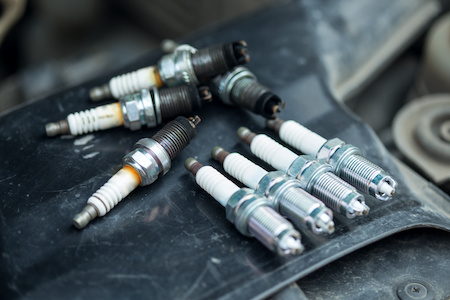
Spark Plug and Ignition System Issues

Persistent engine knock can negatively impact the spark plugs and the entire ignition system. The excessive pressure and heat generated during detonation can cause premature wear on spark plug electrodes, leading to misfires and a further deterioration of engine performance.

Increased Heat and Friction

Engine knock contributes to higher temperatures within the combustion chamber. The increased heat, combined with friction from the forceful detonations, accelerates overall wear on engine components. This can lead to a reduction in engine efficiency and an increased likelihood of component failure.

Reduced Fuel Efficiency

As engine knock compromises the efficient combustion of fuel and air, the engine has to work harder to maintain performance. This increased workload results in higher fuel consumption, leading to reduced overall fuel efficiency.

Catalytic Converter Damage

The heightened temperatures caused by engine knock can harm the catalytic converter. Over time, this may lead to a decline in efficiency and functionality, potentially triggering the illumination of the “check engine” light and necessitating costly repairs.

Engine Knock Feedback Loop

If left unaddressed, engine knock can create a feedback loop of damage. For example, damaged pistons and cylinders can lead to irregular combustion, further exacerbating engine knock and accelerating the wear and tear on various components.

Costly Repairs

The cumulative effects of engine knock can result in substantial and expensive repairs. Rebuilding or replacing damaged engine components, such as pistons, connecting rods, or the entire engine block, can be a significant financial burden.

What’s coming from underneath your hood?

Being a proactive driver means paying attention to every little detail. When something sounds off, it probably is. 

That’s when it’s time to bring your vehicle in for an inspection. That’s when we can discover what’s wrong before it becomes a more serious issue. 

How can we help you today? 

Filed Under: Car Maintenance, Engine, Tips & Tricks Tagged With: Engine Knock

  • « Previous Page
  • 1
  • …
  • 16
  • 17
  • 18
  • 19
  • 20
  • …
  • 101
  • Next Page »

Express Car Care
4200 E. Evans Ave. Denver, CO (map)
Phone: (303) 691-2760
Located just southeast of the Colorado Light Rail station

Follow Us Today!

  • Facebook
  • RSS

Shop Hours

Monday: 8:00AM – 5:00PM
Tuesday: 8:00AM – 5:o0PM
Wednesday: 8:00AM – 5:00PM
Thursday: 8:00AM – 5:00PM
Friday: 8:00AM – 5:00PM
Saturday: Closed – A note from the owner
Sunday: Closed

Last car oil change time  – 5:00PM

Click for the BBB Business Review of this Auto Repair & Service in Denver CO

Recent Articles

Why Your Check Engine Light Keeps Coming On—And What to Do About It

Why Your Check Engine Light Keeps Coming On—And What to Do About It

You’re cruising down I-25 or pulling into your favorite coffee shop when you see it—the amber engine icon lighting up your dashboard. Again. The check engine light is one of the most misunderstood … [Read More...]

  • How to Get the Most Mileage Out of Your Tires in Colorado
  • How a Local Mechanic Can Provide Better Service Than a Dealership
  • How to Deal With Car Noises That Only Happen When You Turn
  • Why Regular Belt and Hose Inspections Save You from Major Repairs
  • How Our Long-Term Staff Brings Confidence to Your Car Care

Search Our Site

Brakes Service

How to Know If It’s Time to Replace Your Brake Rotors

The Hidden Dangers of Driving With Low Brake Fluid

Denver Driving Conditions and What They Mean for Your Brakes

Oil Change

Top Benefits of Getting Regular Oil Changes in Denver

Oil Change Specials in Denver: Save Money and Keep Your Car Running Right

Why Regular Oil Changes Are Crucial for Denver Drivers

Suspension

How to Know If Your Car Needs Suspension Repair in Denver’s Bumpy Roads

A Guide To Understanding Bushings on a Car

Tips for Preventing Wear and Tear on Your Car’s Suspension

Transmision Service

How Often Should You Service Your Transmission in Denver?

Transmission Trouble? Common Signs and When to Visit Our Denver Shop

How to Prevent Common Issues with Automatic Transmissions

Engine Service

Everything You Should Know About Your Vehicle’s Timing Belt

Is Your Car Hesitating During Acceleration?

How to Troubleshoot a Rough Idling Engine

Auto Tips & Tricks

How to Deal With Car Noises That Only Happen When You Turn

Top 5 Maintenance Tips for High-Mileage Vehicles

Why Tire Pressure Matters More Than You Think

"Denvers Best Auto Repair and Quick Lube" - Copyright © 2025 - 4200 E. Evans Ave. Denver, CO 303-691-2760