• Home
  • Denver Auto Repair Services
    • Full Service Oil Change
    • Expert Mechanics
      • Expert Honda Mechanics
      • Expert Toyota Mechanics
      • Expert Subaru Mechanics
    • Automatic Transmission
    • Fuel System Cleaning
    • Radiator Flush Service
    • Wiper Blades
    • Air Filter
    • Cabin Air Filter
    • Gearbox Service
    • Brake Repair
    • Clutch Repair
    • CV Boots
    • Tune-Up
    • Steering & Suspension
    • Tires
  • Auto Diagnostic
  • Contact Us
    • About Us
  • Shop Specials
  • Testimonials
  • Blog
  • 303-691-2760

Express Car Care of Denver

"Denver's Best Auto Repair and Quick Lube"

  • Brake Service
  • Car Maintenance
    • Heating-Air Conditioning
    • Suspension
    • Transmission
    • Engine
    • Tires
  • Oil Change
  • Tips & Tricks

Fuel Injection Cleaning Service

September 17, 2011 by Denver Express Car Care Leave a Comment

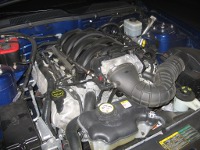
Maintaining our vehicles properly is the only way to ensure peak engine performance and good fuel economy.  Having a fuel injection cleaning service is sometimes overlooked but it is an important part of maintaining your car’s engine.

The fuel injector is a small engine part that injects fuel where it needs to go, at a rate that is best suited for your car.  When it’s in perfect condition, the fuel injector filters out debris that is not good for the engine and also allows the filtered fuel to be used by the engine correctly.  When fuel injectors are dirty, they can’t deliver the correct spray required for your car’s combustion, so your fuel economy and engine performance will suffer.  Fuel injectors get dirty over time because some chemicals in the gasoline don’t evaporate or get washed away and they leave deposits on the injectors. These deposits build up and if they aren’t removed they will clog the injectors.  If your car is misfiring or idles rough, it could be a sign it might need a fuel injection cleaning.

There are different ways of cleaning fuel injectors.  One is to add a fuel injector cleaner to a tank of gas every once in awhile to clean them.  Another way is to have the fuel injector removed, cleaned and serviced professionally.  This is the better method because as well as cleaning, you can also have repair work done on the injector if it’s needed.  It’s important to have your fuel injectors serviced once a year.  When you use an in-tank method of cleaning your injector you are unable to see the condition of the filters, O-rings and other parts of the injector.  All these parts wear out eventually and can cause problems if not replaced.  Also only using the in-tank method can damage parts of the injectors.  When you have a professional fuel injection cleaning service, your mechanic checks the filters, O-rings and other parts to see if they need to be replaced and then replace them if needed.  Though this method may be more expensive and time consuming, it is usually the best cleaning process.

For all of your Denver Auto Repair needs, trust Express Car Care. Call (303) 691-2760 or stop by our shop today.
Filed Under: Car Maintenance, Denver Auto Repair Tagged With: Fuel Injection Cleaning Service

Winterizing A Car

September 10, 2011 by Denver Express Car Care Leave a Comment

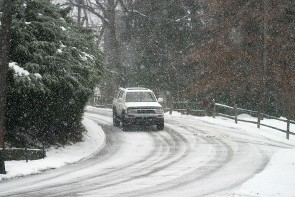
We have all heard the saying “all good things must come to an end” and unfortunately this saying is true when it comes to the summer weather.  Summer weather is leaving and winter is on its way!  That means it is time for winterizing our car.  Because of our modern technology, winterizing a car isn’t the major hassle it once was, but it still needs to be done!  These are some simple steps to take for winterizing a car.

Have Your Car Serviced- The oil in your engine needs to be changed regularly to keep your car running smoothly, so if you haven’t had your oil changed, do it now.

Have Your Cooling System Flushed- Your car’s cooling system not only keeps the engine from overheating but also from freezing, so it’s important to flush the system and have it replaced with fresh coolant.

Have the Battery Serviced- Your battery cables, terminals, and fluid should be thoroughly inspected for any damage or wear.  It should also be checked to make sure it has the ability to hold a charge, so you are prepared for the colder weather.  If your battery is more than 4 1/2 years old, consider replacing it.

Replace the Windshield Wiper Blades– Your wiper blades should be replaced with snow blades and make sure there is windshield washer fluid in the windshield washer reservoir.  Don’t use plain water, it will freeze.

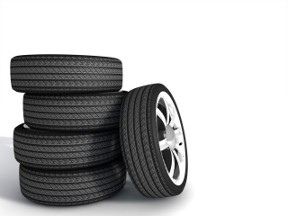
Have Your Tires Checked-Your tires should be checked to make sure they are in good condition for winter weather.  You may want to consider using snow tires during the winter months, they do a much better job than an all-weather tire in the snow.

Have Your Brakes Checked– There is nothing more frightening than trying to stop in bad weather and not having your brakes do their job.  If you haven’t had your brakes checked in the last six months, now is a great time to do it.

Those are the major steps that should be completed in winterizing a car but there are some small details you should do also.  Put together an emergency kit for your car with a blanket, gloves, ice scraper, a small snow shovel, flashlight and kitty litter ( for traction in snow).  Check the lights, heater and defroster to make sure they are working properly and have them repaired if not.  You should also keep your gas tank as full as possible to prevent moisture from freezing in the gas lines.

For all of your Denver Auto Repair needs, trust Express Car Care. Call (303) 691-2760 or stop by our shop today.
 

Filed Under: Car Maintenance, Denver Auto Repair, Tips & Tricks Tagged With: Winterizing A Car

When Do You Replace Tires

September 3, 2011 by Denver Express Car Care Leave a Comment

Your ability to control your vehicle depends on the traction between your tires and the road.  Tires don’t need to have tread designs or much tread depth to give you traction on a dry road, but tires do require tread designs to generate traction on wet, slushy or snow-covered roads.

A tread design is necessary to direct water and slush from between the tire and the road, as well as provide edges that cut into the snow.  When water collects on the road surface during a rainstorm, the depth of the water, the speed you are driving and your car’s weight, along with the tires’ tread design and depth, are all factors in determining when and if the tires will stop the car quickly or force it to hydroplane or float.    

It isn’t difficult to understand that the tread on tires will wear away over their life and the volume of their tread grooves will be reduced.  This is a gradual process and you may not notice it day-to-day, but eventually there will be a time when you notice your car slip in the snow or hydroplane in the rain or just not stop quickly when the road is wet.

So when do you replace tires?  If rain and wet roads are your main concern, it’s recommended you replace your tires when they reach approximately 4/32″ of remaining tread depth.  Since water can’t be compressed, you need enough tread depth to allow the rain to escape through the tire’s grooves.  If the water can’t escape fast enough, your vehicle’s tires will be forced to hydroplane on top of the water, losing traction and increasing your stopping distance.

If you drive on snow-covered roads you should replace your tires when they reach approximately 6/32″ of remaining tread depth so you can maintain good mobility.  You need more tread depth in snow because your tires need to compress the snow in their grooves and release it as they roll.  If there isn’t sufficient tread depth, the “bites” of snow your tires can take on will be reduced and your vehicle’s traction and mobility will be sacrificed.

While replacing your tires before they are completely worn out may not seem to be very economical, it is far less expensive than repairing your car after you’ve had an accident because your tires needed to be replaced and weren’t!

When you replace the tires on your vehicle it is recommended that you replace all four tires at the same time and also have your car checked to make sure it is aligned properly.  All these steps will give you longer life for your replacement tires.

For all of your Denver Auto Repair needs, trust Express Car Care. Call (303) 691-2760 or stop by our shop today.

Filed Under: Denver Auto Repair, Tires Tagged With: When Do You Replace Tires

How Often Should I Change My Automotive Brakes?

August 27, 2011 by Denver Express Car Care Leave a Comment

This month we have been talking about brakes and we are often asked the question, “how often should I change my automotive brakes?”  Here are a couple of things to consider. 

Brake Pads

Brake pads typically come with a warranty – you may see a lifetime warranty, or more commonly, a warranty based on mileage, such as a 10,000 mile warranty.  Lifetime warranties aren’t meant to last a car’s lifetime.  Auto parts manufacturers use that terminology because brake pads do last a long time, but most car owners will trade and purchase a new car long before their brake pads need replacing.

Regardless of the terminology, it’s more important to listen to your car instead.  When you apply the brakes, you can hear the sounds of a worn brake pad.  If you hear a grinding noise or a squeak, its time to replace the brake pads, regardless of the mileage.

Rotors

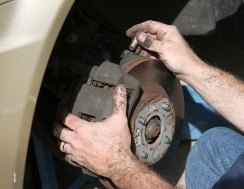
Brake rotors, or brake discs, are what your vehicle’s brake pads clamp down on, and what stops the wheels from spinning.  Like brake pads, there are different types of rotors, depending on your car and driving needs.

Unlike brake pads, rotors do not need to be changed on a regular basis, and should last indefinitely if you provide regular maintenance routines on your automobile.  Rotors will be damaged if you allow your brake pads to wear down, and drive without the use of pads for an extended period of time.  The grinding noise you begin to hear from the brake pads is an indication of the screws in the base of the brake pads grinding into the groove of your rotor.  The more it continues to grind, the greater your chance of having to replace your rotors.

Do you want to keep your automotive brakes in top condition?  Have them checked and replaced on a regular basis.

For all of your Denver Auto Repair needs, trust Express Car Care. Call (303) 691-2760 or stop by our shop today.
Filed Under: Brake Service, Denver Auto Repair Tagged With: How Often Should I Change My Automotive Brakes

Service Brake System

August 20, 2011 by Denver Express Car Care Leave a Comment

If it’s time to service your brake system you will notice the following symptoms and conditions:

  • Soft or spongy brake pedal
  • Brakes not working properly
  • Manufacturers recommendation

Once it has been determined that you need to service the brake system on your vehicle, a skilled technician will perform the following procedure:  

  • Remove all of the existing brake fluid in the master cylinder using a specialized brake fluid service system.

This brake fluid service system, which is connected to all four wheels at the same time, will refill the master cylinder with high quality new brake fluid after the old brake fluid has been completely flushed from the entire brake system.  The old contaminated brake fluid is removed at each wheel until new brake fluid has completely filled the system.

Your brake system benefits from this service because as brakes are used they generate heat and the brake fluid needs to remain liquid, without boiling, to operated properly.  Over time, brake fluid can become contaminated.  Contaminants, including moisture can lead to early failure of brake components.  The moisture absorbed by the brake fluid causes the brakes to feel soft, spongy, or not work properly.

The brake system is the most important safety system on your car.  By regularly changing the fluid in your brake system you can improve the performance of the brake system and reduce the chance of costly repairs due to brake failure from brake fluid contamination.  The contamination and deterioration of the brake system can be a gradual process.  While you may not notice any problems, it is a good idea to take preventative care of your brake system to help prevent future costly repairs.

For all of your Denver Auto Repair needs, trust Express Car Care. Call (303) 691-2760 or stop by our shop today.
Filed Under: Brake Service, Denver Auto Repair Tagged With: Service Brake System

Brake Specialist – Understanding How Your Brakes Work

August 13, 2011 by Denver Express Car Care Leave a Comment

When you’re driving in your car, and push down on the brake pedal, we unconsciously know it’s going to work.  But how does it work?  And more importantly, what do you watch for to make sure they keep working for you?  Those are questions a brake specialist deals with every day.   

Your car’s brake system is a complex system of parts and components that spreads all along your car.  The easiest way to avoid brake failure is to maintain your car, and to listen to your car’s system regularly.  Your brakes squeak, click and grind – its just a matter of listening and discovering when the noise changes.  And using a brake specialist to keep you on a regular maintenance schedule.

In your car, the brake pedal is connected to the pistons, and the pistons are connected to the brakes.  Your car will have two sets of brakes:  disc front brakes and drum rear brakes.  In both sets, friction is used to control and stop the car when you require them.  Several things can interfere with the friction, leading to failure:

  • An oil leak can eliminate the friction within the braking system
  • If brakes routinely overheat, they can create hard spots in the brake rotors or drums.  These hot spots resist friction, reducing the grasping mechanism within the brake system.
  • A squeaking noise can indicate thin or wearing brake pads.  Replacing brake pads early can prevent future maintenance.  If pads wear down  to the rotors, it can cause further damage, and cost even more to replace.

Take notice of your cars messages.  Your anti-lock brake system (ABS) light will come on at the first sign of damage.  You may also start hearing squeaking or grinding noises when you apply the brakes.  Or you begin to feel a pulse in your brake pedal, or a pull or grab to one side or the other during the braking process.

Instead of waiting or ignoring the problem, check in with your brake specialist today.


For all of your Denver Auto Repair needs, trust Express Car Care. Call (303) 691-2760 or stop by our shop today.

 

Filed Under: Brake Service, Denver Auto Repair Tagged With: Brake Specialist

Colorado Celebrates

July 30, 2011 by Denver Express Car Care Leave a Comment

We are very fortunate to live and work in a great state! I was born and raised in Colorado and I can’t picture myself living anywhere else.  As Colorado celebrates its entry into the Union on August 1, I thought I would share some Colorado history with you so you can celebrate as well.

Colorado was first visited by Spanish explorers in the 1500s.  The origin of the states name, Colorado, comes from the Spanish, “ruddy” or “red”.  They might have called it that because of all the “red” soil that can be  seen throughout our state.

The United States obtained eastern Colorado as a part of the Louisiana Purchase in 1803, then in 1845 the central portion was admitted with Texas.  The western part was obtained in 1848 as a result of the Mexican War.  But Colorado didn’t become a state until August 1, 1876 when it became the 38th state to join the Union.

In 1890 the first governor, John L. Routt, was elected and on July 4, the cornerstone of the State Capitol in Denver was laid.  The population of the state at that time was 413,249.

In 1908 on August 1, Colorado Day is celebrated for the first time, marking the thirty-second anniversary of Colorado’s admittance to the Union.  The Dome of the State Capitol was plated with gold leaf at a cost of $14,680.

In 1920 our population had grown to 939,629 and a year later the state began building concrete highways on its main routes.  From 1945-1950 military installations and scientific institutions continue to develop and many veterans relocated to Colorado.  These changes brought a steady increase in the population.

During the 1950’s and 60’s, the tourist and ski industries blossomed. Maybe because Colorado has the highest average elevation of any state and more than 1,000 peaks over 10,000 ft. high and 54 above 14,000 ft.  Our mountains are beautiful!   In 1960 Colorado got the Denver Broncos professional football team. And you football fans know that the Broncos later won two Super Bowls.

In the 1970’s and 80’s we had tremendous growth in Denver suburbs and with that growth came traffic problems and the “brown cloud”.  Coloradans became concerned over the consequences of pollution and “overselling” Colorado.  During the 1980’s and 1990’s there was major growth of technological industries and the population continued to increase.

Colorado once was primarily a mining and agricultural state, now our economy is driven by the service industries, and other business and professional services, which we here at Express Care, are proud to be a part of.  As Colorado celebrates being a part of these United States, we celebrate being able to serve our community in this great State we call home!

For all of your Denver Auto Repair needs, trust Express Car Care. Call (303) 691-2760 or stop by our shop today.

 

Filed Under: Denver Auto Repair, Events Tagged With: Colorado Celebrates

Auto Repair Questions to Ask Your Repair Technician

July 23, 2011 by Denver Express Car Care Leave a Comment

Today’s cars are more complicated than ever, using computers and sensors to run virtually everything within your car.  From navigational systems, to videos, and even WiFi connectivity, when something goes wrong, it can have a major impact on your daily life.

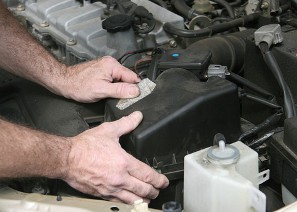
Your automobile is a big investment.  And with today’s increasing technology, even a small repair can be a big investment as well.  It’s important to find an auto repair technician you can trust.  Someone who will give you honest feedback on the condition of your vehicle, and what your options are.  Here are some questions to ask your repair technician before you leave your car:

  1. How safe will my car be?  Certain cars are more susceptible to theft and break-ins.  Will they keep your car safe and locked up if you have to leave it overnight?  Do they have an alarm system in place and a well lit area?
  2. How much experience do you have?  Review the credentials of your auto repair technician, as well as the qualifications of the company as a whole.  A company should stand behind their work, no matter what technician works on your car, and should guarantee the work they perform.
  3. What type of certification do you have?  Again, both the company and the technician should have certification to work on vehicle.  Find out if your auto technician is ASE certified or has comparable training.  Ask if mechanics have received updated training that supports the technological advances found in today’s cars.
  4. Is there a guarantee policy and what are the conditions under which it is implemented?  While every good mechanic strives to offer the best service possible, occasionally something may happen with the work performed.  Find out what the guarantee policy is.
  5. Do you have a web site, and do you post specials or discounts?  If there are discounts, is it necessary to clip coupons to receive the discounted price?

The better working relationship you have with your auto repair technician, the more you can rely on them to answer questions, and keep your car in top shape.  They are there as a resource for you, not simply to repair your car.  They build their business by being an expert, and sharing their expertise with you.  Just ask.

For all of your Denver Auto Repair needs, trust Express Car Care. Call (303) 691-2760 or stop by our shop today.
Filed Under: Car Maintenance, Denver Auto Repair Tagged With: Repair Technician

Oil Change Special

July 16, 2011 by Denver Express Car Care Leave a Comment

Regular maintenance is a part of the life of your car.  If you do just a few things on a regular schedule, you can avoid larger problems down the road.

Regular Scheduled Oil Change

At the top of this important list of  regular maintenance services  is the oil change.

Changing your oil regularly prevents the formation of sludge.  Fresh oil is used within the engine to clean away dirt particles, keeping them from settling onto the engine.  With regular changes, the particles are removed before they can begin to cause a problem.

In the same manner you visit your doctor for a routine checkup once a year, the auto industry has recommended that once every 3,000 miles your car has an oil change.  These guidelines provide you with a regular interval, and helps extend the life of your engine.

Different dealers and auto repair shops offer different services when you purchase an oil change.  Here at Express Care, we offer our Express Care Full Service oil change.  This includes:

  • Draining used oil and refilling with motor oil.
  • Installing a new oil filter

Plus we check and fill the following:

  • Lubricate your vehicle
  • Transmission fluid
  • Power steering fluid
  • Battery water
  • Windshield washer fluid
  • Antifreeze/coolant
  • Differential fluid
  • Transfer case fluid
  • Tire pressure

In these tough economic times, it’s so important that we take care of our vehicles properly so we don’t have to spend a lot of money to repair or replace them.

Right now we’re offering an oil change special to help you do just that!  Go to our home page and click on Shop Specials for an online coupon that offers savings on a full service oil change.

For all of your Denver Auto Repair needs, trust Express Car Care. Call (303) 691-2760 or stop by our shop today.

Filed Under: Car Maintenance, Denver Auto Repair, Oil Change Tagged With: Oil Change Specials

Transmission Troubleshooting

July 2, 2011 by Denver Express Car Care Leave a Comment

Your transmission is the one piece of equipment that is multi-faceted.  It controls everything from shifting your car from gear to gear, to controlling how fast you are going.  While you may never change out a transmission or spend time learning how it works, there are some tips to help you with transmission troubleshooting, and knowing when its time to call in a mechanic.

While there are many pieces that make up a standard automatic transmission system, all transmissions have a few basic parts.

  • The bell housing, or metal case that sits underneath your car
  • The gears
  • The transmission fluid
  • A filter to keep the transmission operating properly

You’ll usually notice a problem with your transmission in one of two ways.  Either your car will simply stop, or it starts running roughly.  These two problems are generally caused by:

  • Low fluid level, which causes your car to shift poorly, and can eventually lead to transmission damage.
  • A leak within the system.  This is usually easy to spot because transmission fluid has a red tint.
  • A clogged filter, which limits the cars performance.

Because of the many parts associated with a transmission, and the specialized tools you’ll need for troubleshooting and fixing, it’s usually best to leave it  up to a professional.  A professional understands what can be causing the problem, and can usually spot the problem quickly.  They will test a variety of things before moving on to a rebuild or replacement.

For all of your Denver Auto Repair needs, trust Express Car Care. Call (303) 691-2760 or stop by our shop today.

Filed Under: Denver Auto Repair, Transmission Tagged With: Transmission Troubleshooting

  • « Previous Page
  • 1
  • …
  • 13
  • 14
  • 15
  • 16
  • 17
  • Next Page »

Express Car Care
4200 E. Evans Ave. Denver, CO (map)
Phone: (303) 691-2760
Located just southeast of the Colorado Light Rail station

Follow Us Today!

  • Facebook
  • RSS

Shop Hours

Monday: 8:00AM – 5:00PM
Tuesday: 8:00AM – 5:o0PM
Wednesday: 8:00AM – 5:00PM
Thursday: 8:00AM – 5:00PM
Friday: 8:00AM – 5:00PM
Saturday: Closed – A note from the owner
Sunday: Closed

Last car oil change time  – 5:00PM

Click for the BBB Business Review of this Auto Repair & Service in Denver CO

Recent Articles

5 Reasons to Choose a Local Family-Owned Auto Shop Over a Big-Box Garage

5 Reasons to Choose a Local Family-Owned Auto Shop Over a Big-Box Garage

We get it—you see a big-chain auto repair shop with flashy signs, weekend hours, and a recognizable brand. It’s tempting. But bigger isn’t always better, especially when it comes to something as … [Read More...]

  • The Top Reasons Your Car Might Be Stalling and How We Fix It
  • How to Keep Your Brakes Quiet, Responsive, and Safe
  • Why Your Vehicle Deserves a Full Multi-Point Inspection This Season
  • Car Gifts For Road Trippers: Essential Take-Alongs To Make Your Road Trips Safer
  • How Denver’s Climate Affects Your Car Battery

Search Our Site

Brakes Service

How to Keep Your Brakes Quiet, Responsive, and Safe

Everything You Need To Know About Replacing Your Brake Pads

How to Know If It’s Time to Replace Your Brake Rotors

Oil Change

Top Benefits of Getting Regular Oil Changes in Denver

Oil Change Specials in Denver: Save Money and Keep Your Car Running Right

Why Regular Oil Changes Are Crucial for Denver Drivers

Suspension

How to Know If Your Car Needs Suspension Repair in Denver’s Bumpy Roads

A Guide To Understanding Bushings on a Car

Tips for Preventing Wear and Tear on Your Car’s Suspension

Transmision Service

How Often Should You Service Your Transmission in Denver?

Transmission Trouble? Common Signs and When to Visit Our Denver Shop

How to Prevent Common Issues with Automatic Transmissions

Engine Service

Everything You Should Know About Your Vehicle’s Timing Belt

Is Your Car Hesitating During Acceleration?

How to Troubleshoot a Rough Idling Engine

Auto Tips & Tricks

How to Deal With Car Noises That Only Happen When You Turn

Top 5 Maintenance Tips for High-Mileage Vehicles

Why Tire Pressure Matters More Than You Think

"Denvers Best Auto Repair and Quick Lube" - Copyright © 2025 - 4200 E. Evans Ave. Denver, CO 303-691-2760