• Home
  • Denver Auto Repair Services
    • Full Service Oil Change
    • Expert Mechanics
      • Expert Honda Mechanics
      • Expert Toyota Mechanics
      • Expert Subaru Mechanics
    • Automatic Transmission
    • Fuel System Cleaning
    • Radiator Flush Service
    • Wiper Blades
    • Air Filter
    • Cabin Air Filter
    • Gearbox Service
    • Brake Repair
    • Clutch Repair
    • CV Boots
    • Tune-Up
    • Steering & Suspension
    • Tires
  • Auto Diagnostic
  • Contact Us
    • About Us
  • Shop Specials
  • Testimonials
  • Blog
  • 303-691-2760

Express Car Care of Denver

"Denver's Best Auto Repair and Quick Lube"

  • Brake Service
  • Car Maintenance
    • Heating-Air Conditioning
    • Suspension
    • Transmission
    • Engine
    • Tires
  • Oil Change
  • Tips & Tricks

Car Heater Not Working?

December 19, 2012 by Denver Express Car Care Leave a Comment

Is your car heater not working?  Now is not the time to have problems with a car heater that blows out cold air!  The temperatures are getting colder and should continue to get colder, since the winter weather has only just began.  So it is very important that we take the necessary steps to prevent our car heater from not working or have it repaired if it’s not working.

The car heater uses excess heat from the engine and transfers that heat into the passenger compartment through the heater core.   Some of the heat created by the engine escapes through exhaust, but most of the heat is circulating a mixture of water and coolant.  The coolant or anti-freeze, heats up and flows through the radiator hoses and the heater core,  as the fan blows air through the heater core.  As the air blows through the heater core, it is warmed and warms up the passenger compartment.  If your coolant is low or dirty, it makes it extremely difficult for it to flow through the heater core.  Coolant, like other fluids used in your car, breaks down over time.  So it is important to replace or flush your coolant mixture.  You should have your coolant checked during routine maintenance visits, but it’s also recommended to have a radiator flush done at least once a year.  If your coolant is dirty, it can create a blockage in the heater core.  If there is a blockage in the heater core, the car heater will not work.

If you have had your coolant checked as well as had the heater core checked to make sure it isn’t blocked, and your car heater still is not working, than it might be a more serious problem.  We don’t want anyone to have to spend too much time in a car with no heat, so come in and see us or give us a call at (303)691-2760

Filed Under: Car Maintenance, Heating-Air Conditioning Tagged With: Car Heater Not Working?

Car Winterizing

December 12, 2012 by Denver Express Car Care Leave a Comment

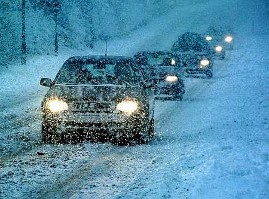
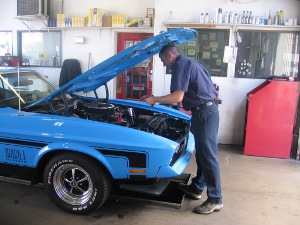
Well, here it is, the snow has finally arrived!  It seems like it has taken its time this year, especially for anybody that enjoys participating in winter sports.  And since the snow has come, it brings with it the task of car winterizing.  Even though you’ve probably heard it all before, it is a task you don’t want to ignore.  Modern technology has simplified car winterizing so it isn’t as difficult as it once was, so there is no excuse for not getting it done.

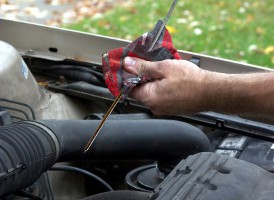
Take your car in and have it serviced.  The oil in your engine needs to be changed on a regular basis in order to keep your car running smoothly, so if you haven’t had an oil change recently, now is the time.

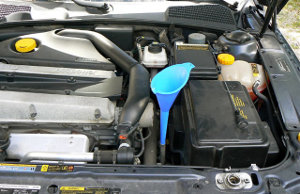
Car winterizing also involves your cooling system.  Now is a good time to have it flushed out.  Your car’s cooling system not only keeps the engine from overheating in the summer but also from freezing in the winter.  It’s very important to flush the system and have the old coolant replaced with fresh coolant.

Your battery cables, terminals and fluid should be thoroughly inspected for damage or wear.  It also should be checked to make sure it is able to hold a charge in the colder weather.  If your battery is more than four years old, you should seriously consider replacing it as a part of the car winterizing process.

Replacing your windshield wiper blades with snow blades and making sure you have enough windshield washer fluid ( not plain water) in the windshield washer reservoir is also important.

Checking your tires to make sure they are in good condition for the winter weather should be part of your checklist.  You may want to consider using snow tires during the winter months.  They do a much better job than an all-weather tire in the snow.

One of the most important tasks of car winterizing is having your brakes checked!  There isn’t anything more frightening than not being able to stop in the snow when you push on the brake!  If your brakes haven’t been checked out in the last six months, now is a perfect time to have them checked.

Well, that covers the most important tasks in car winterizing, but there are a few smaller details you might want to include, like an emergency kit for your car that includes a blanket, gloves, ice scraper, a small shovel, flashlight and sand or kitty litter, (for traction).  And check the lights, heater and defroster to make sure they are all working properly.  Also keep your gas tank as full as possible to prevent moisture from freezing in the gas lines.

For any of these services or any of your Denver Auto Repair needs, trust Express Car Care.  Call (303) 691-2760 or stop by our shop today.
Filed Under: Car Maintenance, Tips & Tricks

When To Replace Shocks and Struts

November 28, 2012 by Denver Express Car Care Leave a Comment

Although “winter” driving hasn’t been an issue for us yet.   There are plenty of construction zones in the city, where our cars shocks and struts are put to the test.  Knowing when to replace the shocks and/or struts on our vehicles doesn’t have to be difficult. With a little bit of knowledge the decision can almost be made for you.

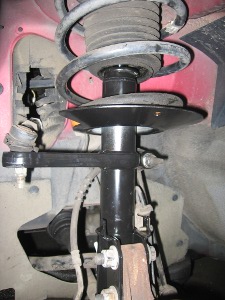
The first thing to know is that not all vehicles have both shocks and struts.  Some vehicles have only struts and some have only shocks.  Shocks are usually a single cylinder in the open and a strut is normally surrounded by the coil spring , creating a  suspension assembly, but both shocks and struts serve the same purpose.  Their main function is to keep your vehicle from bouncing.  Each vehicle has front and rear springs that help to cushion it over rough road conditions.  Shocks and struts are designed to help keep the tires on the road.

Shocks are normally used in the rear suspension on a vehicle, whereas struts are on the front.  Some trucks have shocks on both the front and the rear, but they both achieve the same thing.  They control the action of the spring to resist bottoming out, ( like when you hit a pothole), and keep the movement of the springs under control as they rebound.  Because of all the road construction in our area,  rough roads and potholes are everywhere.  If your car continues to bounce long after you hit a pothole, it might be time to replace the shocks and struts.

Worn out, damaged or leaking shocks and struts need to be replaced.  Leaking is easy to see by looking for oil or wetness on the outside of the shock or strut.  Damage is also pretty easy to see – look for a broken mount, badly dented housing, etc.  Shocks and struts that may be worn out are more difficult to judge, so preventative checkups are the key to avoiding them.  Have your technician check them every time you have an oil change.  Because the damping characteristics of shocks and struts deteriorate gradually over time, if you begin to notice the need for them, it’s usually way past the point when they should have been replaced.  Other signs of when to replace worn shocks and struts.

  • When stopping quickly, does your car rock back and forth several times?
  • When applying your brakes firmly at higher speeds, does your vehicle have a tendency to drift to the left or right?
  • When changing lanes quickly does your car rock or sway from side to side?

A “bounce test” is still a valid way of knowing when to replace shocks and struts.  If the suspension continues to bounce more than one or two times after rocking and releasing the bumper or body, your shocks or struts are worn and need to be replaced.


Filed Under: Car Maintenance, Suspension Tagged With: When To Replace Shocks And Stuts

Creative Ways to Winterize A Car

November 15, 2012 by Denver Express Car Care Leave a Comment

During these difficult economic times and with the holidays approaching, we are all looking for ways to save money.  We have put together some creative ways to winterize a car using common household items that most of us have around the house.  Because we don’t have to buy specialty items, this saves us money!

Using petroleum jelly on your battery terminal caps to stop battery corrosion is recommended by Michael Calkins, the manager of AAA’s Approved Auto Repair Program.  Simply remove the terminal caps and clean any existing corrosion off with a wire brush, then coat the terminals with petroleum jelly.  The jelly forms an airtight seal that wards off salt, slush and mud, all of which cause corrosion on the battery terminals.

Winter driving here in Colorado means snow one day, slush and mud the next.  This can play havoc on our cars and our headlights.  To keep your headlights doing their job, clean them with soap and water,  and then apply a nonabrasive car wax using a soft cloth.  The wax is water-repellent and leaves a barrier that keeps dirt from building up.  It’s recommended to do this once a month.

Have you ever gone out to start your car in the morning and not been able to get the door open because it is frozen shut?  Here is a creative way to prevent this.  Coat the rubber door seals with cooking-oil spray.  It repels the water that would otherwise collect on the rubber seals and freeze, causing the doors to be frozen shut.

Another problem that occurs during the winter is frost accumulating on the inside of our windows, obstructing our view and increasing our chances of having an accident.  A creative way to “winterize” your windows is to dissolve 2 teaspoons of salt in a gallon of water and wipe the inside of the windows and windshield with this mixture.  As the mixture dries, it leaves an invisible layer of salt-which has a low freezing temperature, and will help keep frost from forming on the windows.  This lasts for a month or more.  Don’t use this mixture on the outside of your car, the salt can cause corrosion to the exposed metal.

If you’re one of the people who store a car during the winter months, there is a chance that rodents might try to build a nest in your engine.  A creative way to discourage these little pests from nibbling on wires and making a home in your engine is to tape a peppermint tea bag, away from moving parts, to the engine.  The minty scent will repel rodents and keep them away through the winter.

If you try any of these creative ways to winterize a car, we would like to know how they worked for you.  We appreciate the feedback.

Filed Under: Car Maintenance, Denver Auto Repair, Tips & Tricks Tagged With: Creative Ways to Winterize a Car

Why Is A Car Oil Filter Important?

November 8, 2012 by Denver Express Car Care Leave a Comment

There are many times in our business that we meet customers who don’t understand why a car oil filter is important.  Most of them recognize the importance of quality oil but don’t realize how the oil and oil filter work together to keep their car running.  So why is a car oil filter important?

Oil filters have a very important function and if your oil filter has poor quality, it can shorten the life of your engine and cause other parts to fail as well.  This small part of your car’s lubrication system plays an important role in protecting your engine from premature wear.  All the moving parts in the engine need clean oil to properly lubricate them.  Tiny bits of metal chip off of various engine parts while it’s running.  If these bits of metal are allowed to recirculate through the oil, they could break off other bits of metal, which eventually will cause erosion in the engine.  A quality oil filter helps prevent this erosion from taking place.  The oil filter cleans the oil as it passes through the filter and prevents abrasive contaminants from damaging the parts in the engine.

It is very important to choose a high quality oil filter because the internal construction and quality of the filter has a huge effect on the life of your car’s engine.  Here at Express Care, we use a Wix oil filter.  Wix was patented in 1954 and has been at the forefront of oil filter technology and performance for passenger cars, trucks, buses and off-road vehicles ever since.

One of the standards used to determine the quality of an oil filter is called filtration efficiency or particle size retention.  Particle size retention is the measure of how well a filter can retain particles of various sizes.  Wix has developed optimum filtration efficiency in their filters.  They are able to trap and hold essentially all the particles larger than 25 microns (a human hair measures about 70 microns in diameter.)  These filters can also capture a high percentage of even smaller particles.

Another standard that a quality filter must meet is dirt-holding capacity.  This is the amount of contaminants that can be removed and held by the filter until the filter no longer works.  The capacity of Wix filters is much larger than the minimum requirements that are specified by vehicle manufacturers for a regular oil change interval.

Hopefully these facts help you understand why a car oil filter is important.  A quality oil filter and quality motor oil work together to help our cars run more efficiently.

For all of your Denver Auto Repair needs, trust Express Car Care.  Call us at (303) 691-2760 or stop by and see us.


Filed Under: Car Maintenance, Denver Auto Repair, Oil Change Tagged With: Why Is A Car Oil Filter Important?

Car Maintenance Schedule

October 31, 2012 by Denver Express Car Care Leave a Comment

Even though today is Halloween and you might be bracing yourself for some “frightening” events, a car maintenance schedule doesn’t have to be one of them!  Preparing our car for winter driving shouldn’t be a scary endeavor.  Take a look at this recommended car maintenance schedule and don’t be afraid!

Check the Hoses– Do a visual inspection of the hoses for cracks, leaks,  or loose clamps.  Also feel them to check for spots that might be brittle or spongy, which means they need to be replaced.  Anti-freeze won’t be able to do it’s job if the hoses that carry it through your car’s system are damaged.

  • Flush the Cooling System– The additives contained in the engine coolant (anti-freeze) that lubricate and protect the engine parts from rust and corrosion are depleted over time.  It’s recommended to have the cooling system flushed (old coolant removed) and new coolant added every two to five years depending on your car manufacturer.
  • Test the Electrical System– Have your car’s battery tested and make sure that there isn’t any corrosion on the terminals or clamps.  Check all the cable connections to make sure they are tight.
  • Adjust the Alternator Belt– The alternator is the source of electrical power when your car is running, it also charges the battery.  The alternator belt needs to be adjusted properly.  For older model cars, this needs to be done manually.  Newer cars usually have an automatic tensioner.   Have the belt checked for wear and cracks that signal it’s time to have it replaced.  It’s a good idea to have a trained auto technician do these services.
  • Windshield Cleaning Tools– Make sure the windshield fluid reservoir is filled with a non-freezing solution.  Check the pump and sprayers to see if they are working properly.  If your wiper blades leave spots or streaks, they should be replaced.  You might want to get winter wiper blades that have a rubber boot to prevent ice and snow from building up.
  • Check the Tires– Make sure your tires have an adequate tread depth.  Worn tires should be replaced right away.  Putting snow tires on for the winter is a great idea.  Check the tire pressure.  When the temperature drops, the pressure in your tires will too, so check the tire pressure more often in the winter months than you do in the summer.
  • Brake Inspection and Flush– If you have any existing brake problems, they will get worse in the winter when your traction is reduced.  Have the brakes inspected to make sure they are working properly.  Brake fluid absorbs water and then collects  in the system, it can cause rust, fluid leaks or damage to parts.  To prevent this from happening, most manufacturers recommend that the brake system be flushed every two to three years.  Check your owner’s manual for your car’s recommendations.

Don’t let taking care of your car spook you!  Use this car maintenance schedule and keep your car running smoothly all winter long.

Filed Under: Car Maintenance Tagged With: Car Maintenance Schedule

Best Tires For Snow

October 25, 2012 by Denver Express Car Care Leave a Comment

Well, here it is, the first snow of the season, and it certainly won’t be the last!  Since we live in a state where the winters are very unpredictable, sometimes we have a lot of snow and other times, not so much.  We need to make a smart decision about which are the best tires for us.  All-season tires or snow tires, which do we choose?

Driving in the snow can be the biggest challenge that a driver will ever face.  If our vehicles aren’t equipped with the best tires for snow, we could be in real trouble.  We are driving with less daylight and colder temperatures, as well as in snow, slush, and ice.

Most tire experts, including Tire Rack, say that only dedicated snow tires will actually improve your vehicle’s grip in winter conditions.  All-seasons tires are intended to provide traction in a wide variety of weather conditions but have fallen short in their performances during tests on ice and snow.  An inexpensive snow tire has proven to perform better in ice and snow tests than an all-season tire.

Many of today’s vehicles are also equipped with anti-lock brake, traction control and stability systems that help them get more from their tire’s potential.  But none of these aids actually causes traction, traction is provided by the tires, and snow tires provided better traction than all-season tires.  Although the all-season tire performed well, in driving situations with four-wheel drive or all-wheel drive vehicles the snow tires had a distinct advantage.  The results were especially striking during braking and cornering.  Snow tires improved performance by as much as 20%.

Narrow snow tires are better for driving on ice and in the snow.  They are better at cutting a path through the snow and slush.  It is always best to use the tire size that has been specified for your vehicle.  This information can be found in your owner’s manual or on the sidewalls of the tires that are already on your vehicle.

Once you have decided the best tires for you, make sure you buy four tires.  It was once a common practice to install just a pair of snow tires in the rear of a vehicle, this isn’t recommended now because of all the advanced technology that has gone into the new designs of snow tires.   Putting snow tires only on the rear tires can cause unpredictable handling and could be dangerous.  So don’t scrimp when it comes to your safety!


Filed Under: Car Maintenance, Tires Tagged With: Best Tires For Snow

Synthetic vs. Conventional Oil

October 17, 2012 by Denver Express Car Care Leave a Comment

During these times when we are dealing with the economic crunch as well as concerns over the environment, the answer to a common question has even more significance.  Synthetic vs. conventional oil, which is better?

Conventional oil comes from crude oil that is pumped out of the ground.  The crude oil is refined at an oil refinery and becomes the base stock for conventional oil.  Even though it goes through a refining process, conventional oil still contains small amounts of contaminants that can’t be removed.  Unlike conventional oil, synthetic oils are made through chemical reactions.  Even though they are considered “artificial”, synthetic oils still have the same natural ingredients found in “real” oil, but these ingredients are recombined like a Lego set to create the characteristics desired.  These oils are purer and cleaner, custom designed to provide the “ideal” lubrication. Typically, the best synthetic oils use a combination of up to three different synthetic base fluids.

Because of the higher purity properties of synthetic oil, it can stand up to heat and withstand colder temperatures much better than conventional oil.  This is a huge advantage when you first start your car in the cold weather.

Both synthetic and conventional oil have additives to help prevent sludge and deposit build-up, but synthetic oil also has performance additives that provide superior protection for the life of your engine and in extreme driving conditions such as extremely cold or hot temperatures.

Synthetic oil flows easier in colder weather, so if you live in an area where it gets really cold in the winter, synthetic might be the better choice for you.

Because synthetic oil doesn’t break down as readily as conventional oil, there will be longer intervals between oil changes.  Synthetics can last almost three times longer than conventional oil, but still not forever,  as some people may think.  Eventually the additives in the synthetic will break down just like in the conventional oil and it will need to be changed.

The higher cost of synthetic oil has been a major deterrent for some people, but the fact that they extend drain intervals, provide better fuel economy and reduce engine wear, can offset the cost and make them more economical than you might think.

Take a look at your vehicle’s owner’s manual and see what the recommendations are and then come in and see us or give us a call at (303) 691-2760

Filed Under: Denver Auto Repair, Oil Change Tagged With: Synthetic vs. Conventional Oil

Air Filters In Cars

October 10, 2012 by Denver Express Car Care Leave a Comment

Have you ever gone running during a dust storm?  Most of us know better than to try to run while there is dirt in the air that we can breathe into our lungs.  And just as sucking dirt into your lungs can ruin your ability to run or force you to stop running, if your car’s air filter gets clogged and dirty it will cause your engine to  “lose its breath,” and ruin its ability to run as well.

Cars need about 9,000 gallons of air for every gallon of gas in order to run properly.  Since most of the air surrounding a car comes from the dirty, dusty roads we drive on, we are most certainly  guaranteed that dust particles will be sucked into the engine and cause costly problems, especially if we don’t have air filters in our cars.

Air filters in cars today are manufactured using high-tech cloth or paper and typically trap up to 98 percent of particulate matter.  But even high- quality air filters in cars will eventually become clogged by all the dirt and dust that is trapped, this clogging  drastically cuts down on needed air flow.  When your engine isn’t allowed to ” breathe”  it is robbed of its necessary horsepower as well as fuel economy.  With gasoline prices as high as they are and since they seem to be on the rise, it’s important to have a clean air filter so that you aren’t burning up costly gasoline unnecessarily.  We usually recommend that the air filters in cars be replaced at least once a year for the average driver.  But if you and your car spend a lot of time on the road, the air filter may need to be replaced more often.

For all of your Denver Auto Repair needs come into Express Car Care or call us at (303) 691-2760

Filed Under: Car Maintenance Tagged With: Air Filters In Cars

Car Maintenance Checklist

September 22, 2012 by Denver Express Car Care Leave a Comment

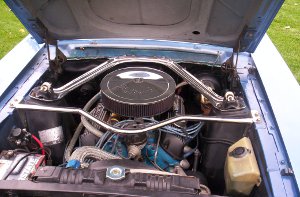
It’s hard to believe that summer has passed, it’s now September, the leaves are changing and it’s time to get our car ready for the changing weather!  This is the perfect time of year to go over your car maintenance checklist and make sure that your car is prepared for the coming winter.

  1. If you haven’t had the oil in the engine of your car changed recently, now is the time to have it serviced.  Regular oil changes are very important in your car maintenance.  Having clean oil in the engine helps to keep your car running smoothly.
  2. Battery Service–  The cables and terminals on your car battery should be thoroughly inspected for wear or damage.  The battery fluid should also be checked along with the batteries ability to hold a charge.  Colder weather can really deplete the battery.  If you’ve had the same battery for 4 years or more, you might want to think seriously about having it replaced.
  3. Check Tires– Your tires should be checked to make sure they are in good condition and will provide the traction you’ll need in the winter months.  Checking for proper tire pressure is another step on our car maintenance checklist.  In some of the newer cars, the tire pressure sensors can be triggered by the colder temperatures.  So if your car’s sensors have alerted you, have the tire pressure checked, so you’re sure the tires have the correct pressure they need.
  4. Replace Windshield Wiper Blades– Proper car maintenance includes replacing worn out wiper blades and refilling windshield washer fluid in the washer reservoir.  You might want to use snow blades during the winter months, they are designed for better snow removal.   Please don’t put plain water into your windshield washer reservoir!  It will freeze and crack the reservoir.
  5. Cooling System Flush–  Your car’s cooling system needs maintenance.  Not only does it keep the engine from overheating but it also keeps it from freezing.  It’s important to have the system flushed and replaced with fresh coolant.
  6. Have Your Brakes Checked-There is nothing more frightening than trying to bring your car to a stop in bad weather and the brakes don’t do their job.  If you haven’t had your brakes checked in the last six months, now is the time to have it done.

Before you know it, the leaves will be off the trees, and the snow will be falling.  Don’t get caught off-guard,  complete your car maintenance checklist today.  Let us help you with all of your Denver Auto Repair needs, you can trust Express Car Care.  Call (303) 691-2760 or stop by our shop today.
Filed Under: Car Maintenance, Denver Auto Repair Tagged With: Car Maintenance Checklist

  • « Previous Page
  • 1
  • …
  • 51
  • 52
  • 53
  • 54
  • 55
  • …
  • 60
  • Next Page »

Express Car Care
4200 E. Evans Ave. Denver, CO (map)
Phone: (303) 691-2760
Located just southeast of the Colorado Light Rail station

Follow Us Today!

  • Facebook
  • RSS

Shop Hours

Monday: 8:00AM – 5:00PM
Tuesday: 8:00AM – 5:o0PM
Wednesday: 8:00AM – 5:00PM
Thursday: 8:00AM – 5:00PM
Friday: 8:00AM – 5:00PM
Saturday: Closed – A note from the owner
Sunday: Closed

Last car oil change time  – 5:00PM

Click for the BBB Business Review of this Auto Repair & Service in Denver CO

Recent Articles

Why Your Check Engine Light Keeps Coming On—And What to Do About It

Why Your Check Engine Light Keeps Coming On—And What to Do About It

You’re cruising down I-25 or pulling into your favorite coffee shop when you see it—the amber engine icon lighting up your dashboard. Again. The check engine light is one of the most misunderstood … [Read More...]

  • How to Get the Most Mileage Out of Your Tires in Colorado
  • How a Local Mechanic Can Provide Better Service Than a Dealership
  • How to Deal With Car Noises That Only Happen When You Turn
  • Why Regular Belt and Hose Inspections Save You from Major Repairs
  • How Our Long-Term Staff Brings Confidence to Your Car Care

Search Our Site

Brakes Service

How to Know If It’s Time to Replace Your Brake Rotors

The Hidden Dangers of Driving With Low Brake Fluid

Denver Driving Conditions and What They Mean for Your Brakes

Oil Change

Top Benefits of Getting Regular Oil Changes in Denver

Oil Change Specials in Denver: Save Money and Keep Your Car Running Right

Why Regular Oil Changes Are Crucial for Denver Drivers

Suspension

How to Know If Your Car Needs Suspension Repair in Denver’s Bumpy Roads

A Guide To Understanding Bushings on a Car

Tips for Preventing Wear and Tear on Your Car’s Suspension

Transmision Service

How Often Should You Service Your Transmission in Denver?

Transmission Trouble? Common Signs and When to Visit Our Denver Shop

How to Prevent Common Issues with Automatic Transmissions

Engine Service

Everything You Should Know About Your Vehicle’s Timing Belt

Is Your Car Hesitating During Acceleration?

How to Troubleshoot a Rough Idling Engine

Auto Tips & Tricks

How to Deal With Car Noises That Only Happen When You Turn

Top 5 Maintenance Tips for High-Mileage Vehicles

Why Tire Pressure Matters More Than You Think

"Denvers Best Auto Repair and Quick Lube" - Copyright © 2025 - 4200 E. Evans Ave. Denver, CO 303-691-2760