• Home
  • Denver Auto Repair Services
    • Full Service Oil Change
    • Expert Mechanics
      • Expert Honda Mechanics
      • Expert Toyota Mechanics
      • Expert Subaru Mechanics
    • Automatic Transmission
    • Fuel System Cleaning
    • Radiator Flush Service
    • Wiper Blades
    • Air Filter
    • Cabin Air Filter
    • Gearbox Service
    • Brake Repair
    • Clutch Repair
    • CV Boots
    • Tune-Up
    • Steering & Suspension
    • Tires
  • Auto Diagnostic
  • Contact Us
    • About Us
  • Shop Specials
  • Testimonials
  • Blog
  • 303-691-2760

Express Car Care of Denver

"Denver's Best Auto Repair and Quick Lube"

  • Brake Service
  • Car Maintenance
    • Heating-Air Conditioning
    • Suspension
    • Transmission
    • Engine
    • Tires
  • Oil Change
  • Tips & Tricks

How To Identify Radiator Blockages

October 10, 2023 by Denver Express Car Care

When you take care of your car, you’ll be less likely to have it fail you when you need it most. 

Imagine being stranded by the side of the road with an overheating engine. Or never leaving home because your car won’t start. 

While problems can occur at any time, a little foresight and guidance can go a long way in keeping your vehicle operations. Your radiator is an important piece of the puzzle. If it’s working well, you’ll be able to drive without issue. If not, radiator blockages can interfere with your daily plans. 

Why Your Car Needs a Radiator

Your vehicle’s engine produces an immense amount of heat while running. If left unchecked, this heat can wreak havoc on your engine, leading to catastrophic damage. That’s where the radiator comes in.

The radiator is a critical component of your car’s cooling system. Its primary job is to dissipate the excess heat generated by the engine. 

Here’s how it works. 

How To Identify Radiator Blockages

The engine’s coolant (a mixture of water and antifreeze) absorbs heat as it circulates through the engine block and cylinder head. This superheated coolant then flows into the radiator, where it passes through a series of tubes and fins. As air passes over these fins, the heat is transferred from the coolant to the air, cooling the liquid down. The now-cooled coolant is recirculated back into the engine to repeat the process.

In essence, the radiator acts as your engine’s temperature regulator, ensuring it operates within the ideal temperature range. Without a properly functioning radiator, your engine could overheat, leading to serious and expensive damage.

Common Symptoms of a Blocked Radiator

Now that you understand the importance of the radiator, let’s learn common signs that may indicate a blocked radiator. Recognizing these symptoms early can save you from significant engine troubles down the road.

High Temperature Readings

One of the most apparent signs of a blocked radiator is consistently high-temperature readings on your car’s temperature gauge. If your engine frequently runs hotter than usual, it’s a clear indication that something is amiss with your cooling system.

Overheating

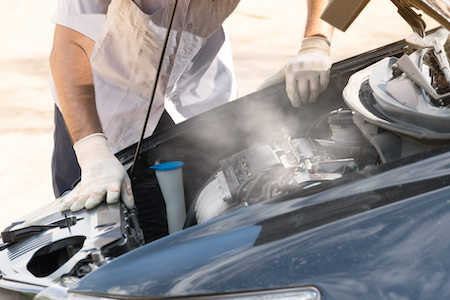
If your car’s temperature gauge veers into the red zone, accompanied by warning lights, steam from the engine bay, or a pungent smell of coolant, you’re in a critical overheating situation. Pull over immediately, as continuing to drive could cause severe engine damage.

Coolant Leaks

Visible coolant leaks under your car are another red flag. Blockages can create pressure within the cooling system, leading to leaks in hoses, the radiator itself, or other components.

Coolant Discoloration

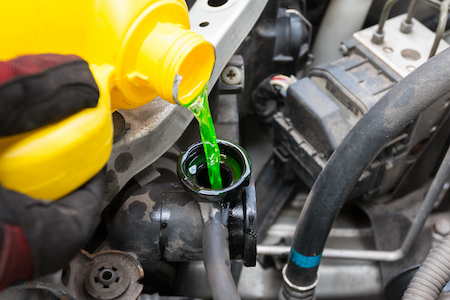
Check your coolant reservoir or radiator for any unusual discoloration. Healthy coolant is typically bright and translucent. If you notice a muddy, rusty, or oil-contaminated appearance, it could indicate a blockage or another issue in the cooling system.

Exterior Radiator Fins Are Blocked

The radiator’s exterior fins play a critical role in dissipating heat. If they’re clogged with dirt, debris, or insects, it reduces their efficiency. Regularly inspect the radiator’s exterior for obstructions.

Damaged Radiator Fins

Inspect the radiator’s exterior fins for any signs of physical damage or bending. Even minor damage can impede airflow, affecting the radiator’s ability to cool the coolant efficiently.

Passenger Heating Isn’t Working

Your car’s cabin heating system relies on the same coolant that circulates through the engine and radiator. If you notice a lack of heat inside the cabin, even when the engine is at operating temperature, it could indicate a blocked radiator.

Water Pump Malfunction

A blocked radiator can put additional strain on your water pump. If you hear unusual noises coming from the pump, such as squeaking or grinding, it may be struggling to circulate coolant effectively due to a blockage.

Damaged Head Gasket

In severe cases, a blocked radiator can lead to engine overheating, causing the head gasket to fail. This can lead to serious and expensive engine repairs.

What Happens if the Radiator Isn’t Working Properly

As with any repair, the sooner you catch it, the greater chance of fixing a minor issue before it escalates to a major problem. If you notice any of the above symptoms, act fast. If not, it could lead to these potential consequences:

Engine Damage

Continued overheating can lead to severe engine damage, including warped cylinder heads, cracked engine blocks, and damaged pistons and rings. Repairing or replacing these components is costly and can leave you without a car for an extended period.

Reduced Fuel Efficiency

An overheating engine can also lead to reduced fuel efficiency. When your engine operates at higher temperatures, it becomes less efficient, causing you to burn more fuel for the same amount of work.

Increased Repair Costs

Ignoring a blocked radiator can result in a cascading effect of damage to other cooling system components, such as the water pump, hoses, and thermostat. This means more extensive and expensive repairs.

Safety Risks

Overheating can lead to engine failure while you’re on the road, potentially leaving you stranded in a dangerous situation or causing accidents.

How to Fix a Blocked Radiator

If there’s a problem, fixing it sooner rather than later will result in getting back on the road faster and without expensive repair bills. Fixing a blocked radiator involves:

Identify the Blockage

Begin by confirming that your radiator is indeed blocked. Check for the symptoms mentioned earlier, including high-temperature readings, leaks, or discolored coolant. Inspect the radiator’s exterior for obstructions or damaged fins.

Cool Down the Engine

Before attempting any repairs, ensure that the engine has cooled down. Opening the radiator cap or attempting to work on a hot engine can result in severe burns. If this is new to you, always let a trained mechanic assist you in repairs.

Flush the Cooling System

If you suspect a blockage, one common fix is to perform a coolant system flush. A mechanic can help you determine if this is necessary to get your car back on the road. 

Clean the Radiator

If the radiator’s exterior fins are clogged with dirt and debris, use a soft brush or compressed air to clean them thoroughly. This helps improve airflow for efficient cooling.

Regular Maintenance: To prevent future blockages, practice routine maintenance on your vehicle. This includes checking coolant levels, inspecting hoses and belts, and changing the coolant according to your manufacturer’s recommendations.

If your radiator is blocked, now is the time to fix it

Cars have thousands of parts that need regular maintenance to ensure they stay in good operating condition. Recognizing the symptoms of a blocked radiator and addressing the issue promptly can save you from costly engine repairs and the headache of unexpected breakdowns. 

Need help? We’re happy to partner with you and keep your vehicle on the road. If you suspect any of these problems, schedule a maintenance visit today. We’ll assess the situation and get to the root cause. We’ll have you back on the road in no time. 

Filed Under: Car Maintenance Tagged With: Blocked Radiator

8 Symptoms of Faulty Spark Plugs and Wires

October 7, 2023 by Denver Express Car Care

If you have a four-cylinder engine in your vehicle, chances are it has four spark plugs, one for each cylinder. For a six-cylinder engine you’ll need six spark plugs. And for an eight-cylinder engine you’ll have eight spark plugs. Of course, there are exceptions. 

Spark plugs are essential components of your engine’s ignition system. They play a crucial role in starting your car and keeping it running smoothly. However, like all parts of your vehicle, spark plugs can wear out over time, leading to various issues. 

What Spark Plugs Do for Your Car

What role do spark plugs play in your vehicle? Spark plugs are small but mighty devices that provide the spark necessary to ignite the air-fuel mixture in your engine’s cylinders. 

This controlled explosion is what powers your car’s engine, generating the energy needed to propel you down the road.

In simple terms, spark plugs are the “lighters” of your engine, igniting the fuel to produce power. When they work properly, your engine runs efficiently, ensuring a smooth ride and optimal fuel economy. However, when spark plugs and wires start to deteriorate or fail, they can cause a range of problems that negatively impact your driving experience.

Common Symptoms of Faulty Spark Plugs

Luckily, spark plugs rarely fail instantly. Instead, they wear down over time, and provide you with warning signs along the way. These are the eight most common symptoms that may indicate they need attention:

8 Symptoms of Faulty Spark Plugs and Wires

Hard-Starting Engine

If you find yourself repeatedly turning the key or pushing the start button without your engine springing to life promptly, it could be a sign of faulty spark plugs. When spark plugs don’t generate a strong enough spark, your engine struggles to ignite the air-fuel mixture, leading to difficulty starting.

Rough Idle

A smooth and steady idle is a hallmark of a healthy engine. If you notice your car’s engine idling roughly or vibrating more than usual, it may be due to misfiring spark plugs. When spark plugs misfire, they disrupt the engine’s combustion process, causing uneven power delivery and a shaky idle.

Coolant Leaks

Surprisingly, spark plugs can also reveal issues with your vehicle’s cooling system. When coolant leaks into the combustion chamber, it can damage the spark plugs. If you notice white, milky deposits on your spark plugs during inspection, this could indicate a coolant leak and a more extensive engine problem.

Check Engine Light Illuminates

Modern vehicles are equipped with sophisticated onboard diagnostics systems that can detect issues in various components, including spark plugs. When your car’s computer senses a problem with the ignition system, it will trigger the check engine light on your dashboard. While the light could indicate various issues, don’t ignore it, as it may be related to your spark plugs.

Consistent Smell of Gas

If you catch a persistent whiff of gasoline inside or near your car, it could be a red flag. Faulty spark plugs can lead to incomplete combustion, causing unburned fuel to exit the tailpipe or linger in the engine, leading to a noticeable gas odor.

Engine Misfires

Engine misfires occur when one or more cylinders in your engine fail to fire correctly. This can result in a noticeable loss of power, rough acceleration, and even a popping or backfiring sound from the exhaust. Spark plugs are often the culprits behind these frustrating misfires.

Engine Knocking

An engine knock or “ping” is an audible noise that sounds like metal rattling or tapping. This unsettling sound can be a symptom of several issues, one of which is faulty spark plugs. When spark plugs don’t fire properly, it can lead to incomplete combustion, causing the engine to knock.

Poor Fuel Economy

A sudden drop in fuel efficiency can be a sign that something is amiss in your engine, and spark plugs are one of the potential culprits. Inefficient spark plugs can lead to incomplete combustion, wasting fuel and causing you to make more frequent trips to the gas pump.

How Long Spark Plugs Last

Like other car parts, spark plugs won’t last forever. The lifespan of spark plugs varies depending on the type of plugs and the manufacturer’s recommendations. In general, you can expect:

  • Copper Spark Plugs are the most basic and least expensive spark plugs, but they have a shorter lifespan, typically around 20,000 to 30,000 miles.
  • Iridium Spark Plugs are higher quality plugs with a longer lifespan, ranging from 40,000 to 60,000 miles or more.
  • Platinum Spark Plugs offer a good balance of performance and durability, lasting around 30,000 to 60,000 miles.
  • Double Platinum Spark Plugs come with two layers of platinum; these plugs can last up to 100,000 miles.

Keep in mind that driving conditions, fuel quality, and your specific vehicle can all influence spark plug longevity. Regular maintenance and routine inspections by a professional can help ensure your spark plugs are replaced at the right time.

Should I Replace Spark Plugs on My Own?

While some automotive enthusiasts might be tempted to tackle spark plug replacement as a DIY project, it’s essential to consider your skill level and comfort with car maintenance tasks. Replacing spark plugs can be straightforward on some vehicles but quite challenging on others. Here are some factors to consider:

Vehicle Make and Model

Some cars have spark plugs that are easy to access, while others may require extensive disassembly to reach the plugs. Check your vehicle’s service manual or consult a mechanic to determine the level of difficulty.

Tools and Equipment

You’ll need the right tools, including a socket wrench, spark plug socket, and a torque wrench, to ensure the plugs are tightened to the correct specifications.

Knowledge and Experience

If you’re unfamiliar with the intricacies of your engine and ignition system, attempting to replace spark plugs on your own can lead to mistakes that may damage your vehicle or void warranties.

Time and Patience

Replacing spark plugs can be time-consuming, especially if it’s your first time. Be prepared to set aside several hours for the job.

If you’re uncertain about your ability to replace spark plugs correctly or your vehicle’s design makes it a challenging task, it’s advisable to seek professional help. A skilled mechanic can efficiently replace your spark plugs, ensuring your vehicle runs smoothly and reliably.

Final Thoughts

Spark plugs play a vital role in your car’s ignition system, and their proper functioning is crucial for smooth and efficient engine performance. Being aware of the common symptoms of faulty spark plugs can help you address potential issues early and prevent more significant problems down the road.

Remember that the lifespan of spark plugs varies depending on factors like their type and your driving conditions, so regular maintenance and inspections are essential. If you’re unsure about replacing spark plugs on your own, don’t hesitate to consult a professional mechanic to ensure the job is done correctly and your vehicle stays in top-notch condition.

How can we help you?

Filed Under: Engine Tagged With: Faulty Spark Plugs

Transmission Repair Options Explained

October 3, 2023 by Denver Express Car Care

Without a transmission, your car wouldn’t go. 

It’s a crucial component that transfers the power generated by the engine to the wheels, allowing the vehicle to move at different speeds and handle various driving conditions. 

There are two primary types of car transmissions: manual and automatic. 

A manual transmission, also known as a “stick shift,” requires the driver to manually engage and disengage gears using a clutch pedal and gear shifter.

The clutch connects and disconnects the engine’s power from the transmission. It consists of a flywheel attached to the engine and a pressure plate attached to the transmission. The clutch pedal is used to engage and disengage the clutch.

The transmission has multiple gears of varying sizes. These gears are organized on parallel shafts: the input shaft (connected to the engine) and the output shaft (connected to the wheels). These devices help match the speed of the gears before engaging them, preventing grinding and damage when shifting.

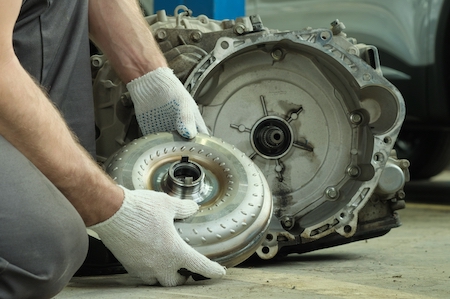
An automatic transmission removes the need for the driver to manually shift gears by using a hydraulic system to change gears based on vehicle speed and throttle input automatically. A torque converter replaces the clutch in manual transmissions. It transfers engine power to the transmission using hydraulic fluid and a system of vanes.

The core of an automatic transmission, is a planetary gearset consisting of multiple interconnected gears that can achieve different gear ratios. The hydraulic system utilizes pressurized fluid to engage and disengage clutches and bands, controlling gear selection.

Valves direct hydraulic fluid flow, determining which clutches and bands engage, based on inputs such as vehicle speed and throttle position.

Whether you drive a manual or automatic transmission, things can go wrong. What should you do? 

What can go wrong with a car transmission and require repair

Cars are complex systems with thousands of parts coming together and creating the vehicle that sits in your garage or driveway today. Likewise, car transmissions are complex mechanical systems, and various issues can arise that may require repair or maintenance. They include: 

Transmission Repair Options Explained

Transmission Fluid Issues

Low fluid levels can lead to poor lubrication, overheating, and increased friction within the transmission, or contaminated transmission fluid can cause slippage, overheating, and damage to internal components.

Transmission Slipping

This can be caused by worn clutches, bands, or a malfunctioning torque converter.

Gear Shifting Problems

Rough or harsh gear changes can result from issues with the shift solenoids, valve body, or the transmission control module. A delay between shifting gears can indicate problems with the shift solenoids, valve body, or fluid pressure.

Transmission Leaks 

Leaks in the transmission system can lead to low fluid levels, causing inadequate lubrication and potential damage to components.

Torque Converter Issues

A malfunctioning torque converter can result in poor power transfer, slipping, overheating, and unusual noises.

Clutch Problems 

In a manual transmission, clutch problems such as a worn clutch plate, pressure plate, or release bearing can lead to difficulty in engaging gears.

Transmission Overheating

Overheating can damage transmission fluid and internal components. It can be caused by issues like low fluid levels, blocked cooler lines, or towing heavy loads.

Electrical and Computer Issues

Modern transmissions are controlled by electronic systems. Problems with sensors, solenoids, or the transmission control module can lead to improper shifting, slipping, or other issues.

Torque Sensor Problems 

Automatic transmissions often use torque sensors to monitor engine power output. Malfunctions in these sensors can affect gear selection and shifting.

Valve Body Malfunctions

The valve body controls the flow of transmission fluid and determines which clutches and bands engage. Issues with the valve body can result in improper gear engagement, harsh shifting, or slipping.

Physical Damage

Accidents or impacts can cause physical damage to the transmission housing, gears, or other components, leading to various problems.

Fluid Contamination

Contaminants in the transmission fluid, such as debris or metal particles, can accelerate wear on internal components and lead to transmission problems.

Wear and Tear

Over time, normal wear and tear on transmission components can lead to reduced performance and shifting issues.

It’s important to note that transmission issues can vary in severity, and prompt diagnosis and repair are essential to prevent further damage and maintain the safe and reliable operation of your vehicle. If you experience any of these problems or notice unusual behavior in your car’s transmission, it’s advisable to have a qualified mechanic inspect and diagnose the issue. 

You have a transmission problem – now what?

Some transmission problems can be repaired. Other issues may reach a severity that requires more extensive fixing. In general, you have several options to move forward:

New Transmission

Installing a new transmission involves replacing the entire transmission unit with a brand-new one. This is typically done with a transmission sourced directly from the vehicle manufacturer or an authorized dealer. Getting a new transmission is a reliable option, as it ensures that all components are brand-new and free from wear or damage. It can be the most expensive option due to the cost of the new unit and the labor required for installation.

Rebuilt Transmission

A rebuilt transmission, sometimes known as a remanufactured transmission, is a unit that has been disassembled, inspected, and rebuilt using new and reconditioned components to bring it back to a like-new condition. The process involves replacing worn or damaged parts, such as clutches, bearings, seals, and gaskets. Rebuilt transmissions are often a cost-effective alternative to new transmissions while still offering reliable performance. They may come with warranties from the manufacturer or remanufacturing facility.

Used Transmission

Opting for a used transmission involves sourcing a transmission from a salvaged or donor vehicle of the same make and model. The used transmission is then installed in your car after any necessary inspections and minor repairs. While this option can be more affordable, there are some risks involved, as the condition of the used transmission might not be fully known. It’s important to work with a reputable supplier and ensure the transmission is thoroughly inspected before installation.

Repaired Transmission

A repaired transmission involves diagnosing the specific issue within your existing transmission and fixing or replacing only the components causing the problem. This can range from repairing a damaged solenoid or valve body to fixing a leaking seal. Repairing a transmission is often the least expensive option, but its viability depends on the extent of the damage and the overall condition of the transmission. It’s essential to work with a skilled mechanic who can accurately diagnose the problem and perform effective repairs.

Have a transmission problem? Which is the best repair route for you?

There isn’t a “right” way of fixing every transmission problem you may encounter. Instead, there are many approaches to ensure your vehicle is safely back on the road. 

When deciding which approach to take, factors such as the severity of the transmission problem, your budget, the vehicle’s age and overall condition, and your future plans should all be considered. Consult with a reputable mechanic or transmission specialist who can assess the specific situation and provide guidance on the most appropriate course of action.

Can we help you with your transmission repair questions? 

Filed Under: Transmission Tagged With: Transmission Repair

Confused About Two-Wheel and Four-Wheel Alignments?

September 28, 2023 by Denver Express Car Care

Alignment is a word we hear quite frequently. Your chiropractor will ensure your spine is in alignment for better posture. You may use mindfulness techniques to align your mental health. 

For your car, alignment provides better handling and performance by ensuring your wheels are in optimal condition.  

Yet alignment for vehicles may be marketed in a way that makes them a bit confusing. For physical or mental health, it’s a whole-body experience. Can you really create alignment within your vehicle one wheel at a time? (Hint: the answer is no. Let’s discover why.)

What is Wheel Alignment?

Wheel alignment is the process of adjusting the angles of your vehicle’s wheels to ensure they are parallel to each other and perpendicular to the road. In simpler terms, it’s like making sure your car’s tires march to the same beat.

Proper wheel alignment is crucial for several reasons. 

  • It ensures that your tires wear evenly, extending their lifespan and saving you money in the long run. 
  • It enhances your vehicle’s handling, making it safer to drive. 
  • It boosts fuel efficiency by reducing unnecessary drag caused by misaligned wheels. 

It’s not just about keeping your car looking sharp; it’s also about safety and performance.

What is a Two-Wheel Alignment?

So what about two-wheel alignment? As the name suggests, it involves adjusting only two of your car’s wheels. 

Confused About Two-Wheel and Four-Wheel Alignments?

This procedure focuses on the front wheels, as they bear the brunt of the steering and weight of the engine. During a two-wheel alignment, a technician will measure and adjust the front wheels’ angles, known as camber, caster, and toe.

Camber refers to the vertical tilt of the wheel, with positive camber indicating the top of the wheel tilts outward and negative camber tilting inward. The ideal camber setting depends on your vehicle’s specifications.

Caster involves the angle of the steering pivot when viewed from the side. It influences your car’s stability and steering. Again, the specific caster angle will vary depending on your vehicle.

Toe is all about the alignment of the wheels when viewed from above. Toe-in means the wheels point slightly inward, while toe-out means they point slightly outward. The goal is to have them perfectly parallel.

What is a Four-Wheel Alignment?

Unlike its two-wheel counterpart, a four-wheel alignment process involves adjusting all four wheels. It’s like giving your car a full-body alignment checkup.

In a four-wheel alignment, the technician pays attention to both the front and rear wheels, ensuring they are all properly aligned. This means adjusting the camber, caster, and toe angles for all four wheels.

Four-wheel alignment is especially beneficial for vehicles with independent rear suspensions, where the rear wheels can be individually adjusted. It provides precise control over your vehicle’s alignment, improving handling, stability, and tire wear.

A four-wheel alignment is the way to go if you own a sportier vehicle, an all-wheel-drive car, or a high-performance machine. It ensures that every wheel is harmonious, giving you optimal control and a smoother ride. 

What is a Front-Wheel and Rear-Wheel Alignment?

Occasionally you’ll see the terms front-wheel and rear-wheel alignment mentioned. How do they differ from two-wheel and four-wheel? 

Front-wheel alignment is another name for a two-wheel alignment. The alignment process is performed on the front wheels alone. 

Rear-wheel alignment is somewhat of a misnomer because it typically refers to the alignment of the rear wheels during a four-wheel alignment.

In a rear-wheel alignment, the focus is on the rear wheels’ camber, caster, and toe, just as it is for the front wheels. The goal is to ensure that all four wheels are in sync with each other and with your vehicle’s specifications. So, when you hear someone mention rear-wheel alignment, they’re usually talking about a component of the more comprehensive four-wheel alignment.

Why Do You Need Wheel Alignment?

Wheel alignment benefits you in many ways:

Safety – Misaligned wheels can lead to unpredictable handling and reduced control, especially during emergency maneuvers. Proper alignment enhances your car’s stability and safety.

Tire Life – Wheels that aren’t properly aligned cause uneven tire wear. This means you’ll have to replace your tires more frequently, which can be quite costly over time. Alignment helps your tires wear evenly, extending their lifespan.

Fuel Efficiency – Misaligned wheels create extra resistance, making your engine work harder to propel the vehicle. This results in reduced fuel efficiency. A well-aligned car, on the other hand, rolls more smoothly and requires less effort, saving you money at the pump.

Ride Comfort – If your car’s alignment is off, you might notice vibrations, pulling to one side, or a crooked steering wheel. Proper alignment ensures a smooth and comfortable ride.

How Often Do You Need Wheel Alignment?

Wheel alignment frequency depends on various factors, including your driving habits, road conditions, and the type of vehicle you drive. As a general guideline, having your alignment checked every 6,000 miles or once a year is a good idea. However, you may need it more often if:

  • You hit a pothole or curb hard.
  • You’ve been in an accident, even a minor one.
  • Your steering feels off-center.
  • Your car pulls to one side when you’re driving straight.

Regular inspections can catch alignment issues early, preventing them from becoming more significant problems.

Which Do You Need, Two-Wheel or Four-Wheel Alignment?

Should you opt for a two-wheel or four-wheel alignment? Well, the answer isn’t one-size-fits-all. It depends on your vehicle type, driving habits, and the symptoms you’re experiencing.

Two-Wheel Alignment – This is suitable for most everyday cars with a solid rear axle. If you notice that your steering wheel is off-center or your tires are wearing unevenly, a two-wheel alignment may be all you need. It’s a more budget-friendly option that addresses the front wheels’ alignment.

Four-Wheel Alignment – A four-wheel alignment is your best bet if you drive a sportier vehicle, an all-wheel-drive car, or anything with independent rear suspension. It ensures all four wheels are perfectly aligned, providing superior handling, stability, and tire wear.

But don’t worry, you don’t have to decide. A mechanic will evaluate the entire system and make adjustments as necessary. 

Get Your Wheels Aligned Today

Not sure if you need a wheel alignment? Start with a question: When was the last time you had a wheel alignment performed on your car? If you don’t remember, it’s probably time. 

Wheel alignment is a critical aspect of vehicle maintenance that should not be overlooked. It affects not only your safety but also your wallet through tire longevity and fuel efficiency. 

Schedule your appointment today.

Filed Under: Car Maintenance Tagged With: Two-Wheel and Four-Wheel Alignments

Bought a New Car? Car Engine Break-In Best Practices

September 24, 2023 by Denver Express Car Care

Buying a new car is an exciting experience. Upgrading means new technology with more gizmos and gadgets. Better safety measures, and a more comfortable ride. 

Yet before you slip behind the wheel and fall into old patterns, it’s a good idea to develop engine break-in practices before you damage your vehicle. While it might look like it can take on the world, new cars need a little TLC while they settle in. With thousands of parts coming together for the first time, it’s a good idea to give them a break and treat them with kindness. 

The thrill of getting behind the wheel of a brand-new vehicle is incomparable. But as with any new relationship, starting off on the right foot is essential. When it comes to your new car, the initial break-in period is crucial for ensuring its longevity and performance down the road.  

This is where we suggest you begin. 

Get to Know Your New Car

Congratulations on your new car! It’s not just a mode of transportation; it’s a new adventure waiting to unfold. The first step to building a solid relationship with your car is getting to know it inside and out. 

Bought a New Car? Car Engine Break-In Best Practices

Spend some quality time familiarizing yourself with the various components and features. Adjust the seats and mirrors, explore the infotainment system, and get comfortable with the control layout.

And don’t overlook the owner’s manual. It might not be the most thrilling read, but it’s a goldmine of information about your car’s maintenance requirements, recommended fluids, and even troubleshooting tips. It’s like the user manual for a video game – it holds all the secrets to mastering the game of car ownership.

Has it been a while since you’ve driven a new car? You might be pleasantly surprised at the number of advanced driver assistance systems in modern vehicles. These technologies, such as adaptive cruise control and lane-keeping assist, can significantly enhance your driving experience. But they can take some time to understand how these features work. 

Most manufacturers provide tutorials online, and experimenting in a safe environment can help you feel more confident using them on the road. There’s nothing wrong with staying in your quiet local community while you experiment with each system. 

Build Your Toolbox

Just like you wouldn’t embark on a camping trip without the right gear, you shouldn’t hit the road in your new car without the essential tools. You might not be heading into the wilderness, but unexpected situations can arise, and having the right tools on hand can save the day.

An ice scraper is a must-have here in Colorado’s colder climate. You never know what today’s weather will bring, and it’s a good idea to always be prepared. It’s your ticket to a clear windshield on frosty mornings. 

Jumper cables can be a lifesaver when your battery decides to play hard to get. Your car may be new now, but creating your kit now will save you down the road. 

If you drive regularly on more treacherous roads, snow chains can provide the traction you need to conquer icy roads. Do you have a pair that will fit your new ride? 

And let’s not forget about windshield washer fluid – a small thing that can make a big difference in maintaining visibility during messy drives.

Engine Break-In: Gentle Start for Longevity

You wouldn’t sprint a marathon right out of the gate, would you? The same principle applies to breaking in your new car’s engine. The goal of the break-in period is to allow the various components to settle into their optimal positions, ensuring smooth operation for years to come.

During the first 1500 miles or so, avoid pushing the engine to high RPMs. Once you reach this mark, you can gradually vary your speed and RPMs, knowing your car’s engine is in good shape. This helps the engine’s moving parts wear in evenly. While modern engines are designed to be durable, this cautious approach can significantly contribute to your engine’s longevity.

Additionally, don’t be in a rush to rev up a cold engine. Give it a minute to warm up before demanding too much from it. Cold starts can cause extra wear and tear on the engine, impacting its performance over time.

Gentle on the Pedals, Gentle on the Car

The break-in period isn’t just about being kind to the engine. It’s also a good time to be gentle with the other components of your car. This includes the tires, brakes, and shocks. Avoid sudden, aggressive stops or sharp turns that could stress these components.

When you do need to brake, try using a light touch. This not only extends the life of your brake pads but also contributes to a smoother overall driving experience. 

And remember, your tires need a little TLC, too. Keep them properly inflated and rotate them regularly to ensure even wear.

Partnering with a Reputable Maintenance Shop

Maintaining a healthy relationship with your car doesn’t end after the break-in period. Just like any relationship, it requires ongoing effort and attention. 

Finding a trustworthy car maintenance shop can be a game-changer. Look for one with a solid reputation and experienced technicians who know the ins and outs of your vehicle.

Stick to a regular maintenance schedule recommended in your owner’s manual. This typically includes oil changes, fluid checks, and filter replacements. 

Regular maintenance keeps your car running smoothly and helps catch potential issues before they escalate into costly problems. And if you have a relationship with a mechanic you can trust, you’ll be more likely to trust their advice and be more apt to bring your vehicle in at the first sign of a minor problem. 

Tracking for Success

As you dive into the world of car ownership, consider keeping track of your car’s maintenance history. A simple spreadsheet or even a dedicated app can help you stay on top of oil changes, tire rotations, and other essential maintenance tasks. 

This proactive approach can lead to better care for your car, ultimately leading to a longer and healthier life for your vehicle.

And if you do ever sell your car, this can be a valuable tool to make your car more valuable. 

What’s your car engine break-in practice?

Whether this is your first new vehicle or one of many, the journey of car ownership begins with a gentle touch. 

Taking the time to get to know your new car, learning its features, and adhering to best practices during the break-in period can set the stage for a rewarding and long-lasting relationship. Remember, your new car isn’t just a machine; it’s a partner in your daily adventures.

So, buckle up and enjoy the ride – you’re in for an exciting journey with your brand-new car! And if we can be of service, feel free to give us a call.

Filed Under: Tips & Tricks Tagged With: Car Engine Break-In Practices

How Brake Performance Impacts Your Drive

September 21, 2023 by Denver Express Car Care

When you drive, you might not think much about your brakes. You press down on the pedal, and they slow the car down. What else is there? 

A lot. 

When everything is working as designed, brake performance provides control. But when something goes awry, it can impact your drive in a variety of ways. 

What affects car brake performance?

Brake System Components – The components of the brake system itself play a significant role. This includes the brake pads, brake rotors (discs), brake calipers, and brake lines. If any of these components are worn out, damaged, or not functioning properly, it can lead to reduced braking performance.

Brake Fluid – Brake fluid is essential for transmitting the force applied to the brake pedal to the brake components. If the brake fluid is old, contaminated, or has air bubbles in it, it can lead to a spongy brake pedal feel and reduced braking effectiveness.

Braking Technique – How a driver applies the brakes can affect their performance. Abrupt or harsh braking can lead to excessive heat buildup and increased wear on the brake components, potentially reducing their effectiveness over time.

Vehicle Weight and Load – The weight of the vehicle and the load it’s carrying affect the amount of force required to bring the vehicle to a stop. Heavier vehicles or those carrying heavy loads may require more braking force to achieve the same level of deceleration.

How Brake Performance Impacts Your Drive

Speed – Braking at higher speeds generates more heat due to the increased kinetic energy that needs to be dissipated. Brakes are designed to handle a certain amount of heat, but continuous hard braking from high speeds can lead to brake fade, where the braking performance diminishes due to excessive heat buildup.

Road Conditions – The condition of the road surface can significantly impact braking performance. Wet, icy, or slippery roads reduce the friction between the tires and the road, making it harder to stop effectively.

Tire Condition – The quality and condition of the tires affect how well the vehicle grips the road when braking. Worn or improperly inflated tires can reduce braking effectiveness.

Brake Cooling – Brakes generate a lot of heat during braking. Adequate cooling mechanisms, such as ventilation slots, cooling ducts, or larger brake rotors, are necessary to dissipate this heat. Insufficient cooling can lead to brake fade.

Brake Pad Material – Different brake pad materials have varying friction characteristics. Some materials provide better performance in certain conditions but might wear faster. High-performance brake pads might offer improved stopping power but could wear out more quickly in everyday driving.

Maintenance – Regular maintenance, including brake inspections and servicing, is crucial for ensuring optimal brake performance. Worn-out brake pads, damaged components, or inadequate brake fluid levels can all negatively impact braking.

Brake System Design – The design of the brake system, including the size of the brake components and their compatibility with the vehicle’s weight and intended use, can influence overall braking performance.

Want better braking performance? Schedule your maintenance visits. 

Most brake performance issues start with a malfunctioning system. 

Of course, things can still go wrong even when you’re on top of maintenance items. When driving on an open road, you never know what might be in the path ahead. And that can impact your car’s functionality. 

Brake bias and how it impacts brake performance

Brake bias is the braking force distributed between the front and rear wheels of a vehicle. It’s an important aspect of brake system design that impacts how the vehicle behaves under braking. When you bring your vehicle in for a brake bias adjustment, it is to achieve optimal braking performance, stability, and control.

Brake bias, or brake balance, refers to the braking force percentage as it’s applied to the front wheels. This tracks the weight transfer that occurs during the braking process. Front-wheel-drive cars have a 70 to 80 percent brake bias, meaning 70 to 80 percent of the braking force is applied from the front brakes. For a rear-wheel-drive vehicle, it relies on a 60 to 70 percent brake bias. 

The impact of brake bias on brake performance is significant and can affect several aspects of the vehicle’s behavior:

Stability and Control – Proper brake bias helps maintain stability during braking. If the brake force is not properly balanced between the front and rear wheels, the vehicle could experience uneven weight transfer, leading to reduced stability and potentially causing skidding or loss of control.

Traction – Brake bias affects the traction available to each set of wheels. A poorly balanced brake system can result in wheel lockup (when a wheel stops rotating and skids) or reduced braking effectiveness on certain wheels, compromising overall stopping distance.

Lockup Prevention – Brake bias can help prevent wheel lockup. Front-wheel lockup can lead to loss of steering control, while rear-wheel lockup can cause the vehicle to spin. Adjusting brake bias can help avoid these scenarios.

Brake Wear – An unevenly balanced brake system can lead to uneven brake pad and rotor wear. This can result in premature wear on one set of brakes, necessitating more frequent replacement and potentially affecting overall braking performance.

Brake Performance – Brake bias impacts the distribution of braking force across all four wheels. Properly balanced brakes can provide consistent and effective braking performance in various driving conditions.

Brake Temperature – An imbalanced brake bias can lead to uneven heat distribution in the brake system. This could result in excessive heat buildup on certain wheels, potentially causing brake fade and reduced performance.

Your car is a delicate balance of finely tuned components

The next time you slide behind the wheel, you might take a moment and consider how thousands of parts come together to form a finely tuned vehicle that allows you to get where you want to go. 

In most cases, it does so with ease. Its functionality means that even when minor issues start to occur, it’s still designed to do its job well. 

But when things go awry anywhere within the braking system, it can severely limit your braking system’s performance. Regular maintenance can ensure everything stays in peak performance. 

It’s the easiest way to get the most out of your drive. 

Filed Under: Brake Repair, Brake Service Tagged With: Brake Performance

Why Ignoring Car Alignment Issues Can Be Costly

September 18, 2023 by Denver Express Car Care

Remember the last time you hit a pothole, and it rattled your vehicle? You saw it too late to avoid it, but it shook your car hard enough for you to think about long after you drove away. 

Wheels can become misaligned easily as you drive. While they’re designed to be durable, you never know what will cause a problem somewhere within the system. And that can set off a host of chain reactions. 

Why Car Alignment is Important for Your Vehicle

What exactly is car alignment, and why does it matter? Car alignment refers to the adjustment of the angles of your vehicle’s wheels so that they are parallel to each other and perpendicular to the road. Proper alignment ensures your car drives straight, handles well, and maximizes tire life.

While we’d like to think proper alignment holds for thousands of miles, the reality is it can be altered by driving away from the repair shop. We can’t predict what will be in the road, or how it will impact how our car drives. 

When car alignment is misaligned, getting it fixed quickly can stop minor issues from becoming costly fixes. 

What Happens When You Wait Too Long

Imagine driving down the road with your vehicle’s alignment out of whack. The longer you delay addressing this issue, the more consequences you’re inviting into your car’s health.

Why Ignoring Car Alignment Issues Can Be Costly

Uneven Tire Wear

One of the most visible signs of alignment issues is uneven tire wear. Misaligned wheels put uneven pressure on your tires, causing some parts of the tread to wear down faster than others. Uneven tire wear not only shortens your tire’s lifespan but also compromises traction, leading to decreased safety on the road.

Steering Problems

Ignoring alignment can throw your steering out of balance. If you find yourself constantly adjusting the steering wheel to keep the car moving straight, your alignment might be off. 

You might also notice it in the way your steering wheel sits. Glance down at the emblem in the center of the steering wheel while driving straight. If it tips either to the left or right, it’s a sign your vehicle needs a wheel alignment. 

Poor Fuel Economy

Here’s a sneaky way misalignment can hit you in the wallet: poor fuel economy. When your wheels aren’t aligned correctly, your car has to work harder to move forward. This increased resistance can lead to decreased gas mileage, meaning more trips to the pump and more money out of your pocket.

How to Tell If You’re Experiencing Car Alignment Issues

Wheel alignment is important. It’s not difficult to understand why. Yet knowing it and knowing when it should be fixed are two different things. How do you identify those pesky alignment issues before they become bigger problems?

Vehicle Pulls to One Side

Does your car seem determined to veer to the left or right, even when driving on a straight road? If so, it’s a clear sign that your wheels might be misaligned.

Uneven Steering Wheel

Take a look at your steering wheel while driving on a level road. If it’s tilted to one side even though you’re driving straight, it’s time to consider an alignment check.

Loose Steering

Is your steering wheel feeling a bit too loose and wobbly? Misaligned wheels can lead to a lack of responsiveness in your steering, making your vehicle harder to control.

Vibrating Steering Wheel

If you feel vibrations through the steering wheel, especially at higher speeds, it could be an indication of alignment issues or other problems with your tires or suspension.

Uneven Tire Wear

Inspect your tires regularly for signs of uneven wear. If you notice that the tread is wearing down more on one side of the tire than the other, it’s time to schedule an alignment check.

Squealing Tires

Misaligned wheels can cause your tires to squeal as they make contact with the road. This not only sounds unpleasant but also points to a need for alignment correction.

Understanding Alignment

Alignment isn’t just a one-size-fits-all fix. It involves adjusting three key angles:

Camber

This angle measures the tilt of your wheels when viewed from the front. Too much positive or negative camber can lead to uneven tire wear and handling issues.

Toe

Toe refers to the angle at which your tires point in or out when viewed from above. Incorrect toe settings can cause tire wear, as well as instability in steering.

Caster

Caster is the angle of your steering axis when viewed from the side. It affects steering stability and the return of your steering wheel to its center position after turning.

Bringing your vehicle in will allow one of our mechanics to assess your car and determine the best way to fix it and get you on the road once again. 

Why You Should Fix Car Alignment Issues Right Away

Think of your car’s alignment like your own health. Ignoring a minor ache or pain might lead to a more serious problem down the road. Similarly, not addressing alignment issues promptly can result in bigger and more expensive repairs.

Fixing alignment issues sooner rather than later:

Saves Money

Regular alignment checks and adjustments are a relatively inexpensive preventive measure compared to the potential costs of tire replacement, suspension repairs, and more.

Improves Safety

Proper alignment ensures your tires have maximum contact with the road, enhancing your vehicle’s stability and grip, especially during emergency maneuvers.

Preserves Tire Life

Correct alignment spreads the wear on your tires evenly, extending their lifespan and helping you avoid the cost of premature tire replacements.

Enhances Fuel Efficiency

Aligned wheels reduce rolling resistance, contributing to better fuel economy and putting more money back in your wallet over the long run.

It’s time to fix your car’s alignment 

Taking care of your car’s alignment might not be the most exciting aspect of car ownership, but it’s undoubtedly a vital one. Ignoring alignment issues can lead to a host of problems – all of which can dent your bank account. So, watch for signs of misalignment, and don’t hesitate to bring your vehicle in for a check if something feels off. Remember, a little preventive care today can save you a lot of money and headaches in the future.

Contact us today to schedule an appointment and put your car on the path to perfect alignment!

Filed Under: Car Maintenance, Tips & Tricks

How Brake Fade and Overheating Affect Your Drive

September 14, 2023 by Denver Express Car Care

We tend to take our car’s brakes for granted. We rely on them, assuming they’ll always be there. And in fact, it’s very unusual for vehicles to suffer a total failure of the braking system. Less than 5 percent of all vehicle accidents are caused by brake failure. Still, considering there were over 5 million collisions during 2020, it adds up to a significant number of crashes where braking was part of the problem. 

Brakes are undoubtedly one of the most critical components when it comes to the safety of your vehicle and everyone on the road. They allow us to slow down and come to a complete stop, providing a sense of control essential for safe driving. But have you ever wondered what happens when your brakes don’t perform as expected? That’s where the phenomenon of brake fade comes into play. 

How Brakes Work

Before diving into the intricacies of brake fade, let’s quickly review how brakes work. When you press the brake pedal, a complex system of components springs into action to slow down or halt your vehicle. This system includes brake pads, rotors, calipers, and brake fluid. When you press the brake pedal, hydraulic pressure is created, which squeezes the brake pads against the spinning rotors. The friction between the pads and rotors generates the necessary force to bring your vehicle to a stop.

What is Brake Fade?

Brake fade is a phenomenon that occurs when the braking performance of your vehicle deteriorates due to excessive heat. When the brakes get too hot, they can lose efficiency and responsiveness, compromising your ability to slow down or stop the vehicle effectively. It’s like trying to stop a speeding train with a feather – not a situation anyone wants to find themselves in.

There are three primary types of brake fade: brake pad fade, dynamic brake fade, and brake fluid fade. Each type has its unique characteristics and causes.

Brake Pad Fade – This occurs when the friction material on the brake pads becomes too hot and loses its ability to grip the rotors effectively. It’s like a worn-out eraser struggling to erase pencil marks. High-speed or continuous braking can lead to brake pad fade.

Dynamic Brake Fade – Dynamic brake fade happens when the brakes heat up due to repeated heavy braking, causing the brake components to overheat and lose efficiency. It’s like a runner slowing down after a sprint due to muscle fatigue.

How Brake Fade and Overheating Affect Your Drive

Brake Fluid Fade – Brake fluid is essential for transferring the hydraulic pressure from the brake pedal to the brake components. However, when the brake fluid gets too hot, it can vaporize, forming air bubbles that compress and reduce the effectiveness of the hydraulic pressure. This is like trying to inflate a balloon with a leak – the pressure just won’t build up.

What Causes Brake Fade?

Brake fade is primarily caused by excessive heat buildup in the braking system. This can result from various factors, such as aggressive driving, driving downhill for extended periods, towing heavy loads, or even environmental conditions like hot weather. When the brakes heat up, they can’t dissipate the heat quickly enough, leading to a decrease in braking efficiency.

How to Prevent Brake Fade

The good news is that brake fade can be prevented with proper care and driving habits. Here are some tips to help you keep your brakes in optimal condition:

Avoid Aggressive Driving

Sudden and excessive braking generates a lot of heat, increasing the risk of brake fade. Maintain a safe following distance and anticipate stops to minimize the need for abrupt braking.

Engine Braking

When going downhill, consider using engine braking (downshifting) in combination with light brake application to help reduce the load on your brakes.

Use Lower Gears

When descending steep hills, use lower gears to control your speed. This reduces the strain on your brakes and prevents them from overheating.

Brake Fluid Maintenance

Regularly check and change your brake fluid as your vehicle’s manufacturer recommends. Fresh brake fluid has a higher boiling point and better heat resistance.

Quality Brake Components

Invest in high-quality brake pads, rotors, and calipers. These components are designed to handle heat better and provide more consistent performance.

Cool Down

If you’ve been driving aggressively or descending steep hills, take a break and allow your brakes to cool down before continuing your journey.

Proper Loading

If you tow a trailer or carry heavy loads, ensure your vehicle is within its recommended weight limits. Overloading can strain your brakes and lead to fading.

Avoid Riding the Brakes

Keeping your foot on the brake pedal, even lightly, can generate heat. Instead, release the pedal when not actively braking to let the components cool down.

What to Do if You Experience Brake Fade

Even with all the precautions, brake fade might still occur in certain situations. If you notice a sudden decrease in braking performance, here’s what you should do:

Stay Calm – Panicking won’t help. Keep a steady hand on the steering wheel and remain focused.

Downshift – If you’re driving a manual transmission vehicle, downshift to a lower gear to help slow down the vehicle.

Pump the Brakes – If you’re driving a vehicle with anti-lock brakes (ABS), gently pump the brake pedal to prevent the wheels from locking up.

Engage Emergency Brake – If you’re in a safe and controlled environment, use the emergency brake cautiously to slow down the vehicle.

How Common is Brake Fade?

Brake fade isn’t an everyday occurrence for most drivers, especially those who practice good driving habits and maintain their vehicles. However, it can still happen, especially in demanding situations, including navigating the Rocky Mountains. 

The key is to be aware of the factors contributing to brake fade and take preventive measures to minimize its occurrence.

Understanding brake fade and its different types are essential for maintaining safe driving conditions. Adopting proper driving techniques, regular maintenance, and using high-quality brake components, can significantly reduce the risk of brake fade. 

Brakes are your vehicle’s lifeline, so treat them with care, and they’ll keep you safe mile after mile.

We can help you with all of that and more. Our family-owned business has been partnering with drivers just like you to ensure their vehicles stay in good working condition throughout the year. 

How can we help you today? 

Filed Under: Brake Repair, Brake Service

The Art of Troubleshooting Car Engine Performance Issues

September 7, 2023 by Denver Express Car Care

Heading out onto the open road is always an exciting experience. You’re dreaming about your final destination. You have work chores in mind, ticking things off to complete during your busy day ahead. 

What you’re not prepared for is car trouble. If you’re having car engine performance issues, your entire day may be spent dealing with the problem. 

Owning a car comes with its fair share of joys and challenges, and one of the most frustrating challenges is when your car’s engine isn’t performing as it should. But fear not! We can help you troubleshoot the most common engine performance issues. 

The Engine Won’t Start

Picture this: you’re ready to head out for an important meeting or a long-awaited road trip, and your car refuses to start. Don’t panic! Start by checking the basics. 

Are your lights, radio, and other electrical components working? If they are, then your battery is likely not the issue. If they’re not working, a dead battery might be the culprit, and jump-starting your car could do the trick.

If the battery isn’t the issue, move on to checking the starter and the ignition switch. A clicking noise when you turn the key might indicate a faulty starter. If you hear nothing at all, the ignition switch could be to blame. 

It’s always a good idea to have a set of jumper cables, a spare key, and the number of a reliable tow service in your back pocket – just in case.

The Art of Troubleshooting Car Engine Performance Issues

The Check Engine Light Turns On

Ah, the infamous check engine light – the little yellow indicator that can send shivers down any driver’s spine. First, take a deep breath. The check engine light can be triggered by a multitude of issues, ranging from something minor to more serious problems. 

The first step is to retrieve the trouble codes from your car’s onboard diagnostic (OBD) system. You can do this by using an OBD-II scanner, which is available at auto parts stores or online.

Once you have the trouble codes, you can start narrowing down the issue. Keep in mind that the code doesn’t always point directly to the faulty component; it’s more like a clue in a detective story. You might need to do some further investigation or seek professional help if the problem seems beyond your expertise.

The Engine is Overheating

Seeing your temperature gauge spike into the red zone can be nerve-wracking, but don’t hit the panic button just yet. An overheating engine can be caused by various factors, such as a faulty thermostat, a malfunctioning radiator fan, or a coolant leak.

Quick Fix: If you notice your temperature gauge climbing, turn off your air conditioning and turn on the heat to high. This might sound counterintuitive, but it helps transfer heat away from the engine. Pull over as soon as it’s safe and let the engine cool down before opening the hood.

To prevent overheating, regularly check your coolant levels and look for any visible leaks. If you’re comfortable, you can also inspect the radiator hoses for cracks or bulges. Keep in mind that a more complex issue might require a visit to your trusted mechanic.

The Engine is Stalling

Dealing with a stalling engine can make any driver feel like they’re on a roller coaster of frustration. Stalling can occur for various reasons, such as a clogged fuel filter, a malfunctioning oxygen sensor, or even a problem with the spark plugs.

DIY Tip: Start by checking your air filter. A dirty air filter can disrupt the air-fuel mixture, leading to stalling. If your air filter looks like it’s seen better days, replacing it could potentially solve the issue.

If the problem persists, consider when the stalling occurs. Is it more likely to happen when idling, accelerating, or decelerating? This information can help you narrow down the possible causes and give your mechanic a head start in diagnosing the problem.

You Notice Steam or Smoke

Seeing steam or smoke billowing from your car’s engine can instantly make you panic. But before you jump to conclusions, let’s break it down. Smoke can be white, black, or blue, and each color might point to a different issue.

White Smoke: If your engine is emitting white smoke, it could be a sign of a coolant leak. This could mean a blown head gasket or a cracked engine block, both of which are serious problems that require immediate attention.

Black Smoke: Black smoke usually indicates the air-fuel mixture is too rich. This can be caused by a clogged air filter, a faulty fuel injector, or a malfunctioning oxygen sensor.

Blue Smoke: Blue smoke is often a sign of burning oil. This could be due to worn piston rings, valve seals, or other internal engine components.

Addressing these issues might involve replacing parts, fixing leaks, or even rebuilding parts of your engine. In any case, it’s best to consult a professional to accurately diagnose and resolve the problem.

You Hear a Funny Noise

Cars have their own language of sounds, and as a driver, it’s essential to pay attention to what your car is telling you. If you hear an unusual noise, don’t just crank up the radio to drown it out – listen closely. A clunking noise could indicate a problem with your suspension, while a squealing noise might point to worn-out brake pads.

Pro Tip: If you hear a knocking noise coming from under the hood, it could be a sign of engine trouble, such as detonation or worn-out bearings. It’s crucial to address this promptly, as engine issues can escalate quickly if left unchecked.

If you’re uncomfortable diagnosing the noise, don’t hesitate to take your car to a professional. They have the experience and tools to pinpoint the source of the noise and provide a proper solution.

Ignoring Oil Changes and Coolant Levels

Skipping oil changes and neglecting coolant levels might seem like time-saving measures, but in reality, they can lead to major engine performance issues down the road. Engine oil lubricates and cools your engine’s moving parts, while coolant prevents your engine from overheating.

Vital Reminder: Regular oil changes and checking coolant levels are simple yet crucial tasks that can extend the lifespan of your engine and prevent costly repairs.

There’s Water in the Engine

Water and engines don’t mix well, so if you suspect water has found its way into your engine, take immediate action. This can happen if you’ve driven through deep water or your engine has been exposed to heavy rain.

What to Do: If you’ve driven through water higher than the bottom of your vehicle, don’t attempt to start the engine. Have your car towed to a professional to assess the damage. Starting the engine with water in the intake system can lead to hydrolock, which can cause severe engine damage.

How’s your car engine performance? 

The art of troubleshooting car engine performance issues involves a combination of observation, investigation, and, when needed, seeking professional help. While it’s tempting to become a DIY hero, remember that some problems are best left in the hands of experienced mechanics. 

Regular maintenance, a keen ear for unusual sounds, and a bit of patience will go a long way in keeping your engine running smoothly and your stress levels in check. And with these tips in mind, you’ll be ready to handle it like a pro!

Filed Under: Engine, Tips & Tricks Tagged With: Car Engine Performance

Car Leaks – Find Out What It Is and How To Fix It

September 3, 2023 by Denver Express Car Care

As a driver, you’ve come to dread slipping behind the wheel and finding your car makes a new sound or has a new smell. You might be unable to put your finger on it, but you know your car has an issue. 

You might get that same feeling when you discover a puddle underneath your vehicle. 

Car leaks can often be a source of confusion and worry, but fear not – not all of them are bad news. Let’s break down the types of car leaks, their potential consequences, and whether you should tackle the fixes yourself or bring your vehicle to a professional.

Why Car Leaks Can Be a Problem

Car leaks might seem like a minor annoyance, but they can evolve into significant problems if left unattended. Fluids such as oil, coolant, transmission fluid, and brake fluid play vital roles in keeping your vehicle running smoothly. If any of these fluids are leaking, it can lead to reduced performance, overheating, brake failure, or even engine damage. Ignoring leaks could not only cost you more in repairs down the road but also compromise your safety.

So, what are they? What might you find underneath your car? 

Clear Liquid Car Leaks

Clear fluid leaks are often water or condensation from your vehicle’s air conditioning system. This is generally harmless and is quite common, especially during hot weather.

Car Leaks - Find Out What It Is and How To Fix It

What To Do: There’s no need to panic if you notice clear liquid pooling beneath your car. However, if the volume of liquid seems excessive or you suspect it’s not just water, having a professional inspect your vehicle is a good idea.

Amber/Multicolored Fluid Car Leaks

Amber or multicolored fluid leaks could indicate a problem with your fuel system. It might mean you’re leaking fuel. These fluids typically appear amber straight on with a colorful wave then the lights hit it just right. It has a distinctive smell and might be slimy to the touch.

What To Do: It’s essential to pay attention to amber or multicolored fluid leaks. Gas is highly flammable. Cleanup is necessary if it’s in your garage or on your driveway. You may notice decreased fuel efficiency, too. Fuel leaks often occur because of a crack or hole in the fuel line or tank. Consult with a professional to determine the source of the leak and the appropriate action to take.

Red Fluid Car Leaks

Red fluid leaks often indicate a problem with your transmission or power steering system. Transmission fluid is usually bright red, while power steering fluid can also be red but slightly thinner in consistency.

What To Do: Low transmission fluid can lead to gear shifting issues and potential damage to your transmission. Similarly, power steering fluid leaks can make steering more difficult. If you notice red fluid leaks, consult a professional to assess the situation and make necessary repairs.

Brown/Black Fluid Car Leaks

Brown or black fluid leaks are usually associated with engine oil leaks. Engine oil is essential for lubricating your engine’s moving parts and maintaining its performance.

What To Do: Engine oil leaks can decrease engine efficiency and potentially severe damage if not addressed promptly. Check your oil levels and consult a professional to pinpoint the leak’s source and get the necessary repairs done.

Red/Brown Fluid Car Leaks

A leak that combines red and brown fluids located by the power steering reservoir could be power steering fluid. It will have a slightly sweet, burnish smell to it. A faulty transmission connection or other issues could cause this.

What To Do: While you can continue driving, seeking professional help is wise. Over time, the fluid will continue to leak and drain out of the system. Driving on low levels can quickly cause lasting damage.

Green/Yellow Fluid Car Leaks

Green or yellow fluid leaks are typically associated with coolant leaks. Coolant is vital for regulating your engine’s temperature and preventing it from overheating.

What To Do: If you spot green or yellow fluid leaks, it’s crucial to address the issue promptly to prevent engine overheating. Low coolant levels can lead to engine damage, so consult a professional to identify the source of the leak and carry out the necessary repairs.

Brown Fluid Car Leaks

Brown fluid leaks are often linked to brake fluid leaks. It’s one of the most serious leaks, and can quickly lead to significant damage. Brake fluid is essential for proper braking performance.

What To Do: If you observe brown fluid leaks under the wheels or around the brakes, your braking system might be compromised. Brake fluid leaks can lead to brake failure, so it’s imperative to have a professional inspect and fix the issue without delay.

Should I Bring My Car in to Fix Car Leaks or Attempt to Do It Myself?

Some leaks are worse than others. Yet telling the difference can take a bit of sleuthing on your part. 

While some minor leaks might be manageable with basic DIY skills, it’s generally safer to have leaks inspected and repaired by trained mechanics. Professionals possess the knowledge, tools, and experience to accurately diagnose the issue and provide effective solutions, ensuring your vehicle remains safe and reliable.

We feel car leaks should not be taken lightly. They can signal underlying issues that, if ignored, could lead to costly repairs and compromised safety. Familiarize yourself with the various types of leaks and their potential implications, and don’t hesitate to give us a call if you notice any abnormalities. Your car’s health and your own safety are worth the investment in proper maintenance and timely repairs.

We’re dedicated to keeping your vehicles in optimal condition. If you have any concerns about car leaks or any other automotive issues, don’t hesitate to reach out to our experienced team. Your peace of mind and the well-being of your vehicle are our top priorities. Stay safe on the road!

Filed Under: Car Maintenance, Tips & Tricks Tagged With: Car Leaks

  • « Previous Page
  • 1
  • …
  • 19
  • 20
  • 21
  • 22
  • 23
  • …
  • 101
  • Next Page »

Express Car Care
4200 E. Evans Ave. Denver, CO (map)
Phone: (303) 691-2760
Located just southeast of the Colorado Light Rail station

Follow Us Today!

  • Facebook
  • RSS

Shop Hours

Monday: 8:00AM – 5:00PM
Tuesday: 8:00AM – 5:o0PM
Wednesday: 8:00AM – 5:00PM
Thursday: 8:00AM – 5:00PM
Friday: 8:00AM – 5:00PM
Saturday: Closed – A note from the owner
Sunday: Closed

Last car oil change time  – 5:00PM

Click for the BBB Business Review of this Auto Repair & Service in Denver CO

Recent Articles

Why Your Check Engine Light Keeps Coming On—And What to Do About It

Why Your Check Engine Light Keeps Coming On—And What to Do About It

You’re cruising down I-25 or pulling into your favorite coffee shop when you see it—the amber engine icon lighting up your dashboard. Again. The check engine light is one of the most misunderstood … [Read More...]

  • How to Get the Most Mileage Out of Your Tires in Colorado
  • How a Local Mechanic Can Provide Better Service Than a Dealership
  • How to Deal With Car Noises That Only Happen When You Turn
  • Why Regular Belt and Hose Inspections Save You from Major Repairs
  • How Our Long-Term Staff Brings Confidence to Your Car Care

Search Our Site

Brakes Service

How to Know If It’s Time to Replace Your Brake Rotors

The Hidden Dangers of Driving With Low Brake Fluid

Denver Driving Conditions and What They Mean for Your Brakes

Oil Change

Top Benefits of Getting Regular Oil Changes in Denver

Oil Change Specials in Denver: Save Money and Keep Your Car Running Right

Why Regular Oil Changes Are Crucial for Denver Drivers

Suspension

How to Know If Your Car Needs Suspension Repair in Denver’s Bumpy Roads

A Guide To Understanding Bushings on a Car

Tips for Preventing Wear and Tear on Your Car’s Suspension

Transmision Service

How Often Should You Service Your Transmission in Denver?

Transmission Trouble? Common Signs and When to Visit Our Denver Shop

How to Prevent Common Issues with Automatic Transmissions

Engine Service

Everything You Should Know About Your Vehicle’s Timing Belt

Is Your Car Hesitating During Acceleration?

How to Troubleshoot a Rough Idling Engine

Auto Tips & Tricks

How to Deal With Car Noises That Only Happen When You Turn

Top 5 Maintenance Tips for High-Mileage Vehicles

Why Tire Pressure Matters More Than You Think

"Denvers Best Auto Repair and Quick Lube" - Copyright © 2025 - 4200 E. Evans Ave. Denver, CO 303-691-2760