• Home
  • Denver Auto Repair Services
    • Full Service Oil Change
    • Expert Mechanics
      • Expert Honda Mechanics
      • Expert Toyota Mechanics
      • Expert Subaru Mechanics
    • Automatic Transmission
    • Fuel System Cleaning
    • Radiator Flush Service
    • Wiper Blades
    • Air Filter
    • Cabin Air Filter
    • Gearbox Service
    • Brake Repair
    • Clutch Repair
    • CV Boots
    • Tune-Up
    • Steering & Suspension
    • Tires
  • Auto Diagnostic
  • Contact Us
    • About Us
  • Shop Specials
  • Testimonials
  • Blog
  • 303-691-2760

Express Car Care of Denver

"Denver's Best Auto Repair and Quick Lube"

  • Brake Service
  • Car Maintenance
    • Heating-Air Conditioning
    • Suspension
    • Transmission
    • Engine
    • Tires
  • Oil Change
  • Tips & Tricks

Battery Upgrades

September 4, 2017 by Denver Express Car Care

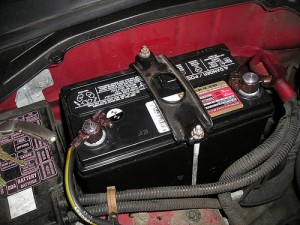
When that car battery finally gives up the ghost and it’s time to replace it, drivers have options.  First, let’s be clear that you should always get a replacement battery that meets or exceeds your vehicle’s specifications.  But you may have some special needs.  When they first put the battery into your vehicle at the factory, they had no idea where it would end up or how you would use it where you drive.  That battery was chosen to meet the needs of a wide range of motorists.  Replacement time is a good opportunity to talk to your service adviser about how you use your vehicle, so if it’s necessary you can get  a battery upgrade.

An obvious criterion is where you live, whether in Colorado or somewhere else.  Cold starts require a lot of power from your battery.  The colder the climate, the more power is needed.  This comes from a combination of cold sluggish oil and the slower chemical reaction within the battery itself when it’s cold. If this sounds like you, talk to your service adviser about a battery with more Cold Cranking Amps (CCA).

The next consideration for drivers is reserve capacity.  This is the number of minutes of reserve power the battery has under a particular load,  If your driving is mostly short stop-and-go trips around town, your battery may not have time to fully recharge while driving.  You may need to tap into those reserves to get started again.  Also, modern vehicles have a lot of always-on systems that draw on the battery – things like the security system, remote sensors, and vehicle computers.  These combine with the electronic entertainment system, sensors, heated seats and even chargers for phones, tablets and computers to put a fairly high load on the battery.  Your service adviser can give you advice on the reserve capacity you might need.

Most standard batteries are “wet-cell”, meaning they are filled with liquid battery acid.  New Absorbed Gas Mat (AGM) batteries are “non-spillable”, which makes them safer.  They also have a longer life span and greater life cycle than wet-cell batteries.  Off-roaders like these batteries because their performance isn’t affected by steep inclines and odd angles.

Lastly, drivers should consider the warranty.  Premium batteries come with a longer warranty.  Warranties are typically either full-replacement (the battery is replaced if it fails within the warranty period) or pro-rated (a partial credit is given for the failed battery depending on how far into the warranty period you are when it fails).

Your service adviser can help you decide if a battery upgrade is right for you and which battery will best meet your needs.

Filed Under: Car Maintenance Tagged With: Battery Upgrades

Differential Service

August 21, 2017 by Denver Express Car Care

When Denver drivers take a corner in their vehicle, the outside wheels have a slightly longer distance to go than the inside wheels.  That means that the outside wheels have to turn a bit faster than the inside.  The piece of mechanical wizardry that makes this possible is called the differential.

The differential allows the drive wheels to rotate at different speeds in turns without the wheel binding or hopping.  If you have a rear-wheel drive vehicle, the differential is on the rear axle.  You’ve seen that bulge in the middle of the axle when you’re behind a truck…that’s the differential.

If you have a front-wheel drive vehicle, the differential’s function is handled by your transaxle.  Of course, all-wheel drive vehicles have differentials on both axles.  They also have a center differential or a transfer case between the front and rear axles to compensate for speed differences between the front and rear.

Because all the power of the engine is transferred through the various differentials, you can imagine that they are very strong and are built to last a long time.  That’s why it’s important for drivers to keep their differential properly lubricated.  Differential fluid cools and protects the gears.

Your friendly and knowledgeable Express Car Care technician will check the differential fluid level and top it off if necessary.  With low fluid, the differential will run too hot and wear prematurely.  Ask your service adviser when it’s recommended to change your differential fluid.  Fresh fluid added during a differential service, will extend the life of your differential.  Your technician will also inspect the u-joints, which connect your drive shaft to the differential and may recommend service after the inspection.  Some u-joints can be lubricated as part of a routine lube, oil and filter change as well.

Drivers need to know that differentials will eventually wear out and need to be replaced.  You might notice a strange noise from your axle area as one of the first warning signs.  When the differential shows signs of failing, it’s time to repair it.  If you leave it unattended too long you run the risk of it freezing up when you’re driving and you could lose control of your vehicle.  Plus, other parts like the axle, driveshaft and transmission could be damaged.

Filed Under: Car Maintenance Tagged With: Differential Service

Basic Car Maintenance Tips

August 7, 2017 by Denver Express Car Care

Take care of your car and it will take care of you.  Following basic car maintenance tips can help you stay on the road and out of the repair shop.

Engine oil – Checking and changing the oil is critical in keeping today’s engines running properly and efficiently.  Follow your manufacturers guidelines for changing oil intervals, usually every 3,000 miles or three to six months.

Transmission fluid – Checking the transmission fluid is another vital item on the car maintenance list.  Follow the manufacturer’s recommendations for change intervals, usually about every 30,000 miles.

Battery – Most car batteries today are maintenance-free, sealed, and can last more than three years.  The first sign your battery should be replaced is often when you have trouble starting the engine.

Tires – A car tire inflated to 35 pounds per square inch (psi) can lose one psi every month, or for every 10 degrees Fahrenheit of temperature change, so your car maintenance list should include checking tire pressure.  Also check your spare.  Rotate the tires every 6,000 miles to prevent uneven wear.  Replace them when they become worn, and have the alignment checked if the car pulls to either side when driving or if you notice uneven tire wear.

Engine coolant – Replace most engine coolant or antifreeze every 30,000 miles – or every two to three years.  Newer formulas, however, may last up to 50,000 miles.

Brakes and brake fluid – Have the brake fluid levels checked to ensure they are within tolerance.  How often you need to replace brake pads or other components depends on how you drive and typical driving conditions.  Warning signs of a brake problem include noise, vibration or “grabbing” when you apply the brakes.

Air filter – Basic car maintenance recommends changing your air filter each year or every 12,000-15,000 miles.  A clean air filter can help your engine “breathe” better and improve gas mileage and reduce harmful emissions.

Windshield wipers and wiper fluid – Windshield wiper care is one of the most neglected basic car maintenance tips.  Replace the blades every six to twelve months or whenever the rubber becomes worn.  Check the wiper fluid every couple weeks and keep it full.

Filed Under: Car Maintenance, Tips & Tricks Tagged With: Basic Car Maintenance Tips

Power Steering Problems?

June 26, 2017 by Denver Express Car Care

The power steering system in your vehicle is made up of several components that can cause problems after years of use.  Some of these problems might be easy to catch as soon as they begin, but others might be less obvious, forcing you to have major parts replaced.

Here are some steps you can take so you can catch those minor problems before they become more serious and costly.

  • Check the power steering fluid.  If your vehicle is hard to steer, it can be a sign of a low steering fluid level.  Most vehicles on the road have hydraulic power steering systems.  This means that pressurized fluid is used to help you do the work of steering.  A pump pressurizes the power steering fluid to provide the boost you need.  Other possibilities include worn suspension system parts and loose steering pump belt.
  • If you hear a whine or loud noise when you’re turning the steering wheel while the engine is running or while you’re driving, the belt might be slipping.  In some vehicles the pump is driven by the serpentine belt, while in others there is an electric pump.

The most common problem for vehicles is that over time, the steering fluid becomes contaminated and can actually cause leaks in the hoses and connections.  It becomes harder to steer and could even cause total failure of the power steering system.

Periodically, your service adviser may recommend you change transmission fluid, which involves removing the old, dirty fluid and replacing it with fresh fluid.  This helps the power steering components last longer, maintains your vehicle’s steering performance and keeps you safely on the road.  Your technician will also have your system checked for leaks and the belt inspected for other pending needs, to help you avoid those pesky power steering problems.

Filed Under: Car Maintenance Tagged With: Power Steering Problems

Springtime Vehicle Maintenance

May 15, 2017 by Denver Express Car Care

Springtime is the perfect time to go through a vehicle maintenance checklist and get your car ready for the months ahead.  We’ve put this one together so you know what should be checked out.

  • Regular oil changes are very important for vehicle maintenance.  Clean oil in the engine keeps your vehicle running smoothly, so if it’s been a while, now is the time to change it.
  • Your vehicle’s cooling system needs maintenance.  Not only does it keep the engine from overheating but it also keeps it from freezing.  And since we experience springtime weather that can have both extremes, it’s important to have the system flushed and replaced with fresh coolant.
  • The terminals and cables on your battery should be inspected for wear or damage.  The battery fluid should also be checked along with the batteries ability to hold a charge.  If you’ve had the same battery for 4 years or more, you might want to have it replaced.
  • The tires on your vehicle should be checked to make sure they are in good condition and will provide the proper traction you need for springtime (rain, snow) driving.  Checking for proper tire pressure is another thing that will need attention.
  • Windshield wipers should be inspected and replaced if they are worn out and also refill the washer fluid reservoir.  With spring storms and dirt on the roads, sometimes we use our wipers more often than we thought we would.
  • If your car was built in the last decade, chances are good it has a cabin air filter.  This filter needs to be checked because it screens out dust and debris out of the air that’s entering your vehicle’s passenger compartment.  To improve the quality of the air you breathe while you drive, your cabin air filter should be changed.
  • Finally, the brakes on your vehicle should be checked.  If you haven’t had them checked in the last six months, now is the perfect time, because there’s no perfect time for the brakes to fail.

Vehicle maintenance can and should be done all the time, but if you haven’t started yet, springtime can be the perfect time for a new beginning.

Filed Under: Car Maintenance Tagged With: Sprintime Vehicle Maintenance

Spark Plugs

May 1, 2017 by Denver Express Car Care

Good news!  The days when drivers had to change their spark plugs every couple of years has ended.  Back in the day, spark plugs really did wear out that often.  Now, a couple of things are different…

First, spark plugs have a better design and are made of better materials that last longer for drivers.  The second reason spark plugs used to have to be changed more often is because carbon deposits would build up in them when fuel wasn’t burned completely and foul them up.  But with modern engine management controls that doesn’t happen as often.

Engine control computers precisely time when fuel is injected into the engine and when the spark plugs fire.  Unless something is wrong, spark plugs just don’t misfire as often now.

Electricity from the battery goes into a coil that allows power to build up to anywhere from 12,000 to 45,000 volts, depending on the vehicle.  The engine management computer tells the coil when to release the power to the spark plug.  The electricity travels through a wire from the coil to the spark plug.  At the tip of the plug, a spark jumps between two electrodes and ignites the gas in the combustion chamber.

Some engines have more than one coil.  Coils wear out and need to be replaced occasionally.  Also, spark plug wires can wear out and need to be replaced.  Modern engines in vehicles are delivering more power and better fuel economy all the time.  That’s largely credited to fast engine control computers, advanced sensors, electronic ignition and improvements to the lowly spark plug.  It will be interesting to see where future developments take us.

One last thought…it’s important to have the right kind of spark plug for your vehicle.  Because engines are designed to run with different internal temperatures, spark plugs have different designs that work properly within those temperatures.  Your service adviser at Express Car Care will be able to get the right plugs for your vehicle and be able to advise you as to when you should replace your spark plugs as well.

Filed Under: Car Maintenance Tagged With: Spark Plugs

Simple Answers About Alignment

April 3, 2017 by Denver Express Car Care

Question:  How do I know when I need a wheel alignment?

Express Car Care Answer:  When Denver drivers wheels are properly aligned, they point in the same direction.  When they are out of alignment, most drivers notice a couple of things.  First, the vehicle pulls to one side when driving.  It can be slight or pretty severe.  If your wheels have been out of alignment for a while, you’ll also start to see uneven tire wear – the shoulder on either the outside or inside of the tire is worn down more than the other.

There are many steering and suspension components that are joined together.  Everyday driving can cause a drivers wheels to go out of alignment over time just from the joints loosening up.  That’s why a simple alignment check is recommended every couple of years.  Depending on where you live or the conditions you drive in ( off-road driving, harsh winter conditions, poor pavement, etc.) an alignment inspection every year may be necessary.

Suspension and steering components wear over time as well, which can lead to alignment issues for drivers.  Of course, hitting a curb or pothole can knock a wheel out of alignment or damage a steering or suspension part.

Your friendly and knowledgeable service adviser will check your tires for uneven wear.  The type of wear provides clues to what might be wrong.  Parts located under the car are inspected for wear or damage.  An alignment machine will provide a reading of how each wheel is aligned.  The reading is compared with the alignment settings and then makes the necessary adjustments and repairs to bring your wheel back into alignment.

Due to the size of our shop, we don’t have the equipment to provide alignment service, but we can recommend quality shops that do provide this necessary service.

Putting off a wheel alignment can be dangerous because of tire wear, a bad alignment can chew through a tire pretty quickly.  If you see uneven tire wear, or if your steering wheel is off center, or your vehicle pulls to one side, ask your service adviser about getting an alignment check.

Filed Under: Car Maintenance Tagged With: Simple Answers About Alignment

New Fuel Filter?

March 6, 2017 by Denver Express Car Care

Hello Denver drivers.  Today’s Express Car Care auto care post is focusing on your fuel filter.  Is it time for a new fuel filter?

When the fuel your engine is getting isn’t clean, your fuel injectors can start to become clogged and the engine on your vehicle may not get the proper amount of fuel at the correct pressure to run efficiently.  This hurts your fuel economy as well as your vehicle’s performance and can also lead to the buildup of harmful deposits on valves and in the combustion chamber.

This is the reason why all vehicles sold in Colorado come equipped with a fuel filter.  The job of the filter is to clean out the small pieces of dirt and contamination.  Of course, the filter will eventually get clogged up and need to be replaced.  Fuel filters for diesel cars need to be replaced more frequently than those that run on regular gasoline.

If your fuel filter is clogged, the engine can’t get all the fuel it needs, and it may sputter at high speeds or quick acceleration.  These could be signs you might  need a new fuel filter.  You may also find that you need to get a new fuel filter more frequently as your vehicle ages.  Over the years, additional sediment and rust accumulates in your fuel tank and can be drawn into the fuel system.  Your fuel filter is the part that stands guard at the gates to your engine, to protect parts and to maintain performance and fuel economy.  If you would like more information on this subject, call us at Express Car Care at 303-691-2760.

Filed Under: Car Maintenance Tagged With: New Fuel Filter?

Question on Your Transmission

February 20, 2017 by Denver Express Car Care

Express Car Care Tech Question:
My name is Suzanne.  We were taking a camping trip at our favorite state park over a three day weekend.  About halfway to our campsite, the transmission went out on our vehicle.  It took all weekend to get it towed out and to get back home.  What can I do to prevent transmission problems in the future?

Express Car Care Answer:  Transmission repairs can be expensive at auto service centers.  On top of that, Suzanne was in the back country, her vacation weekend turned into three days of car repairs.

First of all, vehicle transmissions are tough and durable.  All that needs to be done to maintain them is to replace the transmission fluid on schedule.  The fluid gets contaminated with bits of clutch plates and metal.  Dirty transmission fluid under pressure acts like liquid sandpaper, eating away at important gaskets and seals.  Then your transmission doesn’t shift as well.  It can start to leak and overheat, and then you could end up in a situation like Suzanne.

Another thing to consider:  if you carry heavy loads, or are towing a trailer on the highway or up mountain passes, your transmission is working much harder and running hotter than under normal conditions.  Your transmission fluid may need to be changed sooner.  Check your vehicle’s owner’s manual for your severe service schedule or talk with your helpful and knowledgeable pros about when you should have your transmission serviced.  If you’re planning a trip that you know you will be doing some towing or other severe driving, make sure to have your transmission fluid checked before you head out.  It’s always better to be safe, rather than sorry.

Filed Under: Transmission Tagged With: Question on Your Transmission

Trust Your Vehicle to Us

February 6, 2017 by Denver Express Car Care

Your vehicle is much more to you than a transportation appliance.  It gets you to work, helps you take care of errands, goes on dates, and takes you on vacations.  You could almost say it’s part of the family, or maybe a business partner.  You rely on your vehicle for so many things.  We understand how important your car or truck is to your life.  And we want you to know that you can trust your vehicle to us.  You can rely on us to do all that we can to keep you safely on the road.

We put special focus on preventative maintenance.   Taking care of the routine things is what will help your vehicle last longer, perform consistently, retain its safety, and help prevent breakdowns and repairs.  You can trust your vehicle to us when it’s sidelined.  We’ll do everything we can to get it back in the game as quickly as possible.

To us, keeping your trust requires investing in our employees, their training, and equipment.  When we do that, we can keep our promise of high-quality, convenient service and repair that’s done right the first time.

We appreciate the confidence you have in us and we want to continue to earn it every time you bring your vehicle in for service.  We’d like for you to think of us first for all your car care needs.

Filed Under: Car Maintenance Tagged With: Trust Your Vehicle to Us

  • « Previous Page
  • 1
  • …
  • 41
  • 42
  • 43
  • 44
  • 45
  • …
  • 60
  • Next Page »

Express Car Care
4200 E. Evans Ave. Denver, CO (map)
Phone: (303) 691-2760
Located just southeast of the Colorado Light Rail station

Follow Us Today!

  • Facebook
  • RSS

Shop Hours

Monday: 8:00AM – 5:00PM
Tuesday: 8:00AM – 5:o0PM
Wednesday: 8:00AM – 5:00PM
Thursday: 8:00AM – 5:00PM
Friday: 8:00AM – 5:00PM
Saturday: Closed – A note from the owner
Sunday: Closed

Last car oil change time  – 5:00PM

Click for the BBB Business Review of this Auto Repair & Service in Denver CO

Recent Articles

Why Your Check Engine Light Keeps Coming On—And What to Do About It

Why Your Check Engine Light Keeps Coming On—And What to Do About It

You’re cruising down I-25 or pulling into your favorite coffee shop when you see it—the amber engine icon lighting up your dashboard. Again. The check engine light is one of the most misunderstood … [Read More...]

  • How to Get the Most Mileage Out of Your Tires in Colorado
  • How a Local Mechanic Can Provide Better Service Than a Dealership
  • How to Deal With Car Noises That Only Happen When You Turn
  • Why Regular Belt and Hose Inspections Save You from Major Repairs
  • How Our Long-Term Staff Brings Confidence to Your Car Care

Search Our Site

Brakes Service

How to Know If It’s Time to Replace Your Brake Rotors

The Hidden Dangers of Driving With Low Brake Fluid

Denver Driving Conditions and What They Mean for Your Brakes

Oil Change

Top Benefits of Getting Regular Oil Changes in Denver

Oil Change Specials in Denver: Save Money and Keep Your Car Running Right

Why Regular Oil Changes Are Crucial for Denver Drivers

Suspension

How to Know If Your Car Needs Suspension Repair in Denver’s Bumpy Roads

A Guide To Understanding Bushings on a Car

Tips for Preventing Wear and Tear on Your Car’s Suspension

Transmision Service

How Often Should You Service Your Transmission in Denver?

Transmission Trouble? Common Signs and When to Visit Our Denver Shop

How to Prevent Common Issues with Automatic Transmissions

Engine Service

Everything You Should Know About Your Vehicle’s Timing Belt

Is Your Car Hesitating During Acceleration?

How to Troubleshoot a Rough Idling Engine

Auto Tips & Tricks

How to Deal With Car Noises That Only Happen When You Turn

Top 5 Maintenance Tips for High-Mileage Vehicles

Why Tire Pressure Matters More Than You Think

"Denvers Best Auto Repair and Quick Lube" - Copyright © 2025 - 4200 E. Evans Ave. Denver, CO 303-691-2760