
 Take care of your car and it will take care of you. Following basic car maintenance tips can help you stay on the road and out of the repair shop.
Engine oil – Checking and changing the oil is critical in keeping today’s engines running properly and efficiently. Follow your manufacturers guidelines for changing oil intervals, usually every 3,000 miles or three to six months.
Transmission fluid – Checking the transmission fluid is another vital item on the car maintenance list. Follow the manufacturer’s recommendations for change intervals, usually about every 30,000 miles.
Battery – Most car batteries today are maintenance-free, sealed, and can last more than three years. The first sign your battery should be replaced is often when you have trouble starting the engine.
Tires – A car tire inflated to 35 pounds per square inch (psi) can lose one psi every month, or for every 10 degrees Fahrenheit of temperature change, so your car maintenance list should include checking tire pressure. Also check your spare. Rotate the tires every 6,000 miles to prevent uneven wear. Replace them when they become worn, and have the alignment checked if the car pulls to either side when driving or if you notice uneven tire wear.
Engine coolant – Replace most engine coolant or antifreeze every 30,000 miles – or every two to three years. Newer formulas, however, may last up to 50,000 miles.
Brakes and brake fluid – Have the brake fluid levels checked to ensure they are within tolerance. How often you need to replace brake pads or other components depends on how you drive and typical driving conditions. Warning signs of a brake problem include noise, vibration or “grabbing” when you apply the brakes.
Air filter – Basic car maintenance recommends changing your air filter each year or every 12,000-15,000 miles. A clean air filter can help your engine “breathe” better and improve gas mileage and reduce harmful emissions.
Windshield wipers and wiper fluid – Windshield wiper care is one of the most neglected basic car maintenance tips. Replace the blades every six to twelve months or whenever the rubber becomes worn. Check the wiper fluid every couple weeks and keep it full.
 The power steering system in your vehicle is made up of several components that can cause problems after years of use. Some of these problems might be easy to catch as soon as they begin, but others might be less obvious, forcing you to have major parts replaced.
 Springtime is the perfect time to go through a vehicle maintenance checklist and get your car ready for the months ahead. We’ve put this one together so you know what should be checked out.
 Good news! The days when drivers had to change their spark plugs every couple of years has ended. Back in the day, spark plugs really did wear out that often. Now, a couple of things are different…
 Question: How do I know when I need a wheel alignment?
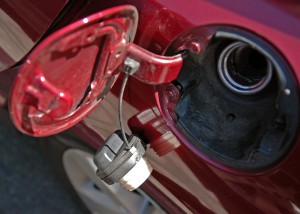 Hello Denver drivers. Today’s Express Car Care auto care post is focusing on your fuel filter. Is it time for a new fuel filter?
 Express Car Care Tech Question:
 Your vehicle is much more to you than a transportation appliance. It gets you to work, helps you take care of errands, goes on dates, and takes you on vacations. You could almost say it’s part of the family, or maybe a business partner. You rely on your vehicle for so many things. We understand how important your car or truck is to your life. And we want you to know that you can trust your vehicle to us. You can rely on us to do all that we can to keep you safely on the road.
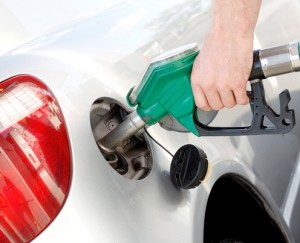 There are a lot of misconceptions about fuel grades-and by fuel grades, I mean, the octane rating. Names like “Standard”, “Super”, “Plus”, and “Premium”, lead people to believe that the octane rating/grade is associated with quality. Octane ratings are expressed as a number that typically ranges from 87 to 91 at the pump. The number doesn’t mean “better” but rather signifies the appropriate grade of fuel for a particular engine.
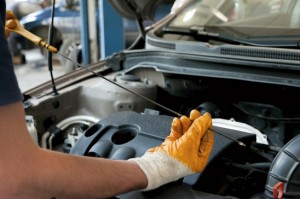 As we all know, the engine is as important to a car as a heart is to a human body. Therefore, it’s important to keep the engine finely tuned so you’ll have trouble free performance, as well as longevity. Still, engine maintenance is one of the most neglected aspects of the overall maintenance of a vehicle. Here are five essential engine maintenance tips that if you follow, you can not only keep up the performance of the engine, but you can also keep your pockets safe from costly engine repair bills.