• Home
  • Denver Auto Repair Services
    • Full Service Oil Change
    • Expert Mechanics
      • Expert Honda Mechanics
      • Expert Toyota Mechanics
      • Expert Subaru Mechanics
    • Automatic Transmission
    • Fuel System Cleaning
    • Radiator Flush Service
    • Wiper Blades
    • Air Filter
    • Cabin Air Filter
    • Gearbox Service
    • Brake Repair
    • Clutch Repair
    • CV Boots
    • Tune-Up
    • Steering & Suspension
    • Tires
  • Auto Diagnostic
  • Contact Us
    • About Us
  • Shop Specials
  • Testimonials
  • Blog
  • 303-691-2760

Express Car Care of Denver

"Denver's Best Auto Repair and Quick Lube"

  • Brake Service
  • Car Maintenance
    • Heating-Air Conditioning
    • Suspension
    • Transmission
    • Engine
    • Tires
  • Oil Change
  • Tips & Tricks

Diesel Vehicles?

May 14, 2018 by Denver Express Car Care

Let’s talk about some of the myths out there about diesel powered vehicles.
  1. Diesel Vehicles Burn Dirty – This was true years ago.  Since 2006, however, U.S. diesel vehicles have been required by law to use ultra-low sulfur diesel or USLD.  Modern diesels are soot-free and have a smaller carbon footprint.
  2. Diesels Are Sluggish – Not anymore.  They are as fast off the line as similar gasoline-powered cars.  If your idea of fun is to spend an afternoon test driving new cars, go take a spin in a diesel BMW or Porsche.
  3. Diesel Vehicles Are Loud – Back in the day, you could hear a diesel motor from a mile away.  Today’s diesels run quiet.
  4. Diesels Have a Bad Resale Value – Actually, diesel vehicles have a lower depreciation rate.

Another often overlooked benefit is lower risk of fire.  Diesel fuel is less flammable and won’t explode like gasoline.

Diesel engines require parts that are heavier and stronger.  At Express Car Care, we occasionally service diesel cars and trucks with over 300,000 miles/ 500,000 kilometers.  The heavy duty parts make diesel vehicles a little more expensive new, but due to the extra burliness, diesel engines last a lot longer.  This is one of the reasons Cummins diesels inspire such a loyal following.

Cons?  Cold weather starting.  Diesel engines can be hard to fire up when the temperature drops.  However, an engine block heater can solve this problem.  Talk to your knowledgeable service adviser for more information.

If you are in the market for a new vehicle that’s easy on fuel, you might want to explore your diesel options.  You can save money and may qualify for a tax credit if you buy a clean diesel vehicle.  Of course, diesels require regular maintenance just like any other vehicle and the services are usually a little more costly due to the nature of the engines.  But the extra cost is offset by the better fuel economy and longer engine life.

Bottom line?  The diesel vehicles on Denver roads today are not your grandfather’s diesel.

Filed Under: Tips & Tricks Tagged With: Diesel Vehicles

Car Vent Cleaning

April 30, 2018 by Denver Express Car Care

Do you ever get musky odors coming from your car’s air vents?  It’s a fairly common experience for Denver drivers.  Moisture can accumulate in the air conditioning/heating ventilation system allowing mold, mildew, fungus and bacteria to grow.
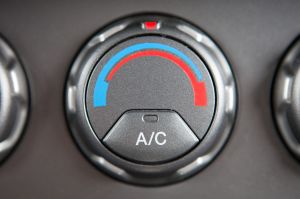
Disinfecting and deodorizing is a process.  Depending on how serious the problem, there are a couple of approaches Express Car Care may take to get rid of the unwanted smells.  For mild situations (especially on newer vehicles)  a special deodorizing disinfectant is introduced into the ventilation system.  This may be an aerosol or a mist application.

The treatment kills the offending organisms and deodorizes the system.  Sometimes in older vehicles, a good deal of mildew or other microorganisms can grow on the air conditioning evaporator, which is housed in the heating/air conditioning air blend box behind the dashboard.  In this situation, the blend box is filled with disinfecting foam that can eliminate stubborn organisms and return a fresh, clean scent.  In all of this, don’t forget your cabin air filter.  This is the filter that cleans the air coming into the passenger compartment of your vehicle.

Denver residents can have the cabin air filter replaced to eliminate unpleasant odors.   This is the first line of defense.  Changing the cabin air filter as needed can actually prevent further contamination problems down the road.  If you are experiencing any unusual odors, sounds, or vibrations, talk to your knowledgeable Express Car Care service adviser.  He can recommend the needed steps to discover the problem and what it will take to set it right.

Filed Under: Car Maintenance Tagged With: Car Vent Cleaning

Air Conditioning

April 16, 2018 by Denver Express Car Care

Let’s talk about air conditioning service and repair issues today.  Most of us in Denver don’t give our air conditioning a second thought – just as long as it’s making cold air.  But it’s a complex and expensive system that we should think more about before it starts blowing out hot air.

The refrigerant in the air conditioner contains a special oil that lubricates and cools the A/C parts.  When enough refrigerant leaks out, your air conditioner still makes cold air, but the parts don’t have enough oil to protect them and they wear out faster than they should.  That’s why it’s so important to service the air conditioner as recommended by your service center.

Replacing old refrigerant has another benefit:  refrigerant tends to gather moisture and become corrosive.  That causes leaks in the system which can be expensive to repair.  Fresh refrigerant protects the air conditioning components and keeps the system operating at peak efficiency so it doesn’t have to work as hard to keep you cool.

Even with regular service, A/C parts can just wear out.  Normal wear and tear eventually affects all moving parts.

Addressing early problems can save on more extensive repairs down the road.  For instance, a common failure is the clutch that turns the compressor on and off.  If you can take care of a bad A/C clutch when it first starts having problems, you may be able to save the compressor.  But if you wait too long you’ll have to replace them both.

Check your owner’s manual or ask your service adviser for service recommendations.  And if you are hearing strange sounds when your air conditioning turns on, or if it just isn’t as cold as it used to be, have us give it the once over and see what it will take to keep you cool.

Filed Under: Heating-Air Conditioning Tagged With: air conditioning

Question on Your Cooling System

April 6, 2018 by Denver Express Car Care

Express Car Care Question:  I was driving down the freeway in Denver and smoke started coming out of my car.  I pulled over and called my husband.  I had to be towed to my mechanic.  He said my car had overheated.  What can I do to prevent this from happening in the future?
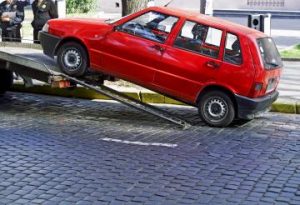
Express Car Care Answer:  It sounds like you had a rough experience.  Unfortunately, overheating is the most common engine problem in Denver.  It’s also one of the simplest to prevent.

The basic idea is this:  you need to keep enough coolant/antifreeze flowing through your vehicle’s engine to keep it cool.  Problems come up for drivers when they develop leaks in their cooling systems – like in the radiator or a hose – and the coolant leaks out.  Sometimes the coolant gets so contaminated that it blocks up the radiator so the coolant can’t get through.  Too much of that and you can’t help but end up broken down on the side of the road.

Your owner’s manual recommends a schedule for coolant replacement.  That’s because your coolant actually becomes corrosive over time and starts to eat away at the cooling system, causing leaks or blockages.  Fluid that was once beneficial to your engine becomes damaging.  New coolant puts an end to that process.

Ask your knowledgeable service techs at Express Car Care about inspecting your vehicle cooling system for leaks, spongy hoses and other damage.  If it’s time to replace your coolant, hoses or other cooling system parts, have it done right away.  Prevention is the key to your cooling system question.

Filed Under: Car Maintenance, Heating-Air Conditioning Tagged With: Question on Your Cooling System

Axles

March 19, 2018 by Denver Express Car Care

The axle assemblies in your vehicle transfer power out to the drive wheels.  On the rear-wheel drive vehicle, there is an axle shaft that goes from the differential in the center of the axle to each of the rear wheels.  On the front-wheel drive vehicle, the axle shafts go from the transmission to each front-wheel.  All-wheel drive vehicles have axle shafts connected to all four wheels.

Axle assemblies are pretty tough parts: they transfer torque from the engine to the wheels to move the vehicle.  Tough as they are, they are still subject to normal wear and tear.  The axle shafts are in a sealed housing with lubricant that protects the axle shaft.  When there is a leak anywhere in the axle assembly, lubricant gets out and dirt, water and other contaminates can get in.  This can greatly accelerate axle wear.  If an axle assembly fails, you’re not going anywhere.

A worn or damaged axle assembly on the front will make a clunking sound during low speed turns – often just when turning one way.  A worn rear axle also makes noise but may be more difficult for the driver to hear.  Also, if you see any oily leaks around your wheels, have them checked out.

If you have a bad axle assembly, your Express Car Care technician can make the repair.  It is often more cost effective to replace an axle assembly than it is to take it apart and rebuild it.

If you are hearing strange sounds coming from your front or rear wheel area, have Express Car Care inspect your vehicle.  We can determine if it is an axle problem or perhaps a worn steering, suspension or brake component.

Filed Under: Denver Auto Repair Tagged With: Axles

Simple Answers: Windshield Wipers

March 5, 2018 by Denver Express Car Care

Question:  When should I replace my windshield wipers?

Express Car Care Answer:  Well, most Denver drivers wait until they fail.  The problem with that is that you find out they have failed when you actually need them the most – than it’s a little too late.

Wiper blades are really a safety system for Denver drivers.  As you can imagine, 90% of our driving decisions are based on what we see.  If you can’t see well because your wipers can’t clear your windshield, your ability to make good decisions and drive safely is significantly impaired.

So the simple answer – Denver drivers should change their windshield wipers if they don’t work well, but replace them before they go bad so they are always ready when that unexpected storm hits.  For some drivers, once a year may be enough.  For others, those who drive a lot, or their wipers are exposed to a lot of sun or they use them more often, replacing the blades a couple of times a year might be a better plan.

There are several types of wiper blades.  The conventional blade is the base model.  On the other end of the spectrum are beam blades.  These have a solid beam that provides uniform pressure over the entire wiper surface for better contact with the windshield.  There are also hybrid blades that are a combination of the conventional and beam blades.

Upgraded wiper blades last longer and provide a cleaner wipe.  Drivers can always upgrade but should never go with a lower grade blade than what was installed on your vehicle from the factory.

Finally, there are special winter blades.  The special design of winter wiper blades resists snow and ice build-up in the blade.

Remember, using your windshield wipers on an icy windshield will tear them up.  Scrape your windshield before running your wipers.

Your knowledgeable Express Car Care service adviser can give you wiper blade options and help you select what’s best for you and your vehicle.

Filed Under: Car Maintenance Tagged With: Simple Answers: Windshield Wipers

Do Not Disturb

February 19, 2018 by Denver Express Car Care

After a recent experience of driving on hazardous roads with dangerous drivers I think it’s a good idea to share this article from AAA written by J. Skyler McKinley

Motorists across the country agree: Distracted driving is dangerous driving.  In fact, according to the AAA Foundation for Traffic Safety’s 2016 Traffic Safety Culture Index, more than 80 percent of drivers say that texting or e-mailing while driving is a serious threat to safety.  Still, more than 40 percent report having read a text or e-mail while driving in the past 30 days.

The reason for this “do as I say, not as I do” attitude may be rooted in human biology.  A 2014 study from the University of Connecticut’s Center for Internet and Technology Addiction found that the brain releases dopamine, a neurochemical associated with pleasure, at the sound of an incoming text, e-mail, or social media notification.  Simply put:  It’s difficult to avoid glancing at your phone while driving, in part, because your brain is chemically conditioned to do just that – no matter the risks.

And the risks are significant.  A recent National Highway Traffic Safety Administration report estimates that distraction contributes to 16 percent of all fatal crashes – around 5,000 deaths every year.  With that terrible toll in mind, tech companies are making it more difficult to use their products while behind the wheel.

Take Apple’s iPhone, for example.  In the device’s latest operating system update, iOS 11, Apple included a Do Not Disturb While Driving mode.  With this feature enabled, iPhones detect when your car is in motion.  The app mutes incoming phone calls, notifications, and text messages; and users can configure their device to respond to text messages with a preset, polite response letting friends and family know that they’re driving.  For both iPhone and Android users, the DriveSafe Mode app, available in both Google Play Store and the iPhone App Store, allows parents to create an account to notify them when a teen driver is not using DriveSafe Mode.  The app automatically silences your phone, and prevents use of the keyboard, while driving.

Filed Under: Tips & Tricks Tagged With: Do Not Disturb

Express Car Care Takes Care of Your Car’s Suspension

February 5, 2018 by Denver Express Car Care

As you all can imagine, if most of your driving is done on smooth highways and roads, your car’s suspension will last a lot longer.  But I’m sure you know that most roads and highways are anything but smooth, they’re usually extremely rough, especially with all the road construction that is taking place.  As drivers, we are always trying to avoid potholes and other hazards in the road.  These conditions can wreak havoc on your car’s suspension.

After so many years and miles of hazardous driving your vehicle’s suspension system components will wear out, but how long that takes depends on how well you take care of your car’s suspension.  In addition to wearing out, a car’s suspension components can be damaged in an accident or by a hard impact like a pothole, hitting a curb or a rock on a bumpy road.

Because the life span of shocks can vary so widely, your vehicle’s manufacturer recommends periodic inspections.  During an inspection, your knowledgeable Express Car Care service adviser will check for worn, broken or missing parts.

Signs for drivers that shocks or struts are wearing out:  the vehicle’s tires may have a cupped wear pattern.  This is from the shocks bouncing unevenly.  Drivers may notice a floating or drifting sensation when cornering.  If the front of your car dives excessively when stopping or rocks back and forth after you stop, your shocks may be worn out.  And if they are leaking fluid, it’s definitely time to replace them.

If you are experiencing any of these symptoms, come see us at Express Car Care in Denver for a suspension inspection, also if you’ve been in an accident that involved one of your vehicle’s wheels.  Worn or broken shocks can cause premature wear or failure on other suspension parts such as ball joints and other steering components as well.  If your car’s suspension actually fails, it could lead to a serious accident, so let Express Car Care take care of your car’s suspension.

When drivers replace their vehicle shocks, it’s usually best to replace all four at the same time.  That provides more even handling.  Be sure to consult with your service adviser because you don’t want a big difference between the performance of your shocks from wheel to wheel, and replacing all of them may be the safest bet.

Filed Under: Car Maintenance, Suspension Tagged With: Take Care of your Car's Suspension

Disc Brakes

January 22, 2018 by Denver Express Car Care

Question:  What are the signs that I need a brake job?

Express Car Care Answer:  Signs of brake problems often fall into one of two categories for Denver vehicles:  making noise or a pulsation in the brake pedal.  Why don’t we start with the noise.

Most brake pads have an audible brake wear indicator.  This is a small piece of metal that rubs on your brake rotor when the brake pads are worn to the point that they should be replaced.  The noise is a chirp or soft squeal.  This noise gives drivers enough warning to get their brakes serviced while there is still enough brake pad left to enable them to stop safely.

Any driver who ignores the chirp will find that the sound changes to a grinding noise.  This is more serious.  It means that the friction material on your brake pad is worn away and metal parts of the brake are grinding against the rotor when you press on the brakes.  Obviously, this metal-on-metal means that your brakes aren’t going to stop very well.  It also means that your rotor is being damaged.  It may need to be resurfaced or even replaced if it reaches this point.

Pedal pulsation is another noticeable sound.  When your rotor is not in perfect alignment, it pushes against the brake pads unevenly as you apply the brakes.  There could be a number of reasons for this, the rotor and wheel hub may not be mating well which causes the rotor to spin out of vertical alignment.  This misalignment can be caused by either the rotor or the hub, or a combination of the two.  If this persists, the rotor may even start to wear unevenly to the point that its thickness varies, causing an even more noticeable pulsation.  This uneven mating of the brake pad and the rotor when braking means less contact and a reduced braking power.

Your service center or the team at Express Car Care can determine the cause of the misalignment and remedy the problem.  Either unusual brake noise or pedal pulsation are signs for drivers that they have brake problems.  Drivers should have a tech check their brakes thoroughly and recommend any steps necessary to correct the problem.  A regular brake inspection is on every vehicles recommended list.  Ask your service adviser if it’s time for that very important brake inspection.

Filed Under: Brake Service Tagged With: Disc Brakes

Fuel System

January 8, 2018 by Denver Express Car Care

I’d like to give our friends in Denver a quick overview of the fuel system.  It starts with the fuel pump.  The fuel pump is located inside the tank and pumps the fuel out to the engine.  Somewhere along the way is a fuel filter, it has the job of filtering out dirt before it gets to the engine.

Our focus is to discuss how to make the various components of your fuel system work well and last as long as possible.

Now the best thing you can do for your fuel pump is to use good quality fuel.  Top tier gas typically has fewer contaminants and more detergents to keep things clean.  Using good gas, or adding a fuel system cleaner to your tank, can prolong the life of your fuel pump.  Because the fuel pump lives inside your tank, it’s pretty expensive to replace, so helping it last as long as possible is a worthwhile goal.

The fuel filter catches dirt and contaminants.  When it’s clogged, your engine may not be able to get enough fuel and could start to sputter.  Many fuel filters have a bypass valve that allows unfiltered fuel past when the filter’s clogged.  This prevents your engine from dying while you’re driving, but it can’t protect your engine from dirty fuel.

Check your owner’s manual or talk with your service adviser at Express Car Care about when you should replace your fuel filter.  Fuel will cause gum and varnish to build up in the fuel intake system.  A professional fuel system cleaning will remove the gunk to keep fuel flowing freely and help prevent contamination from reaching your fuel injectors and your engine.

Fuel injectors squirt fuel into the engine and the fuel must be delivered in a precise amount, at a precise time, under exact pressure, in an exact pattern.  Pressure can range from 45 pounds per square inch to 45,000 pounds per square inch depending on the engine.  As you may guess, fuel injectors cost a lot to replace.  Allowing them to get gummed up will not only hurt your engine performance and fuel economy, it will also cause the injectors to wear out much more quickly than expected.

A professional fuel system cleaning will keep injectors clean and working correctly.  It’ll also clean deposits from the inside of the combustion chamber and off the intake valves, giving you optimum performance and mileage.

Check with your service adviser and see when he recommends you have a fuel system cleaning.


Filed Under: Engine Tagged With: Fuel System

  • « Previous Page
  • 1
  • …
  • 66
  • 67
  • 68
  • 69
  • 70
  • …
  • 102
  • Next Page »

Express Car Care
4200 E. Evans Ave. Denver, CO (map)
Phone: (303) 691-2760
Located just southeast of the Colorado Light Rail station

Follow Us Today!

  • Facebook
  • RSS

Shop Hours

Monday: 8:00AM – 5:00PM
Tuesday: 8:00AM – 5:o0PM
Wednesday: 8:00AM – 5:00PM
Thursday: 8:00AM – 5:00PM
Friday: 8:00AM – 5:00PM
Saturday: Closed – A note from the owner
Sunday: Closed

Last car oil change time  – 5:00PM

Click for the BBB Business Review of this Auto Repair & Service in Denver CO

Recent Articles

5 Reasons to Choose a Local Family-Owned Auto Shop Over a Big-Box Garage

5 Reasons to Choose a Local Family-Owned Auto Shop Over a Big-Box Garage

We get it—you see a big-chain auto repair shop with flashy signs, weekend hours, and a recognizable brand. It’s tempting. But bigger isn’t always better, especially when it comes to something as … [Read More...]

  • The Top Reasons Your Car Might Be Stalling and How We Fix It
  • How to Keep Your Brakes Quiet, Responsive, and Safe
  • Why Your Vehicle Deserves a Full Multi-Point Inspection This Season
  • Car Gifts For Road Trippers: Essential Take-Alongs To Make Your Road Trips Safer
  • How Denver’s Climate Affects Your Car Battery

Search Our Site

Brakes Service

How to Keep Your Brakes Quiet, Responsive, and Safe

Everything You Need To Know About Replacing Your Brake Pads

How to Know If It’s Time to Replace Your Brake Rotors

Oil Change

Top Benefits of Getting Regular Oil Changes in Denver

Oil Change Specials in Denver: Save Money and Keep Your Car Running Right

Why Regular Oil Changes Are Crucial for Denver Drivers

Suspension

How to Know If Your Car Needs Suspension Repair in Denver’s Bumpy Roads

A Guide To Understanding Bushings on a Car

Tips for Preventing Wear and Tear on Your Car’s Suspension

Transmision Service

How Often Should You Service Your Transmission in Denver?

Transmission Trouble? Common Signs and When to Visit Our Denver Shop

How to Prevent Common Issues with Automatic Transmissions

Engine Service

Everything You Should Know About Your Vehicle’s Timing Belt

Is Your Car Hesitating During Acceleration?

How to Troubleshoot a Rough Idling Engine

Auto Tips & Tricks

How to Deal With Car Noises That Only Happen When You Turn

Top 5 Maintenance Tips for High-Mileage Vehicles

Why Tire Pressure Matters More Than You Think

"Denvers Best Auto Repair and Quick Lube" - Copyright © 2025 - 4200 E. Evans Ave. Denver, CO 303-691-2760