• Home
  • Denver Auto Repair Services
    • Full Service Oil Change
    • Expert Mechanics
      • Expert Honda Mechanics
      • Expert Toyota Mechanics
      • Expert Subaru Mechanics
    • Automatic Transmission
    • Fuel System Cleaning
    • Radiator Flush Service
    • Wiper Blades
    • Air Filter
    • Cabin Air Filter
    • Gearbox Service
    • Brake Repair
    • Clutch Repair
    • CV Boots
    • Tune-Up
    • Steering & Suspension
    • Tires
  • Auto Diagnostic
  • Contact Us
    • About Us
  • Shop Specials
  • Testimonials
  • Blog
  • 303-691-2760

Express Car Care of Denver

"Denver's Best Auto Repair and Quick Lube"

  • Brake Service
  • Car Maintenance
    • Heating-Air Conditioning
    • Suspension
    • Transmission
    • Engine
    • Tires
  • Oil Change
  • Tips & Tricks

Do I Have a Blown Transmission?

March 18, 2020 by Denver Express Car Care

What does the transmission do on your car?

The transmission has a very important job – it ensures there is enough power moving to the wheels to drive at the speeds you desire. The transmission is your car’s gear shifter, moving energy as you navigate your daily drive.

The best way to understand it is to think about your ten-speed bicycle. When you power up, add speed, or start climbing a hill, you shift to different gears. The chain moves from gear to gear, giving you the power to accomplish every need and desire.

The same applies to your vehicle. Different gear ratios allow you to do different things while driving your car. Want to go faster? Want to climb into the Rocky Mountains? Want to slow down for the changing stoplight? The gear ratios help control speed and RPMs for a smoother ride.

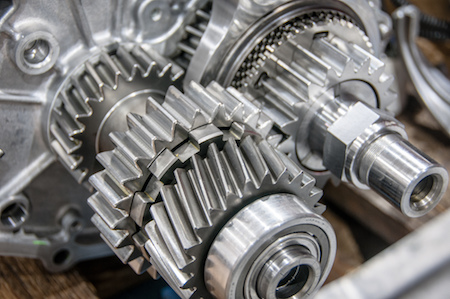
A manual transmission

There are two kinds of transmission systems: manual and automatic. With a manual transmission, you take charge of the gear changing process. Using a third foot pedal, the clutch pedal, you manually disengage the transmission from the flywheel and change gears. It works similarly to the bicycle chain process, without the chain. It temporarily disconnects the engine and the transmission, adjusts by moving the gear shift, and reengaging into the new gear you desire. Release the clutch pedal and drive.

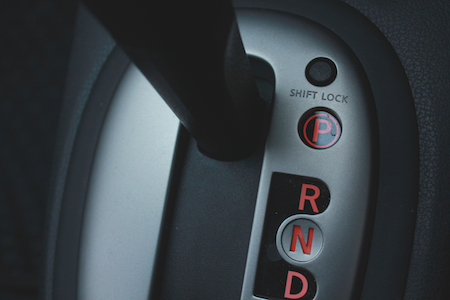
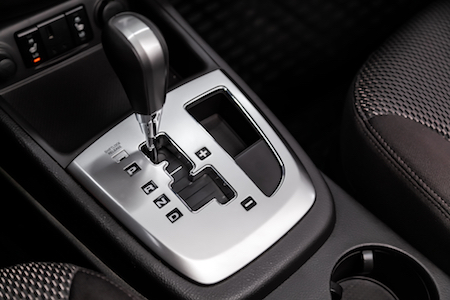
An automatic transmissionDo I Have a Blown Transmission?

An automatic transmission automates the gear shifting process. Instead of having to push in a clutch pedal and manually moving the gear shift to the appropriate gear, the automatic transmission does everything for you through a combination of fluid pressure and electronics. You put the car in drive and go; the automatic transmission ensures you are in the right gear.

Next to the engine, your transmission is one of the most complicated systems within your vehicle. Keeping it in good working condition is a must. Even one small problem can wreak havoc on your vehicle and turn into a very expensive repair.

How do you know if you blow a transmission?

Like all the major systems used to create your vehicle, your transmission will give you clues it’s not operating the way it should. The sooner you act, the greater the chance of lower repair bills.

Are there ways you can tell if you have a blown transmission?

The dashboard lights up with a transmission error – today’s vehicles are sensitive enough to notice basic problems. Don’t ignore warning lights as they may cost you a lot more when you finally drive it into the shop.

Your car won’t move in drive or reverse – you might have trouble moving the gear shift at all, it simply won’t move into drive or reverse. In some cases, you have the ability to move the gear shift, but your car won’t operate. No matter what you do, it just sits there.

You’ll notice vibrations or sounds as you’re driving – pay attention to what you feel and hear. You might notice strange vibrations while you drive, or hear a grinding or whining noise especially while your car is attempting to change gears.

The gears can slip – it creates a definite clunking noise. When you try and speed up, your car won’t accelerate because it can’t shift into the right gear. There might be a hesitation as it tries to react. You might even notice a sudden surge as it clicks and connects with the new gear. As you can imagine, both of these are of concern for safe driving; you should bring your car in for an inspection as quickly as you can.

Extreme heat – if you drive a rear wheel drive car, the transmission transfers energy from front to back to give the rear wheels their necessary power. If the transmission starts to overheat, you’ll feel it in the passenger compartment. It might impact the temperature gauge on your dashboard as well. Because the transmission fluid continues to heat up, you might notice a burning odor, some say it resembles burnt toast. If your transmission is overheating, it still might be a simple repair. The key is getting it into a mechanic to be checked immediately.

Some cars have poor design – not every make or model is built the same. If you do a search on Google, you’ll often find one make or model that stands out from the rest. Maybe they decided to use cheaper parts, or they simply didn’t pay attention to quality assurance during a certain production cycle. Whatever the case, if you chose to buy during that year, you’ll pay the price by having to repair or replace more frequently.

Poor maintenance – it doesn’t matter how poorly or how well a make or model is built if you don’t take care of it from the moment you drive it home. Your car needs regular maintenance to ensure it stays in good working condition. That means adding fluids when it’s necessary. It means having a mechanic check out how well your car is operating and making the necessary changes as needed. It means upgrading parts for normal wear and tear – from oil changes to adding new belts.

What about transmission fluid?

While your transmission fluid doesn’t need to be changed out regularly like motor oil, it is important to pay attention to it. Start by checking your owner’s manual; how often does it say it should be changed? Some manufacturers may suggest every 30,000 miles or so while others push it back to 100,000 miles or more. In most cases, you’ll need to follow guidelines to ensure your warranty remains valid.

You can check to ensure you have enough transmission fluid and that it’s still in good condition. It’s similar to checking your motor oil, but each vehicle has its own recommendations for how to check it. How you drive determines frequency too. Someone who drives up and down the mountain each day will have different needs than someone who drives urban conditions just a few miles.

Are there different kinds of transmission fluid?

Each make and model has its own requirements; it’s important to check your owner’s manual for guidance and to ensure best performance. Don’t forget that the wrong fluid can void your warranty.

If you have any questions about how your vehicle operates, or if you think you might have a blown transmission, give us a call today.

Filed Under: Transmission Tagged With: Transmission

Your Rough Idling Car Is Trying To Tell You Something

March 14, 2020 by Denver Express Car Care

For most of us, we jump in our cars and think very little about how they work or operate. They start up when we turn the key. They go when we push on the accelerator. They stop when we hit the brake. What else is there to know?

But where you start to notice your car is when things don’t work the way they should.

If you turn the key and it doesn’t start, you know you have a problem.

What is idling? 

The definition of idling refers to the process of a vehicle’s engine running when it isn’t in motion. If you leave it in park after you turn it on and listen to the engine, that is idling. When you sit at a stoplight waiting for the signal to tell you it’s safe to turn, that is idling.

Idling allows a car’s engine to run without the stress or load of any of the other engine accessories running. It keeps the car ready and waiting for when you demand more.Your Rough Idling Car Is Trying To Tell You Something

When it idles normally, you probably don’t notice it. You don’t focus on it.

But occasionally, you’ll notice a change. It seems a little rougher than normal. You might even have trouble keeping your vehicle running.

What does a rough idle mean? 

A rough idle means different things to different people. Some will come in and report their car shakes; the car feels like it’s moving even when sitting still. Others will say it sounds awful, almost quakes and moves. And in other cases, no matter what the owner tries to do, the car just won’t stay running. It turns over, it idles rough, and then stalls altogether, no matter what they do.

Of course, how bad it idles often determines how quickly an owner takes action. A few jitters often fall into the “wait and see” category. There’s not much you can do if your car won’t stay running.

When you start to notice your car isn’t running as it should, pay attention to all the details. Not just what you can feel. Yes, your car might shake and jump. But look around. What else is happening?

  • How much fluctuation is there in the RPMs?
  • How consistent is the problem?
  • Does it only happen when you first start the car on a cold morning?
  • Are there other strange noises?
  • Do you notice smoke?

Report anything else you notice to help your mechanic make a correct diagnosis.

What causes rough idle and loss of power?

If you have a problem with rough idling, it can range from simple to severe. Fixing the problem right away can ensure no further damage is done to your car. Any of these causes could be at play.

Bad Spark Plugs

A rough idling car can be the result of bad spark plugs or a problem with the spark plug wires.

The spark plug has two primary functions. The first is to ignite the air/fuel mixture within the combustion chamber. The second is to remove the heat from the combustion chamber.

The spark plug must be kept at a low enough temperature to prevent pre-ignition, and high enough to ensure ignition. The spark plug is technically a heat exchanger to transfer energy within the car’s ignition system.

If anything goes wrong with either of those processes, you may notice a rough idle or loss of power.

Leaks

If you’ve ever looked under the hood of your vehicle, you know it’s a myriad of hoses linking all of the different systems together. Over time, hoses wear and may eventually leak. This can limit both air and fuel to flow properly throughout the fuel system, which may cause your engine to idle rough, trying to compensate for the lack of air or fuel.

Dirty Fuel Injector

Think about all your vehicle goes through throughout the year. From hot weather in the summer, to below temperatures in the winter. It deals with ice, salt, and mag chloride spraying up and covering various parts of the undercarriage. And no matter how well you care for your car, things can get dirty pretty quickly.

A car’s fuel injectors control how often and how much fuel is released into each cylinder. They provide the engine with the amount of fuel it needs to run at optimal performance. If the fuel injectors are dirty, they can stunt that process. They can cause a rough idling engine, or stop the operation altogether.

Clogged Air Filter

Over time, the air filter can become clogged with dust, dirt, and other debris. Once clogged, those particles can migrate into other areas of the engine compartment and impact the way your car starts and runs. That’s why car manufacturers recommend you get your air filter checked and replaced routinely along with a motor oil change. It’s a simple, cost-effective process that can give your vehicle a longer life.

Worn Oxygen Sensor

It might also be something as simple as your oxygen sensor. The oxygen sensor is a part of the emissions system, designed to ensure the oxygen to fuel ratio is correct. As this sensor begins to wear out, the ratio can be thrown off, leading to too much air or fuel being supplied to the system. Not only will this cause a rough idle, but it can also impact your fuel economy. If you notice both at the same time, it’s a clear indicator something is wrong with the oxygen sensor.

How do you fix a rough idle?

While there is a long list of potential problems that could be causing your car to have a rough idle, pinpointing the reason can be difficult at best.

One of the best ways to prevent rough idle is by being conscious about your scheduled maintenance.

Stick with a schedule for regular oil changes. Replace all filters regularly, or as a technician tells you it’s time.

You should also take your vehicle in annually for an inspection to ensure all systems are operating as they should. With a simple process, we can diagnose your car for issues with each of the systems: engine, emissions, transmission, braking, and more. Plugging your car into a diagnostic tool will provide error codes, and give the mechanic a better understanding of any issues your vehicle may face.

If you do this early enough, you’ll have more options for how to fix it. And your car won’t leave you stranded at the most inopportune time.

When was the last time you scheduled a service visit? Do it today.

Filed Under: Car Maintenance Tagged With: Rough Idling Car

Do You Know The Signs of a Broken Water Pump?

March 10, 2020 by Denver Express Car Care

When you slide into your vehicle, it’s easy to think of it as one complex machine that gets you to where you want to go. In reality, a car is made up of thousands of different pieces, all working together in complex motion to be one of the most essential devices in your life.

But when one part goes bad, you’ll learn very quickly just how important even one piece can be. It can be the difference between a car running … or not.

What is a water pump?

If you’ve ever experienced a broken water pump, you know the damage it can cause.

A water pump is vital to the operation of a car’s engine. A water pump’s job is to push coolant throughout the engine block, hoses, and radiator to ensure an optimal temperature. The water pump uses impeller blades and centrifugal force to move the coolant around the engine cylinders to ensure it doesn’t overheat during the combustion process. The water pump is part of a loop system, moving water around the engine, through hoses, and into the radiator, then out through another series of hoses and back into the water pump.

A broken water pump can cause catastrophic engine failure

Do You Know The Signs of a Broken Water Pump?A water pump is designed to help keep the engine at the optimal temperature. That should be your first sign of how important the water pump’s job is.

As temperatures rise here in Colorado, especially in the summer months where it can climb to 3-digits, your car’s engine needs to have a consistent flow of coolant to ensure it works correctly. If it’s in good working condition, the water pump ensures coolant flows through the system as necessary, keeping a consistent operating temperature, and giving you the capability to drive wherever you choose without problems. However, if the water pump starts to fail, the system responds in various ways. If you don’t pay attention to it, it can result in total engine failure.

And that can be an expensive repair bill.

Most people understand how vital motor oil is to the operation of a vehicle. They know it’s necessary to change out the oil on a regular basis.

Your water pump is equally as critical to the operation of a car’s engine.

How often does a water pump need replacing?

There is no set rule on when you should think about replacing your vehicle’s water pump. Check with your car’s manufacturers guidelines, or read your owner’s manual for more information. In general, many mechanics recommend replacing a water pump every 60,000 to 90,000 miles, depending on how your car is put together. Mechanics will often make suggestions based on repairing or replacing other parts. If they have certain parts out, it’s easier to replace and costs you less overall in labor costs.

Still, there isn’t a definite rule on when you should replace it. But you can watch for certain signs that will nudge you in the right direction.

Leaks

Like other parts on your vehicle, as a water pump ages and begins to wear, it will start to leak fluid near the front of the vehicle. Check under your vehicle when your car sits for a few hours – do you notice an orange or green puddle on the ground? The color is dependent on the coolant your car uses, but it is distinct enough you’ll notice it if it’s puddling on the ground.

It’s also a good idea to pop the hood and take a look at the parts from time to time. A slow leak can form residue around the pump, and leading away from it. You’ll find a gelled substance that sticks to the parts around the water pump. Depending on how long this has occurred, you might even find rust buildup on the water pump, eating through the metal pump or the mounting surfaces. No matter how much of a leakage you find, this is an indication of a problem. The quicker you act, the better the outcome.

Noise

The water pump is driven by a serpentine belt. If it loosens or breaks, you will hear a whining noise that increases as you speed up. If you catch the problem at an early stage, it could be as simple as tightening up the belt. As the noise turns to a grinding noise, it’s an indication of a bad bearing. Bearings are used in other ways on your car’s engine, but in any case, if you hear this noise, it’s best to make an appointment right away to repair the problem.

Steam

When a pot on the stove starts to boil, steam rises into the air. It works similarly underneath the hood of your car. If the water pump fails, your engine will overheat. Heat builds up underneath the hood, and smoke or steam will move from the radiator and out from under the hood. If it reaches this point, your engine has already sustained a lot of damage. Stop the car as soon as you can and call for help. Don’t pop the hood immediately as the steam can scald you. Wait for it to cool down before opening up the hood and checking underneath.

Dashboard Light

This is another reason to pay attention to your car’s dashboard. Lights turn on for a variety of reasons. While some you can ignore indefinitely, many of the lights mean multiple things. The only way to know for sure what’s happening with your vehicle is to bring it in and have one of our mechanics diagnose the problem. We can help you make the right decision for repairing parts on your car.

Is it time to replace your water pump?

Your water pump isn’t a part you’ll have to replace frequently on your vehicle. Unless there’s a sign you have a problem, you don’t have to replace it just for good measure. However, mechanics often recommend replacing the water pump at the same time as replacing the belt. If labor is being used to take this part off and replace it, it often makes sense to change out the water pump at the same time.

No matter what questions you have about your vehicle, we’re here to help.

Filed Under: Car Maintenance Tagged With: Broken Water Pump

When Repairing Your Car Is Better Than Buying New

March 7, 2020 by Denver Express Car Care

Though our world is changing with the advances in public transit and autonomous vehicles, it’s still difficult to survive in a place like Colorado without owning a car.

The Regional Transportation District (RTD) has been in business since 1969, and benefits more than 3 million people throughout the Denver metro area. People use RTD for many reasons, from daily rides to work to using BroncosRide and BuffRide for weekend games.

But even if you take the bus or light rail regularly, chances are you still have a car to get around. You might even use your car to drive from home to a light rail station, saving you from having to find a parking spot in the increasingly difficult and expensive downtown area.

Still, the more you use other forms of transportation, the more you consider the future of today’s automobile. What will driving look like five years from now? Ten years?

Does it make sense to hold on to your old vehicle, repairing your car as problems surface, and wait for the industry to completely change? Or do you buy a new vehicle?

When your car alerts you something is wrong

Depending on how long you’ve owned your vehicle, you probably drive it every day, not really paying much attention to how well it drives. It’s there. It’s reliable. It gets the job done.When Repairing Your Car Is Better Than Buying New

And you have a lot of other things on your mind. Like work. And the kids. And school. And this year’s vacation. And … You get the picture.

But suddenly, you start to notice a change. It might appear slowly over time. Something feels different. You start to hear a rattle or a squeal. Or your car pulls to the right or left.

Sometimes the alert is more “in your face.” If you’ve ever had a dashboard light turn on and stay on, you know what I’m talking about.

According to CarMD, in 2018, the check engine light came on most commonly for:

  • Ignition coils and spark plugs
  • Oxygen sensor
  • Catalytic converter
  • Gas cap
  • Replace ignition coil

Repairing your car when any of these problems surface may not break the bank, but they can take a healthy bite out of your monthly budget. The average cost across the country for any check engine light-related repair cost sits right at $381.

Still, you don’t know until you bring it in to a mechanic and have them assess your vehicle where the problem lies or how much it will be. And there can be stress involved in that decision. CarMD also states that the most expensive car repair associated with the check engine light in 2018 cost as much as $7,150. That’s not only a budget breaker, in many cases, it’s also a deal breaker.

Can you really afford that level of car repair?

And more importantly, does it make sense?

When is repairing your car no longer a valid option? When should you consider buying something new instead?

When repairing your car is the right choice

Repairing your car and keeping it for a few more years is a personal choice. It’s one you should weigh based on how you use your vehicle, how well you like it, and where you want your money to go over the next few years.

Today’s modern vehicles are built to last much longer than vehicles from several decades ago. It’s not unheard of for any make or model to go 200,000 miles or more with very few problems.

While it is true a major repair can set you back several thousand dollars, if it gives you another 100,000 miles, and years worth of service at a relatively low cost per mile, would that be worth it to you?

If your car has always been reliable and you still enjoy driving it, the answer might be: yes.

While you might be facing a fairly significant repair right now, how are other systems on your vehicle operating? Now may be the perfect time for an overall inspection as well. Mechanics are there to help you make the best decision based on your needs and interests. But they can’t do that if you don’t ask. “What would you do” is a great way to start the conversation, and receive insight from someone who works on cars every day.

Steps to take if you’re planning on keeping your car

Your first step in the process is to find a reputable mechanic you can trust. Luckily, we can help you with that one. We’re a family owned operation who has been here for years. You’ll always see the same friendly faces when you visit our shop.

Then get a repair estimate. We work hard to keep our costs low. Rest assured when you receive our estimate for parts and labor, we’ve put a lot of time into it, ensuring it’s a reasonable offer. Parts are expensive. You have the potential of spending thousands of dollars when repairing the major systems of your vehicle.

Next, run the numbers. Kelley Blue Book is a great way to research and find exactly how much your vehicle is worth on the open market. Use that as your guideline to determine if the repair is worth it. If the repair is more than your car is worth, it might be wise to explore other options.

According to Edmunds, it may be time to buy a new car if:

  • The repairs are growing in frequency and cost
  • Your car is leaving you stranded more frequently
  • The repair in question will cost more than half the value of the car
  • You’ve been eyeing new cars anyway

Whatever your decision, be nice to your car

Whether you make the decision to invest in a new vehicle, or decide repairing your car is the way to go, remember a good mechanic is your key to a long life.

Don’t skip on regular maintenance, or push the envelope of when you come in for tune ups and minor upgrades. This one thing can help you care for your car throughout its life in the best possible way, ensuring the lowest repair bills possible while increasing the chances for reliable transportation.

Filed Under: Car Maintenance Tagged With: Repairing Your Car

Your Shocks and Struts Might Be Wearing Out

March 3, 2020 by Denver Express Car Care

Have you started noticing a change in the way your car drives?

Maybe it’s taking longer to come to a complete stop. Maybe your car seems to sway more, side to side, even when it’s a still day. Maybe your car seems to bounce more, bottoming out occasionally when you head through a dip in the road.

What’s wrong with your car?

What are shocks and struts?

Depending on what vehicle you drive, you’ll find it uses shocks, struts, or a combination of the two. The purpose of shocks and struts is to stabilize your car. Every time you push down on the pedal to accelerate, hit the brake pedal to slow and stop, or turn the steering wheel to control your movements, it’s the shocks and struts that ensure your movement is stable, and doesn’t spin or roll your car. If the shocks and struts are working properly, you won’t feel the bumps in the road. Instead, it will be a smooth ride.

Your Shocks and Struts Might Be Wearing OutYour shocks and struts are designed to last anywhere from 50,000 to 100,000 miles. However, those are general guidelines based on all the cars on the road today. The vehicle you drive comes with its own set of guidelines; consult your owner’s manual for more specific ranges. It also depends on your driving patterns. Someone who drives in city traffic every day, just a few miles of stop and go driving, will have different results than a performance vehicle that drives up and down the mountain all the time.

And while you might not pay much attention to them when your vehicle is operating correctly, you’ll definitely notice when the shocks and struts are starting to fail. They:

  • Provide you with a comfortable ride
  • Controls the body movement your vehicle makes
  • Provides your vehicle with stability throughout acceleration, turns, and stops
  • Keeps your tires well grounded to the road
  • Prevents uneven tread wear on your tires

Keep in mind that today’s vehicles are technology driven units where all parts work together. That’s to technology, a lot of the parts work together through automation, with each piece relying on the other to provide a smooth ride. When one part weakens or fails, it impacts every other part in the system.

What’s the difference between shocks and struts?

If you look in your owner’s manual, you’ll discover your vehicle has either shocks, struts, or both. What’s the difference?

A shock and a strut do essentially the same thing. They control movement of the spring, and stop the bouncing of your car. Yet even though they perform the same task, they aren’t the same part. You could never replace a shock with a strut or vice versa. Your car will be built either with a shock or a strut at each wheel, never both. This is how the suspension system is controlled, and it must remain intact for proper function.

The main difference is in function. A strut is built into the structure of the suspension system. A shock isn’t.

A strut is a pivotal point of the steering system, greatly impacting the alignment of the vehicle. Because of this, if your car uses struts, you’ll always need an alignment when replacing struts. This is also why struts are usually more expensive than shocks, because they are an integral part of your vehicle.

While people will often say “shocks and struts” as if they are interchangeable, clearly they aren’t. But to add to the confusion, some vehicles use both – struts in the front and shocks on the rear.

How do you know if your shocks are bad on your car?

Like every part of your vehicle, your shocks and struts won’t go bad without warning signs. Here are three of the biggest things you’ll notice if your vehicle is in need of new shocks or struts.

A bouncy ride. If your car uses shocks, the shock absorbers and the coil spring are mounted separately to your vehicle. If your car uses struts, the coil spring and shock absorber are combined.

In either case, it’s the shock absorbers that take the abuse from the road, and provide you with a smooth ride. As these wear out, they will be looser, not able to absorb as much of the road as you drive it, giving you a more noticeable ride. That bounce isn’t your imagination; it’s your vehicle’s way of telling you something is wrong.

Leaking fluid. Inside your shocks or struts is a piston and hydraulic fluid. When everything is working as it should, this is a self-contained unit. The piston pushes against the hydraulic fluid, which absorbs the force. Over time, parts wear down, and small leaks can occur. While small amounts aren’t necessarily a problem, if you notice the hydraulic fluid either on the shock or strut itself, or on the road, it’s time to have one of our mechanics check out the system. It could be a sign your car isn’t working the way it should.

Tire tread. When was the last time you paid attention to the tread on your tires? As shocks and struts go bad, they can cause uneven tire wear. Every time you hit something in the road, it impacts the rubber of the tire. And if one portion is hitting the ground more than others, you’ll start to see it in the wear.

This is sometimes referred to as scalloping or cupping. Look for smooth spots in uneven placement. These parts have been scraped off as it connects more with the road.

I think it’s my shocks and struts, now what?

After reading this article, are you convinced it’s your shocks and struts? What’s next?

Your best course of action is to schedule a maintenance visit with one of our mechanics right away.

Our best advice is to select a high quality, brand name product. And ask questions about your final selection. This isn’t one size fits all. Some shocks are built a little stiffer for performance, while others are designed to give you a more comfortable ride. The only way a mechanic can make the best recommendation is if they understand how you drive.

It’s important to replace all parts as they wear. You can’t put off a repair, hoping it won’t change. Every mile you put on a worn out part only increases its chance of failure.

Are you in the market for new shocks and struts?

Filed Under: Suspension Tagged With: Shocks and Struts

Axles

March 2, 2020 by Denver Express Car Care

Your axles are the last link in transferring power from the engine to your wheels.  They’re strong parts that last a long time – but they can run into trouble.

Axles just wear out over time and need to be replaced.  And sometimes axle seals leak, causing the axle to wear out prematurely.  Lubricant leaks out, and water and dirt can get in and contaminate the gears.  When this happens you might hear strange noises coming from your axle.

If you have a rear-wheel drive vehicle, the sound would be up front.  Of course, with an all-wheel drive, the sound could come from either front or back.  It might be a groaning sound or clunking when you’re turning.

There are different kinds of axles, each with their own potential problems.  Your service technician knows this and checks for things like leaking seals, torn CV boots, and worn axle joints.  An inspection will reveal if there are any problems or if a part is nearing failure.

When there is a concern with the axle shaft, it will be removed and inspected.  If it’s damaged, the shaft will have to be replaced.  If the shaft is in good shape, it’ll be cleaned, lubed and reinstalled.  Damaged CV boots are replaced as well.

It’s important to take care of this work as soon as you become aware of a problem.  Waiting only makes the damage worse and more expensive to repair later.  If the axle fails completely, it could lock up.  This could severely damage other things like your transmission – which is very expensive.  It could also contribute to an accident, which nobody wants.

Taking care of your axles when they need it saves money in the long run, and helps keep you safely on the road.

Filed Under: Car Maintenance Tagged With: Axles

Are Car Batteries The Same? Choosing The Right One For Your Vehicle

February 25, 2020 by Denver Express Car Care

We use batteries for things all over our homes. If you have a watch on, you’ve probably added a small round battery inside from time to time. Those smoke detectors outside of your bedrooms have 9-volts that should be replaced regularly to help keep you safe. And all of those remote controls you have near your entertainment center – you might invest in batteries by the truckload to keep them all fresh and operating day after day.

The cars sitting out in your garage or driveway work in a similar fashion. If you pop the hood, you’ll find a car battery tucked neatly inside. And while they might look the same from one vehicle to the next, they aren’t.

Do all cars use the same battery?

In the most practical sense, it stands to reason that a battery for a small sports car would be different than one for a large pickup truck with a V8 engine. One car is used for performance while the other is a workhorse – of course, they have different needs.

That alone would be reason enough to have a different battery in different makes and models, but there’s more. Batteries are designed to work differently depending on needs.

In most cases, a car battery is installed for starting, lighting, and ignition needs. That’s why you’ll often find car batteries called SLI batteries. These batteries are used mainly for these three functions. They provide energy for starting your car when you turn the key, as well as the energy necessary for the accessories you use to make your ride safer and more enjoyable. Things like the radio, lights, and other electrical components are all charged by your car’s battery.Are Car Batteries The Same? Choosing The Right One For Your Vehicle

The standard car battery offers a standard 12v voltage. They provide power in short bursts, with only a shallow cycle coverage.

Maybe you’ve invested in newer technology. If you have a hybrid or electric car, you may have a lithium-ion battery. Because these do more to power a vehicle, they offer more energy than a standard SLI battery. They are also much lighter. But because they offer more energy to a vehicle’s operation, they also won’t last as long as an SLI battery. Most SLI batteries will give you three to five years of life, whereas a lithium-ion battery is estimated closer to three.

No matter what battery your vehicle needs, it’s not as easy as driving down to your local big box store and picking up a pack of batteries. Even though you’ll often find them sitting on the shelves, it’s still important to understand what your car truly needs before buying and installing a battery.

What happens if you put the wrong size battery in your car?

While a lot of car batteries may look the same sitting on the shelf – all SLI batteries are 12v voltage after all – they are unique to your vehicle’s design. If you buy the wrong one, it won’t fit into the designated spot, the battery tray. And if it doesn’t fit properly, it won’t do your car much good.

Today’s modern vehicles are filled with all sorts of electronic gadgets and devices. That’s why even your mechanic relies on a computer to analyze the mechanics of your vehicle to determine where a problem really lies. All of those electronic parts take power. They depend on your battery to provide them with the right amount of power to work properly, to provide you with an enjoyable experience, and to keep you safe while driving.

Have you ever had a power surge in your home? Those sudden blasts of energy can wreak havoc on sensitive electronic devices like your television or game systems. It works the same inside your car. If you use a battery that wasn’t designed for your specific vehicle, you risk creating power surges underneath the hood. And that can do more damage than good.

How do you know what battery to buy for your car?

While you have to know what type of battery goes into your car, you also need to know the right size. You’ll find all car batteries are classified by battery group size. This is an industry standard that defines all batteries in terms of height, width, and length. It also defines where the positive and negative battery posts are, also known as polarity. Because there are only a certain amount of battery group sizes, it’s easier for manufacturers to design engine compartments within certain specifications.

Instead of having to climb underneath the hood to look for the battery and measure the size, all you have to do is determine what battery group size your vehicle uses. It will be printed on the label of the battery, or you can find it in your owner’s manual. You can also find a battery group size chart in many different locations, including online.

You’ll also find manufacturers tend to favor specific battery sizes for ease. That way all of their designs can be similar, they can purchase larger allotments of parts, and repair is easier because it’s similar depending on model and year.  General Motors, for example, tends to install size 75 in its vehicles.

Brand and warranty can matter too

Like every part on your vehicle, there’s always the good/better/best way of buying replacement parts. Can you find someone willing to give you an incredible deal on a battery for your car? Of course. But you’ll pay for it in the end. It might not work well with your vehicle’s requirements, giving a much shorter lifespan than if you’d upgraded.

Going with a recognized brand name will give you better customer service if you have trouble down the road.

You can also select different grades. If you’re planning on keeping your car for a while, it might be wiser to invest in a higher grade battery. This is designed to provide you with a longer life. They will also come with different warranties. In case something goes wrong, it’s always nice to know you’re covered.

If you aren’t comfortable selecting the right battery for your vehicle, or changing it out and disposing of the old one, one of our mechanics would be happy to do it for you. That way you’ll ensure you have a high quality replacement car battery, one that will have you back on the road in no time.

Filed Under: Car Maintenance Tagged With: Car Batteries

How Do You Know If Your Car Battery Is Dead?

February 21, 2020 by Denver Express Car Care

There’s never a good time for a problem with your car, is there? Yet it always seems to happen at the worst time. Maybe you’re running late for a meeting, or picking up the kids. Or perhaps it happens on the coldest day of the year.

Then you’re left stranded, wondering what to do. And trying to think if there was a clue somewhere, telling you something is wrong.

That can happen easily if something is wrong with your vehicle’s battery. How do you know if your car battery is dead?

The car battery 

How Do You Know If Your Car Battery Is Dead?Like tires, car batteries are one of the most recognizable parts on your vehicle. That’s because you can find them almost anywhere, even on the shelves of your favorite membership stores.

A car’s battery is designed to provide electrical current to the motor. It feeds the starter, which in turn starts the engine. Once the car is running, power is continuously recharged through the alternator.

Today’s car batteries haven’t changed all that much since they were first introduced decades ago. Unless you have an electric car, hybrid, or another special performance vehicle, you have a “wet cell” battery installed underneath the hood. This is a plastic cube filled with sulfuric acid and lead. It has two terminals on the top or side, depending on the way it was installed.

Most car batteries on the market today are designed to last about five years. Of course, that number is entirely dependent on the way you drive. A driver that spends a lot of time driving in cold arctic air is going to have different results than someone who spends most of their time driving in the desert. It also depends on use. A city driver who turns their cars on and off all day long will have different results than someone who rarely takes their car out of the garage.

In your car, the battery ranks up there with one of the most common parts that fail. Luckily, it’s also one of the least expensive parts you have to replace.

Signs your car battery is dying

Think of your battery as the heart of the car. If you want to have a reliable car, there for you when you need it, the battery has to be working well.

And like other parts on your vehicle, the battery rarely dies without a few warning signs. Paying attention can help you avoid being stranded with a dead battery. Here’s what to look for.

The car battery signal on your dashboard

This is the easiest, and most apparent. When lights come on your dashboard, pay attention to them. They are designed to give you ample time to bring your car in for service.

The engine cranks, but won’t start

Have you ever turned the key, you can hear your car engine trying to start, but as it turns over, it just won’t catch? That’s a sign your battery is dying. Occasionally, it can be one of several other problems with the starting system, such as your starter. But in almost all cases, it’s about the quality of your battery.

Because your car still has power, it’s just not catching, this is a time you can use jumper cables to start your engine. Once your car is running, let it operate for at least 30 minutes to allow your alternator to charge the battery fully again. Then turn off your vehicle and let it sit for a few minutes. Start it. Start it again. If it turns over, you’re okay to continue driving it.

In a lot of cases, this charge is enough to keep your battery running for a while. But don’t be fooled into thinking your battery is back to normal. Instead, consider this to be time for getting into the service station and replacing your battery.

Your car battery works one day, not the next

If your battery isn’t that old, and your car seems fine one day, won’t work the next, it might be the connections. If the car battery terminals are loose, broken, or corroded, it can cause a problem with the power being supplied to the rest of your vehicle.

Check the battery cables first. This is usually the cause of the problem. Check to ensure they are connected and haven’t wiggled loose. You can also look at the cables and ensure they are in good condition, aren’t frayed, or show evidence of leaks. If you see any problems, it’s time to bring your car in and let one of our mechanics take a look at it.

The car won’t start, no crank, no lights

If your car is completely dead, it’s easy to diagnose: your car battery is at fault. Your battery’s job is to power all of the accessories in your vehicle. If your car won’t turn over, and lights won’t illuminate, it’s a sign your battery is no longer supplying power.

Be aware that if your battery doesn’t even have the power to supply energy to the lights, you might have a bigger problem than just your batter. It might also be a problem with the alternator. The best way to tell what’s wrong is to bring your vehicle into our service station and let us diagnose what’s wrong.

The size of the battery is wrong

Because car batteries are available just about everywhere, they are an easy DIY project, especially for people attempting to save a little money. Do you have a new-to-you car you’ve recently purchased, and are starting to have problems with the car starting? It could be the wrong battery was installed.

You’ve jumped your battery more than once

If your battery dies and you jump it to bring it back to life, it’s your vehicle’s way of telling you a problem might exist. Of course, you might have a lot of life left. But it would help if you watched closely for other symptoms.

If you have to jump your car more than once, and the episodes get closer together, you can no longer ignore the warning signs. Your battery is failing, and if you keep ignoring it, it could fail at an inopportune time. Like on a cold, dark night, when nobody is around.

Is it time to replace your battery?

Manufacturers will tell you a car battery has an expected life of five years. Depending on your driving conditions, two to three years may be the maximum life.

As you near the end of life, watch for little signs that tell you your battery is failing. Bring it in and let us inspect it. We can help ensure your car is working correctly, keeping you safe and on the road without a problem.

Filed Under: Car Maintenance Tagged With: Car Battery

Answers About Transmission Service

February 17, 2020 by Denver Express Car Care

Question:  My friend just had a very expensive transmission repair, how can drivers like myself avoid transmission trouble?

Express Car Care Answer:  Next to your engine, your transmission is the most important component in your vehicle – so you and your fellow drivers want to do all you can to avoid transmission repairs.

Drivers may have noticed a recent trend of engines becoming more and more powerful.  At the same time, fuel economy has been improving in nearly every motor vehicle.  More power and better economy have always been a high priority.  Some of the improvement in fuel economy has been due to engine design, but more of the increases can be credited to advances in transmission technology.

Every engine has a sweet spot in which it most efficiently makes power.  This is often referred to by technicians as the power band – the optimal engine speed ( measured in revolutions per minute, or RPM).  The computers that control what gear your automatic transmission is in also try to keep it in the right gear in order to maintain optimal engine speed – whatever your driving conditions.  Modern automatic transmissions have anywhere between four and ten speeds.  The more “speeds” your transmission has, the more time your engine can operate at peak efficiency.  Needless to say, transmissions have become more sophisticated.

Transmissions are cooled and lubricated by transmission fluid.  This pressurized fluid is directed through small passages to effect gear changes.  When transmission fluid gets old and contaminated, the small passages can become plugged, which adversely affects shifting.  The dirty fluid circulating in the transmission can eat away at gaskets and seals, causing internal leaks that also hurt shifting.  This is why it is recommended that transmissions be serviced from time to time.  The interval varies by vehicle, so check your owner’s manual or speak with your friendly and knowledgeable Express Car Care service adviser about your transmission service recommendations.

Old, contaminated fluid is removed and new fluid is installed.  Keeping up with the manufacturer’s recommended service schedule helps prevent internal damage that may result in a transmission rebuild.  Let us help you extend the life of your vehicle and prevent repairs with recommended preventative maintenance service.

Filed Under: Car Maintenance, Transmission Tagged With: Answers About Transmission Service

Dashboard Lights and What They Mean

February 4, 2020 by Denver Express Car Care

Driving and maintaining your car is more complicated than ever before.

Your vehicle isn’t just a bunch of mechanical parts all working together. Over the past twenty-five years, cars have become more technologically advanced, with the parts integrating and working together.

Where mechanics used to use a wrench and a little elbow grease to figure out what was wrong, today they use highly sophisticated computers to plug into your car and determine where the problem lies. A recent Popular Mechanics article shows the most important milestones that have brought us to where we are today; they include the electronically controlled torque vectoring differential, the dual clutch transmission, and the on-board diagnostics system, among other things.

Drive a new vehicle today, and you’ll no longer have to guess when a part of the system is wearing out or in need of repair. Instead, Dashboard lights will provide vehicle warning indicators telling you when there is a weakness in the system.

Dashboard lights are nothing new. But with the advancement of technology, we have more indicator lights than ever before. What does that tiny little icon flashing on your dashboard mean? Is it something that needs immediate action, or can you put it off for your earliest convenience?

It is important to note that most dashboard icons will flash on as you start up the engine, then turn back off. Think of this as a test mode to ensure everything is working the way it should. Be concerned if the fault lights don’t turn off after a few seconds of turning on your vehicle.

Here’s a list of dashboard lights and their meanings.

Airbag Fault Light – The Airbag Fault Light will illuminate if it detects a problem within the airbag system. You can continue to drive the car with this dashboard light on, however, keep in mind that the airbags may not deploy if you get in an accident. The only way to be sure what the problem is will be to schedule a maintenance visit, fix defective parts, and reset the light.Dashboard Lights and What They Mean

Anti-Lock Brake System (ABS) Light – This indicates there is a defect somewhere within your braking system. It could be a problem with a wheel speed sensor, or an indicator that you have a low fuel level in one of the reservoirs. The only way to properly determine where the problem lies is with professional diagnosis.

Battery Alert – This light warns you when your battery is charging below normal levels. The charging function of your vehicle isn’t working properly; check the battery terminals, the alternator belt, or change out the battery altogether.

Brake Pad Warning Light – Not all vehicles have this dashboard warning light, but if yours does, it can alert you to failing brake pads and give you a chance to make an appointment with your local mechanic before they grind down further.

Brake Fluid Warning Light – If the brake system dashboard light is flashing, it’s an indicator that your brake fluid levels are low. Brake fluid isn’t something you should try and replace yourself. Instead, make an appointment to top off brake fluid, and give your entire brake system a check to ensure it’s running correctly.

Check Engine Light – The check engine light is one of the most common dashboard lights on a car’s diagnostic system. This light can illuminate for a variety of reasons, and stay lit to remind you of simple maintenance issues, or alert you to potential danger. Your mechanic can use a diagnostic tool to determine why it’s lit. A check engine light is usually lit for one of these reasons:

  • The oxygen sensor needs to be replaced
  • The gas cap is loose, damaged, or missing
  • Spark plugs or plug wires need to be replaced
  • You have a bad catalytic converter
  • The Mass Airflow Sensor (MAS) needs to be replaced

Coolant Temperature Warning – This indicator warns when temperatures exceed normal limits. When this appears, check coolant levels, ensure coolant isn’t leaking, make sure the radiator cap is tightly sealed, and that your fan is operating as it should.

Cruise Control – A steady cruise control light indicates you have activated the cruise control. If, however, this light flashes without using the system, it might be an indicator that something is wrong with the cruise control features of your car.

Door Ajar – This indicates either a door or your trunk lid is ajar. If left this way overnight, it has the possibility of draining your battery. Check for safety and to ensure you conserve power while you’re away.

Electronic Stability Program (ESP) Warning Light – If the ESP lights up, it indicates there is a problem with the chassis system. It could be an issue with your car’s traction control, anti-skid, or electronic stability program. It might be something as simple as a wiring issue, or more serious and an indicator you could face problems on the road.

Exterior Lamp Out – When this symbol illuminates, it’s warning you that one of your exterior lights has burnt out. Replacing a bulb should take care of this problem. Your owner’s manual will provide you with the right size of bulb to buy, and how to access the exterior lights.

Fog Lamp – When lit, it merely reminds you your fog lamps are on.

Oil Pressure – This is an indicator your vehicle has a sudden loss in oil pressure. Check oil levels and pressure immediately.

Overdrive Light – This dashboard indicator warns you that the overdrive system has been manually turned off. For most vehicles, the overdrive system has an on/off switch. If it’s bumped, a steady warning light alerts you to the problem. If the overdrive blinks while you’re driving, it could be a sign of a more serious problem with your transmission; check in with a mechanic as soon as possible.

Service Vehicle Soon – This indicator light warns you to schedule an appointment soon to check out the inner workings of your vehicle. Pay particular attention if it illuminates with another light, such as the ABS light. It’s a diagnostic tool that warns you of a particular problem with your car.

Tire Pressure Monitoring System (TPMS) – If you see this dashboard light, it’s warning you that one or more of your tires has low tire pressure. Pull in to a fueling station and check each tire and fill it to its manufacturers’ guideline levels. You can find this in your owner’s manual, or search out your car online for the proper levels. Low tire pressure can cause dangerous driving conditions, so it’s important to fill your tires appropriately as soon as possible. If the light doesn’t turn off after you have each tire adequately filled, it may be a sensor malfunction.

Washer Fluid Level – Here in Colorado, this might be the dashboard light you are most familiar with. With dirt and grime from winter driving, it might feel like you fill up your washer fluid regularly. This little indicator light will warn you when levels are getting too low.

Filed Under: Car Maintenance Tagged With: Dashboard Lights

  • « Previous Page
  • 1
  • …
  • 34
  • 35
  • 36
  • 37
  • 38
  • …
  • 60
  • Next Page »

Express Car Care
4200 E. Evans Ave. Denver, CO (map)
Phone: (303) 691-2760
Located just southeast of the Colorado Light Rail station

Follow Us Today!

  • Facebook
  • RSS

Shop Hours

Monday: 8:00AM – 5:00PM
Tuesday: 8:00AM – 5:o0PM
Wednesday: 8:00AM – 5:00PM
Thursday: 8:00AM – 5:00PM
Friday: 8:00AM – 5:00PM
Saturday: Closed – A note from the owner
Sunday: Closed

Last car oil change time  – 5:00PM

Click for the BBB Business Review of this Auto Repair & Service in Denver CO

Recent Articles

Why Your Check Engine Light Keeps Coming On—And What to Do About It

Why Your Check Engine Light Keeps Coming On—And What to Do About It

You’re cruising down I-25 or pulling into your favorite coffee shop when you see it—the amber engine icon lighting up your dashboard. Again. The check engine light is one of the most misunderstood … [Read More...]

  • How to Get the Most Mileage Out of Your Tires in Colorado
  • How a Local Mechanic Can Provide Better Service Than a Dealership
  • How to Deal With Car Noises That Only Happen When You Turn
  • Why Regular Belt and Hose Inspections Save You from Major Repairs
  • How Our Long-Term Staff Brings Confidence to Your Car Care

Search Our Site

Brakes Service

How to Know If It’s Time to Replace Your Brake Rotors

The Hidden Dangers of Driving With Low Brake Fluid

Denver Driving Conditions and What They Mean for Your Brakes

Oil Change

Top Benefits of Getting Regular Oil Changes in Denver

Oil Change Specials in Denver: Save Money and Keep Your Car Running Right

Why Regular Oil Changes Are Crucial for Denver Drivers

Suspension

How to Know If Your Car Needs Suspension Repair in Denver’s Bumpy Roads

A Guide To Understanding Bushings on a Car

Tips for Preventing Wear and Tear on Your Car’s Suspension

Transmision Service

How Often Should You Service Your Transmission in Denver?

Transmission Trouble? Common Signs and When to Visit Our Denver Shop

How to Prevent Common Issues with Automatic Transmissions

Engine Service

Everything You Should Know About Your Vehicle’s Timing Belt

Is Your Car Hesitating During Acceleration?

How to Troubleshoot a Rough Idling Engine

Auto Tips & Tricks

How to Deal With Car Noises That Only Happen When You Turn

Top 5 Maintenance Tips for High-Mileage Vehicles

Why Tire Pressure Matters More Than You Think

"Denvers Best Auto Repair and Quick Lube" - Copyright © 2025 - 4200 E. Evans Ave. Denver, CO 303-691-2760