
Have you ever noticed that on your busiest days, that’s when your car seems to take on a mind of its own? You know what I mean if you’ve ever run outside, late for a meeting, and found something wrong with your car.
While a dead battery might stop you in your tracks, it isn’t the only thing that can cause you to be late. One look at a flat tire will tell you you’re not going anywhere until it’s fixed.
And while a flat tire can hold you back until you change it, what happens when you come out repeatedly to a flat tire? What do you do when your tires are always flat? Why does it keep occurring back to back?
There could be several reasons for that. Let’s go over each of them to help you narrow down what’s going on with your vehicle.
Age
While a tire that goes flat once could be from a variety of things, if it keeps happening, there’s something else happening with your tire. When was the last time you replaced your tires?
Tires have a very important job on your vehicle. They connect you to the road, keeping you comfortable and safe as you drive along. They are continually being subjected to all kinds of things: rain, sleet, snow, ice, dirt, debris, potholes, heat … You get the picture. Every day brings on a new set of experiences. And your tires are designed to take it all in, and continue to protect your car.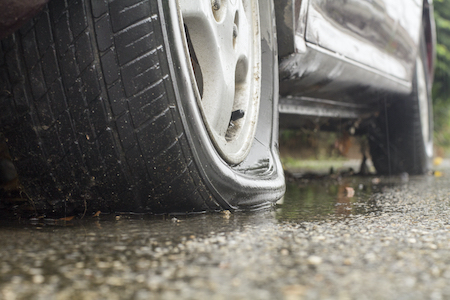
Tires are made from a variety of materials, including rubber. These materials aren’t designed to last forever; they will eventually wear out.
There isn’t one set of guidelines to help you determine exactly when that is. However, tires do come with suggested guidelines you should follow. A high performance tire may wear down faster than one designed for all-weather performance. It also depends on what driving conditions it faces each day.
While you can start by determining how many miles you’ve put on this set of tires, you should also take a look at wear marks. Tire makers state that tires should officially be retired when the tread depth reaches 2/32 of an inch. If you’re kind to your tires, they can last for years. If you drive aggressively, it can shorten the curve immensely.
Dry rot
Age can cause your tires to degrade over time. But age isn’t the only thing that can go wrong. While age, in general, will impact the tread of the tire, dry rot affects your tire’s sidewall.
Dry rot isn’t created from bacteria as it does in a forest. Instead, dry rot on your tire is caused by age or exposure to certain conditions. They include extreme temperatures, UV damage, extensive periods of long term parking, and corrosive chemicals.
Think all of that describes Colorado living perfectly this year? Yep, us too.
The way to prevent dry rot is through regular maintenance. Checking your tires regularly can ensure they are inflated to proper levels, and that you don’t notice problems with the tire tread before you hop on the road and drive.
If you do park for extended periods of time, (like we’ve been doing here in the middle of a pandemic,) be sure you check your vehicle periodically to ensure it’s in good condition. That includes starting the car and running it from time to time to keep the systems working, and checking to ensure the tires are properly inflated.
Valve stem
If you’ve recently changed a flat tire, only to have it flatten again a few miles down the road, it’s time to take a look at the valve stem. The valve stem allows you to regulate tire pressure. It includes both the stem core and the valve cap. You use the stem core to add air into your tires, while the cap is used to seal out dirt and debris from entering.
Just like the tire itself, the valve stem can wear down over time. And as damage occurs, it can cause leaks. Inspect the valve stem. Do you notice any cracks? Does it appear to work when you fill your tires with air?
If you’re having problems regulating tire pressure, bring your vehicle in and we can perform a thorough check. It’s often a good idea to replace valve stems at the time you invest in new tires. This ensures the materials used are fresh and new, ready to perform for thousands of miles as you drive.
TPMS
Built inside the valve stem is a tiny sensor that warns your vehicle’s monitoring system of potential problems. TPMS – tire pressure monitoring system – is designed to track the tire pressure inside each tire, and provide a warning signal when it falls short of being within the manufacturer’s guidelines.
Because newer cars are all computerized, you can monitor any changes to your vehicle by merely keeping a watchful eye on your dashboard. While the actual dashboard signal may vary slightly from car to car, when you see a new icon illuminated, it’s time to find out what’s wrong. If a light blinks on and off, it might be a change in conditions. If it continues, it is a sign something is changing in the way your car operates. The best way to get to the root of the problem is to stop by and have us run a diagnostic test. It will help pinpoint where the problem lies, fix it, and get you back on the road again in no time.
Are you tired of changing tires? Are you tired of finding your car not ready to drive as you head out to a busy day?
Whether it’s due to age, dry rot, or there’s a problem with your tire pressure monitoring system, we can help you pinpoint the problem, and get you back on the road in no time.
Isn’t it nice to know there’s a local car care shop here waiting for you? You’ll receive honest answers every time you stop by. We’re here for you.
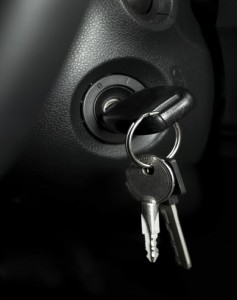 You expect your key to turn in your vehicle’s ignition…but sometimes…it won’t, and that’s a problem. Whether you’re trying to start your vehicle or trying to leave it, it’s a problem.
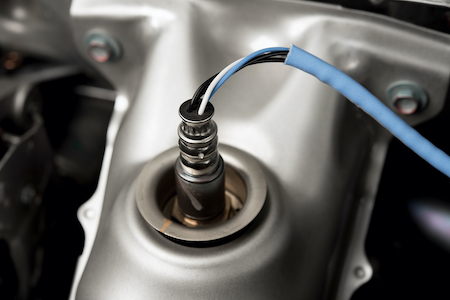 This process was fairly straightforward, but very hands-on for maintenance. A vehicle would need a thorough tuneup every 30,000 miles or so to keep the engine running well.
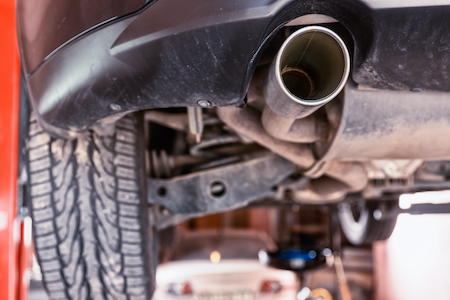 polluters off of the roads. Several counties require an emissions test to register a vehicle, including:
 There are a lot of reasons to
 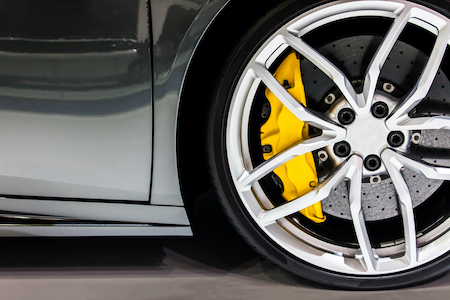 With a disc brake system, a disc turns the wheel. The disc is straddled by a brake caliper, which is controlled by pistons operating from the master cylinder. These pistons press against brake pads that case friction and stop the vehicle. These pads are shaped to cover a significant portion of the rotor, to ensure it properly stops the car.
 It’s very easy to forget about servicing your transmission because it doesn’t need it very often, but when you change your transmission fluid it keeps your vehicle running smoothly and helps you avoid costly repairs down the road. Your transmission undergoes a lot of stress. The grit you see in used fluid is actually bits of clutch material. This grit flowing through your transmission under pressure eats away at seals and gaskets which can lead to leaks. The transmission operates at very high temperatures – much higher than engine temperatures. Those high temperatures eventually cause the transmission fluid to start to break down and loose efficiency. At best, your transmission won’t operate smoothly. At worst, it could lead to very costly damage. When you change your transmission fluid and it’s running properly, it transfers more power from your engine to the drive wheels and improves fuel economy. That’s why manufacturers have recommended changing your transmission fluid at regular intervals. Your owner’s manual has a schedule for transmission service and, of course, your Express Car Care service adviser can tell you what the manufacturer recommends. At Express Car Care, we are able to perform a transmission service while you wait and the cost is usually quite reasonable. When you think about how much a major transmission repair can cost, the cost to change your transmission fluid with our transmission service is downright cheap. Come on in or give us a call and let us know what we can do to help you keep your car on the road.
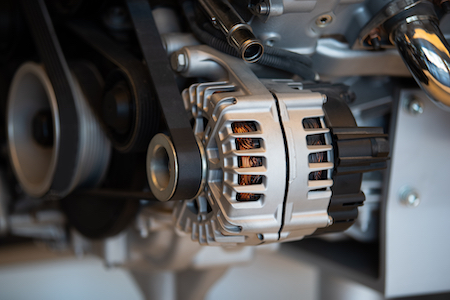 When your electrical system isn’t getting enough current, it impacts the various accessories on your vehicle, including your lights. When you drive in the dark, is it harder to see? Does it appear your lights have dimmed? Or do they seem to be shining too brightly?
 The way cars are produced has changed a lot over the years. To say they’ve gone through a massive overhaul in the last century would be an understatement.
 Think of how much technology has changed vehicles in the last several years. And there’s a lot more coming.