• Home
  • Denver Auto Repair Services
    • Full Service Oil Change
    • Expert Mechanics
      • Expert Honda Mechanics
      • Expert Toyota Mechanics
      • Expert Subaru Mechanics
    • Automatic Transmission
    • Fuel System Cleaning
    • Radiator Flush Service
    • Wiper Blades
    • Air Filter
    • Cabin Air Filter
    • Gearbox Service
    • Brake Repair
    • Clutch Repair
    • CV Boots
    • Tune-Up
    • Steering & Suspension
    • Tires
  • Auto Diagnostic
  • Contact Us
    • About Us
  • Shop Specials
  • Testimonials
  • Blog
  • 303-691-2760

Express Car Care of Denver

"Denver's Best Auto Repair and Quick Lube"

  • Brake Service
  • Car Maintenance
    • Heating-Air Conditioning
    • Suspension
    • Transmission
    • Engine
    • Tires
  • Oil Change
  • Tips & Tricks

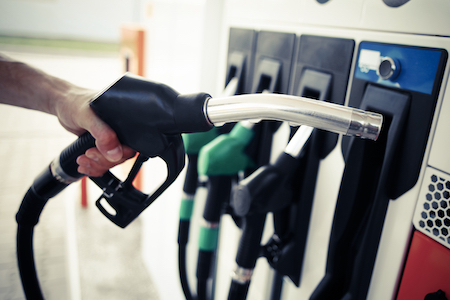
How To Make Your Car More Efficient With Gas Prices Rising

March 24, 2022 by Denver Express Car Care

Remember when gas was under two dollars a gallon? Prices plummeted two years ago as the world came to a halt. And ever since, they’ve been rising steadily upward. Will they hit four dollars? Five? Only time will tell. 

You feel it every time you pull into a gas station. Depending on the car you drive, you may have even reached a pump limit of $100. Now what? How do you make your car more efficient with gas prices continually rising? Or will you have to cut back in other areas of your life to meet this new reality? 

Understanding fuel efficiency

Want a gallon of gas today? The national average is just over $4.24 a gallon. Compare that to $2.88 just a year ago, and you can easily see where your hard-earned money is going, especially if you’re back to driving to work every day. 

It might lead you to wish for a more fuel efficient vehicle. What is fuel efficiency anyway?

Fuel efficiency measures effort to convert energy from the fuel into kinetic energy your car needs to move. It’s the measure of how far a vehicle can travel on one gallon of gas. 

How To Make Your Car More Efficient With Gas Prices Rising

A lot of variables control how fuel efficient a car will be: tires, design of the car, weather conditions, driving conditions, just to name a few. While you may hear the terms fuel economy and fuel efficiency used interchangeably, they aren’t the same thing. Fuel efficiency is broader and includes how a vehicle uses the fuel. And that’s where you have some control. 

While your car may have come with fuel efficiency guidelines, there are things you can do to save on gas. Fine-tuning your driving strategies can help you save at the pump, and make your car last longer too. 

Car efficiency tips

Want to know how to make your car more efficient? It might be easier than you think. We have a few tips for you that don’t cost a lot and take little time to implement. Being aware of what impacts fuel efficiency is often enough to help you drive differently, depending on the conditions. 

Clean out your car

Today’s vehicles are bigger than ever. We also weigh them down with many different things. Walk around your car and take a look at the extras. Do you have ski racks and cargo bins on top? Do you have bike racks tacked to the back? Do you carry workout items, sports equipment, and extra tools in the back? All of that adds unnecessary weight to your vehicle. Studies show you can lose 8 to 10 mpg with these extras in place. And at today’s gas prices, that can really add up. If you’re not using the extras, consider taking them off for your daily commute. You can always add them back when heading away for the weekend. 

Improve your driving

Take a good look at the way you drive. Are you offensive or defensive in your daily driving patterns? Do you drive aggressively in traffic? Hard acceleration and braking can decrease your fuel efficiency by several miles per gallon. Instead, practice smooth driving. Leave space between you and the car in front of you. Leave early, so you have a few minutes to spare. Anticipate what’s coming up so you can smoothly transition as you drive. Not only will this help with fuel economy, but it will also help make your drive safer in the process. 

Don’t speed 

While there’s evidence that higher speed limits increase the risk of accidents, there’s also sufficient evidence that higher speeds also consume more gasoline. As you reach 45-50 mph, your car starts to lose efficiency. The faster you go, the more the numbers drop. Driving fast may get you there in a shorter period of time. But when fuel efficiency matters and you’re trying to conserve how much you pay at the pump, slowing down will help you conserve.

Check your tire pressure

When your tires are underinflated, it lowers your fuel economy. It also puts you at risk. Tire pressure controls how well connected your vehicle is to the road. If they aren’t inflated properly, they can’t do their job efficiently. While many of today’s vehicles have sensors telling you of a pending problem, it’s worth checking your tire pressure regularly to ensure they are properly inflated. 

Buy quality gas

One of the easiest ways to make your car more efficient is to pay attention to where you purchase your gasoline. Top-tier gas stations are held to higher standards with additives. By filling up at a reputable station, you are ensured you’re getting good quality gas that will keep your engine working well. Also pay attention to what type of gasoline your vehicle needs to drive well. Stick with premium if the manufacturer suggests it, as it keeps your car running well. We also recommend keeping your tank at least half. This reduces the risk of running out, and protects you in case of inclement weather or gas shortages. 

Perform regular maintenance

A well maintained vehicle will always perform better than one with potential problems. Dirty air filters, faulty spark plugs, or outdated oil changes all impact performance. Sticking with a regular maintenance schedule ensures your vehicle performs at its best ability, and helps catch potential problems before they escalate. That keeps you safer while driving on the road, and can save on repair bills over time. 

How can you make your car more efficient now that gas prices are rising once again? It doesn’t take much. Just a few proactive tips can make a difference each time you pull in to fill up.  

Filed Under: Tips & Tricks Tagged With: How To Make Your Car More Efficient

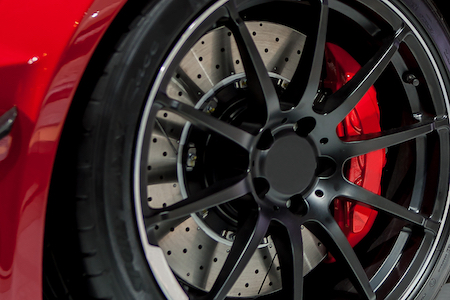
What happens if you don’t break in car brakes?

March 21, 2022 by Denver Express Car Care

Getting new brakes on your vehicle? Be sure to break them in the right way as you drive shortly after installation. It’s the only way to ensure performance over the life of the brakes. 

Breaking in new brakes is also known as bedding-in the brake pads and rotors. If you don’t properly bed in brakes, you may experience problems with the braking system down the road, such as warped discs, uneven brake pad wear, or noise brakes every time you tap on the brake pedal. 

Every time you install new brakes, the bedding-in process should be performed slowly for maximum effect. Most brake pads take 300 to 400 miles to fully break in and remove the transfer film from the rotors. 

For most drivers, this simply means driving at your normal pace. But being aware of the process from the moment you drive out of the service station will ensure maximum results. 

What is bedding-in? 

If you’re getting new brake pads and rotors, take a look at the surface area of the old equipment. You’ll notice that old rotors have a shiny grayish-blue glaze on the surface. This is known as pad transfer. It comes from brake pads pushing up against the rotor many times over the life of the equipment. Brake pads create high friction to slow down and stop a vehicle. The material from the brake pad deposits onto the rotor over time, creating friction and helping your vehicle come to a stop. Pad transfer lays the foundation for a good braking system. 

What happens if you don’t break in car brakes?

When you install new brake pads and rotors, this process hasn’t occurred. Brake pads and rotors are still two separate pieces of equipment. They need time to come together and function well. 

Why you should break in car brakes 

As you drive away from the service station for the first time after having new brake pads and rotors installed, the two start working together every time you slow down or come to a stop. The brake pad connects with the rotor, and starts leaving traces of pad transfer on the surface. 

If you pounce on the brakes and perform this process too quickly, the pad can transfer quickly onto the rotor. This can cause an uneven surface area of pad transfer on the rotor. As you drive and this process continues to build, new pad material will build on this surface, creating an uneven texture on the rotor. In most cases, this will eventually be diagnosed as a “warped rotor”. The entire thing can be avoided by spending a little extra time after installation driving carefully to allow this process to occur. 

Breaking in your brakes: the bed-in process

While many drivers bed-in new brakes through everyday driving, it’s important to understand the process if you wish to ensure proper breaking in of your car’s brakes. It requires Quickly heating and cooling the brakes in repeated movements to ensure proper pad transfer. It looks like this:

Find a safe place to drive – you’ll need space to reach up to 45 to 50 mph, and be able to quickly stop without impacting drivers around you. Ensure your safety and those around you first. 

Warm-up – start with four normal stops. Bring your vehicle up to 30 mph or so, and bring your vehicle to a controlled stop. 

Bed-in – perform eight more aggressive stops where you bring the vehicle up to around 45 mph, and bring it to a controlled stop. Be firm and aggressive with the braking, ensuring the wheels don’t lock up.

Cool-down – park your vehicle and allow it to completely cool down for at least an hour. 

Then drive your vehicle as you normally would. Your braking system is ready to go. 

Other maintenance items to do when installing new brakes

Now that you know how to break in new brakes, you should also know that to keep your braking system in good condition, there are a few other things a technician will do as they install new brakes. 

Check the brake fluid

Brake fluid is a chemical solution used to keep the hydraulic brakes working correctly in all modern vehicles. It is designed to boost your foot’s power every time you step on the brake pedal, increasing the pressure of your car’s brakes. Without brake fluid, you would need a lot more force to slow your vehicle and bring it to a stop. 

When you work on the brake system, it’s always a good idea to check the brake fluid and ensure it’s clear. When brake fluid is in good condition, it’s a lighter, clearer color with a thicker viscosity. The darker and thinner it becomes, the more compromised it may be. It will be replaced if necessary. 

Brake system check

Ensure the entire braking system is working well. From the brake pedal to brake fluid, calipers, and brake pads, each piece of the braking system is important to ensure safety while driving. Things like caliper guide pins can become rusty over time. They can also tighten, needing lubricant to ensure proper movement once again. A reputable mechanic will ensure every piece in the braking system is operational and working well before driving away. 

Slotted or drilled rotors

Improvements are made continually in the world of automotive. With technological advances come better ways to maintain your vehicle. Are you running with the best brake pads and rotors for your car and the way you drive? 

Rotors come in slotted and drilled format. While slotted rotors don’t improve heat transfer, they can enhance brake output by removing dust and debris that can sometimes become stuck between the pads and rotors. This dust reduces friction force, which prevents the pads and rotors from flush contact. Drilled will give better with normal city driving, while slotted may be better with high performance vehicles.

Your brakes are one of the most important safety systems in your vehicle. Without brakes, you wouldn’t be able to slow down and stop, and keep your car under control. 

For a well maintained vehicle, be sure your brakes are in good working condition. And when you get new brakes, break new brakes in properly for a full, long life. 

How can we help you keep your car well maintained? 

Filed Under: Brake Repair, Brake Service Tagged With: break in car brakes

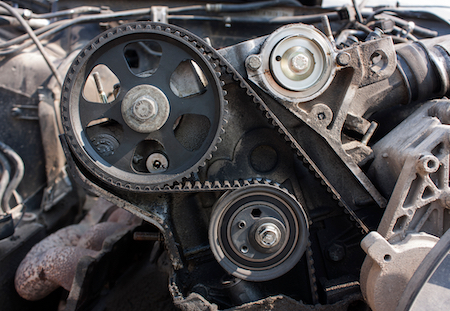
The Timing Belt Is About To Destroy Your Engine

March 18, 2022 by Denver Express Car Care

Your vehicle is filled with over 10,000 parts working congruently to keep you safe and get you wherever you’re going. 

Some of those parts remain in our awareness. We know: 

  • Tires need balancing and replacing
  • Oil needs changing
  • It takes gasoline for a car to operate
  • Brake pads give us the braking power to stop and control the car

Other parts are a little more vague. 

The timing belt may be something you’ve heard of, but what does it do? How important is it in your vehicle’s operation? 

And what happens if your timing belt wears out?

What is a timing belt?

If you look at a timing belt, it seems like a simple piece of equipment. It appears to be nothing more than a reinforced rubber band with teeth. Don’t let its looks fool you. It has a very important job in the operation of your vehicle. 

The timing belt allows your vehicle’s engine to operate. It connects the crankshaft to the camshaft, and plays a vital role in allowing pistons and valves to open and close. The teeth located on the inner side of the belt synchronize the opening and closing of the engine’s valves. As the crankshaft turns, the timing belt moves into motion. It turns the camshaft, opens or closes each valve, and allows the pistons to move freely up and down. 

The Timing Belt Is About To Destroy Your Engine

Timing belts need to be strong and sturdy to take on this much wear and tear each day. Yet like every other part of your vehicle, eventually, it wears out. 

As a timing belt gets closer to end-of-life, you have one of two options.

1. Replace the timing belt before it breaks and causes damage. 

2. Wait for the timing belt to break, causing potentially catastrophic damage. 

If a timing belt breaks, the entire process grinds to a halt. The valves won’t close properly, which allows the pistons to no longer work as designed. If they shoot up and bang against a valve, it causes immediate damage to the engine. Just how much damage determines whether it’s a complete engine replacement. 

Replacement is a much better solution. Manufacturers have suggested guidelines for how long your timing belt will last. In general, timing belts need replacing about every 70,000 to 100,000 miles – check your owner’s manual for specific recommendations. Replacement costs will vary between vehicles, but the price will be substantially less than if your timing belt breaks. 

Warning signs your timing belt is going bad

Timing belts are strong and highly efficient. But like every part of your vehicle, they will eventually wear out. 

Luckily, a timing belt provides indicators that it’s reaching end-of-life. 

Engine misfires – the timing belt has a series of teeth that keep it moving well. As those teeth wear down and possibly disappear, the connections won’t operate smoothly. You may hear it as a repetitive clicking noise coming from inside the engine. 

Smoke – as the belt wears down, it makes the entire operation less efficient. As gasoline moves into and around the system, it may not burn inside the chambers completely. This will impact the exhaust system. If you start the vehicle and you see smoke coming from the exhaust pipe, it’s a clear indicator of incorrect fuel consumption. While it could arise from several things, a mechanic should inspect the timing belt. 

Trouble starting – the timing belt is the pulley system to keep the engine operational. If the timing belt isn’t doing its job, and isn’t rotating efficiently, you’ll notice how well your engine starts. If the belt slips on the camshaft, it causes the engine cylinders to open and close at the wrong times. It causes a desynchronization within the starting system. 

Belt inspection – whether you open the hood regularly or bring it in for regular inspections, checking the timing belt can alert you to potential problems. As it ages, it starts to crack. You can see these cracks running through the timing belt. Another sign is small fragments may chip away and fall off. You can sometimes see these lying in the engine compartment. 

Oil leak – another common sign is an oil leak near the timing belt cover. This cover is secured by nuts and bolts, which can wiggle loose over time. You may notice oil in or around the area. 

Is there any warning before the timing belt breaks?

While you may notice any of the above as a timing belt wears out, the unfortunate part is a timing belt can break without any warning. 

Timing belts are under a lot of stress as they go through day to day motion. It stretches and moves, rotating around the engine. 

Think of a rubber band as you play with it repeatedly. If it’s older, and the rubber is more brittle, it may break with no warning at all. 

Your timing belt works in a similar way. If it’s overstretched, overheats, or simply reaches its end-of-life, it will snap and break. 

While you can watch for changes in your vehicle’s operation, you should also pay attention to manufacturer’s guidelines. Err on the edge of caution. If you’ve reached suggested time limits, it benefits you to replace your timing belt on your terms. 

Your timing belt is a workhorse. It works flawlessly, day after day, until a problem begins. The end result can be catastrophic to your engine, and painful to your wallet. 

If you notice any sign of a potential problem with your timing belt, or know it’s reaching the end of its life, schedule an inspection today. 

It may take time and energy to fix it, and be a punch to your budget, but it is better than the alternative. 

We’ll inspect your vehicle, give you your options, and help you make an informed decision. 

Is your timing belt working? 

Filed Under: Engine Tagged With: Timing Belt

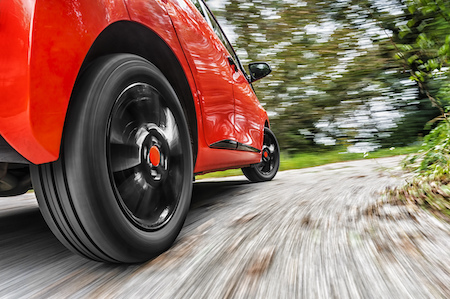
Wheel Alignment or Tire Balancing, What Your Car Needs

March 14, 2022 by Denver Express Car Care

When you drive with a wheel problem, you’ll feel it immediately in the way your car moves. What’s causing it may be a bit more challenging to figure out. 

Is it a problem with wheel alignment? Do your tires need balancing? Or is it something else? 

What is wheel alignment

Wheel alignment is sometimes referred to as tire alignment or front-end alignment. It’s a service that adjusts the angle of your vehicle’s wheels to put them in proper position based on manufacturer’s recommendations. It’s an adjustment of the car’s suspension system, not the tires or wheels themselves. 

Wheel alignment keeps your car from veering to the right or left as you drive. It can improve the handling of your vehicle, and makes your car safer to drive. 

As a part of a wheel alignment service, a technician checks several things to ensure drivability. They check the toe, camber, and caster, all of which impact proper alignment. They’ll also look at tire tread to ensure the tires are connecting properly with the road. 

Typically, manufacturers recommend having a wheel alignment every 10,000 miles. Check your owner’s manual for specific guidelines. You should also have a wheel alignment performed if you notice your:

  • Vehicle pulls to either the left or right while driving
  • Wheels don’t point straight ahead when stationary
  • Tires have noticeable tread wear
  • Car has been damaged in an accident or collision 

What is tire balancing 

Think of what your tires go through as you drive around each day. They take corners. The skid to a stop. They hit potholes and bumps. They swerve to miss what’s lying on the road. They navigate puddles, driving rain, slush, and snow. Eventually, all of that impacts your tires. 

Wheel Alignment or Tire Balancing, What Your Car Needs

Yes, the tread on your tires will eventually wear away, requiring you to purchase new tires. But long before that, your tires may settle, no longer connecting properly with the road. 

Tire balancing is also referred to frequently as wheel balancing. As tire tread wears down, it can cause the weight around the tire to change. This leads to an imbalance that can increase tread wear, lead to vibration, cause damage to the suspension system, or a number of other problems. 

As a part of tire balancing, your tires and wheels are mounted onto a tire balancing machine. This calibrated balancer tests both moving and non-moving tire balance, and adjusts the tires to proper balance. It adds tire weights to achieve a properly balanced tire and wheel assembly. 

Typically, tire balancing is performed along with tire rotations. Most manufacturers suggest both services take place every 5-6,000 miles, or 6 months, whichever comes first. You should also have your tires balanced if you notice:

  • Excessive vibration in the steering wheel as you drive
  • Floorboard vibration
  • Uneven tire wear
  • A flat tire 

People think the only way for tires to move out of balance is to hit something in the road. It doesn’t take a sharp object or a large bump to alter how your vehicle drives. If you leave your vehicle sitting for long periods of time without moving it, the tires can develop flat spots that can cause an imbalance. 

How do you know if you need an alignment or a balance?

Tire balancing and wheel alignment often occur at the same time, but the two shouldn’t be confused for the same thing. They are two separate services, each with its own benefits to keep your car running smoothly. And reducing your risk while driving down the road. 

One of the biggest benefits of tire balancing is that it prevents premature tire tread wear. If you want to get the most mileage possible from your tires, scheduling routine tire balancing should be a part of your regular maintenance. Keeping your tires balance will help their performance as well as optimize your gas mileage.  

Wheel alignment improves vehicle handling, fuel efficiency, and extends your tires’ life. Left untreated, you’ll have steering and suspension problems, potentially damaging components enough for repair work or even replacement. You can also shorten a tire’s life by thousands of miles. 

If you notice a vibration in the steering wheel or on the floorboard, it’s a tire balance issue. 

If your vehicle pulls to one side, your steering wheel sits crooked, or you have trouble driving straight without a tight grip on the steering wheel, it’s an alignment issue. 

If you notice any problem with either balancing or alignment issues, don’t delay. Schedule an inspection as soon as possible to bring your vehicle back into good working condition. 

Tire balancing doesn’t take very long; one to two hours and you’ll be back on the road. It depends on the issues your car has experienced. Hitting a pothole may cause more imbalance than working with installing new tires. 

Wheel alignment is also a fairly quick service that generally takes one to two hours. The more wear and tear or damage to the suspension system will require more time for correction. That’s just one of the reasons it’s better to bring your vehicle in quickly; labor costs are kept to a minimum if the task is easier to fix. 

Four tires … One vehicle 

If you notice damage to one of your tires, why can’t you fix just the one? The easiest answer is: all four tires are attached to one vehicle. It takes four tires to control your vehicle on the open road, and carry you from point A to point B. If one tire is out of balance, there’s a good chance it’s impacting the others too. 

To ensure your tires have a full life, and your car drives safely no matter where you go, it’s a good idea to have all four rotated and balanced regularly. It’s the easiest way to ensure your safety on the road.

Filed Under: Tires Tagged With: Wheel Alignment or Tire Balancing

Was The Winter Hard On Your Brakes? Cold Weather Brake Problems

March 10, 2022 by Denver Express Car Care

Cold weather and Colorado go hand in hand. 

While we love skiing, the occasional blizzard, and days off from work and school, sometimes the cold weather can be a bit challenging. Heading out to a car that won’t start can be a bit frustrating. Finding out your brakes aren’t working can be dangerous at best. 

Brakes are one of the most critical systems of today’s modern cars. Have you ever noticed changes in how your car brakes on the coldest days of the year? You’re not alone. We are often flooded with calls when the temperatures dip to zero and below. 

Cold weather brake problems are different from issues you may experience at other times of the year. While cold weather doesn’t directly impact your brake system the same as a car battery, it can change how your car handles and moves. Being aware of the impact cold weather has on brakes will keep you safe no matter what the thermometer reads when you head out into the world. 

Cold weather may impact the brake lines

What keeps your brakes in good working condition is the brake fluid. The freezing point of brake fluid is -40 degrees Fahrenheit, but the freezing point isn’t an all-or-nothing process. Instead, brake fluid starts to congeal the colder it gets. And as the brake fluid thickens, you’ll notice it in the way your car handles. 

Was The Winter Hard On Your Brakes? Cold Weather Brake Problems

You might be thinking that the Front Range never sees -40 degrees Fahrenheit temperatures. Yet we do see the temperatures creep well below zero almost every winter season. 

If your brake fluid is fresh and in top shape, it will continue to work fine as the temperatures drop. But if you don’t keep your brakes well maintained, that could be a problem. 

Over time, brake fluid absorbs moisture from the air. Even though the braking system is mostly airtight, the brake fluid will still come in contact with air and moisture. And when there is moisture in the brake lines, even 32 degrees Fahrenheit can be a problem. 

Studies show that up to one in five cars is driving around with water in the brake line. If you haven’t had your vehicle inspected, or asked about having your brake lines flushed in a while, it could present a problem on the next bitter cold day. 

Cold weather could actually cause too much heat

Sounds counterintuitive, doesn’t it? How could cold weather cause too much heat? 

When ice, snow, and all that comes with winter driving impacts your brake pads, you’ll start applying more pressure to the brake pedal every time you slow down or come to a stop. More pressure means more action in the braking system. And that can cause it to get very hot. Too much heat and it causes the entire braking system to overheat. 

While your brake system is designed to withstand intense amounts of heat, everything has a breaking point. As the brake pads wear down, the responsiveness wanes, and you might start hearing funny squealing sounds. 

Regular inspections will ensure that every point in your braking system is operating at maximum capacity. You can also change your driving patterns so you’re not riding the brakes. Give yourself plenty of room between you and the car in front of you, so you’re not tapping or slamming on the brakes. 

Cold weather can impact the undercarriage

Colorado driving is a consistent challenge of navigating whatever Mother Nature has to dish out. When ice or snow is in the forecast, the city moves into action, adding things like mag-chloride to the streets, and sanding and adding de-icer to slippery spots to help keep you safe. 

All of that takes its toll on your undercarriage. 

It builds up in every nook and cranny it can find. All of those chemicals can accelerate rust and corrosion, damaging individual parts and components. 

The most obvious signs come in the form of rust. You may see evidence if you perform a visual check. If you don’t clean the chemicals away shortly after they are applied, they can continue to build (and continue to damage) on every part underneath your vehicle. It can impact your braking ability, the way your emergency brake works, cause parts to rattle and fall off, and decrease the functionality of your vehicle. 

On those 70 degree days that fall in between storms, it’s a good idea to head to your local car wash and give the undercarriage a good cleaning. Regular inspections are also a good way for allowing a mechanic to take a look underneath and ensure every part is still in good working condition. 

Has winter weather impacted your brake system?

March is the snowiest month in Colorado. Here along the Front Range, snow is possible almost every month of the year. And when you take a ride into the mountains, road conditions can change quite rapidly. 

One of the most important systems on your vehicle is the brakes. If it’s been a while since you’ve had them checked, now may be the time. 

A harsh winter can lead to car problems you might not notice until they show up in a big way. Preventative maintenance is the easiest way to ensure you and your passengers stay safe. 

The next time you’re out driving, pay attention to what your car is trying to tell you. Does it squeal, squeak, or bang? Do you sense your brakes take a little longer to engage? Do you notice a funny smell, or see potential problems as you walk around your car? Warning signs are there for a reason. They’re designed to give you a chance to bring your car in before bigger problems arise. 

Whether you head to the hills for ski weekends, or simply drive to work every day, the Colorado winters can do a lot of damage to your vehicle.

Make today the day you fight back against everything this winter dished out. Cold weather can impact your brake system in harmful ways. An inspection will ensure it’s still driving well. 

Filed Under: Brake Repair, Brake Service Tagged With: Cold Weather Brake Problems

How Auto Mechanics Are Changing

March 7, 2022 by Denver Express Car Care

What car are you driving today? Does it run on gasoline? Is it a hybrid? Or electric?

Driving down the street shows just how far we’ve come in a short period of time. The hybrid car market is on track to grow at approximately 9 percent per year over the next few years. The electric car market has exceeded expectations, increasing 67 percent from 2019 to 2020. 

Cars are changing. That also ensures that auto mechanics are changing too. 

But what does that look like? Will you still be using mechanics in a similar fashion in the future? 

Auto mechanics are changing. What does that mean for you?

Cars today

All you have to do is look in your own driveway or garage to see how cars are changing. You may have a gasoline-driven vehicle several years old, sitting next to a hybrid that gives you better gas mileage and is more efficient. 

That’s representative of drivers all across America today. 

Research shows more than 76 million vehicles on the road today are more than 16 years old. Thanks to technology, better mechanics, and economic considerations, cars over 12 years old are expected to grow as much as 12 percent per year. In the past decade, we’ve increased how long we own a car by 60 percent. 

Hybrids and electric cars may be our future, but for now, we’re driving our cars longer than ever before. 

Leasing or buying – a huge difference

Leasing is becoming a popular choice as cars increase in price. That means many drivers are out there swapping out their vehicles every few years. 

That may seem like an easy way to move gasoline-based vehicles out and hybrid and electric vehicles in, but eventually, we’ll have a lot of older vehicles in all classes of cars. 

How Auto Mechanics Are Changing

Older cars run beyond their warranty. But they still have life left for the driver. That’s when auto mechanics will really change. Suddenly, we’ll have cars on the road – gasoline, hybrid, and electric – and they will all require maintenance to keep them running efficiently for the life of the vehicle. 

Auto mechanics will be highly skilled as they move from vehicle to vehicle, keeping them in good operating condition. Not only will they be skilled with traditional mechanics, but they will also be skilled in electronics. That’s where independent shops will thrive as they continue to hone their skills to fix the problems associated with aging auto markets. 

Auto parts

Have you faced this scenario? Your car isn’t operating correctly. It makes a noise, or you notice a smell. You bring it in for repair. 

After a thorough diagnostics test, it’s determined one of the systems needs a new part. They order it … and you wait. Increasingly, you may have had to wait days for a part to be shipped in from somewhere else. It takes time for the part to be delivered, and more time for the part to be installed. 

One of the advantages of having a standard car with an equally common problem is the abundance of parts. You can find them everywhere.

With so few hybrids and electric vehicles on the market, finding specific parts can be challenging at best. 

As cars grow in popularity and we start honing in on simplifying how different systems work, even parts on hybrids and electric vehicles will become more commonplace. Especially for independent shops, they can be very specific in the services they provide, and be ready to make the necessary repairs quickly when you drive in. 

That saves you time and money in the long run. 

The future of auto repair

You only have to step into an auto mechanic shop today to see the changes that have taken place over the past few years. It’s more about diagnostics and technology than good old-fashioned “grease monkey” discovery. 

The world is being automated right before our eyes. Why should we expect any difference within the automotive repair industry? Yes, some parts and services of the auto mechanics niche will disappear forever – hello, buggy whips. But new parts and services will take their place. 

As we build more sophistication into every car we develop, that means an increase in artificial intelligence (AI), machine learning, and technology. All of this operates with sensors and other sophisticated equipment. When something goes wrong, it will be the auto mechanic of the future that steps in and makes the repair. 

There will also be distinctions between individual and commercial classifications. As we step into autonomous transportation, there will be even more need for regular maintenance to ensure all vehicles on the road stay in good working condition. To ensure vehicles operate well to avoid error and reduce driver error, it will be imperative that every technical part on a vehicle is calibrated and working well. 

That requires a skilled auto mechanic to ensure it’s fully operational. 

Different time. Different vehicle. Different skills. 

Auto mechanics are changing

But the need will never disappear. 

Just like the Ford Model T required a specific type of auto mechanic, so to will the cars of tomorrow. 

No matter how many technological advancements we make, or how many changes we make to the vehicles we drive, there will always be a need to maintain them, and keep them functioning at their best. 

Every part, component, electrical connection, or mechanical device will wear down over time. 

It’s an auto mechanics’ job to understand each system thoroughly, and be able to fix it when it needs to be updated. 

The complexity of the systems are changing. An auto mechanic’s job will change too. 

It won’t decrease the need for auto mechanics. It simply changes the services they provide. 

What matters most is the relationship you develop, and the trust you place in ensuring they do a top-quality job for you. 

Are you happy with the auto mechanic who services your vehicle? 

Filed Under: Car Maintenance Tagged With: Auto Mechanics Are Changing

How Long Can You Drive With Worn Brake Pads?

March 4, 2022 by Denver Express Car Care

Brake pads are one of the most critical pieces of equipment built into your car. If your brake pads aren’t working, you won’t be able to slow the car to a stop, or keep it under control as you drive. 

Worn brake pads won’t handle the way new brake pads do. That’s why manufacturers build in warning signals to alert you to the fact that your brake pads are failing. There’s no mistaking the high pitched squeal brake pads make at the end-of-life when you press down on the brake pedal and the metal of the brake pad connects with the metal of the brake rotor. 

You’ll notice it. And so will everyone else around you. 

Brake pads last somewhere between 30,000 and 70,000 miles. Check with your owner’s manual for specifics. 

But even with those general guidelines in place, brake pad life changes based on your driving patterns. There are many things you do that will ultimately determine how long your brake pads will last. 

What effects brake pad wear

Driving habits

Your daily commute is the biggest indicator of how well your brake pads will handle over time. Are you an aggressive driver? Do you ride the brakes? Do you pounce on the brake pedal reacting to the drivers around you? Is your terrain flat, or do you drive over a variety of steep grades? Do you coast to a stop, or slam on the brakes? Brake pads will wear differently depending on your approach. Brake pads are all about safety – abrupt stops are sometimes necessary. But smoothing out your normal driving patterns will ensure a long life for your brake pads. 

How Long Can You Drive With Worn Brake Pads?

Vehicle weight

Cars are different from trucks. A heavier vehicle will require more braking action to come to a complete stop. It also depends on how loaded your vehicle is. Many drivers across Colorado keep items from their active lifestyle inside their vehicles at all times. Bike racks. Cargo toppers. Sports equipment in the back. All of that requires more action to bring the car to a stop. Your brakes will also have more stress if you regularly pull campers or trailers, especially going up and down the mountain. The more stress your brake pads endure, the shorter lifespan they will have. 

Driving environment

We have a variety of driving conditions here along the Front Range. Is your driving primarily urban, or do you regularly take dirt roads? Do you live in the city, or high up in the mountains? Steep elevations impact driving differently than living out on the plains. Your brakes will also endure changing weather conditions, sometimes all in the same day. Temperatures rising into the three digits. Ice and snow making hazardous driving conditions. All of that impacts how often you rely on your brakes for slowing and stopping. 

Brake materials

Not all brake pads are alike. Brake pads are created from several different compounds to match different driving needs. Harder materials work better when performance is required. Softer materials work better at lower speeds, such as when you primarily drive in city conditions. Steel or metal brake pads are the most common materials, and work well in average driving conditions. Carbon-ceramic brakes last longer than their metal counterparts, but are more expensive and are primarily for better performance. Your vehicle’s manufacturer has recommendations for which brake pads are best for your driving conditions. Or talk with one of our technicians for more information. 

What happens if you keep driving on worn brake pads? 

Have you reached a point where you know you’ll have to replace your brake pads soon, but you’re trying to get the most life out of them? Several things can happen if you keep driving on worn brake pads. 

Your car will need more space to slow and stop

Worn down brake pads won’t be as functional as new brake pads. That means your vehicle will require more surface area to slow and come to a stop. Response time can change rapidly as your brake pads wear, especially if they wear unevenly. If it feels like it takes more force from you stepping on the brake pedal, it’s a good indicator there are problems with your brake pads. 

Your car vibrates as you brake

When brake pads work well, you’ll come to a smooth stop. As they wear down, it adds pressure to their ability to slow and stop. Especially if they wear unevenly, you’ll start to notice this in the stopping action. You’ll be able to feel the vibrations throughout the car. 

Other parts can be impacted

It’s not just your brake pads that are at risk. The more worn they become, the more at-risk other parts on your vehicle are too. Brake pads are part of an intricate system where if one component is damaged, it can impact many others too. If brake pads wear past the wear mark, they can damage the brake rotors. The metal of the brake pad grinds into the rotors every time you push down on the brake pedal. The heat from this pressure squeezes against the rotor and can warp or crack it over time. If your car needs greater force to come to a stop, this will also impact your tires. Constant slamming on the brakes causes your tires to wear unevenly, wearing down before their estimated lifespan. All of this can add up to more component replacement, making your repair costs rise.  

How long can you drive on worn brake pads?  

Brake pads are designed to last anywhere from 30,000 to 70,000 miles. How many your car gets will be determined by your day to day driving conditions. 

But once you detect your brake pads are no longer working as designed, what happens to the rest of your vehicle largely depends on your actions. 

Can you drive on worn brake pads? Sure. For a while. But it will quickly materialize into many other problems, require more repair work, and potentially put you and those around you at risk. 

Is it time for new brake pads for your vehicle? 

Filed Under: Brake Repair, Brake Service Tagged With: Worn Brake Pads

Does Your Car Really Need a Power Steering Flush?

February 28, 2022 by Denver Express Car Care

Have you ever brought your car in for something simple – an oil change – and the mechanic approaches you with a list of potential parts and services it needs to run properly?

It can be confusing at best. 

Does your car need fluid flushes or full detailing to ensure an efficient ride? Or is this just a way for the mechanic to bring in extra money?

We get it. It seems as if every company is fighting for ways to add on sales, and bring in extra money. 

And flushes can be confusing. Let’s take a power steering flush as an example. You know your car uses power steering to make it easy to drive. You may have a general understanding of mechanics, knowing it takes power steering fluid to ensure movement as you go. How does the fluid get there? And will it wear down? How do you know?

Great questions! Let’s find out. 

Start with understanding the power steering system

Power steering is a system that uses engine power to control the front wheels effortlessly. It makes it easy to maneuver at lower speeds, making it easy to take tight corners, and turn into spaces like parking spots and enter garages. Without it, you’d need a lot more force to keep control over your vehicle, especially as you turn and move in different directions. 

Today’s vehicles use one of three power steering systems: hydraulic, electric, or hybrid electro-hydraulic. Each utilizes the same function, even if they approach it differently. 

 Does Your Car Really Need a Power Steering Flush?

The oldest – hydraulic power steering – has been assisting drivers for more than 50 years. It utilizes a hydraulic pump assembly that pushes transmission fluid into the steering assembly, which aids in controlling the tires. The pump draws power from the engine to perform its work. Because it remains operational while the vehicle is running, it exerts wasted energy while moving on a straight stretch of road. 

Hydraulic power steering relies on several different types of power steering fluid. 

  • Automatic transmission fluid (ATF)
  • Synthetic power steering fluid – these are engineered for specific types of cars
  • Non-synthetic power steering fluid – mineral fluid that often is used in place of ATF

Like other fluid types, it’s important to know which your car accepts to reduce the chance of damage, and give your car what it was designed with. 

Electric power steering (EPS) is becoming the new norm for today’s vehicles. Instead of a hydraulic pump, the gear connects to an electric motor and a control module, which uses sensors to determine how much assistance is needed to the steering system while you drive. 

Electro-Hydraulic steering is a hybrid of the two. It provides the smooth feel of a hydraulic system, with the energy draw of the electric system. It improves fuel economy as the pump only operates when you need assistance. This is most common in heavy commercial vehicles, though some car manufacturers install them because of the benefits. 

My car uses power steering fluid – do I need a flush? 

If you use hydraulic power steering fluid, you may wish to speak with a mechanic about the benefits of having the steering pump flushed and filled with fresh fluid. It pays to know what your manufacturer suggests, as well as understand what your mechanic finds to make this suggestion. 

While it isn’t a common maintenance item, it isn’t something you can ignore. Paying attention to what’s happening under the hood can give you assurance everything is in good working condition. 

Power steering fluid is red, and is often similar in color to coolant (if your coolant is red.) It can turn a deeper shade over time. Color alone isn’t a sign that something is wrong. It takes further investigation. 

If you notice a leak, find out where it’s coming from. Over time, seals, o-rings, and other parts can deteriorate and result in a leak. Fluid underneath your car in conjunction with problems with your power steering could be an indicator it’s time for a power steering flush and repair work. 

Many reservoirs are installed with see-through plastic so you can track how much fluid you have, and check to ensure it’s not running low. Your owner’s manual will guide you to where it’s located on your vehicle. 

What a power steering flush will do for your vehicle

Is a power steering flush really needed? There are a few important things this service can provide you with. 

  • Better steering – if you notice your driving is becoming more difficult, it may be a sign of compromised power steering fluid. New fluid will get rid of the grime, and make your drive that much safer. 
  • Protects the pump – fluid is the life-blood to any major component. Replacing power steering fluid is much less expensive than risking damage to larger items like the power steering pump. 
  • It flushes harmful contaminants – driving here in Colorado means you’re subjected to everything on the road. Mag-chloride and salt in the winter, mud and other debris in the summer as the rains set in. flushing the system pushes these harmful contaminants out. 
  • Peace of mind – keeping the maintenance items recommended in your owner’s manual on your calendar can give you peace of mind over time. Instead of waiting for a major breakdown, being proactive can keep your vehicle in the best working condition possible. 

Is it time for a power steering flush? 

Before you head out on your next road trip, or move into a new season, head in for an inspection to keep your vehicle operating well. 

By working with our mechanics, we can help you determine how to keep your car in good working condition. 

Schedule your visit today. 

Filed Under: Car Maintenance Tagged With: Power Steering Flush

Does Changing a Cabin Air Filter Really Make a Difference?

February 24, 2022 by Denver Express Car Care

Cars provide an invaluable service. They:

  • Get us from point A to point B each day
  • Shelter us from the heat and cold
  • Allow us to travel long distances comfortably
  • Give us easy ways to transport things we need 
  • Keep us safe from harm

For all those reasons and more, it’s important to keep your vehicle in good working condition. 

When was the last time you thought about checking your vehicle’s filters?

While the oil filter may have been changed the last time you stopped in for an oil change, when was the last time you checked your cabin air filter?

What’s a cabin air filter?

When it comes to filters, your car has several to keep it operating well. They include:

  • Air filter – prevents harmful debris, dirt, and contaminants from entering your engine
  • Oil filter – removes contaminants from your car’s motor oil
  • Cabin air filter – prevents dust, pollen, dirt, and other pollutants from entering your vehicle through the cooling and heating vents

The cabin air filter is the one most vehicle owners miss because they often don’t know it exists. A cabin air filter is specifically designed to help filter the air supply inside your vehicle, creating a cleaner environment while you ride in your car. As you exhale, it takes in the air supply and moves it through the filter. As air comes in from the outside, it filters out pollen and dust to prevent further aggravation for allergy and hayfever sufferers.  

Like other filters, over time, cabin air filters can become dirty and clogged with harmful contaminants and debris. They no longer serve their purpose if they can’t filter air through the filter, and instead let the pollutants and contaminants back into the air supply. 

Does Changing a Cabin Air Filter Really Make a Difference?

If you notice a bad smell coming from the vents as you use heat or air conditioning, there’s a good chance it’s time to replace your cabin air filter. 

When should I replace a cabin air filter? 

While a cabin air filter might not need replacing as frequently as an oil filter, it’s still a good idea to keep it on a schedule and change it often. 

Take a look at your owner’s manual. It will give you an idea of manufacturer’s guidelines, and when your car’s designer suggests you change out the cabin air filter. Typically you’ll find that manufacturers recommend replacing it every 15,000 to 30,000 miles or so. 

Timing may be your starting point, but you should also factor in how you drive. Those who drive in urban, congested areas regularly will need to replace the filters more often. If you live in a rural location and dirt roads are a part of your daily drive, the filter may clog with dust and debris faster than by taking paved roads. 

Will a dirty cabin air filter show signs of wear? 

Like other parts of your vehicle, the cabin air filter doesn’t wear down in an instant. Instead, it will start to provide you with indicators that its clogging and no longer doing it’s job. You may notice:

  • Reduced air flow – when you crank the heat or air conditioning up too high and it still doesn’t seem to get the job done, it may be an indicator of a clogged cabin air filter.
  • A whistling sound – the higher speed you use for controlling the air supply, the higher the whistling sound coming from the cabin air intake ducts. 
  • A distinct musty odor – you can’t ignore the foul smell that comes every time you turn your vents on. It may even worsen over time if you continue to ignore the problem. 
  • Louder noises while the heating or cooling system is running – your heater and air conditioner have to work harder to meet the demands of the system. It’s trying – and you’ll hear it working. The noise will increase until the entire system is well maintained. 
  • Fog on the insides of your windows – if the cabin air filter is allowing pollutants and contaminants to blow out into the air supply, some of the debris may land on your windows and create a fog. This isn’t moisture, it’s actually particles landing on your window, and preventing you from seeing clearly. 

What can you expect from a new, clean cabin air filter?

The good news is that replacing an old cabin air filter with a new one, it will help your car run better. A well maintained vehicle won’t leave you stranded when you least expect it. It will also give you many more years of service, and be a reliable addition to your lifestyle. 

Changing out your cabin air filter will give you:

  • Better performance – air filtration is a crucial part of overall vehicle maintenance. Your car needs two things to operate efficiently – air and fuel. A clean air supply makes every aspect of your vehicle’s operational systems more effective. 
  • Better air supply – how much time do you spend inside your vehicle? According to the EPA, people spend 90 percent of their time indoors, where concentrations of some pollutants have been shown to be as much as five times greater than outdoors. Imagine how many contaminants you’re breathing in if you spend an hour or two each day tucked away inside your vehicle? 
  • Better reliability – how often do you use your heater or air conditioner? Trick question, because you might always have one or the other on, keeping your vehicle at your desired temperature. Every time you operate the heating and cooling system, it depends on the motor for energy. If it isn’t efficient, it requires more power from the engine. That puts undue stress on your engine, meaning it might need repair or even replacement sooner rather than later. 

Is it time to replace your cabin air filter?

If you can’t remember the last time you replaced your cabin air filter, now may be the perfect time. Be prepared for springtime pollen season by giving your ventilation system a little TLC. 

Changing out the cabin air filter will improve air quality and prevent allergy problems by filtering out pollen and mold spores, dirt, and other pollutants. 

It’s one of the easiest ways to ensure your vehicle remains well maintained. 

Filed Under: Tips & Tricks Tagged With: Cabin Air Filter

Does Your Car Really Need a Radiator Flush?

February 21, 2022 by Denver Express Car Care

Denver is breaking temperature records every single year. It hit 102 in July 2021, 103 in July 2016, and 104 in June 2018. Will we see 105 this year?

When the temperatures creep upwards, it’s important to ensure your car is ready for the heat. Car’s today are built with an internal system to monitor heat and protect the engine. The engine uses antifreeze to keep your engine running, and the entire system cool. 

Is it running properly? Is it time for a radiator flush (also known as a coolant flush)?

It’s essential to keep your vehicle’s coolant fresh by following manufacturer’s guidelines. Ready to learn more? 

What a vehicle’s cooling system does  

If you’ve ever stood near the hood of your vehicle after driving on the highway for a while, you know how much heat is produced underneath the hood. Imagine the parts in action as you fly down the highway at 50, 60, even 70 miles an hour or more. All of that action creates a tremendous amount of heat. 

While the components of a vehicle are created for intense heat, car designers also build in a cooling system to counterbalance the heat, and make sure every part in the system remains in good working condition as you drive. 

If your vehicle didn’t have an effective cooling system, the engine would heat up and stop functioning in a matter of minutes. 

It’s equally important to keep in mind that the cooling system has a job to perform year-round. It works hard to protect the engine as temperatures soar over 100 degrees Fahrenheit, as well as safeguard the engine when temperatures fall below zero. 

Most engines today use a liquid cooling system that works by passing liquid continually through the engine block. Coolant, or antifreeze, is pushed through the engine via the water pump, absorbing heat as it moves through the passages. 

Does Your Car Really Need a Radiator Flush?

As the liquid leaves the engine, it travels to the radiator where it is cooled by an air stream entering through the grill of the car. It cools enough inside the radiator to return once again into the engine, pick up heat, and repeat the process again. 

A thermostat is located between the engine and the radiator to monitor the coolant’s temperature. If the coolant is above a certain temperature, it flows into the radiator to cool. If it’s below, it circulates back into the engine. 

This coolant continues to circulate throughout its life, heating and cooling to protect the internal components of the engine compartment. Coolant, or antifreeze, is composed of ethylene glycol, designed to withstand temperatures tens of degrees below zero, and engine temperatures reaching 250 degrees or above. For most climates, a concentration of 50 percent antifreeze and 50 percent water is sufficient to get the job done. It’s highly poisonous to humans and animals, so keeping it away from both is important. Its slightly sweet fragrance can attract animals and children; take appropriate protection measures. 

Why a radiator flush is needed

Like other fluids in your vehicle, coolant is designed to run nonstop while the engine is operational. Radiator fluid is a protection device, designed to heat and cool as it flows through the system, keeping the components clean and running to do their job well. 

Over time, coolant can start to pick up dirt, debris, and other contaminants that build up in the system. This can lead to corrosion, scaling, rust, or other potential problems that you do not want in your engine or radiator. 

A radiator flush solves this problem. It’s designed to keep the entire cooling system in pristine shape. Think of it as a blood transfusion of the cooling system. 

A radiator flush forces several gallons of cleaner, water, and coolant through the system, eliminating contaminants or build-ups that may have been deposited since the last flush. 

Simply draining the radiator doesn’t do a proper job of removing contaminants. Trace debris may still be stuck inside the system, attached to the various components. By flushing the system, you remove these deposits and create a clean system once again. 

A radiator flush is also designed to repair and protect the various components that may have weakened with age. When you use the right additives and perform a radiator flush as suggested by your car’s manufacturer, it can lubricate the various parts, lengthen the life of the water pump, and help prevent future corrosion before it starts. 

Is it time for a radiator flush?

As a general rule of thumb, most manufacturers recommend having a radiator flush performed every 30,000 miles or 5 years, whichever comes first. Of course, your manufacturer knows best based on how the system was designed. Follow their suggestions to ensure a long life. 

Driving conditions can also impact expectations. Driving up and down the mountain each day can add to the stress of the coolant system. Pulling heavy loads continually can also impact the system. You know your driving conditions best. If you feel your car could benefit from a radiator flush, erring on the side of caution is always best. 

Your vehicle will also give you a sign if it’s time for a radiator flush:

  • You notice a leak by way of a puddle of coolant underneath your car
  • You notice a knocking sound in the engine compartment as you driv
  • Your car starts to overheat
  • You notice visible debris in the coolant
  • Steam or an odd smell coming from underneath the hood

What happens if you don’t flush the radiator

Is a radiator flush really necessary? 

When there is a problem inside the cooling system, you’ll notice any one of the symptoms from above. It can start in the form of a leak, migrate to a knocking sound in the engine, and eventually cause your engine to overheat. The problems won’t go away if you don’t take care of the problem. 

If left unchecked, the symptoms escalate and you wind up with even bigger problems. Further corrosion. Larger leaks. Failing components. Bigger repair bills. 

The easiest way to stop the problem in its tracks is to stick with a schedule and get a radiator flush from time to time, to keep your cooling system operating well. 

When was the last time your car had a radiator flush? 

Filed Under: Engine Tagged With: Radiator Flush

  • « Previous Page
  • 1
  • …
  • 34
  • 35
  • 36
  • 37
  • 38
  • …
  • 102
  • Next Page »

Express Car Care
4200 E. Evans Ave. Denver, CO (map)
Phone: (303) 691-2760
Located just southeast of the Colorado Light Rail station

Follow Us Today!

  • Facebook
  • RSS

Shop Hours

Monday: 8:00AM – 5:00PM
Tuesday: 8:00AM – 5:o0PM
Wednesday: 8:00AM – 5:00PM
Thursday: 8:00AM – 5:00PM
Friday: 8:00AM – 5:00PM
Saturday: Closed – A note from the owner
Sunday: Closed

Last car oil change time  – 5:00PM

Click for the BBB Business Review of this Auto Repair & Service in Denver CO

Recent Articles

5 Reasons to Choose a Local Family-Owned Auto Shop Over a Big-Box Garage

5 Reasons to Choose a Local Family-Owned Auto Shop Over a Big-Box Garage

We get it—you see a big-chain auto repair shop with flashy signs, weekend hours, and a recognizable brand. It’s tempting. But bigger isn’t always better, especially when it comes to something as … [Read More...]

  • The Top Reasons Your Car Might Be Stalling and How We Fix It
  • How to Keep Your Brakes Quiet, Responsive, and Safe
  • Why Your Vehicle Deserves a Full Multi-Point Inspection This Season
  • Car Gifts For Road Trippers: Essential Take-Alongs To Make Your Road Trips Safer
  • How Denver’s Climate Affects Your Car Battery

Search Our Site

Brakes Service

How to Keep Your Brakes Quiet, Responsive, and Safe

Everything You Need To Know About Replacing Your Brake Pads

How to Know If It’s Time to Replace Your Brake Rotors

Oil Change

Top Benefits of Getting Regular Oil Changes in Denver

Oil Change Specials in Denver: Save Money and Keep Your Car Running Right

Why Regular Oil Changes Are Crucial for Denver Drivers

Suspension

How to Know If Your Car Needs Suspension Repair in Denver’s Bumpy Roads

A Guide To Understanding Bushings on a Car

Tips for Preventing Wear and Tear on Your Car’s Suspension

Transmision Service

How Often Should You Service Your Transmission in Denver?

Transmission Trouble? Common Signs and When to Visit Our Denver Shop

How to Prevent Common Issues with Automatic Transmissions

Engine Service

Everything You Should Know About Your Vehicle’s Timing Belt

Is Your Car Hesitating During Acceleration?

How to Troubleshoot a Rough Idling Engine

Auto Tips & Tricks

How to Deal With Car Noises That Only Happen When You Turn

Top 5 Maintenance Tips for High-Mileage Vehicles

Why Tire Pressure Matters More Than You Think

"Denvers Best Auto Repair and Quick Lube" - Copyright © 2025 - 4200 E. Evans Ave. Denver, CO 303-691-2760