• Home
  • Denver Auto Repair Services
    • Full Service Oil Change
    • Expert Mechanics
      • Expert Honda Mechanics
      • Expert Toyota Mechanics
      • Expert Subaru Mechanics
    • Automatic Transmission
    • Fuel System Cleaning
    • Radiator Flush Service
    • Wiper Blades
    • Air Filter
    • Cabin Air Filter
    • Gearbox Service
    • Brake Repair
    • Clutch Repair
    • CV Boots
    • Tune-Up
    • Steering & Suspension
    • Tires
  • Auto Diagnostic
  • Contact Us
    • About Us
  • Shop Specials
  • Testimonials
  • Blog
  • 303-691-2760

Express Car Care of Denver

"Denver's Best Auto Repair and Quick Lube"

  • Brake Service
  • Car Maintenance
    • Heating-Air Conditioning
    • Suspension
    • Transmission
    • Engine
    • Tires
  • Oil Change
  • Tips & Tricks

How To Improve The Gas Mileage Of Your Pickup Truck

February 10, 2021 by Denver Express Car Care

When gas prices are low, how much you spend filling up your tank each week might not be of concern. But the higher the prices climb, the more aware you are of the vehicle you drive.

On average, today’s passenger vehicles get just over 24 miles per gallon. For light trucks, that number falls to 17.5.

That can be a big deal if you drive hundreds of miles each week. It can cut into your budget very quickly.

Yet a vehicle comes predisposed with limits to the mileage it can achieve. You can’t change that. Right?

Turns out, you can. If you’re looking for ways to improve the gas mileage of your pickup truck, read on.

Regular maintenance is key

Every bump you hit in the road, every mile you put on your pickup truck, every trip you take, adds to the wear and tear of your vehicle. Regular maintenance is the best way to counter problems that arise over time.

This includes getting the oil changed according to manufacturer’s guidelines. It also includes ensuring your tires are inflated to proper levels, and maintaining them so you aren’t driving on under-inflated or poor quality tires.

Check your owner’s manual for the ideal pressure for each tire. It’s also listed on the panel inside the driver’s door. Do not go beyond the maximum pressure, and ensure it doesn’t fall below minimum pressure as you drive. Especially in Colorado’s harsh driving conditions, both can put you at risk for blow-outs and flat tires.

Be aware of aerodynamics

How To Improve The Gas Mileage Of Your Pickup TruckPickup trucks are meant to haul. That’s why you bought your truck. It’s a workhorse, designed to help you do your job well.
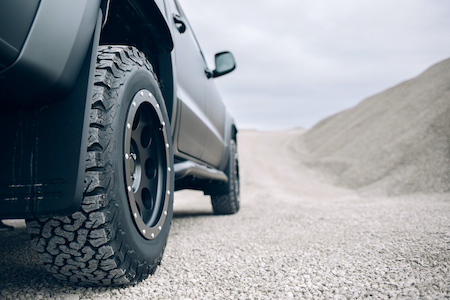
Yet as you’re driving around each day, be aware of how you carry different loads. Would a bed cover help protect what’s inside? It might also provide better aerodynamics as you sail down the highway. Can you avoid roof racks and large items challenging the way you drive? Every item that changes the dynamics of your vehicle has the potential to reduce the way your truck moves.

Stop aggressive driving behavior

Traffic on Colorado roads can be crazy at times. How you approach each drive determines how many miles per gallon you’ll get with each tank of gas. Aggressive behavior means you consistently stop and go, apply the brakes, and waste gas.

Back off the person in front of you and learn to slow down and take it easy. Tailgating won’t get you where you’re going any faster, and it puts you and the cars around you at risk. When you can, use your cruise control to help remain at a constant speed. And slow down and respect speed limits, they are designed to help you achieve the highest gas mileage possible. Plus, it keeps your car safer, which means less risk of accidents and potential servicing issues.

Use the right gas

When manufacturers designed your pickup, they did so with optimal performance in mind. They build systems to accept certain types of oil, and specific types of gas. Don’t skimp on which fluids you select to put into your truck.

If the manufacturer suggests regular, it’s for a reason. Don’t add premium, assuming it will be better for your vehicle. If you select a reputable brand of gas rather than finding the cheapest in the city, you’re also ensuring the gas is high quality and contains additives designed to keep your truck running well.

Stop hauling extras

It’s a pickup truck; why not throw a few extra things in the back? A few sandbags for weight. A toolbox just in case. Pretty soon, you’ve added dozens of additional pounds to your vehicle, which ultimately takes more energy to move around town.

Your pickup came with suggested gas mileage ratings based on how it performs as designed. The more weight you add to it, especially unevenly as things are scattered around your truck, it can throw those averages off. Want an easy way to improve your gas mileage? Keep your truck bed clean.

Stop idling 

Most drivers would be amazed at the amount of time they spend idling in their vehicles. You sit on the highway in rush hour, you sit multiple cars deep, waiting for drive-thru service. Instead of spending minutes every day wasting your gas in this manner, pull into a parking spot and go inside instead. In many cases, you’ll be in and out faster, and you’ll save on gasoline in the process.

Plan your route

How many trips, on average, do you take each day? Do you leave your home or office multiple times, stopping by to pick things up, running errands, and driving just to stay busy? Driving multiple short trips each day cuts into your gas mileage.

Instead, plan your trips before you ever leave. Can you drive a loop, completing errands as you go? Can you put off certain trips until you have multiple things to do in one area? Can you create days where you run errands, and days where you stay and work from home or the office? This might even add to your productivity levels.

Pay attention to gauges

Today’s vehicles are more automated and technologically advanced than ever before. It’s easy to ignore those little icons as they light up on your dashboard, or the service messages that dance across your instrument panel. They are there for a reason.

Think of them as an extension of your to-do list. They are a gentle reminder that it’s time to give your pickup truck a little TLC.

Staying ahead of potential problems not only produces a more reliable vehicle, but it also extends the life of your truck.

Are you getting the best gas mileage possible with your pickup truck?

Filed Under: Tips & Tricks Tagged With: Improve Gas Mileage

What Is A Turbocharger and How Does It Work?

February 7, 2021 by Denver Express Car Care

Imagine sailing down the highway, a cool breeze in your hair, passing by other cars like they are standing still.

It’s been something of fantasy since the early days of automobiles, pushing them to see how fast they can go and how quickly they can get up to speed.

We’ve even written songs about it. Back in 1961, the Beach Boys immortalized a turbocharged engine by writing the song 409. It was created about a Chevrolet 409 engine, dubbed “Turbo-Fire”, that could move zero to sixty in four seconds flat. That started a revolution in the auto industry, with people demanding more from their cars than ever before. Giddy up 409!

Of course, nowadays, it doesn’t take a street car to add power and control to a vehicle. People don’t want that in hot rods and street cars, they want it in the family sedan as they drive to and from work each day.

When you see an auto advertised as being turbocharged, you automatically assume it has extra performance, more power, and greater speeds. But is that truly the case? What does turbocharged really mean? Is it worth it to add it to the next car you buy?

What is a turbocharger?

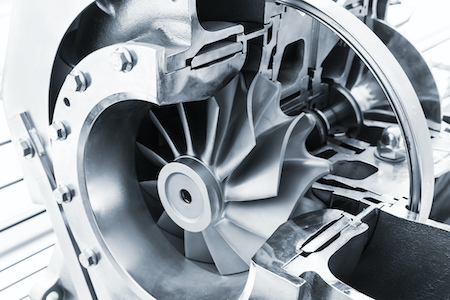
You’ll find a turbocharger sitting between the engine and the exhaust. It’s a small turbine that connects both pieces together, as well as to the car’s air intake. The turbine uses the exhaust to spin and force more air into the engine, increasing power as it goes.

Most cars on the road today use an internal combustion engine. As the car operates, it’s the downward motion of the pistons that brings air into the engine cylinders. This air is mixed with fuel, and the vapor ignites and creates power. By pushing your car to higher speeds, you’re not adding fuel to the process as much as you are drawing in more air, which vaporizes more fuel to create more power.

The turbocharger changes that around using an exhaust driven process instead.

How do turbochargers work?

What Is A Turbocharger and How Does It Work?A turbocharger has four main parts to make it work.

The turbocharger resembles a snail. It has an air intake, an exhaust intake, turbines in the front and rear, as well as a hose line for bringing in oil.

The intercooler helps control the temperature of the charged air as it’s forced out of the turbocharger. It uses coolant for control.

The wastegate valve provides a boost of pressure.

The engine’s electrical control unit (ECU) controls the air mixtures and ignition timing, which is different from a standard internal combustion engine.

A turbocharger is designed to give you more power. How much power is a difficult question to answer. Car enthusiasts will tell you they can gain as much as 40 percent more power than average vehicles. However, that depends on a host of different variables. It’s safe to say that car gains will vary.

Is a turbocharger bad for your engine?

The main purpose of a turbocharger is power. If you’ve ever felt like you needed to push your car to make it up a hill, or even get through traffic without feeling a lag when you step on the gas pedal, a turbocharger can give you the added boost you might be looking for.

But keep in mind that by adding a turbocharger, it adds another element of maintenance to your regular needs. A turbocharger makes your engine work harder. A turbocharger increases both the pressure and the temperature in the combustion chamber, which will add strain to all parts involved.

The harder the engine works, the faster it will need repair. And replacement.

Having a turbocharger also works under more extreme conditions. This means there is less forgiveness if you don’t adopt a regular maintenance plan that changes oil and checks pressure periodically. Most turbochargers need higher quality oil, and demand shorter maintenance intervals to keep it working at its best.

Are turbochargers reliable?

According to Motortrend, turbochargers are more popular than ever, with about one in four cars being produced today having a turbo engine underneath the hood.

Is it right for you? Here in Colorado, turbochargers can give you the added boost you need, especially if you drive up into the hills often.

Yet keep in mind that by adding more components to the engine compartment for a turbocharger, you’ll also have more potential for things to go wrong. Each of the parts of the turbocharger – turbocharger, wastegate, intercooler, control system – add more pieces to the engine compartment, which means greater chance of potential error, especially as your vehicle ages.

As with any engine, any vehicle you purchase, the key to keeping your car in peak performance is to adhere to a regular maintenance schedule.

Are turbochargers better at towing?

Since turbochargers add power, it’s only natural to think they would be worth the investment if you plan on towing. Not so.

A turbocharger is great for bursts of power and acceleration. If you pull over and want to jet around the person in front of you, a turbo is the way to go.

Long term power for towing heavy objects such as campers and boats is better left to a heavy duty engine, such as a V6 or V8.

Thinking of buying a used car with a turbocharger?

Before you purchase any used car, it’s a good idea to do a little research first. Check reliability ratings. Does the car require premium gas? Have there been major upgrades to the vehicle because of problems with the turbocharger? A quick search in Google will give you plenty of advice on what other drivers are facing with the vehicle you’re considering.

One of the biggest problems you may find is a turbocharged engine that consumes oil. Check for low oil levels. Ask for service logs. Do you notice a trend that the engine needed a greater amount of oil than average? You can also check for oil leaks. Be aware if you notice a burnt oil smell when you look under the hood.

Of course, it’s also a good idea to bring in any used car before you sign on the dotted line. We can perform a full evaluation and inspect the vehicle from top to bottom, giving you a better idea of potential problems lurking in the near future.

Filed Under: Engine Tagged With: Turbocharger

Maintenance Tips Before You Tow a Camper Behind Your Pickup

February 3, 2021 by Denver Express Car Care

Planning your first camping trip of the season? Want to make sure your pickup is in great shape before you add the camper behind?

Towing that extra weight can be a big deal, especially if you are up and down the mountain regularly. Hauling is a big deal. Even newer pickups can have trouble if your vehicle isn’t prepared for the added stress.

Whether you’ve been towing for years, or you’ve just purchased a pickup and camper and are excited about your first trip, it’s important to ensure your safety before you go.

Start with your owner’s manual

It may sound like simplistic advice, but the best place to start is with your pickup owner’s manual. The owner’s manual can tell you things about hauling that you may not know, like the maximum load limit, and any special recommendations associated with towing.

Maintenance Tips Before You Tow a Camper Behind Your PickupTowing takes a new set of skills. There’s a process for hitching and unhitching a trailer, as well as know-how for how to drive in traffic with the added length and weight of your vehicle. Do you understand the process? If not, you could be putting yourself, your passengers, and everyone around you at risk.

Check your hitch

Whether your hitch is brand new, or you’ve been using it for years, this is something you don’t use on a daily basis. Are the parts still in good shape? Is the connection solid? Be sure to check all light connections, making sure they are visible when you use your controls.

Check your tires

Start with your pickup and ensure your tires have proper pressure, have ample tread, and are weighted and balanced correctly. A lot of drivers pay attention to their pickups, but forget their camper or trailers. It’s equally important to check all tires, as a blowout at any point can put you at risk.

Is your camper stored outside? If it hasn’t operated in a few months, especially sitting here in the Colorado cold, ice, and snow, dry rot and cracking is always a potential problem. Even if your tires appear to have plenty of tread, it’s still a good idea to give them a full inspection to ensure their safety and yours.

Think about potential problems

The good thing about hitting the open road and pulling a camper behind your pickup is you can go wherever the road takes you. The problem arises when you’re in the middle of nowhere and are stuck because you didn’t think ahead.

Do you have a spare tire just in case something happens to one of them? Consider your truck and your camper when you pack spares. Do you have the proper tools – a missing lug wrench could leave you walking for miles. While your extra planning might not be necessary, you’ll be thankful you spent the extra time if you need anything from your aid kit while out on the road.

Always get a maintenance check first

Towing puts added stress on a vehicle. Instead of hoping your pickup will do okay throughout the trip, bring it in for a thorough inspection to ensure your safety while you’re gone. Inspections should include an oil change, ensuring the brake pads have plenty of life remaining, and that all fluids are properly filled and operational. If there are any potential problems, one of our mechanics will bring it to your attention, giving you a chance to fix it before you hit the road.

Ensure hitch is properly supported

According to the National Highway Traffic Safety Administration, nearly 50,000 accidents occur each year because of problems with the hitch.

Some of the most common problems with hitches include:

Using the correct hitch – not only should you use the correct type of hitch for your pickup and camper, but you should also make sure that it works for your vehicles. Hitch balls typically come in three sizes: 1 ⅞ inch, 2 inches, and 2 5/16 inches. Do you have the proper connection between the two pieces? This will ensure you have a smooth drive as well as ensure that one of the pieces doesn’t sit lower to the ground, causing you problems when you hit bumps in the road.

Having a proper hitch attachment – with the correct hitch in place, ensure that the pickup and trailer are properly locked and secured and won’t be coming apart while you travel down the road. You should also ensure that proper connections are made all around, with lights functioning, brakes in place, and mirrors to allow you to see all the way around.

Weight awareness – both your pickup and camper come with weight ratings. You’ll find they list curb weight, gross vehicle weight ratings, gross combined weight ratings, gross trailer weight, and tongue weight, among others. Don’t look at one rating – curb weight, for example – and assume you’re ready to go. This can cause poor vehicle performance, give traction problems, and cause steering and braking difficulty.

Proper weight – just because your set to go with your pickup and camper weight, doesn’t mean it’ll stay that way if you load both vehicles down. A balanced load will also ensure you’re safety throughout your trip.

Change your mindset for pulling a camper

No matter how your pickup handles under normal driving conditions, that’ll change once you add a camper behind the bed. Connecting a camper behind your truck changes everything.

It’ll take more power to get the truck moving, more time to get it up to speed, and a greater distance to stop when you push on the brakes. If you don’t take each of these into account, you put everyone at greater risk.

Driving changes mean you’ll have to be more prepared for all conditions. If you brake quickly, you risk causing both steering and braking to skip, throwing off both pieces’ centers of gravity, and risk tipping your load over. Slow and steady wins every time. That means

  • Slowing down in congested areas.
  • Always leave space around you, but especially between you and the vehicle in front of you.
  • Be aware of what’s happening all around you.
  • Allow plenty of time for passing, especially as you’re moving through the mountains. Always give yourself plenty of time for the move, and ask yourself if changing positions is really necessary.

Before you head out on your first camping trip of the season, ensure your pickup is in good working condition. Schedule your maintenance visit today.

Filed Under: Car Maintenance Tagged With: Maintenance Tow a Camper

Ball Joint Boot Replacement

February 1, 2021 by Denver Express Car Care

There’s a little part on your vehicle you may not know about, but when it develops a problem, getting it fixed sooner rather than later can save you a lot of money in the long run.  Have I got your attention now?
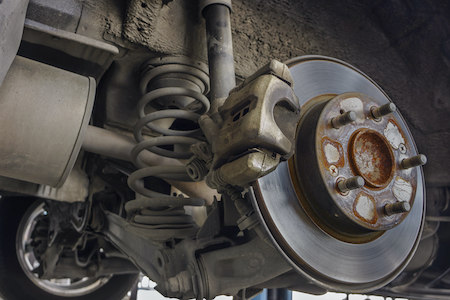
This part is called a ball joint boot.  Ball joints are part of your suspension and allow your front wheels to move up and down and turn left and right.  This boot covers and protects your ball joint.

Your suspension is, of course, exposed to nasty stuff getting kicked up from the road.  Stuff like rocks, salt, water, dirt, and chunks of asphalt.  If all that debris were constantly hitting your ball joints, they wouldn’t last very long.  So someone had the bright idea to include protective “boots” that go over the ball joints.  Great idea and they work…for a while.  Just like every other part on our vehicles, they will need to be replaced eventually.

These boots not only protect against debris but they also protect against heat and friction.  Because of this, they must be flexible.  In addition to keeping contaminants out of your ball joints, they also keep lubricants in and allow the hot grease to expand.  This is vital to make sure metal parts are moving smoothly.

Sometimes the ball joint boots get damaged after constant assault by road junk or temperature extremes.  Other times they just get old.  Rubber and other flexible materials can eventually just wear out (think of old rubber bands that break because they’re brittle from age).  A regular suspension inspection will assess the condition of your ball joint boots.  When your Express Car Care service adviser says there’s a problem with one of your ball joint boots, heed the warning.  If they have a tear in them and aren’t replaced, lubricant can escape the ball joint and debris can get in and start creating a destructive mess.

Also keep in mind that if a ball joint is bad on one side, the other side might be on the verge of going too.  Replacing both ball joints and ball joint boots at the same time saves time and money and just makes sense.

Filed Under: Car Maintenance, Suspension Tagged With: Ball Joint Boot Replacement

How Do You Maintain Your Car Suspension?

January 28, 2021 by Denver Express Car Care

When you climbed into your car for the very first time, what did you focus on?

  • The way the seats folded around you, preventing you from jolting and jostling with every bump?
  • How quiet the car was when you took it out on the highway?
  • How comfortable you were as you drove at different speeds?

You can thank your car’s suspension for that.

A car’s suspension system is responsible for two things:

  • Creating a smooth driving experience
  • Keeping the car under control

This may be an innate structure of every car on the road today, but it is also something that fades over time.

A suspension system is made up of several different components:

Wheels and tires

While not everyone considers tires a part of the suspension system, we’d say it would be hard for a car to handle well without tires in place. Tires protect the wheels as you move your car over every bump in the road. They protect jarring from rattling other pieces of the suspension system loose.

Springs

Every car on the road today has a spring mechanism to absorb large bumps. They are built to take extreme pressure, and to prevent failure in other suspension components.

Shock absorbers and struts

While springs absorb bumps, shock absorbers and struts dissipate the motion and give you a smoother riding experience.

Connections

How Do You Maintain Your Car Suspension?Every component of the suspension system is placed together with kinks, bushing, bearings, and joints. These connections can be made from metal, plastic, or rubber, and wear down over time.

Steering

The steering system is created from a steering box and a steering column, and allows you to gain control over your vehicle in all sorts of conditions. The type of steering system can change depending on the car you drive, with hydraulic or electric power steering systems being at the top of the list.

That’s a lot of parts!

One rule of thumb that mechanics often use is that soft parts will wear faster than hard. Rubber joints and hoses will need replacing sooner than a metal rod.

Yet every vehicle on the road today experiences driving conditions differently.

Today you might slide on a sheet of ice. A few months from now, you may sit in a traffic jam in the scorching heat. You may take a dip into a pothole at 40 miles per hour. You may hit the speed bumps in your area multiple times each day.

All of that can wear your suspension differently over time.

To keep your car in good condition, it’s important to pay attention to the various systems that make your vehicle operate smoothly. A car suspension system needs maintaining in the following ways:

Check the air in your tires – this is one of the easiest maintenance items. Properly inflated tires help protect the entire suspension system from damage. If they are under-inflated, they hurt handling and performance, and may reduce gas efficiency in the long term. If the air becomes too low, you risk safety while you drive. If you don’t have a computerized system that warns you if your tire pressure falls outside the norm, check the pressure every thousand miles or so to ensure proper inflation.

Check tire tread – as you check tire pressure, check the tread too. An easy test is often referred to as the penny test. Place a penny in one of the grooves. If you can’t cover up a portion of Lincoln’s head, you don’t have enough tread for safety. This means you’re more at risk of your vehicle moving out of control, especially in rainy, snowy, and icy conditions.

Get your wheels aligned – proper alignment means you’ll have proper handling in all driving conditions. This keeps you safely on the road in all sorts of conditions. Check your owner’s manual for guidelines on how frequently you should have your wheels aligned, keeping in mind that the rougher your daily drive, the more often it should be a part of your maintenance routine.

Check power steering fluid – if you have a hydraulic steering system, a mechanic should check fluid levels at every oil change. Power steering fluid is usually changed about every 30,000 miles or so, or you can check with your vehicle’s manufacturer for specific guidance.

Inspect shock absorbers and struts – there are a variety of telltale signs your shocks and struts are failing. If you’ve noticed your car bouncing as you drive, or diving forward as you brake, it’s time for new shocks and/or struts. Different vehicles use different systems; not every car has both shocks and struts. Check with your car’s manufacturer for guidelines on how often they should be replaced.

Have you been in an accident – even minor bumps can shake your suspension system loose. If it was strong enough to put a dent in the body of your vehicle, it’s worth having one of our mechanics check your car over. An inspection will ensure that your car is working the way it should, and will get you where you’re going safely and securely.

Pay attention to where and how you drive – even here in the Denver Metro area, people live and work in different conditions. Do you routinely drive on dirt roads? Is there a pothole-ridden road right outside your door? Do you mostly put on highway mileage, or are stop signs and stop lights a big part of your routine?

Because every component of your vehicle’s suspension system is connected and operates in a unique way, there isn’t a proper sequence of where and when things will start to fail. If one part is damaged, it can quickly accelerate problems, and impact many other parts in the suspension system.

Whether you suspect damage, aren’t sure how long it’s been since your suspension system was inspected, or are planning a major road trip in the coming weeks, make today the day you schedule an inspection to ensure your vehicle is working as it should.

Filed Under: Suspension Tagged With: Car Suspension

Steering and Suspension Repair – What You Need To Know

January 25, 2021 by Denver Express Car Care

Picture driving a luxury car. Your mind instantly thinks of words like “performance” and “efficiency.” How about “a smooth ride”? That’s important too, something an owner of a luxury vehicle demands.

Now picture yourself driving an old truck. You feel every turn, every bump in the road.

Big difference, right? Yet as drivers, we understand that different vehicles are designed for different needs. You’ll experience riding differently in an expensive sports car when compared to an old truck.

But we still have expectations of how the vehicle will perform. You wouldn’t want to take a corner and have your vehicle roll. You wouldn’t want to hit a bump in the road and feel like you’re bottoming out the car. No matter if you’re in the sports car or the old pickup.

Your steering and suspension system ensure balance, stability, and smoothness of the ride. These systems ensure a comfortable ride for you and your passengers. Steering and suspension are also responsible for keeping your wheels on the ground.

How the steering and suspension systems work 

Before we get into the problems your car may face with steering and suspension, it’s important to understand how they work.

Vehicles are built with one of two steering systems: reciprocating ball steering and rack and pinion steering.

Reciprocating ball steering works through a series of links and arms to ensure all four wheels turn together and at the same time. It uses a steering box to control the movement of the steering wheel and steering column, and connects it to the functionality of the wheel movement.

Steering and Suspension Repair - What You Need To KnowRack and pinion steering connects the steering wheel and steering column to a rack, which moves a piston as the wheels turn.

The suspension system uses a series of shocks that connect your car body to the wheels. The suspension system is in control of ensuring your wheels connect with the road and giving you a smooth ride while operating the vehicle. The suspension system utilizes a variety of components, including springs, shocks, and struts that absorb the impact of the road as you drive.

What are signs of steering problems?

While some components can wear down quickly with very little warning, your steering system isn’t one of them. It will almost always give you plenty of advanced warning that something is wrong.

Don’t ignore the warning signs. Ignoring them can result in a system fail, causing an accident that will impact you and the drivers around you. Steering problems include:

Difficulty when turning the wheel – especially if you have power steering, this is one of the first things you’ll notice. It may be a leak in the steering fluid, which helps give you easy control in how easily the wheel turns.

Vibration in the steering wheel – you’ll feel the wheel vibrate or pulse as you drive the car. It could be a steering wheel problem or an alignment issue, which is why it’s a good idea to let a trained mechanic inspect your vehicle.

Looseness in the steering wheel – this is usually caused by a worn steering rack that won’t hold its position.

Vehicle wanders or pulls to one side – worn equipment won’t keep your vehicle on track without extra help from you to hold it in place.

A screeching or grinding noise as you turn the steering wheel – if any noise continues every time you use your vehicle, it’s worth a trip into our service station to inspect it and find out where the problem lies.

What are signs of suspension problems?

Like other systems in your vehicle, the suspension system will have distinct issues as components start to wear and fail. The most common include:

Vehicle that pulls to one side – that’s a sign there are one or more issues with your suspension system. It could be uneven tire pressure, uneven tire wear, poor alignment, or a bad steering rack. This is often caused by driving on rough roads – have you hit speed bumps or potholes especially hard lately?

Feeling every bump in the road – when you start to notice a rough ride, it’s a clear indicator of a problem with your shocks and struts. It gives the distinct feeling of bouncing as you drive on the road. You can test by performing a bounce test – with your car parked, press down on the front end and release. If it bounces back and forth more than three times, the shocks and struts are worn.

One corner of your car sits low – a damaged spring may cause one corner of your car to sit lower than the others. You may also notice a clunking noise as you drive because of compromised equipment.

Braking or accelerating makes your car squat or nose dive – this is a very distinct feeling as you notice this extreme handling.

Difficulty in steering – if you find steering especially difficult, especially when first starting out and traveling slowly, it’s usually a sign of a suspension problem. You may also feel it slipping or difficult to hold onto the wheel. It can be a number of issues, including low power steering fluid or a leaking power steering rack.

Don’t ignore steering and suspension repair

One of the primary reasons why people put off regular maintenance is time and fear of the cost.

Time is always a factor – why pay attention to something that works well when you have a lot of little fires all around you? The best way to keep little fires at bay, avoiding them in some cases altogether, is to stay ahead of potential problems. Regular maintenance will ensure you fix items before they grow in size, often reducing the amount of money you have to invest in the repair.

That also impacts your final cost. Repairing a part limits your financial output. If you ignore a problem – a worn shock, for example – can quickly escalate and cause other major damage to your vehicle. That can increase your cost exponent, also increasing the likelihood of being without your vehicle for days rather than a few hours.

Stop by and visit with our staff today. You’ll love having a family operated service shop you can trust to give you the right information you need to make a well informed decision.

Filed Under: Suspension Tagged With: Steering Repair, suspension repair

Why Your Pickup Truck Maintenance Won’t Be The Same As Your Car Maintenance

January 21, 2021 by Denver Express Car Care

When you look at a pickup truck and a car, the differences might seem obvious. But there are distinct differences that separate the two apart.

Vehicles are classified by many different things:

  • Size
  • Weight
  • Design
  • Function
  • Purpose

The difference between a pickup truck and a car can ultimately be brought down to one thing: function. Cars are designed to carry people, not things. Trucks are designed to carry cargo. The emphasis isn’t put on the comfort of the passenger; rather, it’s designed for use and function.

The auto industry has labeled vehicles into distinct categories; your driver’s license lists what you’re licensed to drive. Passenger cars are listed as Class A. Light vans, minivans, SUVs, and pickup trucks are Class B. Medium and large-sized trucks are Class C. Each class has different inclusions and requirements as to what vehicle resides in each category. For example, a truck must weigh more than 8,500 pounds and have features for off-street or off-highway operation. That, of course, leaves wiggle room in the way manufacturers design their vehicles.

The difference between a car and a truck is noticeable. But what about a truck and a pickup truck?

Why Your Pickup Truck Maintenance Won’t Be The Same As Your Car MaintenanceTrucks are designed to carry, haul, and tow. They are designed in similar fashion, with a basic cab and some type of chassis attached to the rear. Pickup trucks are trucks with a separate frame and an open bed. They take a design from each category – cars and trucks – and combine them into one vehicle. Pickups are a smaller version of a truck, designed for multi-use. They are compact, perfect for family use as well as functional enough to use for smaller business.

Pickup trucks have become a mainstay in our community because of their functionality. They can be more useful than a typical car, providing a wide open space to carry just about anything you desire. Yet they don’t sacrifice on comfort, with sometimes luxurious cabs that offer you all the comforts of a car.

A pickup truck might not be big enough to handle the largest of jobs, but they offer a wide variety of functionality for both business and commercial purposes.

It may seem like the two are more similar than not in the way that they operate. They both have tires. They both need oil changed regularly. Yet there are many distinct differences that can impact the way you perform pickup truck maintenance compared with your family car.

Pickup trucks require different parts and tools

When you look at the two side by side – a pickup truck and a car – the one distinct difference is size. Pickup trucks are physically larger. They have more weight. That means the internal parts will be scaled to match the size. Bigger parts also mean larger tools to maintain each of the parts throughout its life.

Try jacking up a pickup truck with a standard jack built for a small, two-seater convertible. You put you, the jack, and your vehicle at risk. Small jacks just aren’t built to handle that kind of pressure.

It’s not just the weight. If you jack up the car to work on a flat tire, the tire itself will be larger too. The weight of the wheel will be more. The tire itself will be larger and more difficult to move. Even the tools you may have on hand for standard car repair won’t work on larger truck parts.

Manufacturers also know pickup trucks are put through more wear and tear every day. They screw nuts and bolts into place tighter to ensure they safely stay in place. Can you get them loose? Can you tighten them thoroughly to ensure they stay safe as you get back to work?

Pickup trucks are used differently

When you purchase a car, you tend to use it for normal city driving (even if you live way out in the country.) You stick to pave roads. Even if you lose pavement and return to a dirt road, it’s still graded and fairly easy to drive. All-wheel vehicles may give you the possibility to drive off-road and visit some of nature’s best. But you still understand the limits, and pay attention to how much roughness you put your car under.

Pickup trucks are designed to handle the pressure of dirty, dusty roads, all while pulling a heavy load. From a trailer to a camper, to a boat, pickup trucks are designed and ready for any job. Of course, you have to pay attention to the payload of what your pickup truck can haul. But even when the two match, that puts a lot more strain on each of the systems within your pickup truck, meaning they need special attention when they head in for a maintenance visit.

Towing puts more wear and tear on your vehicle. Suspension, for example, is a system that takes all the abuse of daily driving habits. But when you’re pulling heavy loads, bumping over rough roads, and doing so sometimes in the worst road conditions possible, it places additional stress on every part of the suspension system, springs, shocks, steering, and driveshaft joints.

Pickup trucks may use different products, but they still need the same care

You know all the rules you learned about regular car maintenance? They apply similarly to pickup truck maintenance too.

Your pickup truck works hard for you every day of the year. It needs oil changed on a regular schedule. It needs tire pressure checked and evaluated several times throughout the year.

When you pull in for an oil change, our mechanics still give your pickup truck a thorough inspection, similar to a car. But we pay close attention to the amount of fluids used, and talk with you about expectations.

Trucks engines are bigger than cars. Bigger engines need more oil, coolant, and other fluids. And in some cases, they even need a different formula of motor oil. It depends on the engine size, and what your pickup truck is put through regularly. We’ll talk with you about the different functions of modern motor oil, and help you make the right choice.

Is your pickup truck operating at peak performance?

Filed Under: Car Maintenance Tagged With: Pickup Truck Maintenance

A Checklist To Help Keep Your Pickup Truck Running Well

January 18, 2021 by Denver Express Car Care

In today’s society, most of us can’t imagine life without a vehicle. But for many of us, a vehicle is simply a way to get around. Sure, we buy something we like. We may choose a color we love, get a few accessories we think we can’t live without. But it doesn’t become a part of who we are.

Pickup trucks are a different story. If you have someone in your life who loves their pickup truck, you know this to be true. It’s not just a vehicle, it’s a part of their identity – almost a part of the family. They can’t imagine life without a pickup truck in their lives.

A recent article in MotorBiscuit said it best:

Americans own pickups because they are the ultimate union between the things we love most: utility and freedom. You can race or “mud” your pickup. You can start your own business or move your entire home with a full bed and a trailer hitch. Heck, you can pitch a tent in the bed and go truck-camping. Pickup trucks embody the American dream.

Are you a pickup truck owner? Chances are you see yourself with your truck for a very long time. In order to do that, maintenance will be key. But what do you do to keep your pickup truck running well year after year? Luckily we have a checklist for you. Follow these simple guidelines and your pickup truck will be part of your family for years.

Routine oil changes

A Checklist To Help Keep Your Pickup Truck Running WellOil changes are an important part of any car maintenance routine, but especially for a vehicle you hope to keep for years to come. While you may use your car simply to run around town running errands and bringing the kids to daily activities, your truck may do a variety of different things during the day. Drop the kids off at school, pick up a load of lumber, head out on dirt roads to camp for the night – it can experience a variety of road conditions all in the course of a few hours. Because of this variance, you should ensure the oil is changed frequently to keep all working parts operating correctly. Heavy hauling can deteriorate certain parts quicker than normal driving conditions. Error on the side of getting the oil changed on a frequent schedule.

Battery health

Colorado weather can be considered harsh. It’s a place where it’s not unusual to have multiple days below zero in the winter, and just as many days above one-hundred in the summer. Summer heat and winter cold can take its toll on any vehicle, but especially on a pickup truck that works hard in each season. The inbetween seasons are a great time to check your battery’s health. The best way to check it is by using professional test equipment. With just a quick check, we can help determine how well it’s operating, and give you a chance to install a new one before it leaves you stranded on the side of the road. That’s a big deal if you’re miles away from a mechanic.

Inspect your tires

While your pickup truck won’t survive harsh driving conditions without a proper oil change or a healthy battery, it also won’t do well with poor tire conditions. Tire pressure can drop substantially as the temperatures fall, causing all kinds of handling issues. If your truck can’t gain proper traction, it can put you and everyone around you at risk. In order to to ensure your truck operates correctly under all sorts of conditions, check the tire pressure of all tires, as well as your spare, to ensure they are properly inflated. You can also conduct the penny test to ensure proper tread. Place a penny in the tread of each tire so that Lincoln’s head is facing you. If his hair isn’t covered, it’s time to replace a worn tire. Remember, tires can wear at different levels, so it’s important to test each tire periodically.

Pay attention to visibility

With all that your truck goes through each day, visibility factors can be impacted along the way. While you might wear a dirty truck as a badge of honor, it can impede how well your truck lights up on a dark night. Be sure your lights are working well and that they aren’t caked with dirt, or not working at all. Clean out any grime or insects from the lenses to ensure you have proper lighting control. You should also ensure your heater and defroster are in good working condition. While you may be okay in a cold cab, it’s not okay if your windows fog up and put you and others in jeopardy. Replace worn windshield wiper blades regularly and ensure they work well.

Keeping your pickup clean

While a dirt-covered pickup truck may symbolize all you do with your truck, it can also wreak havoc on various parts and systems in the process. Dirt and dust particles can cause small scratches in the finish. The finish is a protection system to keep water, dirt and debris from penetrating in and causing harm. Removing these particulates will keep this protection in place. An occasional wax job will also create a protective barrier between the harsh sun rays we receive year-round here in Colorado. Think of it as sunscreen for your pickup. You should also pay attention to the undercarriage. Traveling dusty roads can allow dirt to cake to some of the most important systems, including your brakes. Mag chloride, sand, and other winter road treatments can adhere to parts. This is about ensuring every part of your truck stays in good working condition, no matter what it goes through each day.

Find an auto mechanic you can trust

No matter what your busy days entail, the last thing you need to worry about is if your car will be ready for all you can dish out the following day. By finding an auto mechanic you can trust, you can schedule routine maintenance checks to find out where your potential problems lie. That way you can stay ahead of issues that can leave you stranded, or build up into bigger problems down the road. They can alert you to simple changes that will make a world of difference, and keep you on the road. Or off the road if you desire!

If you love your pickup truck, keeping your pickup truck running well doesn’t have to be a difficult process. It starts with being proactive with everything you do.

Filed Under: Car Maintenance Tagged With: Keep Your Pickup Truck Running Well

Thermostat

January 18, 2021 by Denver Express Car Care

The thermostat is part of your cooling system.  The thermostats in your vehicle perform a similar function to the thermostats in your home.  At home, you set your thermostat to maintain a comfortable temperature range.  Then when your home gets too hot, the air conditioning kicks on or when it gets too cool, the heater turns on.

So your engine also has an optimal temperature range:  warm enough to run efficiently and not so hot as to cause engine damage.  Your vehicle’s thermostat is a valve between the engine and the radiator.  When Denver residents first start a cold engine, the valve (thermostat) is closed, allowing the coolant surrounding the engine to warm up to the proper operating temperature.  As the coolant gets hotter, the thermostat opens, allowing coolant to flow through to the radiator to be cooled.  The thermostat opens and closes to keep the engine within a certain temperature range.

Now thermostats are rated for a specific temperature depending on the engine – not a one size fits all proposition.  Thermostats are subject to normal wear.  Proper operation depends on a special wax that expands as it heats up to open a spring-loaded valve.  A worn thermostat could stick in the open position causing the engine to run too cool.  This is inefficient and could affect performance and fuel economy.  If a thermostat sticks in the closed position, the engine can be subject to the results of overheating.

There isn’t a specific routine for drivers to maintain their thermostat, but maintaining the cooling system by changing the coolant/antifreeze on a regular schedule will make sure the coolant has enough corrosion inhibitors to protect the thermostat and other system components.  Cooling system experts and the team at Express Car Care in Denver recommend replacing your thermostats when you do a coolant flush or exchange.  Also, thermostats usually wear out faster than your hoses, so if a worn hose replacement is performed, replace the thermostat at the same time.

If your temperature warning light comes on, have an inspection of your cooling system right away.  This could be a thermostat.  The thermostat could also be the culprit for Denver residents who aren’t getting hot air when they turn on their heater.

The thermostat is a relatively inexpensive part that stands guard between you and catastrophic engine damage.  Follow your owner’s manual instructions or check with your friendly and knowledgeable Express Car Care service adviser to see if it’s time for a cooling system inspection or service.

Filed Under: Denver Auto Repair, Heating-Air Conditioning Tagged With: Thermostat

Why Your Pickup Truck Should Have Good Brakes

January 14, 2021 by Denver Express Car Care

One of the most essential systems built into any vehicle is the braking system. But for a pickup truck, good brakes are critical.

Imagine flying down the mountain after a weekend of camping, only to find your brakes don’t work. That can be extra scary if your boat or camper is attached and trailing behind you.

Or maybe your sailing down the highway, a bed filled with building materials for your next project. All that extra weight adds strain to your braking system, and you discover they aren’t working quite the way you anticipated when traffic comes to a sudden halt. That can put you in a very messy and dangerous situation.

Pickup trucks that tow need better brakes

That might not come as a surprise, but let’s talk about why pickup trucks that tow need a different braking system.

Any time you add weight onto a vehicle, it changes the operating conditions of the vehicle itself. That large load you pile into the bed, the boat you attach to the back end, or even just adding a larger tire/wheel combination will change the vehicle’s dynamics. Because the pickup truck no longer operates as it was designed, it may also change the functionality of the braking system. When that happens, it’s a good idea to have the entire braking system evaluated to determine if it’s reacting well to the conditions it’s put under on a daily basis.

One of our mechanics can help you select brakes for:

  • Better stopping power
  • Noise reduction
  • Lower brake dust residue
  • Reduce vibration
  • A faster break-in time frame
  • Longer life overall

The other reason brakes are important

Why Your Pickup Truck Should Have Good BrakesA small pickup will have gross weight of anywhere from 5,000 to 7,000 pounds. If you have a heavy duty pickup, gross weight can move up to 7,000 to 12,000 pounds. While manufacturer specs are needed to properly define actual weight, in any case you move a lot of mass around every time you sit behind the wheel.

Compare that to the average sedan on the road today, weighing in at 3,350 pounds, or the average SUV that weighs 4,800 pounds.

That makes the braking system on any pickup truck, especially if they are towing and adding weight to their load, even more important. You’re putting more than the risk of your passengers and load at risk every time you drive.

Maintain your pickup truck brakes properly

Whether your pickup truck uses disc pads at every wheel, or uses drum shoes in the rear, ensure they are working well by scheduling regular inspection and replacement. Depending on how you use your vehicle, your brakes may wear faster and not have as long a useful life as listed on the brake’s guidelines. Unlike motor oil, there isn’t a specific service guideline you should follow.

Brake pads come with wear indicators. They are designed to provide safety tactics built into the pads themselves. Just like on your family car, as the brake pad wears, it will reach the indicator, touch the rotor, and squeal when enough material has worn away.

Some brake pads used on pickup trucks may also have a wear bar that allows you to visually see how much material has worn away. Check this periodically to ensure there is plenty of pad left for normal driving conditions.

Keep in mind that brake pads are only part of your braking system. The rotors themselves can eventually wear down and need to be replaced. This can be more difficult to see, which is why it’s important to schedule regular maintenance visits with your local mechanic.

Is it important to buy the best brakes on the market?

As consumers, we often learn the “good, better, best” approach to purchasing often means we choose the product that costs the most to get the best product. With your pickup truck brakes, that’s not always the case.

According to Consumer Reports, the average stopping distance for compact pickups is 136 feet going from 60 mph back down to zero. Full sized pickups take approximately 140 feet. Compare that sports cars that can stop on average at 120 feet, or even a small luxury car that will stop at 131 feet.

While these are averages, it still brings into question the importance of being able to stop your vehicle easily, to avoid tragic consequences when maneuvering in day to day traffic.

Cheap brakes can have a host of problems. Pull up Youtube and you can search and find all sorts of videos showing you the consequences of installing cheap brake pads. Budget brake pads can experience glue failure. The material can break down easily under stressful situations. The material can separate from the brake pad plate with high amounts of heat – something that can quickly happen if you’re towing a large load and sailing down a mountain pass.

That being said, you don’t necessarily have to go to the other extreme and search for the most expensive brake pad you can find. Instead, it’s best to stick with a brand name with a proven track record, and rely on regular inspections to ensure your brakes are working fine.

Is it time for brake replacement?

Consider what you do during the year. Do you use your pickup truck for work? Do you carry heavy loads? Do you use it regularly to haul boats, campers, and other recreational equipment on your weekend getaways? Do you put hundreds – or thousands – of miles on your truck each season?

Then think for a moment how you drive. Are you slow and careful at every turn? Would you describe your driving as aggressive?

If you push your brakes and use them regularly while driving, your brake pads will have a shorter lifespan.

On the other hand, if you apply the brake pedal gradually, leaving plenty of space around you in all driving conditions, your brakes may last the lifespan suggested by the manufacturer.

This can help you decide how often to bring your pickup truck in for an inspection.

It can also help us make better recommendations for keeping you safe.

Good brakes are vital for any vehicle, but especially a pickup truck. For the safety of your passengers and the vehicles around you, be sure to get your braking system checked regularly.

Filed Under: Brake Repair, Brake Service Tagged With: Pickup Truck Brakes

  • « Previous Page
  • 1
  • …
  • 45
  • 46
  • 47
  • 48
  • 49
  • …
  • 102
  • Next Page »

Express Car Care
4200 E. Evans Ave. Denver, CO (map)
Phone: (303) 691-2760
Located just southeast of the Colorado Light Rail station

Follow Us Today!

  • Facebook
  • RSS

Shop Hours

Monday: 8:00AM – 5:00PM
Tuesday: 8:00AM – 5:o0PM
Wednesday: 8:00AM – 5:00PM
Thursday: 8:00AM – 5:00PM
Friday: 8:00AM – 5:00PM
Saturday: Closed – A note from the owner
Sunday: Closed

Last car oil change time  – 5:00PM

Click for the BBB Business Review of this Auto Repair & Service in Denver CO

Recent Articles

5 Reasons to Choose a Local Family-Owned Auto Shop Over a Big-Box Garage

5 Reasons to Choose a Local Family-Owned Auto Shop Over a Big-Box Garage

We get it—you see a big-chain auto repair shop with flashy signs, weekend hours, and a recognizable brand. It’s tempting. But bigger isn’t always better, especially when it comes to something as … [Read More...]

  • The Top Reasons Your Car Might Be Stalling and How We Fix It
  • How to Keep Your Brakes Quiet, Responsive, and Safe
  • Why Your Vehicle Deserves a Full Multi-Point Inspection This Season
  • Car Gifts For Road Trippers: Essential Take-Alongs To Make Your Road Trips Safer
  • How Denver’s Climate Affects Your Car Battery

Search Our Site

Brakes Service

How to Keep Your Brakes Quiet, Responsive, and Safe

Everything You Need To Know About Replacing Your Brake Pads

How to Know If It’s Time to Replace Your Brake Rotors

Oil Change

Top Benefits of Getting Regular Oil Changes in Denver

Oil Change Specials in Denver: Save Money and Keep Your Car Running Right

Why Regular Oil Changes Are Crucial for Denver Drivers

Suspension

How to Know If Your Car Needs Suspension Repair in Denver’s Bumpy Roads

A Guide To Understanding Bushings on a Car

Tips for Preventing Wear and Tear on Your Car’s Suspension

Transmision Service

How Often Should You Service Your Transmission in Denver?

Transmission Trouble? Common Signs and When to Visit Our Denver Shop

How to Prevent Common Issues with Automatic Transmissions

Engine Service

Everything You Should Know About Your Vehicle’s Timing Belt

Is Your Car Hesitating During Acceleration?

How to Troubleshoot a Rough Idling Engine

Auto Tips & Tricks

How to Deal With Car Noises That Only Happen When You Turn

Top 5 Maintenance Tips for High-Mileage Vehicles

Why Tire Pressure Matters More Than You Think

"Denvers Best Auto Repair and Quick Lube" - Copyright © 2025 - 4200 E. Evans Ave. Denver, CO 303-691-2760