• Home
  • Denver Auto Repair Services
    • Full Service Oil Change
    • Expert Mechanics
      • Expert Honda Mechanics
      • Expert Toyota Mechanics
      • Expert Subaru Mechanics
    • Automatic Transmission
    • Fuel System Cleaning
    • Radiator Flush Service
    • Wiper Blades
    • Air Filter
    • Cabin Air Filter
    • Gearbox Service
    • Brake Repair
    • Clutch Repair
    • CV Boots
    • Tune-Up
    • Steering & Suspension
    • Tires
  • Auto Diagnostic
  • Contact Us
    • About Us
  • Shop Specials
  • Testimonials
  • Blog
  • 303-691-2760

Express Car Care of Denver

"Denver's Best Auto Repair and Quick Lube"

  • Brake Service
  • Car Maintenance
    • Heating-Air Conditioning
    • Suspension
    • Transmission
    • Engine
    • Tires
  • Oil Change
  • Tips & Tricks

Dashboard SOS: What to Do When Warning Lights Flash

March 7, 2024 by Denver Express Car Care

Technology is great. Until it isn’t. 

For those of us who use technology regularly, we understand how to get things done. We work with programs, click buttons, and get results. But it can be a frustrating experience at best when something goes wrong.  

As cars become more technologically advanced, it isn’t just a process of replacing a part on a scheduled basis. Technology keeps every part in tune, ensures everything works according to manufacturer’s guidelines. 

What is an onboard diagnostic system?

A vehicle’s onboard diagnostic system (OBD) is a computer-based system that monitors the performance and condition of various components within the vehicle. It’s primarily designed to detect malfunctions and issues related to the engine and emissions system.

OBD systems became standardized in the 1990s, with the introduction of OBD-II, which is now a mandatory feature in all vehicles sold in the United States since 1996. OBD-II systems use a standardized diagnostic port, usually located under the dashboard. Mechanics and technicians use specialized diagnostic tools to interface with this port to read diagnostic trouble codes (DTCs) and retrieve information about the vehicle’s performance and any detected issues.

Modern OBD systems can monitor and report on a wide range of parameters, including engine speed, fuel mixture, exhaust gas composition, vehicle speed, and many others. This data helps diagnose problems, track vehicle performance over time, and ensure compliance with emissions regulations.

Dashboard SOS: What to Do When Warning Lights Flash

Why do dashboard warning lights blink?

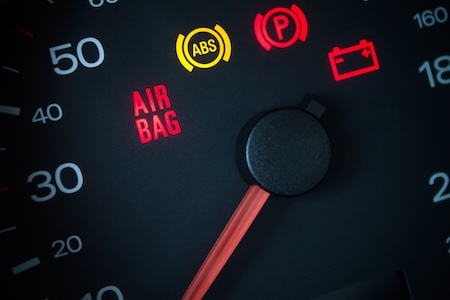
When you start your car or are driving down the street, sometimes you’ll notice a dashboard light illuminate. Blinking has a different meaning than if it stays lit. 

Dashboard warning lights may blink for a variety of reasons, and it usually indicates an issue that requires attention. It might be:

  • Intermittent issue – a loose connection or a sensor malfunctioning sporadically could trigger the warning light to blink on and off.
  • Low fluid levels – if the fluid level is right at the threshold where it’s causing a problem but not consistently, the light might blink.
  • Electrical issue – a faulty connection, a short circuit, or a failing component could cause dashboard warning lights to blink.
  • Faulty sensor – vehicle’s use sensors in every system to monitor health and alert you to potential issues. If a sensor that triggers a warning light is malfunctioning, it may cause the light to blink. 
  • Pending issue – some vehicles have a system where warning lights will blink to indicate a pending issue that hasn’t yet triggered a steady warning light. This could be a pre-warning before a more serious problem develops.
  • Anti-theft system – in some vehicles, the security or anti-theft system may cause dashboard warning lights to blink to indicate that the system is armed.

In any case, if you notice a dashboard warning light blinking, it’s essential to address the issue promptly. Ignoring it could lead to further damage to the vehicle or pose a safety risk. It’s best to consult the vehicle’s manual or have a qualified mechanic diagnose the problem.

Flashing or steady lights – what’s the difference?

The difference between flashing lights and lights remaining on generally indicates the severity or urgency of the issue being reported.

When a dashboard warning light is flashing, it typically signifies a more severe or urgent problem that requires immediate attention. Flashing lights often indicate a critical issue that could potentially cause damage to the vehicle or compromise safety. Examples of warning lights that might flash include the check engine light, oil pressure warning light, or brake system warning light.

If a dashboard warning light remains steadily illuminated without flashing, it suggests a less immediate concern. While it still indicates a problem that needs to be addressed, it may not be as urgent as a flashing light. For instance, a steady check engine light might indicate a fault in the vehicle’s emissions system or a minor engine issue that should be checked by a mechanic at the earliest convenience.

In both cases, it’s crucial to take action when a warning light appears on the dashboard. Ignoring warning lights, whether flashing or steady, can lead to further damage to the vehicle, decreased performance, or even safety hazards. Consulting the vehicle’s manual or seeking assistance from a qualified mechanic can help diagnose and resolve the underlying issue.

All dashboard lights are important, but these top the list …

Every manufacturer does something a little different with their dashboard lights. But in general, they use similar references so that you can move from one car to another and monitor safety measures to keep you and your passengers safe. 

Never ignore a dashboard light; there’s a reason it’s illuminating. However, some are more critical than others. 

Check Engine Light (CEL)

This light typically looks like an engine or reads “Check Engine” and is one of the most critical warning lights. It indicates a problem with the engine or its emissions system. While not always an emergency, it shouldn’t be ignored as it can indicate issues ranging from minor to severe, affecting performance, fuel efficiency, and emissions.

Oil Pressure Warning Light

This light resembles an oil can or reads “Oil” and indicates low oil pressure. Low oil pressure can lead to engine damage if not addressed promptly. Continuing to drive with low oil pressure can result in serious engine problems.

Battery/Charging System Light

This symbol usually looks like a battery and indicates a problem with the vehicle’s charging system. It could indicate a faulty battery, alternator, or other charging system components. Ignoring this warning could lead to a dead battery and the vehicle not starting.

Brake System Warning Light

This light usually looks like an exclamation mark inside a circle, sometimes accompanied by the word “BRAKE.” It indicates issues with the brake system, such as low brake fluid levels, brake pad wear, or a malfunction in the braking system. Ignoring brake warning lights can compromise braking performance and safety.

Coolant Temperature Warning Light

This light typically looks like a thermometer or reads “TEMP” and indicates that the engine is running too hot. Overheating can lead to engine damage or failure if not addressed promptly. Pull over safely and allow the engine to cool down before continuing, and then investigate the cause of the overheating, such as low coolant levels or a malfunctioning cooling system.

Have a problem? Take action

Now that you understand how critical a dashboard’s warning lights can be, it’s up to you to take action. Be on the lookout for steady or flashing lights. You can restart the car to ensure it wasn’t a connection problem. But if it remains lit, it’s time to move into action. 

Give us a call, or stop by today. Together, we’ll ensure your car remains in good working condition for its lifetime.  

Filed Under: Car Maintenance, Tips & Tricks Tagged With: Dashboard Warning Lights

The Ultimate Guide to Stress-Free Car Maintenance in Denver

February 28, 2024 by Denver Express Car Care

Cars are expensive – you know that if you’ve been in the market lately. Currently, new cars average $49,096, while used cars average $26,091. 

With higher sticker prices comes longer life. The average number of years drivers keep their vehicles has been creeping up, too. What if your car could be as reliable over the years as the day you bought it? 

What if you could live stress-free, and never worry about car maintenance again? 

There is a way. No, it doesn’t involve trading your car in regularly. Instead, it’s about setting up a car maintenance plan that never leaves you worried about the condition of your vehicle. You handle potential problems long before they arrive. 

Sounds good? Here’s how you do it. 

Creating a schedule of preventative tasks

When you first purchase a car, you’re excited about the “newness.” It’s tempting to adopt a “set it and forget it” mentality when it comes to maintenance. After all, it’s shiny, it runs smoothly, and there are no immediate issues to address. 

The Ultimate Guide to Stress-Free Car Maintenance in Denver

This is the time to set yourself up the right way. Creating a schedule of preventative car maintenance tasks early on can save you a significant amount of stress, time, and money in the long run.

Just like any other machine, cars require regular upkeep to maintain their performance levels. By establishing a maintenance schedule from the outset, you ensure that your vehicle continues to operate at its best, delivering the performance and fuel efficiency you expect.

Neglecting routine maintenance tasks can lead to small issues snowballing into major repairs. For example, failing to change the oil regularly can result in engine damage, while ignoring brake inspections can lead to brake failure. By staying ahead of these issues with a schedule, you can catch problems early when they’re easier and cheaper to fix.

This isn’t just about keeping your car running smoothly; it’s also about ensuring your safety on the road. From checking tire tread and pressure to inspecting brakes and lights, scheduled maintenance helps identify potential safety hazards before they cause accidents or breakdowns.

If you ever decide to sell or trade in your car, having a well-documented maintenance history can significantly boost its resale value. Prospective buyers are more likely to pay top dollar for a vehicle that has been consistently cared for and serviced on time.

Perhaps most importantly, adhering to a maintenance schedule gives you peace of mind, knowing that your vehicle is in good condition and less likely to leave you stranded on the side of the road. It eliminates the uncertainty and anxiety that often accompany neglecting car care responsibilities.

In essence, creating a schedule of preventative car maintenance tasks when you first buy your car is an investment in its longevity, performance, safety, and your own peace of mind. It’s a proactive approach that pays off in the form of fewer repairs, safer driving experiences, and a more reliable vehicle for years to come.

What maintenance tasks to schedule …

Some maintenance items are more routine than others. Check them regularly to ensure your car remains in good working condition. They should include:

  • Oil and Coolant Levels – Engine oil lubricates moving parts and helps regulate temperature, while coolant prevents the engine from overheating. If either of these are compromised or run low, you could be facing costly damage from overheating or lack of lubrication.
  • Air Filter – The air filter prevents dirt, debris, and contaminants from entering the engine. A clogged air filter can reduce engine performance and fuel efficiency. Regular inspection and replacement of the air filter helps maintain optimal engine performance and prolong its lifespan.
  • Tire Pressure – Modern cars will usually trigger you with a dashboard light when they’re not properly filled, but it’s a good idea to keep an eye on your tires every time you drive. Proper tire pressure is essential for safety, fuel efficiency, and tire longevity. Underinflated tires can lead to poor handling, decreased fuel economy, and uneven tire wear. 
  • Tread Depth – Tires with worn-out tread have reduced traction, increasing the risk of accidents, especially in wet or slippery conditions. Regularly measuring tread depth helps identify when tires need to be replaced to maintain optimal grip and safety on the road.
  • Rotate Tires – Rotating tires regularly promotes even wear and extends tire life. Front tires typically wear faster than rear tires due to steering and weight distribution. Rotating them ensures that all tires wear evenly, maximizing their lifespan and improving overall vehicle performance.
  • Lights – Properly functioning lights are essential for visibility and safety on the road, both for you and other drivers. Regularly check all exterior lights, including headlights, taillights, brake lights, and turn signals, to ensure they are working correctly and replace any bulbs as needed.

Some maintenance items should be scheduled as a part of your long-term plan. A good place to start is by reviewing your owner’s manual. It will provide you with guidelines for different systems in your car. Be sure you track: 

  • Transmission Fluid – Transmission fluid lubricates and cools the transmission components, ensuring smooth gear shifts and preventing premature wear. Regularly checking and replacing transmission fluid helps maintain transmission performance and extends its lifespan, avoiding costly repairs or replacements down the line.
  • Shocks and Struts – Shocks and struts are essential components of your vehicle’s suspension system, providing stability, control, and comfort while driving. They can wear out, leading to reduced ride quality, poor handling, and increased braking distances. Regular inspection and replacement of worn shocks and struts ensure a smooth and safe ride.
  • Brake Pads – Brake pads are crucial for stopping your vehicle safely and efficiently. Over time, brake pads wear down due to friction, requiring replacement to maintain braking performance. Regular inspection and replacement of worn brake pads prevent damage to other brake components and ensure reliable stopping power.
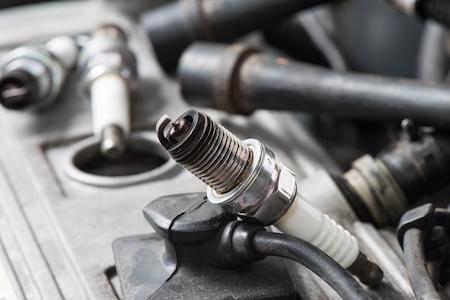
  • Spark Plugs – Spark plugs ignite the air-fuel mixture in the engine cylinders, powering your vehicle. Spark plugs can become damaged or worn, leading to misfires, rough idling, and decreased fuel efficiency. Regularly inspecting and replacing spark plugs according to your manufacturer’s recommendations ensures optimal engine performance and fuel efficiency.
  • Serpentine Belt – The serpentine belt drives multiple engine accessories, such as the alternator, power steering pump, and air conditioning compressor. This belt can become cracked, worn, or stretched, leading to accessory failure and engine overheating. 
  • Front and Rear Differential – Differentials distribute power from the engine to the wheels, allowing them to rotate at different speeds. They can become contaminated or break down, leading to reduced lubrication and increased wear. Regularly checking and replacing differential fluid helps maintain proper differential function and prolongs lifespan.

Find an auto repair shop that works with you …

Yes, you can find auto repair shops all over time. Some are specific to help you with one part of your vehicle – oil change, tires, and others. Others are designed to service all of your maintenance needs. 

Finding a repair shop you can rely on ensures you get to know the mechanics, build trust, and create a better understanding of what your car needs. 

Stress-free maintenance starts with developing a better plan. Are you ready to create one for your current vehicle? Stop by today; we’re here to help. 

Filed Under: Car Maintenance, Tips & Tricks Tagged With: Stress-Free Car Maintenance

Wheels of Trust: Your Journey to Dependable Car Repairs Starts Here

February 24, 2024 by Denver Express Car Care

Think for a moment of all the dependable people in your life. What makes them dependable? 

Maybe they’re reliable. They consistently fulfill commitments and responsibilities. You can count on them to follow through on tasks and promises. 

Maybe they’re punctual. They also show up on time, deliver as promised, and have respect for others’ time. 

How about honesty? You know they’re truthful and transparent, upfront about their capabilities and limitations. 

Integrity is high up on the list. They act in alignment with ethical principles and values. 

Now, let’s talk car repair. Do you work with an auto repair service that is all of those things and more? Are they reliable, punctual, honest, and consistent with their service? 

The different types of repair services – know which you’re getting

When it comes to servicing your car, you have a choice. Have you ever thought about why you bring your car where you do?

Dealerships

Dealership service departments are the go-to choice for many car owners, especially those with newer vehicles still under warranty. These departments are authorized by the manufacturer to provide repairs and maintenance services for their brand of vehicles. While dealership services may come with a higher price tag, they often use genuine OEM (Original Equipment Manufacturer) parts and have technicians trained specifically for your make and model. Additionally, dealership service departments typically offer amenities such as loaner cars, shuttle services, and comfortable waiting areas.

Wheels of Trust: Your Journey to Dependable Car Repairs Starts Here

Independents

Independent repair shops are smaller establishments that cater to a wide range of vehicle makes and models. What sets independents apart is their personalized service and often more affordable pricing compared to dealerships. You’re likely to develop a closer relationship with the owner and technicians at independent shops, who may know you and your car by name. Many car owners appreciate the honest and transparent approach often found in independent repair shops, where the focus is on providing quality service rather than upselling unnecessary repairs.

Specialists

For owners of luxury or high-performance vehicles, specialists offer a level of expertise that general repair shops can’t match. These specialists focus exclusively on specific car brands or types, such as Mercedes-Benz or sports cars. By specializing in a niche market, these shops often have highly trained technicians and access to specialized tools and diagnostic equipment tailored to your vehicle’s needs. While specialist services may come at a premium, the peace of mind knowing that your car is in the hands of experts can be invaluable.

Chains

Chains are branded service centers that specialize in particular types of repairs or maintenance tasks, such as brakes or oil changes. These chains often have multiple locations and offer standardized services using their brand’s products and procedures. While chains may lack the personalized touch of independent shops, they provide convenience and consistency across their network of locations. Additionally, chains may offer competitive pricing and promotions for common services, making them a popular choice for routine maintenance tasks.

Is there a right or wrong choice? No. They each offer something different, and it pays to consider which is the best approach for you. 

Dependable car repairs start by selecting a dependable auto service 

Your car is an important part of your life. It’s also one of the pricier investments you’ll make. Why not keep it in the best shape possible?

To do that, you’ll have to decide where to bring your car for care. Do you have a preference? What’s important to you? 

The best place to start is by asking yourself a few questions.

What type of service does my car need?

Different shops may specialize in certain types of services or have expertise with particular makes and models.

What is my budget for car service?

Consider your budget and how much you’re willing to spend on repairs or maintenance. Compare prices and estimates from different shops to find one that offers competitive rates without compromising quality.

Is the shop reputable and trustworthy?

Look for online reviews, testimonials, and recommendations from friends or family members. A shop with a strong reputation for reliability and honesty is more likely to provide satisfactory service.

Are the technicians qualified and experienced?

Inquire about the qualifications and experience of the technicians at the shop. Look for certifications such as ASE (National Institute for Automotive Service Excellence) and ask about their training and expertise in working with your specific vehicle make and model.

What diagnostic equipment and technology does the shop use?

Ask about the diagnostic tools and technology the shop utilizes to diagnose and troubleshoot car issues. A shop equipped with modern diagnostic equipment can accurately identify problems and provide efficient repairs.

Does the shop offer warranty coverage for parts and labor?

A reputable shop will stand behind its work with warranty coverage, providing you with peace of mind knowing that you’re protected in case of any issues arising after the service.

How is the shop’s customer service and communication?

Choose a shop that is responsive to your inquiries, keeps you informed throughout the service process, and takes the time to address any concerns or questions you may have.

Is the shop conveniently located and accessible?

A shop that is conveniently located can save you time and hassle when dropping off or picking up your car for service.

What is the shop’s availability and turnaround time?

Choose a shop that can accommodate your schedule and provide timely service without long wait times.

Do I feel comfortable and confident entrusting my car to this shop?

Trust your instincts and consider how you feel about the shop overall. Choose a shop where you feel comfortable and confident that your car will receive the care and attention it deserves.

Dive a little deeper …

Hopefully, you’re starting to determine what service best suits your needs. We often recommend drivers consider a few key factors before finalizing their decision. 

Reputation and Experience

The auto service repair shop you choose should have a solid track record of providing excellent service and customer satisfaction. Look for reviews and testimonials from previous customers to gauge the shop’s reputation. Additionally, consider the shop’s experience in handling repairs for your specific make and model of vehicle. An experienced shop with knowledgeable technicians is more likely to accurately diagnose and efficiently repair any issues your car may have.

Certifications and Training

Verify the technicians where you choose to do business are properly certified and trained to work on your vehicle. Certifications from organizations such as the National Institute for Automotive Service Excellence (ASE) indicate that the technicians have met rigorous standards of competency and professionalism. Ongoing training ensures that technicians stay up-to-date with the latest automotive technologies and repair techniques, allowing them to provide the best possible service for your vehicle.

Diagnostic Equipment and Technology

Modern vehicles are equipped with complex electronic systems that require advanced diagnostic equipment to accurately identify problems. A dependable auto service repair shop will invest in state-of-the-art diagnostic tools and technology to efficiently diagnose and troubleshoot issues with your vehicle. This allows the shop to pinpoint the root cause of problems more quickly and accurately, saving you time and money on unnecessary repairs.

Transparent Pricing and Estimates

We feel transparency and honesty are crucial. Look for a shop that provides detailed written estimates before beginning any work on your vehicle. The estimate should outline the cost of parts and labor involved in the repair, as well as any additional fees or charges. Avoid shops that provide vague or overly optimistic estimates, as these may lead to unexpected expenses down the line.

Warranty Coverage

A dependable auto service repair shop stands behind its work with warranty coverage for parts and labor. If you want to know what’s covered, ask. This provides peace of mind, knowing that you’re protected if any issues arise after the repair is completed. Additionally, reputable shops will prioritize customer satisfaction and address any concerns or issues that may arise promptly.

Personalized Service and Communication

One of the advantages of choosing an independent auto service repair shop is the personalized service and attention to detail you’ll receive. You’ll be treated as a valued customer, not just another vehicle in the queue. Effective communication is essential throughout the repair process, so choose a shop that takes the time to explain the repairs needed in a clear and understandable manner. A dependable shop will keep you informed every step of the way and ensure you’re satisfied with the outcome of the repairs.

If you are ready for a new approach to the car repair process, we invite you to give Express Car Care a try. Let us know what we can do for you; we’re looking forward to meeting you.

Filed Under: Car Maintenance, Tips & Tricks Tagged With: Dependable Car Repairs

The Art of Comprehensive Engine Diagnostics

February 14, 2024 by Denver Express Car Care

Diagnostics is the process of determining the nature of the disorder. We hear it frequently when referring to the human body. We hear it frequently when finding a problem with your vehicle. 

Today’s cars can have more than 30,000 parts if you count every nut and bolt that holds things together. That’s a lot of parts!

And if one of those parts isn’t doing its job, it can have a whirlwind effect on all the rest. It can cause a rattle, or completely shut down a system. 

Diagnostics can dig deep to find the problem. 

But even the most well-trained mechanic would have a difficult time finding if the bolt is loose or part has gone wrong. It could take hours – days – to put everything together. 

Luckily, today’s best mechanics have a little help. Engine diagnostics can help point the finger in the right direction. 

Engine diagnostics refers to …

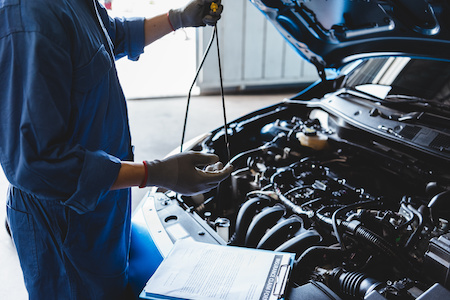
Today’s cars are complicated. Engine diagnostics uses specialized tools and technology to analyze the performance and health of an internal combustion engine. 

This process typically involves connecting a diagnostic tool, often called an OBD-II (On-Board Diagnostics) scanner, to the vehicle’s OBD-II port, which is usually located under the dashboard on the driver’s side.

Once connected, the diagnostic tool communicates with the engine’s on-board computer system to retrieve information about various parameters and sensors. Technicians can identify issues or malfunctions within the engine or related systems, and may include problems such as faulty sensors, misfires, fuel system issues, emission control system faults, or other issues affecting engine performance or emissions.

The Art of Comprehensive Engine Diagnostics

Why a mechanic would use OBD-II scanner

Vehicles are more technologically advanced today than they’ve ever been. And that means a mechanic may rely on technological tools to help diagnose a problem more frequently. 

The primary function of an OBD-II scanner is to retrieve Diagnostic Trouble Codes stored in the vehicle’s onboard computer system. These codes indicate specific issues or malfunctions detected by the vehicle’s various sensors and systems. Why not go right to the source when trying to diagnose a problem? These scanners give mechanics a starting point.

Of course, it’s more than spitting out a code. OBD-II scanners allow mechanics to access real-time live data streams from the vehicle’s sensors and systems. This includes information such as engine speed, coolant temperature, fuel trim levels, oxygen sensor readings, and more. This provides valuable insights into the engine’s performance and helps identify underlying issues.

Many advanced OBD-II scanners offer the capability to perform system tests and checks. These tests can include functionality such as checking the integrity of the emission control system, testing individual components like the fuel injectors or ignition coils, and running system self-tests to identify potential faults.

They can also include readiness monitors that track the status of various emission control systems in the vehicle. This helps for determining if the vehicle is ready to pass an emissions test or if underlying issues need to be addressed.

And in many cases, the Check Engine Light (CEL) illuminates on the dashboard when the vehicle’s onboard computer detects a problem. After diagnosing and fixing the issue, mechanics can use the OBD-II scanner to reset the CEL, indicating that the problem has been resolved.

As a driver …

You’ve got a busy day. You’re running here and there, taking care of work and personal things all day long. The last thing you want to do is learn auto mechanics to care for your car.

Luckily, you don’t have to. 

But that doesn’t mean a general understanding won’t help you notice when something goes wrong. Engine diagnostics help ensure a vehicle’s proper maintenance and performance. The sooner you get your car in, the better chance of fixing minor problems before they escalate into larger, more expensive issues. 

Watch the CEL closely. This dashboard light indicates the vehicle’s onboard computer has detected a problem with the engine or emissions system. While the CEL can signal various issues, it’s essential not to ignore it. When the CEL illuminates, it’s wise to have the vehicle’s engine diagnostics checked promptly.

Don’t worry about gaining a thorough understanding of diagnostics codes. You don’t need to be an expert in engine diagnostics. If you want to dig deeper, many auto parts stores offer free scanning services, allowing you to retrieve diagnostic trouble codes and get an initial idea of what might be wrong with your vehicle. This can help you plan – should you bring your car in immediately, or can you schedule it for when it’s convenient for you? 

Don’t forget standard maintenance. Routine maintenance, such as oil changes, fluid checks, and filter replacements, is crucial for preventing many common engine issues. Even with due diligence, things can happen. If the CEL illuminates or the vehicle shows signs of poor performance, it’s essential to address these issues promptly to prevent further damage.

We also suggest getting to know your mechanic. The problem with taking it to random auto shops is you never get to know the team working on your car. Choosing a reputable mechanic allows you to get familiar with how they work. You can build a connection, learn, and be more in tune with how your car operates. Then, when taking your vehicle in for diagnostics or repairs, you’ll know how to provide as much information as possible about the vehicle’s symptoms and any recent changes in its behavior. This information can help the mechanic diagnose the problem more efficiently.

Engine diagnostics should be a part of your routine

Yes, there’s an art to engine diagnostics. It’s a careful balance of using technology to dig deep, and using knowledge to get to the heart of the problem. Anyone can plug a car into an OBD-II scanner and discover codes. But it takes knowledge to understand what they mean, and where to go from there. Regular engine diagnostics can help you in many ways. 

  • Early Detection of Problems – Identifying problems promptly can prevent them from escalating into more significant and more expensive issues down the road.
  • Preventive Maintenance – By addressing small issues before they become serious problems, you can avoid breakdowns and costly repairs, ultimately extending the life of your car.
  • Optimized Performance – By monitoring key metrics and addressing any deviations from optimal performance, regular diagnostics help ensure that your engine runs smoothly, maximizing its lifespan.
  • Improved Fuel Efficiency – By finding engine issues such as faulty oxygen sensors or clogged fuel injectors early, you can improve your car’s gas mileage, saving money on fuel costs over time.
  • Preservation of Resale Value – A well-maintained car with a documented history of regular diagnostics and maintenance commands a higher resale value. Potential buyers are more likely to pay a premium for a vehicle that has been well cared for and is less likely to have hidden mechanical issues.

So, what’s your reason for understanding engine diagnostics a bit better? Is it for general maintenance, finding a problem, or extending the life of your vehicle?

Whichever resonates with you, isn’t it time to find a reliable mechanic? Give us a call today. We’re here to help. 

Filed Under: Car Maintenance, Tips & Tricks

Keeping Your Wheels Aligned and on the Right Path

February 7, 2024 by Denver Express Car Care

Have you ever taken your hand off the steering wheel for a second or two? 

We’ve all done it. And for a second or two, everything seems alright. Your car goes straight. It stays between the lines. 

But what if it doesn’t? Have you ever felt it pull to the right or left, even if you don’t let go?

You’ve got a wheel alignment problem. 

Keeping your wheels aligned isn’t something you do on a regular schedule; it isn’t like changing your motor oil every 5,000 miles. 

So, how do you know when your wheels need aligning?

The importance of wheel alignment

With all the other tasks on your to-do list, why should you think about wheel alignment from time to time? There are some pretty good reasons.

Keeping Your Wheels Aligned and on the Right Path

Let’s start with safety. Proper wheel alignment ensures your vehicle maintains stability and control on the road. Misaligned wheels can cause your vehicle to pull to one side, increasing the risk of accidents, especially during emergency maneuvers or adverse weather conditions.

Need more? Look down at your tires. (They can be a huge investment.) Misalignment can lead to uneven tire wear. When wheels are not properly aligned, certain parts of the tires may bear more weight than others, causing premature wear on specific areas. This not only decreases the lifespan of your tires but also compromises their performance and safety.

Think about how often you pull in and fill up. Misaligned wheels can cause increased rolling resistance, meaning your vehicle has to work harder to move forward. This extra effort results in higher fuel consumption and decreased fuel efficiency. 

Then there’s longevity. Misalignment can put unnecessary stress on your vehicle’s suspension components, such as tie rods, ball joints, and control arms. Over time, this can lead to premature wear and potentially costly repairs. 

Correct wheel alignment contributes to smooth handling and responsive steering. When your wheels are aligned correctly, your vehicle will steer straight and respond predictably to your inputs, enhancing overall driving experience and control.

Understanding wheel alignment

Convinced wheel alignment is important? Your vehicle is a fine-tuned machine of thousands of parts working together to create a driving experience. What that looks like depends on your approach to maintenance. When you schedule a wheel alignment. A trained mechanic will do several things. 

It starts with an inspection. The technician begins by inspecting various components of your vehicle’s suspension system, including the tires, steering linkage, and suspension parts. They may also check for any signs of damage or wear that could affect the alignment process.

Next, the technician uses specialized equipment to measure the current alignment angles of your vehicle’s wheels. Common alignment angles include:

  • Camber – the tilt of the wheel relative to the vertical axis when viewed from the front or rear of the vehicle.
  • Caster – the forward or backward tilt of the steering axis when viewed from the side of the vehicle.
  • Toe – the direction in which the wheels point relative to the vehicle’s centerline when viewed from above.

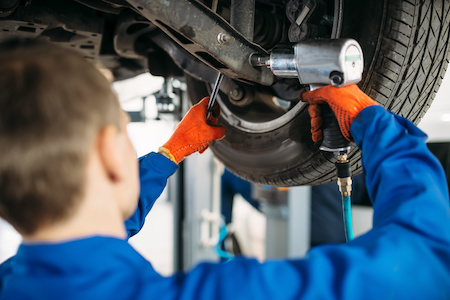
Based on the alignment measurements, the technician makes necessary adjustments to the suspension components to bring the wheels back into proper alignment. This may involve loosening and tightening bolts on components such as tie rods, control arms, or camber adjustment plates.

A final inspection ensures all alignment angles fall within the manufacturer’s specifications. They may also test-drive the vehicle to confirm that it handles properly and tracks straight.

Do my wheels need aligning?

Keeping wheels aligned is important. But how do you know when to do it?

It’s all about staying in touch with the physical health of your vehicle. Remember that time you noticed your vehicle pulling left or right? That’s a sign.

You should also inspect your tires regularly for signs of uneven wear. If you notice excessive wear on the inner or outer edges of the tires, it could be a sign of misalignment. 

Glance at your steering wheel from time to time. When driving straight ahead, the steering wheel should be positioned in the center or close to it. If you notice that the steering wheel is off-center or crooked when driving straight, it could be a sign of misalignment.

Misalignment can cause vibration or a shimmy sensation in the steering wheel, especially at higher speeds. Misaligned wheels can affect the handling and stability of your vehicle. You may notice this when turning corners or navigating curves. 

If your vehicle has recently been involved in a collision, hit a curb, or undergone suspension repairs, it’s a good idea to have the wheel alignment checked. These events can easily knock your wheels out of alignment and affect the vehicle’s handling and tire wear.

What can you do to maintain proper wheel alignment 

A lot of car maintenance and repair stems from accidents – things you can’t avoid. However, there are ways to become a better driver and keep your vehicle in good operating condition longer. 

Keep an eye on your tires for signs of uneven wear, such as scalloped or feathered edges. If you notice any abnormal wear patterns, it’s time to schedule an inspection.

Check your tire pressure regularly and keep it at the recommended level specified by the manufacturer. Underinflated or overinflated tires can affect how your vehicle rides and increase the likelihood of uneven tire wear.

Try to steer clear of potholes, uneven surfaces, and other road hazards whenever possible. Hitting these obstacles can jolt your vehicle’s suspension and knock the wheels out of alignment.

Be mindful of how you drive and avoid abrupt maneuvers, such as hard braking or sharp turns, which can put stress on your vehicle’s suspension components and potentially affect alignment.

Rotate your tires according to the manufacturer’s recommendations to ensure even wear across all four tires. This helps prevent one set of tires from wearing out faster than the others, which can contribute to alignment issues.

Include wheel alignment checks as part of your routine vehicle maintenance schedule. Even if you haven’t noticed any signs of misalignment, having your alignment checked annually or whenever you have other maintenance work done can help catch any issues early and prevent premature tire wear.

That’s where it helps to have a trusted mechanic ready to help you care for your car. Someone you can trust to inspect it and provide you with good advice to help you make the best decision possible. 

How can we help you maintain your vehicle? What questions do you have? 

Filed Under: Car Maintenance, Tips & Tricks Tagged With: Keeping Your Wheels Aligned

The Benefits of Professional Oil Change Service

January 28, 2024 by Denver Express Car Care

If you care about your car and want it to have a long life, you know oil changes are part of the process. 

Cars typically need oil changes every 3,000 to 10,000 miles, depending on how old it is and your driving conditions. Manufacturers will suggest guidelines for how often; refer to your owner’s manual for more details. 

As a driver, you know oil changes are necessary. 

But have you ever put it off … just because? You’re busy. Your car’s running just fine. 

Is it really necessary?

Should you trust a professional, or can you do it yourself?

Here’s what you should know. 

What is an oil change

In simplest terms, an oil change involves swapping out the old, worn-out oil with fresh, high-quality lubricant. This may sound straightforward, but there’s more to it than meets the eye. There’s a world of difference between a DIY job and trusting the pros at your friendly neighborhood auto repair shop.

https://denverexpresscare.com/wp-content/uploads/2024/01/brake-maintenance-tips-when-mountain-driving-is-a-part-of-your-life-1.jpeg
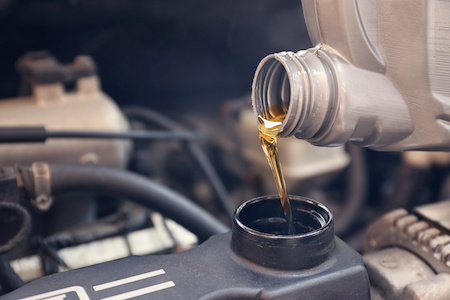
Pouring oil to car engine, close up

An oil change does a bunch of crucial things to keep your engine in tip-top shape. First off, it lubricates all those moving parts inside the engine. Imagine gears and pistons working together like a well-choreographed dance – oil ensures they glide seamlessly without awkward missteps.

Over time, oil can get dirty and lose its magical touch. That’s where the oil change steps in, swapping out the worn-out oil for a clean, revitalized version. This improves the engine’s efficiency and helps in preventing those nasty build-ups that can lead to engine wear and tear.

Fresh oil also helps with temperature control. Your engine can get pretty hot under the hood, and the right oil acts like a cool breeze, ensuring things don’t get too steamy.

The complications of poor maintenance

Let’s say you forget regular oil changes. You decide they aren’t that important; you’ll put it off for another time. 

You’re cruising down the highway, wind in your hair, music blasting – everything’s perfect. 

Except it’s not. 

Your engine parts are grinding together without that magical layer of lubrication. That lack of lubrication leads to increased friction, wear, and tear. 

But that’s just the tip of the iceberg. Remember the dirty oil we talked about earlier? Well, if you let that hang around for too long, it starts turning into a sludgy, gooey mess. And guess where that mess likes to hang out? Yep, right inside your engine.

Poor maintenance can also lead to overheating issues. Your engine works hard, and without the right oil to keep things cool, you’re risking a hot mess under the hood – and not the good kind.

Convinced regular oil changes are a good thing? 

Why professional oil change service provides better maintenance

Why should you opt for a professional oil change service?

In one word – precision. When you take your car to the pros, you’re not just getting an oil change; you’re getting a meticulous, by-the-book procedure. They know your car inside out, which means they use the exact oil grade and filter that your engine craves. It’s like getting a tailor-made suit for your car – none of that one-size-fits-all business.

Professionals have expertise. They’ve seen it all, fixed it all, and know the ins and outs of your engine’s needs. Trusting them with your oil change puts your car in good hands. You can trust the results.

What’s more, they have the tools and tech. Professional auto shops are decked out with the latest and greatest equipment. From high-quality oils to state-of-the-art technology systems, your car gets the VIP treatment it deserves. It’s the kind of pampering you just can’t replicate in your home garage.

And let’s not forget about time. We’re all busy, and a professional oil change is like a pit stop that doesn’t take all day. They’ve got the process down to a science, so you can get back on the road without sacrificing an entire afternoon.

Can you mess up an oil change? 

How hard can it be? You can buy oil and filters from a DIY shop. You’ve done it before. Can it really be that bad? 

First off, let’s talk about over-tightening. It’s a common mistake – you’re trying to make sure that oil filter or drain plug is secure, and suddenly, you’ve gone full Hulk mode. Over-tightening can lead to stripped threads, leaks, and a messy garage floor. Your car might thank you for the oil change, but not so much for the unintended oil trail you leave behind.

Then there’s the classic “oops, wrong oil” scenario. Walking down the aisle at the auto parts store, you might be tempted by that sweet deal on oil. But using the wrong type or grade can spell disaster for your engine. It’s like feeding your car the wrong fuel – not a recipe for a smooth ride.

Yes, things can go wrong with your oil filter. If it’s not snugly in place, oil can leak out, and your engine won’t get the lubrication it craves. It’s like sending your car into battle without its armor – not the best strategy.

And let’s not forget the spillage. DIY oil changes can get messy, and if you’re not careful, that oil can end up where it shouldn’t – the environment. Improper disposal is a big no-no, and Mother Nature won’t be too thrilled if your used oil becomes an unwelcome guest in her territory.

All of these are immediate problems. Long-term, you can be putting your engine at risk. Without the right motor oil at the proper levels, it can put your entire vehicle at risk. And that can add up to a lot of expense if systems start to fail. 

It’s time to find a professional oil change service

We know you have choices in oil change service providers. Selecting professionals to trust starts with a few tips.

Word of Mouth – Nothing beats recommendations from fellow car enthusiasts. Ask your friends, family, or co-workers about their experiences with local auto repair shops. Personal referrals can be golden nuggets in your quest for top-notch service.

Online Reviews – Take a digital pit stop and check out online reviews. Platforms like Yelp, Google, or specialized automotive forums can provide insights into the reputation of different auto repair shops. Look for consistently positive reviews and feedback on their oil change services.

Certifications and Qualifications – Ensure that the auto repair shop and its technicians have the necessary certifications. Getting to know the owners will provide you with a commitment to professionalism and expertise in the field.

Transparent Pricing – A reliable auto repair shop should be transparent about pricing. Ask for a clear breakdown of costs associated with the oil change, so you’re not hit with unexpected charges. Remember, quality service is an investment in your car’s longevity.

Equipment and Technology – A good auto shop invests in quality tools and technology. Check if the shop uses modern equipment and adheres to industry standards. This ensures that your car receives the best possible care during the oil change.

Customer Service – Friendly and knowledgeable customer service is a big plus. If the staff is willing to answer your questions, explain procedures, and make you feel comfortable, you’re likely in good hands. A positive customer service experience is often a sign of a well-managed shop.

Convenience: Consider the location and operating hours of the auto repair shop. Opt for a service center that is convenient for you, especially if they offer flexible hours or additional services like shuttle rides or loaner cars.

Warranty and Guarantees – A reputable auto repair shop stands by its work. Inquire about any warranties or guarantees on their oil change services. This shows confidence in their expertise and commitment to customer satisfaction.

 We welcome the opportunity to help you with your next change, and to serve you with any of your car maintenance needs. 

Filed Under: Tips & Tricks

The Impact of Regular Wheel Alignment: Saving Tires and Fuel

January 18, 2024 by Denver Express Car Care

Your car needs regular maintenance. Every driver knows that. 

But some maintenance items are a little more obscure than others. You bring it in for an oil change when the sticker on the windshield tells you to. You replace the windshield washer fluid when the tank is empty. Even problematic tires that always lose pressure can lead to the obvious assumption it’s time for maintenance. 

But regular wheel alignment might not be on the top of your to-do list. 

It should be. 

What happens during wheel alignment?

A wheel alignment focuses on positioning your vehicle’s wheels precisely following the manufacturer’s specifications. This meticulous adjustment is crucial for ensuring optimal performance, safety, and the prolonged lifespan of your tires.

The procedure involves several key steps:

The camber angle is carefully adjusted to align the wheels perpendicular to the road surface. This alignment promotes even tire tread wear and enhances the tire’s contact with the road.

The toe angle is addressed, determining the direction in which the wheels point. Skilled technicians adjust the toe angle to ensure parallel alignment or a slight inward tilt (toe-in) for stability, or an outward tilt (toe-out) for specific vehicle requirements. Proper toe alignment contributes to straight-line stability and uniform tire wear.

The caster angle, which controls the steering axis when viewed from the side, is then fine-tuned. This adjustment enhances steering stability and cornering control, resulting in a balanced and controlled steering feel.

The Impact of Regular Wheel Alignment: Saving Tires and Fuel

Simultaneously, the thrust angle is carefully aligned to ensure the rear wheels maintain the vehicle’s centerline. This ensures that all four wheels work together, minimizing stress on the tires.

In addition to wheel alignment, technicians inspect suspension components for wear or damage. This involves a thorough check for loose or worn-out parts that could compromise alignment and overall vehicle performance.

Modern wheel alignment often utilizes advanced computerized equipment, allowing for precise adjustments. This technology ensures that each wheel aligns accurately according to specified angles, contributing to the efficiency and effectiveness of the alignment process.

Why does a car need regular wheel alignment?

Regular wheel alignment is not just a routine maintenance task; it’s a key factor in ensuring your car’s optimal performance and longevity. If you haven’t included wheel alignment on your to-do list in the past, here’s why you should. 

https://denverexpresscare.com/why-wheel-alignment-will-save-you-money-in-the-long-run

Improves a Car’s Performance

A properly aligned set of wheels contributes significantly to the overall performance of your vehicle. When the wheels are precisely aligned according to manufacturer specifications, it results in a smoother and more controlled driving experience. Improved handling, stability, and responsiveness are notable benefits that directly enhance your car’s performance on the road.

Enhances Fuel Efficiency

One often overlooked aspect of regular wheel alignment is its impact on fuel efficiency. Misaligned wheels can create extra resistance, requiring the engine to work harder and consume more fuel. By ensuring that your wheels are correctly aligned, you promote a more streamlined and efficient driving experience, ultimately saving you money at the pump.

Increases Your Tire’s Lifespan

Proper wheel alignment directly contributes to extending the lifespan of your tires. Misaligned wheels can lead to uneven tire wear, causing certain areas of the tread to wear out faster than others. This not only compromises the safety of your vehicle but also necessitates more frequent tire replacements. Regular wheel alignment helps distribute the wear evenly, maximizing the longevity of your tires and saving you from the cost and inconvenience of premature replacements.

Promotes Safer Driving

Safety on the road is paramount, and wheel alignment plays a crucial role in ensuring a safe driving experience. Properly aligned wheels contribute to stable handling and control, reducing the risk of accidents or loss of control. Consistent and accurate wheel alignment is an investment in your safety and the safety of others on the road.

Saves Money in the Long Run

While some may view regular wheel alignment as an additional expense, it is, in fact, a cost-effective measure in the long run. By preventing uneven tire wear, reducing fuel consumption, and enhancing overall vehicle performance, regular wheel alignment helps you avoid more significant expenses associated with premature tire replacements, increased fuel costs, and potential repairs resulting from poor handling and alignment issues.

How do you know your car needs a wheel alignment? 

Your car is a fine-tuned precision instrument. When it’s running well, it’s as efficient as possible. Luckily, as it starts falling out of efficiency, it gives warning signs to alert you there are problems. While some symptoms may be subtle, being attuned to these indicators can help you address alignment issues before they escalate. 

https://denverexpresscare.com/wheel-alignment-or-tire-balancing-what-your-car-needs

Uneven or Excessive Tire Wear

Inspect your tires regularly for signs of uneven wear. Uneven wear patterns, such as excessive wear on the inner or outer edges, may indicate misaligned wheels. If you notice this discrepancy, it’s advisable to schedule a wheel alignment to prevent further damage.

Steering Wheel Off-Center

While driving on a straight, level road, your steering wheel should be centered. If you find yourself constantly adjusting the steering wheel to keep your car moving straight, it could be a sign of misaligned wheels. An off-center steering wheel suggests the need for alignment adjustments.

Vehicle Pulls to One Side

If your car tends to drift or pull to one side while driving on a straight road, it may be experiencing alignment issues. A well-aligned vehicle should travel straight with minimal input from the driver. Persistent pulling indicates the need for a professional wheel alignment.

Steering Wheel Vibration

Vibrations in the steering wheel, especially at certain speeds, can indicate misaligned wheels. This vibration may stem from uneven tire wear caused by poor alignment. Addressing the alignment issue can alleviate these vibrations and improve driving comfort.

Noisy or Uneven Tire Tread

Listen for unusual tire noises while driving. Excessive road noise or uneven tread wear can be signs of misaligned wheels. Tires should wear evenly across the tread surface, and any deviation may warrant a wheel alignment.

Handling Feels Unstable

If your car’s handling feels less stable than usual, with a tendency to wander or feel “loose” on the road, it could result from poor wheel alignment. Proper alignment is essential for maintaining stability, control, and overall driving confidence.

Recent Suspension or Steering Repairs

If you’ve recently undergone suspension or steering system repairs, it’s advisable to check and adjust the wheel alignment. Any changes made to these components can impact the alignment settings, necessitating a realignment for optimal performance.

When was the last time you had your car’s wheels aligned? 

Filed Under: Car Maintenance, Tips & Tricks Tagged With: Regular Wheel Alignment

Top Car Care Tips to Survive the Cold Winter Season

January 10, 2024 by Denver Express Car Care

Welcome to winter in Denver. Where it can snow several feet one minute, and be sunny the next. Yet, no matter what the environment looks like in the heart of winter, you can depend on one thing: Cold. Temperatures dip well below freezing as the sun fades away. Starting your car when temperatures fall well below zero can be a harrowing experience. Will it start, or won’t it? 

Twenty-four percent of all weather-related vehicle crashes occur on snowy, slushy, or icy pavement. To avoid becoming a statistic, we’ve created winter car care tips to ensure your vehicle stays in good condition no matter what the roads look like when you drive. 

Keep your battery in good shape

As winter descends upon the Denver Metro area, it’s crucial to ensure your car’s battery is up to the challenge. How old is your battery? They typically last between 3 to 5 years. If yours is reaching the end of its lifespan, consider a replacement before the colder temperatures hit, as older batteries tend to struggle more in the cold.

Inspect the battery connections for signs of corrosion on the terminals. If a white, powdery substance is present, that’s corrosion. Clean it off using a wire brush to ensure a solid connection and optimal battery function. Additionally, ensure the battery is securely mounted, as vibrations during driving can loosen connections over time.

Prioritize a load test for your battery, available for free at most auto parts stores. This test gives you insight into your battery’s charge and overall health, helping you gauge its ability to hold a charge under various conditions. For those residing in areas with extreme cold, investing in a battery blanket or insulation can keep the battery warm during temperature drops, providing added protection during prolonged periods of inactivity.

Top Car Care Tips to Survive the Cold Winter Season

Consider parking your car indoors when possible, as the warmer environment can significantly reduce the strain on your battery during cold nights. Minimize short trips during the winter, as the cold weather can put additional stress on the battery, and short trips may not allow it to recharge fully. Combining multiple errands into one trip provides your battery with the time it needs to recharge adequately.

Check the oil

Maintaining the right oil level is essential to prevent increased friction and wear on engine components, particularly during colder temperatures.

Refer to your vehicle’s manual to identify the recommended oil viscosity for winter. Thinner oils, with lower viscosity, flow more easily in cold conditions, providing superior lubrication during startup. In frigid climates, consider switching to a winter-grade oil formulated to perform optimally in low temperatures, ensuring smoother starts and enhanced engine protection on chilly mornings.

Adhere to the manufacturer’s recommended oil change intervals, replacing the oil and filter regularly. This practice contributes to better engine performance and longevity, especially crucial before winter to guarantee optimal lubrication in challenging conditions. Additionally, inspect your car for any signs of oil leaks, as cold weather can exacerbate leaks and lead to oil loss, potentially compromising engine function. Address any leaks promptly to prevent further damage.

In colder temperatures, allow your engine to warm up for a few minutes before driving. This allows the oil to reach all vital engine components, ensuring they are adequately lubricated for optimal performance. Just these few practical measures can help maintain a well-lubricated engine no matter what winter conditions show up this year. 

Consider new tires

Tires with worn-out treads have reduced traction, posing a greater risk on slippery winter roads. Consider the installation of new tires with deeper treads to enhance grip and responsiveness in adverse conditions.

Evaluate the tire pressure regularly, as cold temperatures can cause tire pressure to drop. Underinflated tires not only compromise fuel efficiency but also impact traction and handling. Keep your tires properly inflated according to the manufacturer’s recommendations to ensure optimal performance during winter.

If you reside in an area with heavy snowfall, contemplate switching to winter or snow tires. These specialized tires are designed to provide superior traction in snowy and icy conditions. While all-season tires are versatile, winter tires offer enhanced safety and control in extreme winter weather, making them a prudent investment for the unpredictable driving conditions in the region.

Additionally, inspect the overall condition of your tires, checking for any visible damage or irregular wear. Address any issues promptly, as damaged or worn-out tires can significantly compromise your vehicle’s safety and performance.

Examine the brakes

Worn-out brake pads can diminish braking efficiency, particularly in slippery conditions. If you notice significant wear, consider replacing the brake pads to ensure optimal stopping power.

Additionally, be attuned to any unusual noises or sensations while braking. Squeaking, grinding, or vibrations may indicate issues with the brake system. Addressing these signs promptly can prevent further damage and maintain the effectiveness of your brakes, crucial for safe winter driving.

Check the brake fluid level and condition, as low levels or contaminated fluid can compromise braking performance. Consult your vehicle’s manual for guidance on the recommended brake fluid change intervals and adhere to them to ensure your brake system operates smoothly.

Consider having a professional brake inspection, especially if you observe any of the signs above, or if it’s been a while since your last inspection. A qualified technician can assess the overall condition of your brake system, including the brake lines and master cylinder, providing a comprehensive evaluation of its functionality.

Create a preparedness kit for your trunk

Begin by including essential items such as a blanket, extra warm clothing, and gloves to stay warm in case of unexpected delays or breakdowns during chilly weather.

Pack a flashlight with extra batteries to provide visibility in case you find yourself in a dark or poorly lit area. This can be particularly useful for inspecting your vehicle or signaling for assistance. Include non-perishable snacks and bottled water to keep yourself nourished and hydrated during longer journeys or unexpected stops.

Consider adding a compact shovel to your kit, facilitating the removal of snow or slush around your tires if you get stuck. A bag of cat litter or sand can be useful for gaining traction on icy surfaces. Include basic tools such as a multipurpose tool, jumper cables, and a tire pressure gauge to address minor issues or assist fellow drivers in need.

It’s wise to include a first aid kit with essential medical supplies in case of minor injuries. Having a fully charged power bank for your phone ensures you can stay connected in case of emergencies.

Regularly check and update your preparedness kit to ensure all items are in good condition and relevant to the season. 

How prepared are you for winter driving? Remember, the snowiest month in Colorado is March. If your car isn’t ready for snow and slush, bring it in today for a full inspection. We’ll get you back out on the road safely and securely. 

Filed Under: Car Maintenance, Tips & Tricks Tagged With: Winter Car Care Tips

Demystifying Engine Knock: What’s Really Happening Under Your Hood

December 28, 2023 by Denver Express Car Care

Some words and concepts may seem a bit mysterious, until you experience them for yourself. 

Like the concept of engine knock. Drivers refer to it frequently, but what does it really mean? How will you know if you experience it? How concerned should you be? 

Let’s start at the beginning. 

What is engine knock? 

Engine knock, also known as detonation or spark knock, is a phenomenon that occurs within an internal combustion engine. 

Imagine the engine as a symphony of controlled explosions, where fuel and air mix in the combustion chamber to produce power. Now, imagine if this symphony were suddenly interrupted by an unruly drummer out of sync with the rest of the band – that’s engine knock.

When each engine cylinder has the correct balance of fuel and air, fuel burns in small controlled bursts and creates little shocks, igniting the next. If this doesn’t occur in rhythm, these bursts go off at the wrong time. The result? Engine knock. 

What engine knock feels like

As a driver, you can take two approaches to driving: reactive or proactive. A reactive driver ignores everything until you can’t ignore it anymore. A proactive driver pays attention to every detail, noting when your car isn’t driving the way it should. 

Demystifying Engine Knock: What's Really Happening Under Your Hood

A proactive driver is more likely to notice the signs of engine knock. 

Engine knock is often first detected by the distinct sound it produces. It’s commonly described as a sharp, metallic “pinging” or “knocking” noise emanating from the engine bay. This noise may be more noticeable during acceleration or under load, such as when climbing hills or towing. In addition to audible cues, engine knock can manifest as vibrations or shakes felt through the steering wheel, floorboard, or even the entire vehicle. These vibrations are typically rhythmic and coincide with the detonation events happening within the engine.

Engine knock is often accompanied by a noticeable reduction in engine performance. You may experience a sluggish response to throttle inputs, a lack of power during acceleration, or a general feeling of the vehicle struggling to perform as expected. In severe cases, engine knock can produce unusual smells, such as the scent of burnt or overheated components. This may be an indication that the engine is working harder than usual, potentially causing increased wear and tear.

Modern vehicles are equipped with sophisticated onboard diagnostics; some may detect engine knock and trigger warning lights on the dashboard. If you see the “check engine” light or any other relevant warning lights, it’s essential to have your vehicle inspected promptly. Engine knock can contribute to increased temperatures within the engine. If you notice your temperature gauge rising more than usual, it could be a sign of detonation affecting the engine’s efficiency.

What causes engine knock?

Engine knock doesn’t happen out of the blue. Instead, it’s a slow decline caused by wear and tear. Every time you start the car, it impacts performance. Every road you move down affects the car in some way. 

Incorrect Fuel Octane Rating

One of the primary causes of engine knock is using fuel with an octane rating lower than your engine requires. Octane rating indicates a fuel’s resistance to premature ignition. High-performance or turbocharged engines often demand higher octane fuel to prevent knock.

Advanced Ignition Timing

Ignition timing refers to the precise moment the spark plug ignites the air-fuel mixture. If the ignition timing is too advanced, meaning the spark occurs too early, it can increase pressure and temperature in the combustion chamber, causing knocking.

Excessive Engine Temperature

Overheating can be a catalyst for engine knock. High temperatures contribute to the formation of hotspots in the combustion chamber, promoting spontaneous ignition of the fuel-air mixture before the spark plug fires.

Carbon Deposits

Carbon deposits on the combustion chamber walls can act as hot spots, initiating combustion before the spark plug ignites. This is more common in engines with poor fuel quality or prolonged use of low-quality oils.

How engine knock affects a car over time

What’s that sound? Ignoring or neglecting the signs of engine knock can lead to progressively severe consequences. If you ignore the sound coming from your engine, the effects can be severe:

Piston and Cylinder Damage

Engine knock creates intense pressure waves within the combustion chamber, leading to forceful impacts on the piston and cylinder walls. Over time, these repeated impacts can cause accelerated wear and damage to these critical components.

Connecting Rod Wear

The connecting rods, which link the pistons to the crankshaft, are also vulnerable to the effects of engine knock. The forceful detonations can lead to increased stress on the connecting rods, potentially resulting in bending or other forms of damage.

Spark Plug and Ignition System Issues

Persistent engine knock can negatively impact the spark plugs and the entire ignition system. The excessive pressure and heat generated during detonation can cause premature wear on spark plug electrodes, leading to misfires and a further deterioration of engine performance.

Increased Heat and Friction

Engine knock contributes to higher temperatures within the combustion chamber. The increased heat, combined with friction from the forceful detonations, accelerates overall wear on engine components. This can lead to a reduction in engine efficiency and an increased likelihood of component failure.

Reduced Fuel Efficiency

As engine knock compromises the efficient combustion of fuel and air, the engine has to work harder to maintain performance. This increased workload results in higher fuel consumption, leading to reduced overall fuel efficiency.

Catalytic Converter Damage

The heightened temperatures caused by engine knock can harm the catalytic converter. Over time, this may lead to a decline in efficiency and functionality, potentially triggering the illumination of the “check engine” light and necessitating costly repairs.

Engine Knock Feedback Loop

If left unaddressed, engine knock can create a feedback loop of damage. For example, damaged pistons and cylinders can lead to irregular combustion, further exacerbating engine knock and accelerating the wear and tear on various components.

Costly Repairs

The cumulative effects of engine knock can result in substantial and expensive repairs. Rebuilding or replacing damaged engine components, such as pistons, connecting rods, or the entire engine block, can be a significant financial burden.

What’s coming from underneath your hood?

Being a proactive driver means paying attention to every little detail. When something sounds off, it probably is. 

That’s when it’s time to bring your vehicle in for an inspection. That’s when we can discover what’s wrong before it becomes a more serious issue. 

How can we help you today? 

Filed Under: Car Maintenance, Engine, Tips & Tricks Tagged With: Engine Knock

Are Additives In Motor Oil Important?

December 21, 2023 by Denver Express Car Care

You know car maintenance is important. Some projects easily filter into your to-do list – you no longer have to think about them. 

Like stopping for gas. Or ensuring your tires are properly pressurized. 

Or changing the motor oil. 

Most of us stop for an oil change when the little sticker in the window tells us we’ve reached a specific mileage. But have you ever stopped to think about why? Or what’s in motor oil that makes it beneficial for your vehicle? (Yes, motor oil additives are essential!)

Let’s dig in!

This is why your car needs motor oil

Motor oil is also referred to frequently as engine oil. It’s a lubricant used in internal combustion engines to reduce friction and wear between moving parts. 

It’s designed to lubricate the engine components, such as the pistons, bearings, and camshaft, to ensure smooth operation and minimize friction-related heat. It also helps:

  • Dissipate heat generated during engine operation, preventing components from overheating.
  • Keep the engine clean by carrying away contaminants and deposits, preventing sludge build-up and maintaining engine cleanliness.
  • Form a film between the moving parts, helping to create a seal and prevent leaks.
  • Provides a protective layer to prevent corrosion of engine components.

Now imagine what would happen if you didn’t add motor oil regularly. 

Are Additives In Motor Oil Important?

Every part would be impacted. The friction and wear would occur gradually over time as each part moved a little slower, and didn’t work quite as designed. 

More friction means more heat. If you drive a lot and this continues, heat may build and lead to overheating. And that can bring a lot of problems inside the engine compartment. 

This doesn’t happen quickly. Instead, it’s a slow build-up of sludge, dirt, and debris, gradually contaminating the motor oil and negatively impacting the engine. Which leads to poor fuel efficiency, increased emissions, more costly repairs, and eventual engine failure. 

Whew! 

All from not paying attention to your motor oil. Who knew a little can of motor oil could do so much for your car. 

What’s in a can of motor oil?

Here’s where it gets interesting. Motor oil is more than just another liquid. 

New, clean motor oil is typically amber or light brown. However, as it ages and accumulates contaminants, it can darken and appear black. The color can also be influenced by the additives and base oil used in the formulation. High-quality synthetic oils may have a clearer, lighter color.

You may notice its mild, characteristic petroleum odor. However, as oil ages and accumulates contaminants, it may develop a stronger, more unpleasant smell. The presence of burnt or acrid odors could indicate overheating or other issues within the engine.

Motor oil is designed to have a specific viscosity, which is a measure of its thickness or resistance to flow. It’s often labeled with two numbers, such as 10W-30. The first indicates the oil’s viscosity at low temperatures, while the second indicates the viscosity at high temperatures. The consistency can range from relatively thin to more viscous, depending on the oil’s intended use and operating conditions. 

What’s in motor oil? It can vary depending on the specific formulation, brand, and intended use (conventional, synthetic, or a blend). However, motor oil typically consists of a base oil and additives. Here’s what’s in each:

Base Oil

The base oil is the primary component of motor oil and makes up the majority of its volume. It can be derived from crude oil or synthesized chemically. The base oil provides the lubricating properties necessary to reduce friction and wear between moving engine parts. The quality and type of base oil (conventional, synthetic, or semi-synthetic) significantly influence the performance of the motor oil.

Additives

Motor oil contains various additives to enhance its performance and provide additional benefits. These additives include:

  • Detergents and Dispersants – These additives help keep the engine clean by preventing the formation of deposits and sludge. They disperse and suspend contaminants, allowing them to be carried away during oil changes.
  • Anti-Wear Agents – These additives form a protective film on metal surfaces, reducing friction and minimizing wear on engine components.
  • Viscosity Index Improvers – These additives help stabilize the viscosity of the oil over a range of temperatures. This ensures that the oil maintains its effectiveness in lubricating the engine under different operating conditions.
  • Antioxidants – These additives help prevent the oil from oxidizing and breaking down, extending the oil’s life and maintaining its properties over time.
  • Corrosion Inhibitors – These additives protect engine components from corrosion by forming a protective layer on metal surfaces.
  • Foam Inhibitors – These additives help prevent the formation of foam, ensuring efficient lubrication and preventing air entrainment in the oil.
  • Pour Point Depressants – These additives improve the low-temperature flow characteristics of the oil, preventing it from thickening in cold conditions.
  • Friction Modifiers – These additives reduce friction between moving parts, improving fuel efficiency.

Why your car needs motor oil additives

With everything we do and have in our world today, we can look back over time and see how it’s a little better than in the past. We learn. We grow. And we make things better. 

Motor oil has had that progression, too. 

Go back to the very first cars and motor oil was a base ingredient with little in it. Over time, we’ve learned to add things that make it better – better for your car, better for the environment, better for efficiency. 

Today’s motor oil additives are essential team players dedicated to keeping your car’s engine in top shape. These additives each contribute unique benefits. 

Take the detergent and dispersant combo, for instance. They actively prevent the accumulation of deposits and sludge, maintaining the engine’s cleanliness. What was once difficult or even impossible, today is handled through additives within the motor oil itself. 

Then there’s the anti-wear agent, a vital component forming a protective layer on metal surfaces, minimizing friction and preventing premature wear on critical engine parts. That’s just one reason the average age of a car on the road is creeping upwards every year. 

Yes, additives are a good thing. Your car’s engine can’t survive without motor oil. But increasingly, it can’t function well over time without motor oil additives. 

While you might not have a deep understanding of motor oil and its job, hopefully, this provides you with a little more information about its importance. 

Changing motor oil regularly is essential to the health of your vehicle. 

We can help you with that. 

It’s the best way to ensure a longer, healthier life for your engine.

Filed Under: Oil Change, Tips & Tricks Tagged With: Motor Oil Additives

  • « Previous Page
  • 1
  • 2
  • 3
  • 4
  • …
  • 16
  • Next Page »

Express Car Care
4200 E. Evans Ave. Denver, CO (map)
Phone: (303) 691-2760
Located just southeast of the Colorado Light Rail station

Follow Us Today!

  • Facebook
  • RSS

Shop Hours

Monday: 8:00AM – 5:00PM
Tuesday: 8:00AM – 5:o0PM
Wednesday: 8:00AM – 5:00PM
Thursday: 8:00AM – 5:00PM
Friday: 8:00AM – 5:00PM
Saturday: Closed – A note from the owner
Sunday: Closed

Last car oil change time  – 5:00PM

Click for the BBB Business Review of this Auto Repair & Service in Denver CO

Recent Articles

What to Do If Your Car Starts Leaking Fluids

What to Do If Your Car Starts Leaking Fluids

You pull out of your driveway and notice a small puddle where your car was parked. It's shiny. It's wet. Is that normal… or something you should worry about? We get this question all the time from … [Read More...]

  • How Regular Tire Checks Improve Safety and Save Money
  • How to Know If It’s Time to Replace Your Brake Rotors
  • Top 5 Maintenance Tips for High-Mileage Vehicles
  • Everything You Should Know About Spark Plug Maintenance
  • Why Regular Inspections Can Save You Thousands on Car Repairs

Search Our Site

Brakes Service

How to Know If It’s Time to Replace Your Brake Rotors

The Hidden Dangers of Driving With Low Brake Fluid

Denver Driving Conditions and What They Mean for Your Brakes

Oil Change

Top Benefits of Getting Regular Oil Changes in Denver

Oil Change Specials in Denver: Save Money and Keep Your Car Running Right

Why Regular Oil Changes Are Crucial for Denver Drivers

Suspension

How to Know If Your Car Needs Suspension Repair in Denver’s Bumpy Roads

A Guide To Understanding Bushings on a Car

Tips for Preventing Wear and Tear on Your Car’s Suspension

Transmision Service

How Often Should You Service Your Transmission in Denver?

Transmission Trouble? Common Signs and When to Visit Our Denver Shop

How to Prevent Common Issues with Automatic Transmissions

Engine Service

Everything You Should Know About Your Vehicle’s Timing Belt

Is Your Car Hesitating During Acceleration?

How to Troubleshoot a Rough Idling Engine

Auto Tips & Tricks

Top 5 Maintenance Tips for High-Mileage Vehicles

Why Tire Pressure Matters More Than You Think

Check Engine Light On? Here’s What Denver Drivers Need to Know

"Denvers Best Auto Repair and Quick Lube" - Copyright © 2025 - 4200 E. Evans Ave. Denver, CO 303-691-2760